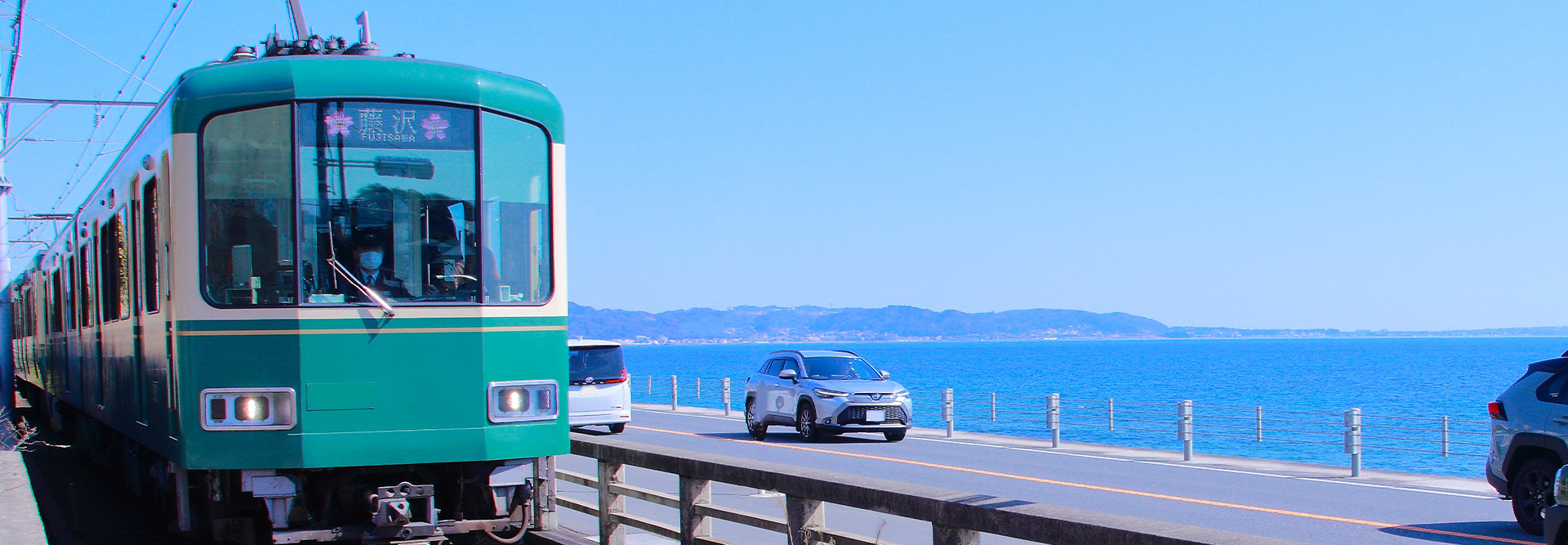
Enoshima Area
Enoshima Area Travel Guide: A Perfect Coastal Day Trip from Tokyo
Photos are for illustrative purposes only.
Just an hour from central Tokyo, the Enoshima area offers a refreshing mix of seaside views, traditional shrines, stylish cafes and coastal walks. It is one of the easiest places for first-time visitors to Japan to experience both modern beach culture and timeless spiritual traditions in a single, relaxed day trip.
Why Visit the Enoshima Area?
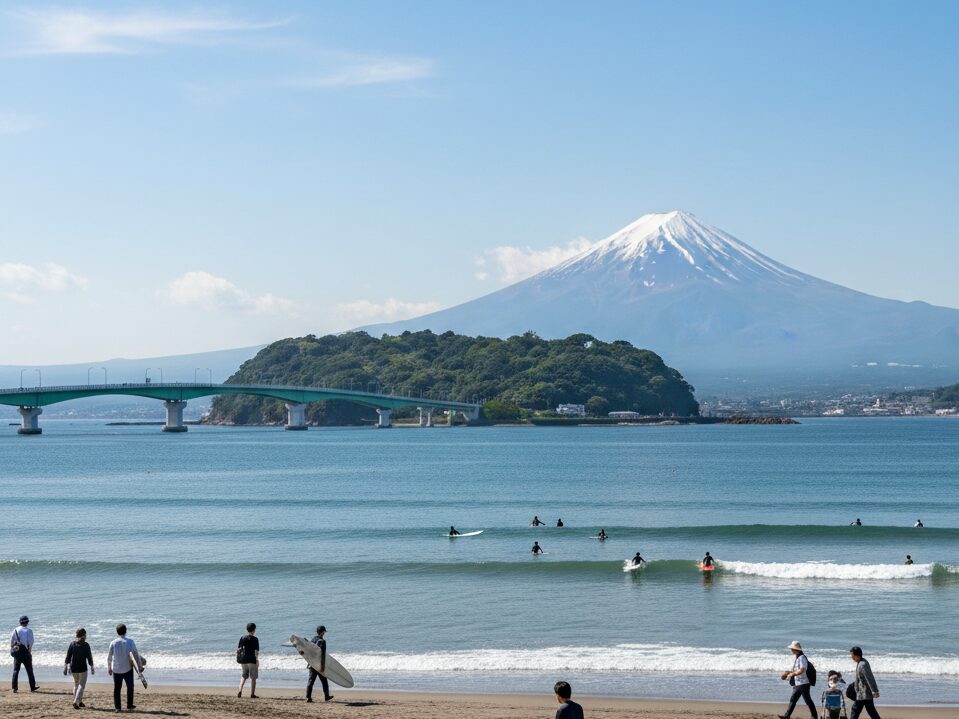
Enoshima is a small island connected to the mainland by a bridge, facing the wide Sagami Bay. Together with the surrounding coastline, it has long been a beloved getaway for Tokyo and Yokohama locals. On clear days, Mount Fuji appears on the western horizon, adding to the area’s dramatic scenery.
For international visitors, the Enoshima area is especially attractive because it combines:
- Easy access from Tokyo and Yokohama
- Beaches and seaside promenades with a relaxed resort atmosphere
- Historic shrines and spiritual sites on the island
- Observation decks and gardens with sweeping ocean views
- Caves and rocky coastlines that feel far from the city
- Plenty of cafes, seafood restaurants and casual snack stands
Whether you have a free day in your itinerary or want to break up a busy city schedule, Enoshima is one of the most rewarding and accessible coastal escapes in Japan.
Getting to the Enoshima Area
From Tokyo
You can reach the Enoshima area surprisingly quickly from central Tokyo:
- From Shinjuku: Take the Odakyu Line rapid or express train to Katase-Enoshima Station. The limited express service “Romancecar” (seat reservation required) offers a more comfortable ride with large windows and luggage space.
- From Tokyo or Shinagawa: Take a JR Tokaido Line train to Fujisawa Station. From there, change to the local Enoden line or the Odakyu line toward Enoshima.
Travel time is generally between 60 and 80 minutes, making Enoshima an easy day trip without the need to stay overnight, though the area is pleasant enough that an overnight stay is also a good option.
From Yokohama
From Yokohama Station, take the JR Tokaido or Shonan-Shinjuku Line to Fujisawa, then transfer to the Enoden or Odakyu line. The journey usually takes about 40 minutes, depending on the connection.
First Impressions: Arriving in the Enoshima Area
Most visitors start near one of three stations: Katase-Enoshima on the Odakyu Line, Enoshima on the Enoden line, or Shonan-Enoshima on the Shonan Monorail. From these stations, it is a short walk to the beach and the bridge leading to Enoshima Island.
As you approach, you will see surfers catching waves, families relaxing on the sand and couples strolling along the water. The atmosphere is casual and friendly. In summer, rented beach chairs and seasonal bars appear along the shore. The bridge to Enoshima itself offers one of the best first views of the island’s green hill, lighthouse tower and rocky shoreline below.
Exploring Enoshima Island
Enoshima Island is compact, but it offers a surprisingly rich variety of sights. Prepare for some walking and stairs; comfortable shoes are highly recommended. If you prefer to avoid climbing, paid escalators can take you up many of the steeper sections.
Enoshima Shrine: Island Spiritual Heart
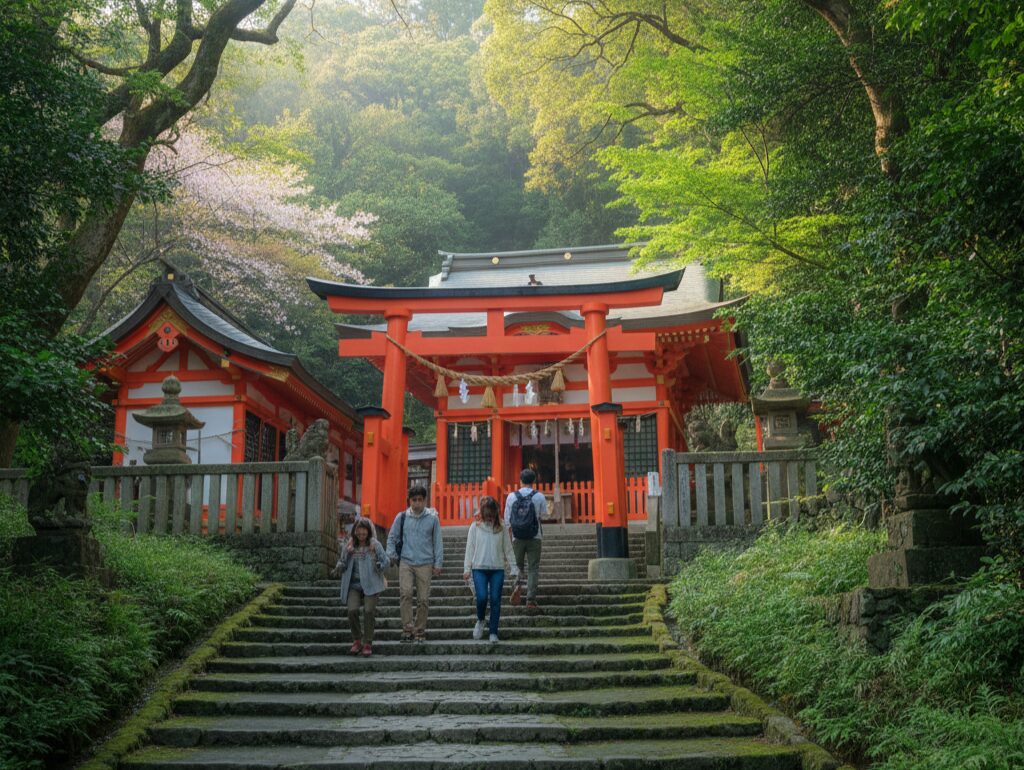
Enoshima Shrine is actually a group of ancient Shinto shrines scattered across the island, dedicated mainly to Benten (Benzaiten), a goddess associated with music, art, wealth and the sea. This connection to water and good fortune explains why Enoshima has been a pilgrimage site for centuries.
As you pass under the large torii gate at the island’s entrance, you step into a world where local history and mythology blend. The main shrine buildings are located along the uphill path, each with their own charms:
- Main hall: A classic shrine setting where visitors bow, clap and offer coins in prayer.
- Sub-shrines: Smaller structures hidden among the trees, some with views over the sea or the town below.
First-time visitors can follow the simple etiquette of Shinto shrines: purify hands and mouth at the stone basin, bow slightly before entering, then approach the offering box, toss a coin, bow twice, clap twice, silently make a wish and then bow once again.
Nakamise Shopping Street
Near the base of the island, a short traditional shopping street leads up from the entrance. This is a great place to sample local snacks and buy souvenirs. You will find grilled seafood skewers, rice crackers, colorful sweets and small shops selling seashell crafts and charms associated with Benten and maritime safety.
Because Enoshima has long been a pilgrimage site, it has a strong culture of local souvenirs, many of which feature the island’s dragon legends or images of waves and Mount Fuji.
Enoshima Escar: Convenient Island Escalators
The steep slopes of the island can be challenging if you are tired or traveling with children. For a small fee, you can ride a series of outdoor escalators known as the Enoshima Escar, which carry you to higher sections of the island near the main shrine and gardens. Walking downhill is free, so many visitors prefer to ride up and stroll down at their own pace.
Samuel Cocking Garden & Enoshima Sea Candle
At the top of the island sits the Samuel Cocking Garden, a botanical garden originally created in the late 19th century by an Irish merchant who loved exotic plants. Today it is a well-maintained garden featuring seasonal flowers, subtropical plants and open lawns that invite you to pause and take in the sea air.
The garden’s main landmark is the Enoshima Sea Candle, a modern lighthouse and observation tower. You can enter for a fee and ride an elevator to an indoor observation deck, then climb higher to an outdoor platform. On clear days, you can see as far as Mount Fuji, the Miura Peninsula and the Shonan coastline, with the Pacific Ocean stretching out to the horizon.
In the late afternoon and evening, the Sea Candle is illuminated, and the garden often hosts seasonal light-up events, especially in winter. If your schedule allows, staying until sunset rewards you with some of the most romantic views in the area.
Iwaya Caves and Rocky Coastline
Continuing down from the gardens, paths lead to the rugged western side of the island. Here you will find the Iwaya Caves, coastal caverns carved by waves over many centuries. Historically, these caves were considered sacred spaces, used by monks for meditation and connected to local dragon legends.
Inside, walkways and soft lighting guide you through narrow passages where statues and altars hint at Enoshima’s long religious history. Near the caves, you can access flat rocky surfaces along the shore. When the tide and weather permit, this is a popular spot for sitting by the water, taking photos, watching fishing boats and feeling the power of the waves up close.
Always pay attention to local safety notices and weather conditions, as the rocks can be slippery and dangerous during high surf or storms.
Beaches and Seaside Promenades
Shonan Coastline
The mainland coast around Enoshima forms part of the popular Shonan area, known for its open beaches and surfing culture. In summer, beach houses and temporary bars line the shore, playing music and serving drinks, snacks and simple meals.
The wide promenade is ideal for walking, jogging or renting a bicycle. Many Tokyo residents see Shonan as their local resort area, so the atmosphere is relaxed, youthful and lively, especially on sunny weekends.
Enoshima Beach Activities
Depending on the season, you can enjoy:
- Swimming and sunbathing (mainly in summer)
- Surfing and bodyboarding, with rental shops nearby
- Stand-up paddleboarding and other water sports
- Casual picnics or evening walks along the shore
Japan’s beach etiquette is generally straightforward: keep the area clean, avoid loud behavior late at night and be aware that tattoos may attract some attention, though coastal areas like Shonan are often more relaxed than traditional hot spring resorts.
Local Food and Cafes
The Enoshima area is known for its fresh seafood and casual seaside dining. Many restaurants and food stands are clustered near the base of the island and along the mainland coast near the stations.
Shirasu: A Local Specialty
One of the most famous local dishes is shirasu, tiny whitebait-like fish often served raw (when extremely fresh), boiled or dried. In Enoshima, you will find shirasu-don (a rice bowl topped with shirasu), as well as pizza, croquettes and other creative dishes featuring this regional ingredient.
If you are hesitant about trying raw versions, start with gently boiled shirasu, which have a delicate, slightly salty flavor. Many restaurants display picture menus, making it easy for international visitors to order.
Cafes with Ocean Views
Scattered around the island and coastline are cafes and small restaurants with terraces facing the sea. They are ideal for a simple lunch, coffee break or sunset drink. In recent years, stylish modern cafes have appeared alongside long-established local eateries, giving you plenty of choice whether you prefer traditional Japanese meals or international-style light dishes.
Onsen and Relaxation
After a day of walking, you may want to rest in a hot spring facility near Enoshima. Several modern bath complexes in the area use natural hot spring water and offer indoor and outdoor baths, saunas and relaxation spaces.
While each facility is different, most follow standard Japanese bathing etiquette: wash thoroughly before entering the shared baths, do not wear swimwear in the water and keep towels out of the bath itself. Some locations may have rules about visible tattoos, so it is wise to check in advance if this concerns you.
Seasonal Highlights
Enoshima has something to offer in every season, and timing your visit can enhance your experience.
Spring
In spring, the island’s gardens and slopes fill with flowers. Cherry blossoms may appear in late March or early April, while azaleas and other blooms follow. The weather is generally mild, perfect for long walks and outdoor exploration.
Summer
Summer brings the beach season and a lively resort atmosphere. Expect more crowds, beach houses, fireworks displays in some years and long, bright evenings. If you plan to swim or enjoy water sports, this is the ideal time, but be prepared for heat and humidity.
Autumn
Autumn offers clear skies and comfortable temperatures, making it one of the best seasons for panoramic views from the Sea Candle and coastal paths. On especially clear days, Mount Fuji appears strikingly sharp against the sky.
Winter
Winter is quieter and cooler, but the air can be crystal clear, giving some of the best long-distance views of the surrounding mountains and coastline. Enoshima is also known for winter illumination events in the garden and around the lighthouse, creating a romantic evening atmosphere.
Practical Tips for First-Time Visitors
- Footwear: Wear comfortable shoes suitable for stairs and uneven paths, especially if you plan to visit the caves and rocky coast.
- Cash and cards: Many larger restaurants and shops accept credit cards, but small snack stalls and older shops may be cash only, so carry some yen.
- Luggage: If you are visiting on the way between cities, consider using station coin lockers to store larger bags while you explore.
- Weather: The coastal breeze can feel cooler than inland areas. Bring a light layer even in warmer seasons, particularly if you plan to stay for sunset.
- Language: Staff in tourist-oriented shops and attractions are usually accustomed to international visitors. Menus often have pictures, and simple English is commonly understood.
Suggested One-Day Itinerary
If you are visiting Enoshima for the first time, this simple route works well:
- Arrive late morning and walk along the Shonan beachfront.
- Cross the bridge to Enoshima Island and stroll through the shopping street.
- Visit Enoshima Shrine and use the escalators or paths to reach the Samuel Cocking Garden.
- Climb the Sea Candle for panoramic views.
- Head down to the Iwaya Caves and rocky shore if conditions allow.
- Return to the mainland for an early evening meal featuring local seafood.
- Optionally, finish with a hot spring bath before taking the train back to Tokyo or Yokohama.
Experience Coastal Japan Close to the City
For many international travelers, Japan’s image is dominated by big cities, temples and mountain scenery. The Enoshima area reveals a different side: a relaxed coastal community where locals surf before work, friends share seafood by the sea and centuries-old shrines look out across the waves.
Because it is easy to reach, compact and rich in both nature and culture, Enoshima is an ideal choice for a first seaside excursion in Japan. With a single day, you can enjoy beaches, shrines, gardens, sea views and local food, all without straying far from the urban heart of the country.
Access Map
Recommended spots in Kanagawa
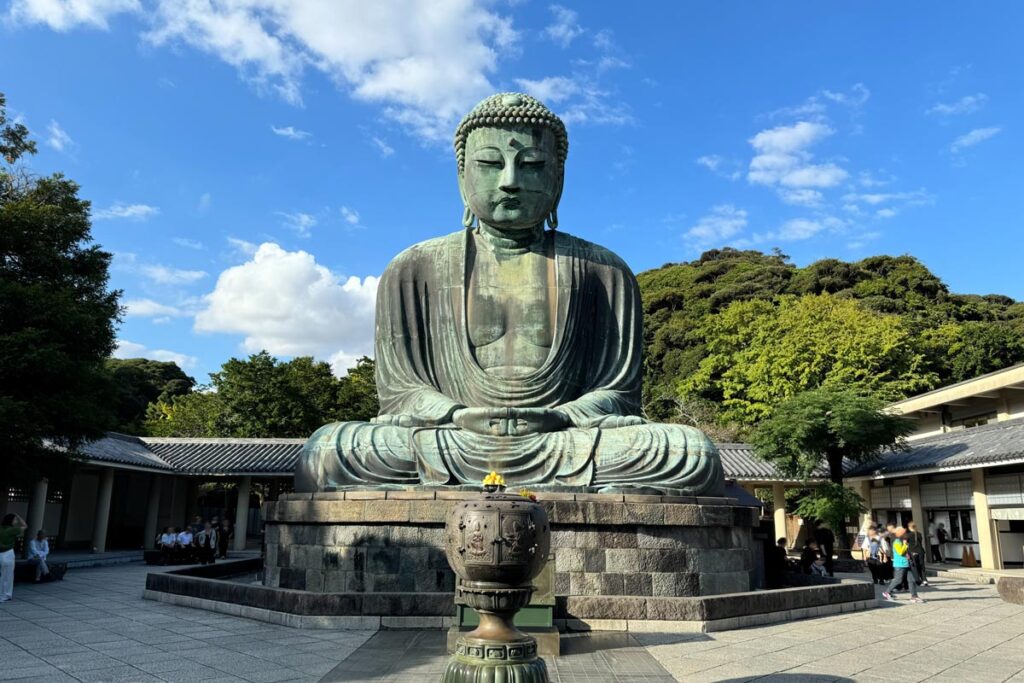
Great Buddha of Kamakura
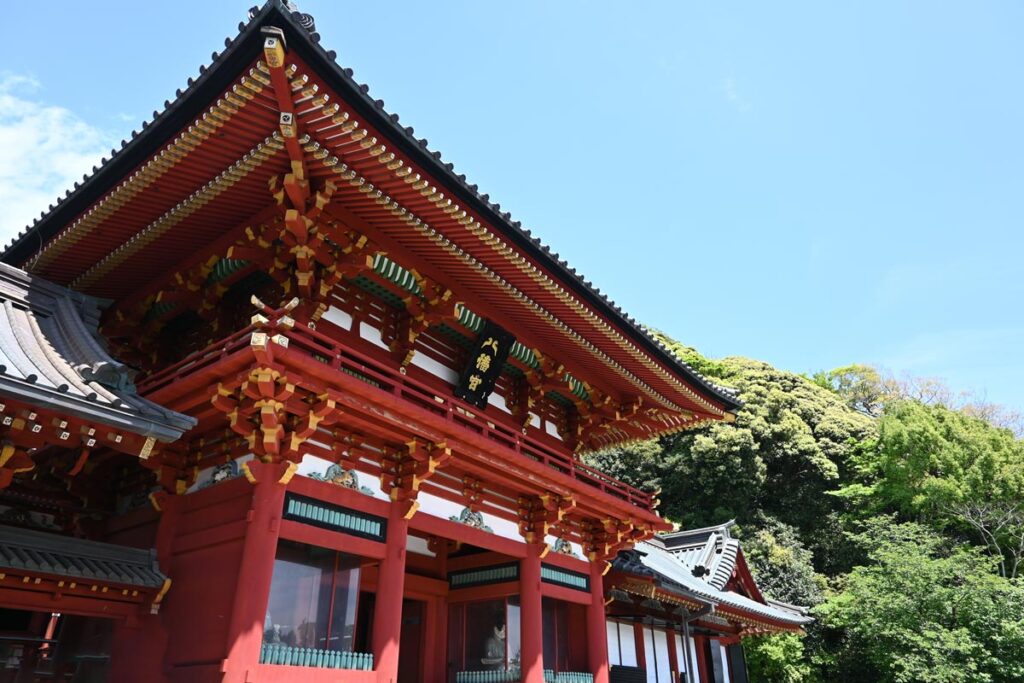
Tsurugaoka Hachimangu Shrine
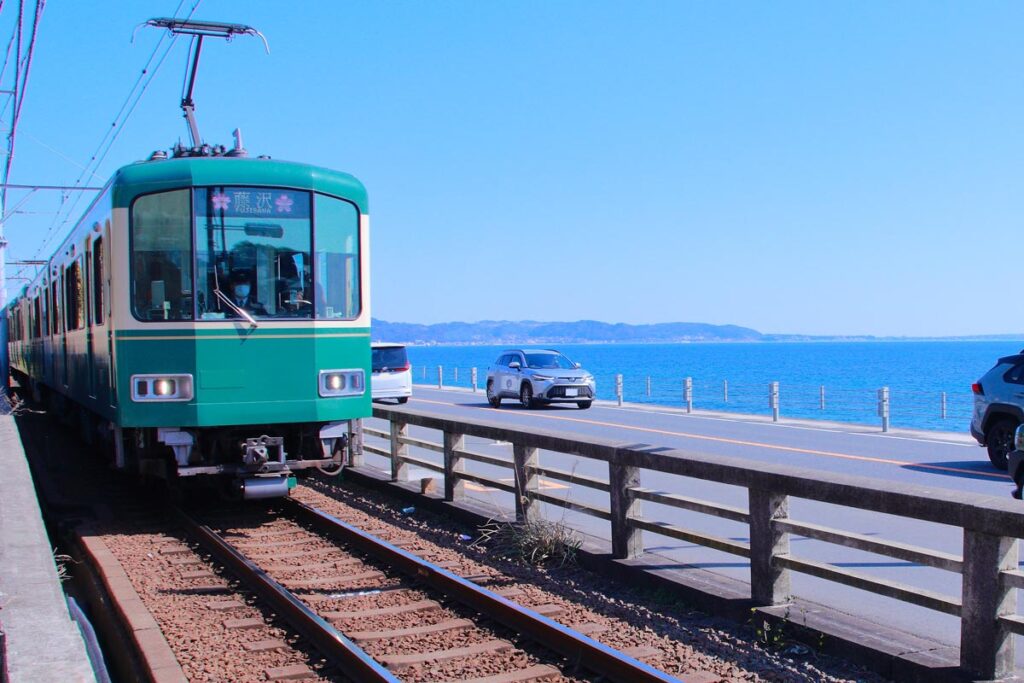
Enoshima Area
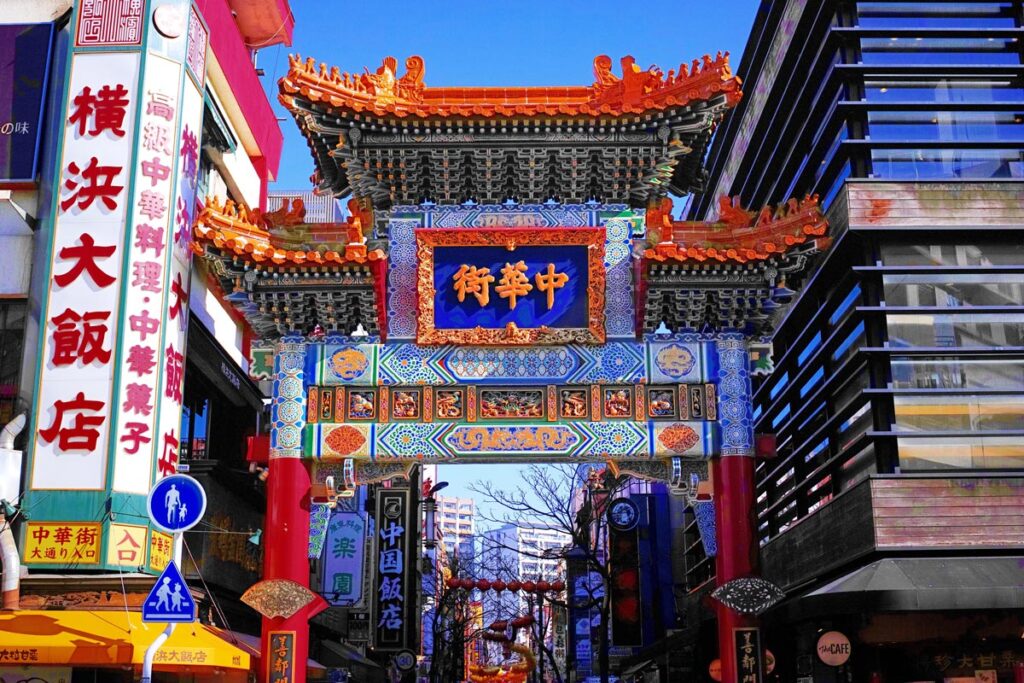
Chinatown Yokohama
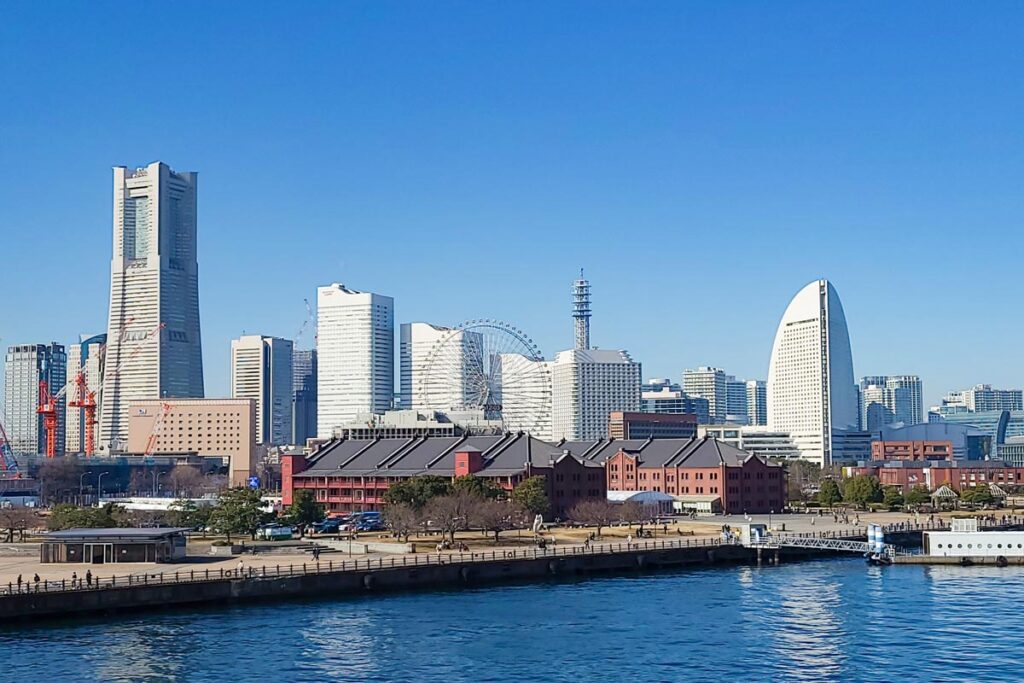
Yokohama Red Brick Warehouse
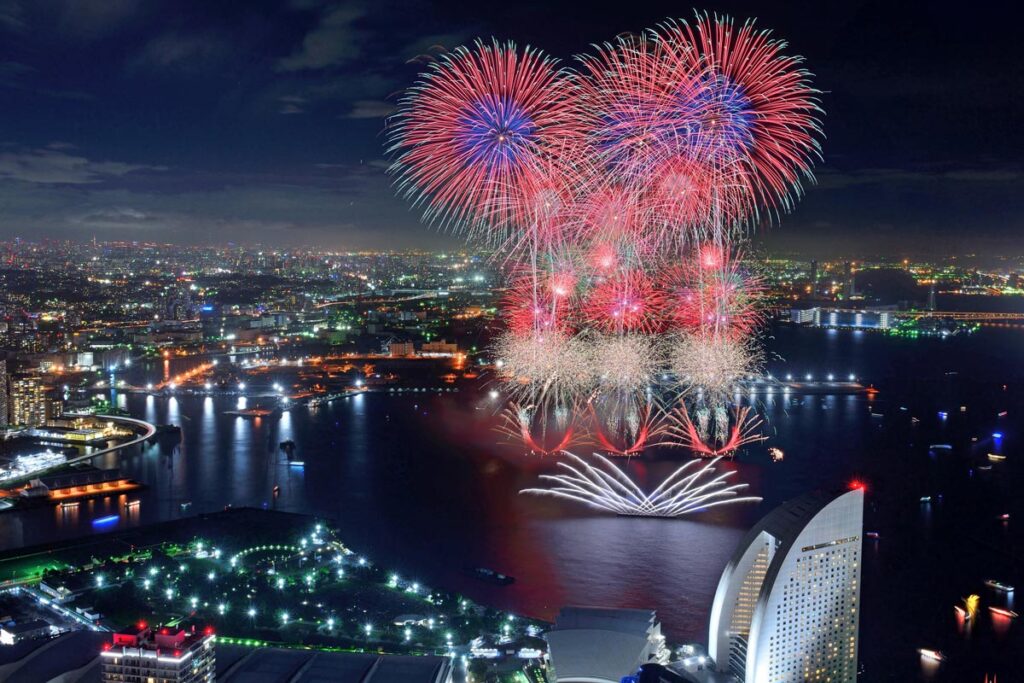
Yokohama Landmark Tower & Sky Garden
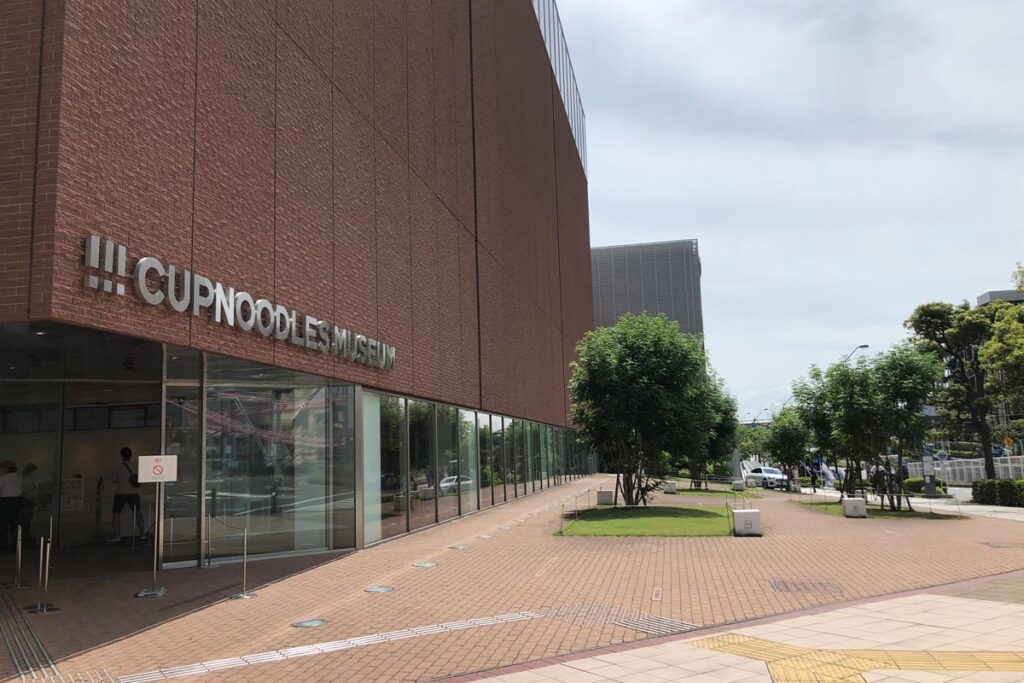
Cupnoodles Museum
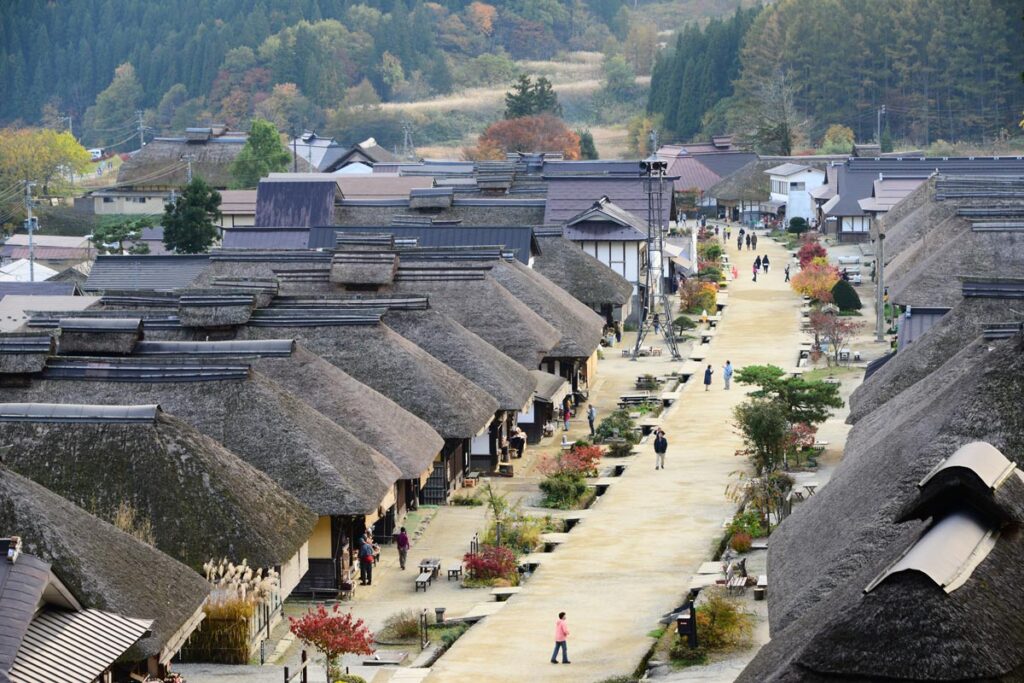
Top destinations in Kanto Region
Tochigi
Saitama