


Chinatown Yokohama
Chinatown Yokohama: A Colorful Gateway to Japan’s Port City
Photos are for illustrative purposes only.
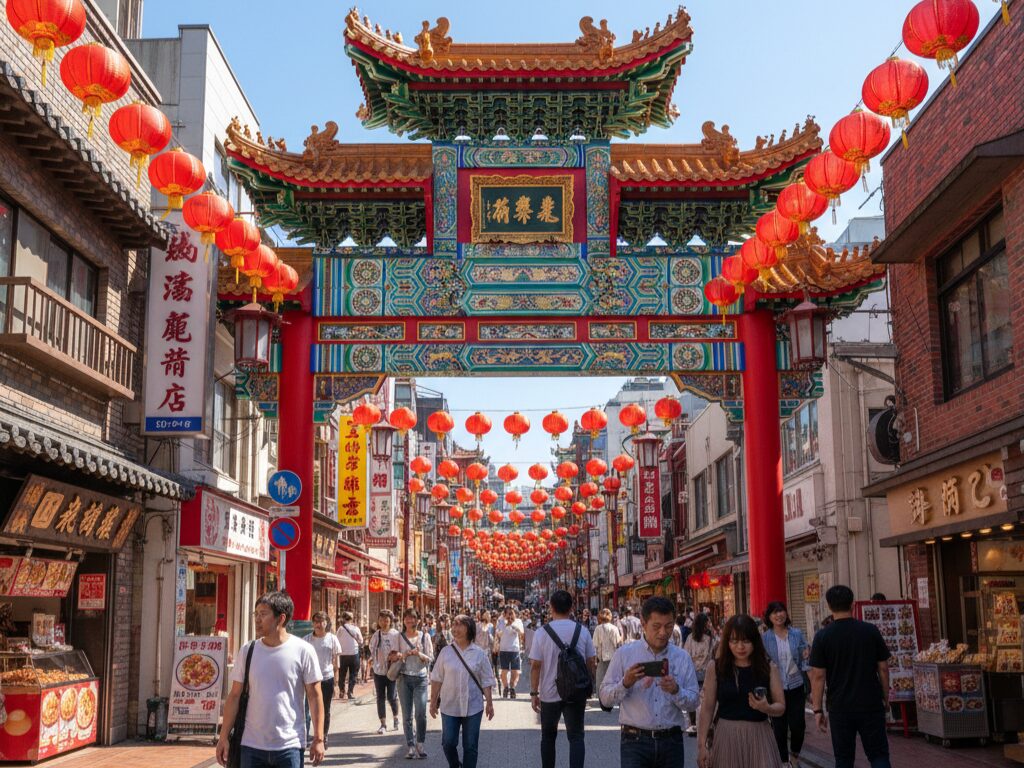
Yokohama’s Chinatown is one of the largest and most vibrant Chinatowns in the world, and a fascinating side trip for anyone visiting the Tokyo area. Just 30–40 minutes by train from central Tokyo, this compact neighborhood offers bright lantern-lit streets, ornate Chinese gates, centuries of history, and endless chances to snack your way through Chinese–Japanese fusion cuisine.
For first-time visitors to Japan, Chinatown Yokohama is an easy way to add variety to your itinerary: it feels distinctly different from nearby Tokyo and traditional Japanese districts, yet it remains perfectly accessible, safe, and walkable.
Why Visit Chinatown Yokohama?
Chinatown Yokohama grew from a small community of Chinese traders after Yokohama opened as an international port in the 19th century. Today, it is a bustling cultural enclave with more than 600 shops and restaurants packed into just a few blocks.
Unlike some older Chinatowns that can feel purely commercial, Yokohama’s district still retains traces of its immigrant history and spiritual life, with temples, Chinese schools, and regional cuisine from across China. Neon signs in Chinese characters stand next to Japanese convenience stores, creating a layered, international atmosphere that reflects Yokohama’s identity as a port city.
It is also extremely convenient: most sights are within a 10-minute walk from the station, and you can easily combine a half-day in Chinatown with other nearby attractions like the Yokohama waterfront and Motomachi shopping street.
How to Get to Chinatown Yokohama
From Tokyo
Chinatown is closest to Motomachi–Chūkagai Station on the Minatomirai Line. From central Tokyo:
- Shibuya Station → Motomachi–Chūkagai (Tokyu Toyoko Line through service to Minatomirai Line): about 40 minutes, no transfer.
- Shinjuku Station → Yokohama (JR Shōnan–Shinjuku Line), then transfer to the Minatomirai Line or local bus: around 45–55 minutes total.
- Tokyo Station → Yokohama (JR Tokaido Line or Yokosuka Line), then transfer: about 40–50 minutes.
If you are doing a day trip from Tokyo, consider using an IC card such as Suica or PASMO for seamless transfers between rail companies.
From Yokohama Station
- Minatomirai Line from Yokohama to Motomachi–Chūkagai: about 8 minutes.
- Alternatively, local buses and taxis are available, but the subway is usually the fastest and easiest option for visitors.
First Impressions: The Colorful Gates of Chinatown
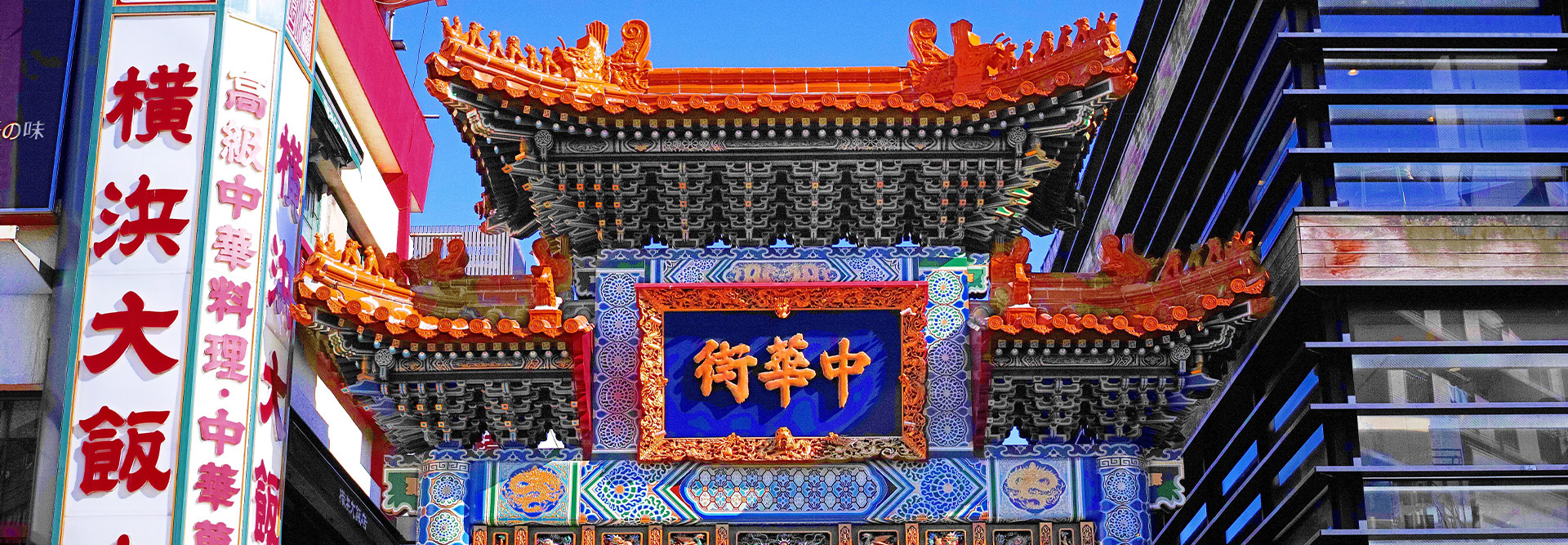
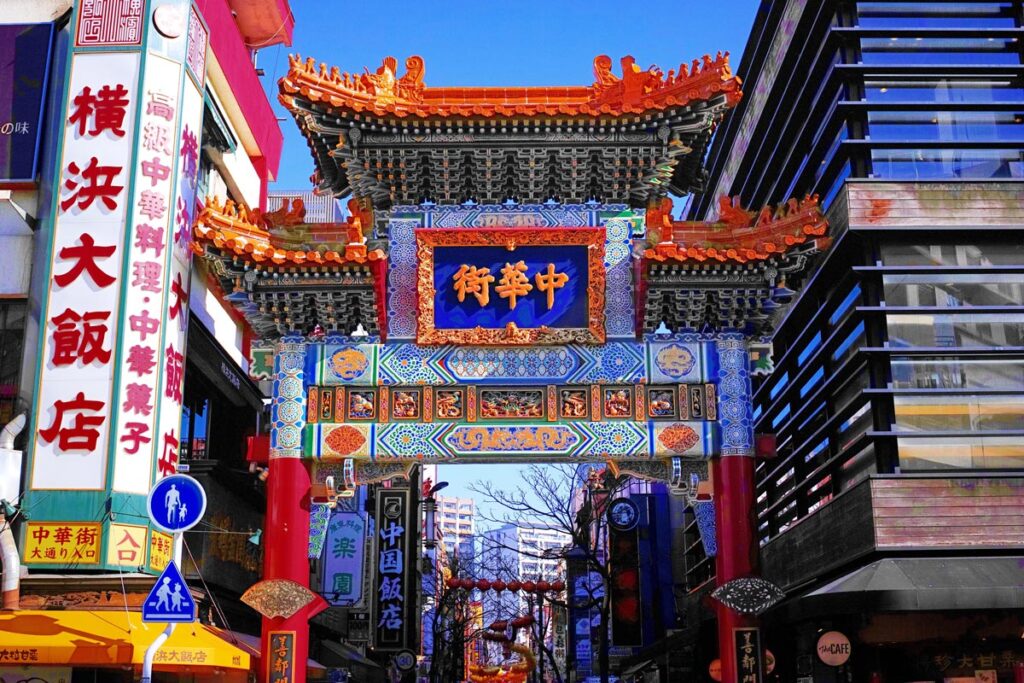
Chinatown Yokohama is marked by multiple ornate Chinese gates (paifang), each vividly decorated with mythical creatures and traditional patterns. Entering through one of these gates is like stepping into a different world, especially at night when the lanterns glow and the streets fill with the aroma of steamed buns and stir-fried noodles.
Take a slow walk under the gates to appreciate their design. The colors and motifs are not random; they draw on Chinese symbolism, with dragons and phoenixes representing power, protection, and good fortune. Even if you are new to East Asian culture, the visual impact is striking and very photogenic.
Things to Do in Chinatown Yokohama
1. Wander the Main Streets and Back Alleys
Chinatown’s main streets are packed with restaurants, food stalls, and souvenir shops selling everything from Chinese tea and ceramics to panda-shaped sweets. On weekends and evenings, the streets can be crowded, but it is all part of the lively atmosphere. Plan time to:
- Browse shops selling imported snacks, Chinese herbs, and tea leaves.
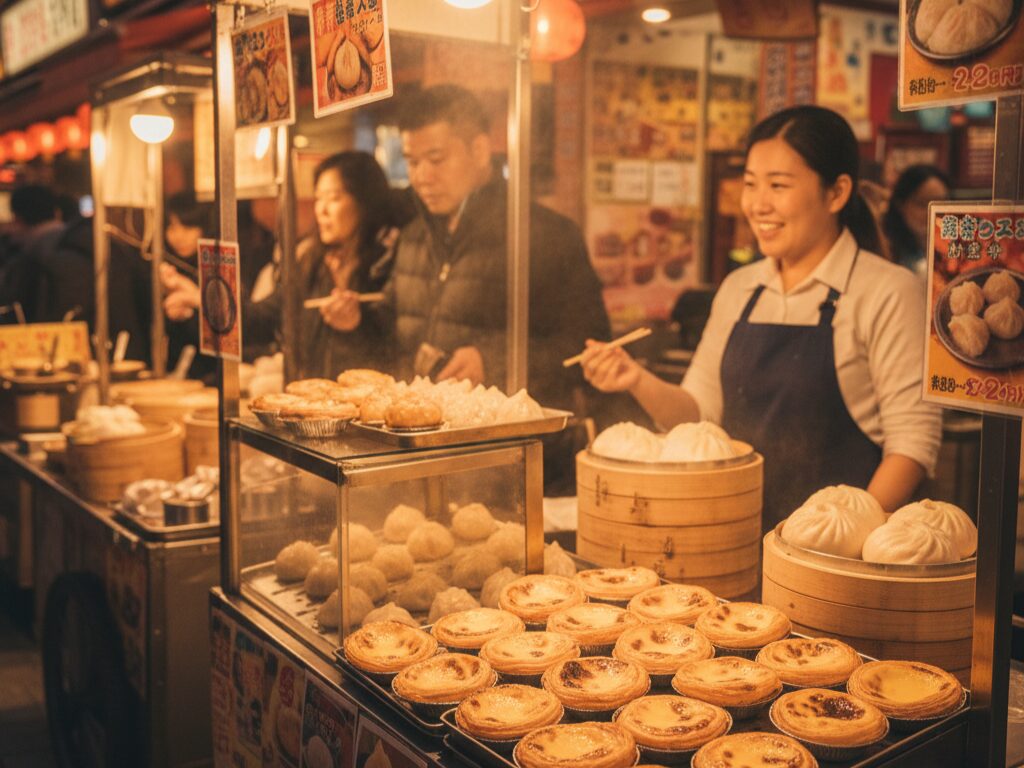
- Check out Chinese bakeries displaying egg tarts, mooncakes (seasonal), and pineapple buns.
- Step into side alleys where the pace is quieter and you may find smaller, family-run eateries.
Japan is generally very safe, and Yokohama’s Chinatown is no exception. You can comfortably stroll with a camera or smartphone in hand, but as always in busy tourist areas, keep an eye on your belongings.
2. Visit the Kanteibyo and Mazimiao Temples
Chinatown is not only about food and shopping. It also has striking Chinese temples that reflect the spiritual side of the community.
Kanteibyo (Kuan Ti Miao) is dedicated to Guan Yu, a historic general later revered as a deity of loyalty, justice, and business success. The colorful structure, with detailed carvings and incense coils, is one of the most atmospheric spots in the district. Visitors are welcome to enter respectfully; you may see local shopkeepers offering prayers for prosperity.
Another important site is Mazimiao (Mazu Temple), dedicated to Mazu, the sea goddess and protector of sailors. This reflects Yokohama’s port history and the maritime roots of many early Chinese immigrants.
When visiting temples, behave as you would in Japanese shrines and temples: speak quietly, avoid flash photography if signs request it, and do not touch religious objects unless clearly permitted.
3. Sample the Signature Street Foods
Chinatown Yokohama is a paradise for food lovers. Even if you plan to sit down for a full meal, leave plenty of room for snacks. Popular items to try include:
- Nikuman (meat buns): Steamed buns filled with seasoned pork, often sold from storefront steamers. They are hot, fluffy, and perfect to eat on the go.
- Shengjianbao and xiaolongbao: Pan-fried or steamed dumplings, sometimes filled with soup. Be careful when biting into them as the broth can be very hot.
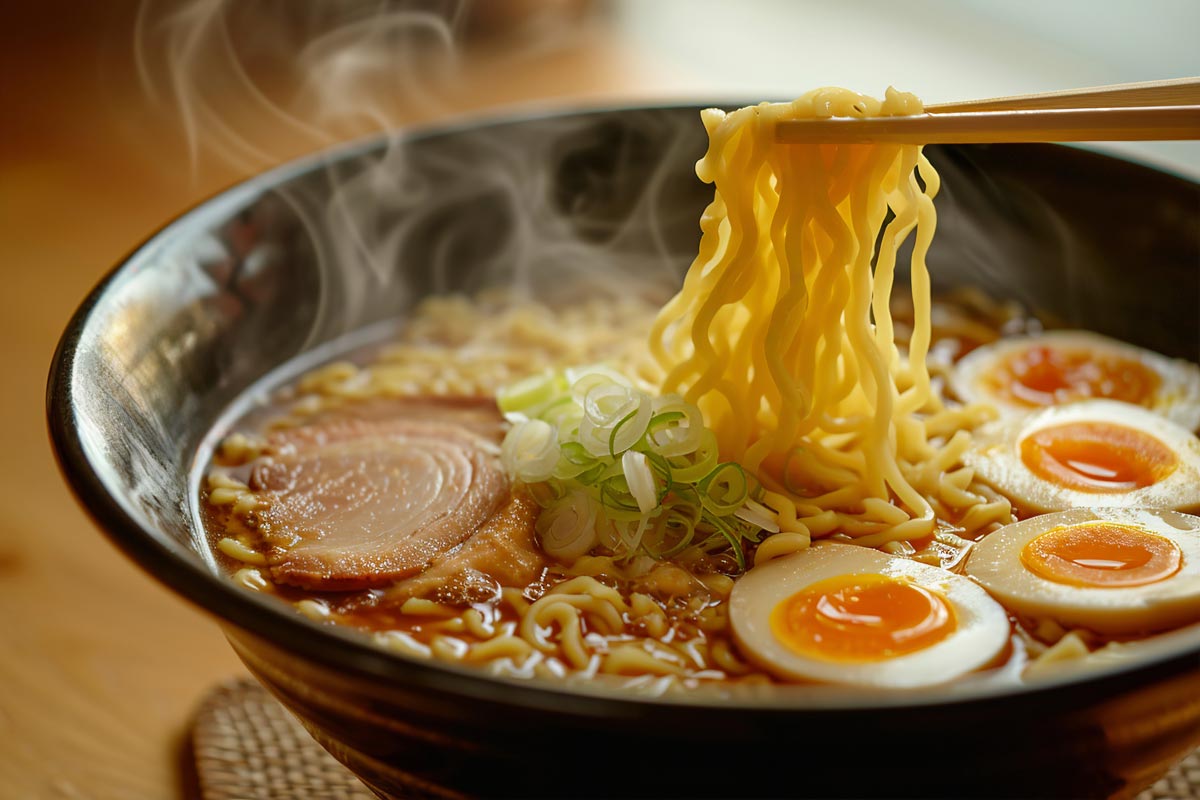
- Chinese-style ramen and noodles: Different from Japanese ramen, often with a lighter broth or stir-fried noodles.
- Dim sum: Many restaurants offer baskets of siu mai, har gow, and other Cantonese favorites.
- Tapioca drinks and Chinese teas: Bubble tea has become popular in Japan, and Chinatown has plenty of stalls offering it alongside traditional hot tea.
Menus are often bilingual (Japanese and sometimes English or Chinese), but plastic food samples in the windows make it easy to order visually. Many shops cater to walk-up customers, so you do not need to know any Japanese beyond simple greetings.
4. Enjoy an All-You-Can-Eat Chinese Buffet
One unique feature of Chinatown Yokohama is the number of all-you-can-eat (tabehodai) Chinese restaurants. These are especially popular with groups and families. For a fixed price and time limit (often 90–120 minutes), you can order as many dishes from the menu as you like, sometimes made-to-order rather than from a buffet table.
This can be an economical way to sample a wide range of dishes, from Peking duck to mapo tofu and dim sum. Look for signs advertising “食べ放題” (tabehodai) and check if there is an English or pictorial menu.
5. Shop for Souvenirs and Ingredients
If you like cooking, Chinatown is a good place to pick up sauces, spices, and noodles that may be harder to find elsewhere in Japan. While import rules in your home country vary, items such as packaged tea, dried mushrooms, and non-perishable condiments can make good souvenirs.
Gift shops also sell Chinese-style accessories, zodiac-themed trinkets, paper fans, and red envelopes. Many shops accept major credit cards and IC cards, but having some cash is still useful for small purchases and street stalls.
When to Visit Chinatown Yokohama
Time of Day
Chinatown is enjoyable at different times of the day:
- Daytime: Easier to see the details of the gates and temples, usually less crowded on weekdays.
- Evening: Lanterns and neon signs create a lively, almost cinematic atmosphere. This is peak time for dining, so expect more crowds and lines at popular restaurants.
Season and Events
Chinatown is a year-round destination, but it becomes especially colorful during festivals:
- Chinese New Year (late January or February): Lion dances, performances, and special decorations. It can be very busy but is also one of the most exciting times to visit.
- Mid-Autumn Festival: You may find mooncakes and seasonal sweets for sale.
Because festival dates follow the lunar calendar, check local tourism sites or information centers in Yokohama for up-to-date schedules if you hope to see specific events.
Cultural Tips for International Visitors
Although you are in a Chinese neighborhood, you are still in Japan, so Japanese norms and laws apply. A few reminders:
- Trash and recycling: Japan has limited public trash cans. Many people carry a small bag for their own litter. Do not leave rubbish in the streets.
- Smoking: Street smoking may be restricted. Look for designated smoking areas.
- Queuing: Japanese people tend to form orderly lines. If a stall or restaurant is popular, join the end of the queue rather than clustering at the front.
- Language: Staff may speak Japanese, Mandarin, or a local dialect; some speak basic English. Simple politeness goes a long way, and pointing at menu photos is perfectly acceptable.
Chinatown Yokohama reflects both the Chinese community and its adaptation to Japanese society. You will notice Japanese-style service standards, such as staff calling out polite greetings and the careful presentation of food.
Combining Chinatown with Nearby Sights
Because Chinatown is close to several of Yokohama’s best-known attractions, it fits nicely into a full-day itinerary. Many travelers combine it with:
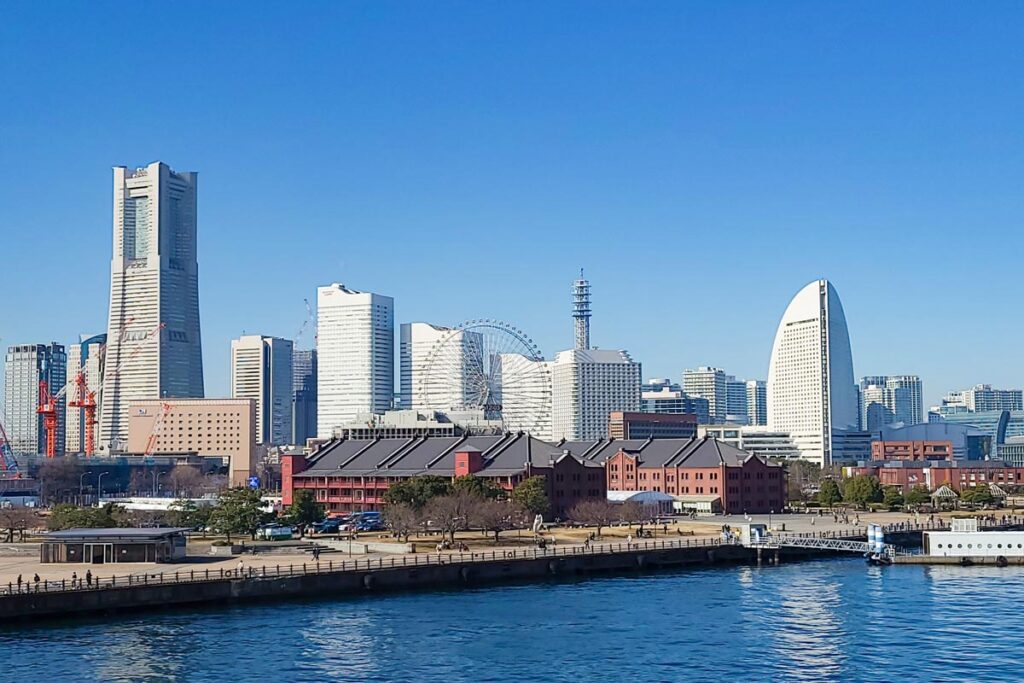
- Yamashita Park: A waterfront park just a short walk away. It offers views of Yokohama Bay and is a relaxing place to stroll before or after a meal.
- Motomachi Shopping Street: A stylish street known for boutiques and cafes. It has a European-influenced feel, reflecting Yokohama’s historic role as an international settlement.
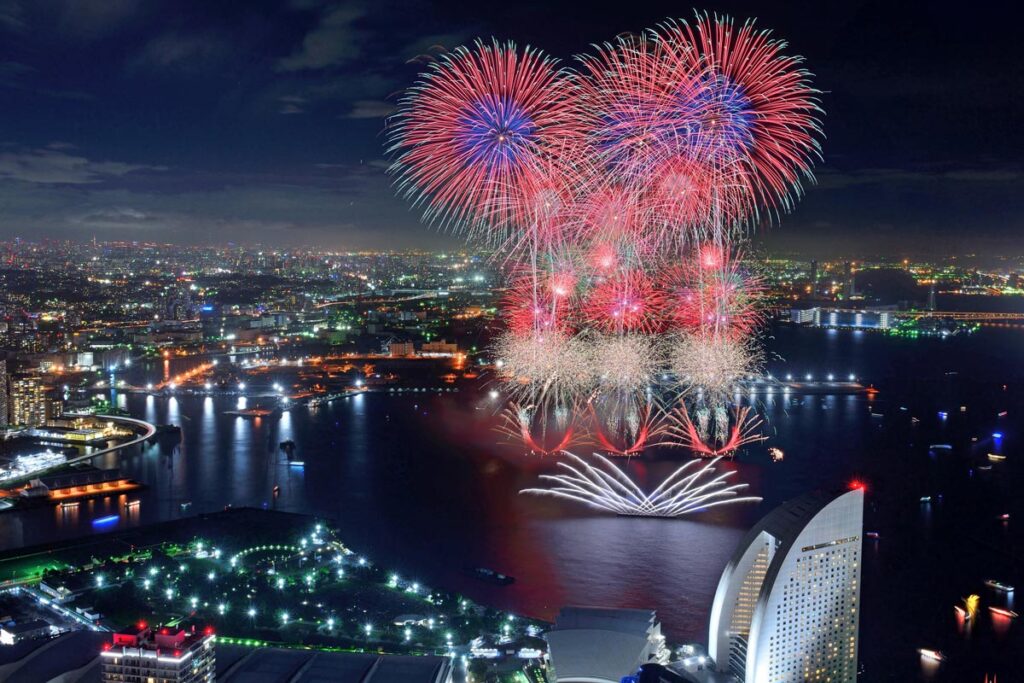
- Minato Mirai 21: A modern waterfront district with shopping malls, an amusement park, and the Landmark Tower. Easy to reach on the Minatomirai Line.
For first-time visitors to Japan, a day in Yokohama that includes Chinatown, the harbor, and Minato Mirai offers a rich contrast to Tokyo’s intensity, showing another side of the Greater Tokyo region.
Practical Travel Tips
- Budget: You can snack for a few hundred yen per item or spend more on multi-course meals. All-you-can-eat options and set lunches offer good value.
- Payment: Cash is always useful, but more shops now accept cards and transport IC cards. Check for payment stickers at the door.
- Dietary needs: Vegetarian and halal options may be limited but are slowly increasing. If you have strict dietary restrictions, research specific restaurants in advance.
- Wi-Fi and navigation: Download an offline map before you arrive. Street layouts can feel maze-like, but the area is compact and you are never far from a main road or station.
Is Chinatown Yokohama Worth a Visit?
For international travelers, especially those basing themselves in Tokyo, Chinatown Yokohama is an easy and rewarding excursion. It blends Chinese culinary and religious traditions with Japanese order, safety, and hospitality, all within walking distance of Yokohama’s scenic bay.
If you are curious about Japan’s port-city culture, enjoy trying new foods, or simply want a memorable evening under glowing lanterns, add Chinatown Yokohama to your itinerary. It offers a vivid reminder that Japan’s story has always been interconnected with the wider world, shaped by the ships, traders, and communities that arrived through Yokohama’s harbor.
Access Map
Recommended spots in Kanagawa
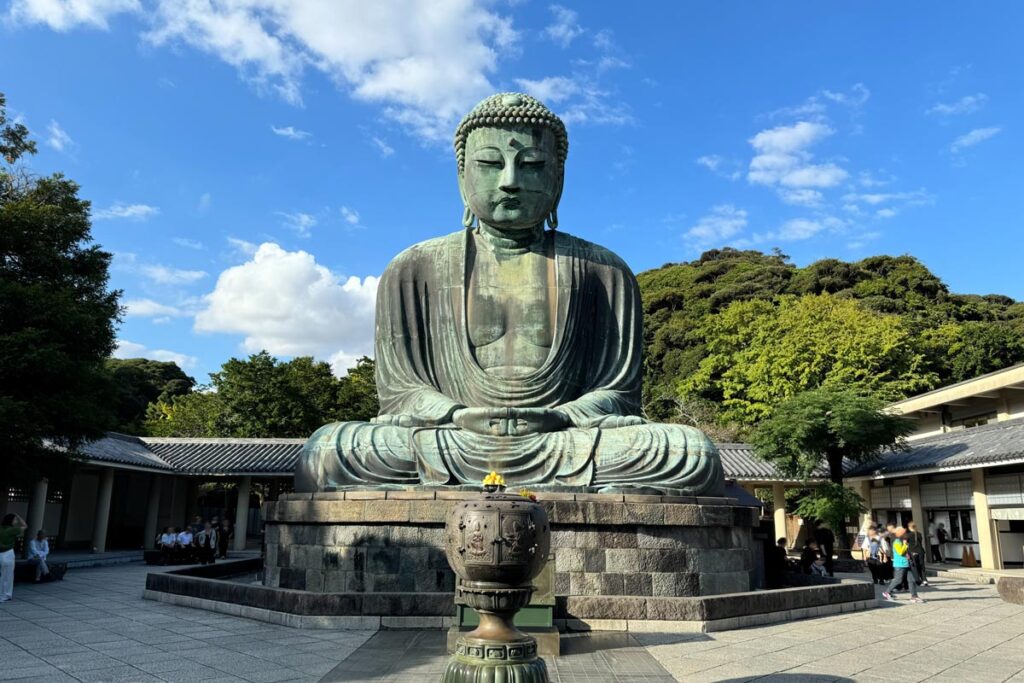
Great Buddha of Kamakura
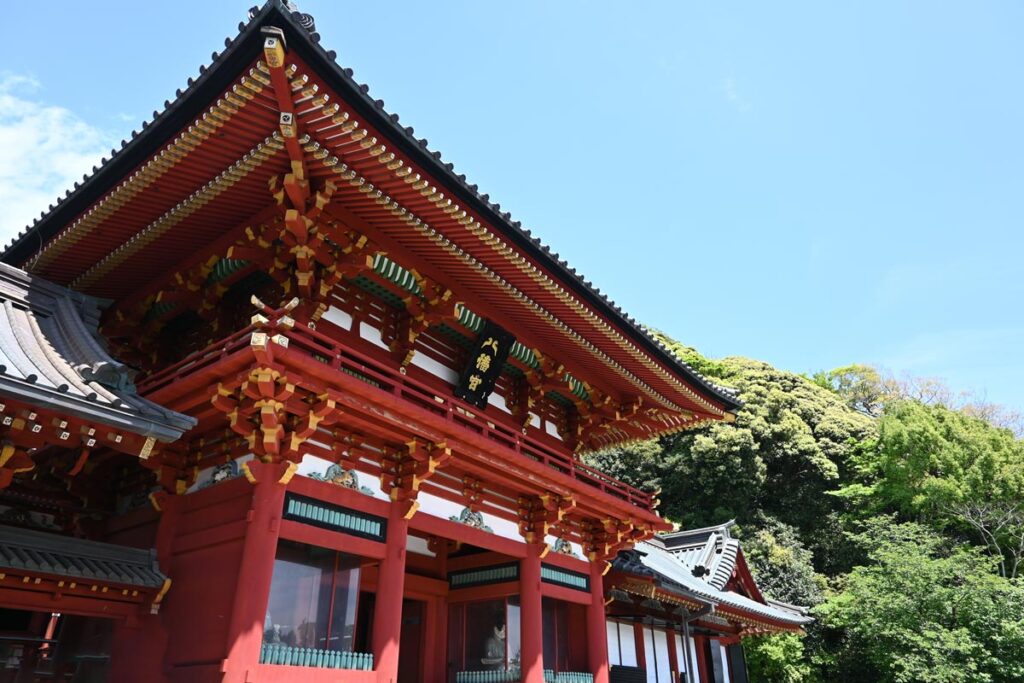
Tsurugaoka Hachimangu Shrine
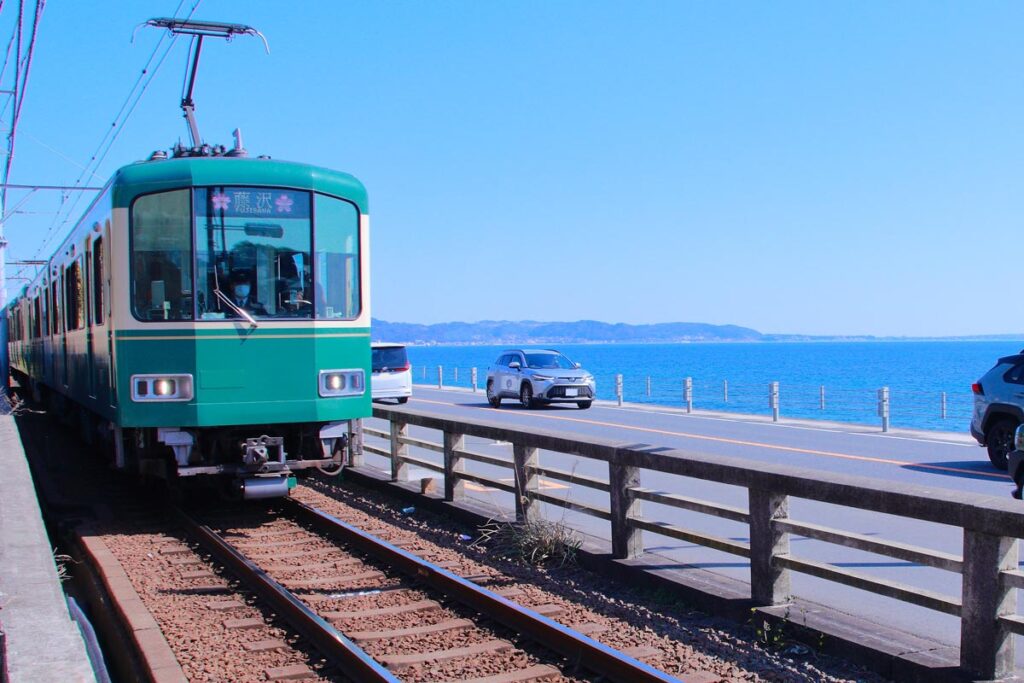
Enoshima Area
Chinatown Yokohama
Yokohama Red Brick Warehouse
Yokohama Landmark Tower & Sky Garden
Cupnoodles Museum
Top destinations in Kanto Region
Tochigi
Saitama