



Yokohama Landmark Tower & Sky Garden
First-Timer’s Guide to Yokohama Landmark Tower & Sky Garden
Rising high above Yokohama’s modern waterfront, Yokohama Landmark Tower and its Sky Garden observatory offer some of the most spectacular urban and harbor views in Japan. For first-time visitors, it is an easy and rewarding day trip from Tokyo, combining dramatic scenery with relaxed bayside strolling, dining, and shopping.
Why Visit Yokohama Landmark Tower?
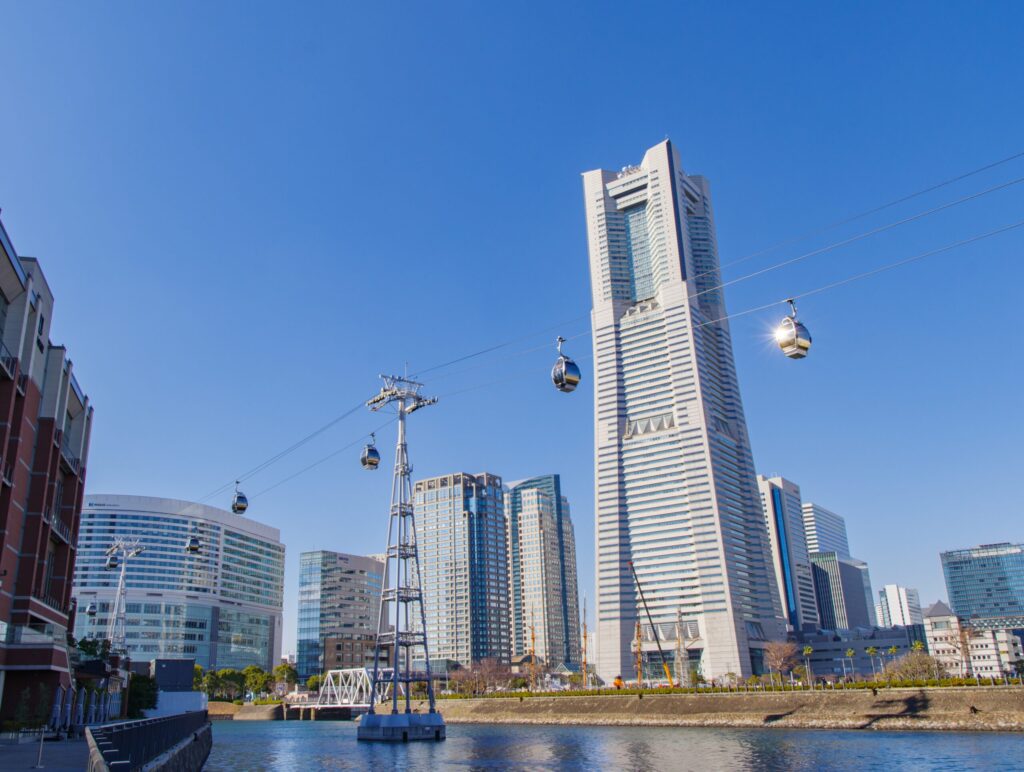
When it opened in 1993, Yokohama Landmark Tower was the tallest building in Japan. Even though newer skyscrapers have since surpassed it, the tower remains an icon of Yokohama’s Minato Mirai 21 district and a symbol of the city’s transformation from historic port to futuristic waterfront.
The tower stands 296 meters high and houses offices, a luxury hotel, shops, and restaurants, but the star attraction is the Sky Garden, an observation deck on the 69th floor. From here, on clear days, you can gaze across Yokohama Bay, pick out Tokyo’s skyline in the distance, and even spot Mount Fuji.
Compared with many Tokyo viewpoints, the atmosphere here is calmer and more spacious, making it ideal for travelers who want big-city views without big-city crowds. It also pairs perfectly with other nearby sights like the Red Brick Warehouse, Yamashita Park, and Yokohama Chinatown.
Getting to Yokohama Landmark Tower from Tokyo
Yokohama is one of the easiest side trips from Tokyo, and the tower is a short walk from several major stations in the Minato Mirai area.
From Central Tokyo by Train
From Tokyo Station
- JR Tokaido Line or JR Ueno–Tokyo Line to Yokohama Station (about 25 minutes, no transfer, JR Pass valid).
- From Yokohama Station, transfer to the Minatomirai Line and ride one stop to Minatomirai Station (about 3 minutes).
- From Minatomirai Station, follow the underground and mall signs to Yokohama Landmark Tower (around 5–8 minutes on foot, mostly indoors).
From Shibuya or Shinjuku
- Take the Tokyu Toyoko Line or through-running Fukutoshin Line to Minatomirai Station (about 35–40 minutes from Shibuya, no transfer).
- Follow the signs in the station concourse to Landmark Tower.
From Shinagawa
- Use the JR Keihin–Tohoku Line or JR Tokaido Line to Yokohama Station (about 20 minutes), then transfer to the Minatomirai Line for one stop to Minatomirai Station.
Most trains are covered by common IC cards like Suica, PASMO, or ICOCA. Simply tap in and out; you do not need to buy separate paper tickets.
Walking from Nearby Stations
- Minatomirai Station: 5–8 minutes via indoor shopping complexes and moving walkways.
- Sakuragicho Station (JR Negishi Line and Yokohama Municipal Subway): 5–10 minutes following elevated walkways through the modern waterfront district.
When you step outside, the Landmark Tower is hard to miss; its elegant, tapering silhouette dominates the skyline.
Inside Yokohama Landmark Tower
The tower is part of the larger Landmark Plaza and Queen’s Square Yokohama complex, packed with shops, cafes, and restaurants. On lower floors, you will find an atrium-style mall with seasonal decorations, while upper floors host the Yokohama Royal Park Hotel, offering rooms with sweeping harbor views.
Even if you are only visiting for the Sky Garden, allow some time to explore the surrounding complex. It is a comfortable place to take a break from walking, grab a coffee, or pick up souvenirs.
Sky Garden: Yokohama’s Panoramic Observatory
The highlight of any visit is the Sky Garden observatory on the 69th floor. Reached by high-speed elevators, it offers a 360-degree panorama of the city and its harbor, framed by floor-to-ceiling windows.
Riding One of Japan’s Fastest Elevators
Part of the fun begins before you even reach the top. The elevators at Yokohama Landmark Tower are among Japan’s fastest, traveling at up to 750 meters per minute. The ride from the second-floor Sky Garden entrance to the 69th floor takes around 40 seconds.
The smooth yet rapid ascent is a mini attraction in itself. Lights dim and a display in the elevator shows your rising altitude; in a country that loves precision engineering, it feels like a small tribute to Japanese technology and design.
What You Can See from the Top
Once the doors open, you step into a bright, open observatory with wide windows encircling the floor. Different sides of the deck offer different perspectives:
- Harbor and Bay Bridge: Watch ferries and container ships come and go, with the sleek Yokohama Bay Bridge stretching across the water.
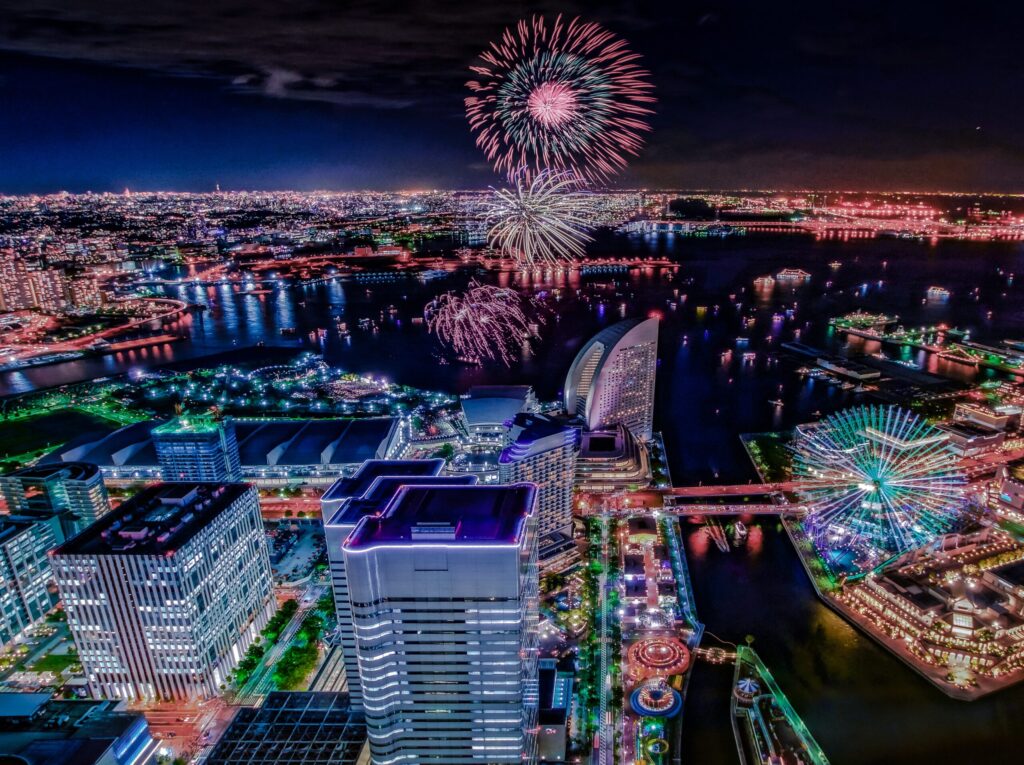
- Minato Mirai skyline: Look down on the Cosmo Clock 21 Ferris wheel, the sail-like InterContinental Yokohama Grand Hotel, and the curving waterfront.
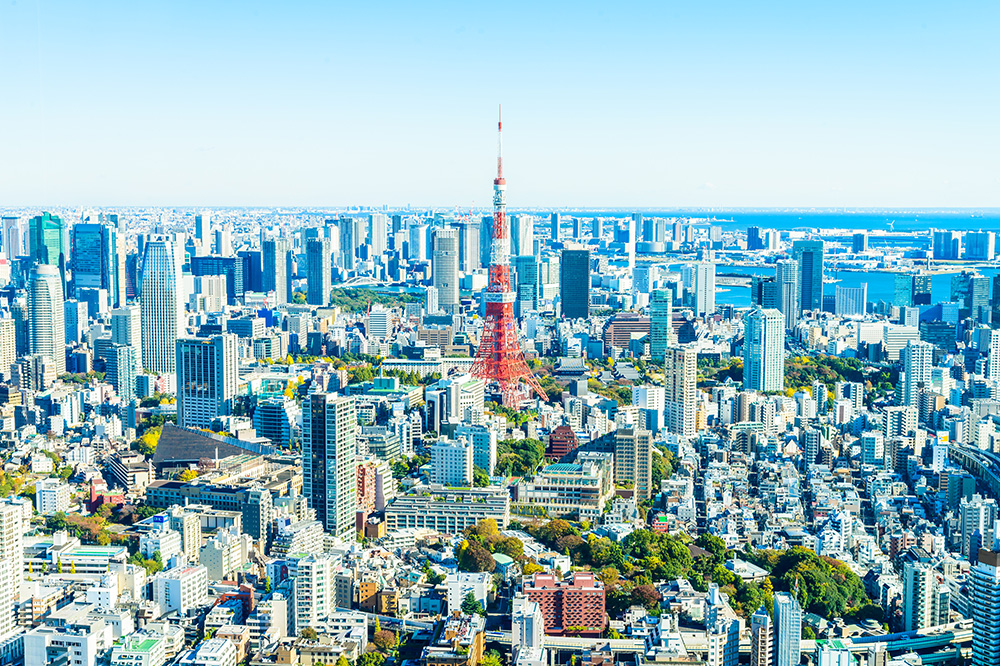
- Tokyo and beyond: On clear days, see Tokyo Tower, Tokyo Skytree, and the dense sprawl of Greater Tokyo spreading toward the horizon.
- Mount Fuji: In ideal conditions, especially in winter and in the late afternoon, you may glimpse the iconic, snow-capped cone of Mt. Fuji silhouetted against the sky.
The view changes dramatically with the weather and time of day. Blue-sky mornings show off the coastline and urban patterns, while evenings deliver glowing city lights reflected in the bay.
Facilities and Atmosphere
Sky Garden is more than just a viewing platform. The space is designed to encourage lingering rather than rushing through.
- Seating and rest spots: Benches and seating areas face the windows, ideal for slow sightseeing or quiet moments.
- Cafes and snacks: A small cafe usually offers drinks and light fare, so you can enjoy coffee or dessert with a view.
- Photo spots: There are designated photo backdrops and corners perfect for memorable travel shots.
- Information displays: Simple guides help you identify landmarks in the distance, useful if it’s your first time in Yokohama.
The mood is relaxed and family-friendly, with couples, groups of friends, and solo travelers all sharing the same skyline. Unlike ultra-crowded viewpoints, you often have room to move freely and find your own favorite angle.
Tickets, Hours, and Practical Information
Details such as prices and hours can change, so always confirm close to your visit, but the following will help you plan.
Typical Opening Hours
Sky Garden usually opens around late morning and stays open into the evening, with last entry typically around 30–60 minutes before closing. Hours may be extended on weekends, holidays, or during special illumination events.
To catch both daytime and night views, consider entering in the late afternoon and staying until after sunset, when the harbor lights begin to twinkle.
Ticket Purchase
Entry is via paid ticket, with prices differing for adults, children, and seniors. You can generally buy tickets on-site at the entrance on the second floor of Landmark Plaza, where signs clearly point you to the Sky Garden ticket counter.
Some online travel platforms or Yokohama tourism passes may include discounts or combination tickets with nearby attractions. If you plan to visit several sights in the area, it can be worth checking these in advance.
Accessibility
Landmark Tower and Sky Garden are designed with accessibility in mind. Elevators and ramps serve the main entrances, and the observatory floor is mostly flat, making it suitable for wheelchair users and families with strollers. Staff are accustomed to helping international visitors, and basic English support is generally available.
Best Time to Visit Sky Garden
The right timing elevates the experience from a simple view to a lasting memory.
Time of Day
- Morning: Clear visibility is common, especially outside the humid summer months. Good for photography with bright light on the harbor.
- Late afternoon to sunset: Many visitors consider this the best time. You can enjoy daylight views, then watch the sky turn gold and pink before the city lights switch on.
- Night: The Minato Mirai skyline glows with illuminated buildings and the Ferris wheel. This is ideal for romantic visits or night photography.
Seasonal Considerations
- Winter (December–February): Often the clearest skies and best chance to see Mount Fuji, though it can be chilly outside.
- Spring (March–May): Combine your visit with cherry blossoms in nearby parks like Kamonyama Park or along the Ooka River.
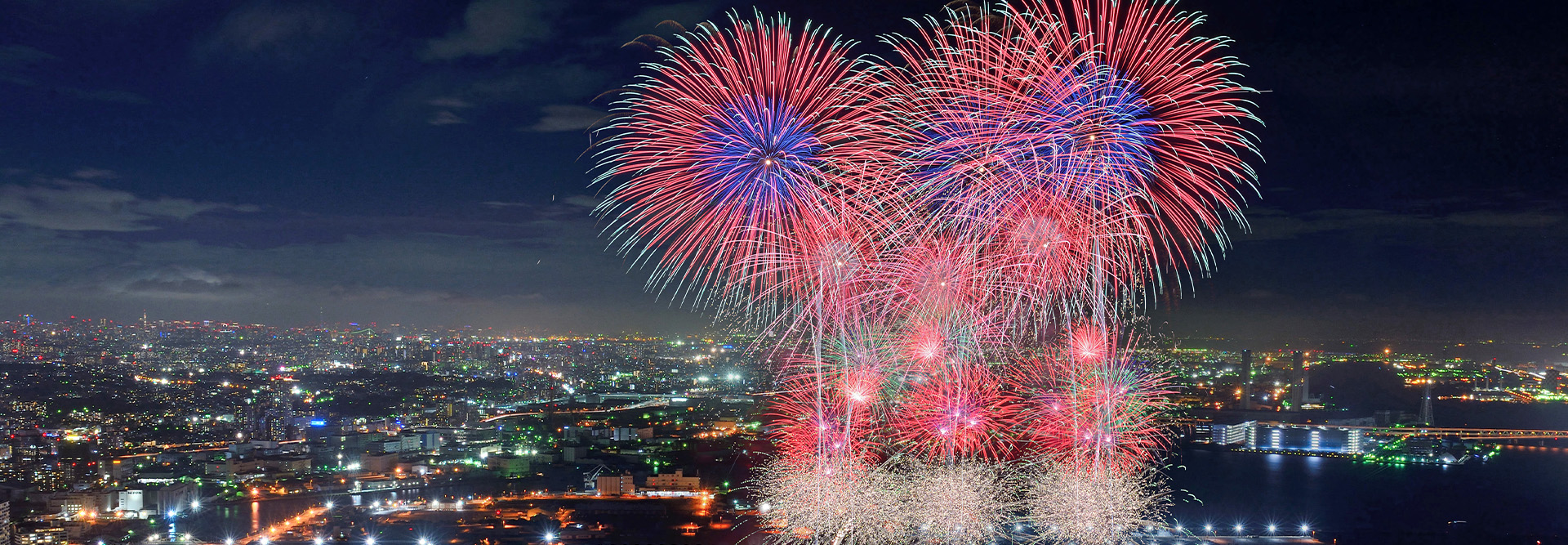
- Summer (June–August): Hazy days are common, but long evenings and occasional fireworks displays over the bay add drama.
- Autumn (September–November): Crisp air and soft light make for excellent photo conditions.
Nearby Attractions in Minato Mirai
One of the great advantages of visiting Yokohama Landmark Tower is its location. You can easily combine Sky Garden with other top sights in a single day.
Cosmo World and Cosmo Clock 21
Across the canal from the tower, Yokohama Cosmo World is a compact amusement park best known for the Cosmo Clock 21 Ferris wheel. A ride offers another angle on the harbor and the tower itself, especially beautiful after dark when the wheel is illuminated.
Yokohama Red Brick Warehouse
A short waterfront walk away, the Red Brick Warehouse (Aka-Renga Soko) is a restored historic port building converted into a stylish complex of shops, cafes, and event spaces. Seasonal markets, illumination events, and outdoor stages add local flavor, especially around Christmas and in spring.
Yamashita Park and Osanbashi Pier
Heading east along the bay, Yamashita Park offers greenery and open views of the water, popular with locals for strolling and relaxing. Farther along, the Osanbashi International Passenger Terminal is a striking wooden structure that doubles as a public rooftop deck, where you can watch cruise ships and look back at the Landmark Tower skyline.
Yokohama Chinatown
One of the largest Chinatowns in the world, Yokohama Chinatown lies about 15–20 minutes’ walk or a short train ride from the tower. Colorful gates, ornate temples, and endless restaurants serving dumplings, steamed buns, and traditional Chinese dishes make it an excellent lunch or dinner stop before or after your Sky Garden visit.
Cultural Tips for First-Time Visitors
While Yokohama is very international and relaxed, a few points of local etiquette will help your visit go smoothly.
- Elevator manners: In Japan, people typically line up neatly and wait their turn. Let passengers exit fully before you step in, and move to the back if you are not getting off soon.
- Quiet observation: In the Sky Garden, voices are generally low. It is fine to be excited, but try to keep phone calls and loud conversations to a minimum.
- Trash disposal: Public trash bins are limited. If you buy drinks or snacks, be prepared to carry your rubbish until you find proper bins in the complex.
- Cash and cards: Major credit cards are widely accepted in the shopping mall and for observatory tickets, but carrying some yen is useful for small purchases.
Sample Half-Day Itinerary from Tokyo
If you are short on time but want to experience Yokohama’s highlights, consider this simple plan:
- Midday: Depart Tokyo around late morning and arrive at Minatomirai by lunchtime.
- Lunch: Eat in one of Landmark Plaza or Queen’s Square’s many restaurants, which range from casual Japanese dishes to international cuisine.
- Afternoon: Explore the mall briefly, then head up to Sky Garden in mid-afternoon to enjoy clear views.
- Sunset: Stay through sunset to watch the harbor transform into a sea of lights.
- Evening: Walk to the Red Brick Warehouse or ride the Ferris wheel at Cosmo World. Finish with dinner in Yokohama Chinatown before returning to Tokyo.
Making the Most of Your Visit
For international travelers, Yokohama Landmark Tower and Sky Garden are more than a skyscraper and a viewpoint. They offer a window into modern Japanese urban life, set against a harbor that has connected Japan to the world for more than a century.
By combining easy access from Tokyo, relaxed waterfront walks, and unforgettable cityscapes, a visit here fits smoothly into any first-time Japan itinerary. Whether you come for a few hours or stay until the city lights glow, you will leave with a new perspective on Japan’s largest port city and the vast metropolis that surrounds it.
Recommended spots in Kanagawa
Great Buddha of Kamakura
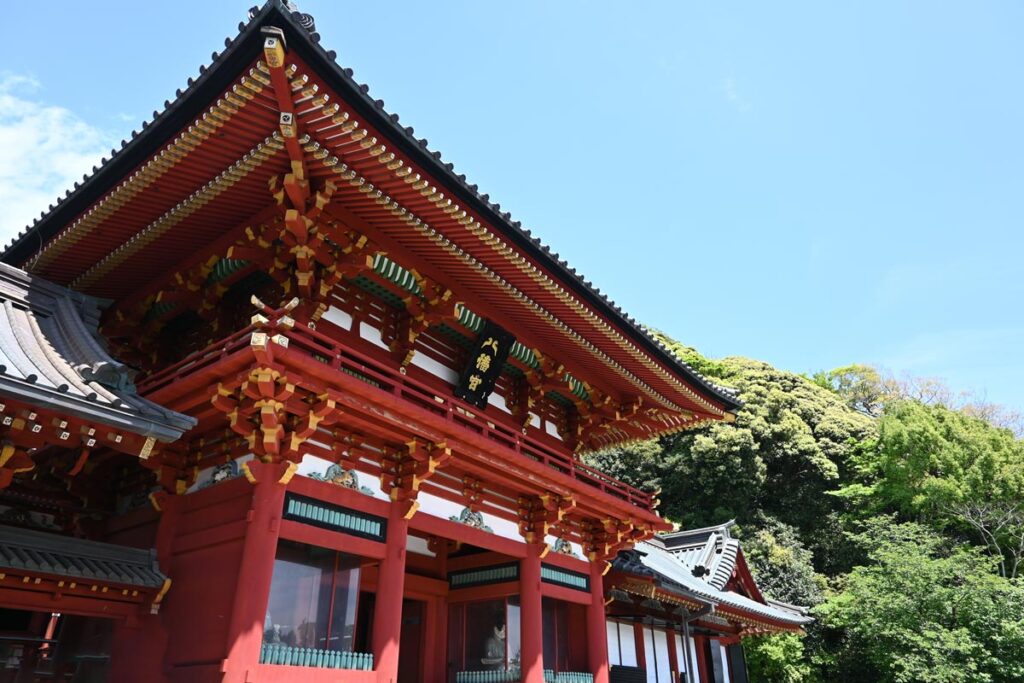
Tsurugaoka Hachimangu Shrine
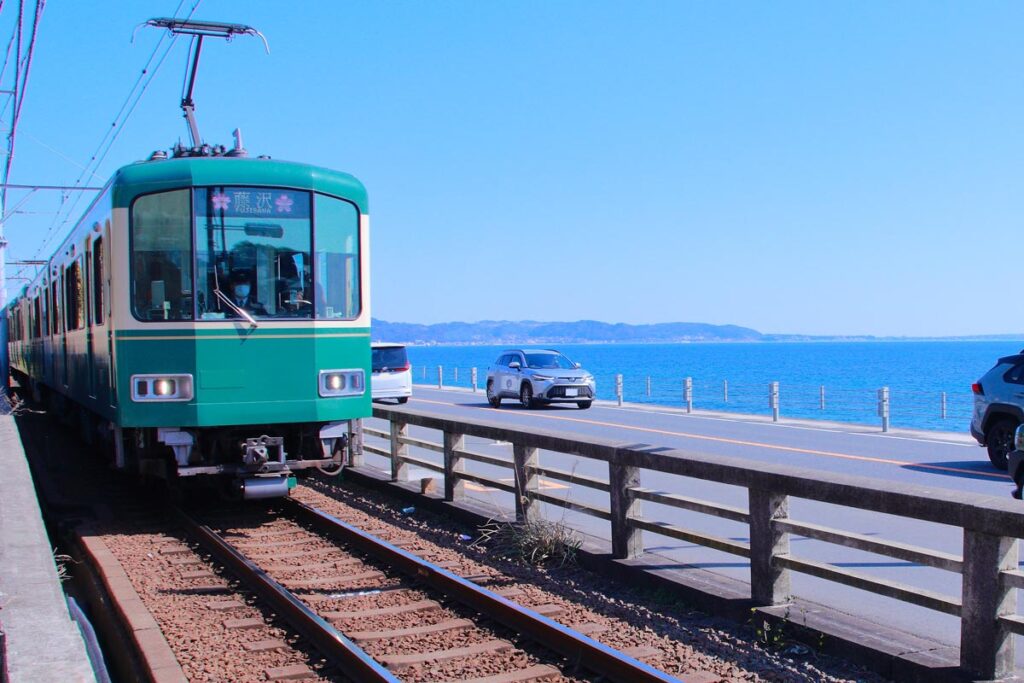
Enoshima Area
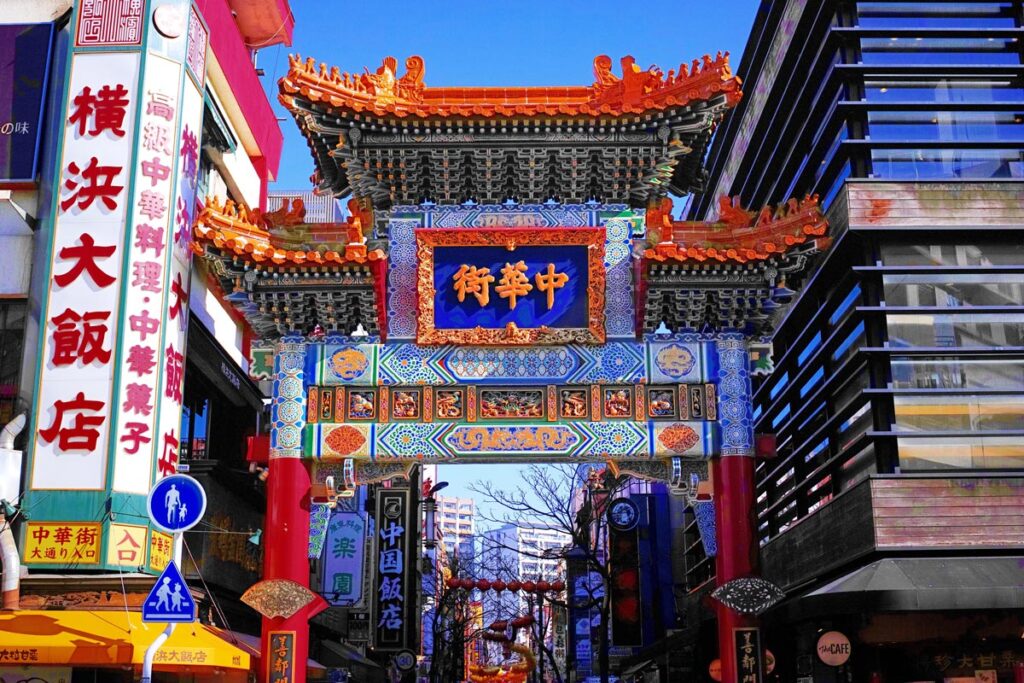
Chinatown Yokohama
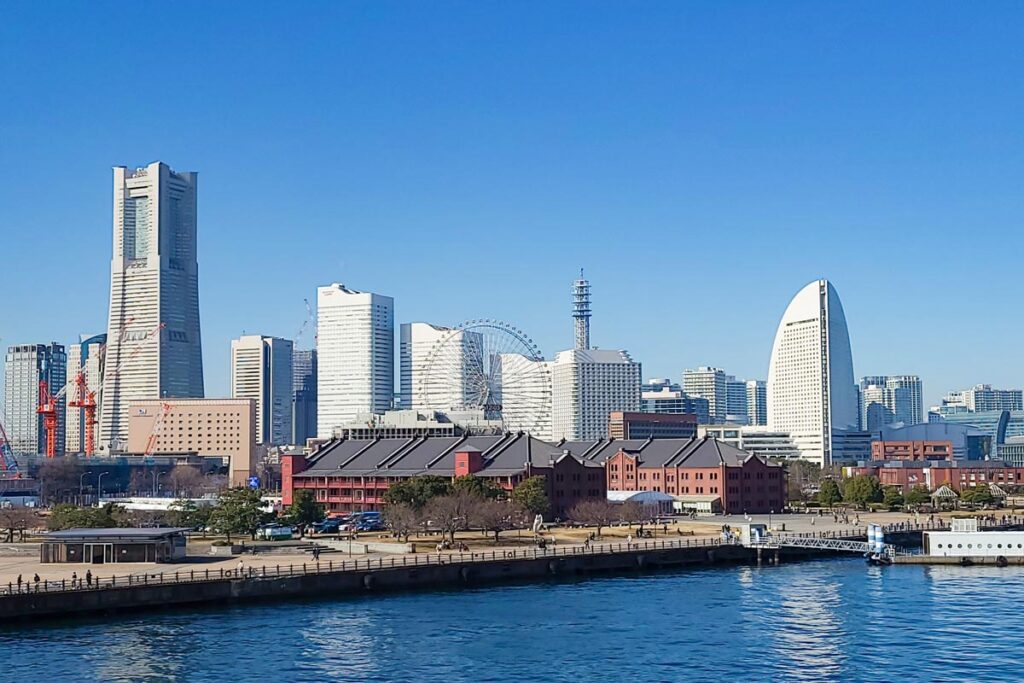
Yokohama Red Brick Warehouse
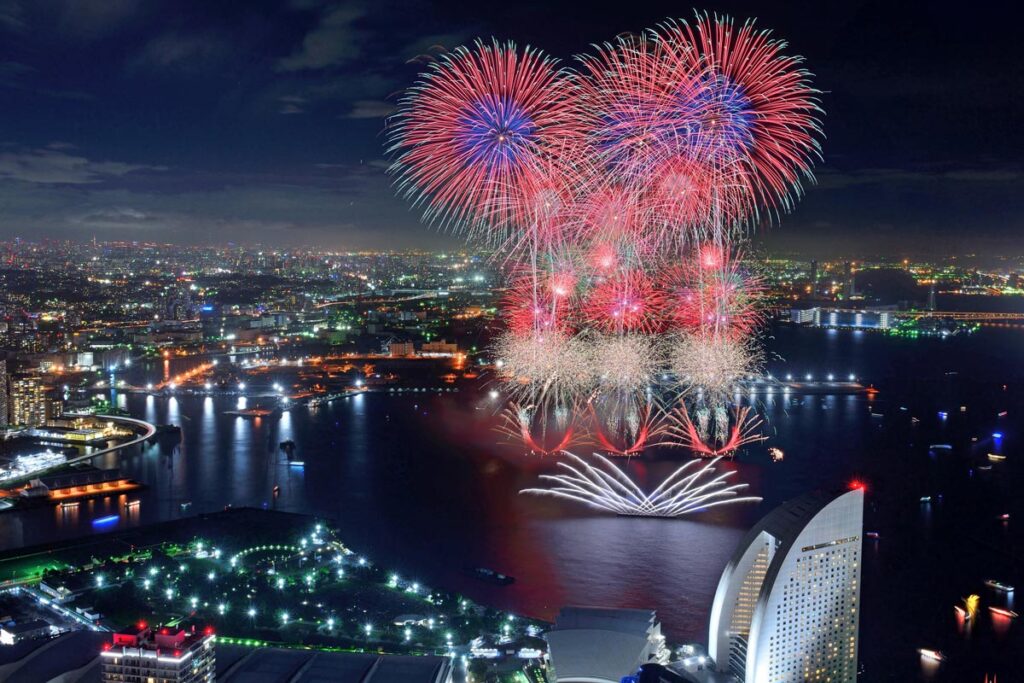
Yokohama Landmark Tower & Sky Garden
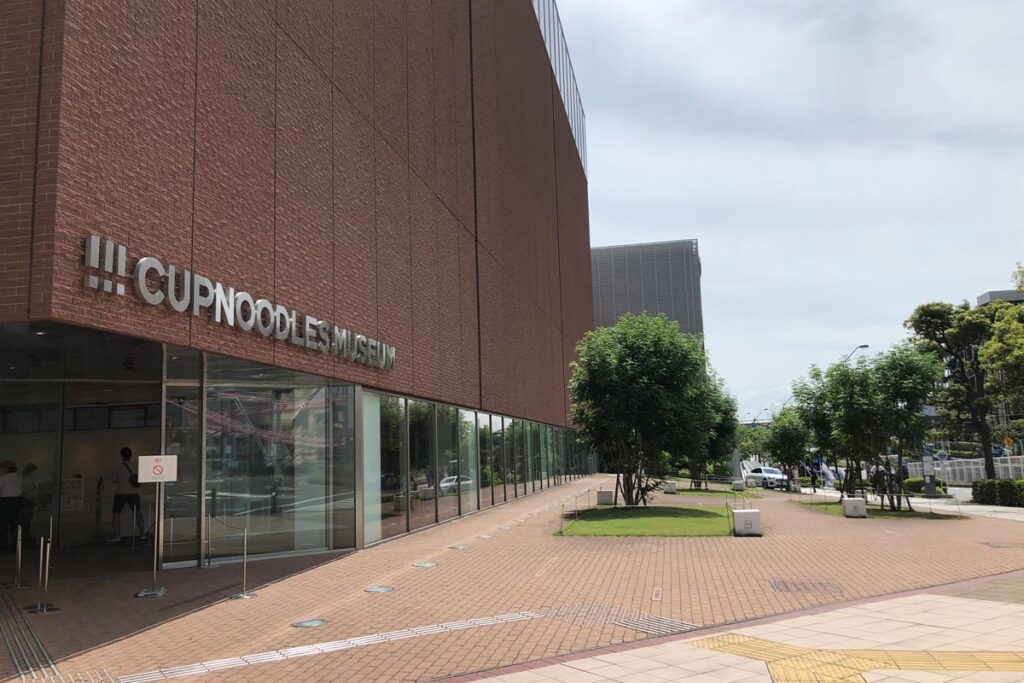
Cupnoodles Museum
Access Map
Top destinations in Kanto Region
Tochigi
Saitama