
Kawagoe Ichibangai
Kawagoe Ichibangai: A Timeless Old Town Street Near Tokyo
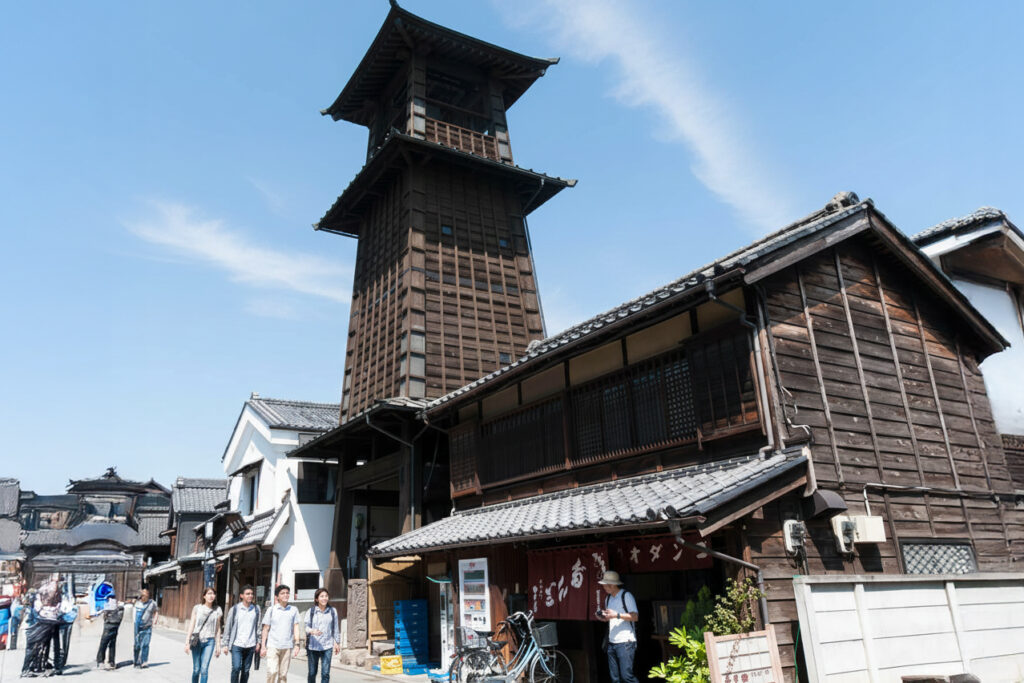
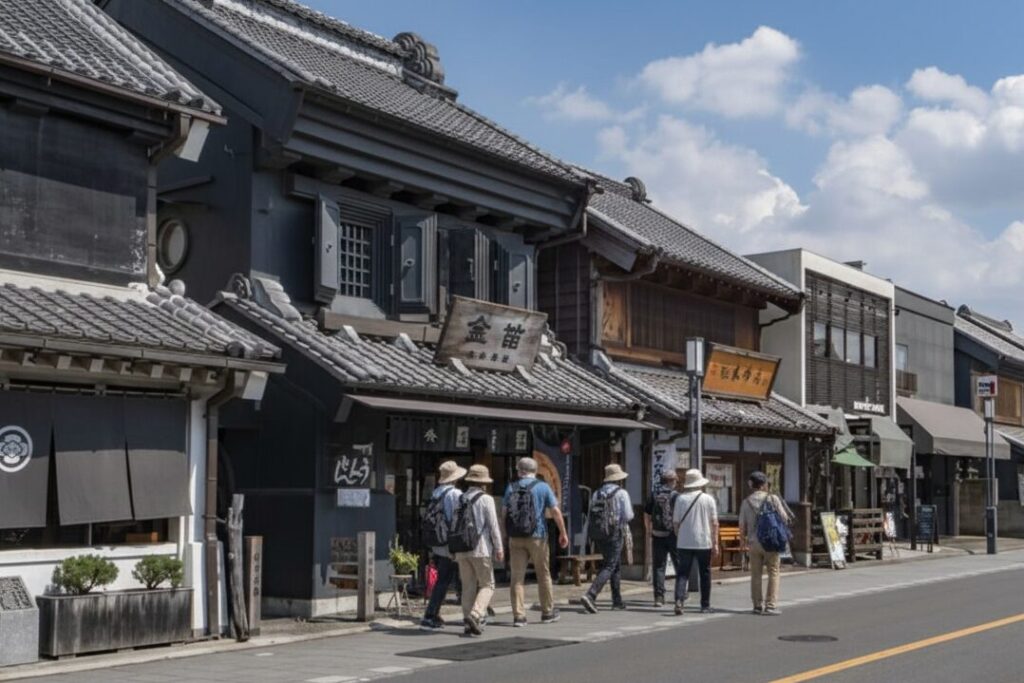
Photos are for illustrative purposes only.
Just 30 minutes from central Tokyo, Kawagoe Ichibangai offers a vivid time-slip into Japan’s Edo period. With beautifully preserved clay-walled warehouses, a nostalgic bell tower, and streets lined with traditional shops, this compact old town is an ideal day trip for first-time visitors who want to experience “old Japan” without traveling far.
What Is Kawagoe Ichibangai?
Kawagoe Ichibangai is the main historic street in Kawagoe City, Saitama Prefecture. Known as “Little Edo” (Koedo), Kawagoe flourished as a castle town and commercial hub supplying goods to old Tokyo (then called Edo). While much of modern Japan has transformed into glass and steel, this area has preserved its distinctive kurazukuri warehouse architecture and an atmosphere reminiscent of the 17th–19th centuries.
The result is a walkable street where tiled roofs, wooden lattices, and thick earthen walls coexist with cafés, souvenir boutiques, and snack stands. It’s a rare place where you can enjoy Edo-period scenery while still having all the conveniences modern travelers need.
Why Visit Kawagoe Ichibangai?
A Taste of Old Edo Without Leaving Tokyo’s Orbit
For many international visitors, seeing “traditional Japan” usually means long journeys to Kyoto or remote castle towns. Kawagoe Ichibangai provides a similar nostalgic feel in an easy half-day or full-day trip from Tokyo. This makes it ideal if you have a tight itinerary or are nervous about long-distance train travel on your first visit.
Trains from Ikebukuro, Shinjuku, or Shibuya whisk you to Kawagoe in around 30–60 minutes, and from the station it’s a pleasant 15–20 minute walk or a short bus ride to Ichibangai.
Atmospheric Streets and Unique Architecture
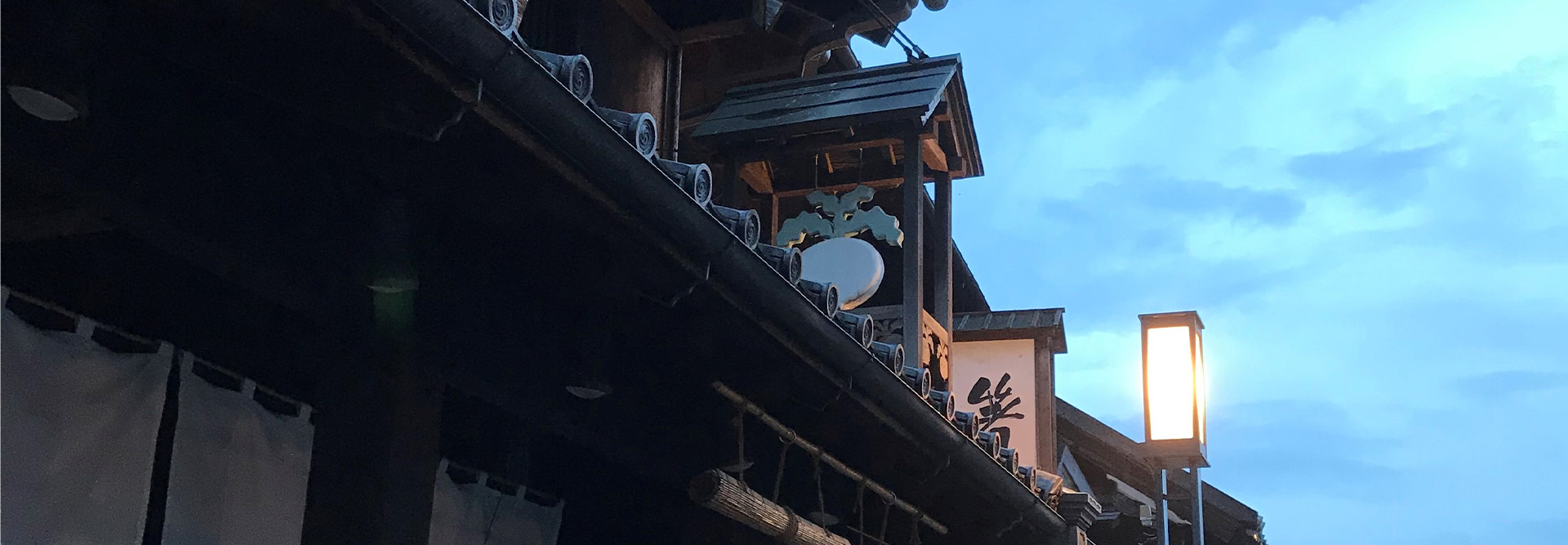
The hallmark of Ichibangai is its row of kurazukuri merchant buildings. These traditional warehouses were designed to be fire-resistant, with thick clay walls, heavy tiled roofs, and distinctive black exteriors. Many date from the late 19th century, when a devastating fire led local merchants to rebuild in this more durable style.
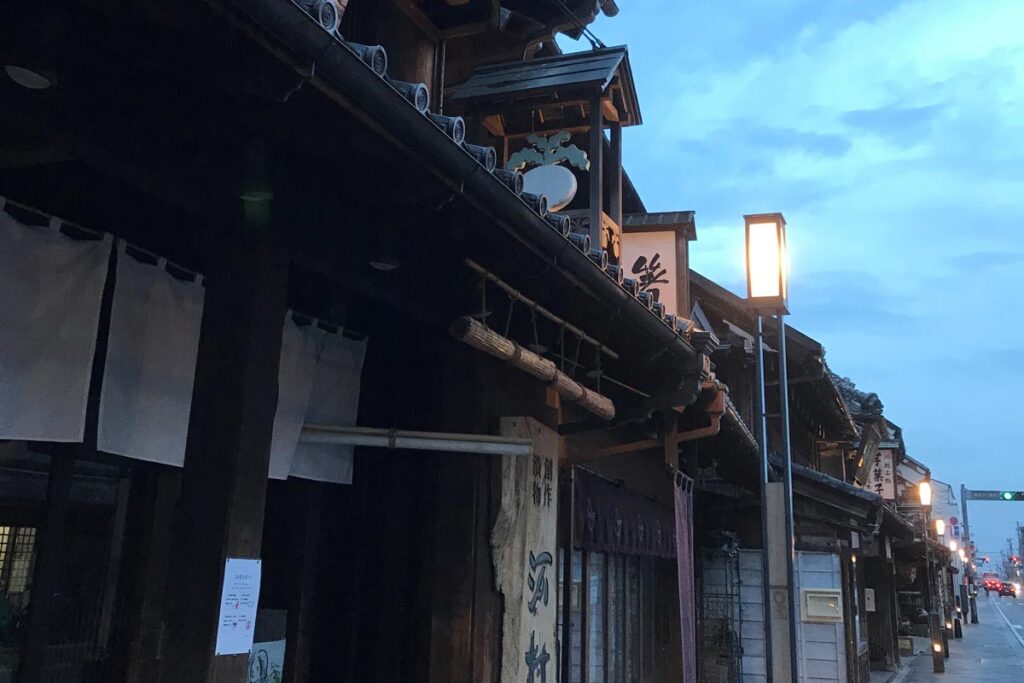
Today, these former storehouses house everything from sweet shops and teahouses to craft boutiques and sake retailers. As you stroll, look up at the intricate roof tiles, small windows, and family crests hidden in the detailing. In the evening, warm lighting adds a cinematic atmosphere that photographers love.
Local Food, Sweets, and Street Snacks
Kawagoe is famous for its sweet potatoes, and Ichibangai is the best place to taste them in creative forms. You’ll find sweet potato cakes, ice cream, chips, and even craft beer made with this humble ingredient. Combined with traditional Japanese sweets, soy-sauce flavored rice crackers, and seasonal specialties, it quickly becomes a delicious walking route.
Because it’s so close to Tokyo, some visitors skip a sit-down lunch in favor of grazing their way along the street. For first-time travelers, this is also a gentle introduction to Japanese tabearuki (eating while walking), which is usually discouraged in residential areas but acceptable on this designated shopping street if you are tidy and considerate.
Highlights Along Kawagoe Ichibangai
The Bell of Time (Toki no Kane)
The symbol of Kawagoe, the wooden bell tower known as Toki no Kane rises above the tiled roofs near Ichibangai. The original bell tower dates back to the 17th century; the current structure was rebuilt in the late 19th century after a fire, but still rings out four times a day.
The chimes at 6:00, 12:00, 15:00, and 18:00 create a romantic sense of stepping back in time, especially if you’re visiting in the late afternoon. While you can’t climb the tower, it makes an excellent backdrop for photos and helps orient you as you explore the back streets.
Kurazukuri Street
Ichibangai itself is often called Kurazukuri Street because of its concentration of historic warehouses. Many buildings have been carefully restored, preserving elements such as earthen fireproof shutters, intricate gables, and heavy wooden doors.
Don’t just stay on the main sidewalk. Duck into side alleys and courtyards where you’ll find hidden cafés, small museums, and craft studios. Some shopkeepers maintain small exhibits on the history of the building, and English explanations are increasingly common.
Candy Alley (Kashiya Yokocho)
A short walk from Ichibangai lies Candy Alley, a narrow lane lined with traditional sweet shops. In the early 20th century, there were dozens of candy makers here supplying snacks for children in Tokyo. Today, the lane preserves that nostalgic feeling, with jars of colorful sweets, rice crackers, and old-fashioned toys.
This is a fun stop if you’re traveling with children, or if you’re curious about childhood flavors in Japan. Many candies are sold in small quantities, so you can sample a variety without spending much. It’s also a good place to pick up inexpensive souvenirs that are light and easy to pack.
Traditional Temples and Shrines Nearby
While Ichibangai is primarily a merchant street, several important religious sites are within walking distance and easy to combine in a day’s exploration:
- Kawagoe Hikawa Shrine – Famous for matchmaking and relationship blessings, this shrine features hundreds of wooden prayer plaques and seasonal illuminations. In summer, the wind chime displays are especially photogenic.
- Kitain Temple – A historic Buddhist temple with surviving buildings from Edo Castle, relocated here during the Tokugawa shogunate. It’s a fascinating link between Kawagoe and Tokyo’s samurai past.
Both spots add a spiritual and historical dimension to your visit beyond the shopping street itself.
Eating and Drinking Around Ichibangai
Signature Kawagoe Flavors
If you want to taste local specialties, keep an eye out for:
- Sweet potato sweets – From soft cakes to crispy chips, these are Kawagoe’s signature products.
- Imo-kenpi – Deep-fried sweet potato sticks glazed in sugar: crunchy, sweet, and addictive.
- Traditional wagashi – Japanese confections made with red bean paste, often shaped with seasonal motifs.
- Matcha and hojicha drinks – Many cafés serve these classic teas, sometimes paired with sweet potato desserts.
- Local sake – Kawagoe has sake breweries, and some shops on Ichibangai sell bottles or offer tasting sets.
Many shops display plastic food samples or have English menus, making ordering relatively straightforward. Staff in tourist areas are used to international visitors and are usually patient with gestures and simple English.
Cafés and Rest Spots
Old merchant warehouses now house stylish cafés where you can rest your feet and soak in the historic atmosphere. Interiors often retain original wooden beams and earthen walls, blending tradition with modern comfort.
On weekends and holidays, these spots can fill up quickly, so consider visiting a bit earlier or later than standard lunch hours. If you’re short on time, several shops offer takeaway sweets and drinks that you can enjoy in designated rest areas along the street.
Shopping and Souvenirs
What to Buy on Ichibangai
Kawagoe Ichibangai is an excellent place to find souvenirs that feel connected to local history and culture. Popular items include:
- Sweet potato snacks – Individually packaged and ideal for sharing with friends back home.
- Handcrafted chopsticks and tableware – Compact, useful, and distinctively Japanese.
- Traditional toys – Spinning tops, paper balloons, and small wooden toys evoke nostalgic Japan.
- Tenugui hand towels – Lightweight cotton towels with seasonal or Kawagoe-themed patterns.
- Sake and local condiments – If you have space and no customs restrictions, these make memorable gifts.
Prices are generally reasonable compared to central Tokyo tourist districts, and you’ll often find more unique, small-batch products. Many shops accept credit cards, but carrying some cash is still advisable, especially for small purchases.
Best Time to Visit Kawagoe Ichibangai
Seasonal Highlights
Ichibangai is appealing year-round, but each season offers a different atmosphere:
- Spring – Mild weather and nearby cherry blossoms make strolling especially pleasant.
- Summer – Lively festival season; some evenings feature lanterns and special events, though it can be hot and humid.
- Autumn – Comfortable temperatures and beautiful foliage at nearby temples and shrines.
- Winter – Clear skies, crisp air, and quieter streets; the dark wooden buildings look striking against the winter light.
Time of Day
Most shops on Ichibangai open around 10:00 and close by 17:00–18:00. Arriving late in the afternoon may mean less shopping time, though the street has a magical feel at dusk when the lamps come on.
For a relaxed experience, especially on weekends, aim to arrive in Kawagoe before 11:00. Weekdays tend to be less crowded than Saturdays, Sundays, and national holidays.
How to Get to Kawagoe Ichibangai
From Central Tokyo
Kawagoe is well connected by train. Depending on where you’re staying in Tokyo, common routes include:
- From Ikebukuro – The Tobu Tojo Line offers direct trains to Kawagoe or Kawagoe-shi Station.
- From Shinjuku or Shibuya – Use the JR Saikyo/ Kawagoe Line (often labeled as the Shonan-Shinjuku Line) directly to Kawagoe Station.
Once you arrive at Kawagoe or Kawagoe-shi Station, you can walk about 15–20 minutes to Ichibangai, following signs for “Koedo” or “Old Town.” Alternatively, local buses and tourist loop buses run from the station area to stops near the historic street, which is convenient if you’re tired or traveling with children.
Practical Tips for First-Time Visitors
Language and Signage
Street signs in Kawagoe generally include Roman letters, and major attractions often have English information boards. While not everyone speaks fluent English, shop staff are accustomed to visitors, and simple phrases, gestures, and pointing to menus or products work well.
Learning a few basic Japanese phrases like “Arigatou” (thank you) and “Sumimasen” (excuse me/sorry) goes a long way toward friendly interactions.
Etiquette on the Street
Even though Ichibangai is a tourist area, local etiquette still matters:
- Dispose of trash properly; bins are limited, so you may need to carry rubbish until you find one.
- Walk on the side of the roadway or sidewalks and avoid blocking shop entrances.
- If you’re trying on traditional clothing or entering historic buildings, follow staff instructions carefully.
- Ask permission before taking close-up photos of people, especially shop staff or other visitors.
What to Wear and Bring
Ichibangai is best explored on foot, so comfortable walking shoes are essential. In summer, a hat, sunscreen, and a small towel or handkerchief will help with the heat and humidity. In cooler months, temperatures can drop, especially after sunset, so pack an extra layer.
Many travelers find it convenient to bring a small reusable bag for souvenirs, as shops often provide disposable bags by default. A portable charger is also helpful if you rely on your phone for maps and translation apps.
Combining Kawagoe with Other Destinations
Because Kawagoe is so close to Tokyo, it fits easily into a broader Japan itinerary. For first-time visitors, a typical pattern is:
- Base yourself in Tokyo for several days.
- Take a half-day or full-day trip to Kawagoe Ichibangai for an Edo-style townscape.
- Later visit Kyoto, Kanazawa, or Hiroshima for deeper historical and cultural exploration.
If you’re short on time and can only squeeze in one “traditional town” near Tokyo, Kawagoe’s Ichibangai area is among the most rewarding choices thanks to its rich atmosphere, easy access, and compact layout.
Experience Edo-Era Charm Within Easy Reach of Tokyo
For first-time travelers to Japan, Kawagoe Ichibangai offers an approachable and memorable encounter with the country’s past. The street’s preserved warehouse architecture, ringing bell tower, sweet shops, and nearby shrines and temples create a layered experience that goes beyond simple sightseeing.
With thoughtful planning—and a little appetite for sweet potato treats—you can step into “Little Edo” in the morning and be back in modern Tokyo by evening, having glimpsed a side of Japan that many visitors miss.
Access Map
Recommended spots in Saitama
Kawagoe Ichibangai
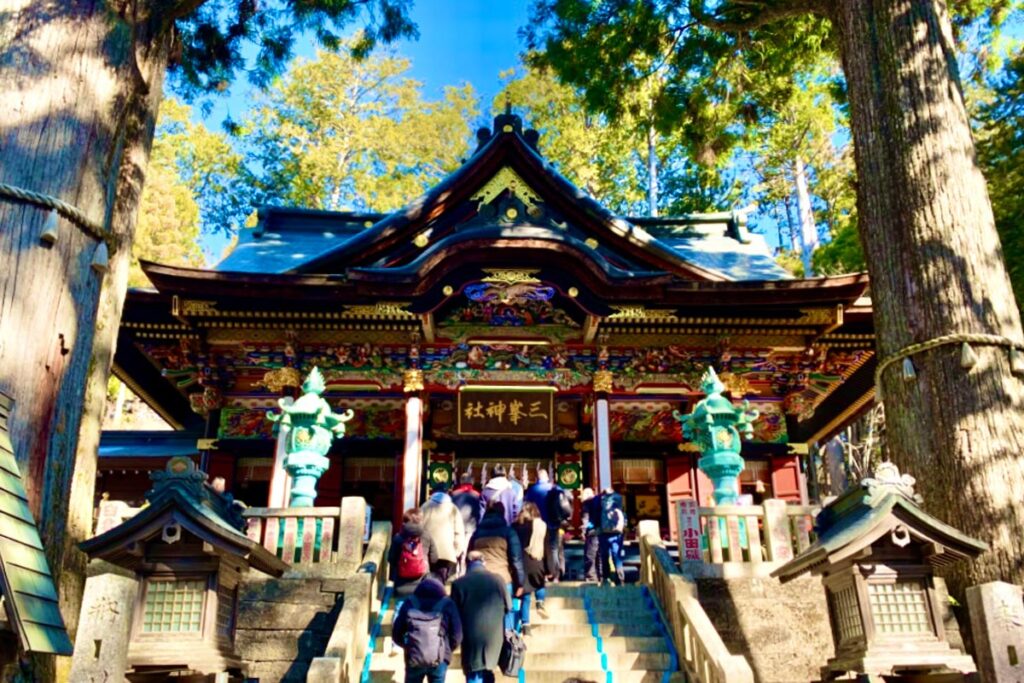
Mitsumine Shrine
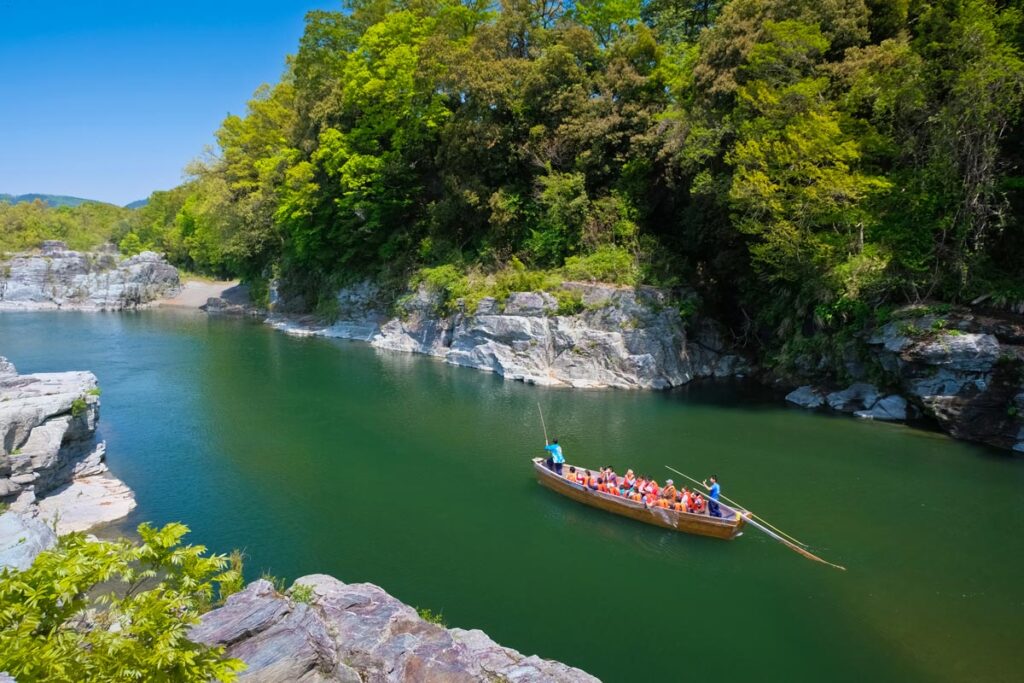
Nagatoro
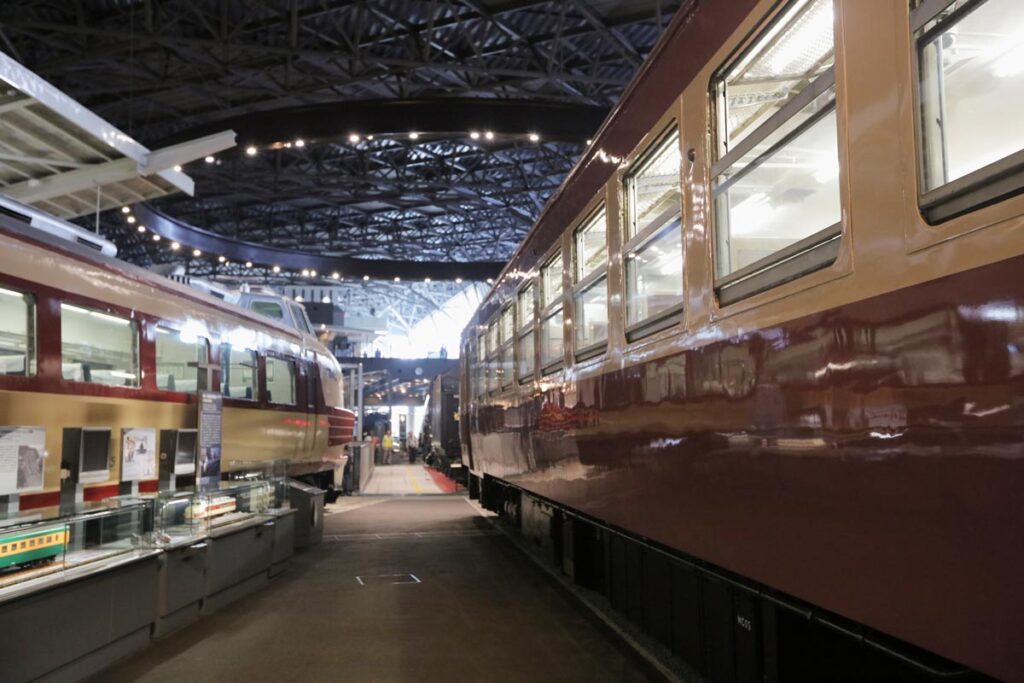
Railway Museum
Top destinations in Kanto Region
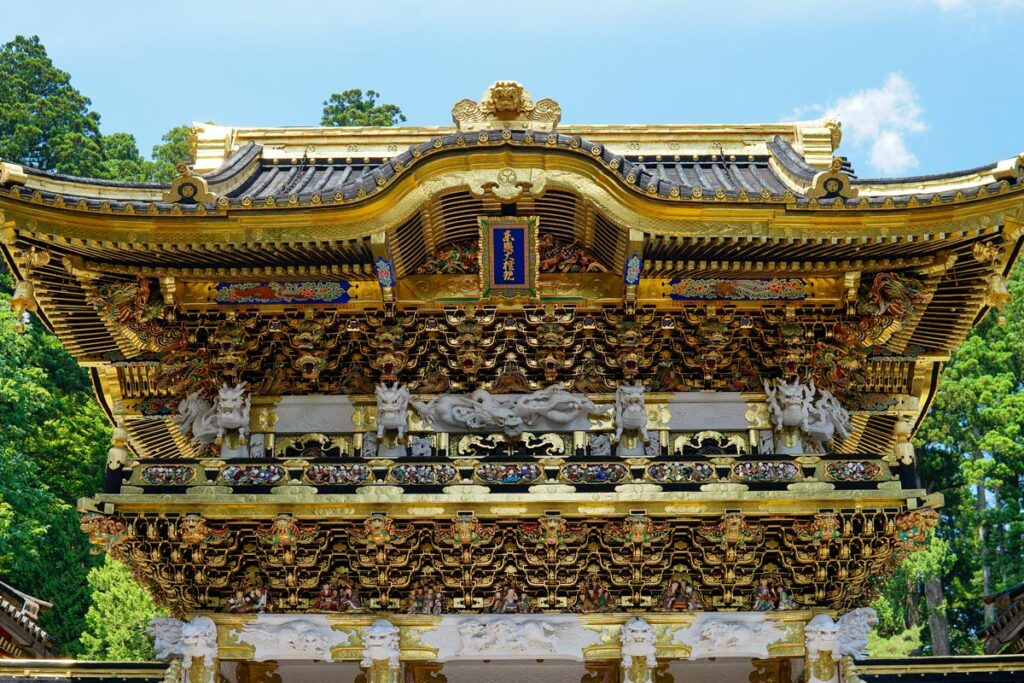
Tochigi
Kanagawa