

Chubu/Hokuriku
First-Timer’s Guide to Japan’s Chubu & Hokuriku Regions
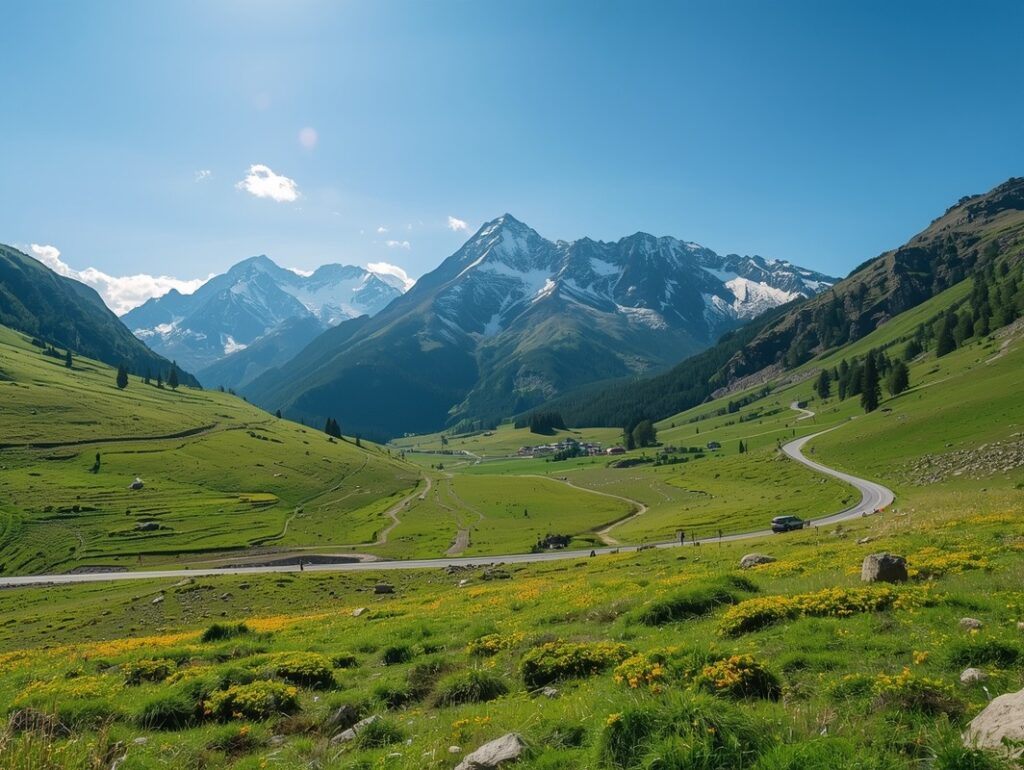
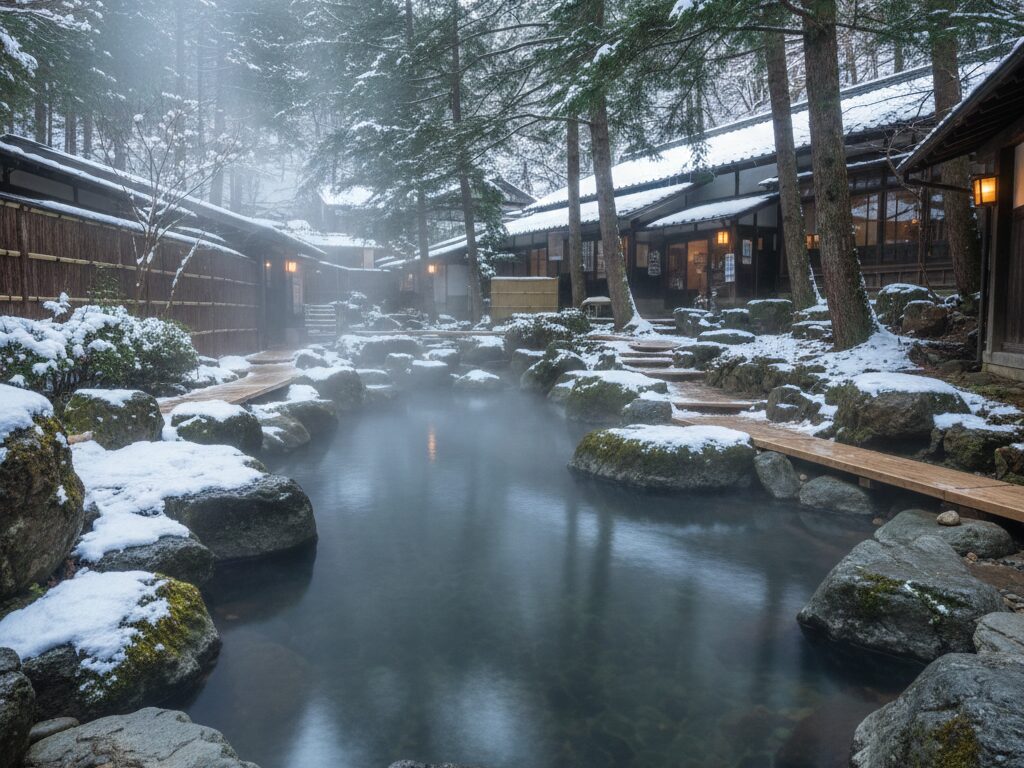
Photos are for illustrative purposes only.
For many first-time visitors to Japan, travel plans begin and end with Tokyo, Kyoto, and Osaka. Yet some of the most rewarding experiences lie between these famous cities, in the lesser-known Chubu and Hokuriku regions. Think snow-draped mountains, samurai districts, thatched-roof villages, and steaming hot springs with almost no crowds once the tour buses leave.
This guide introduces the highlights of Chubu and Hokuriku, explains how they fit into a classic Japan itinerary, and shares practical tips to help you make the most of your first journey into the country’s mountainous heartland.
Where Are Chubu and Hokuriku?
Japan’s main island, Honshu, is divided into several large regions. Chubu sits right in the center, stretching from the Pacific coast to the Sea of Japan. Within Chubu, the northern coastal area along the Sea of Japan is called Hokuriku. Together, they offer a cross-section of Japan: rugged Japanese Alps, rice terraces, historic castle towns, and thriving port cities.
For travelers, this area acts as a bridge between Tokyo and Kyoto/Osaka. Instead of rushing directly on the bullet train, you can detour through the mountains and coast, adding 3–5 days that completely change the feel of your trip.
Why Visit Chubu & Hokuriku on Your First Japan Trip?
Chubu and Hokuriku are ideal for first-time visitors who want to balance famous landmarks with more atmospheric, everyday Japan. Here’s why they deserve a place on your itinerary:
1. Dramatic Nature and Four-Season Scenery
The Japanese Alps cut through Chubu, creating spectacular views in every season. Winter brings deep snow and some of Japan’s best ski resorts. Spring offers late-blooming cherry blossoms in the mountains, while summer means cool alpine escapes from the city heat. Autumn is especially beautiful, with fiery red and gold foliage carpeting valleys and temples.
2. Classic “Old Japan” Atmosphere
Historic merchant towns and well-preserved districts allow you to wander streets that feel unchanged for centuries. Samurai houses, wooden townhouses, and narrow lanes illuminated by lanterns at night offer a quieter, more intimate counterpoint to Tokyo’s neon and Kyoto’s crowds.
3. Hot Springs, Onsen Culture, and Slow Travel
Mountainous regions mean abundant hot springs. Staying at a traditional ryokan inn, soaking in an outdoor bath, and wearing a yukata robe to dinner is one of Japan’s quintessential experiences. Chubu and Hokuriku excel at this, often at better value and with fewer foreign tourists than the big-name resorts.
4. Easy Rail Access from Tokyo, Kyoto, and Nagoya
Despite their remote feel, these regions are well connected. The Hokuriku Shinkansen links Tokyo with cities like Kanazawa, while limited express trains run from Nagoya into the Alps. You can enjoy off-the-beaten-path experiences without complicated logistics or car rental.
Key Destinations in Chubu & Hokuriku
Kanazawa: Samurai Districts and Contemporary Art
Kanazawa, on the Sea of Japan coast, is often described as a smaller, quieter Kyoto. It largely escaped wartime bombing, so traditional neighborhoods survive in excellent condition.
The city’s crown jewel is Kenrokuen Garden, often counted among Japan’s three most beautiful gardens. Designed over centuries by local lords, it blends ponds, tea houses, stone lanterns, and carefully sculpted pine trees. Winter visitors may see yukitsuri, elegant ropes radiating from tree branches to protect them from heavy snow.
Nearby lies Kanazawa Castle Park, with reconstructed turrets and gates, and the atmospheric Nagamachi Samurai District, where preserved residences evoke the life of high-ranking warriors. In contrast, the Higashi Chaya teahouse district showcases wooden geisha houses; some operate as cafes and shops, others host evening performances by geiko (local geisha).
Kanazawa is also known for contemporary culture. The 21st Century Museum of Contemporary Art attracts global visitors with interactive installations and striking architecture. Food lovers can explore Omicho Market, where stalls pile up local seafood, sweet shrimp, and seasonal specialties from the Sea of Japan.
Takayama: A Mountain Town Frozen in Time
In the mountains of Hida, Takayama preserves a beautifully intact old town. Its streets are lined with dark-wood merchant houses, sake breweries marked by cedar balls, and craft shops selling furniture and traditional wooden toys.
The morning markets along the Miyagawa River are a highlight. Local farmers and artisans sell seasonal vegetables, miso, pickles, and handmade souvenirs—an ideal place to snack on Hida beef skewers or try regional sweets.
Takayama is also a gateway to rural experiences. Traditional festivals in spring and autumn feature ornate floats and centuries-old rituals, while nearby villages offer a look at Japan’s rural past.
Shirakawa-go: Thatched-Roof Villages in the Mountains
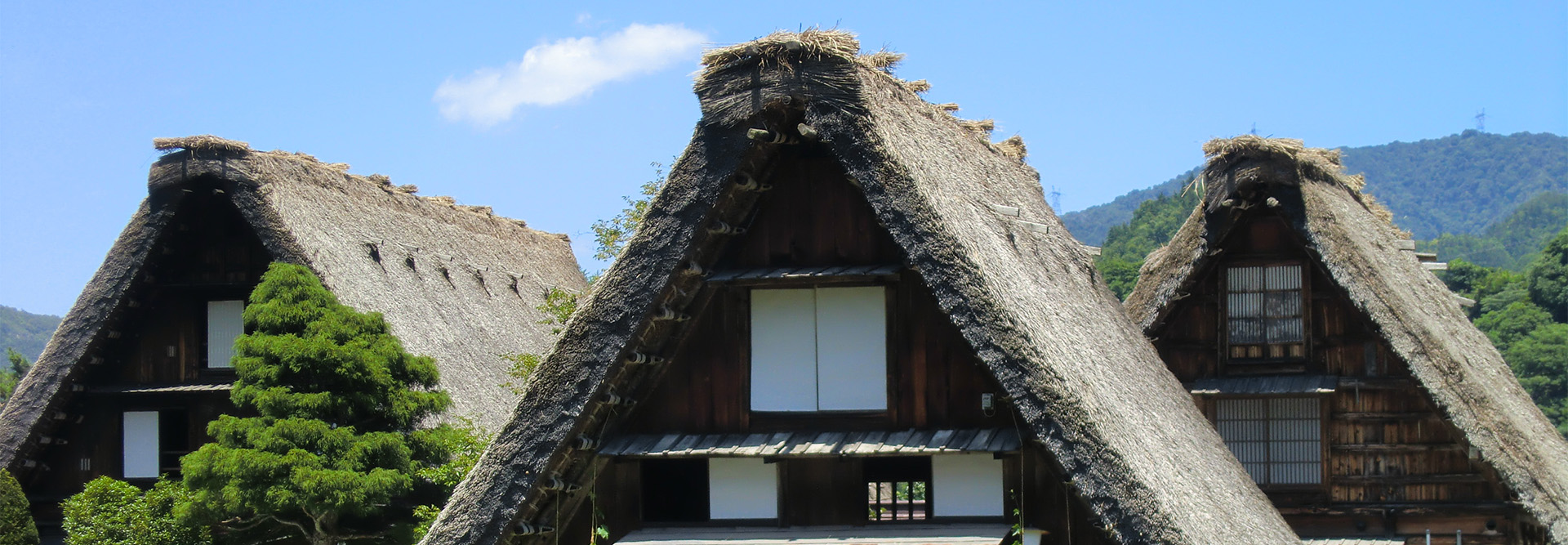
Between Takayama and Kanazawa lies Shirakawa-go, a UNESCO World Heritage site known for its gassho-zukuri farmhouses. These steep thatched roofs, resembling hands pressed in prayer, were designed to shed heavy snow. Some have been standing for over two centuries.
You can stroll between houses still lived in by local families, visit former farmhouses converted into small museums, and hike to an observation point overlooking the valley. In winter, deep snow creates a fairytale landscape, and seasonal illumination events draw photographers from around the world.
Staying overnight in one of the farmhouses (booked well in advance) gives you a quiet, atmospheric glimpse of rural life once the day-trippers leave.
Alpine Routes and Mountain Escapes
For those drawn to high mountain scenery, Chubu offers several memorable routes:
- Tateyama Kurobe Alpine Route: A dramatic crossing of the Northern Alps using a combination of cable cars, buses, and ropeways. In spring, towering snow corridors line the road; in summer and autumn, visitors enjoy hiking and views over the emerald Kurobe Dam.
- Kamikochi: A highland valley accessed from Matsumoto, famous for crystal-clear rivers and views of rugged peaks. Well-maintained trails make it accessible for casual walkers and serious hikers alike.
These mountain areas showcase a different side of Japan: clean alpine air, star-filled skies, and expansive landscapes that feel far from the densely populated coasts.
Coastal Cities and Castle Towns
Along the Sea of Japan, historic towns and lesser-known castles tell the story of Japan’s feudal past and maritime trade.
- Fukui and Echizen Coast: Dramatic cliffs, quiet fishing villages, and temples nestled in forests. Local restaurants showcase fresh crab and other seafood, especially in winter.
- Traditional Castles and Old Post Towns: Around central Chubu, you can visit smaller castles and well-preserved post towns that once served travelers on key routes between Edo (Tokyo) and Kyoto. They are ideal for slow, atmospheric walks and photography.
Cultural Experiences to Seek Out
Stay in a Ryokan and Soak in Onsen
Across Chubu and Hokuriku, ryokan inns range from simple, family-run guesthouses to luxurious hot spring resorts.
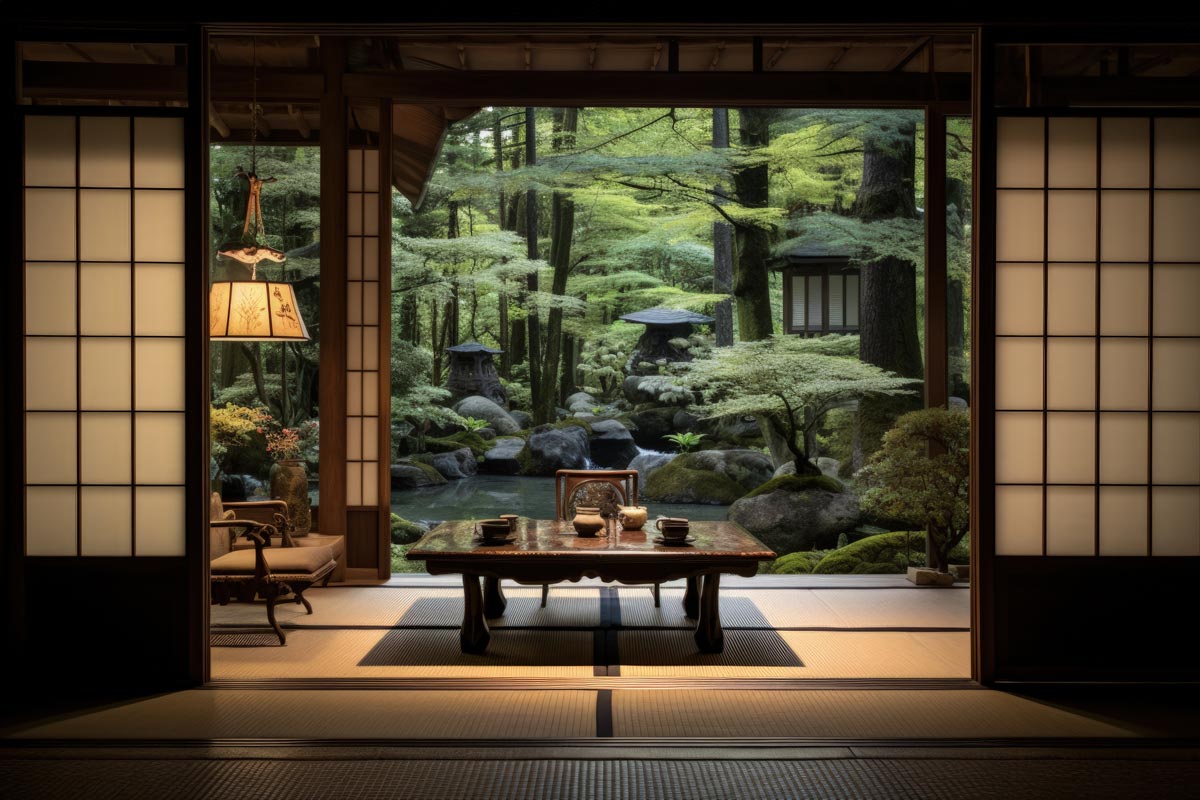
Common features include tatami-mat rooms, futon bedding, multi-course kaiseki dinners highlighting local ingredients, and communal or private hot-spring baths. Bathing etiquette is important: wash thoroughly before entering the shared tub, keep towels out of the water, and speak quietly. Many ryokan provide illustrated guides in English, and staff are used to helping first-time visitors.
Savor Regional Food and Sake
Each part of Japan celebrates its local specialties, and Chubu and Hokuriku are no exception:
- Seafood from the Sea of Japan: Snow crab, sweet shrimp, and yellowtail are especially prized in winter.
- Hida Beef: In Takayama and surrounding areas, this marbled beef appears in sushi, skewers, and hot pots.
- Local Sake: Cold winters and pure mountain water create ideal conditions for brewing sake. Visit small breweries for tastings; many display wooden balls (sugidama) outside to signal a new batch.
Even if menus are in Japanese, plastic food displays, picture menus, and staff accustomed to visitors make ordering manageable. Don’t hesitate to point and use simple English; hospitality is a core cultural value, and patience is usually met with warm, if sometimes shy, responses.
Crafts, Gold Leaf, and Traditional Workshops
The regions around Kanazawa and the Japanese Alps are known for refined traditional crafts. You can watch artisans at work or try short workshops:
- Gold Leaf: Kanazawa produces the majority of Japan’s gold leaf, used to decorate everything from lacquerware to sweets. Beginner-friendly workshops let you decorate small items to take home.
- Woodworking and Lacquer: Mountain towns specialize in intricate furniture and lacquerware, often passed down through generations.
- Textiles and Dyeing: Some areas offer hands-on experiences with indigo dyeing or traditional weaving techniques.
How to Add Chubu & Hokuriku to Your Itinerary
For a first visit to Japan lasting 10–14 days, consider adding 2–4 days in Chubu or Hokuriku between Tokyo and Kyoto/Osaka.
Sample 3-Day Route: Tokyo to Kanazawa and Takayama
- Day 1: Tokyo → Kanazawa
Ride the Hokuriku Shinkansen (about 2.5–3 hours). Explore Kenrokuen, Kanazawa Castle Park, and Higashi Chaya. Stay overnight in Kanazawa. - Day 2: Kanazawa → Shirakawa-go → Takayama
Travel by highway bus to Shirakawa-go, spend a few hours exploring, then continue to Takayama. Evening stroll through the old town, enjoy Hida beef for dinner, and stay in a ryokan. - Day 3: Takayama → Nagoya → Kyoto/Osaka
Visit the morning market, then take the limited express train to Nagoya and connect to the Shinkansen onward to Kyoto or Osaka.
This route uses only public transport and is suitable for first-time travelers with luggage.
Practical Tips for First-Time Visitors
When to Go
- Spring (April–May): Pleasant temperatures and blossoms in higher elevations, with fewer crowds than major cherry-blossom hotspots.
- Summer (June–August): Coastal humidity can be high, but mountain areas offer cooler escapes. Mid-June to mid-July is typically the rainy season.
- Autumn (October–November): Clear skies and vivid foliage, especially in mountain valleys and around temples.
- Winter (December–March): Snow transforms rural villages and alpine routes. Ideal for ski trips and onsen, but some mountain transport may be limited.
Getting Around
Major routes are covered by JR trains and highway buses. Consider a national or regional rail pass if you plan multiple long-distance journeys. Buses connect mountainous areas like Shirakawa-go and the Tateyama Kurobe Alpine Route, with English schedules available online and at tourist information centers.
Stations in larger cities such as Kanazawa and Nagoya offer multilingual signs, tourist information counters, and luggage storage. In smaller towns, information may be more limited, but staff are generally happy to assist with basic English.
Language and Etiquette
English is less widely spoken in rural areas than in Tokyo or Kyoto, but you can still travel comfortably with a few strategies:
- Carry your destination name in Japanese characters to show staff or drivers.
- Use simple phrases and gestures; many people understand basic travel English.
- Respect local customs: remove shoes when entering homes, ryokan, and some inns; speak quietly on public transport; and line up neatly when boarding trains and buses.
Money and Reservations
Credit cards are increasingly accepted in cities and larger establishments, but smaller inns, local restaurants, and buses may remain cash-oriented. ATMs at major convenience stores usually accept international cards.
For busy seasons—especially cherry blossom time, autumn foliage, and New Year—reserve ryokan, mountain routes, and popular buses in advance. Outside peak periods, you may find more flexibility, but same-day bookings in small villages can still be challenging.
Is Chubu & Hokuriku Right for Your First Trip?
If you’re drawn only to cutting-edge cityscapes, you might be satisfied with Tokyo and Osaka alone. But if you imagine winding lanes, snow-dusted roofs, steaming hot springs, and meals showcasing local ingredients, Chubu and Hokuriku can transform a good itinerary into an unforgettable one.
By dedicating just a few days to this central region, you experience another dimension of Japan: quieter, more traditional, and often more personal. For many travelers, it becomes the part of their journey they remember most vividly—and the reason they start planning a return visit before they’ve even left.
Tourists visiting the Chubu and Hokuriku regions often use public transportation, such as trains, and buses. Traveling with luggage can be a hassle. For example, if you're heading from Tokyo to Osaka via Hokuriku, we recommend sending your big luggage directly from Tokyo to your accommodation in Osaka and traveling with only enough luggage for two to three nights.

Access Map
Top destinations in Chubu/Hokuriku
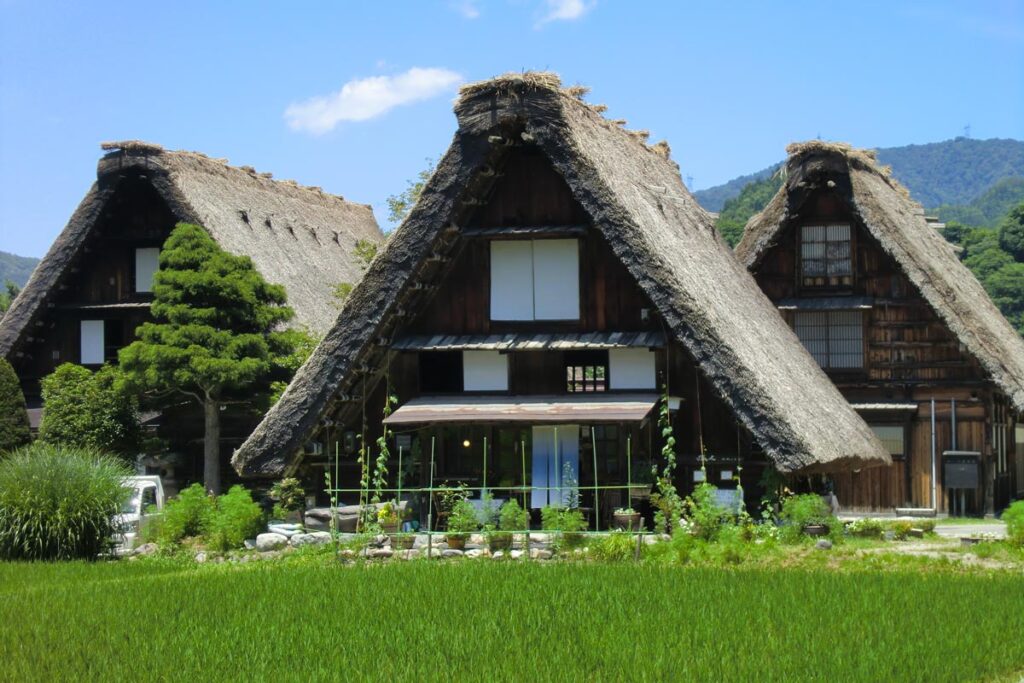
Gifu
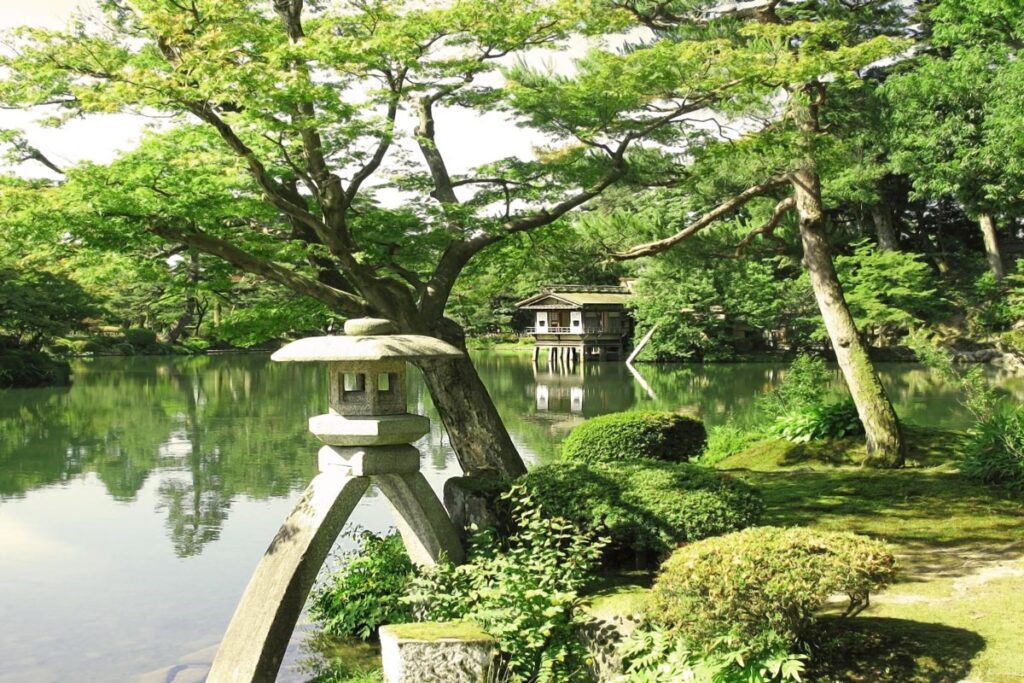
Ishikawa
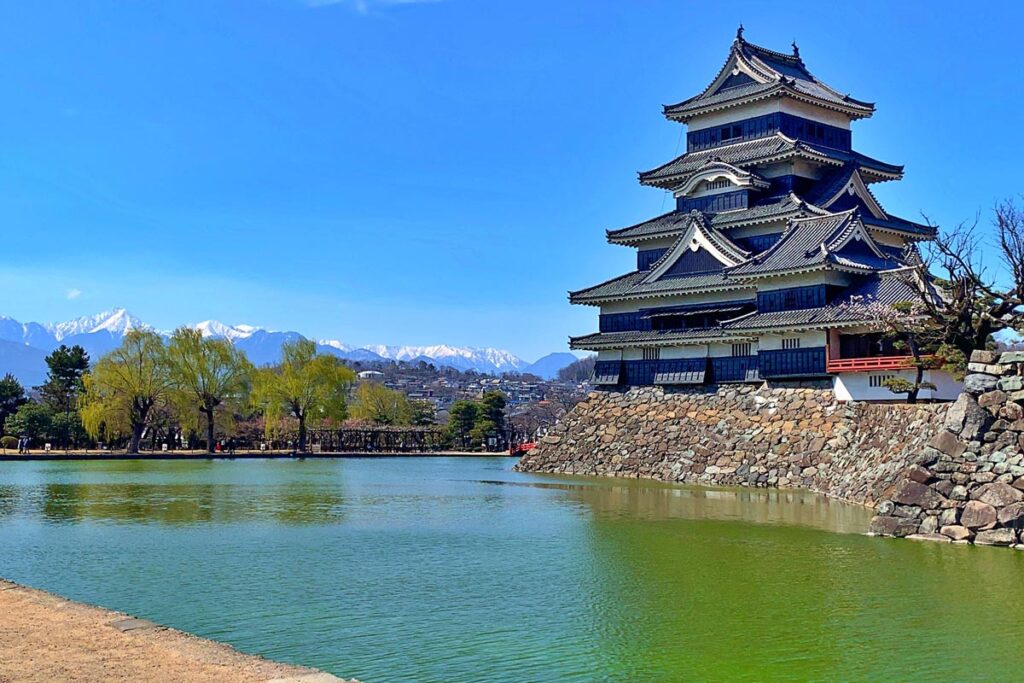
Nagano
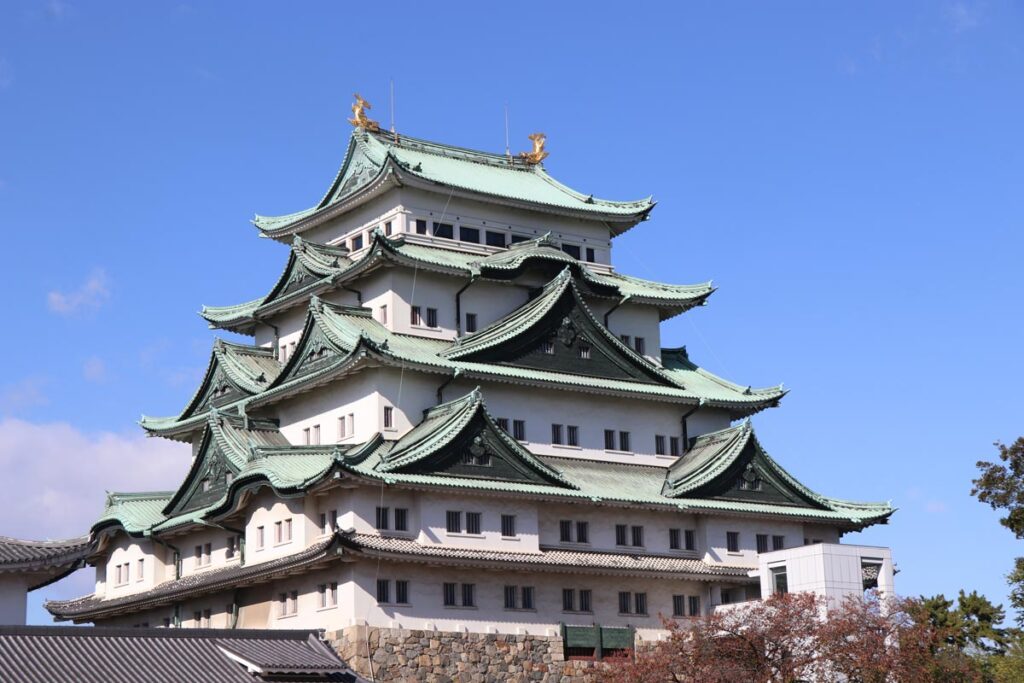
Aichi