


Gifu
Gifu Travel Guide: Classic Japan in the Heart of the Country
Photos are for illustrative purposes only.
Hidden between the Japan Alps and the broad plains of central Honshu, Gifu Prefecture offers many of the experiences travelers imagine when they picture “traditional Japan” – historic wooden towns, thatched farmhouses, mountain onsens, and serene rivers. Unlike the big cities, Gifu moves at a gentler pace, making it an ideal destination for first-time visitors who want to see an older, quieter side of Japan without sacrificing comfort or accessibility.
Why Visit Gifu on Your First Trip to Japan?
Gifu sits almost exactly in the middle of Japan’s main island, making it an easy addition to itineraries that include Tokyo, Kyoto, Osaka, or Nagoya. The prefecture has no coastline, but what it lacks in beaches it more than makes up for with mountains, rivers, and beautifully preserved historic districts.
For international visitors, Gifu is especially appealing because it brings several iconic Japanese images together in one region:
- World Heritage–listed thatched farmhouses in Shirakawa-go
- Atmospheric Edo-period streets in Takayama
- Traditional cormorant fishing on the Nagara River
- Onsen towns tucked between forested mountains
- Local sake, Hida beef, and seasonal mountain cuisine
Gifu feels authentic yet welcoming, with good tourist infrastructure, multi-lingual information, and frequent buses and trains connecting major sights.
Getting to Gifu and Getting Around
Access from Major Cities
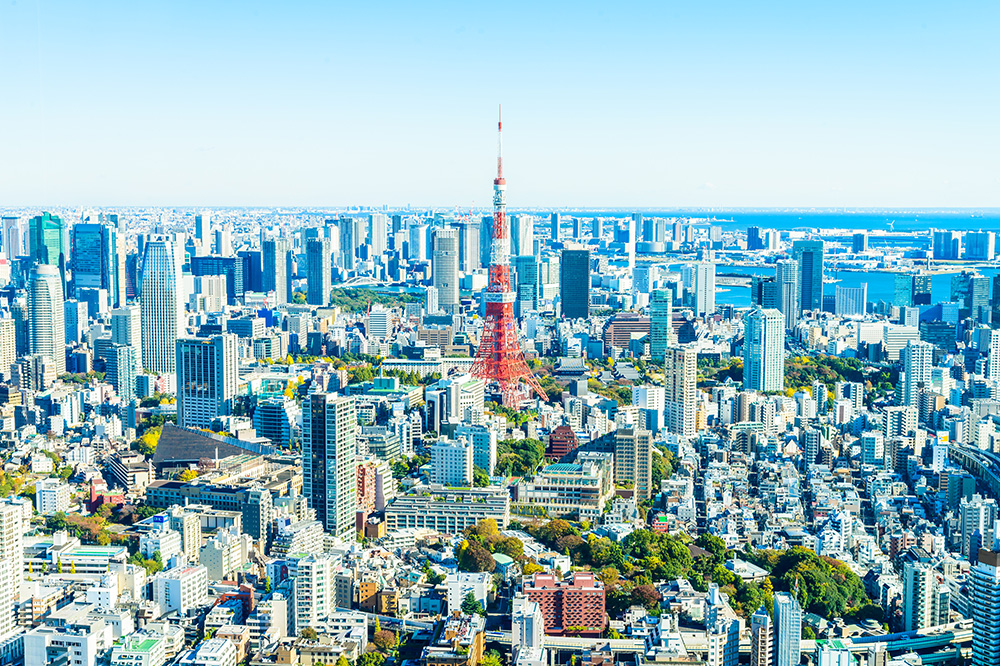
Most visitors reach Gifu via Nagoya, one of Japan’s major rail hubs.
- From Tokyo: Take the Tokaido Shinkansen to Nagoya (around 1 hour 40 minutes on the Nozomi). From Nagoya, local or rapid JR trains reach Gifu City in about 20–30 minutes.
- From Kyoto or Osaka: Tokaido Shinkansen to Nagoya (about 35–50 minutes), then local JR lines to Gifu.
- From Kanazawa: You can also get to Takayama and Shirakawa-go by train via Toyama, but a direct bus is more convenient. From there, you can travel to Gifu City by bus or train.
For rural areas such as Takayama and Shirakawa-go, express buses can be just as convenient as trains, especially if you’re carrying luggage.
Getting Around the Prefecture
Gifu’s main tourist areas are spread between the south (Gifu City) and the mountainous north (Takayama, Shirakawa-go, Gero), but they’re well connected:
- JR Lines: The Takayama Line links Gifu City with Takayama and beyond, running up the scenic Hida River valley.
- Highway Buses: Frequent buses run between Takayama, Shirakawa-go, Kanazawa, Nagoya, and Toyama. Reservations are recommended during holidays.
- Local Buses: Within Takayama, Gifu City, and on to Gero or Gujo Hachiman, local buses handle short hops to specific attractions.
Driving is possible and gives more flexibility in the mountains, but winter snow and narrow roads can be challenging. For a first visit, trains and buses are usually enough.
Gifu City: Castles, Rivers, and Cormorant Fishing
Gifu City, the prefectural capital, spreads along the clear Nagara River. While many travelers rush north to Takayama, spending at least one night here gives you a taste of historical Gifu and one of Japan’s oldest living traditions.
Gifu Castle and Mount Kinka
Perched on top of forested Mount Kinka, Gifu Castle commands sweeping views of the river and plains. The modern reconstruction houses a small but informative museum about local warlord Oda Nobunaga, who used this castle in the 16th century as a base in his campaign to unify Japan.
You can hike up Mount Kinka in around an hour through quiet woodland, or take the ropeway near the riverbank. On a clear day, the panoramic view from the castle keep is one of the best in central Japan, especially at sunset when the city lights begin to glow.
Nagara River and Traditional Cormorant Fishing
The Nagara River is famous throughout Japan for ukai, a form of traditional night-time cormorant fishing said to have continued here for over 1,300 years. From May to October, small wooden boats glide along the dark river, lit only by flaming braziers. Skilled boatmen in traditional robes work with trained cormorants to catch sweetfish (ayu), pulling them back by cords before they swallow their catch.
As a visitor, you watch from larger viewing boats, sipping tea or sake as the fishing crews pass close by. The spectacle is atmospheric rather than commercial – the Imperial Household Agency even has its own designated fisherman on this river. While the cormorants do swallow some of the catch, the birds are carefully cared for and typically work for many years.
Book seats in advance during peak season, and bring a light jacket; even summer evenings on the river can feel cool.
Takayama: Edo-Era Streets in the Japan Alps
In the northern mountains of Gifu, Takayama has become one of Japan’s most popular historic towns. Despite the growing number of international visitors, it still retains a peaceful, small-town atmosphere, especially early in the morning or after sunset.
Sanmachi Suji: The Old Town District
The heart of Takayama is the Sanmachi Suji district, a network of narrow streets lined with dark wooden machiya townhouses. Many of these buildings date back to the Edo period (1603–1868) and now house sake breweries, craft shops, cafes, and small museums.
Look for the round cedar balls (sugidama) hanging outside the breweries – these are traditional signs of fresh sake. Many offer tastings for a small fee; you help yourself with tiny cups and put coins in a box, a charming example of Japan’s trust-based culture.
Morning Markets and Local Life
Takayama’s morning markets, held daily along the Miyagawa River and near Takayama Jinya, are a chance to see local life and sample regional foods. Vendors sell miso, pickles, seasonal fruits, and crafts such as sarubobo dolls – faceless cloth dolls believed to protect children and bring good fortune.
Visit early for the most authentic atmosphere: elderly residents trading vegetables, schoolchildren on their way to class, and stallholders chatting in the local Hida dialect.
Takayama Festivals
Takayama is home to two of Japan’s most celebrated festivals, in spring (April) and autumn (October). Both feature magnificent wooden floats decorated with intricate carvings and mechanical dolls (karakuri). If your schedule allows, timing your visit with one of these festivals offers a spectacular window into traditional craftsmanship and community spirit, but book accommodation months in advance.
Shirakawa-go: Fairy-Tale Thatched Farmhouses
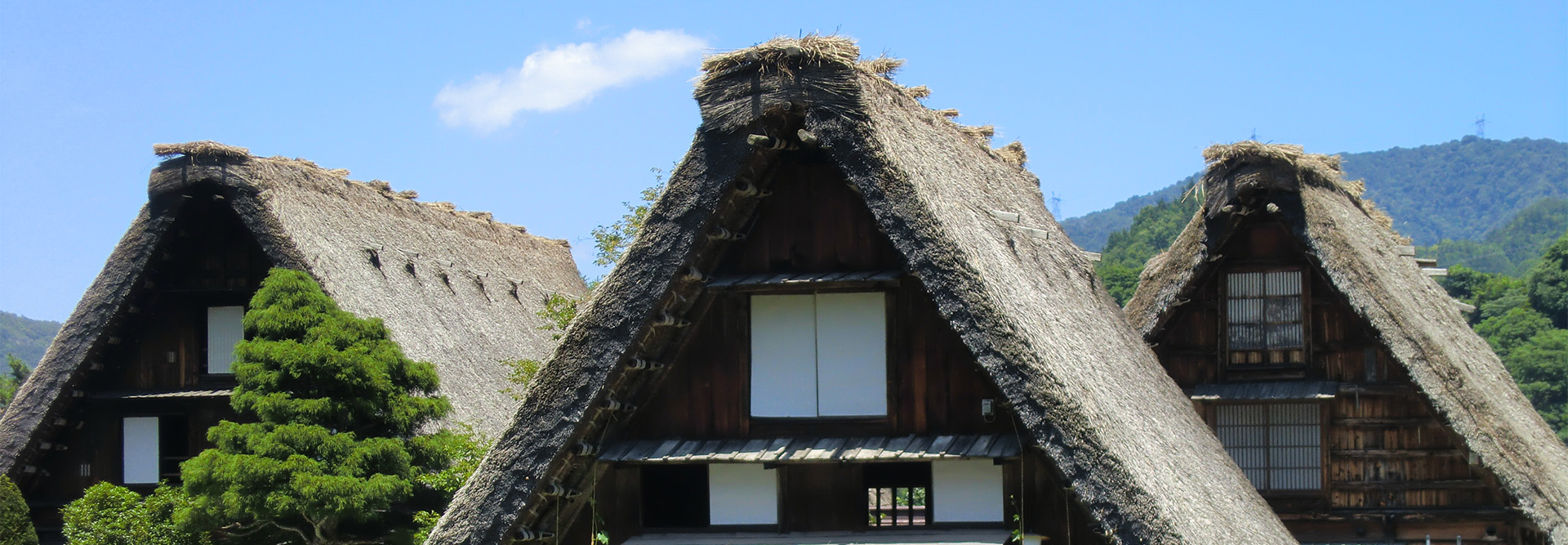
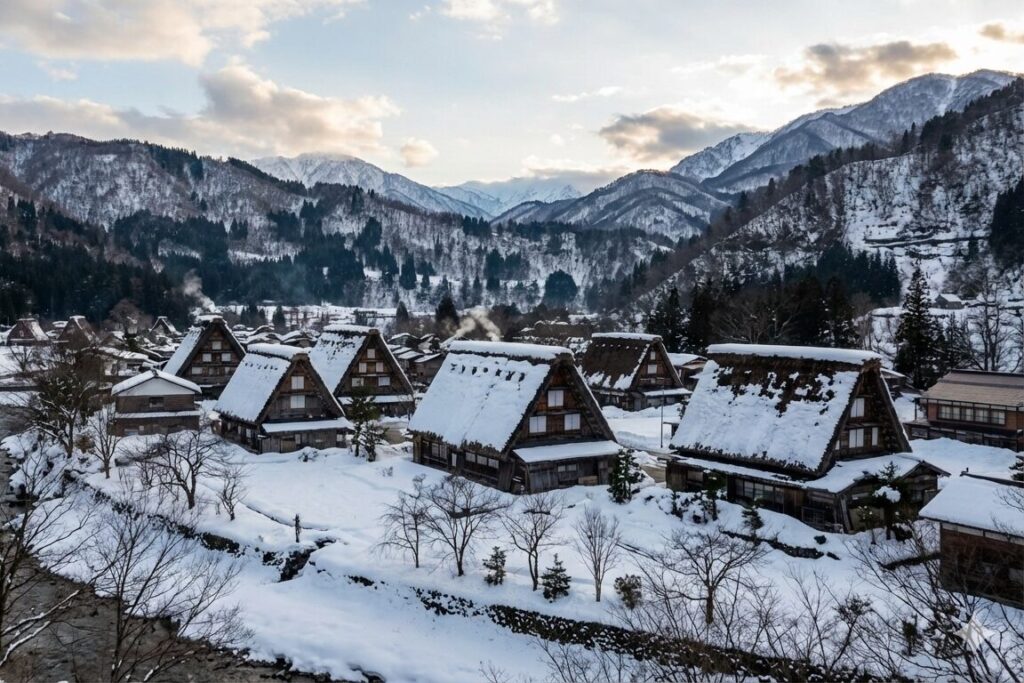
Northwest of Takayama, the valley of Shirakawa-go is a UNESCO World Heritage Site renowned for its gassho-zukuri farmhouses. Their steep thatched roofs, designed to withstand heavy winter snowfall, resemble hands pressed together in prayer – hence the name “gassho,” meaning “praying hands.”
Exploring Ogimachi Village
Most visitors head to Ogimachi, the largest settlement. Wooden farmhouses dot the valley floor, surrounded by rice fields and forested slopes. Several houses now function as museums, allowing you to step inside and see the soot-blackened beams, sunken hearths, and attic spaces once used for silkworm cultivation.
A short uphill walk leads to an observation deck overlooking the village; this is the classic postcard view, especially photogenic in winter when roofs are blanketed with snow, or in spring when the rice fields reflect the sky.
Shirakawa-go can be crowded with day-trippers, but staying overnight in a traditional farmhouse minshuku can transform your experience. Evenings are quiet, stars are visible, and you can enjoy simple home-cooked meals by the hearth – grilled river fish, mountain vegetables, and local rice.
Gero Onsen: Hot Springs in the Mountains
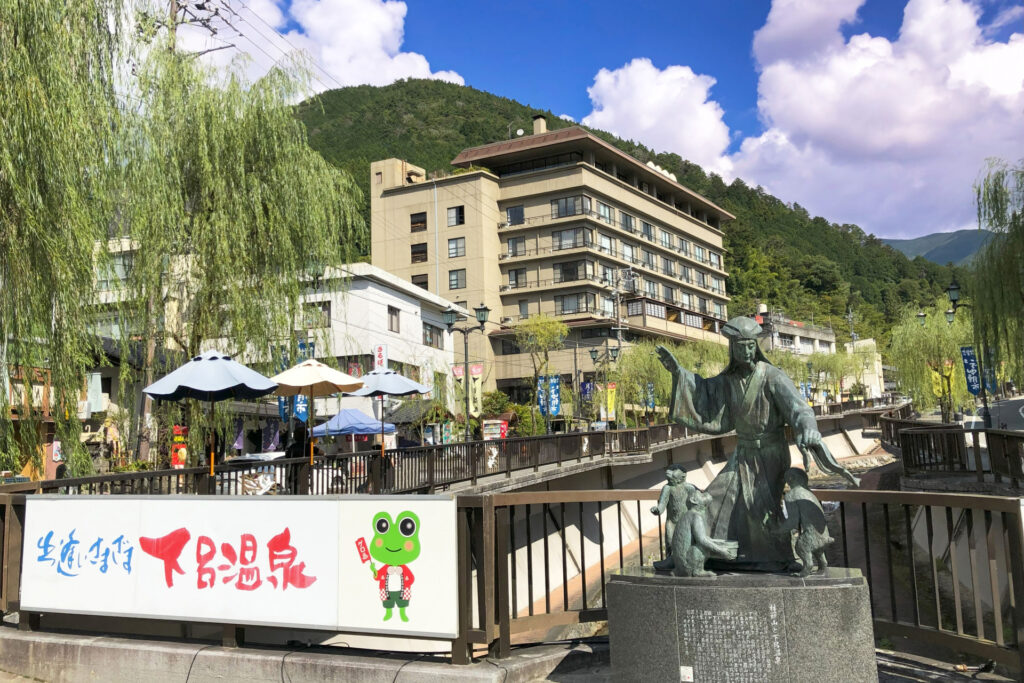
South of Takayama, Gero Onsen is one of Japan’s classic hot spring towns, praised in historical literature for the quality of its waters. The town clusters around a river, with ryokan, bathhouses, and foot baths lining the streets.
Gero is ideal if you want to experience onsen culture in a relaxed, beginner-friendly environment. Many ryokan offer day-use baths, and the tourist office sells a bath-hopping pass that gives access to multiple establishments. Try wandering in a cotton yukata robe and wooden geta sandals between evening dips, a favorite pastime for Japanese guests.
First-time visitors sometimes worry about onsen etiquette. The basics are simple: wash thoroughly before entering the shared bath, bathe naked (swimwear is not allowed in traditional baths), keep towels out of the water, and speak quietly. If you’re unsure, staff are usually patient and helpful.
Gujo Hachiman: Waterways and Summer Dance
Lesser-known outside Japan, Gujo Hachiman is a charming riverside town between Gifu City and Takayama. It’s nicknamed the “Water City” for its pristine canals and wells, some of which are still used by locals for washing vegetables or cooling drinks.
Streets are lined with old merchant houses, small shrines, and local sweet shops. The town’s castle, perched on a wooded hill, is one of Japan’s most picturesque reconstructions, particularly in autumn when the surrounding maples turn brilliant red.
Gujo Odori: All-Night Summer Dance
From mid-July to early September, Gujo Hachiman hosts Gujo Odori, one of Japan’s most famous traditional dance festivals. Unlike many festivals where you simply watch, Gujo Odori invites everyone – locals and visitors alike – to join the circle and dance.
On peak nights in August, the dancing continues until dawn. Steps are simple and repetitive, and volunteers will happily show you how to move and clap in time to the songs. It’s a welcoming way to experience Japanese festival culture beyond the usual sightseeing.
Food and Drink: Tasting Gifu
Gifu’s inland, mountainous location shapes its cuisine. Instead of seafood-heavy dishes, you’ll find river fish, beef, mountain vegetables, and hearty flavors adapted to cold winters.
- Hida Beef: One of Japan’s top wagyu brands, known for its fine marbling and rich flavor. Try it as grilled steak, in sukiyaki or shabu-shabu, or as skewers from street stalls in Takayama.
- Hoba Miso: A Takayama specialty where miso paste, mushrooms, and vegetables are grilled on a magnolia leaf over charcoal – fragrant and perfect with rice.
- Ayu (Sweetfish): Caught in rivers like the Nagara and often served grilled with salt on skewers, eaten whole from head to tail.
- Local Sake: The cold climate and pure water make Gifu a notable sake region. Breweries in Takayama and Gifu City welcome visitors for tastings.
Vegetarians will find options such as miso-based dishes, grilled vegetables, and tofu, particularly in temple-style meals and some ryokan. However, it’s wise to mention dietary needs when booking accommodation, as traditional set meals often include fish broth.
When to Visit Gifu
Gifu has distinct seasons, and each offers a different experience.
- Spring (March–May): Cherry blossoms bloom along the Nagara River and in Takayama, and mountain snows begin to melt. The Takayama Spring Festival is a highlight.
- Summer (June–August): Lush green landscapes and river activities, but also heat and humidity in the lowlands. Cormorant fishing, Gujo Odori, and alpine hiking are at their best.
- Autumn (September–November): Comfortable temperatures and vivid foliage around Gifu Castle, Gujo Hachiman, and the mountain valleys. The Takayama Autumn Festival draws many visitors.
- Winter (December–February): Deep snow in Shirakawa-go and Takayama creates a fairy-tale atmosphere. Ideal for onsen and winter illuminations, though some mountain roads can close.
For first-time travelers who want pleasant weather and easy transport, late April to June and October to early November are often the most comfortable periods.
Practical Tips for First-Time Visitors to Gifu
- Language: English signage is increasingly common in major tourist areas like Takayama, Gifu City, and Shirakawa-go. In smaller towns, simple phrases and translation apps go a long way.
- Cash & Payments: Urban areas accept credit cards and IC cards, but smaller ryokan, buses, and rural shops may be cash-only. ATMs that accept international cards are found in convenience stores and post offices.
- Weather & Clothing: Mountain areas can be significantly cooler than cities, especially at night. Bring layers, and in winter, proper snow shoes or boots.
- Respect for Local Life: Many Gifu destinations are living towns and villages, not outdoor museums. Keep noise down at night, avoid entering private fields in Shirakawa-go, and ask before photographing people.
- Reservations: Book accommodation early during peak seasons, particularly in Takayama during festival dates and in Shirakawa-go in winter.
Including Gifu in Your Japan Itinerary
Gifu works well as a two- to four-day addition to a classic Tokyo–Kyoto route. A popular pattern is to travel from Tokyo to Takayama, spend one or two nights exploring Takayama and Shirakawa-go, then continue to Gero Onsen or Gifu City before heading on to Kyoto, Osaka, or back to Tokyo via Nagoya.
Whether you’re watching torchlit cormorant boats drift down the Nagara River, wandering under wooden eaves in Takayama’s old town, or waking to snow-covered thatched roofs in Shirakawa-go, Gifu offers the feeling of stepping into the Japan of storybooks – but with the comfort and convenience that modern travelers need.
If your first trip to Japan blends big-city energy with a desire to see traditional, rural life, Gifu belongs high on your list.

Access Map
Recommended spots in Gifu
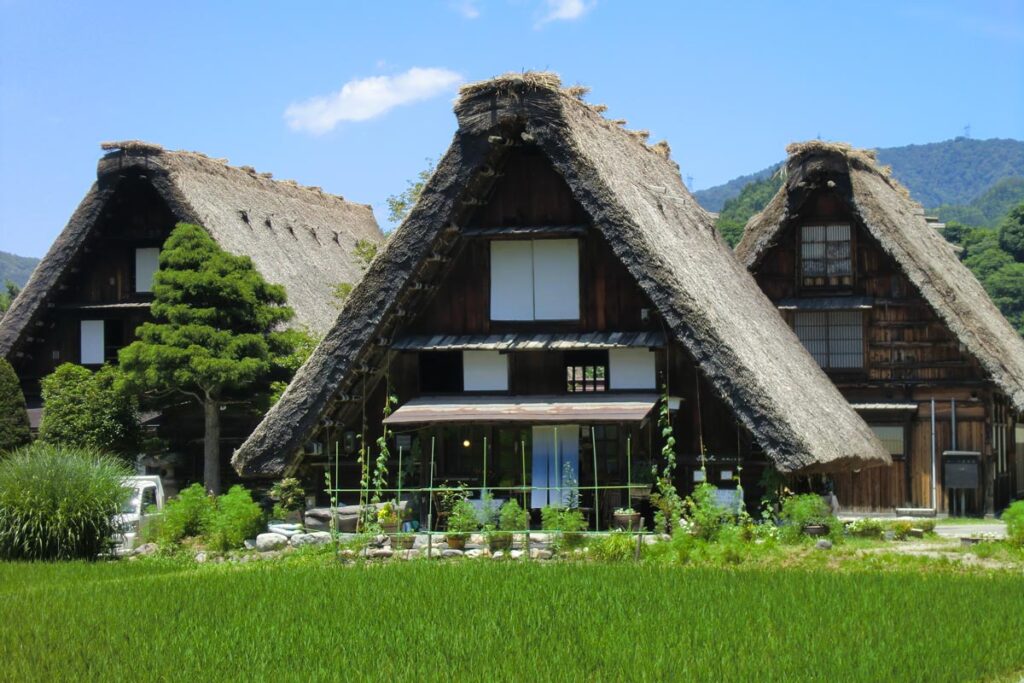
Shirakawa-go
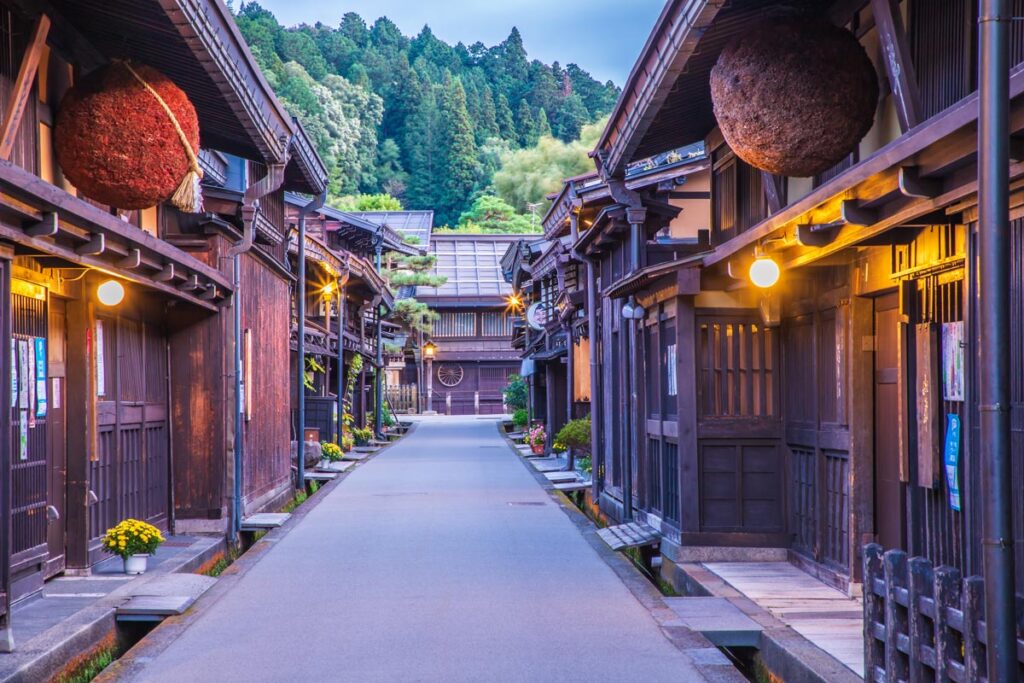
Takayama
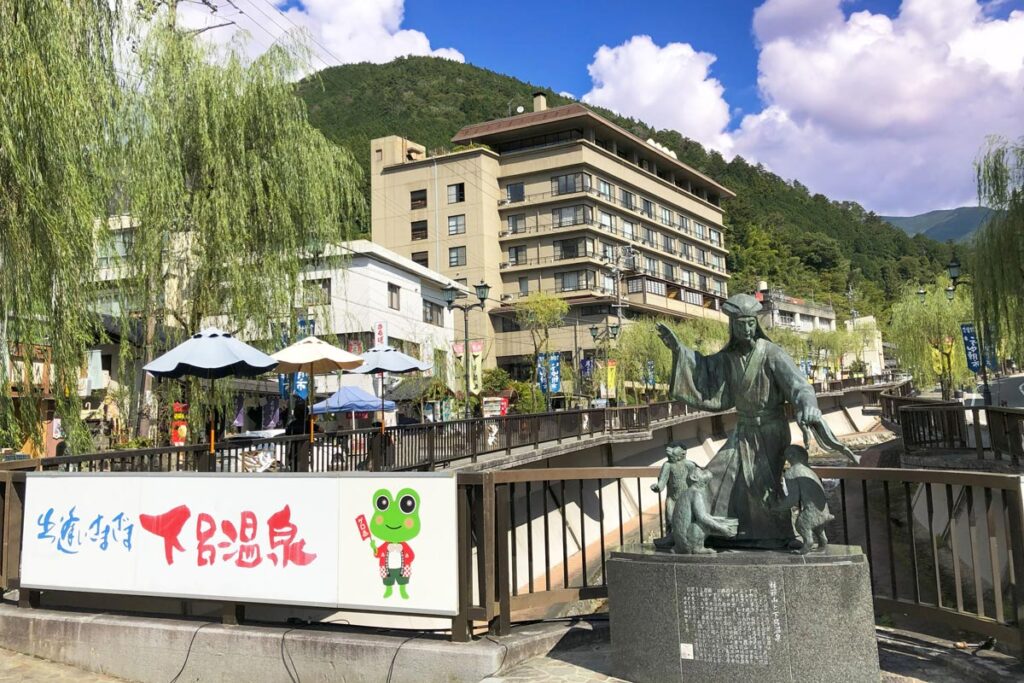
Gero Onsen
Top destinations in Chubu/Hokuriku
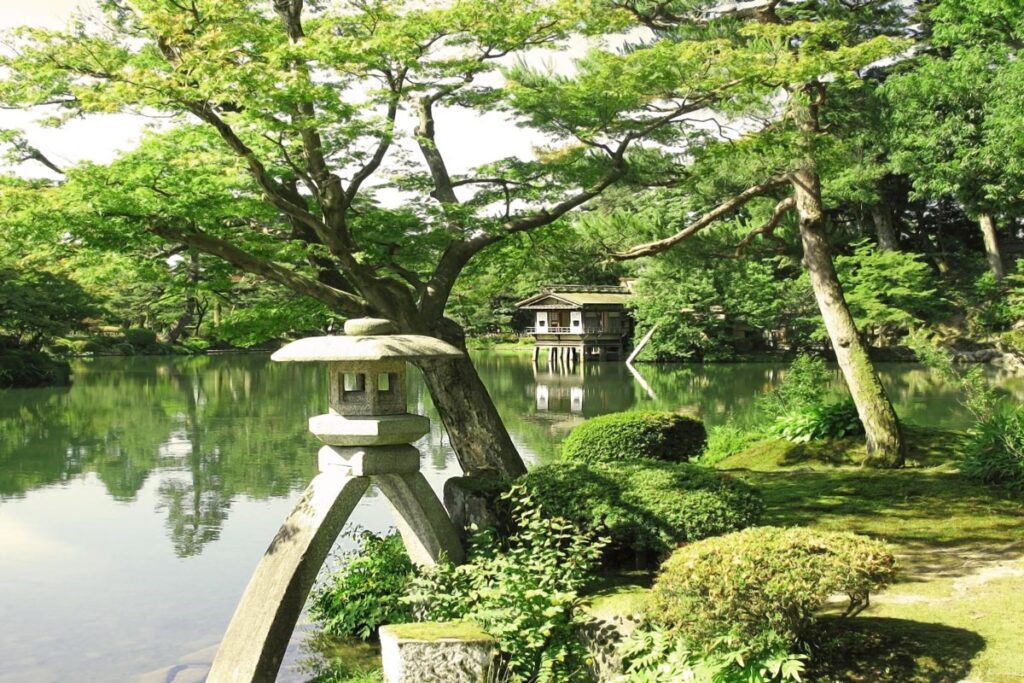
Ishikawa
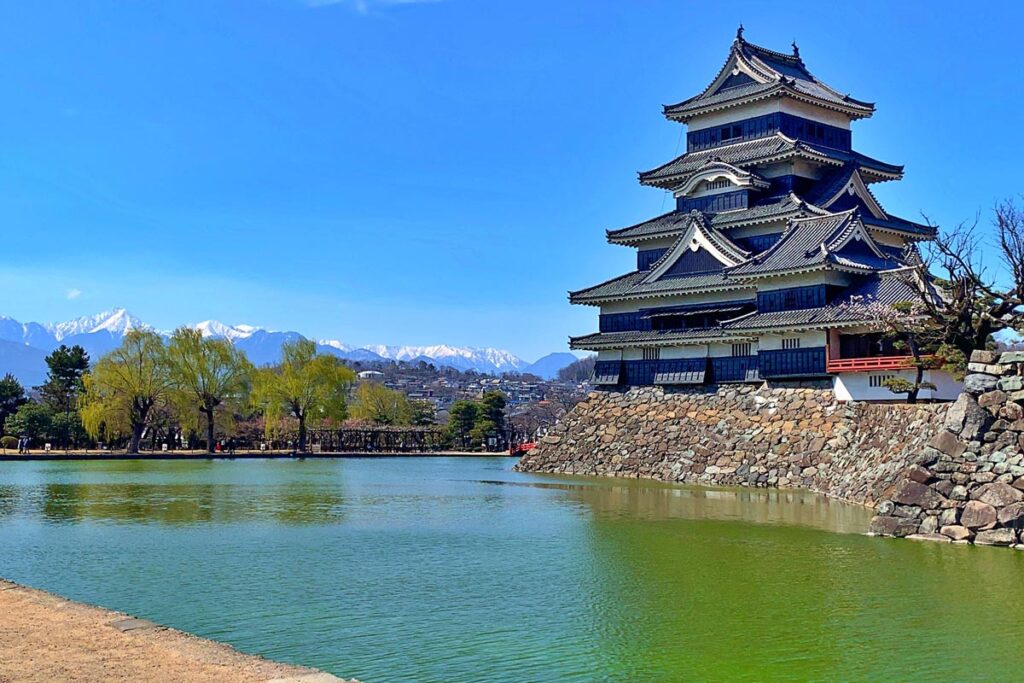
Nagano
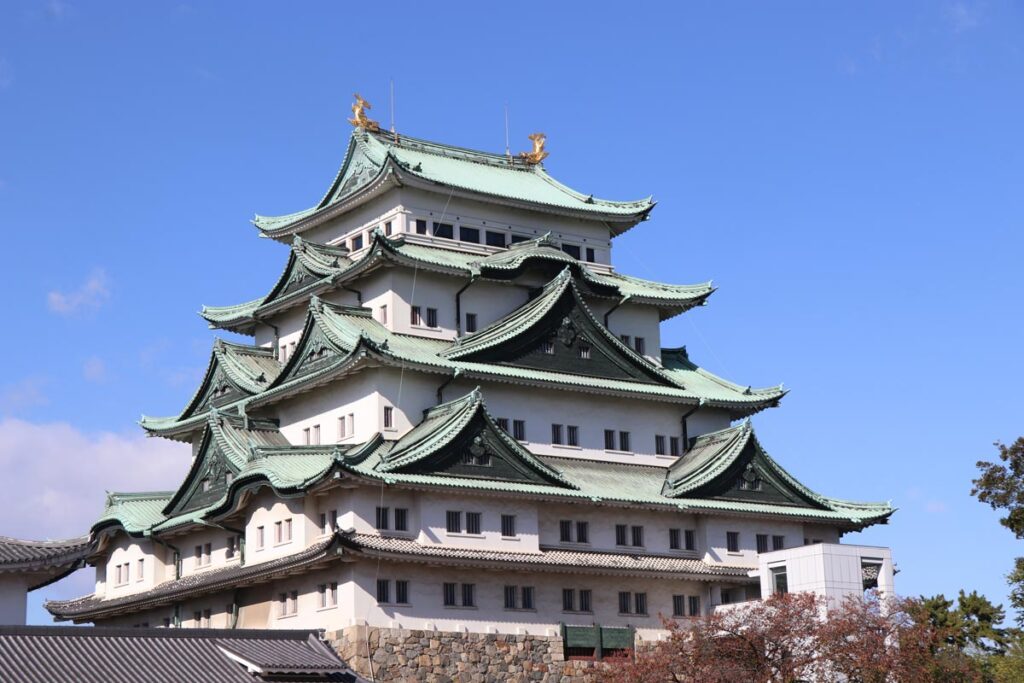
Aichi
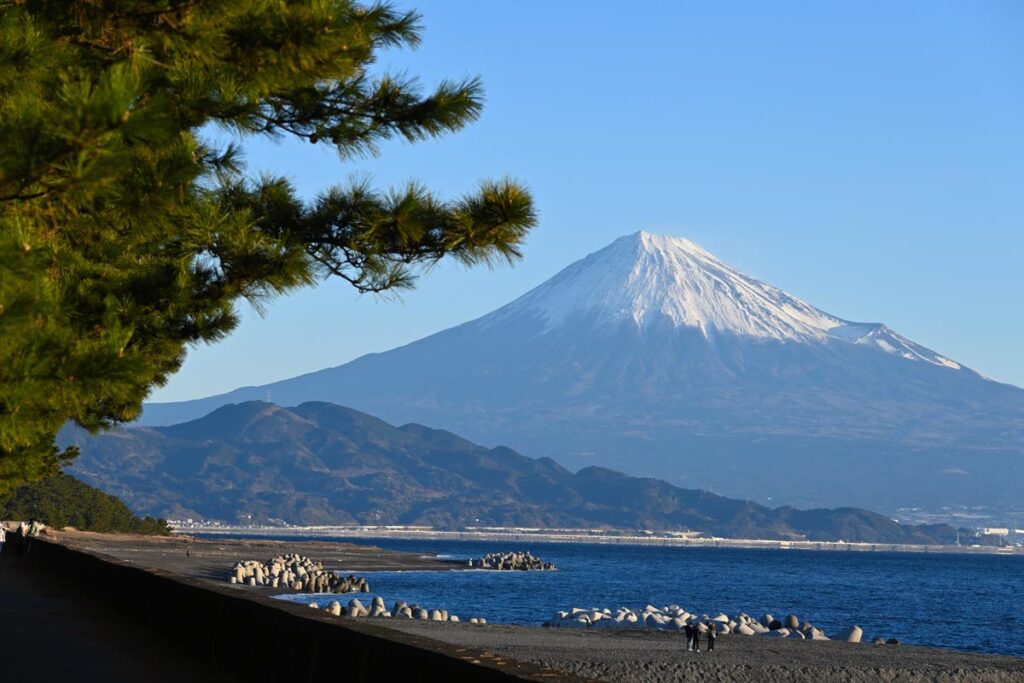
Shizuoka
Gifu Useful Links

Ninja Experience Cafe (Gifu/Takayama)