



Shirakawa-go
Shirakawa-go Travel Guide: How to Visit Japan’s Fairy-Tale Village
Photos are for illustrative purposes only.
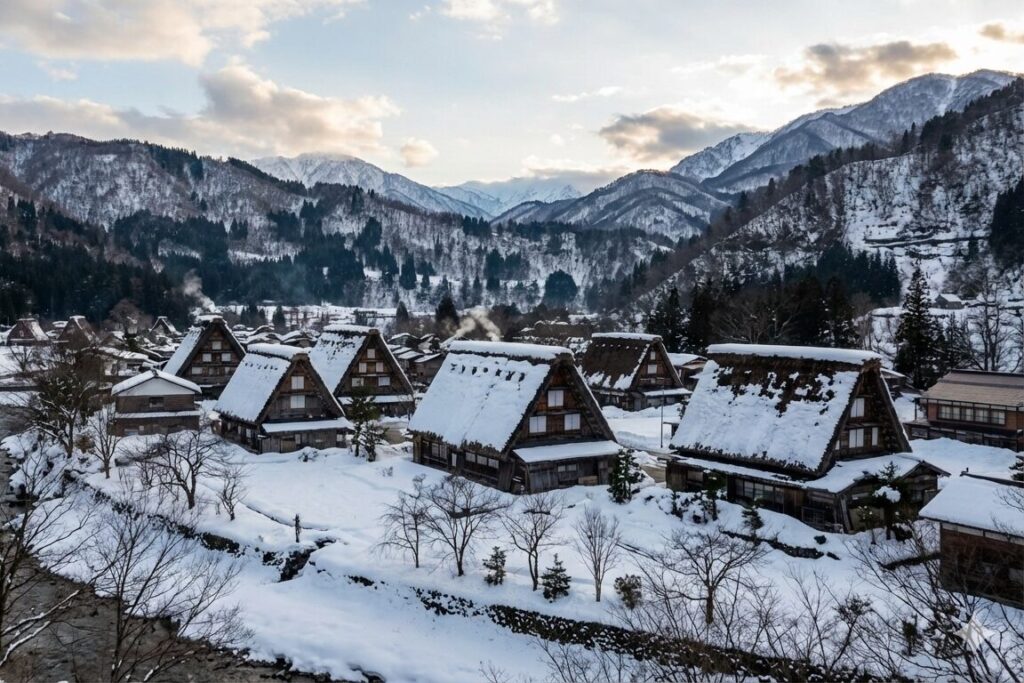
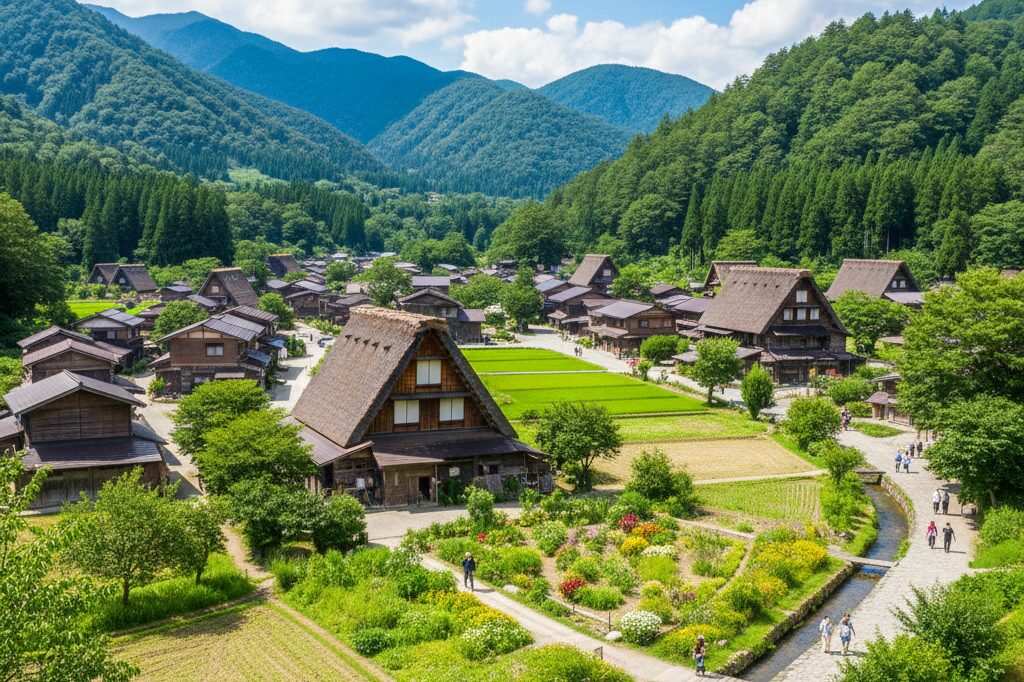
Hidden in the mountains of central Japan, Shirakawa-go feels like a village from a storybook. Steep thatched farmhouses rise from rice paddies and riverside fields, surrounded by forested slopes that blaze red and gold in autumn and turn pure white in winter. For many first-time visitors to Japan, this UNESCO World Heritage village becomes one of the most memorable stops of their entire trip.
This guide explains what makes Shirakawa-go special, how to get there as an international visitor, when to go, and how to enjoy the village respectfully and comfortably.
What Is Shirakawa-go?
Shirakawa-go is a historic mountain village in Gifu Prefecture, in Japan’s central Chubu region. Together with nearby Gokayama in Toyama Prefecture, it is recognized as a UNESCO World Heritage Site for its traditional gassho-zukuri farmhouses.
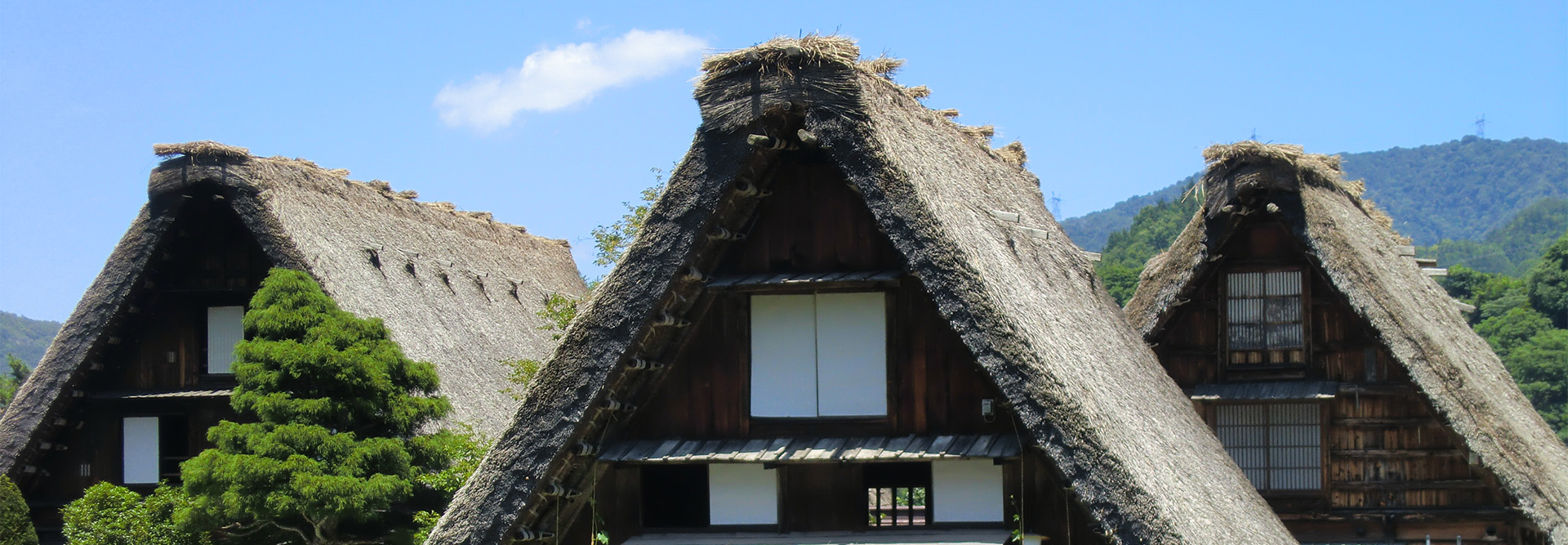
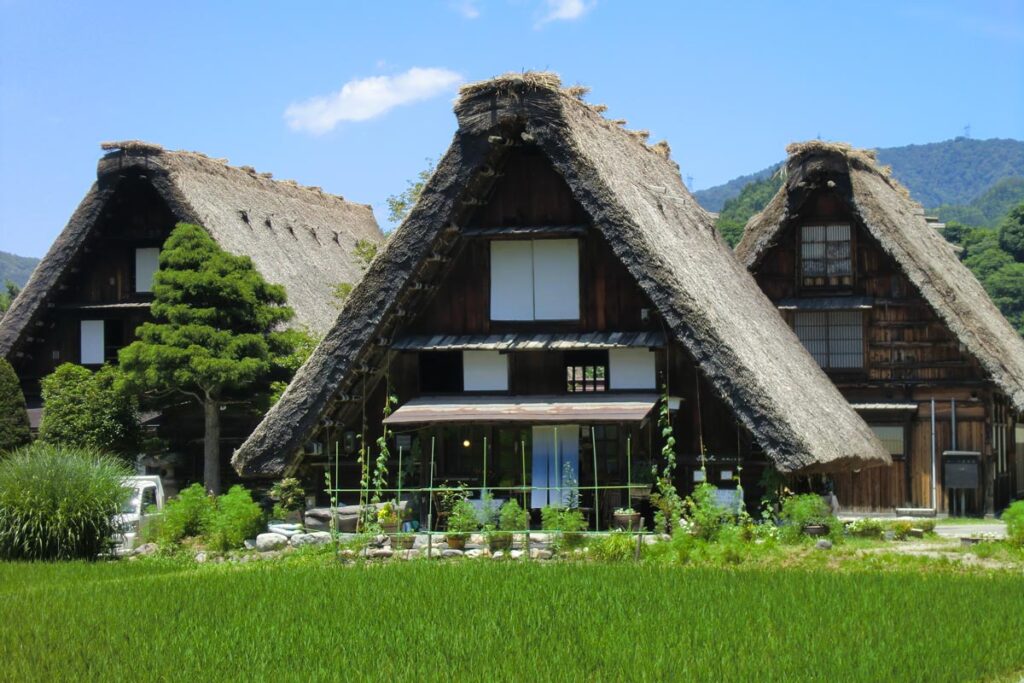
Gassho-zukuri literally means “constructed like hands in prayer.” The houses have steep, triangular thatched roofs that resemble two hands pressed together. This unique design was developed to withstand extremely heavy winter snowfall and to provide space in the attic for raising silkworms, once a key source of income for local families.
Today, Shirakawa-go is both a living village and a popular sightseeing destination. Many of the farmhouses are still inhabited, while others operate as museums, guesthouses, craft shops, and small restaurants.
Highlights: What to See and Do in Shirakawa-go
Ogimachi: The Main Village
Most visitors to Shirakawa-go explore Ogimachi, the largest and most accessible of the traditional villages. This is the area where you will find the highest concentration of thatched houses, a picturesque suspension bridge, and several viewpoints.
Ogimachi is compact enough to explore on foot in a few hours, but slow wandering is part of the charm. Dirt paths weave between vegetable patches, rice fields, and private homes with small shrines and stacked firewood in front.
The Gassho-zukuri Farmhouses
The thatched farmhouses are the icons of Shirakawa-go, and several are open to visitors:
- Wada House: One of the largest and best-preserved homes, still lived in by the Wada family. Inside, you can see traditional household items, a sunken hearth, and the multi-level attic where silkworms were once raised.
- Kanda House: Another historic residence showcasing the construction techniques behind the massive wooden beams and thatched roof. The staff often explain how the houses are maintained and re-thatched.
- Myōzenji Temple & Residence: A Buddhist temple with an attached farmhouse-style residence, illustrating how religious life and village architecture intertwine.
These houses offer insight into how families survived harsh mountain winters through cooperative work, shared resources, and careful planning.
Shirakawa-go Viewpoint (Shiroyama Observatory)
For the classic postcard view of Shirakawa-go, head to the Shiroyama Observatory above Ogimachi. From here, you can see the village spread out in the valley, dotted with thatched roofs and framed by forested mountains.
You can walk up to the viewpoint in about 20–30 minutes from the village center, or take a short shuttle bus ride when services are operating. In winter, the view of snow-covered rooftops is especially enchanting.
Gassho-zukuri Minkaen Open-Air Museum
On the edge of Ogimachi, the Gassho-zukuri Minkaen is an open-air museum with several traditional houses relocated from surrounding areas. Here you can explore interiors more freely and see displays on local crafts, agriculture, and daily life in past centuries.
This is a good place to visit if you’re interested in architecture and folk culture, and it is usually less crowded than the main heritage houses in the village center.
The Suspension Bridge Over the Sho River
Most visitors arrive by bus and enter Ogimachi by crossing a long suspension bridge over the Sho River. The walk across the gently swaying bridge offers one of your first dramatic views of the village, with farmhouses peeking through trees ahead.
Pause here to take in the landscape: the river below, the terraced fields, and the way the houses were carefully placed to balance sunlight, wind protection, and access to water.
Seasonal Beauty: Why Every Season Feels Different
Shirakawa-go is worth visiting at any time of year, but each season changes the atmosphere:
- Winter (December–February): Deep snow transforms the village into a true fairy-tale scene, especially in the evenings when warm light glows from the farmhouse windows. Snow can be over a meter deep, so wear proper boots and warm layers.
- Spring (March–May): Melting snow gives way to fresh greens and blooming cherry blossoms. It’s a quieter, gentle time to enjoy the village as it wakes from winter.
- Summer (June–August): Rice fields glow bright green and wildflowers add color to the landscape. Expect warm, humid weather and occasional afternoon showers.
- Autumn (September–November): One of the most popular times to visit. Red and gold leaves ignite the surrounding forests, creating spectacular contrasts with the dark wooden houses and thatched roofs.
Cultural Background: Life in a Remote Mountain Village
For centuries, Shirakawa-go was relatively isolated. Mountain passes were snowed in for months, and access to major cities was limited. This environment shaped a culture of cooperation and self-reliance.
Building and maintaining the gassho-zukuri roofs required the help of many neighbors. Re-thatching a single roof can involve dozens of people in a coordinated effort lasting several days. Historically, villagers returned this help through similar “mutual labor” when others needed it.
The houses themselves are masterpieces of practical design. Thick thatched roofs insulate against cold and absorb sound. Smoke from the hearth helps repel insects and preserve the thatch. Sliding doors and flexible interior spaces allowed families to adapt rooms for work, sleep, and gatherings with the seasons.
Today, while modern conveniences have entered the village, the spirit of careful resource use and seasonal living continues. As a visitor, you’re stepping into a community that still balances preservation of tradition with the realities of modern tourism.
How to Get to Shirakawa-go
Shirakawa-go does not have a train station, but it is well connected by highway buses from several major cities in central Japan. Most international visitors approach from Takayama, Kanazawa, or Nagoya.
From Takayama
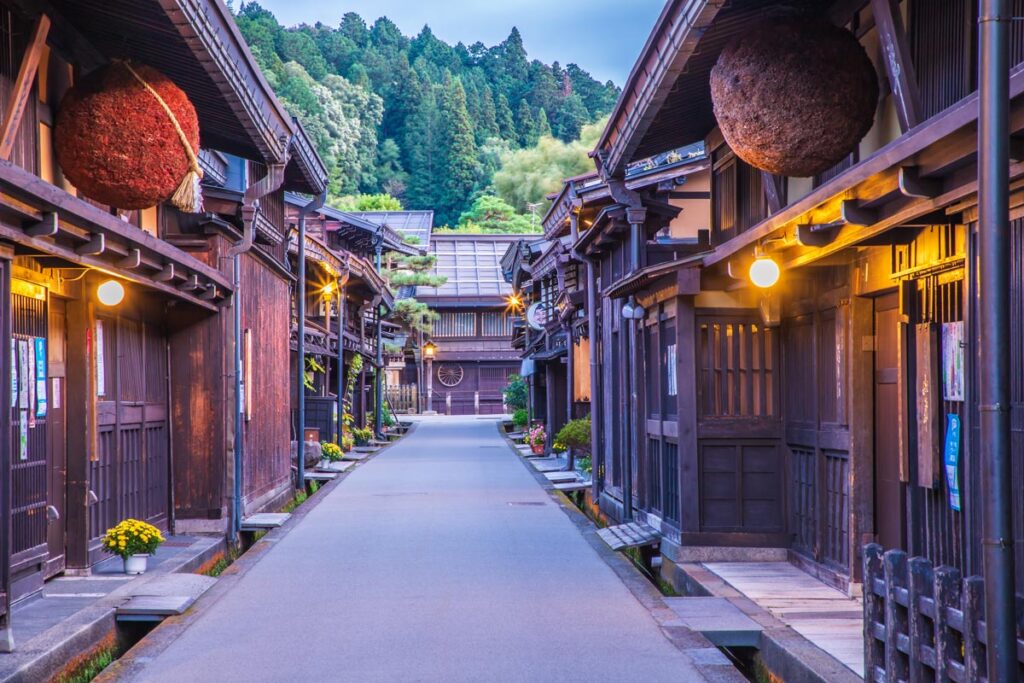
Takayama, a historic town in Gifu Prefecture, is one of the most popular bases for visiting Shirakawa-go.
- By bus: Direct buses run from Takayama Bus Center (next to JR Takayama Station) to Shirakawa-go in about 50 minutes. Advance reservations are strongly recommended, especially on weekends or during peak seasons.
From Kanazawa
Kanazawa, known for its samurai districts and famous garden, is another convenient gateway.
- By bus: Direct highway buses connect Kanazawa Station to Shirakawa-go in about 1 hour and 15–20 minutes. Reservations are advisable.
From Nagoya and Beyond
- From Nagoya: Take a limited express train to Takayama (about 2.5 hours), then transfer to a bus. Some bus companies also operate direct buses from Nagoya to Shirakawa-go, but schedules can vary.
- From Tokyo or Osaka: Travel first to either Nagoya, Kanazawa, or Takayama by shinkansen or limited express train, then continue by bus.
When planning your route, check current timetables and book seats where possible. Winter weather can sometimes affect schedules, so allow some flexibility in your itinerary.
Day Trip or Overnight Stay?
Many travelers visit Shirakawa-go as a day trip from Takayama or Kanazawa. This is entirely feasible, but an overnight stay offers a very different experience.
Shirakawa-go as a Day Trip
On a typical day trip, you will have between 3 and 5 hours in the village. This is enough time to:
- Cross the suspension bridge and stroll the main streets
- Visit one or two historic houses
- Walk or ride up to the Shiroyama Observatory
- Enjoy a local lunch and pick up a few souvenirs
Day trips are convenient if your schedule is tight, but the village will be busiest between late morning and mid-afternoon, when most tour buses arrive.
Staying Overnight in a Gassho-zukuri Minshuku
For a more immersive experience, consider staying overnight in a traditional farmhouse inn, known as a minshuku. Many of the thatched houses in Shirakawa-go now function as small, family-run guesthouses.
A typical stay includes:
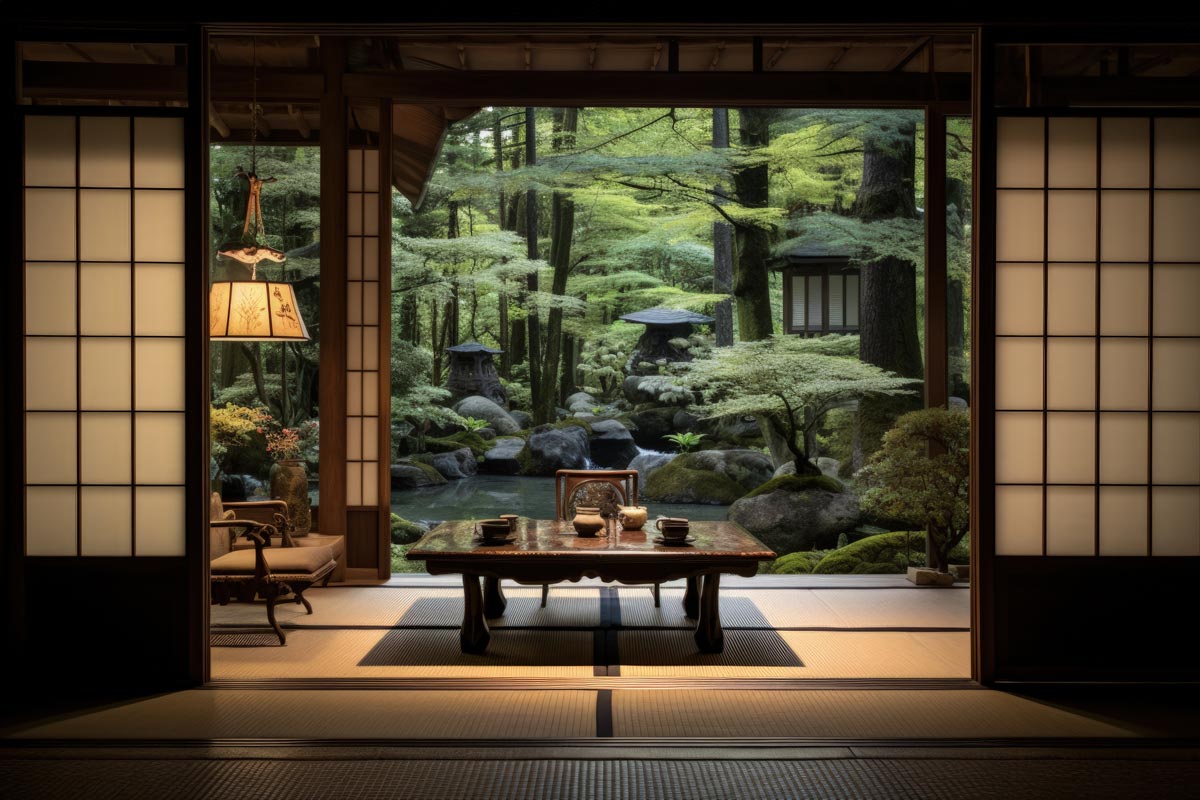
- Simple tatami rooms with futon bedding
- Shared bathrooms and toilets
- Homemade dinner and breakfast featuring local ingredients
Meals often highlight mountain vegetables, river fish, and regional specialties such as hida-gyu (Hida beef). In winter, hotpot dishes and hearty miso-based soups are common.
After the day-trippers leave, the village becomes quiet. You can walk the streets in near silence, watch smoke curl from chimneys, and see the houses softly lit against the night sky. For many visitors, this peaceful evening atmosphere is the most magical part of Shirakawa-go.
Minshuku stays are popular and have limited capacity, so reservations well in advance are essential, especially during winter and autumn.
Local Food and Souvenirs
While the village is small, you can still enjoy regional flavors and pick up locally made items.
What to Eat
- Hida beef dishes: Often served as grilled slices over a small tabletop grill, or atop rice bowls.
- Miso-based hotpots and soups: Perfect on cold days, using local vegetables and tofu.
- Gohei-mochi: Skewered rice cakes coated in a sweet-salty miso sauce, then grilled. A convenient snack while walking.
- Local sweets: Simple rice crackers, bean sweets, and seasonal treats are common in small shops.
Suggested Souvenirs
- Handcrafted items: Wooden utensils, woven goods, and folk craft inspired by mountain life.
- Local foods: Packaged miso, snacks, or regional seasonings to take home.
- Postcards and prints: Featuring the village in different seasons, ideal if you visit in one season but wish to remember others.
Practical Tips for Visiting Shirakawa-go
Respecting a Living Village
Shirakawa-go is not an open-air museum alone; many houses are private homes. To help protect the community:
- Stay on marked paths and avoid entering private property.
- Ask permission before photographing people, especially residents and children.
- Keep noise levels low, particularly in the early morning and evening.
- Dispose of trash properly or take it with you if bins are full or unavailable.
What to Wear and Pack
- Footwear: Comfortable walking shoes are essential. In winter, waterproof boots with good grip are highly recommended.
- Clothing: Dress in layers. Even in summer, mornings and evenings can be cool in the mountains.
- Cash: Some small shops and minshuku may accept only cash. Bring enough yen for entrance fees, snacks, and souvenirs.
- Weather protection: An umbrella or light rain jacket is useful, particularly in the rainy season or winter snow.
Accessibility and Walking Conditions
The main streets of Ogimachi are relatively flat, but paths can be uneven, especially around fields and older houses. In winter, snow and ice make surfaces slippery. If you have mobility concerns, check in advance with your accommodation or tour operator about the most suitable routes and viewpoints.
Language and Signage
Shirakawa-go is accustomed to international visitors. Many signs, maps, and information boards are available in English and other languages. Staff at major houses and museums may speak basic English, and bus information at the main stops is generally bilingual.
Suggested Itinerary for First-Time Visitors
For a balanced first visit, consider the following simple plan:
Half-Day or Day Trip Plan
- Arrive late morning by bus and cross the suspension bridge into the village.
- Stroll through Ogimachi, stopping at Wada House or Kanda House to explore inside.
- Enjoy a local lunch at a small restaurant or inn.
- Walk or take the shuttle up to the Shiroyama Observatory for panoramic views.
- Browse a few shops for souvenirs before catching an afternoon bus back to your base city.
Overnight Stay Plan
- Arrive in early afternoon, drop your bag at your minshuku, and explore Ogimachi at a relaxed pace.
- Visit one or two heritage houses and the open-air museum.
- Head up to the viewpoint in late afternoon for soft, golden light over the village.
- Return to your minshuku for a homemade dinner and quiet evening.
- Wake early to walk the village before day-trippers arrive, then depart after breakfast.
Why Shirakawa-go Belongs on Your Japan Itinerary
For first-time travelers to Japan, it’s tempting to focus only on big-name cities like Tokyo, Kyoto, and Osaka. Shirakawa-go offers a powerful contrast: a chance to experience rural Japan, traditional architecture, and a slower, seasonal rhythm of life.
Whether you visit for a few hours or stay the night beneath a thatched roof, Shirakawa-go invites you to imagine how people once lived in harmony with a challenging landscape—and to appreciate the care that continues to preserve this remarkable village today.
With thoughtful planning and respectful behavior, your visit will not only be unforgettable, but will also help ensure that future travelers can experience the same timeless beauty in the heart of Japan’s mountains.

Access Map
Recommended spots in Gifu
Shirakawa-go
Takayama
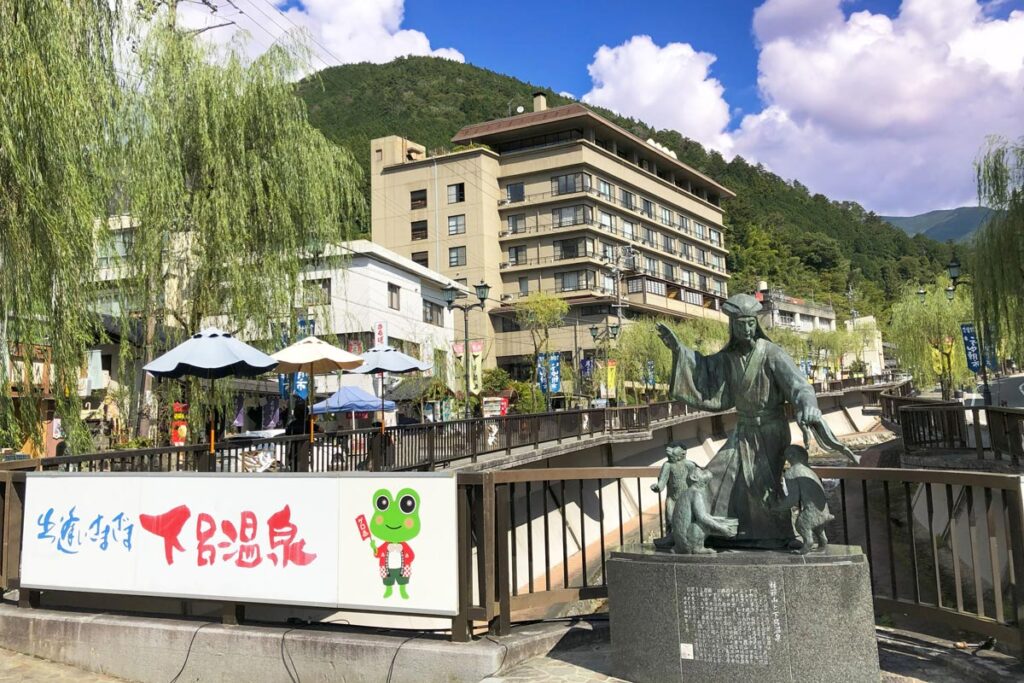
Gero Onsen
Top destinations in Chubu/Hokuriku
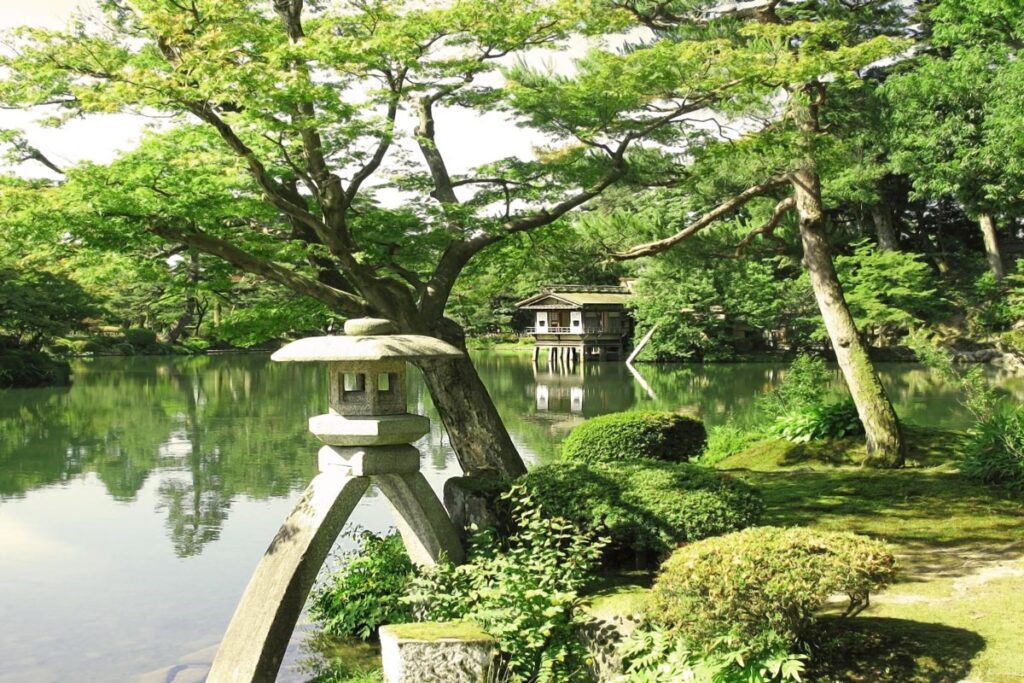
Ishikawa
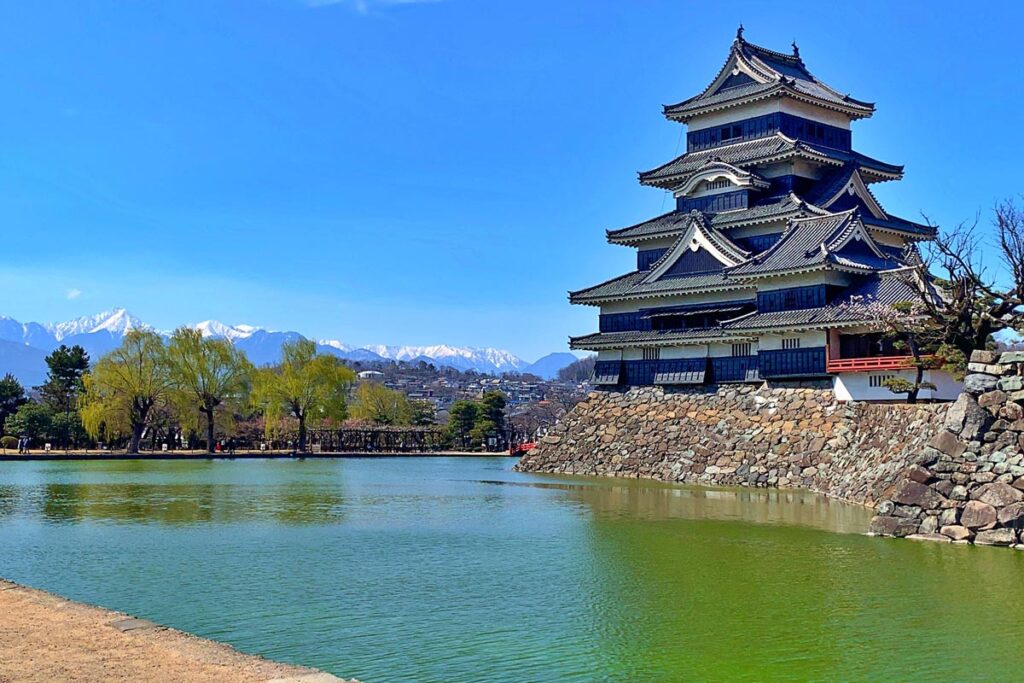
Nagano
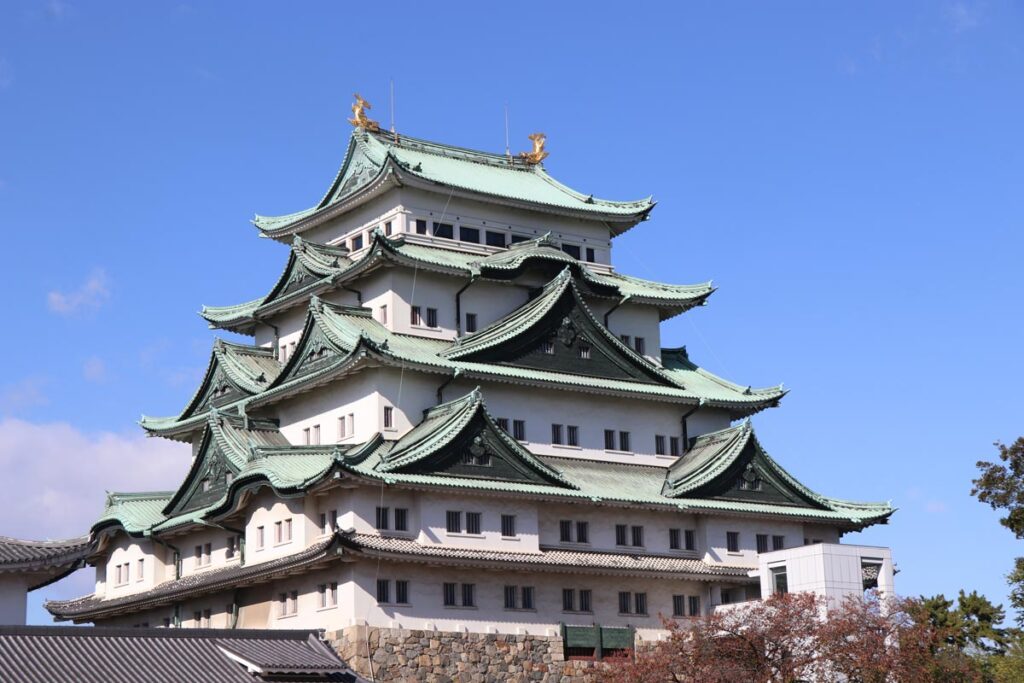
Aichi