


Takayama
Takayama Travel Guide: Timeless Streets in Japan’s Alps
Photos are for illustrative purposes only.
Hidden in the mountains of Gifu Prefecture, Takayama is a small city that feels like a perfectly preserved slice of old Japan. With Edo-era streets, wooden merchant houses, craft workshops, and nearby alpine scenery, it’s an ideal destination for first-time visitors who want to experience traditional Japan at a slower pace than Tokyo or Kyoto.
This guide explains what to see in Takayama, how to plan your visit, and how to enjoy the city respectfully and comfortably as an international traveler.
Why Visit Takayama?
Takayama, often called “Hida-Takayama” to distinguish it from other places with similar names, was once a thriving castle town and merchant hub in the mountains. Because of its remote location, the city escaped much of the modernization that changed other parts of Japan, leaving an unusually well-preserved historic center.
Today, Takayama is known for three main things:
- A beautifully preserved old town with Edo-period architecture
- Rich local culture: traditional carpentry, lacquerware, and famous Hida beef
- Easy access to the Japanese Alps, including Shirakawa-go and Kamikochi
It’s small enough to walk almost everywhere, calm enough to feel relaxing, and interesting enough that you’ll want to stay for at least one or two nights.
Best Time to Visit Takayama
Takayama is charming year-round, but the atmosphere changes dramatically with the seasons.
Spring (March–May)
March can still feel wintry, with cold evenings and patches of snow. By early to mid-April, cherry blossoms typically appear along the river and around Takayama Castle Ruins. Spring is also festival season: the Takayama Spring Festival in April is one of Japan’s most beautiful, with ornate floats and evening lanterns. Book accommodation well in advance if you’re coming for the festival.
Summer (June–August)
Takayama’s altitude means it’s usually cooler than Tokyo, though July and August can still be warm and humid. This is a great time for day trips into the surrounding mountains, such as Kamikochi and the Northern Alps. June brings the rainy season, with more showers but lush green scenery and fewer crowds.
Autumn (September–November)
Autumn is one of the best times to visit. The air turns crisp, the skies are often clear, and the surrounding hills blaze with red and gold leaves from mid-October to early November. The Takayama Autumn Festival in October is another major highlight, echoing the spring festival with different floats and performances.
Winter (December–February)
Winters are cold and snowy, which can make the old streets and temple districts especially atmospheric. Snow piles on rooftops and lantern-lit streets feel almost like a movie set. This is also prime time for visiting Shirakawa-go’s thatched-roof village under a blanket of snow. Be prepared with warm layers, proper footwear, and an appreciation for hot springs and hearty local dishes.
How Long to Stay in Takayama
For most first-time visitors, one to two nights is ideal:
- One night: Explore the old town, morning markets, and a few museums; enjoy Hida beef and local sake.
- Two nights: Add a day trip to Shirakawa-go, Kamikochi, or nearby onsen towns for a fuller mountain experience.
Takayama also works well as part of a broader route through central Japan: for example, Tokyo → Matsumoto → Takayama → Kanazawa → Kyoto.
How to Get to Takayama
Despite its remote feel, Takayama is relatively easy to reach using Japan’s efficient rail and bus network.
From Tokyo
- By train (via Nagoya): Take the Tokaido Shinkansen from Tokyo or Shinagawa to Nagoya (about 1 hour 40 minutes by Nozomi; slightly longer on Hikari, which is covered by the Japan Rail Pass). Then transfer to the Limited Express “Hida” to Takayama (around 2 hours 20 minutes). This route offers scenic river and mountain views.
- By bus: Highway buses run from Shinjuku and other terminals to Takayama in roughly 5.5–6 hours. They can be cheaper than trains but less flexible.
From Kyoto or Osaka
- By train (via Nagoya): Take a Shinkansen to Nagoya (about 35–55 minutes), then the Limited Express “Hida” to Takayama. Total travel time is usually around 3–3.5 hours from Kyoto, slightly longer from Osaka.
From Kanazawa or Toyama
- A spectacular bus route connects Kanazawa–Shirakawa-go–Takayama, popular with travelers crossing the region. Book advance tickets in busy seasons.
- From Toyama, there are limited express trains and buses; this can pair nicely with visits to the Tateyama Kurobe Alpine Route.
If you are using a Japan Rail Pass, the train route via Nagoya is often the most convenient. Highway buses are comfortable and modern, with reserved seats and luggage storage.
Where to Stay in Takayama
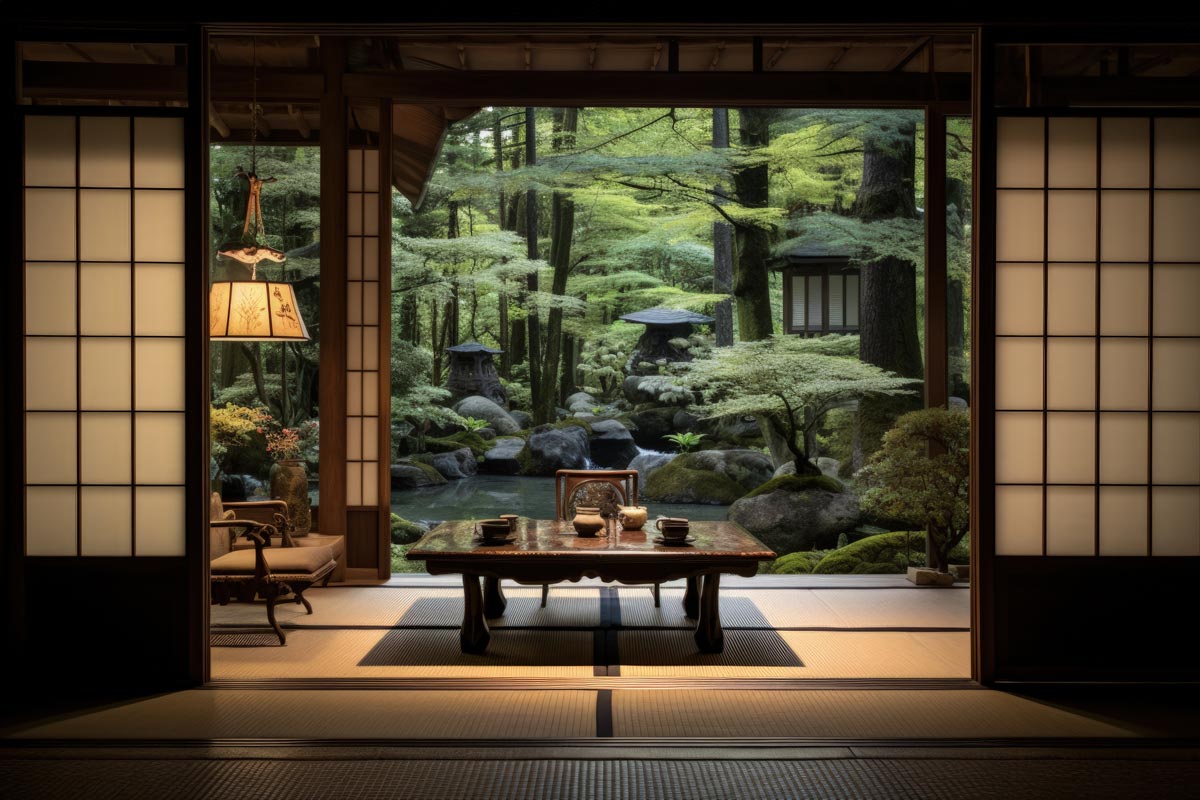
Takayama offers a range of accommodation styles, from Western-style hotels near the station to traditional ryokan (Japanese inns) with tatami floors and Japanese breakfasts.
- Near Takayama Station: Best for convenience, especially for early buses to Shirakawa-go. You’ll find mid-range business hotels and a few higher-end options.
- Old Town / Sanmachi Suji area: Atmospheric and walkable, perfect if you want to explore on foot in the early morning and evening. Some ryokan here have a long history and classic architecture.
- Onsen ryokan outside the center: For a more rural, relaxing experience, consider nearby hot spring areas such as Hida Furukawa or Okuhida (a bit farther but famous for open-air baths with mountain views).
If you stay at a ryokan, you may be offered kaiseki-style dinners and access to communal baths. This can be one of the most memorable parts of your visit, and staff are generally used to helping international guests understand how everything works.
Top Things to Do in Takayama
Stroll the Old Town (Sanmachi Suji)
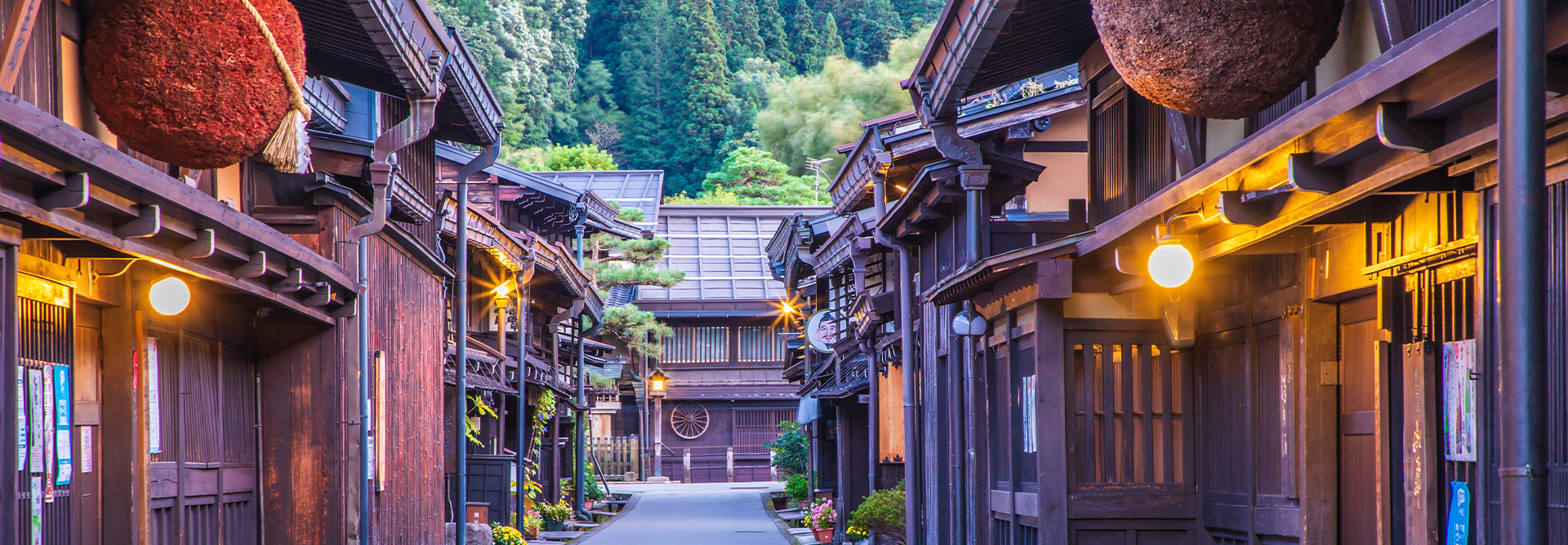
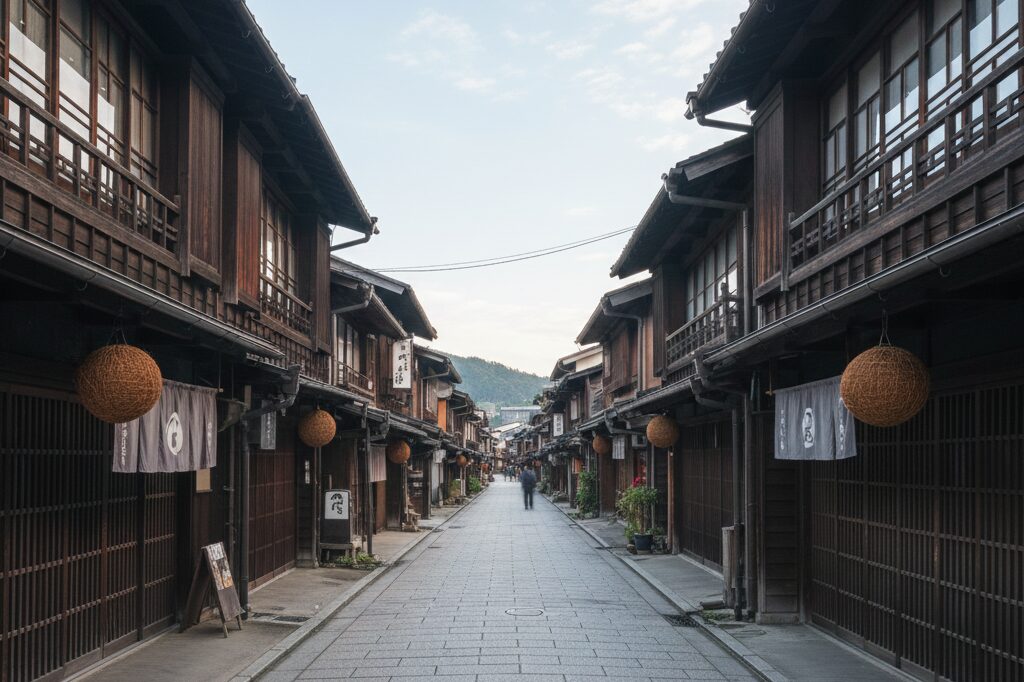
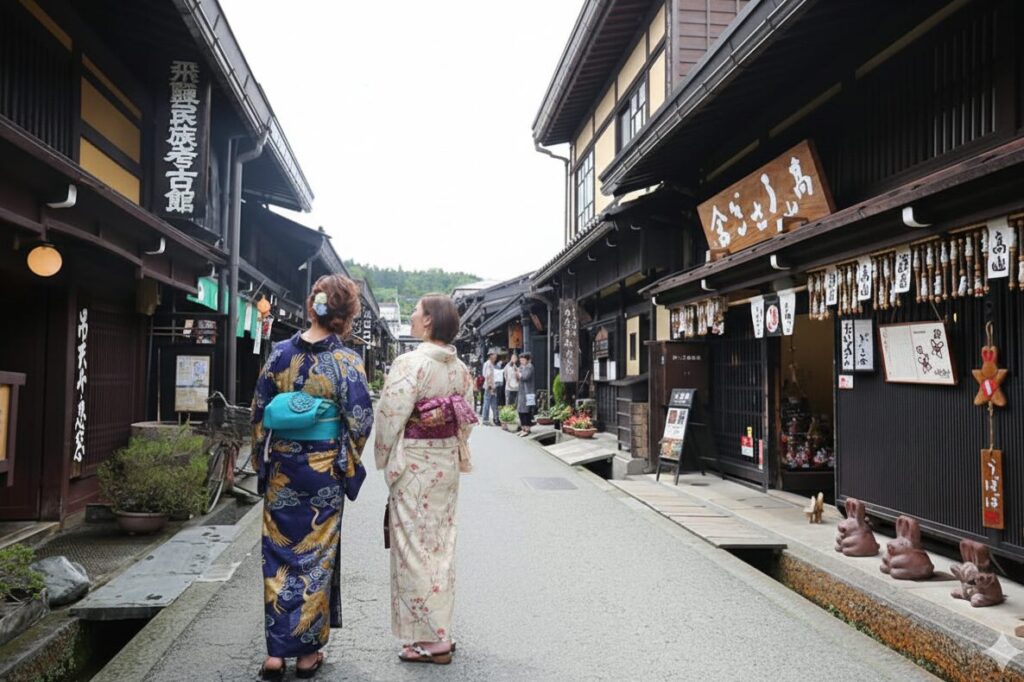
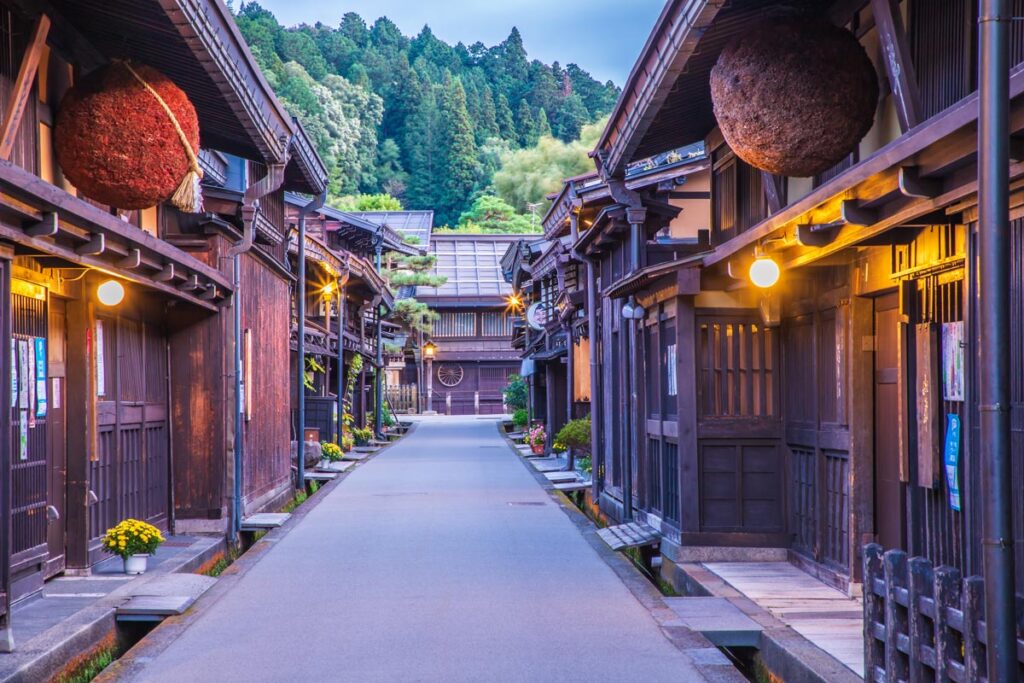
The heart of Takayama is its old merchant district, centered on three main streets known collectively as Sanmachi Suji. Here you’ll find beautifully preserved wooden townhouses, latticework facades, and traditional shopfronts.
Many of these buildings were once the homes of wealthy merchants and sake brewers. Today they host craft boutiques, sake breweries, cafes, and small museums. The area can get crowded during the day, but if you step out early or stay after the tour buses leave, you’ll experience a calmer, almost time-slip atmosphere.
Visit Takayama Jinya
Takayama Jinya is a former government office from the Edo period, when the Tokugawa shogunate directly controlled this resource-rich region. It is the only building of its kind remaining in Japan, making it historically significant.
You can walk through tatami rooms where officials once worked, view old documents and accounting tools, and see storerooms where valuable rice tax payments were kept. The architecture is simple yet elegant, and the gardens offer a peaceful contrast to the busy streets outside.
Explore the Morning Markets
Takayama is famous for its morning markets, which have roots in local agriculture and daily life. They open around 7:00 a.m. (slightly later in winter) and run until about midday.
- Miyagawa Market: Set along the river, this is the larger and livelier market. You’ll find stalls selling seasonal vegetables, pickles, miso, flowers, and local snacks, along with some crafts and souvenirs.
- Jinya-mae Market: Located near Takayama Jinya, this smaller market focuses more on fresh produce and regional specialties.
Markets are a great place to sample local flavors, buy small gifts, and interact with residents. Vendors are used to visitors and often label prices clearly. A friendly “ohayō gozaimasu” (good morning) goes a long way.
Sample Local Sake and Craft Beer
Takayama’s cold winters and pure mountain water make it an ideal place for sake brewing. Several sake breweries, some centuries old, line the old town streets. You can identify them by the sugidama (cedar ball) hanging above the entrance.
Many breweries offer tastings for a small fee, allowing you to try different styles, from dry and crisp to rich and aromatic. Look for labels featuring “Hida” or “Takayama” and consider purchasing a bottle as a souvenir. In recent years, small craft beer breweries have also appeared, blending traditional water sources with modern styles.
Taste Hida Beef and Local Cuisine
Hida beef is one of Japan’s most celebrated wagyu brands, known for its intense marbling and melt-in-the-mouth texture. In Takayama, you can enjoy it in many forms:
- Yakiniku: Grilled at your table, allowing you to savor the flavor and texture simply with salt or a light sauce.
- Steak or sukiyaki: More formal restaurants serve multi-course meals highlighting different cuts.
- Street snacks: Skewers of grilled beef and Hida beef sushi are popular handheld treats in the old town.
Other regional specialties include Hōba miso (miso paste grilled on a magnolia leaf, often with vegetables), Hida soba buckwheat noodles, and simple yet satisfying mountain vegetables served in set meals.
Walk the Higashiyama Temple Area
For a quieter side of Takayama, follow the Higashiyama Walking Course, a gentle trail that links a series of temples, shrines, and a hillside cemetery. This route was inspired by Kyoto’s Higashiyama district but feels intimate and less crowded.
The walk passes through residential neighborhoods, stone paths, and viewpoints over the town. It’s a good way to stretch your legs and experience everyday Takayama beyond the main tourist streets.
Discover Local Crafts and Museums
Takayama is closely associated with high-quality craftsmanship, especially carpentry. Historically, local artisans were so skilled that they were called to work on temples and palaces in Kyoto and Edo (Tokyo).
- Hida Folk Village (Hida no Sato): An open-air museum with traditional thatched-roof houses relocated from around the region. You can see historic farmhouses, tools, and seasonal events, and in winter the snow-covered roofs are particularly photogenic.
- Takayama Festival Floats Exhibition Halls: Spaces where you can see some of the elaborate, gilded floats used in the city’s famous spring and autumn festivals up close, complete with carvings and mechanical dolls.
Small workshops around town sell lacquerware, woodworking, and other crafts. Buying directly from artisans supports local traditions and provides a meaningful souvenir.
Popular Day Trips from Takayama
Shirakawa-go
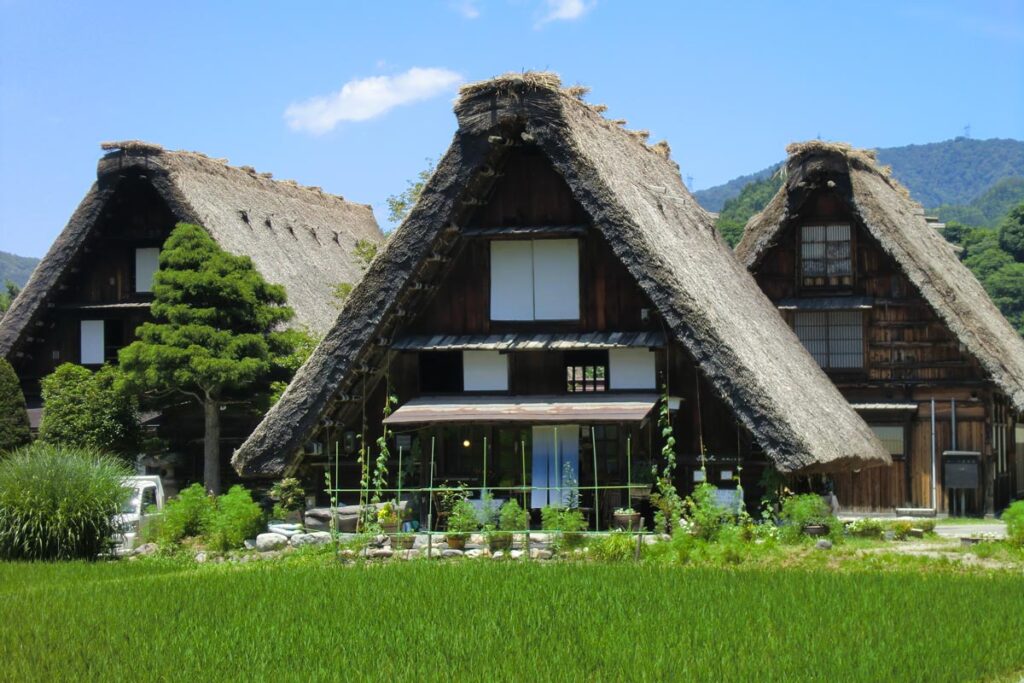
One of the most popular side trips is Shirakawa-go, a UNESCO-listed village known for its gasshō-zukuri farmhouses with steep thatched roofs designed to shed heavy snow. Buses run regularly from Takayama Bus Center, and travel time is about 50 minutes.
You can wander through the village, visit open houses that show traditional interiors, and climb to a viewpoint for panoramic photos. In winter, evening light-up events (on specific days) are particularly magical but require advance planning and reservations.
Kamikochi and the Northern Alps
From late spring to autumn, Kamikochi offers some of Japan’s most beautiful mountain scenery: crystal-clear rivers, wooden suspension bridges, and views of towering peaks. Buses from Takayama (usually with a transfer at Hirayu Onsen) take about 1.5–2 hours.
Even if you’re not a serious hiker, there are easy riverside walks suitable for families and casual travelers. Kamikochi is a protected national park area, so private cars are restricted; buses and taxis are the standard access.
Okuhida Onsen Villages
If you love hot springs, consider a trip to the Okuhida onsen area, home to several small hot spring villages spread along a mountain valley. Many inns and public baths feature open-air pools with mountain views.
This area is especially rewarding in winter, when you can soak in steaming outdoor baths surrounded by snow.
Practical Tips for First-Time Visitors
Getting Around Takayama
- The city center is compact and walkable; most major sights are within a 15–20 minute stroll of the station.
- Local buses connect the station with Hida Folk Village and some outer areas. Timetables are posted at stops and usually available in English at the tourist information center.
- Renting a bicycle is another pleasant option in good weather, though streets can be narrow and shared with cars and pedestrians.
Language and Signage
Takayama is accustomed to international visitors. Many restaurants and hotels have English menus or picture menus, and staff in tourism-related businesses often speak some English. Tourist information centers near the station and in the old town provide maps and advice in multiple languages.
Money and Payments
While cash is still useful, especially at markets and small shops, more places now accept credit cards and IC cards (like Suica or Pasmo). ATMs that accept international cards can be found at convenience stores and major banks near the station.
Etiquette Basics
- At shrines and temples: Follow posted signs, keep voices low, and avoid blocking people who are praying. Photography may be restricted inside certain halls.
- At markets: It is usually fine to take photos of stalls, but be discreet and polite. Ask before photographing individuals, especially older vendors.
- At ryokan and homes: Remove shoes at the entrance; indoor slippers or bare socks are the norm. Never step on tatami mats in outdoor shoes.
- In hot springs: Wash thoroughly before entering the bath; swimsuits are generally not allowed in traditional onsen.
Weather and Clothing
Because of its elevation, Takayama can be noticeably cooler than coastal cities:
- Pack layers in spring and autumn; mornings and evenings can be chilly.
- In winter, bring warm coats, gloves, and shoes with good grip for snow and ice.
- Comfortable walking shoes are essential; many streets are cobbled or uneven.
Planning Your Takayama Itinerary
For a first visit, a simple structure works well:
- Day 1: Arrive, explore the old town, visit Takayama Jinya, enjoy Hida beef and local sake.
- Day 2: Morning markets and Higashiyama walking course, then a half-day or full-day trip to Hida Folk Village or Shirakawa-go.
If you have more time, add a third day for Kamikochi or a night in an onsen village.
Whether you’re sipping sake in a 200-year-old brewery, warming your hands around a grill of Hida beef, or watching snow settle on quiet temple roofs, Takayama offers a deeply atmospheric introduction to Japan’s mountain heartland—one that pairs beautifully with the bustle of the country’s major cities.

Access Map
Recommended spots in Gifu
Shirakawa-go
Takayama
Gero Onsen
Top destinations in Chubu/Hokuriku
Ishikawa
Nagano
Aichi