
Nagano
Nagano Travel Guide for First-Time Visitors to Japan
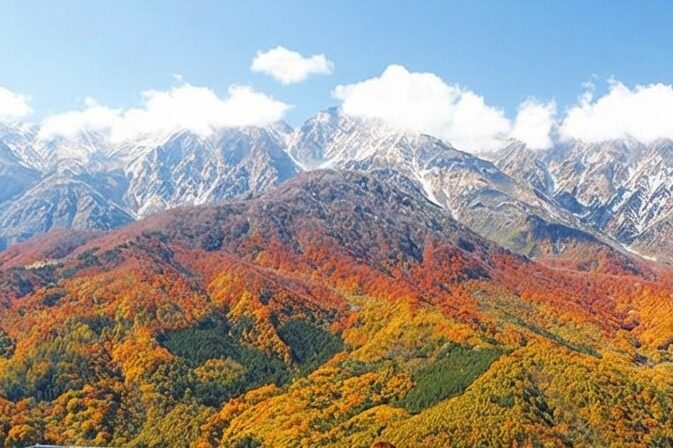
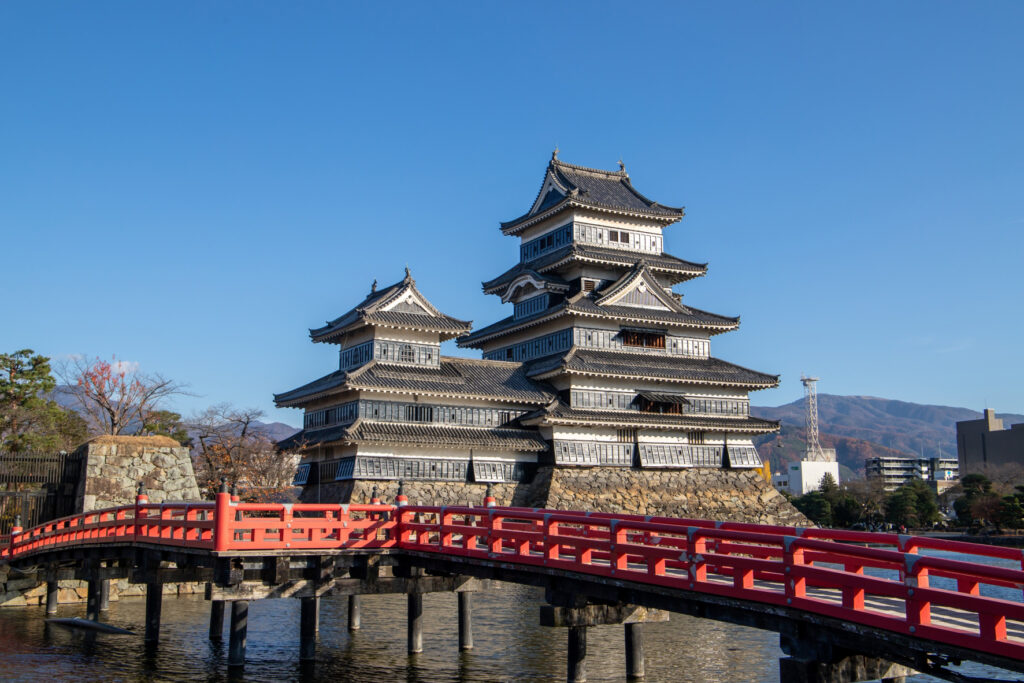
Photos are for illustrative purposes only.
Nagano is where Japan’s alpine heart reveals itself: snow-capped peaks, steaming hot springs, ancient temples, and quiet countryside all within easy reach of Tokyo. For first-time visitors to Japan, Nagano offers a gentler pace than the big cities while still being very accessible, with fast train links and English-friendly facilities at major sights.
Whether you are coming for powder snow, autumn leaves, or peaceful temples, this guide will help you understand what to expect, how to get around, and how to enjoy Nagano like a respectful, well-prepared traveler.
Why Visit Nagano?
Nagano Prefecture sits in central Honshu and is often called the “Roof of Japan” thanks to its high mountain ranges. The city of Nagano itself, once host to the 1998 Winter Olympics, is the gateway to a network of ski resorts, onsen (hot spring) towns, and historic villages.
Nagano is ideal if you want:
- Nature and mountains without extremely long travel times
- Hot springs in traditional ryokan inns
- Traditional culture at one of Japan’s most important Buddhist temples
- Snow sports and winter scenery
- Cooler summers than Tokyo and Kyoto
Getting to Nagano
From Tokyo
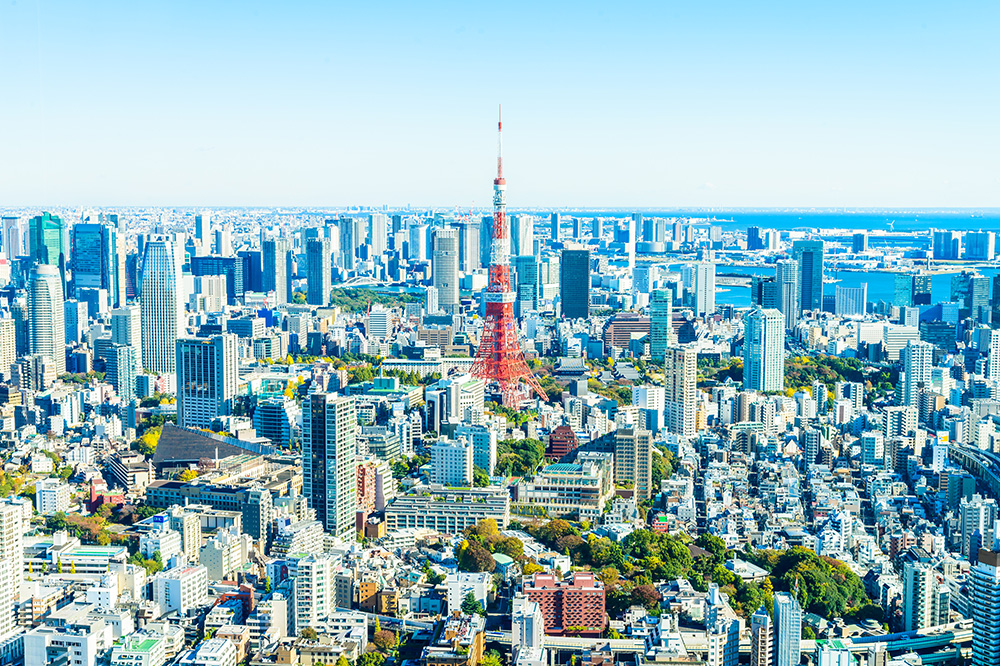
The easiest way for international visitors to reach Nagano is from Tokyo. Nagano Station is a major stop on the Hokuriku Shinkansen line.
- Shinkansen (bullet train): From Tokyo Station or Ueno Station to Nagano Station takes about 80–100 minutes. Trains are frequent, reserved seats are recommended on weekends and holidays, and the journey is fully covered by most Japan Rail Passes.
- Highway bus: A cheaper option, but slower at around 3.5–4 hours from Shinjuku or Ikebukuro. Buses are comfortable and usually have toilets and Wi-Fi.
From Other Regions
- From Kansai (Kyoto/Osaka): Take the Shinkansen to Nagoya, then a limited express train to Nagano (around 3.5–4 hours total), or go via Tokyo and change to the Hokuriku Shinkansen.
- From Kanazawa/Toyama: The same Hokuriku Shinkansen connects these cities to Nagano, making it a natural stop on a central Japan itinerary.
Once in Nagano city, local trains and buses connect you to major areas like Jigokudani Monkey Park, Hakuba, Nozawa Onsen, and Matsumoto.
Top Things to Do in Nagano City
1. Zenko-ji Temple: Spiritual Heart of Nagano
Zenko-ji is one of Japan’s most important Buddhist temples and the place that put Nagano on the map centuries before the Olympics. It houses what is believed to be the first Buddhist statue ever brought to Japan, though the original image is never shown to the public.
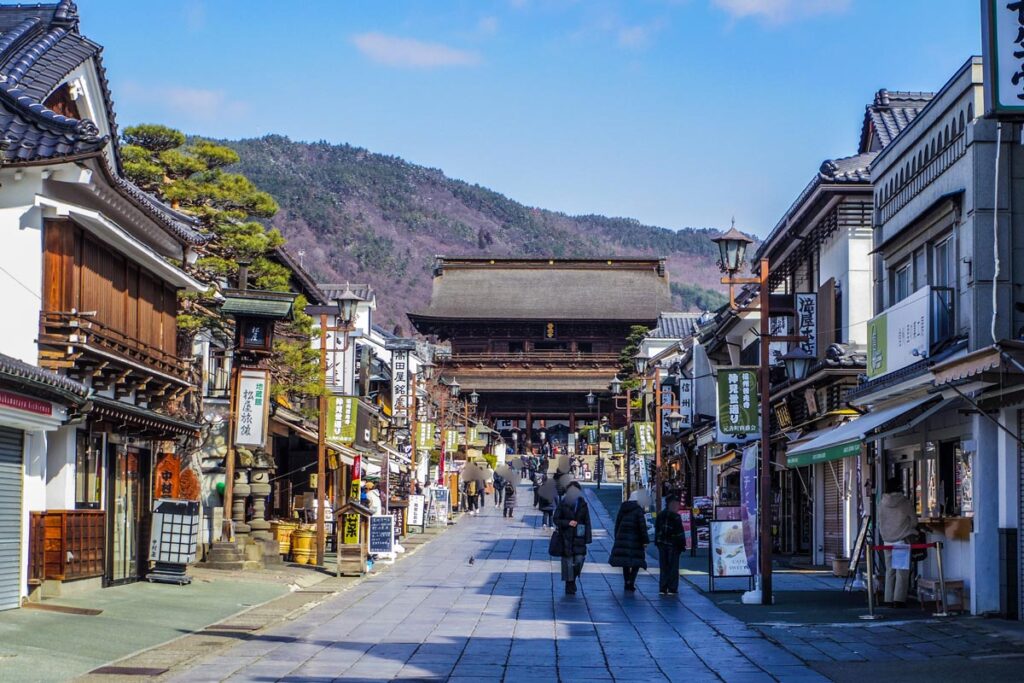
Visiting Zenko-ji is as much about atmosphere as architecture. The temple complex is large, with a grand main hall, imposing Niomon Gate, and a long approach lined with shops selling local sweets, pickles, and souvenirs.
Highlights include:
- Underground Passage (Okaidan Meguri): For a small fee, visitors can walk through a completely dark corridor beneath the main hall, feeling for a “key to paradise” mounted on the wall. It is a symbolic experience of seeking enlightenment, and it can be surprisingly moving even if you are not religious.
- Early Morning Rituals: Before dawn, monks and nuns perform daily ceremonies. On some mornings, a priest gives blessings to visitors who kneel along the temple approach.
- Pilgrim Culture: Zenko-ji historically welcomed all people regardless of status or gender, a rarity in earlier centuries. You will see Japanese visitors in simple white pilgrim vests and straw hats, evidence that this is still a living religious site, not just a tourist attraction.
Remember to behave respectfully: speak quietly, remove your hat inside halls, and follow temple staff instructions. Photography is often restricted inside worship spaces.
2. Explore the Temple Town Streets
The streets around Zenko-ji are pleasant for strolling. Traditional wooden buildings house cafés, soba restaurants, and small galleries. This is a good area to try Nagano’s regional specialties such as oyaki (stuffed dumplings, often with vegetables or sweet fillings) and local sake.
You can easily spend half a day combining Zenko-ji, the surrounding streets, and a relaxed lunch.
3. Nagano’s Soba Culture
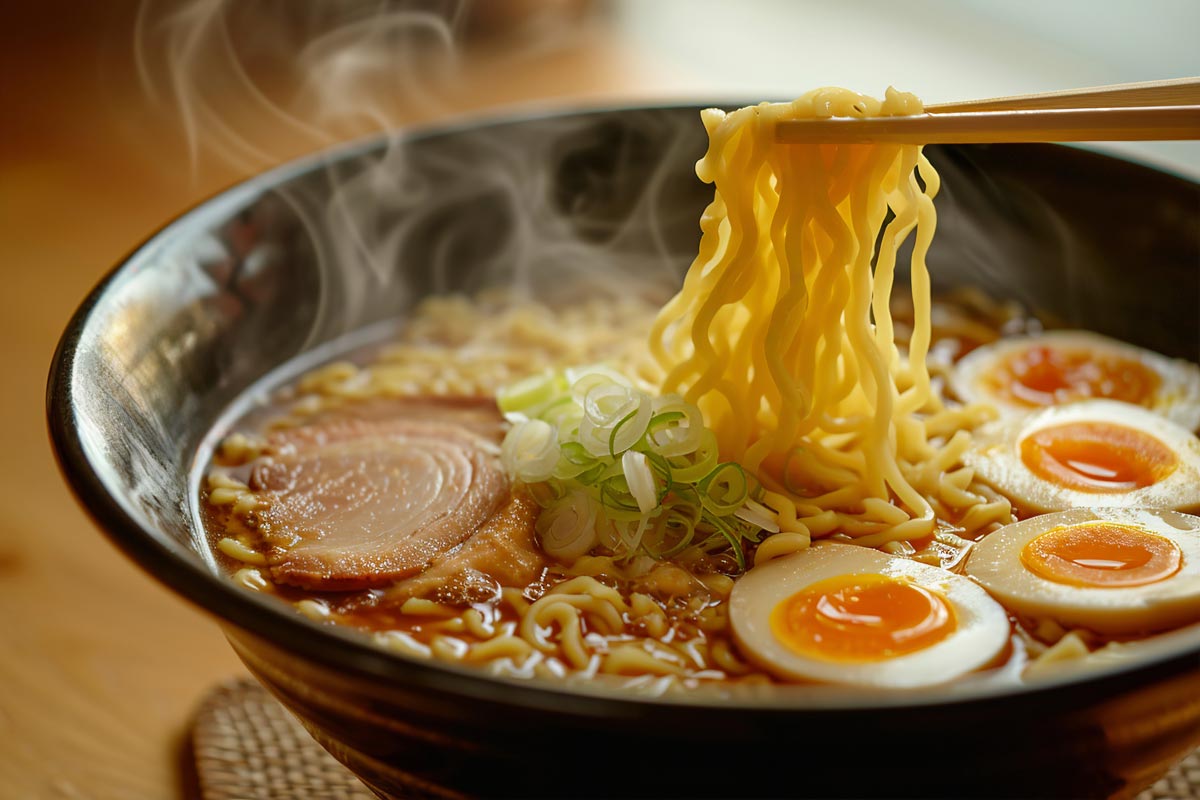
Nagano is one of Japan’s top soba (buckwheat noodle) regions. The cool climate and clean mountain water are ideal for growing high-quality buckwheat, and soba here is taken seriously. Many restaurants make noodles by hand daily.
Look for:
- Zaru soba: Chilled noodles on a bamboo tray, dipped in a soy-based sauce with spring onions and wasabi. Simple, refreshing, and very local.
- Soba with tempura: Lightly battered and fried vegetables or shrimp served alongside noodles, either hot or cold.
- Soba-making classes: Some shops and cultural centers offer short soba workshops, with English explanations in tourist areas. You knead the dough, cut the noodles by hand, and eat your own creation.
Nearby Highlights and Day Trips
4. Jigokudani Snow Monkey Park
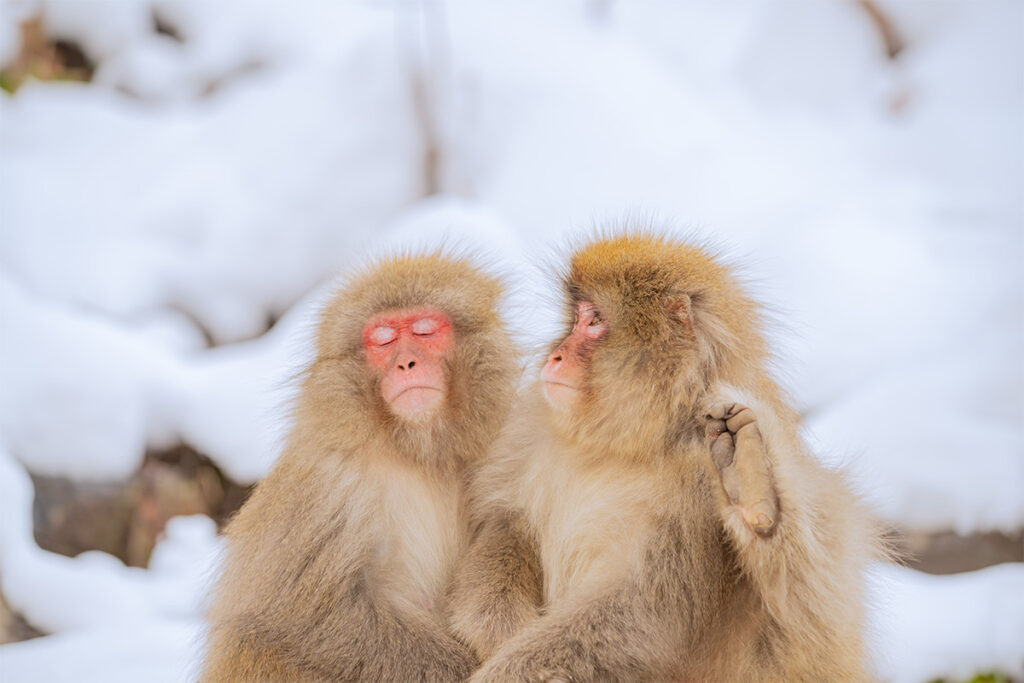
One of Nagano’s most famous sights is the snow monkeys—Japanese macaques that soak in steaming hot springs in winter. The Jigokudani Yaen-Koen (Snow Monkey Park) is located in a forested valley, about an hour and a half from Nagano city by train and bus, followed by a 30–40 minute walk along a forest trail.
Things to know before you go:
- Season: The monkeys are present year-round, but the iconic images of monkeys surrounded by snow are usually from December to March, depending on the weather.
- Footwear: The path can be muddy in warmer seasons and icy in winter. Wear proper shoes or boots, not city flats or high heels.
- Etiquette: Do not touch, feed, or stare closely into the monkeys’ eyes. They are wild animals; staff will remind visitors to keep a respectful distance.
Combine the monkey park with a visit to nearby Shibu Onsen or Yudanaka Onsen for hot spring baths and an overnight stay in a ryokan.
5. Hakuba: Nagano’s International Ski Hub
Hakuba Valley, about an hour from Nagano city by bus or train and bus, became globally known during the 1998 Winter Olympics. Today it is one of Japan’s most popular ski destinations, especially for international visitors.
The area offers:
- Multiple ski resorts with varied terrain suited to beginners and experienced skiers
- Plenty of English-language support at rental shops, ski schools, and hotels
- Après-ski options including izakaya (Japanese pubs), cafés, and bars
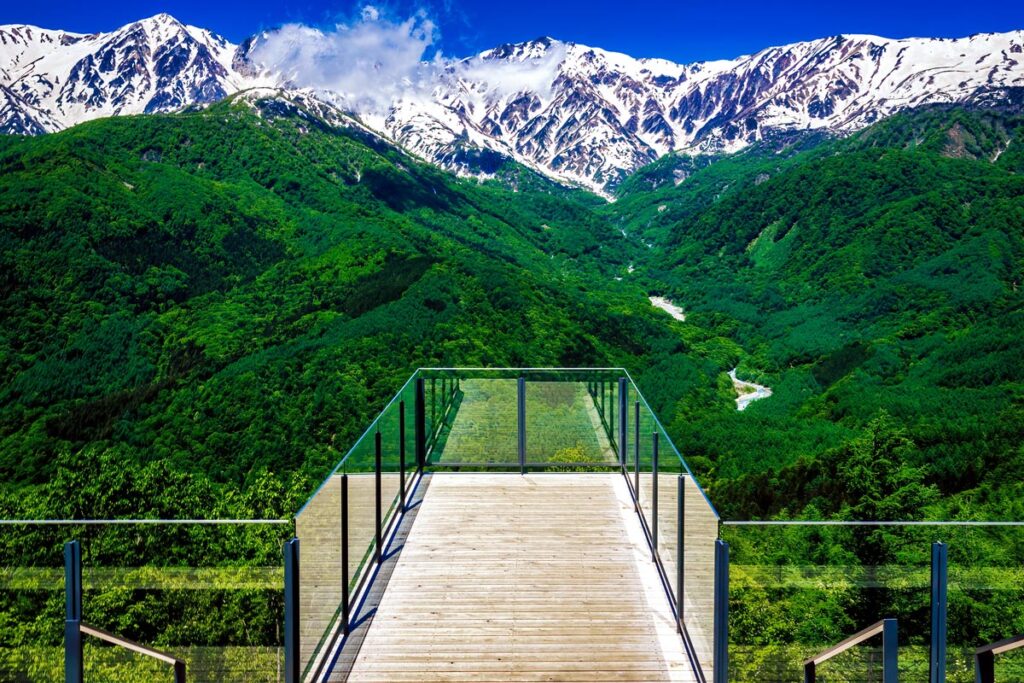
Outside winter, Hakuba transforms into a base for hiking, mountain biking, and enjoying alpine flowers. Gondolas still run in summer at some resorts, taking you to panoramic viewpoints with sweeping mountain vistas.
6. Historic Onsen Towns: Yudanaka, Shibu, and Nozawa
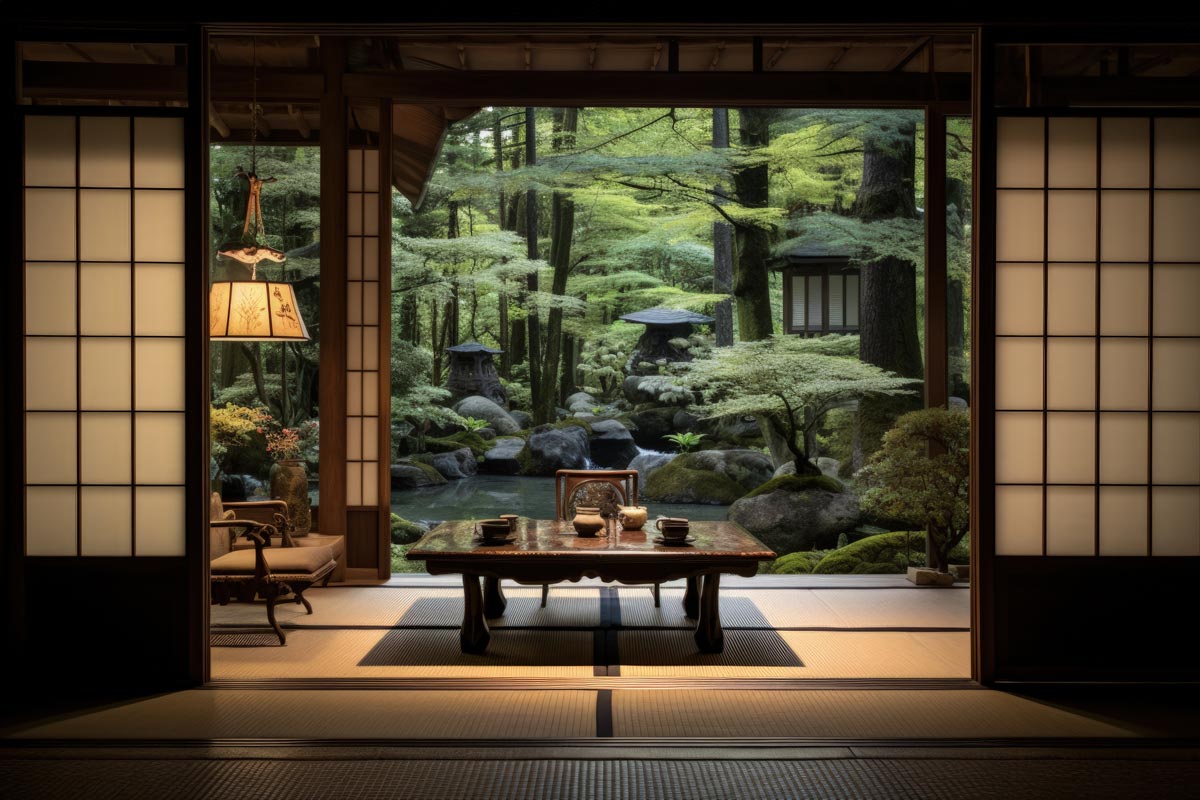
Nagano’s cold winters make hot springs particularly appealing. Traditional onsen towns here retain the feel of old Japan, with narrow lanes, wooden ryokan, and communal baths.
- Yudanaka & Shibu Onsen: Close to the snow monkey park, these sister towns offer many ryokan with their own baths. Shibu Onsen in particular has nine public baths that guests can visit, each with a different character. Many travelers wear yukata (light cotton robes) and wooden sandals as they stroll between baths.
- Nozawa Onsen: A charming village known both as a ski resort and a classic onsen destination. Free public baths (soto-yu) are scattered around town, supported by the local community. The main street is lined with small restaurants, sake bars, and snack shops selling local specialties like onsen-manju (steamed buns).
Onsen etiquette is important: bathe naked (swimwear is not used in traditional baths), wash thoroughly before entering the water, and keep your towel out of the bath itself. Most onsen have clear instructions with illustrations, and some are increasingly foreigner-friendly, but observing locals will help you learn the rhythm.
7. Matsumoto: Castle and Mountain Gateway
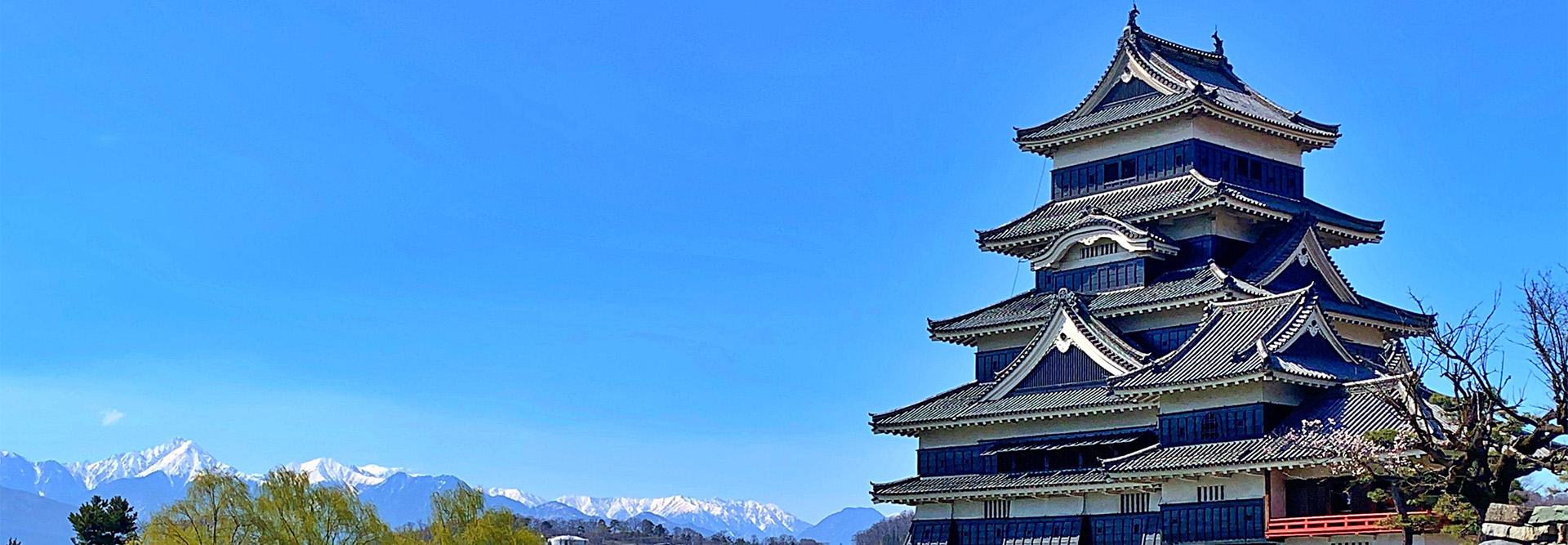
Although it is a separate city, Matsumoto is part of many Nagano travel itineraries. About an hour by train from Nagano, it is home to Matsumoto Castle, one of Japan’s most beautiful original castles with a distinct black exterior. The interior still has wooden floors and steep staircases, offering a very different atmosphere from the reconstructed castles found elsewhere.
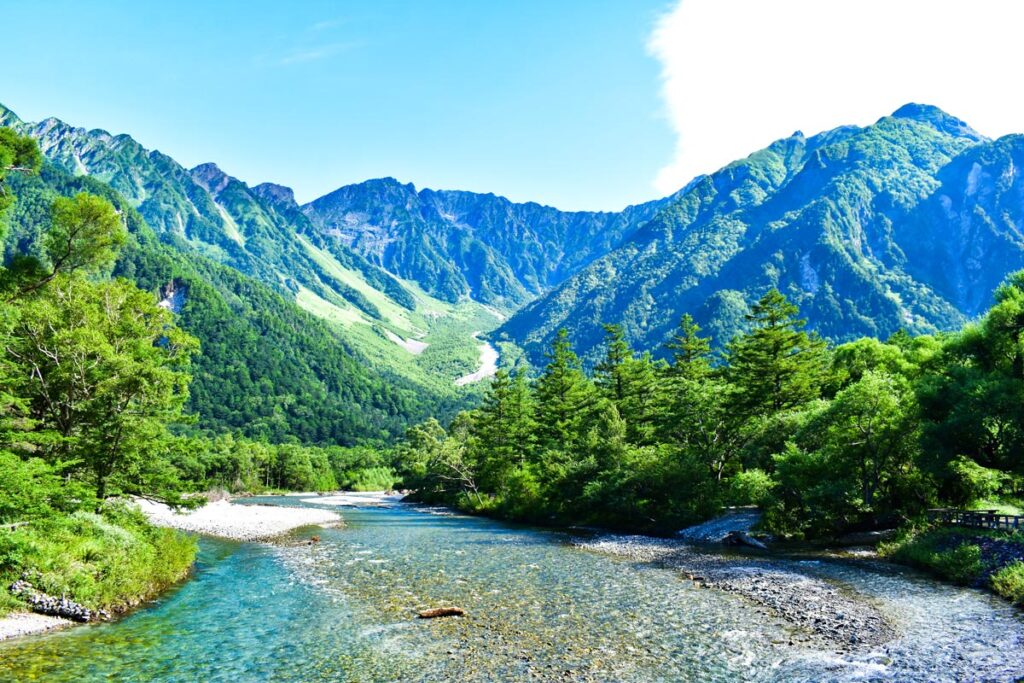
Matsumoto is also a gateway to the Northern Alps and the scenic Kamikochi valley, making it an excellent extension to a Nagano-based trip.
Seasonal Travel in Nagano
Nagano’s character changes dramatically with each season. Planning around the climate will shape your experience.
Winter (December–March)
Winter is ski and snowboard season, as well as the best time for snow monkeys in the hot springs. Temperatures are cold, with snow in the mountains and occasional snow in Nagano city itself. Pack warm layers, waterproof outerwear, and shoes with good grip.
Spring (April–May)
Cherry blossoms arrive later than in Tokyo, often in mid to late April depending on altitude. Lower areas see blossoms while the mountains remain snow-topped, creating a beautiful contrast. It is also a good time for moderate hiking and temple visits before the summer heat.
Summer (June–August)
While cities like Tokyo can be hot and humid, Nagano’s higher elevations offer relatively cooler air. This is peak hiking season in the Japanese Alps, with mountain huts operating on popular routes. Lower areas can still be warm, and the rainy season in June and early July brings more cloud and some heavier showers.
Autumn (September–November)
Autumn is highly recommended: comfortable daytime temperatures, clear skies, and vivid autumn foliage. Leaves change earlier at higher elevations, sometimes from late September, and later in the city through late October and November. Sightseeing and outdoor activities are at their best in this season.
Practical Tips for First-Time Visitors
Where to Stay
Choosing your base in Nagano depends on your priorities:
- Nagano City: Convenient for trains, day trips to Zenko-ji, snow monkeys, and some ski resorts. You will find business hotels, mid-range accommodations, and a few traditional ryokan.
- Onsen towns (Yudanaka, Shibu, Nozawa): Best if you want the classic ryokan and hot spring experience. Many include dinner and breakfast, offering beautifully presented kaiseki-style meals using local ingredients.
- Hakuba: Ideal for ski holidays and active travelers. There is a mix of lodges, hotels, apartments, and chalets, with more Western-style options than many other rural areas.
Booking ahead is essential during peak seasons: New Year, February ski season, Golden Week in late April–early May, and fall foliage weeks.
Getting Around
Nagano city itself is compact enough to explore on foot or by local bus. For regional travel:
- Trains: JR and private railway lines connect Nagano to Yudanaka, Matsumoto, and other hubs.
- Buses: Essential for reaching the snow monkey park, certain ski resorts, and trailheads. Timetables are posted at stations and often available in English at tourist information centers.
- Rental car: Useful if you are comfortable driving on the left and want to explore rural areas. In winter, check for snow tires and be confident in icy conditions.
Language and Tourist Services
English may be limited in small shops, but tourist information centers at Nagano Station, Zenko-ji, and major resorts generally have English-speaking staff and free maps. Many restaurants have picture menus or display plastic food samples in the window—simply point to order.
Carrying a translation app and your accommodation address in Japanese can be very helpful when asking for directions or taking taxis.
Local Food and Souvenirs
Alongside soba and oyaki, look out for:
- Shinshu apples: Nagano is one of Japan’s main apple-producing regions; try them fresh or in desserts and juices.
- Miso: High-quality Shinshu miso is famous nationwide. You can buy miso for soup or sauces to take home.
- Sake: The clear mountain water makes for excellent sake. Small breweries around Nagano city and in onsen towns often offer tastings.
Sample 2–3 Day Nagano Itinerary
For a first-time visitor to Japan, a short stay in Nagano can easily fit between Tokyo and other major destinations.
Day 1: Arrival and Zenko-ji
- Arrive at Nagano Station by late morning.
- Check in to your hotel and head to Zenko-ji Temple.
- Explore the temple grounds, try the underground passage, and wander the nearby streets.
- Dinner at a soba restaurant near the temple or station.
Day 2: Snow Monkeys and Onsen
- Take the train and bus to Jigokudani Snow Monkey Park.
- Walk the forest trail to watch the monkeys at the hot spring.
- Continue to Yudanaka or Shibu Onsen for an overnight ryokan stay.
- Enjoy kaiseki dinner and soak in the onsen baths.
Day 3: Optional Skiing or Matsumoto
- In winter, transfer to Hakuba or Nozawa Onsen for skiing.
- Outside winter, head to Matsumoto for the castle and city strolls before continuing to your next destination.
Experience Japan’s Alpine Spirit in Nagano
Nagano offers a powerful contrast to Japan’s megacities: quiet temples instead of neon streets, mountain air instead of subway rush, and hot springs instead of crowded shopping malls. Yet it is close enough to Tokyo that you can reach it in under two hours.
For first-time travelers to Japan, adding Nagano to your itinerary means experiencing an essential side of the country—its mountains, its seasonal beauty, and its deep-rooted traditions—without needing to venture too far off the beaten path. With a bit of planning around seasons, transport, and onsen etiquette, Nagano can easily become the highlight of your journey through Japan.
Access Map
Recommended spots in Nagano
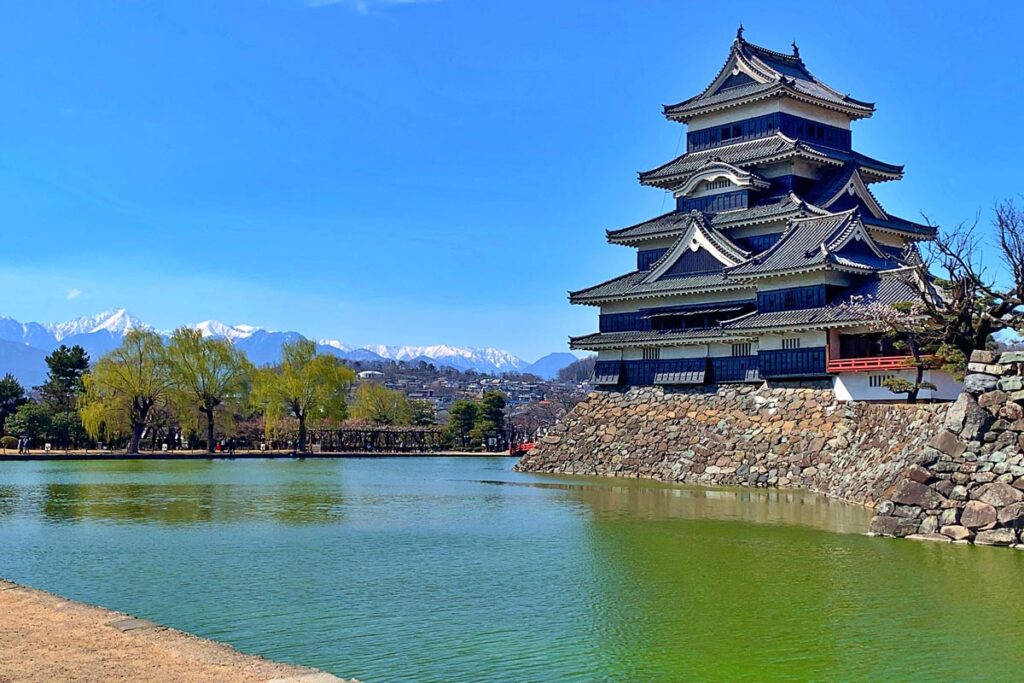
Matsumoto Castle
Kamikochi
Hakuba Mountain Resort
Zenkō-ji Temple
Karuizawa Town
Top destinations in Chubu/Hokuriku
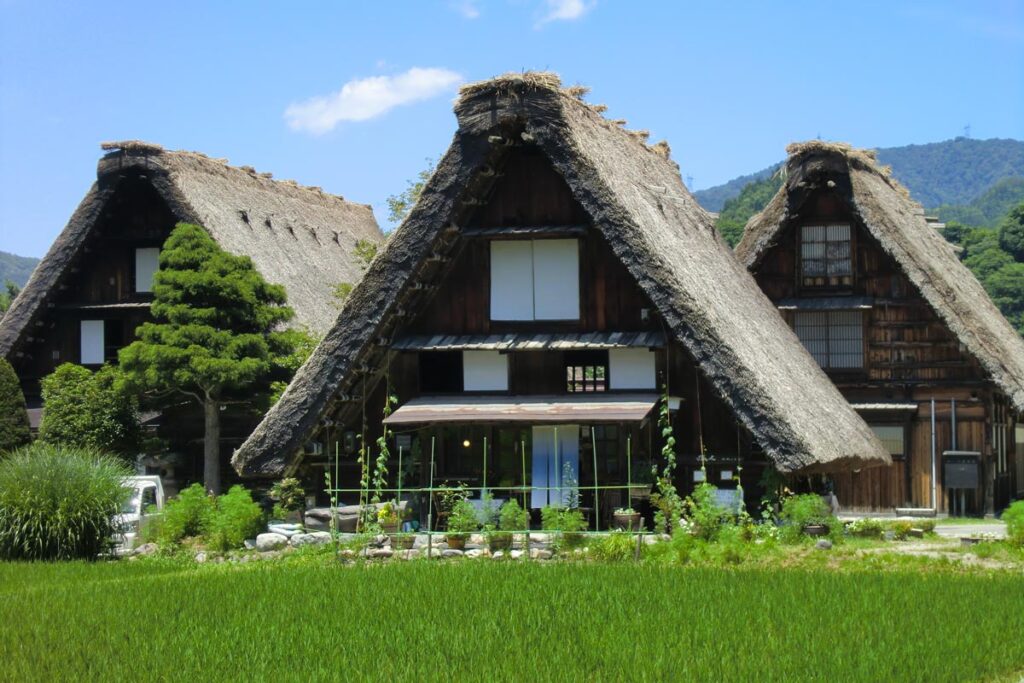
Gifu
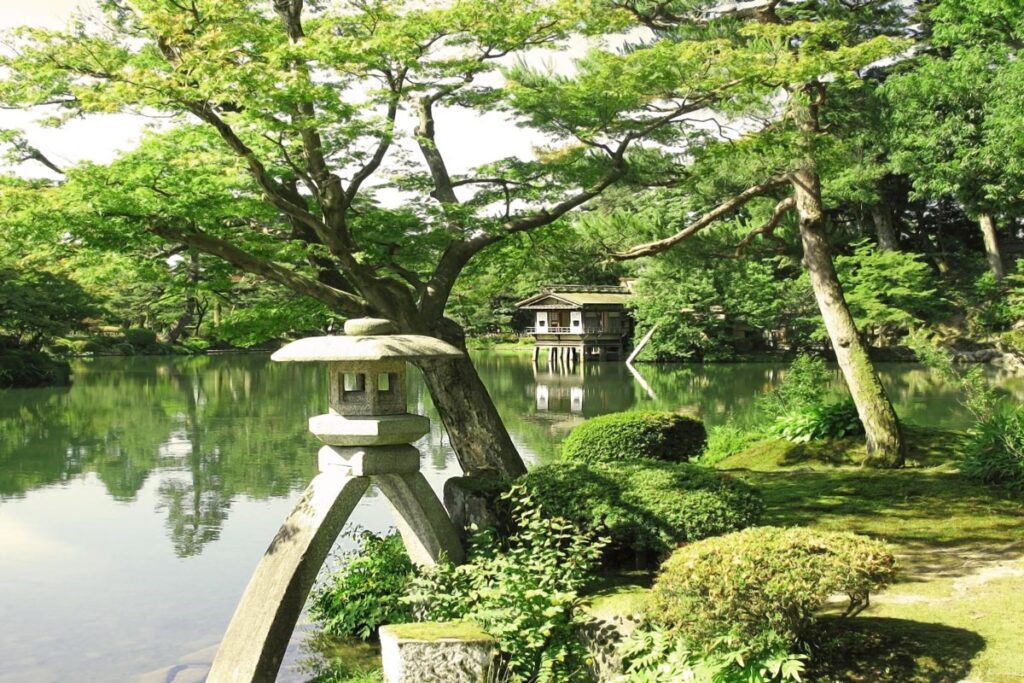
Ishikawa
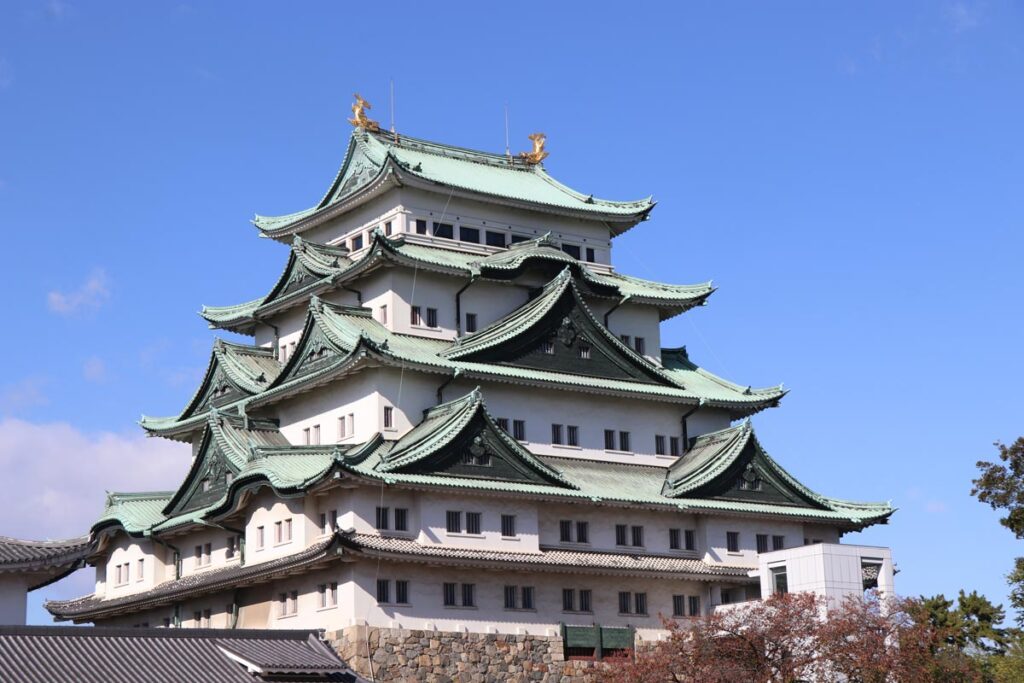
Aichi
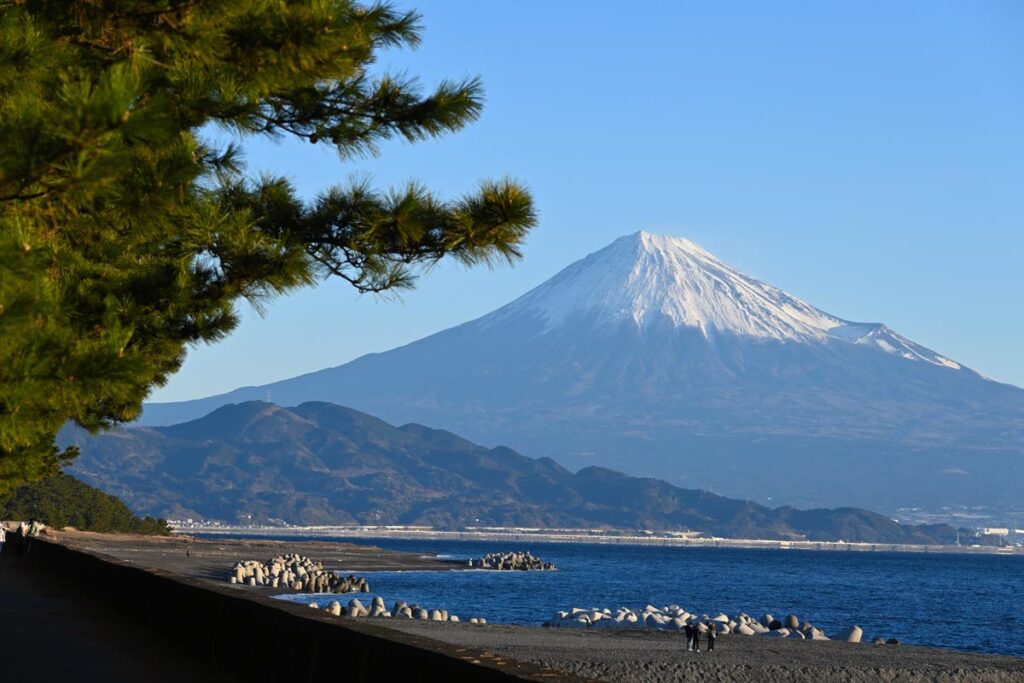
Shizuoka
Nagano Useful Link