


Matsumoto Castle
Visiting Matsumoto Castle: A First-Timer’s Guide to Japan’s “Crow Castle”
Photos are for illustrative purposes only.
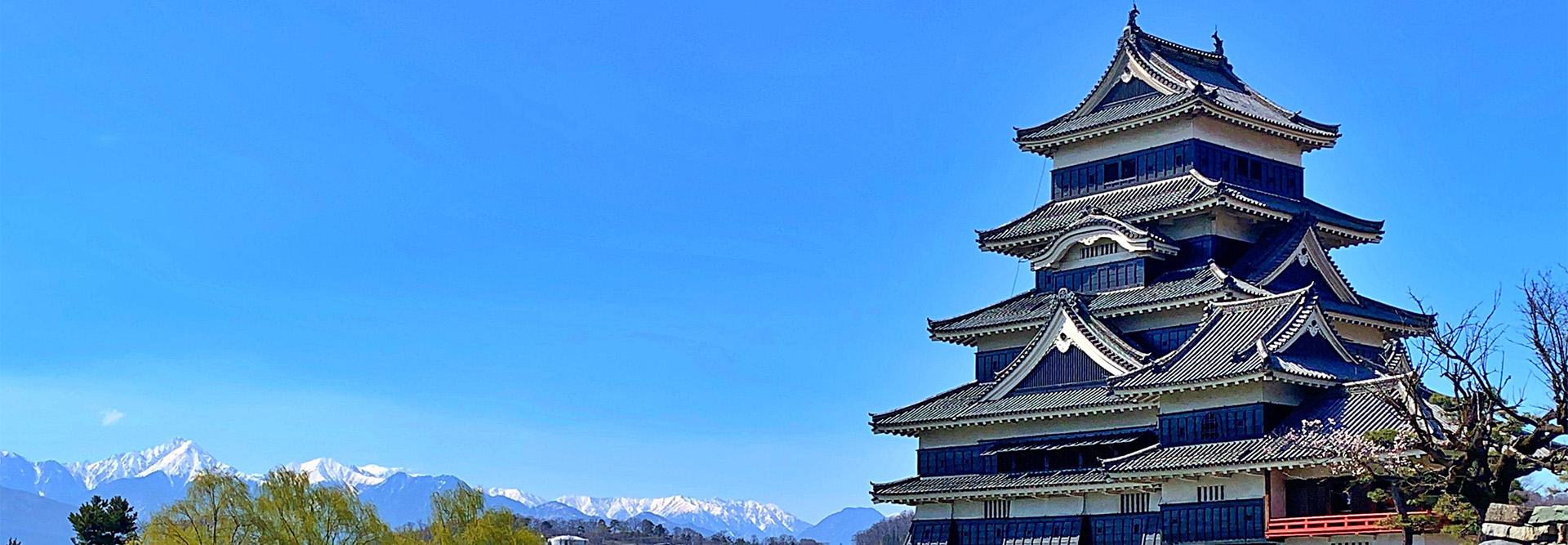
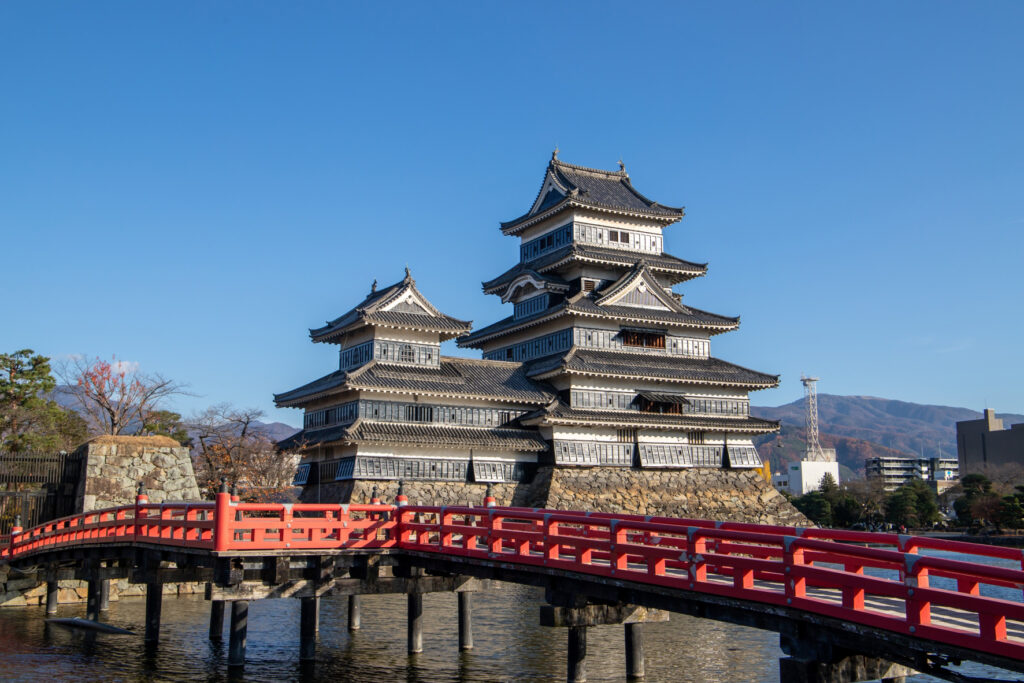
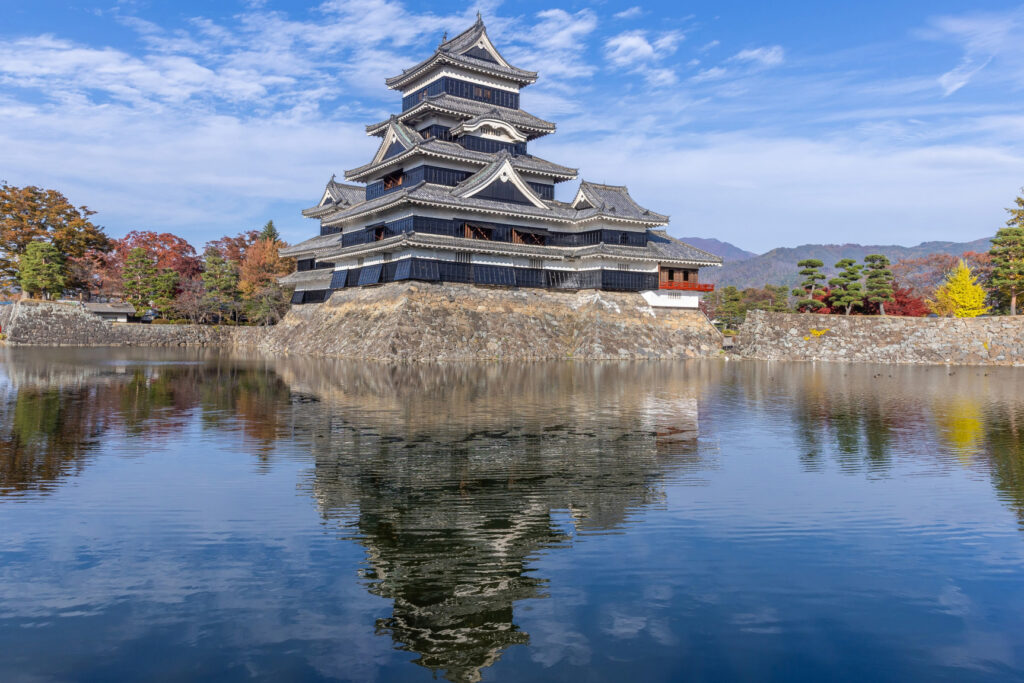
Matsumoto Castle is one of Japan’s most striking samurai-era fortresses and a perfect destination for travelers who want to go beyond Tokyo and Kyoto. With its black-and-white wooden keep reflected in a broad moat and the Northern Alps rising in the distance, this National Treasure offers both dramatic scenery and an intimate look at feudal Japan.
Located in Nagano Prefecture, about 2.5–3 hours from Tokyo, Matsumoto Castle is easy to visit on a day trip yet rewarding enough to anchor an overnight stay. This guide explains what makes the castle special, how to get there, what to expect inside, and how to make the most of your visit as a first-time traveler to Japan.
Why Matsumoto Castle Belongs on Your Japan Itinerary
While many Japanese castles have been reconstructed in concrete, Matsumoto Castle is one of only a handful of original castle keeps left in the country. Its main tower (tenshu) dates back to the late 16th century, making it a rare survivor of wars, fires, and modernization.
The castle is nicknamed the “Crow Castle” (Karasu-jō) because of its black lacquered exterior, which contrasts with white plaster walls and the bright greenery or snow-covered grounds depending on the season. Unlike the hilltop fortresses you find elsewhere in Japan, Matsumoto Castle rises from a flat plain, giving you close-up views of its impressive wooden structure and a wide, mirror-like moat circled by cherry trees.
For first-time visitors to Japan, this is an ideal place to:
- Experience an authentic, original wooden castle interior
- Enjoy views of the Japanese Alps from the upper floors
- Learn how samurai lords defended their domains
- Stroll around a relaxed, compact city that’s easy to navigate
Highlights of Matsumoto Castle
The Main Keep and Its Unique Layout
Matsumoto Castle’s main structure is actually a complex of interlocked keeps and turrets. From the outside, it appears to have five stories, but step inside and you will discover there are six internal floors plus a hidden level used for storage and defense. This deceptive design was a strategic trick to confuse enemies.
The current keep was largely completed around the 1590s during the Sengoku (Warring States) period, then expanded in the early 17th century. As you climb the steep, polished wooden stairs, you’ll walk through:
- Low, dimly lit corridors built for defense, not comfort
- Slit windows where archers and gunners once aimed at attackers
- Thick beams and pillars that show off traditional Japanese carpentry
Unlike modern reconstructions, the interior has no elevators, air-conditioning, or glassed-in displays dominating every room. You are essentially walking through a living piece of 16th-century military architecture.
Samurai Defense Features
As you explore, keep an eye out for defensive details that reveal how the castle once functioned as a stronghold:
- Ishi-otoshi (stone-drop chutes): Openings in the upper walls where defenders could drop stones or boiling water on attackers climbing the walls.
- Gun and arrow ports: Narrow slots, some round and some rectangular, designed for early matchlock guns (teppō) and bows. Matsumoto’s many gun ports show how war in Japan was changing with the arrival of firearms.
- Hidden levels: Concealed floors allowed samurai to store weapons, move troops, or surprise enemies who thought they knew the building’s layout.
These features bring Japan’s feudal period to life more vividly than a textbook ever could.
Top-Floor Views of the City and Alps
On the highest accessible floor, you’ll find a viewing area with windows opening in all directions. On clear days, you can see:
- The rooftops and streets of modern Matsumoto
- Green rice fields stretching toward the horizon
- The rugged peaks of the Northern Japanese Alps, often snowcapped outside midsummer
The contrast between the old wooden keep and the broad landscape outside gives a strong sense of how a feudal lord once surveyed his domain.
Moon-Viewing Turret (Tsukimi-yagura)
One of Matsumoto Castle’s most elegant touches is its moon-viewing turret, added during the more peaceful Edo period. Unlike many fortifications, this annex was built for enjoyment rather than defense. The wide windows and open design allowed the lord and his guests to appreciate the full moon—a favored pastime in classical Japanese culture.
Today, the turret offers a gentler atmosphere and a reminder that castles were not only military bases but also centers of refined courtly life.
Displays of Armor and Weapons
Inside the keep, several floors house exhibits of samurai armor, helmets, swords, and early firearms. Signage is typically available in English as well as Japanese, making it easier for international visitors to understand how these weapons were used.
Look in particular for examples of matchlock guns used in the 16th and 17th centuries. They show how quickly firearms were adopted and improved in Japan following their introduction by European traders.
Seasonal Beauty Around the Castle Grounds
The castle is picturesque year-round, but your experience will change dramatically with the season.
Spring: Cherry Blossoms and Night Illuminations
In early to mid-April, over 300 cherry trees around the inner and outer moats burst into bloom. The combination of white-pink sakura petals, the dark castle keep, and clear mountain air makes this one of central Japan’s loveliest hanami (flower-viewing) spots.
During the peak, the castle grounds are often illuminated at night, allowing you to photograph the keep reflected in the moat against the blossoms and night sky. Expect more crowds during this period, especially on weekends.
Summer: Green Moats and Festival Atmosphere
Summer brings deep green foliage and bright blue skies. The Matsumoto Bon Bon festival in August fills the city with dancers and music, and the castle serves as an iconic backdrop for seasonal events. The interior can feel quite warm and humid in summer, so carry water and be prepared for climbing in the heat.
Autumn: Clear Skies and Fiery Colors
From late October to mid-November, the trees around the castle turn brilliant shades of red, orange, and yellow. The crisp air and usually clear weather make this a great time to enjoy the top-floor views of the surrounding mountains.
Winter: Snow-Capped Beauty
In winter, light snow often dusts the roofs and the nearby Alps, adding a dramatic contrast to the black-and-white keep. Crowds are lighter, and the atmosphere around the moat is calm and quiet. Be sure to wear warm clothing and non-slip shoes, as the wooden stairs and grounds can be chilly and occasionally slick.
Practical Visitor Information
Opening Hours and Tickets
Opening hours can vary slightly by season and special events, but in general the castle is open during daylight hours, typically from morning until late afternoon. Last entry is usually 30–60 minutes before closing. The castle may close for a few days over New Year or for maintenance.
There is an entrance fee to access the inner grounds and the main keep. Tickets are normally purchased at the entrance gate. Prices are modest by international standards and often include access to a small adjoining museum. Children and students may receive discounts.
As details can change, it is wise to confirm current opening times and admission prices shortly before your visit, especially if you are planning a tight itinerary.
What to Expect Inside
Visiting the castle interior is an immersive experience, but it does require some physical effort and a bit of cultural preparation:
- Shoes: You will be asked to remove your shoes before entering the keep and put them in a plastic bag or on designated shelves. Wear socks, as the wooden floors can be cold in winter.
- Stairs: The steps between floors are steep and narrow, with some almost like ladders. Handrails are provided, but you should take your time, especially going down.
- Crowds: During peak seasons, lines can form to enter the keep and move between floors. Expect to follow a one-way route in a slow but steady flow.
- Bags and clothing: Large backpacks can be awkward on the stairs. If possible, carry only a small bag. Avoid very long skirts or loose clothing that could catch on steps.
How to Get to Matsumoto Castle
Matsumoto is well connected by rail and works smoothly as a day trip or overnight stop between Tokyo and the Japan Alps.
From Tokyo
Most international visitors start from Tokyo. The easiest route is:
- JR Limited Express Azusa from Shinjuku Station to Matsumoto Station. The journey usually takes around 2.5–3 hours with reserved and non-reserved seats available.
This route is typically covered by the Japan Rail Pass and many regional JR passes, making it cost-effective if you are traveling widely by train.
From Nagoya or the Kansai Region
If you are coming from Nagoya or Kyoto/Osaka, you can connect via Nagoya Station:
- JR Limited Express Shinano from Nagoya Station to Matsumoto Station in around 2 hours.
This scenic route follows river valleys and offers glimpses of rural Japan along the way.
From Matsumoto Station to the Castle
Once you arrive at Matsumoto Station, the castle is about a 15–20 minute walk through the compact city center. Signage in English is common, and the route is straightforward.
Alternatively, local buses and tourist loop buses may stop near the castle, but most visitors enjoy the easy walk, passing shops, cafés, and riverside paths on the way.
Tips for First-Time International Visitors
Language and Signage
While Matsumoto is not as international as Tokyo, many signs at the castle and around the station area are bilingual (Japanese and English). Basic English may be spoken at ticket counters and tourist information centers, but not everywhere. Having your destination name written in Japanese (松本城) on your phone or a piece of paper can be helpful.
Timing Your Visit
To avoid the biggest crowds and enjoy softer light for photography, aim to visit:
- Shortly after opening in the morning, or
- Later in the afternoon, leaving enough time to climb the keep before closing
If you are day-tripping from Tokyo, consider taking an early train so you can explore at a relaxed pace, have lunch in town, and still return the same day.
What to Wear and Bring
Comfortable walking shoes are essential, especially since you will be climbing steep stairs and walking between the station and the castle. In addition:
- Bring a light jacket or layers; mountain weather can change quickly
- Carry a small bag rather than a large backpack
- Bring a reusable water bottle, especially in summer
Accessibility Considerations
The castle’s original wooden structure means there are no elevators inside the keep, and the steep stairs can be challenging or impossible for visitors with mobility issues. The surrounding park and outer areas are generally flat and more accessible, allowing everyone to enjoy views and photos even without climbing the tower.
What to Do Nearby
Matsumoto is more than just its castle. If you have extra time, you can easily combine your visit with other local highlights:
Nakamachi and Nawate Streets
A short walk from the castle, Nakamachi-dori is lined with traditional storehouses (kura) featuring distinctive black-and-white patterns. Many now house cafés, craft shops, and galleries where you can buy local lacquerware, glass, and sweets. Parallel Nawate-dori, with its frog-themed statues and small stalls, offers a playful, retro shopping street atmosphere.
Matsumoto City Museum of Art
Art lovers can visit the city’s modern art museum, known for its connection to world-famous artist Yayoi Kusama, who was born in Matsumoto. Her colorful sculptures and installations provide a sharp, contemporary contrast to the historic castle.
Gateway to the Japanese Alps
Matsumoto also serves as a practical base for exploring the Northern Japanese Alps, including scenic destinations such as Kamikōchi and Norikura. If you enjoy hiking, hot springs, or mountain scenery, consider staying a night in Matsumoto and using the city as a launching point.
Making the Most of Your Matsumoto Castle Experience
For many first-time visitors to Japan, Matsumoto Castle becomes a lasting favorite: it combines dramatic beauty with authentic history, manageable crowds, and an approachable city atmosphere. If your schedule allows, try to spend at least half a day exploring the castle and nearby streets rather than rushing through on a strict timetable.
Arrive early, climb slowly, look for the subtle details of samurai defense, and pause by the moat to take in the reflections and mountain backdrop. In a single visit, you’ll gain a deeper understanding of Japan’s feudal past and a fresh appreciation for how tradition and modern life coexist in regional cities across the country.

Access Map
Recommended spots in Nagano
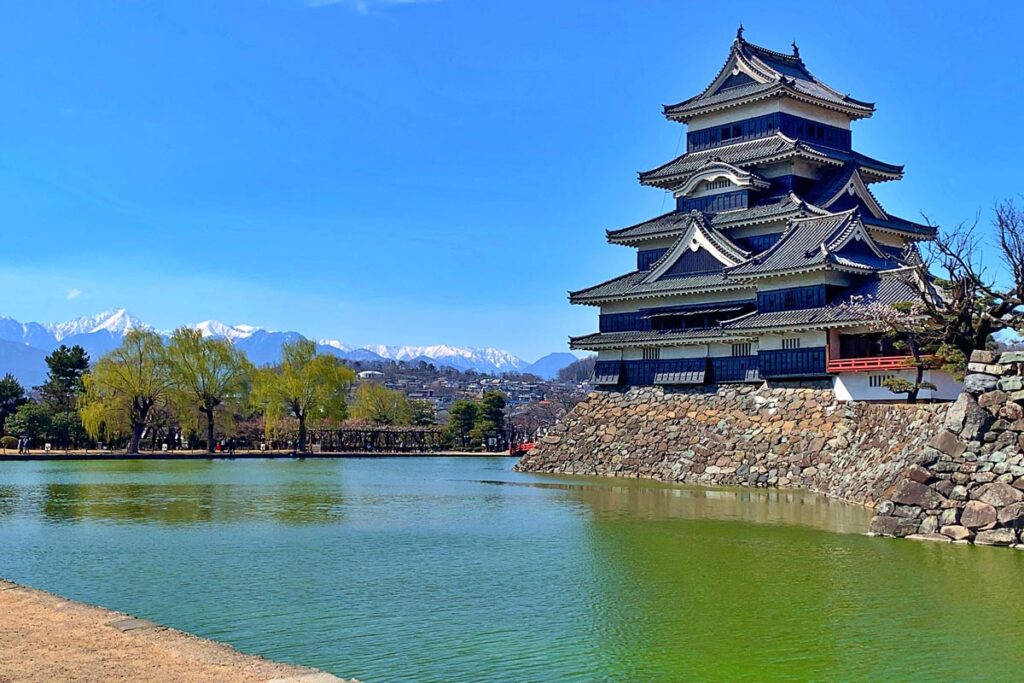
Matsumoto Castle
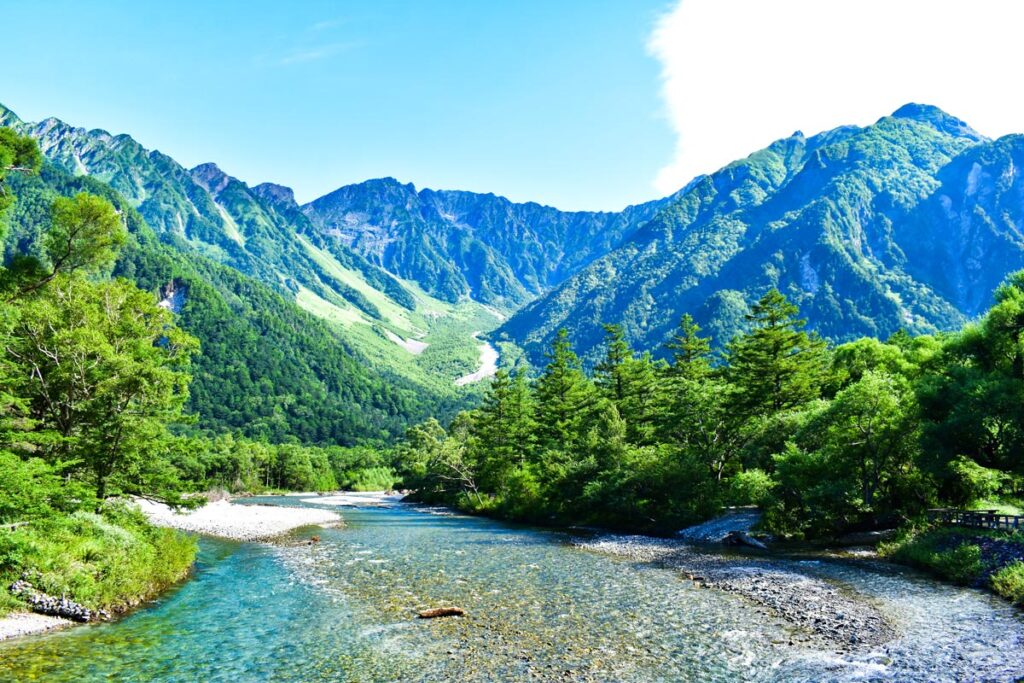
Kamikochi
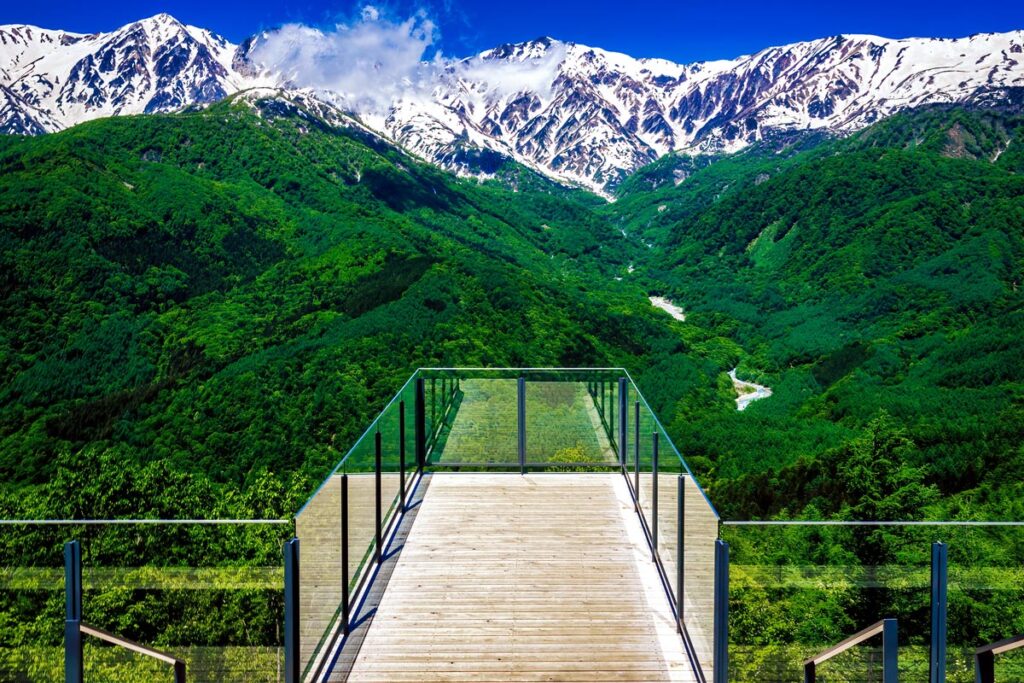
Hakuba Mountain Resort
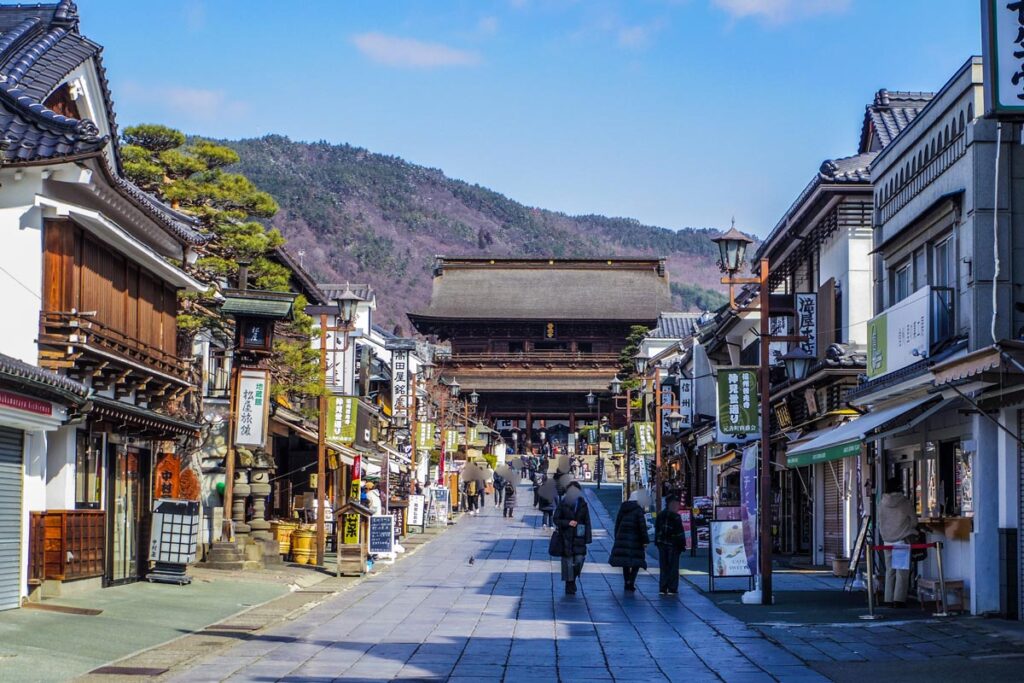
Zenkō-ji Temple
Karuizawa Town
Top destinations in Chubu/Hokuriku
Gifu
Ishikawa
Aichi