

Kamikochi
Kamikochi Japan Travel Guide for First-Time Visitors
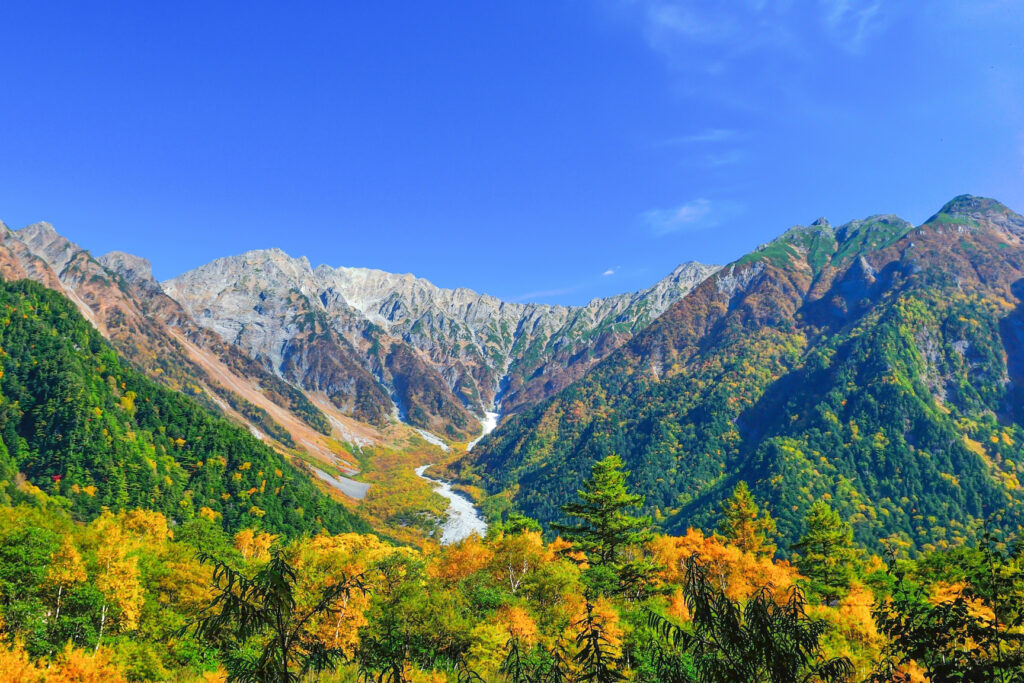
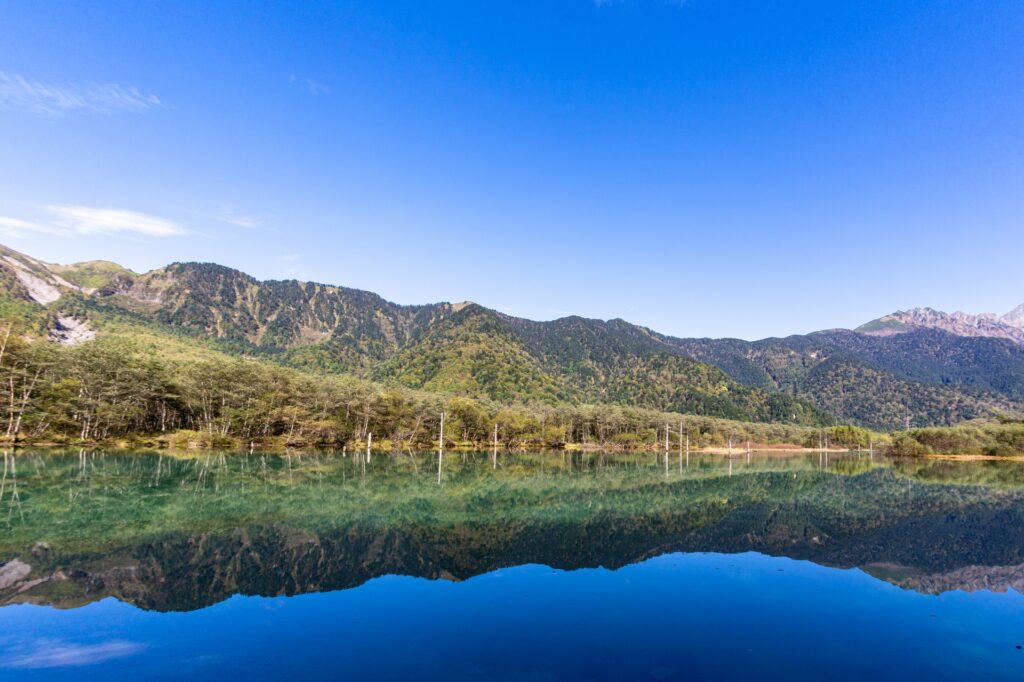
Photos are for illustrative purposes only.
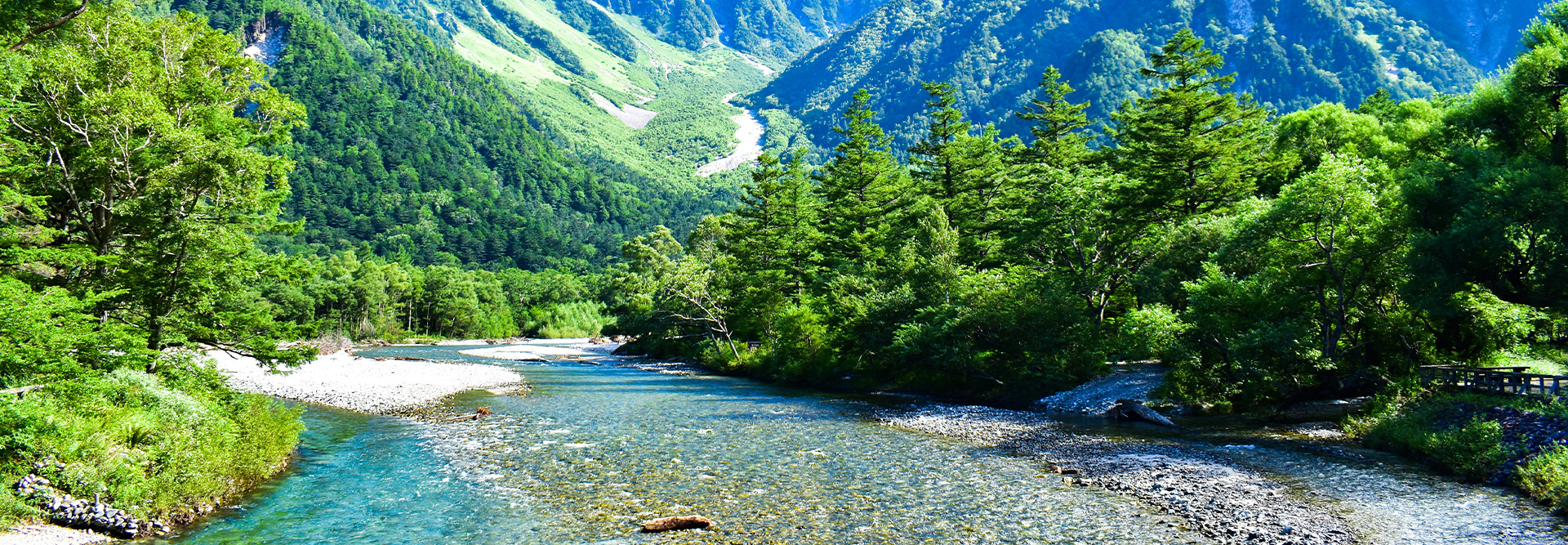
Deep in Japan’s Northern Alps, Kamikochi is a highland valley of crystal-clear rivers, snow-capped peaks and quiet forests. Often called one of Japan’s most beautiful mountain landscapes, it feels worlds away from the neon of Tokyo and Osaka, yet it is surprisingly accessible for first-time visitors.
This guide explains how to visit Kamikochi, what to see and do, how to prepare, and the cultural etiquette that will help you enjoy this remarkable corner of Japan responsibly.
What Is Kamikochi?
Kamikochi is a protected mountain valley in Nagano Prefecture, sitting about 1,500 meters above sea level inside Chubu Sangaku National Park. It follows the Azusa River, framed by dramatic peaks such as Mt. Hotaka and Mt. Yake. Rather than a single attraction, it is a long, walkable landscape with boardwalk trails, marshlands, larch and birch forests, and sweeping alpine views.
The name “Kamikochi” can be translated as “where the gods descended,” reflecting the spiritual importance of these mountains in Japanese culture. For centuries, the area was visited by ascetic mountain monks and later became a favorite of early mountaineers and writers who helped shape Japan’s modern hiking culture.
Why Visit Kamikochi?
For international visitors, Kamikochi offers a peaceful counterpoint to Japan’s cities. It is especially appealing if you love nature but are nervous about challenging hikes or getting lost in unfamiliar mountains. The main valley trails are mostly flat, well signposted in Japanese and English, and can be enjoyed in ordinary walking shoes in good weather.
Highlights include:
- World-class scenery: Clear river water tinted turquoise by glacial minerals, sharp ridgelines, and seasonal colors from fresh spring greens to fiery autumn leaves.
- Gentle walks and serious hikes: Simple 1–3 hour strolls along riverside paths, plus demanding multi-day climbs for experienced mountaineers.
- A car-free national park core: Private cars are not allowed into Kamikochi’s center, which keeps the air clean and the valley pleasantly quiet.
- Mountain lodges and onsen towns nearby: Stay in cozy inns and soak in natural hot springs before or after your visit.
When to Visit Kamikochi
Kamikochi is a strictly seasonal destination. The roads and facilities close in winter because of heavy snow.
Opening Season
The valley is usually open from mid/late April to mid-November. Outside these months, public transport does not operate and most accommodation is closed.
Seasonal Highlights
- Late April–May (Spring): Snow still blankets the high peaks while the valley begins to turn green. The contrast between white mountains and budding trees is especially dramatic in photographs. Temperatures are cool, so bring a jacket and layers.
- June–July (Early Summer): Lush greenery, wildflowers, and quieter trails once Golden Week (early May holiday) has passed. Expect some rain during Japan’s rainy season, but fog and clouds can create beautiful, moody views.
- August (High Summer): Peak hiking season. Temperatures are comfortable compared to Japan’s cities, making it a popular escape from the heat. Trails and buses can be crowded, particularly during the Obon holiday in mid-August.
- Late September–late October (Autumn Foliage): One of the most stunning times to visit, as birch and larch forests turn gold and red. Nights grow cold, especially in late October, so pack warm layers.
- November (Closing Weeks): The valley becomes quiet as facilities gradually shut. Expect chilly air and a higher chance of early snow in the surrounding peaks.
How to Get to Kamikochi
Kamikochi is typically visited as a day trip or overnight stay from Matsumoto, Takayama, or Tokyo. Because private cars are restricted, you must transfer to a bus or taxi for the final stretch into the valley.
From Tokyo
- Via Matsumoto: Take the JR Limited Express Azusa from Shinjuku to Matsumoto (about 2.5–3 hours), then transfer to a local train or bus toward Shin-Shimashima and continue by bus to Kamikochi. This is the most common route for rail pass users.
- Highway bus: Long-distance buses run directly from Tokyo to Kamikochi in season, usually overnight or early in the morning. This is convenient if you do not have a rail pass and want to arrive early for a full day of walking.
From Matsumoto
Matsumoto is the closest major city and makes an excellent base, with its historic castle and easy transport connections.
- Take the Kametoku or Alpico bus from outside Matsumoto Station to Kamikochi Bus Terminal. Some services require changing at Shin-Shimashima, but tickets are typically sold as a single through-fare.
- The journey usually takes about 1.5–2 hours depending on connections.
From Takayama
- From Takayama in Gifu Prefecture, seasonal buses run via Hirayu Onsen to Kamikochi. The ride, including transfer time, is roughly 1.5–2 hours.
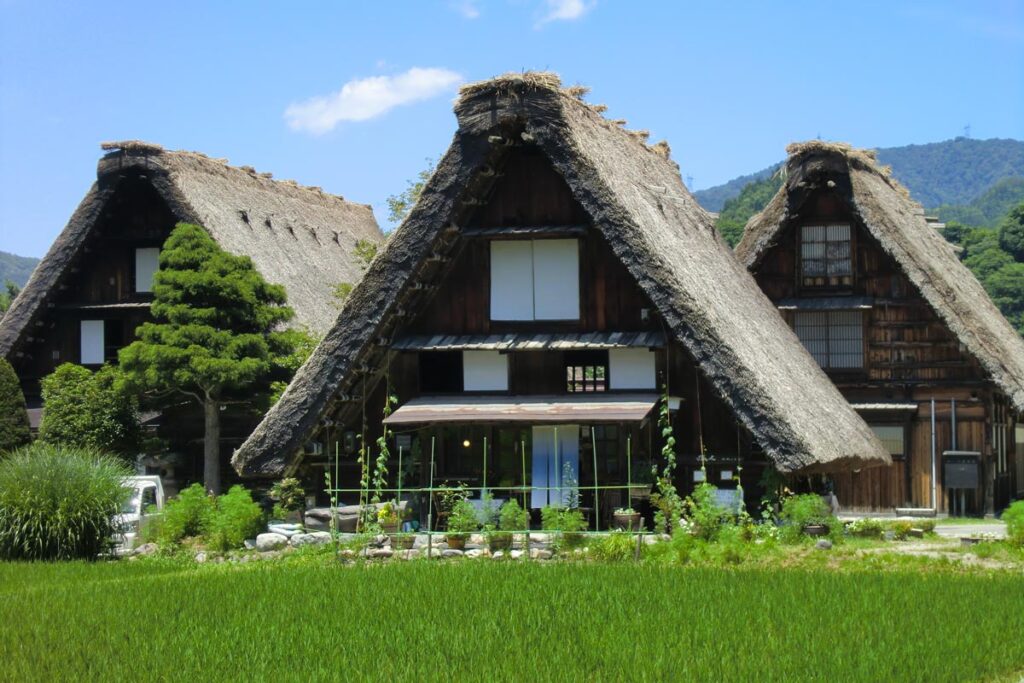
- Some visitors combine Kamikochi with the old town of Takayama and the traditional thatched farmhouses of Shirakawa-go.
Private Cars and Parking
Private cars cannot enter Kamikochi’s central valley. If you are driving, you must park at one of the designated car parks outside (such as Sawando or Hirayu) and then take a shuttle bus or taxi into Kamikochi. This system protects the environment and keeps traffic under control.
Orientation: Main Areas of Kamikochi
The heart of Kamikochi is compact and easy to navigate. Most visitors move between three key areas:
- Kamikochi Bus Terminal: The arrival point for buses and taxis. Here you will find a visitor information center, restrooms, coin lockers, and some shops.
- Kappa Bridge (Kappabashi): A wooden suspension bridge about a 5–10 minute walk from the bus terminal. This is the symbolic center of Kamikochi, ringed by restaurants, cafes, and several hotels.
- Taisho Pond (Taisho-ike): A scenic pond downstream created by a volcanic eruption in the early 20th century. Dead tree trunks rising from the water create an eerie, photogenic scene on misty mornings.
Further along the valley you will encounter marshlands such as Myojin-ike and Tokusawa, and beyond them the starting points for serious mountaineering routes into the surrounding peaks.
Best Walks and Easy Trails
If this is your first trip and you are not planning strenuous climbs, you can still enjoy Kamikochi’s beauty on half-day or full-day walks on mostly flat paths.
Kappa Bridge to Taisho Pond
This is one of the most popular and accessible routes.
- Time: Around 1–1.5 hours one way at a relaxed pace.
- Terrain: Mostly flat, with well-maintained paths and some boardwalk sections under the trees.
- Highlights: Ever-changing views of Mt. Yake, beautiful reflections in the river, and the mysterious landscape of Taisho Pond itself. On clear days, the morning light is particularly lovely.
Kappa Bridge to Myojin Pond
Heading in the opposite direction, this walk takes you deeper into the forested side of the valley.
- Time: Around 1–1.5 hours one way.
- Terrain: Gentle riverside trails, with some small ups and downs.
- Highlights: The quiet upper valley atmosphere and the optional side visit to Myojin Pond (Myojin-ike), which is associated with a Shinto shrine and considered sacred.
Note that Myojin Pond is within Shrine grounds and usually requires a small entrance fee. Visitors are asked to behave respectfully: keep voices low and follow any posted instructions, as this is a religious site as well as a scenic spot.
Loop Walks Around the Valley
Several loops are possible by crossing bridges on both sides of the river. These allow you to circle back to the bus terminal without retracing your steps. Local maps at the visitor center clearly show these options, with walking times marked.
For Experienced Hikers and Climbers
Kamikochi also serves as a gateway to some of Japan’s finest alpine routes. Names like Mt. Oku-Hotaka, Mt. Yari, and the Daikiretto Ridge are legendary among Japanese hikers. These routes require proper gear, experience with mountain weather and steep terrain, and in some cases overnight stays at mountain huts.
If you are new to Japanese mountains, consider joining a guided hike, starting with easier peaks, or at least consulting staff at the visitor center for up-to-date trail and weather conditions. In the high mountains, conditions can change quickly, even on sunny days in summer.
Where to Stay in and Around Kamikochi
You can visit Kamikochi as a long day trip, but staying overnight lets you enjoy the valley in the quiet morning and evening hours, after most day-trippers have gone.
Staying Inside Kamikochi
Accommodation within the valley ranges from classic mountain hotels to more modest lodges. Options are limited and can book out months in advance during peak seasons, so reserve early.
Staying inside Kamikochi allows you to:
- Watch the sunrise or sunset over the peaks from near your lodge.
- Walk peaceful trails before the first buses arrive.
- Experience the cool, starry sky on clear nights.
Staying in Nearby Onsen Towns
If you prefer more choice and lower prices, consider staying in hot spring towns such as Hirayu Onsen on the Gifu side or in the Sawando area near the Nagano approach. From these bases you can take the morning bus into Kamikochi, then return to soak in thermal baths at the end of your day.
Staying in Matsumoto or Takayama
Matsumoto and Takayama offer a full range of hotels, guesthouses and dining options. They work well for travelers using rail passes or those combining Kamikochi with wider journeys through central Japan.
Food and Facilities
One advantage of Kamikochi for first-time visitors is that you do not need to carry all your supplies from the city. Around Kappa Bridge and the bus terminal, you will find:
- Cafes and casual restaurants serving Japanese and some Western-style dishes.
- Small shops selling snacks, drinks, simple outdoor goods, and souvenirs.
- Restrooms with clear signage in multiple languages.
However, once you leave the central area, services thin out quickly. If you plan a longer walk, bring sufficient water and snacks. Mountain huts on higher routes may offer simple meals, but they are designed for hikers and reservations are essential in peak season.
What to Pack for Kamikochi
Your packing list depends on the season and how far you plan to hike, but the following basics are useful for most visitors:
- Comfortable walking shoes: Trainers or light hiking shoes are fine for valley trails; sturdy boots are necessary for serious climbs.
- Layers of clothing: Even in summer, mornings and evenings can be cool. Bring a light jacket or fleece.
- Rain protection: A compact umbrella or waterproof jacket; weather in the mountains can change quickly.
- Sun protection: Hat, sunglasses, and sunscreen; UV rays are strong at higher elevations.
- Water bottle and snacks: Especially important if you plan to walk beyond the central area.
- Cash: Some places may not accept credit cards, particularly smaller shops or mountain huts.
Etiquette and Nature Conservation
Kamikochi is not only scenic, it is also a fragile alpine environment. Japan places strong emphasis on harmony with nature, and visitors are expected to follow a few simple rules that reflect both environmental awareness and local manners.
- Stay on marked trails: Cutting corners or walking off-path damages delicate plants and causes erosion.
- Carry your trash: Public trash cans are rare. Take all rubbish with you back to your hotel or the city.
- Keep noise low: Many people come to Kamikochi seeking quiet and reflection. Loud music or shouting is considered rude.
- Respect wildlife: Do not feed animals or approach them too closely. Feeding can disrupt their natural behavior.
- No swimming in the river: The icy, fast-flowing Azusa River is not safe for swimming, and entering the water can damage the ecosystem.
At religious sites such as Myojin Pond and its associated shrine, observe typical Shinto etiquette: avoid disruptive behavior, do not touch sacred objects, and follow any posted photography rules.
Combining Kamikochi with Other Destinations
Kamikochi fits naturally into many central Japan itineraries. Some popular combinations include:
- Kamikochi & Matsumoto: Visit Matsumoto Castle and the city’s traditional streets, then head into the mountains for a day or two.
- Kamikochi & Takayama: Explore Takayama’s preserved Edo-period townscape and morning markets, then escape to Kamikochi’s nature.
- Northern Alps circuit: For mountain enthusiasts, link Kamikochi with other highland areas and onsen resorts in Nagano and Gifu.
Practical Tips for First-Time Visitors
- Check the forecast: Mountain weather can change quickly. If heavy rain or storms are predicted, consider adjusting your plan.
- Arrive early: Morning buses are often less crowded, and light conditions are ideal for photography.
- Avoid peak holiday periods if possible: Golden Week (late April–early May), Obon (mid-August), and autumn foliage weekends are the busiest times.
- Visit the information center: On arrival, stop at the visitor center for maps and the latest trail updates. Staff often speak basic English and can advise on suitable walks.
- Plan your return transport: Check bus timetables in advance so you do not miss the last bus back to Matsumoto or other hubs.
Is Kamikochi Worth It for a First Trip to Japan?
If your image of Japan includes not just temples and cities but also dramatic mountains and clear rivers, Kamikochi is a superb choice. It offers a gentle introduction to Japan’s alpine landscapes, with enough infrastructure to feel comfortable yet enough wildness to feel truly special.
By planning your visit around the seasons, respecting local etiquette, and choosing walks that match your energy level, you can experience one of Japan’s most cherished natural settings in a way that is both memorable and sustainable.

Access Map
Recommended spots in Nagano
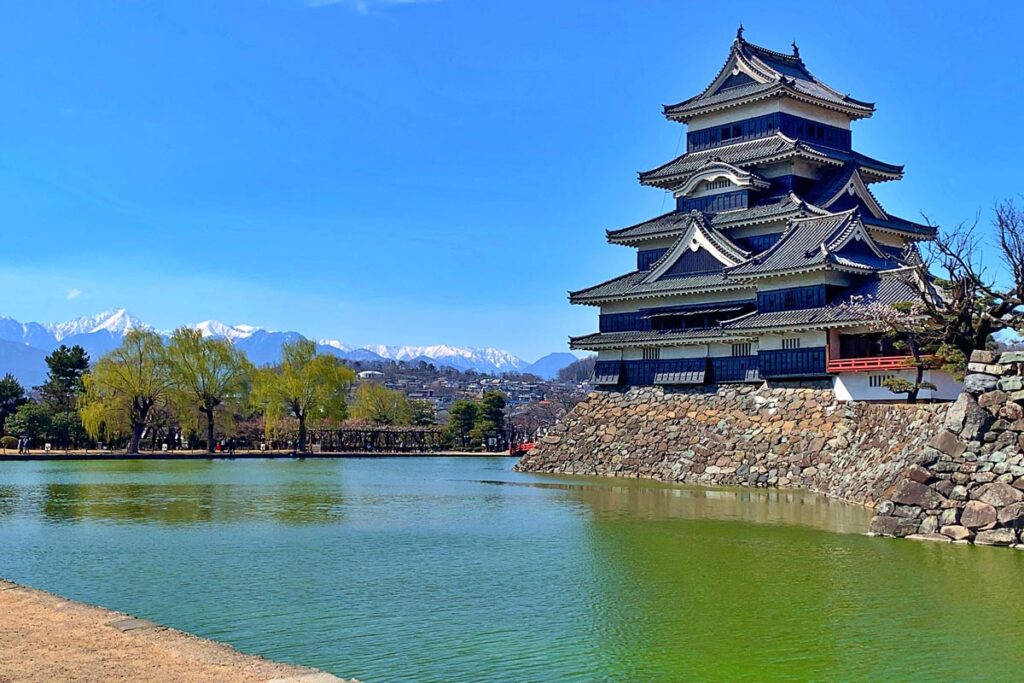
Matsumoto Castle
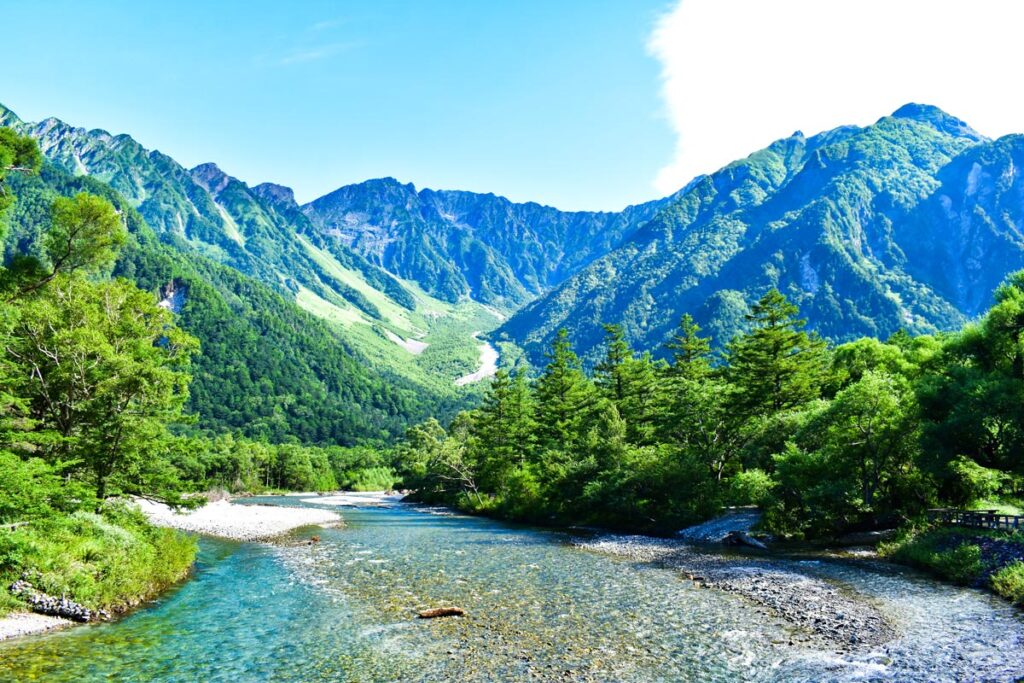
Kamikochi
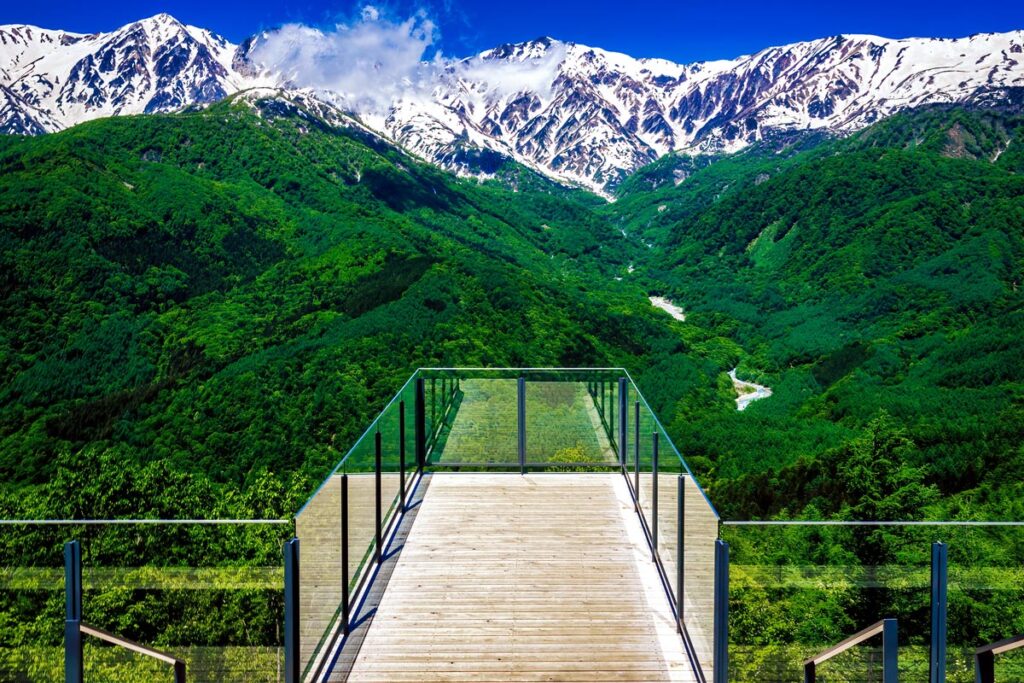
Hakuba Mountain Resort
Zenkō-ji Temple
Karuizawa Town
Top destinations in Chubu/Hokuriku
Gifu
Ishikawa
Aichi