


Nagoya Castle
Nagoya Castle Japan Travel Guide for First-Time Visitors
Photos are for illustrative purposes only.
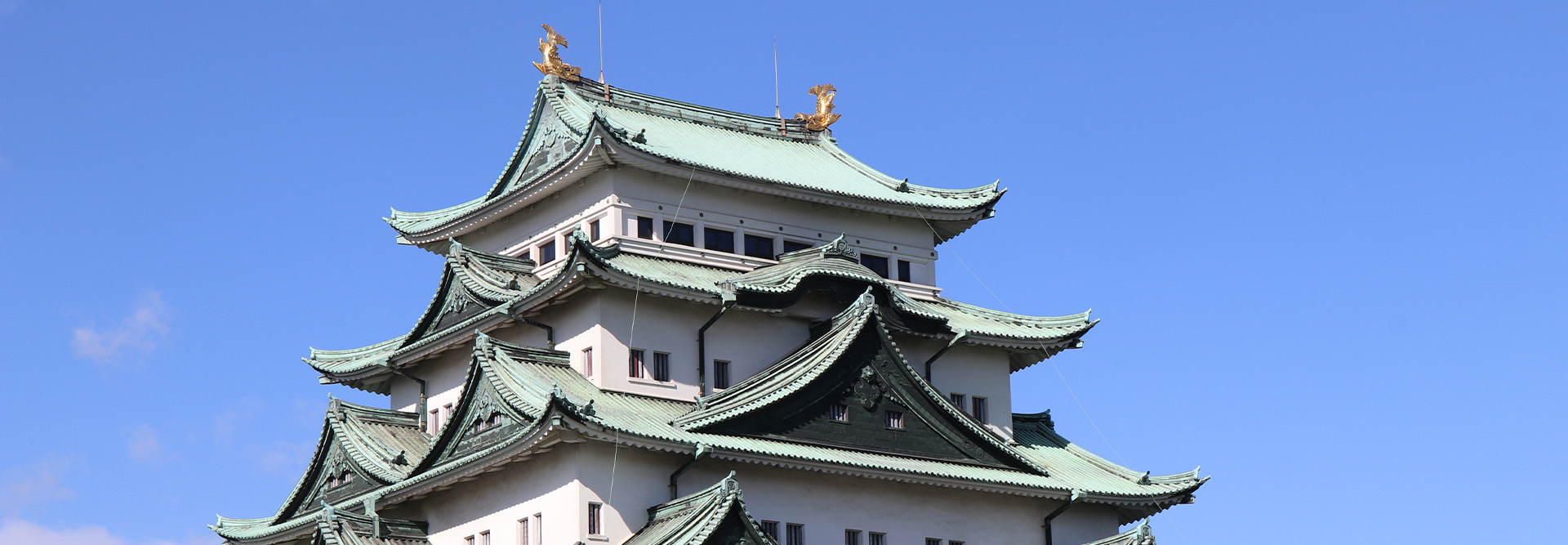
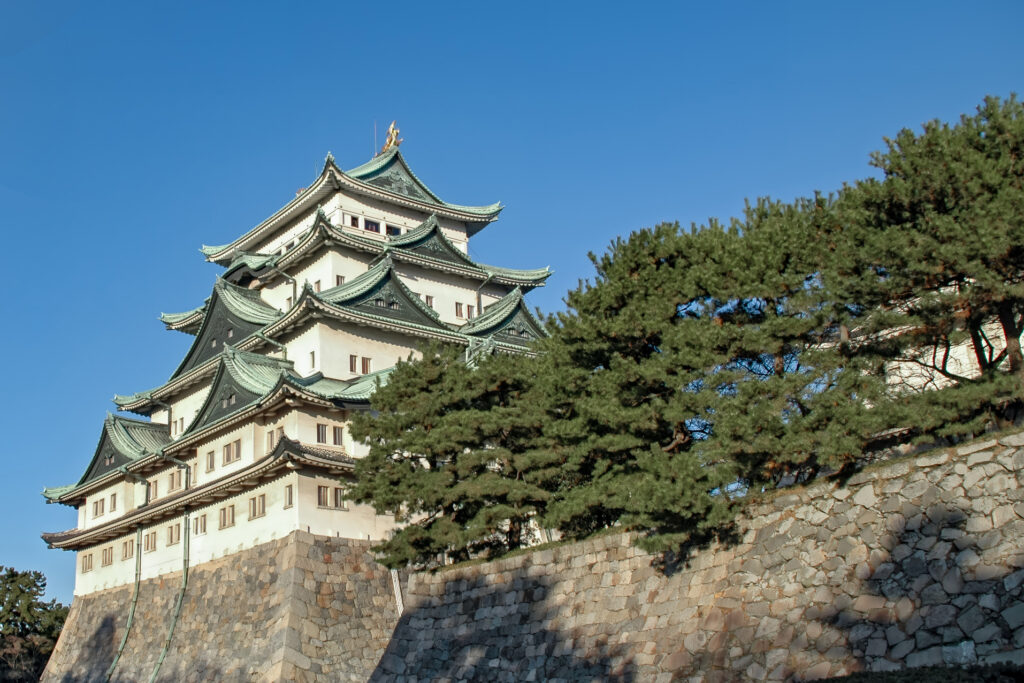
Nagoya Castle is one of central Japan’s most important historical landmarks and a perfect introduction to Japanese castles for first-time visitors. Famous for its golden shachihoko (tiger-headed carp) glittering on the rooftop, this grand fortress combines samurai history, striking architecture, and peaceful gardens right in the heart of modern Nagoya.
Why Visit Nagoya Castle?
Nagoya Castle is often less crowded than the big-name castles in Kyoto or Osaka, yet it offers an equally impressive experience. It is especially attractive for international visitors because it is easy to reach, compact enough for a half-day visit, and full of English-friendly information.
Originally built in the early 17th century under the Tokugawa shogunate, Nagoya Castle once functioned as a strategic stronghold connecting Kyoto and Edo (modern Tokyo). Today, you can walk through beautifully reconstructed palace rooms, admire feudal-era defenses, and enjoy seasonal views of cherry blossoms and autumn leaves – all within a short ride of Nagoya Station, one of Japan’s major Shinkansen hubs.
A Short History of Nagoya Castle
Nagoya Castle was commissioned by Tokugawa Ieyasu, the powerful shogun who unified Japan in the early 1600s. Completed in 1612, it served as the residence of the Owari branch of the Tokugawa family, one of the most prestigious samurai families in the country.
Like many Japanese castles, the original main keep and much of the complex were destroyed by air raids during World War II. However, the castle grounds, moats, earthen walls, and several gates survived. In recent decades, Nagoya has invested heavily in meticulous restoration, especially of the Hommaru Palace, using traditional carpentry techniques, hand-carved joinery, and authentic materials such as Japanese cypress and gold leaf.
For travelers interested in Japanese history, this careful reconstruction is itself a fascinating story. You can see how artisans have revived skills and patterns from the Edo period, preserving cultural heritage for future generations.
Highlights Inside Nagoya Castle
The Iconic Golden Shachihoko
The symbol of Nagoya Castle is the pair of golden shachihoko perched on the main keep’s roof. These mythical creatures have the head of a tiger and the body of a carp. In Japanese castle architecture, shachihoko were believed to protect the building from fire – an ever-present danger in wooden structures.
The original ornaments were lavishly gilded and became a proud emblem of the city. Today, you can see replicas shining high above, and exhibitions within the grounds explain their design, legends, and the gold-crafting techniques used.
Hommaru Palace (Honmaru Goten)
The star of Nagoya Castle for many visitors is the Hommaru Palace, one of the most impressive castle palaces in Japan. Unlike the defensive tower, this palace served as the residential and administrative center for the lord and his retainers.
Step inside and you’ll find:
- Magnificent fusuma-e: Sliding doors painted with tigers, pine trees, and seasonal flowers by artists of the Kano school.
- Gold-leaf interiors: Walls and partitions gleam with gold leaf, creating a luxurious glow that reflected the power of the Tokugawa family.
- Reception halls: Rooms arranged by rank and status, illustrating how hierarchy shaped everyday life in the samurai era.
Visitors walk along wooden corridors in socks or bare feet (you’ll be asked to remove your shoes), which adds to the atmosphere and protects the delicate floors. Interpretive panels and brochures in English explain room functions, artistic motifs, and the restoration process, making it easy for first-time travelers to appreciate the space without prior knowledge of Japanese history.
Castle Keeps and Defensive Structures
While the original main keep was reconstructed in the 20th century and is undergoing ongoing conservation and redevelopment, the overall castle layout is still clear. You can observe:
- Massive stone walls carefully stacked without mortar, demonstrating advanced engineering from the early 1600s.
- Deep moats that once protected the inner compounds and now provide reflective views of the ramparts.
- Turrets and gates such as the Seinan-sumi Yagura and Nishinomaru-enokida Gate, which survived the war and are designated important cultural properties.
Take time to walk the perimeter paths: from certain angles you can really imagine the castle as a functioning fortress, guarded by samurai and poised to control the Tokaido route between Kyoto and Edo.
Gardens and Seasonal Beauty
Nagoya Castle is also a place to enjoy traditional Japanese landscape design and seasonal scenery. Within the grounds you’ll find:
- Cherry blossoms (sakura) in late March to early April, when locals gather for hanami picnics beneath the pink canopy.
- Fresh green foliage in early summer, especially around the moats and smaller garden spaces.
- Autumn leaves in November, with fiery red and golden maples contrasting against the stone walls.
- Plum blossoms in late winter, a quieter but charming time to visit before the main spring crowds.
Benches and open lawns invite you to pause, take photos of the castle silhouetted against the sky, or simply watch local families and school groups enjoying their day out.
Cultural Exhibitions and Experiences
Various halls and exhibition spaces around the site offer a window into samurai-era culture and local crafts. Depending on the season, you might find:
- Armor and weapon displays explaining how samurai prepared for battle.
- Models and dioramas showing how Nagoya Castle and its castle town looked in the Edo period.
- Traditional performances such as taiko drumming or local folk arts during special events.
Check posted schedules or the visitor information center near the entrance to see what is on during your visit. English signage and pictograms are generally clear, making it easy for non-Japanese speakers to navigate.
Practical Visitor Information
Location and Access
Nagoya Castle is conveniently located in central Nagoya, Aichi Prefecture. It is easily accessible from Nagoya Station, a major hub on the Tokaido Shinkansen line between Tokyo, Kyoto, and Osaka.
From Nagoya Station:
- Take the Nagoya City Subway Higashiyama Line to Sakae, then transfer to the Meijo Line and get off at Shiyakusho Station. From Exit 7, it is about a 5-minute walk to the main gate.
- Alternatively, take the Meijo Line directly from Nagoya to Shiyakusho Station if convenient from your accommodation.
Clear signs in English and color-coded subway lines make this route beginner-friendly. IC cards such as Suica, PASMO, and TOICA are accepted on the Nagoya subway, simplifying ticket purchases.
Opening Hours and Tickets
Nagoya Castle is typically open during daylight hours, closing in the late afternoon. The site is generally closed over the New Year holidays and may shut temporarily for maintenance or severe weather. Because hours and fees can change, especially during large restoration projects or special events, it is wise to confirm the latest schedule through official tourism channels before you go.
As a guideline:
- Admission is charged for entry to the castle grounds and Hommaru Palace, with discounted rates for children.
- Payment is usually possible in cash and by common electronic methods used in Japan.
Allow at least 2–3 hours for a relaxed visit including the palace, gardens, and photo spots. History enthusiasts may easily spend half a day wandering the grounds and reading exhibits.
Facilities and Accessibility
Nagoya Castle offers a range of visitor facilities:
- Restrooms in multiple locations, typically clean and well maintained.
- Vending machines providing drinks, and sometimes small snack shops.
- Souvenir shops selling local products, castle-themed goods, and sweets featuring the golden shachihoko.
- Information counters where you can pick up maps and pamphlets, often with English versions.
The grounds feature some paved paths and ramps, but there are also stone steps and uneven surfaces typical of historical sites. For visitors with mobility concerns, focusing on the lower grounds, gardens, and accessible palace areas may be more comfortable.
When to Visit Nagoya Castle
Best Seasons
Each season offers a different atmosphere:
- Spring (March–April): Cherry blossoms draw crowds, but the views of the castle surrounded by pink flowers are unforgettable. Arrive early in the morning to avoid peak hanami groups.
- Early Summer (May–June): Lush greenery, longer days, and generally mild temperatures. Afternoon visits can be pleasant, though rainfall increases in June.
- Autumn (October–November): Comfortable weather and colorful foliage around the moat and gardens. This is an excellent season for photography.
- Winter (December–February): Quiet, with a chance of light snow adding a dramatic contrast to the stone walls. Bundle up, as the open grounds can feel chilly.
Time of Day
Morning is usually the most comfortable time, especially in summer. Mornings also give you more space in the Hommaru Palace and better chances for photos without large crowds.
Afternoons can work well if you are combining Nagoya Castle with other city attractions, but keep closing time in mind; last entries are typically well before sunset.
Cultural Etiquette and Tips for First-Time Visitors
Visiting Nagoya Castle is not just about sightseeing; it is also an opportunity to experience Japanese customs and behavior in public spaces. A few simple guidelines will help you feel at ease.
Shoes and Indoor Manners
At the Hommaru Palace and possibly other indoor exhibits, you will be asked to remove your shoes. Shoe racks or plastic bags are usually provided. Wear socks without holes and choose shoes that are easy to take on and off. Walking quietly and not running helps preserve the calm atmosphere and protects the polished wooden floors.
Photography
Photography is generally allowed in the outdoor areas and many indoor spaces, but some rooms or artworks may prohibit flash or photography entirely. Watch for signs and follow staff instructions. When taking photos, avoid blocking passages or disturbing other visitors, especially in narrow corridors.
Respecting the Site
Nagoya Castle is both a tourist attraction and a place of historical and cultural importance. Do not climb on stone walls, lean over unsafe barriers, or touch artwork and painted screens. Dispose of rubbish properly; trash bins may be limited, so carrying a small bag for your own trash is helpful in Japan.
Language and Information
Staff may speak limited English, but clear signage, maps, and multilingual panels make the castle manageable for first-time visitors. Learning a few basic Japanese phrases such as “arigatou gozaimasu” (thank you) or “sumimasen” (excuse me) is appreciated, but not required.
Suggested Itineraries: Making the Most of Your Day
Half-Day Visit
For travelers with limited time in Nagoya, a half-day at the castle is ideal. A simple plan:
- Arrive at Nagoya Castle in the morning.
- Explore the outer grounds and photo spots around the moat.
- Tour the Hommaru Palace and read the English explanations of each room.
- Relax in the garden areas, grab a drink from a vending machine, and browse the souvenir shop.
- Return to the city center for lunch, perhaps in the Sakae or Nagoya Station area.
Full Day in Nagoya
If you have a full day in Nagoya, you can combine the castle with nearby attractions. For example:
- Morning at Nagoya Castle.
- Lunch featuring local specialties such as miso katsu (pork cutlet with rich miso sauce) or hitsumabushi (grilled eel over rice).
- Afternoon at one of Nagoya’s other major sites, such as a science museum, a shrine, or a shopping district.
This balance allows you to experience both historical and modern sides of the city.
Is Nagoya Castle Worth Visiting?
For first-time visitors to Japan, Nagoya Castle offers a rewarding blend of history, architecture, and everyday local life. It is less overwhelming than some of the country’s larger castle complexes yet rich enough to give you a clear sense of samurai culture and feudal politics.
Its convenient location near a major Shinkansen stop makes it perfect as a stopover between Tokyo and Kyoto or as a base to explore central Japan. Whether you are drawn by the golden shachihoko, the shimmering palace interiors, or the chance to wander peaceful moats and gardens, Nagoya Castle provides an accessible and memorable window into Japan’s past.
Plan a few hours into your itinerary, bring your curiosity, and let the stone walls, painted screens, and seasonal scenery tell the story of centuries of Japanese history in the heart of modern Nagoya.

Photos are for illustrative purposes only.
Access Map
Recommended spots in Aichi
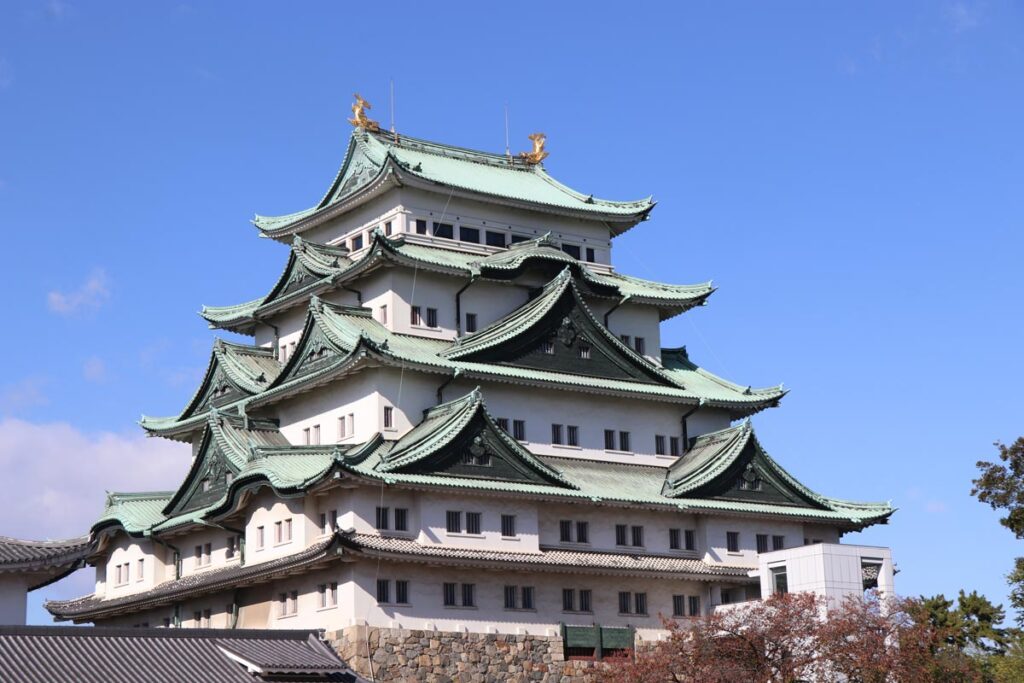
Nagoya Castle
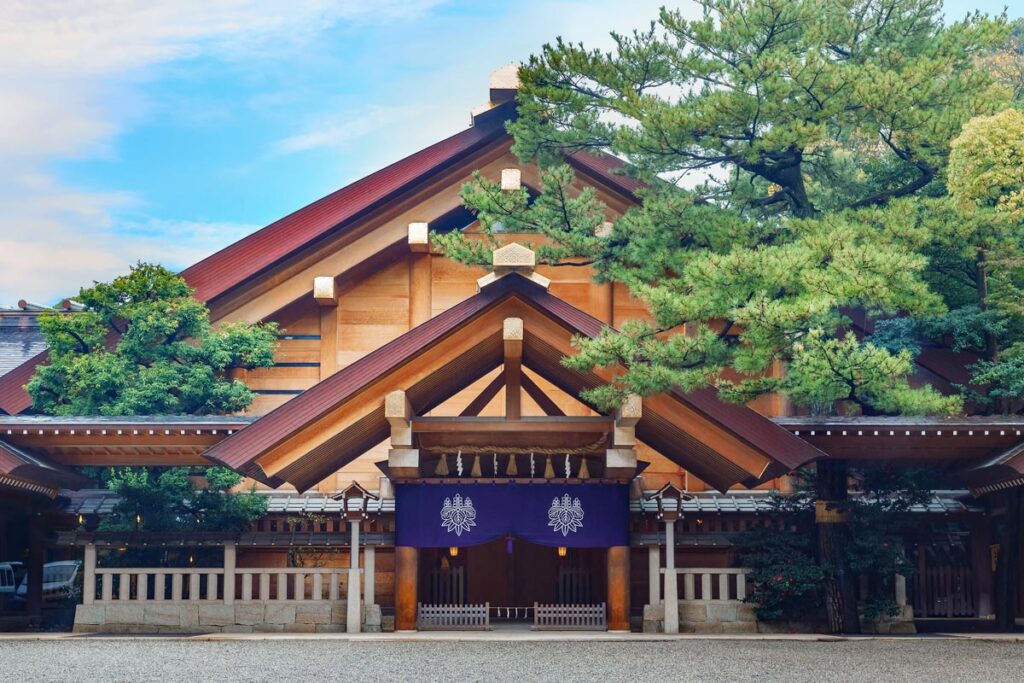
Atsuta Shrine
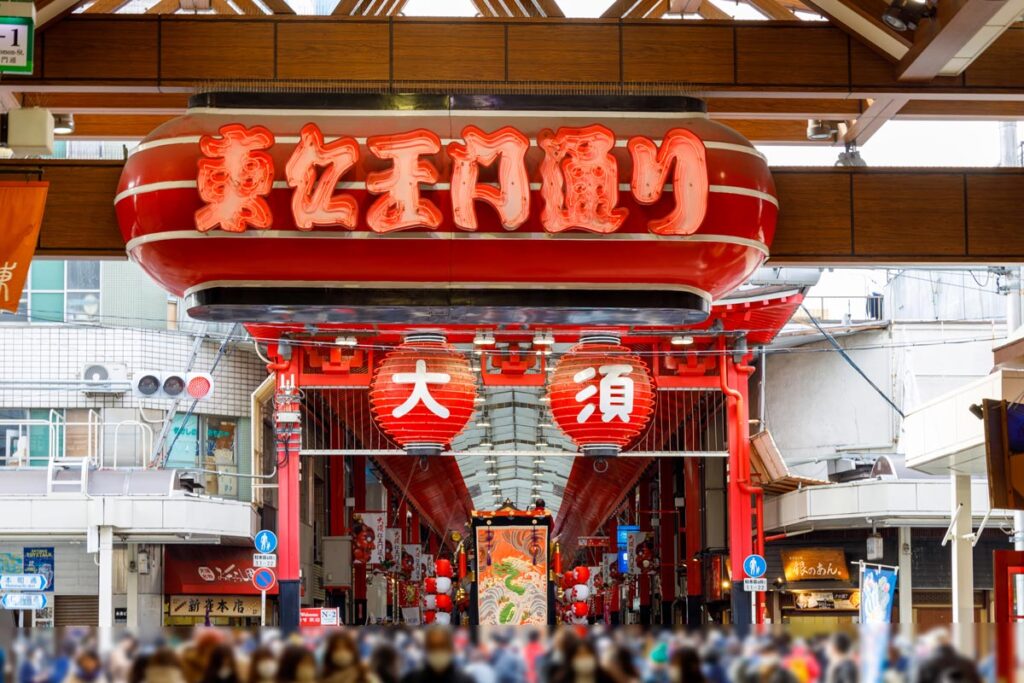
Ōsu Shopping Street
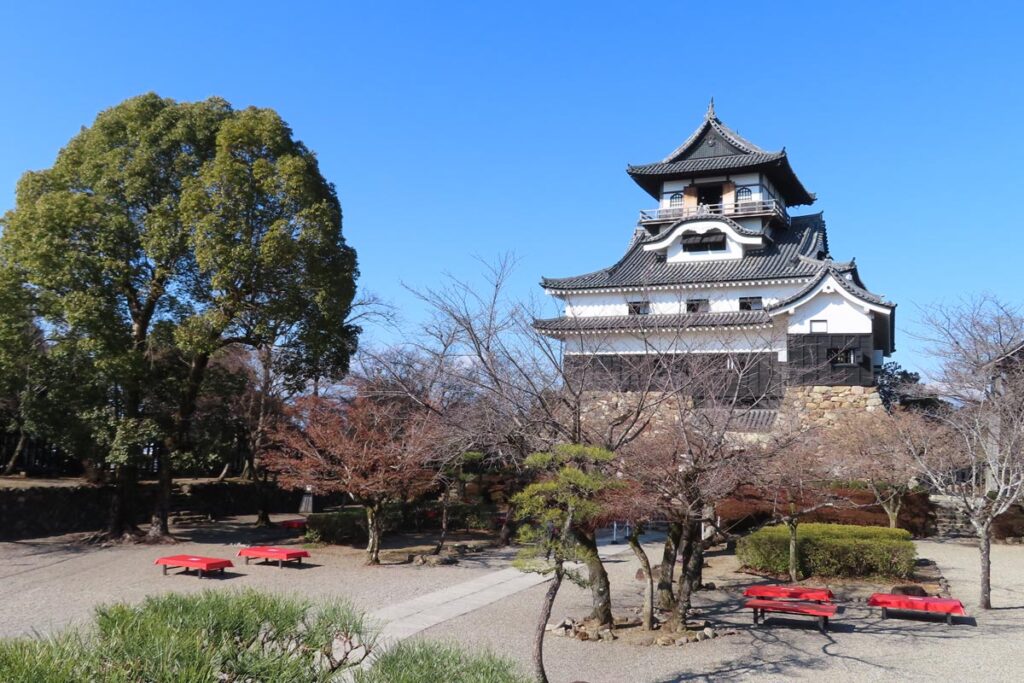
Inuyama Castle
Top destinations in Chubu/Hokuriku
Gifu
Ishikawa
Nagano