

Ōsu Shopping Street
Ōsu Shopping Street: A Lively Slice of Old and New Japan in Nagoya
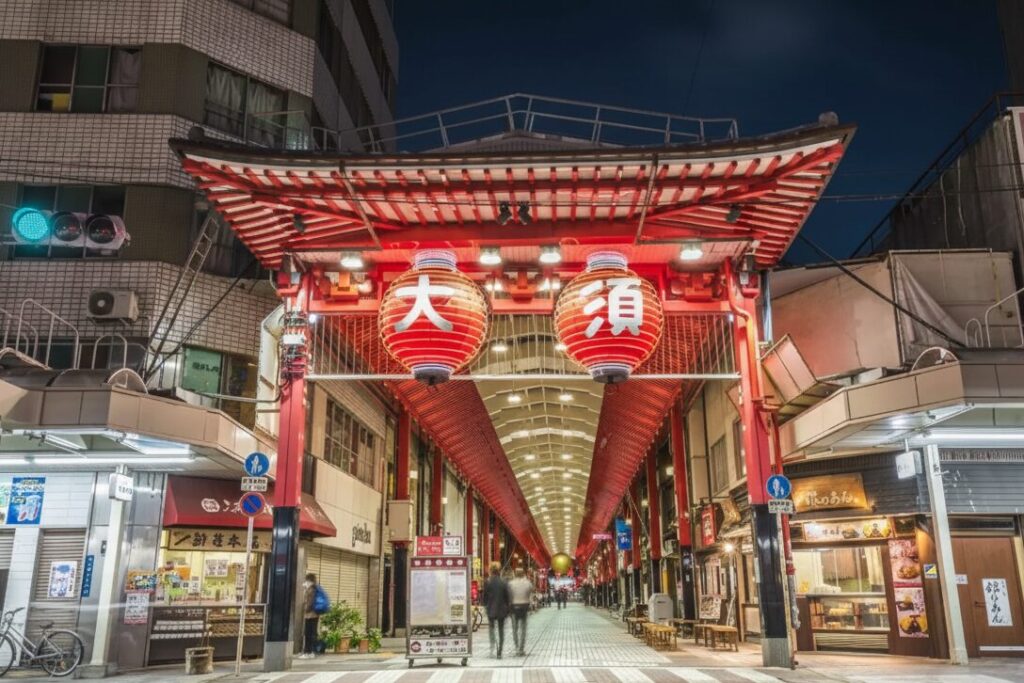
Photos are for illustrative purposes only.
Hidden between office towers and modern boulevards in central Nagoya, Ōsu Shopping Street offers a wonderfully walkable introduction to everyday Japan. Covered arcades, local shrines and temples, vintage kimono racks, anime merch, and sizzling street food stalls all crowd into a compact, easily explored neighborhood. For first-time visitors to Japan, Ōsu is an ideal place to experience local life without feeling overwhelmed.
What Is Ōsu Shopping Street?
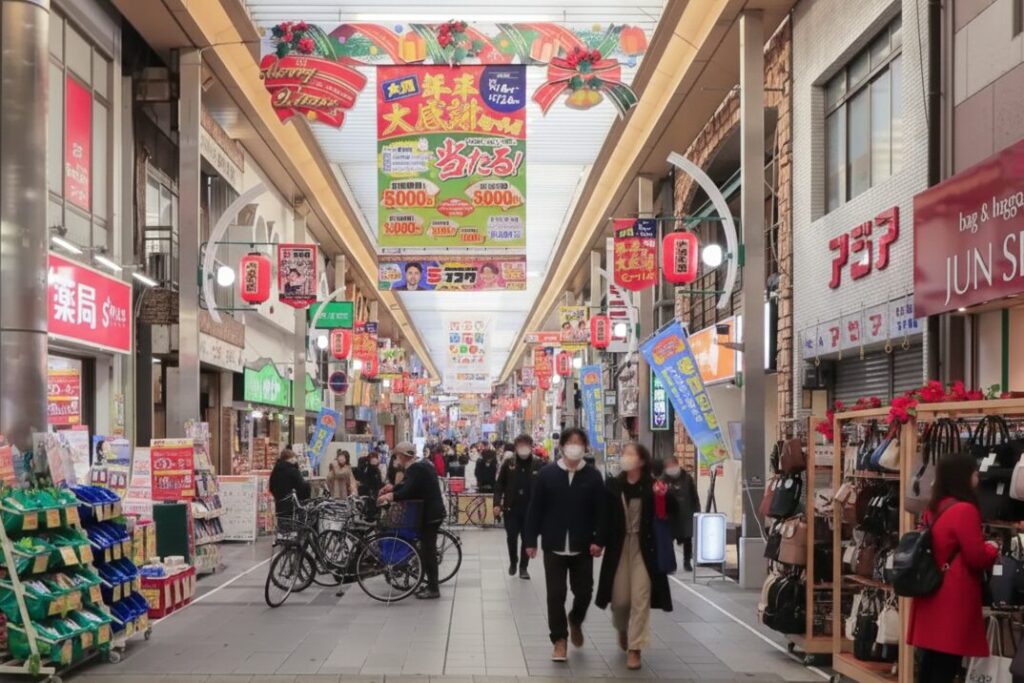
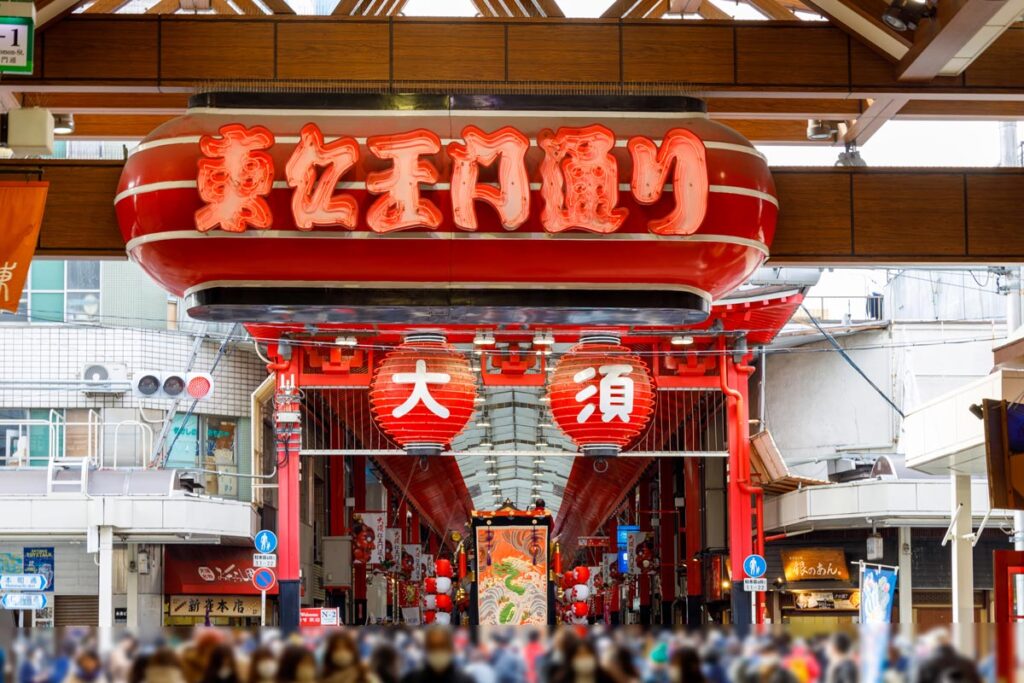
Ōsu Shopping Street is not just one street but a whole network of covered arcades and side lanes stretching south of central Nagoya. With around 1,000 small businesses tightly packed into several interconnected shotengai (traditional shopping arcades), it feels like a city within a city. You’ll find secondhand shops next to maid cafés, Buddhist altars beside sneaker boutiques, and temple grounds just a few steps away from game centers.
Unlike some purely tourist-focused districts, Ōsu is still very much used by locals. Students stop by after school, families come on weekends, and older residents shop at long-established specialty stores. That mix of visitors and locals creates a relaxed atmosphere, even when the arcades are busy.
Where Ōsu Fits Into Your Japan Itinerary
Most first-time visitors to Japan spend time in Tokyo, Kyoto, and Osaka. Nagoya is often overlooked, but it sits conveniently on the bullet train line between Tokyo and Kyoto. Ōsu Shopping Street is one of Nagoya’s most accessible districts, making it an easy half-day stop as you travel between larger destinations.
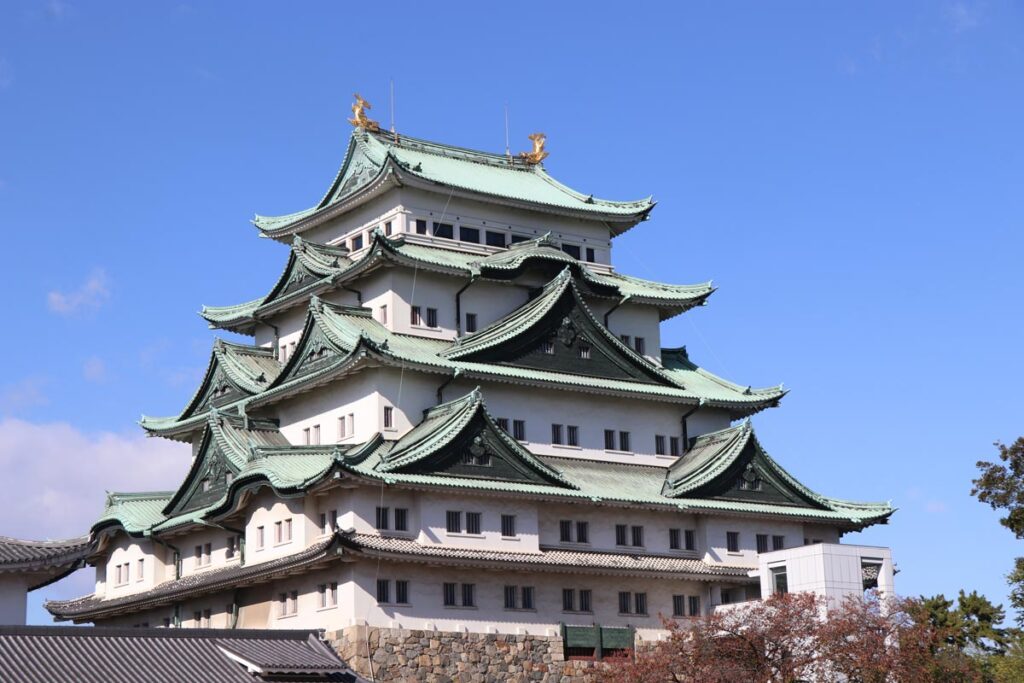
From Nagoya Station, Ōsu is only a short subway ride away. Many visitors combine it with nearby sights like Nagoya Castle or Sakae, the city’s downtown shopping and entertainment district. If you’re curious about everyday Japanese shopping streets but don’t want to venture far off the main tourist route, Ōsu is a perfect choice.
Highlights of Ōsu Shopping Street
Ōsu Kannon Temple: The Heart of the District
At the western end of the shopping arcades stands Ōsu Kannon, a large Buddhist temple with an eye-catching vermilion main hall. The temple was moved to this location in the early 17th century by Tokugawa Ieyasu, the powerful shogun who founded Nagoya Castle. Today, the broad staircase, fluttering banners, and flocks of pigeons make it a lively gathering spot.
Inside, the temple enshrines a statue of Kannon, the Buddhist deity of compassion. You’ll often see visitors clapping, bowing, and offering a brief prayer before heading into the arcades. The grounds also host events and flea markets, usually on the 18th and 28th of each month, when dozens of stalls sell antiques, old coins, retro toys, and kimono pieces.
Bansho-ji: Lanterns and Local History
East of Ōsu Kannon, tucked among the shops, stands Bansho-ji, another historically important temple. Though more compact than Ōsu Kannon, it has a wonderfully atmospheric display of lanterns and statues near the entrance. The temple is linked to the Oda clan, the family of famed warlord Oda Nobunaga, whose legacy is intertwined with Nagoya’s history.
Because Bansho-ji is less crowded, it’s a peaceful spot to pause, wash your hands at the purification fountain, and listen to the sounds of the arcades just beyond the temple gate.
Retro, Vintage, and Secondhand Treasure Hunting
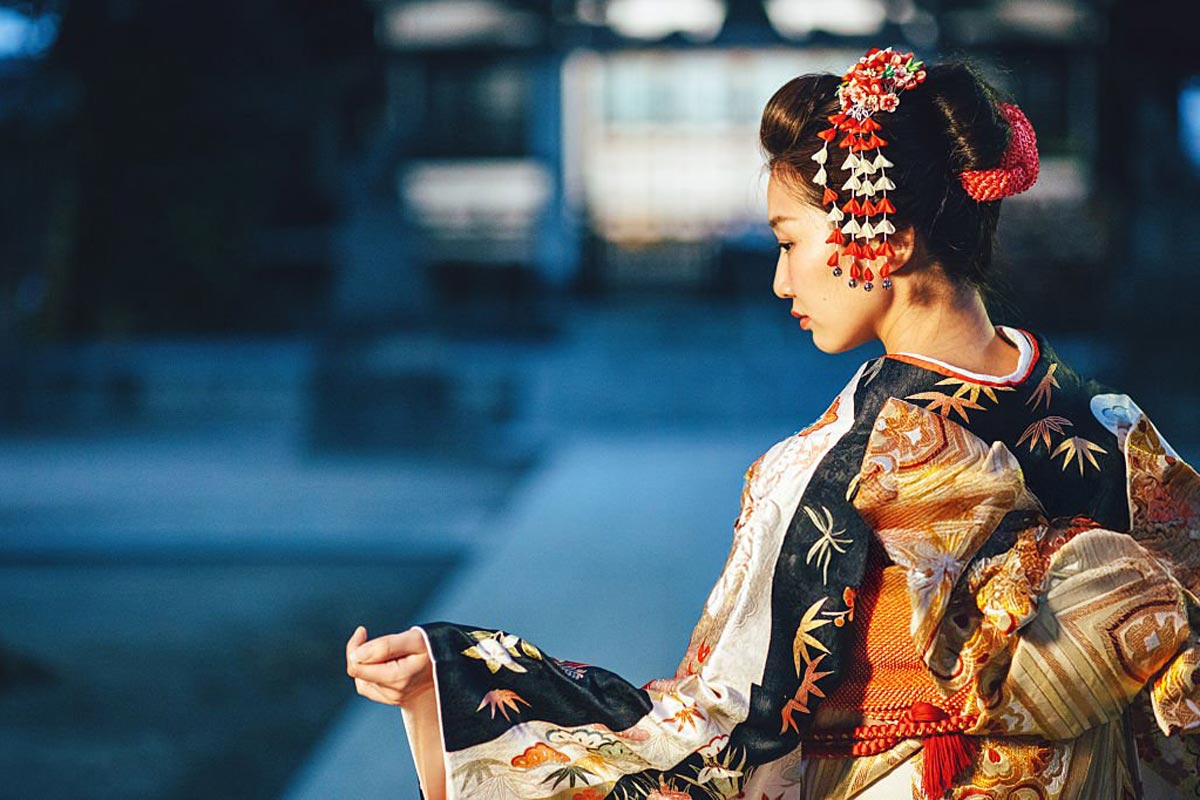
Ōsu is one of Nagoya’s best areas for secondhand shopping. You’ll find several stores dedicated to used kimono and yukata, often at surprisingly affordable prices compared with tourist shops in Kyoto. Even if you don’t plan to dress in traditional clothing, browsing the colorful fabrics and obi belts is a visual treat.
Vintage clothing stores sell everything from 80s denim jackets to band T-shirts, while other shops specialize in pre-loved designer bags, accessories, and watches. Because many Japanese people take meticulous care of their belongings, the condition of secondhand goods is typically excellent.
Anime, Games, and Otaku Culture
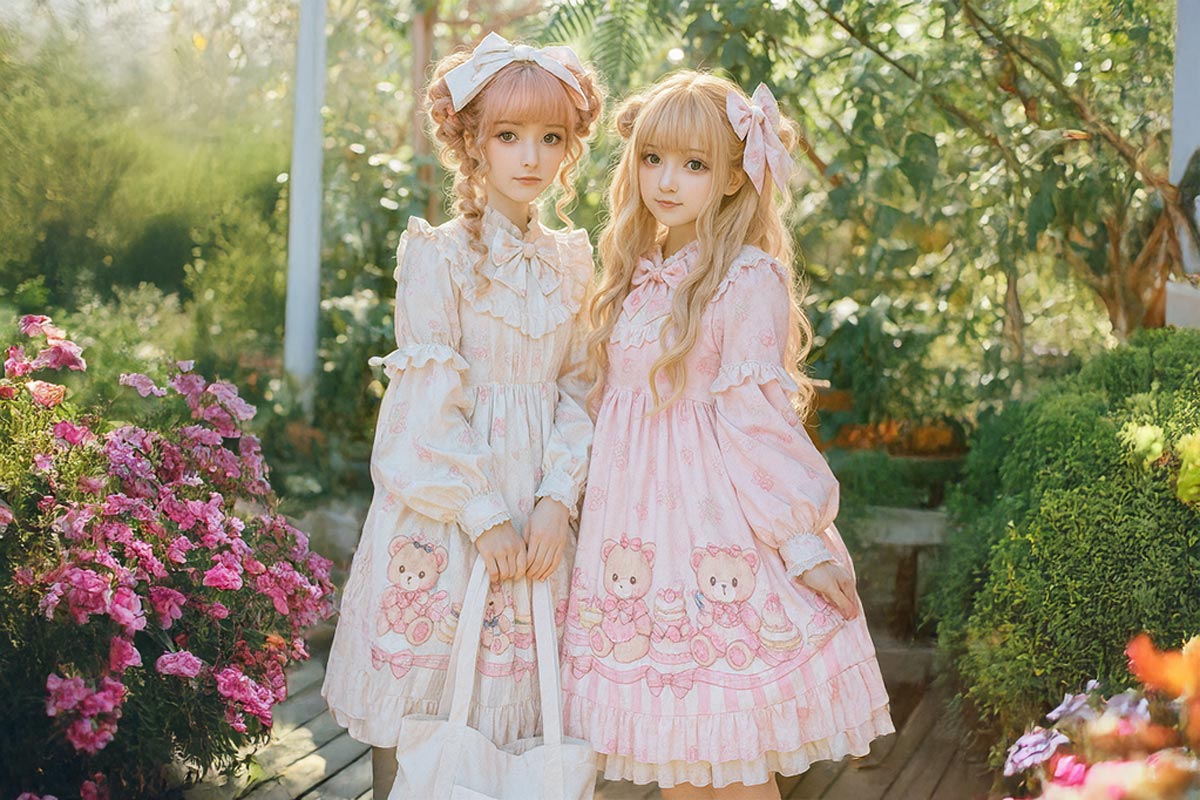
Ōsu is also a hub for otaku culture in Nagoya. Fans of anime, manga, and games will recognize the style of shops similar to those found in Tokyo’s Akihabara or Osaka’s Nipponbashi. Expect stores stacked with character figures, trading cards, model kits, cosplay items, and shelves of manga.
Game centers and capsule toy machines (gacha-gacha) are plentiful. Even if you’re not deeply into anime, it’s fun to wander through these shops, where the displays are as much a part of the experience as the products. The concentration of specialist stores makes Ōsu an easy place to pick up gifts for friends who love Japanese pop culture.
Street Food and Local Snacks
Part of the joy of exploring Ōsu is simply following your nose. Food stands and tiny eateries are wedged between clothing boutiques and electronics stores. You’ll often see people walking with a snack in hand: skewers of grilled chicken, croquettes, or sweet treats.
Nagoya is known for its distinctive local dishes, and some of them appear in smaller, street-friendly forms in Ōsu. Watch for:
- Miso katsu: pork cutlet with a rich, red miso-based sauce
- Tebasaki: sweet-and-spicy chicken wings
- Taiyaki: fish-shaped cakes filled with red bean paste or custard
- Kakigōri in summer: shaved ice piled high with flavored syrup
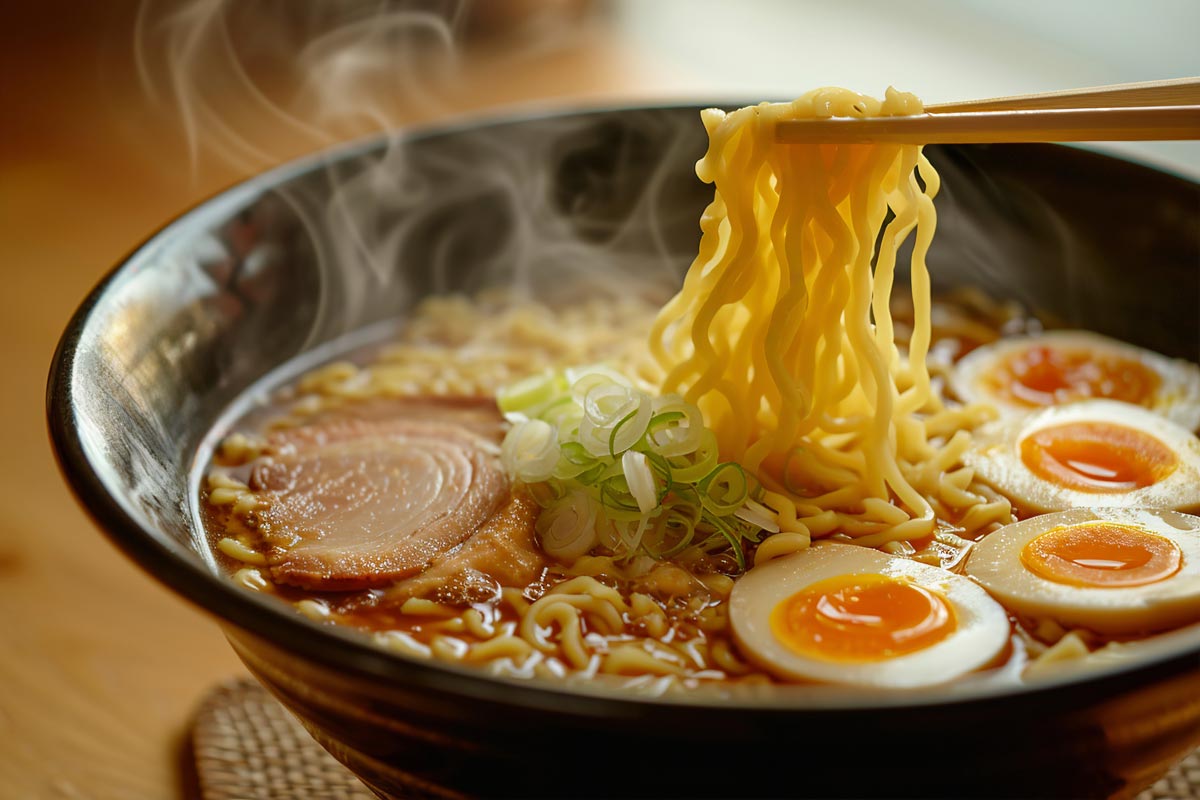
If you prefer to sit down, there are casual restaurants serving ramen, curry rice, udon, and set meals. Because Ōsu caters to locals, many places offer good value, and English menus are increasingly common near the main paths.
Planning Your Visit
How to Get to Ōsu Shopping Street
Ōsu is located just south of Nagoya’s central districts and is well connected by subway:
- From Nagoya Station: Take the Higashiyama Line to Fushimi, then transfer to the Tsurumai Line for Ōsu Kannon Station. From there, follow the signs to the temple and arcades (about 5–10 minutes total).
- From Sakae: Take the Meijō Line to Kamimaezu Station. The eastern side of Ōsu is a short walk from the station.
You can start your exploration at either Ōsu Kannon Station (west side) or Kamimaezu Station (east side) and wander through the arcades in between.
Opening Hours and Best Time to Go
Because Ōsu is made up of many different shops, there is no single opening time. However, a few patterns are useful for visitors:
- Most shops open around 10:00–11:00 in the morning.
- Evenings are lively, especially on weekends, but many stores begin closing around 19:00–20:00.
- Weekdays offer a calmer experience; weekends are busier and feel more festive.
To see the arcades at their liveliest but still have room to move, aim for late morning or early afternoon. If you are sensitive to crowds, avoid public holidays and major festival days.
Seasonal Events and Festivals
Ōsu hosts several events throughout the year, which can add extra color to your visit:
- Flea markets at Ōsu Kannon, usually on the 18th and 28th of each month, with antique dealers, old kimono, ceramics, and curios.
- Ōsu Summer Festivals, often including samba parades, live performances, and processions through the streets.
- Various cosplay and anime-related events, when the area fills with costumed fans taking photos amid the arcades.
If your dates are flexible, checking local event schedules before your trip can help you time your visit for a more festive atmosphere.
What to Do in Ōsu: Suggested Route for First-Timers
1. Start at Ōsu Kannon
Begin your visit at Ōsu Kannon Station and walk directly to the temple. Take a few minutes to cross the main courtyard, climb the stairs, and observe how visitors pray. You can ring the bell, bow, clap, and make a small offering if you wish, following the example of others.
2. Enter the Covered Arcades
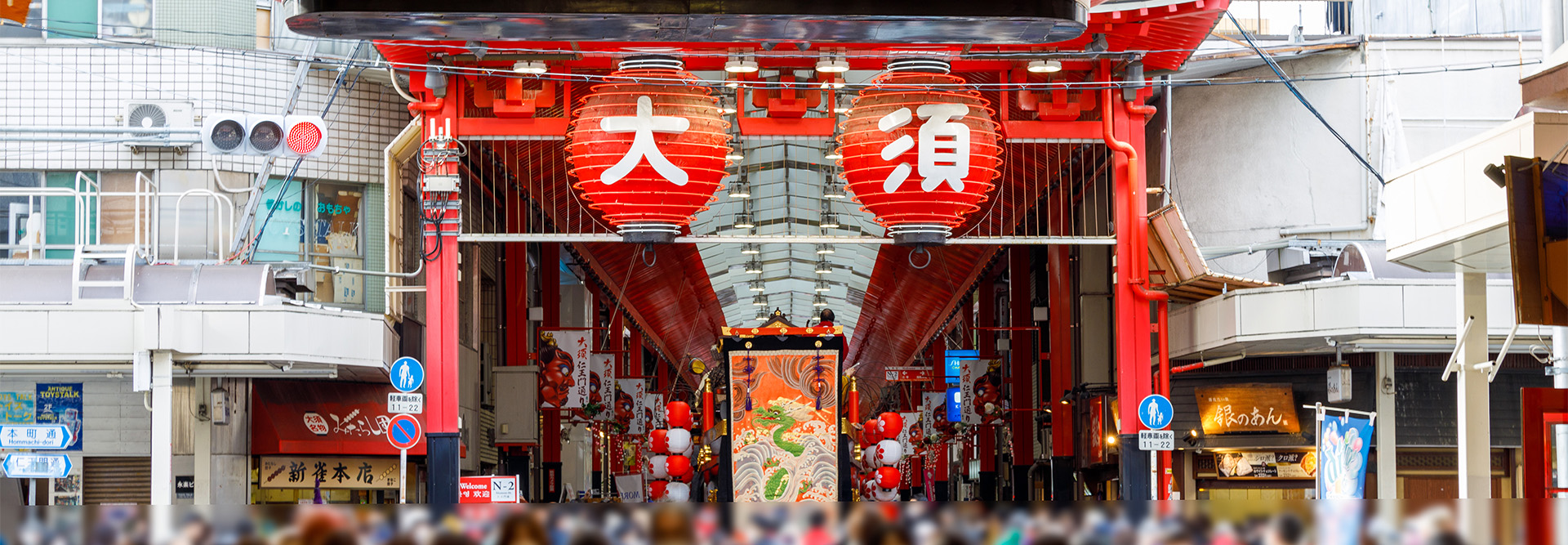
From the temple gate, you’ll see the entrance to one of the covered shopping streets. Step inside and start strolling. The environment quickly shifts from spiritual to commercial: paper lanterns hang above clothing displays, and food aromas drift along the walkway.
Don’t rush. The appeal of Ōsu is in the details: handwritten signs, quirky shopfronts, and the steady rhythm of people browsing. Because the streets are covered, you can enjoy this part of Nagoya even in rainy or very sunny weather.
3. Explore Side Alleys and Hidden Corners
Many of Ōsu’s most memorable finds are not on the main route. Dip into side alleys when you spot something interesting: a record shop, a tiny café with only a few seats, or a small shrine half-hidden behind a row of vending machines. These short diversions usually loop back into the main arcades, so it’s hard to get truly lost.
4. Pause at Bansho-ji Temple
As you make your way east, look for the gate of Bansho-ji. Step inside the temple grounds to enjoy a short break from the bustle. The contrast between quiet temple spaces and bright, noisy shopping streets is one of the most distinctive aspects of Japanese urban life, and Ōsu showcases it beautifully.
5. Finish Near Kamimaezu
By the time you reach the eastern end of the district, you’ll be close to Kamimaezu Station. This is a convenient place to rest at a café, sort through your shopping finds, and plan your next move—whether that’s returning to your hotel, heading to Nagoya Castle, or exploring Sakae.
Cultural Tips for Visiting Ōsu
Temple Etiquette
Ōsu’s temples are active religious sites, not just tourist attractions. Basic manners are simple:
- Keep your voice low on temple grounds.
- Watch how locals behave at the purification font and main hall, and follow gently if you’d like to participate.
- Avoid eating and drinking directly in front of the main worship area.
- Photography is usually allowed outside, but watch for signs indicating any restricted areas.
Shopping and Payment
Most shops in Ōsu are small, independent businesses. Cash is still widely used, though credit cards and digital payment are becoming more common. It’s wise to carry some yen, especially if you plan to buy from food stalls or older shops.
Prices are typically fixed, and bargaining is not part of everyday shopping culture. Staff may be shy about speaking English but are generally friendly and patient. Simple phrases like “arigatō” (thank you) and “sumimasen” (excuse me / sorry) go a long way.
Eating on the Go
In many parts of Japan, it’s considered poor manners to walk while eating. Ōsu is a little more relaxed because of its street food culture, but it’s still better to stand near the stall or move to a quiet corner to finish your snack before continuing. Dispose of rubbish at the stall that sold your food or in designated bins, which can be scarce.
Why Ōsu Belongs on Your First Trip to Japan
For first-time travelers, Japan can seem both dazzling and intimidating. Huge stations, unfamiliar signs, and cultural differences may feel overwhelming. Ōsu Shopping Street softens that feeling. Everything is on a human scale: covered walkways, friendly shopfronts, and plenty of places to pause.
Within a few compact blocks, you can experience many faces of urban Japan: Buddhist temples, family-run shops, youth fashion, anime culture, and comforting bowls of noodles. It’s easy to reach, easy to navigate, and rewards slow, curious exploration.
Whether you come for vintage kimono, anime figures, temple photography, or just to wander with a snack in hand, Ōsu offers a memorable, approachable window into Japanese city life—and a very good reason to include Nagoya in your Japan itinerary.

Access Map
Recommended spots in Aichi
Nagoya Castle
Atsuta Shrine
Ōsu Shopping Street
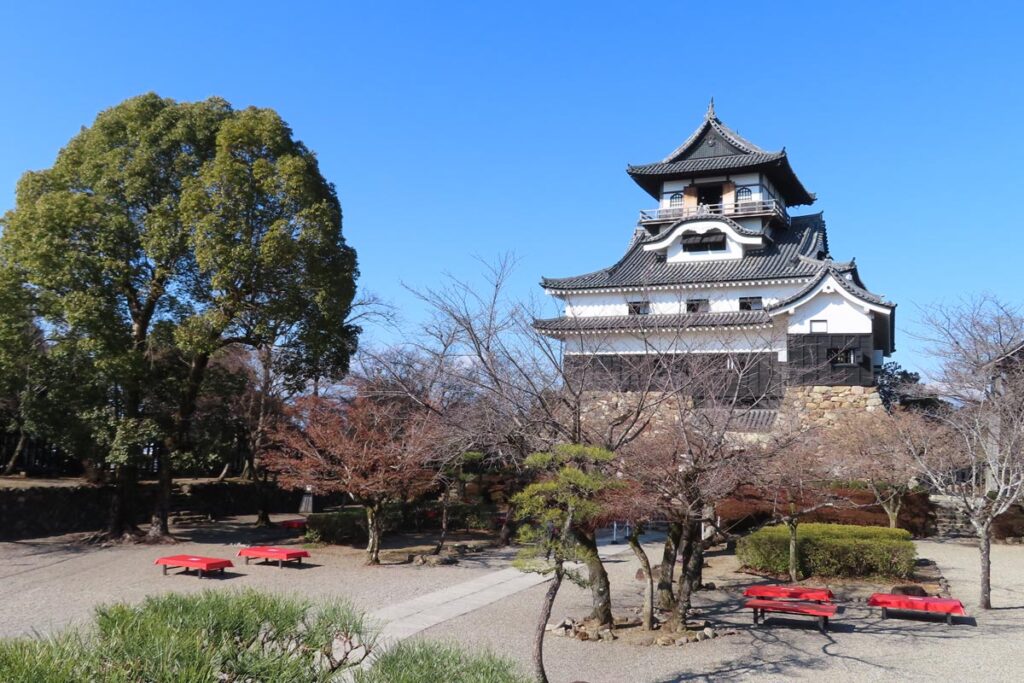
Inuyama Castle
Top destinations in Chubu/Hokuriku
Gifu
Ishikawa
Nagano