


Shizuoka
Shizuoka Travel Guide for First-Time Visitors to Japan
Photos are for illustrative purposes only.
Shizuoka is the Japan many travelers dream about but often overlook. Stretching along the Pacific coast between Tokyo and Nagoya, this quietly beautiful prefecture offers sweeping views of Mount Fuji, rolling green tea fields, onsen hot springs, white-sand beaches and historic castle towns. For first-time visitors, Shizuoka is an ideal place to experience Japan’s nature, food culture and everyday life without the crowds of the biggest cities.
Located on the Tokaido Shinkansen line, Shizuoka is easy to visit as a day trip from Tokyo, or as a relaxing stop between eastern and western Japan. This guide covers the main areas, what to see and do, seasonal highlights, and practical tips to help you plan your first visit.
Why Visit Shizuoka?
Shizuoka often lives in the shadow of its famous neighbors, but it quietly combines many of Japan’s best experiences in one region:
- Iconic Mount Fuji views from coastlines, tea fields and mountain lookouts
- Japan’s green tea heartland, with plantations you can visit and tastings to try
- Onsen towns like Atami and Ito facing the Pacific Ocean
- Historic sites linked to shoguns, samurai and the Tokaido highway
- Fresh seafood and local specialties including Shizuoka-style oden and sakura shrimp
- Slower pace and fewer crowds than major city hotspots
Because Shizuoka is spread out along the coast, think of it as a collection of easy-to-reach areas rather than a single city. Most travelers use the shinkansen or local trains to explore different zones: the main city of Shizuoka, the Izu Peninsula, Fuji and the eastern coast around Atami.
How to Get to Shizuoka
From Tokyo and Osaka
Shizuoka is on the Tokaido Shinkansen line that connects Tokyo, Nagoya, Kyoto and Osaka. This makes it very convenient for first-time visitors using a Japan Rail Pass.
- Tokyo to Shizuoka Station: around 1–1.5 hours by Hikari or Kodama shinkansen
- Tokyo to Atami (gateway to Izu): around 40–50 minutes by shinkansen
- Osaka to Shizuoka Station: around 2.5–3 hours by Hikari or Kodama
Many trains stop at the stations that matter to travelers: Atami, Mishima (for eastern Shizuoka and Izu), Shizuoka (central), and Hamamatsu (western). When booking seats, check that your train stops at the station you need.
Getting Around Shizuoka
Within Shizuoka, you can use:
- JR local and limited express trains along the coast and to cities like Shizuoka and Hamamatsu
- Private railways such as the Izuhakone Railway and Izu Kyuko Line around the Izu Peninsula
- Buses to reach onsen towns, scenic spots and rural areas
- Rental cars (especially helpful for deeper Izu and mountain areas, but not essential for main tourist routes)
For a first visit, it is easy to see key highlights with trains and occasional buses, especially if you focus on two or three areas.
Main Areas of Shizuoka for First-Time Visitors
Shizuoka City: Everyday Life with a View of Fuji
Shizuoka City, the prefectural capital, has a relaxed atmosphere, good food and several historic sites. On clear days you can glimpse Mount Fuji from the city and nearby coast.
Key places to see include:
- Sumpu Castle Park: The site of the castle where Tokugawa Ieyasu, the first Tokugawa shogun, spent his retirement. Today it’s a pleasant park with reconstructed buildings and cherry blossoms in spring.
- Shizuoka Sengen Shrine: A colorful Shinto shrine complex connected to the Tokugawa family, with intricate carvings and a quiet, old-town atmosphere.
- Shizuoka Oden Yokocho: Narrow alleys packed with small counter-style eateries serving local-style oden, a comforting stew of skewered ingredients simmered in a rich broth.
Shizuoka City is a good base if you want a non-touristy, local city experience with easy access to tea plantations and coastal viewpoints.
Mount Fuji and Eastern Shizuoka
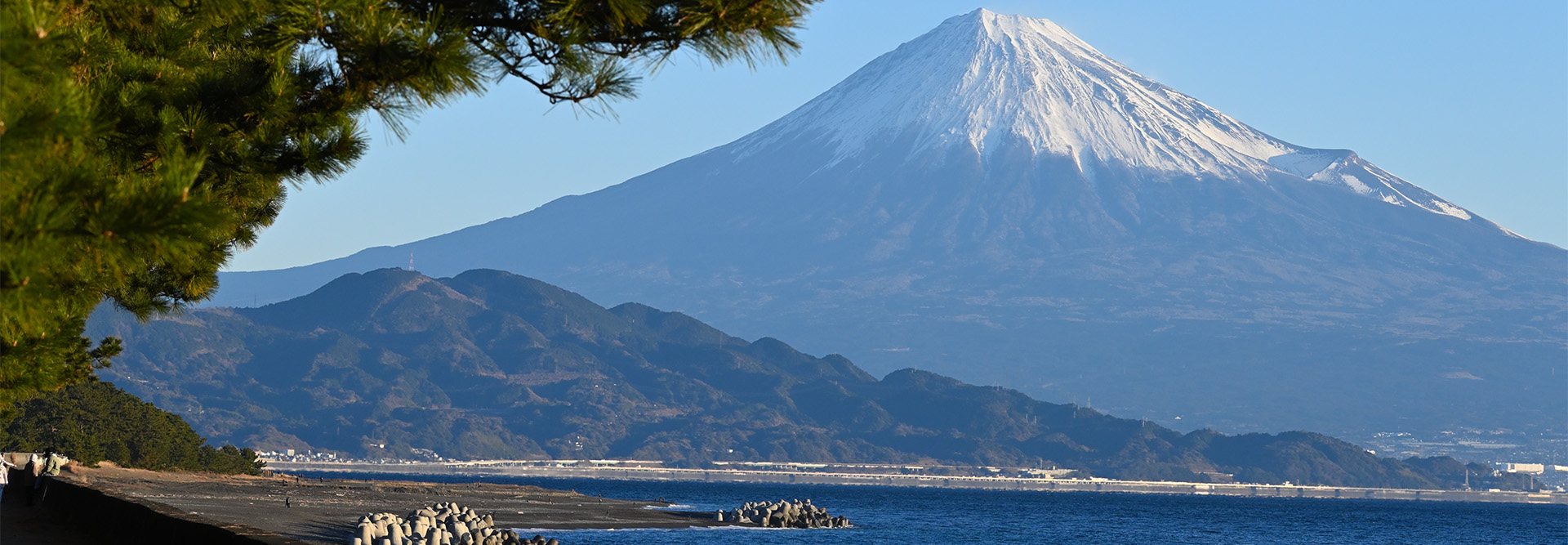
While many travelers head to Yamanashi for Fuji’s lakes, eastern Shizuoka offers equally dramatic views of Mount Fuji, often rising behind the sea or tea fields.
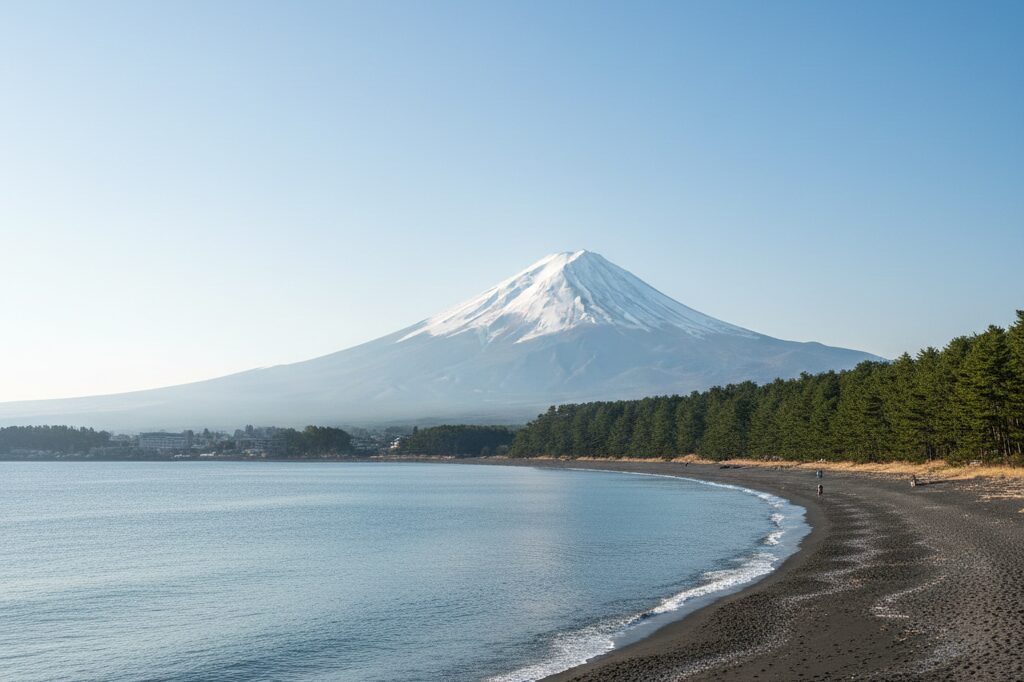
- Mihono Matsubara: A scenic pine grove along the coast, famous for its black sand beach and classic views of Mount Fuji across Suruga Bay. On clear days the snow-capped peak behind green pines and dark shore feels like a Japanese painting come to life.
- Nihondaira: A panoramic plateau accessible by bus or ropeway, with sweeping views of Fuji, the bay and Shimizu Port. From here, a ropeway crosses to Kunozan Toshogu Shrine.
- Kunozan Toshogu Shrine: The lavish burial place of Tokugawa Ieyasu, decorated in vivid reds and golds, surrounded by dense forest. It’s one of the most historically important shrines in Japan.
For first-time visitors, pairing a morning at Nihondaira and Kunozan Toshogu with an afternoon at Mihono Matsubara creates a full day of history and Fuji views.
Izu Peninsula: Onsen, Coastlines and Slow Travel
The Izu Peninsula, in eastern Shizuoka, is a long-standing resort area known for its hot springs, rugged coastline and mild climate. It’s especially popular with Tokyo residents as a weekend escape, but it remains relaxed and welcoming to international travelers.
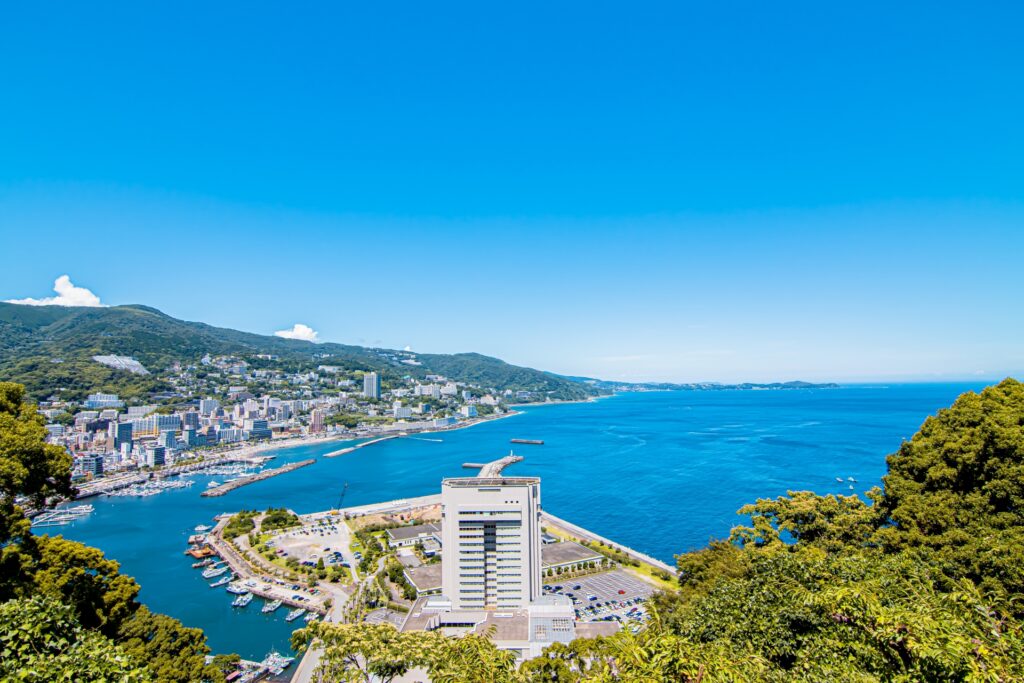
- Atami: A classic onsen town on the northeastern tip of Izu, easily reached by shinkansen. You’ll find sea-facing hot spring hotels, a small castle on a hill (more of a viewpoint than a historical site), and lively shopping streets with seafood snacks and sweets.
- Ito: A quieter onsen town further down the coast, with traditional wooden inns and public bathhouses. Nearby, you can explore the Izu Kogen highlands, with coastal walking trails and scenic cliffs such as Jogasaki Kaigan.
- Shimoda: A historic port on the southern tip of Izu, known as one of the first Japanese ports opened to American ships in the 19th century. Today it’s loved for its white-sand beaches, clear water and laid-back vibe.
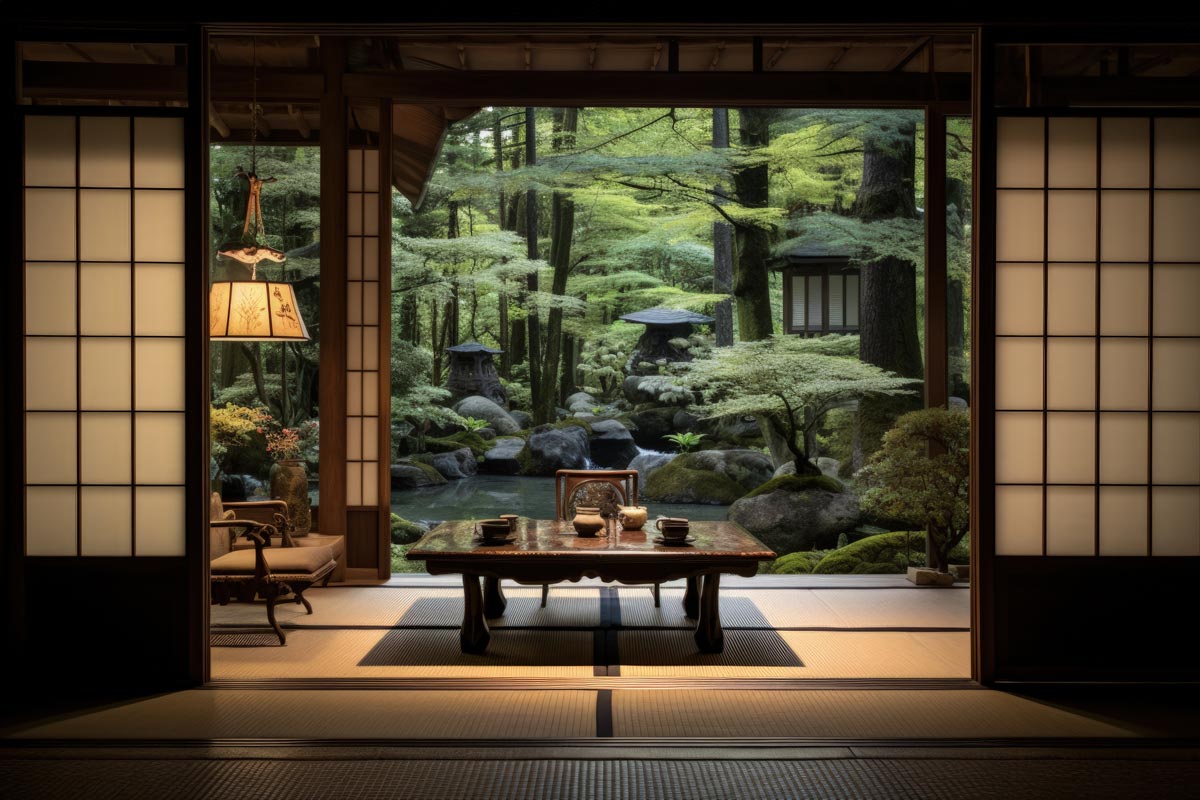
The Izu Peninsula is well suited to overnight stays in a ryokan (traditional inn) with hot springs, where you can experience kaiseki-style dinners, yukata robes and tatami rooms.
Western Shizuoka and Hamamatsu
The western side of Shizuoka Prefecture includes Hamamatsu, a city famous in Japan for music instrument manufacturers and eel dishes. While it’s less visited by international tourists, it offers lakes, dunes and a more off-the-beaten-path feel.
- Lake Hamana: A brackish lake popular for cycling, boating and sunset views. The surrounding area is known for grilled eel, often served over rice in lacquered boxes.
- Nakatajima Sand Dunes: One of Japan’s largest sand dune areas, facing the Pacific Ocean. The dunes are a dramatic contrast to the forests and tea fields inland.
If you are traveling between Tokyo and Kyoto by train, Hamamatsu makes an interesting overnight stop to experience a different side of coastal Japan.
Shizuoka’s Green Tea Culture
Shizuoka is synonymous with Japanese green tea. Fields of bright green bushes cover hillsides, and you will find tea everywhere from souvenir shops to train station stalls.
For first-time visitors, tea in Shizuoka is not just a drink but a way to connect with local life:
- Tea plantations and viewpoints: Areas around Makinohara and the Oigawa River have photogenic tea fields with Mount Fuji in the distance. Some farms offer tours, tastings and hands-on experiences like picking tea leaves in season.
- Tea tasting: Look for cafes that specialize in sencha, gyokuro and matcha, where staff explain the different flavors and brewing methods. Many places provide simple English explanations or illustrated menus.
- Tea souvenirs: Beyond loose-leaf tea, you can find tea-flavored sweets, soft-serve ice cream and even local craft beer brewed with tea.
When visiting a tea shop, it is common for staff to pour a small cup for you to sample. Take a moment, sip slowly and notice the balance of sweetness, umami and gentle bitterness that defines Japanese green tea.
Food to Try in Shizuoka
Each region of Japan has its own food traditions, and Shizuoka is no exception. Its coastal location, mild climate and tea production shape the local cuisine.
- Shizuoka Oden: A unique style of oden where ingredients like daikon radish, eggs and fish cakes are simmered in a dark broth made with beef tendons and soy sauce. They are often skewered, and diners sprinkle aonori seaweed and dried fish powder on top.
- Sakura Ebi: Tiny pink shrimp caught in Suruga Bay, served raw, lightly blanched or as crispy kakiage (deep-fried fritters). They have a delicate sweetness and soft crunch.
- Wasabi: The Izu region is known for pure Japanese wasabi, grown in cold mountain streams. You can taste freshly grated wasabi with soba noodles or over rice, which is milder and more aromatic than typical tube wasabi.
- Unagi (eel): Especially in Hamamatsu, grilled eel glazed with sweet-savory sauce is a local specialty, served over rice in lacquered boxes called jubako.
- Green tea sweets: Matcha cakes, soft-serve ice cream, dorayaki pancakes and yokan jelly are popular souvenirs and snacks.
For first-time visitors, izakaya (Japanese-style pubs), station bento shops and department store basements are good places to sample local dishes without needing Japanese language skills.
Best Time to Visit Shizuoka
Shizuoka has a relatively mild climate and can be visited year-round, but each season offers something special.
- Spring (March–May): Cherry blossoms bloom in late March to early April, and the weather is comfortable. Tea fields are a vivid green. This is one of the best times for clear views of Mount Fuji, though late winter can also be excellent for visibility.
- Summer (June–August): The Izu Peninsula’s beaches open for swimming, and fireworks festivals light up the coast. Do be aware of the rainy season in June and hot, humid conditions in July and August.
- Autumn (September–November): Cooler temperatures, autumn foliage in mountain areas and generally stable weather. Tea harvests and food festivals showcase seasonal ingredients.
- Winter (December–February): Coastal areas remain relatively mild, and the air is often clear, making this one of the best times for unobstructed views of snow-capped Mount Fuji.
Typhoons can affect coastal areas from late summer to early autumn, occasionally disrupting trains and ferries. Check local forecasts when traveling at this time.
Suggested Itineraries for First-Time Visitors
Day Trip from Tokyo: Fuji Views and Tea
For a fast introduction to Shizuoka:
- Take a morning shinkansen to Shizuoka Station.
- Visit Nihondaira for views of Mount Fuji and Shimizu Bay.
- Ride the ropeway to Kunozan Toshogu Shrine.
- Head to Mihono Matsubara for a walk along the pine-lined shore.
- Return to Shizuoka City to enjoy Shizuoka oden in the evening before catching a train back to Tokyo.
One Night in Izu: Onsen and Coastal Scenery
For a more relaxed experience:
- Travel by shinkansen to Atami or local train to Ito.
- Check into a ryokan with hot springs.
- Spend the day exploring the town, trying local seafood and visiting viewpoints along the coast.
- In the evening, soak in the onsen, wear a yukata and enjoy a multi-course dinner at your inn.
- The next morning, visit Jogasaki Coast for dramatic cliffs and walking trails before returning to Tokyo or heading west toward Kyoto.
Practical Tips for Visiting Shizuoka
- Language: English is less common than in central Tokyo, but train stations use English signage and many tourist sites provide English pamphlets or QR codes. Simple gestures, maps and translation apps go a long way.
- Cash and cards: Major stations and larger hotels accept credit cards, but smaller restaurants, local buses and rural shops may be cash only. Convenience stores have ATMs that accept foreign cards.
- Onsen etiquette: When using hot springs, wash thoroughly before entering the bath, do not let towels touch the water, and keep voices low. Tattoos may be restricted in some traditional baths, but many ryokan now accept tattooed guests or offer private baths.
- Weather and clothing: Coastal areas can be windy, especially around Mihono Matsubara and Lake Hamana, so a light jacket is useful outside summer. Comfortable walking shoes are important for shrine staircases, tea fields and coastal trails.
- Local transport cards: Nationwide IC cards such as Suica or PASMO (or their regional equivalents) can be used on most trains and buses, making transfers easier.
Why Shizuoka Belongs on Your First Japan Trip
Shizuoka offers a gentle introduction to Japan beyond its ultra-modern cities. Here you can sip freshly brewed green tea while looking toward Mount Fuji, wander under old pine trees along the sea, soak in an open-air bath as waves crash below, and share counter space with locals over steaming bowls of oden.
For first-time visitors, adding Shizuoka to your itinerary brings balance: quieter streets, wide-open views and time to slow down. Whether you stay one night in Izu, make a day trip to see Fuji from the coast or linger in Shizuoka City, this region reveals a calm, scenic side of Japan that many travelers remember long after their trip ends.

Access Map
Recommended spots in Shizuoka
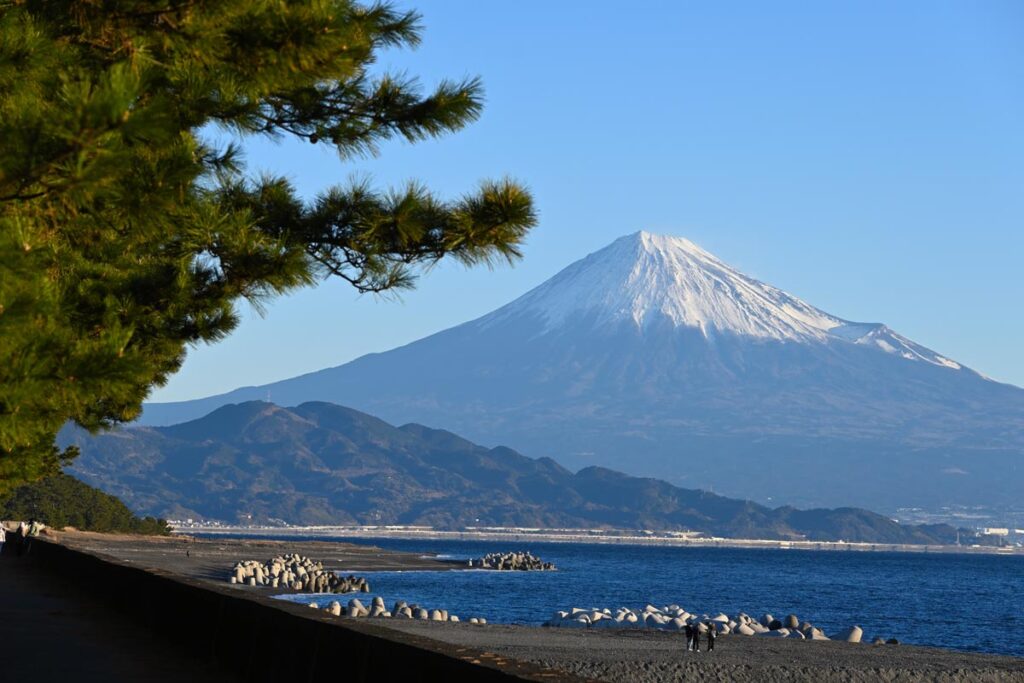
Miho no Matsubara
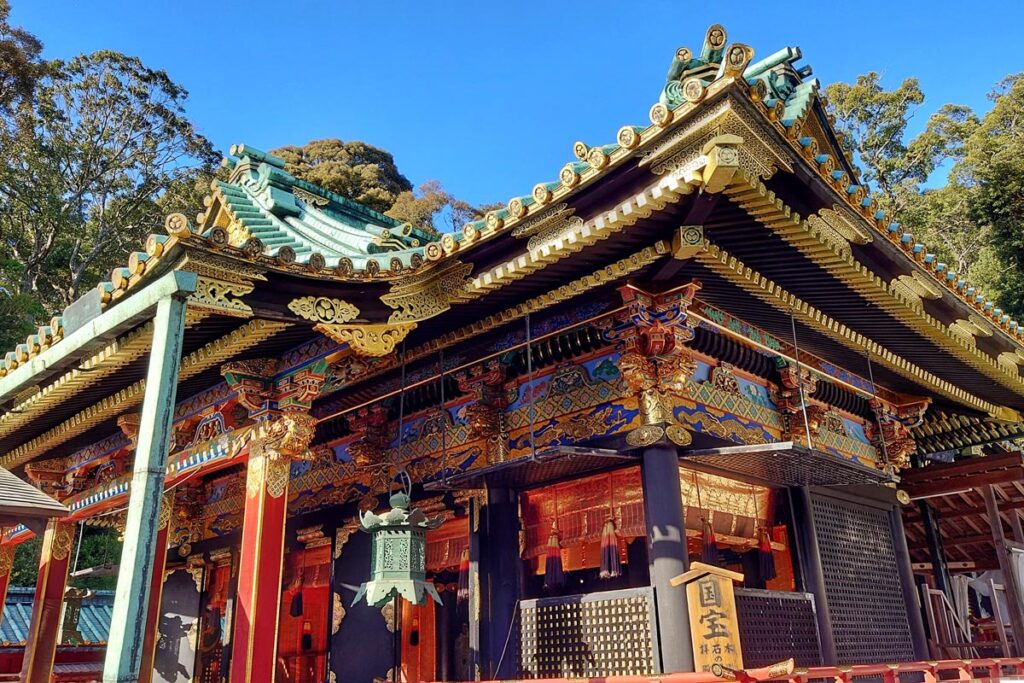
Kunōzan Tōshō-gū
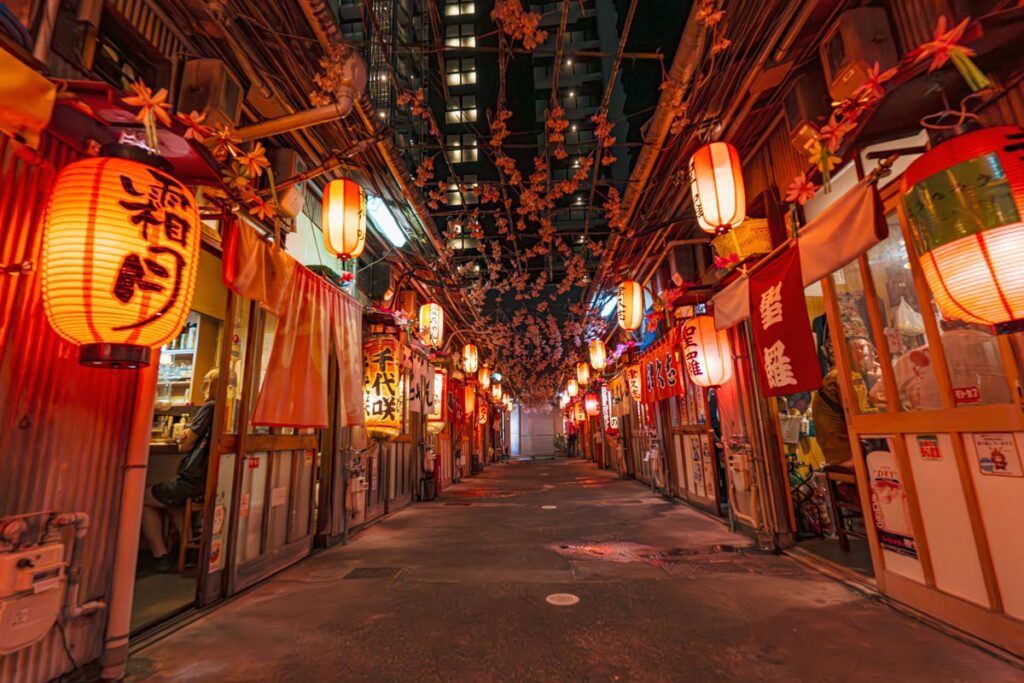
Shizuoka Oden Alley
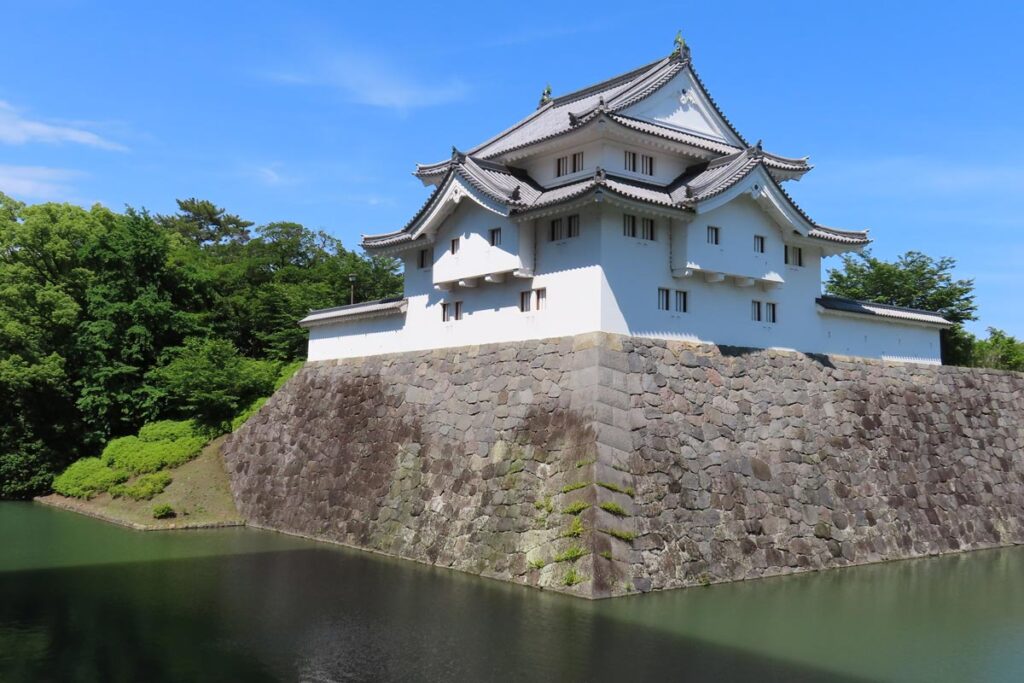
Sumpu Castle Park
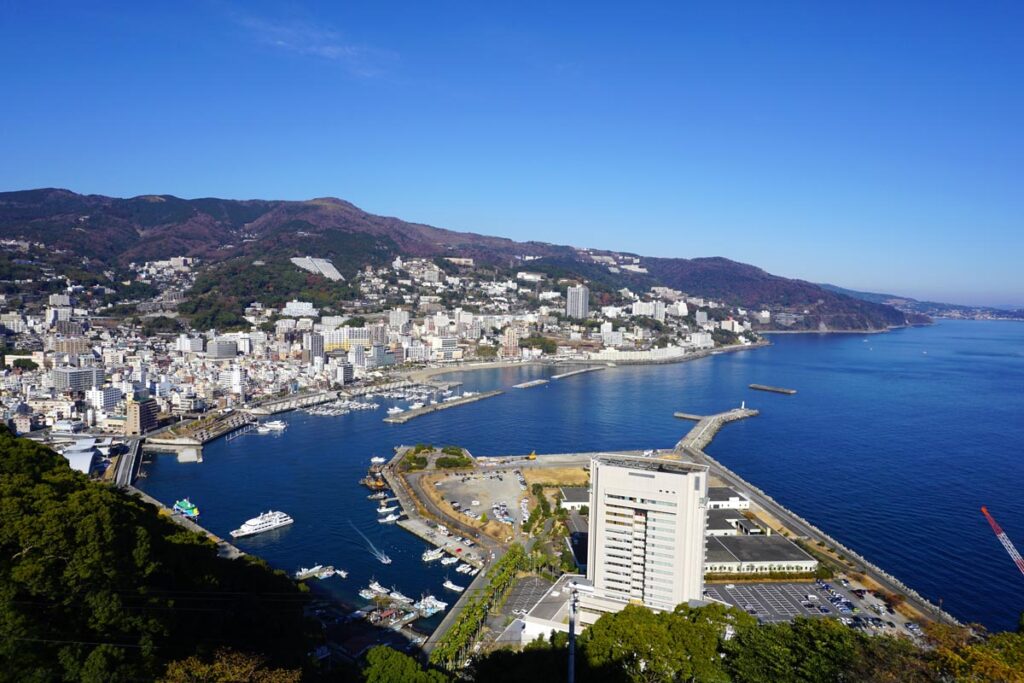
Atami
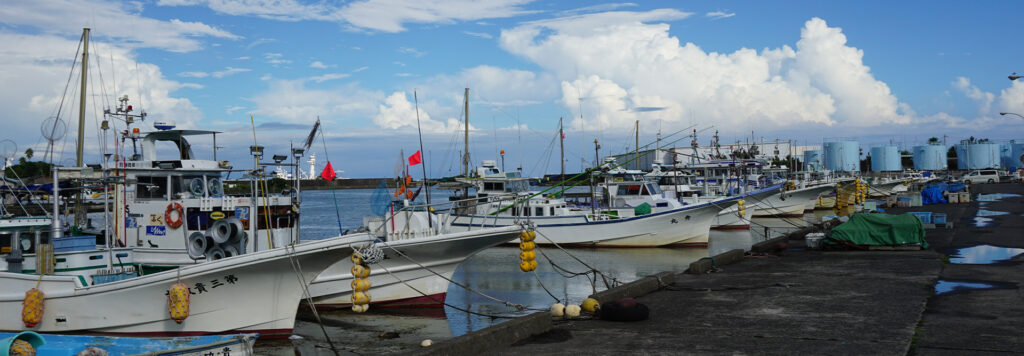
Yaizu Tuna Fishing Port
Top destinations in Chubu/Hokuriku
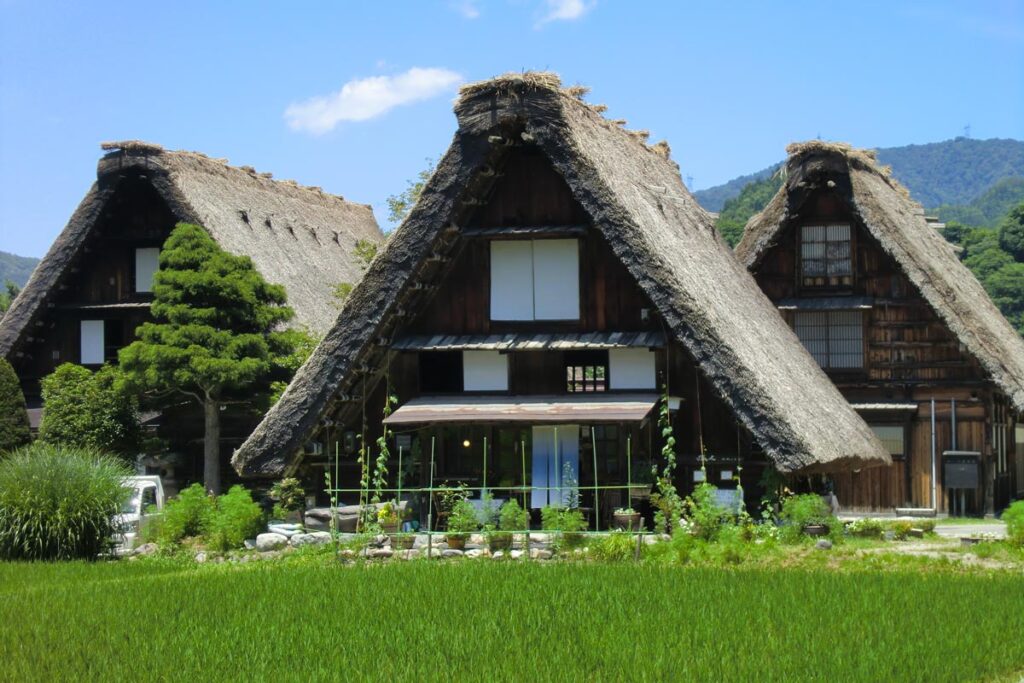
Gifu
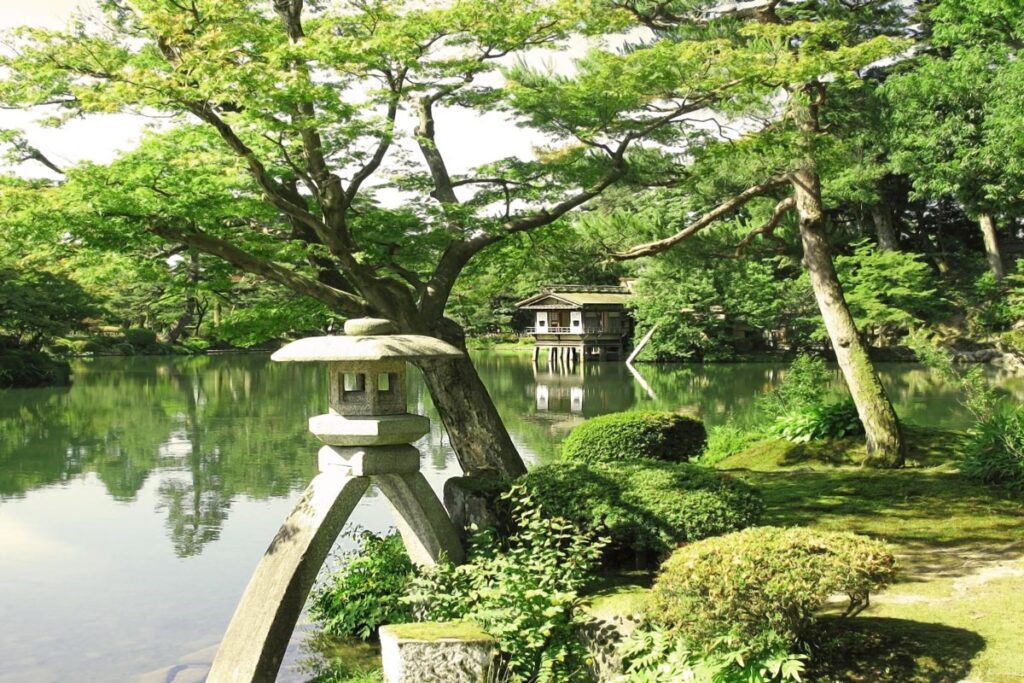
Ishikawa
Nagano