




Kunōzan Tōshō-gū
Kunōzan Tōshō-gū: A Sacred Mountaintop Shrine Above Suruga Bay
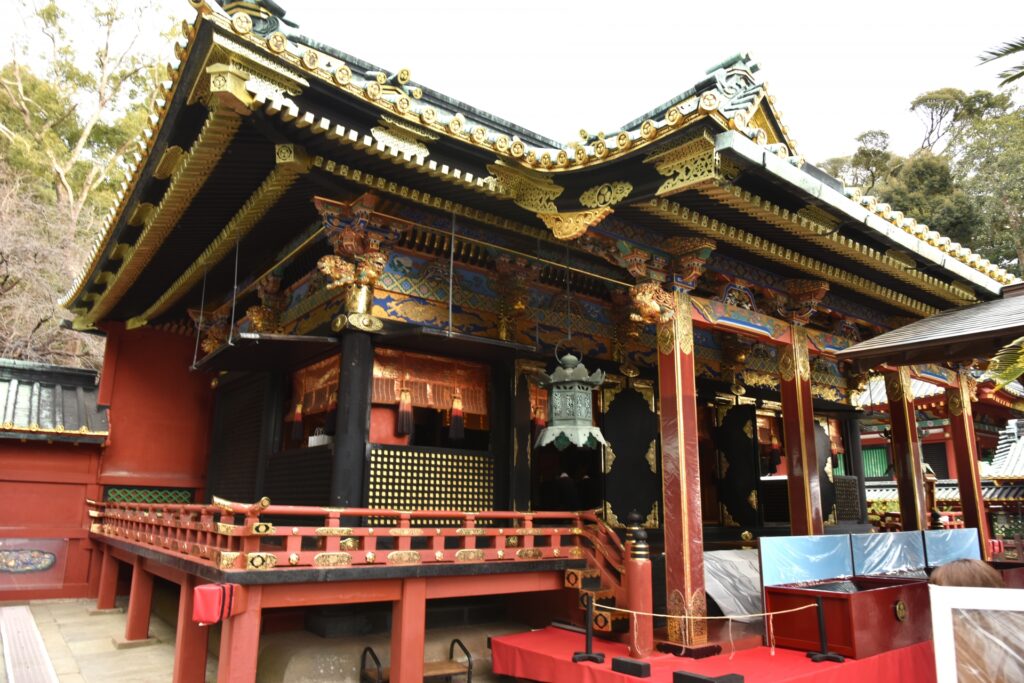
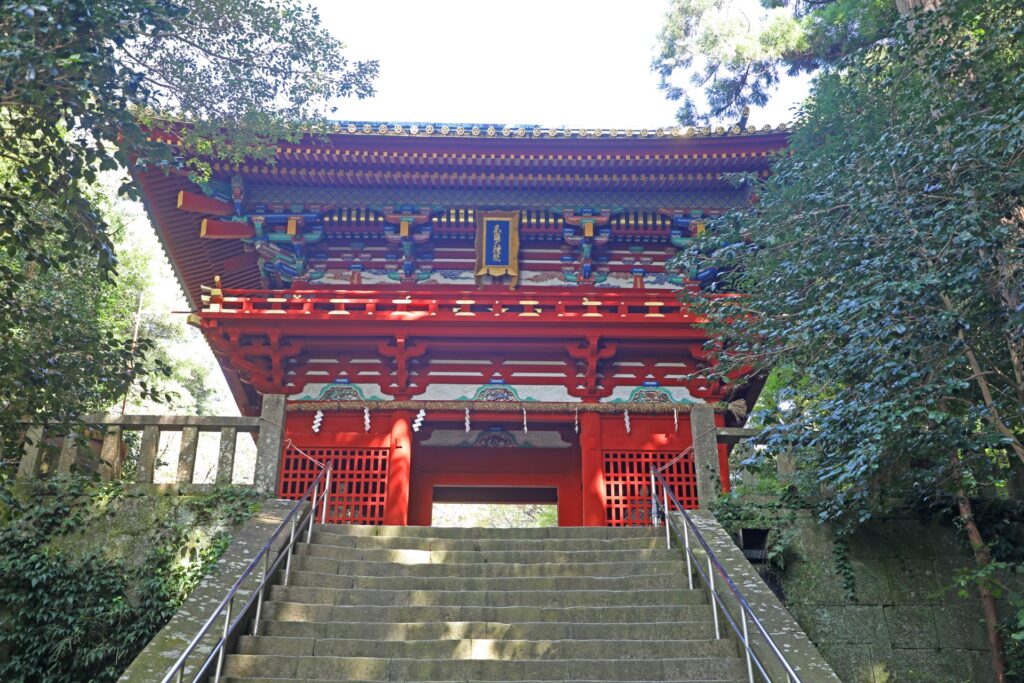
Photos are for illustrative purposes only.
Perched high on a forested ridge overlooking Suruga Bay in Shizuoka Prefecture, Kunōzan Tōshō-gū is one of Japan’s most important shrines dedicated to Tokugawa Ieyasu, the founder of the Edo shogunate. Richly decorated halls, steep stone stairways, and sweeping coastal views make this an unforgettable stop for first-time visitors who want a taste of Japanese history beyond Tokyo and Kyoto.
Kunōzan Tōshō-gū is less crowded than its famous cousin in Nikkō, yet historically even more significant: it is the original Tōshō-gū shrine and Ieyasu’s first burial site. For travelers interested in samurai history, traditional architecture, and dramatic scenery, it is a rewarding day trip that fits easily into a Japan itinerary focused on Tokyo, Mount Fuji, or the Tōkaidō Shinkansen route.
Why Visit Kunōzan Tōshō-gū?
Kunōzan Tōshō-gū combines several classic Japanese travel experiences in one compact destination:
A Deep Connection to Tokugawa Ieyasu
Tokugawa Ieyasu (1543–1616) unified Japan after centuries of civil war and ruled from Edo (modern Tokyo). When he died, his body was buried at Kunōzan, a mountain he had long associated with protection and strategy. Only later were his remains transferred to Nikkō, but Kunōzan retained a powerful spiritual status as the place of his original interment.
Visiting the shrine, you are walking in the footsteps of daimyo (feudal lords), samurai retainers, and court officials who came here to pay respects to the man who shaped early modern Japan. This connection is palpable in the steep, processional approach and the solemn atmosphere around his grave.
Vibrant Architecture Without the Crowds
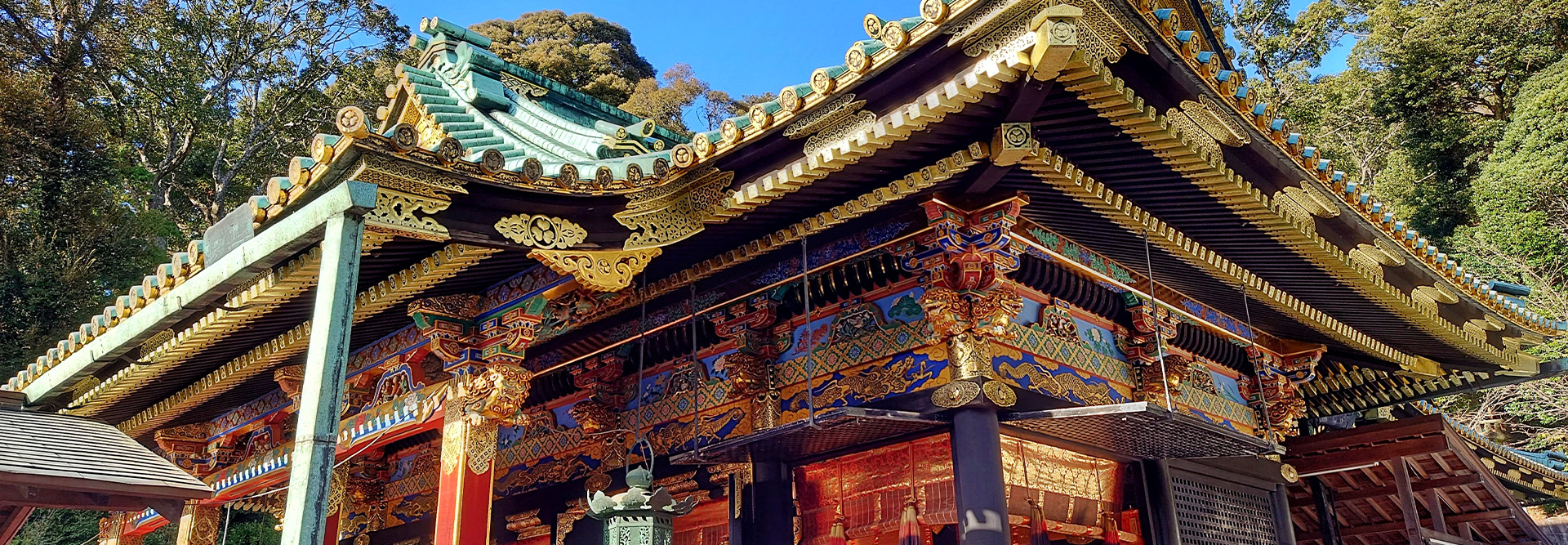
Kunōzan Tōshō-gū’s buildings are covered in bright lacquer, gold leaf, and intricate carvings of dragons, peonies, cranes, and mythical beasts. This lavish style, known as gongen-zukuri, became synonymous with Tōshō-gū shrines.
Unlike heavily touristed sites, Kunōzan often feels calm. You can linger over the woodwork, admire painted ceilings, and photograph details without the pressure of crowds. For many visitors, it offers the visual impact of Nikkō in a more intimate setting.
Panoramic Views of Sea, City, and Mountains
Kunōzan sits on Mount Kunō, a small but steep peak rising straight from the Pacific coast. On clear days, the shrine precincts offer spectacular views of Suruga Bay, the city of Shizuoka, and, when conditions cooperate, distant Mount Fuji.
The combination of ocean air and cedar forests creates a distinct atmosphere: coastal yet alpine, sacred yet close to everyday life. Standing at the overlook near the main gate, you can understand why this ridge was chosen as a spiritual stronghold and a strategic lookout.
Getting to Kunōzan Tōshō-gū
Kunōzan Tōshō-gū is in Shizuoka City, easily accessible on the Tōkaidō Shinkansen between Tokyo, Nagoya, and Osaka. Allow a half or full day, depending on your pace.
From Tokyo, Nagoya, or Kyoto/Osaka
By Shinkansen to Shizuoka Station:
- From Tokyo: about 1 hour on the Kodama or Hikari (if stopping), covered by the Japan Rail Pass.
- From Nagoya: around 1 hour.
- From Kyoto/Osaka: around 2 hours with a change if needed to a Kodama or Hikari that stops at Shizuoka.
From Shizuoka Station to Kunōzan
You have two classic options: the ropeway from Nihondaira or the historic stairs from the coast.
Via Nihondaira and Ropeway (Easiest and Scenic)
- Take a local bus or taxi from Shizuoka Station to Nihondaira, a plateau famous for views of Mount Fuji and tea fields (around 30–40 minutes by bus).
- From Nihondaira, ride the Nihondaira Ropeway across a deep valley directly to Kunōzan Tōshō-gū. The short ride offers dramatic views of the forested slopes and Suruga Bay below.
This route is recommended for first-time visitors and those who prefer to minimize steep climbing. You will still encounter steps within the shrine precinct, but avoid the grueling ascent from sea level.
Via the Coastal Stairway (Traditional Pilgrim Approach)
- Travel to the Kuno coast area south of Shizuoka City by bus or taxi.
- From the base of Mount Kunō, climb the historic stone stairway to the shrine. Expect more than a thousand steps and roughly 20–30 minutes of steady uphill walking, depending on your fitness.
This route recreates the experience of historical pilgrims and samurai making a formal approach to the shrine. It is rewarding but physically demanding, particularly in hot or humid weather.
What to See at Kunōzan Tōshō-gū
The Grand Staircase and Main Gate
Whether you arrive by ropeway or the coastal stairs, you will pass through a sequence of gates and steps that dramatically frame the approach. The Rōmon (tower gate) is richly painted and topped with a compact upper story that once symbolized the shrine’s power and prestige.
Look closely at the carvings on the beams and brackets: dragons twisting among clouds, birds nestled in foliage, and geometric patterns layered in bright vermilion, green, and gold. This visual density reflects the Edo-period belief that elaborate ornamentation could both honor the deified Ieyasu and awe visitors.
Main Shrine Buildings (Honden, Haiden, and Heiden)
Kunōzan Tōshō-gū’s core buildings are arranged in the distinctive gongen-zukuri style, where the honden (main sanctuary) and haiden (worship hall) are connected under one sweeping roof. Between them is the heiden, originally used for offerings and rituals.
The exterior is a feast of color and symbolism. You will see:
- Lacquered pillars in deep red and black, signifying protection.
- Gold leaf applied to transoms and metal fittings, reflecting the shrine’s status.
- Mythical creatures such as kirin and lions, guardians against misfortune.
- Floral and seasonal motifs that express harmony between human life and nature.
Inside, painted ceilings depict flowers, birds, and auspicious patterns. When services are not in progress, you can often glimpse the inner space from the outer worship area; photography rules may be restricted, so check the signs or ask politely if in doubt.
Tokugawa Ieyasu’s Grave
Beyond the main complex, a shorter but steep stairway leads up to a quiet grove. Here is the stone tomb that originally housed Tokugawa Ieyasu’s remains. Even after the transfer to Nikkō, this grave continued to be revered as a powerful spiritual focus.
The tomb is simple compared to the richly decorated shrine halls below. This contrast between opulent worship spaces and a modest burial site is common in Japan and reflects a belief in humility before the divine, even for the most powerful warlords.
Out of respect, speak softly, avoid blocking the path for other visitors, and refrain from eating or drinking in this immediate area.
Museum and Treasure Hall
Kunōzan Tōshō-gū’s museum displays artifacts related to Tokugawa Ieyasu and the early Edo period. Exhibits typically include:
- Armor and helmets worn by Ieyasu or his retainers.
- Swords, spears, and matchlock guns that illustrate the shift from traditional warfare to early firearms.
- Documents and portraits that show how Ieyasu was gradually deified as Tōshō Daigongen, a protective kami.
Explanations may be partially in Japanese, but even without full translation, the objects themselves vividly convey the weight of history. If you are interested in samurai culture, this museum is a highlight.
Viewpoints and Strolling Paths
Set aside time simply to wander. Stone corridors, lantern-lined paths, and small sub-shrines give a sense of intimacy. Look for quiet corners where you can see the curve of Suruga Bay framed by cedar trunks or glimpses of tea fields on distant slopes.
On bright days, the contrast between red shrine buildings, deep green forest, and blue sea is striking. After rain or in mist, the atmosphere shifts to something more mysterious and introspective.
Experiencing the Shrine Respectfully
Basic Shrine Etiquette
Kunōzan Tōshō-gū is both a cultural site and an active place of worship. Simple gestures of respect will make your visit smoother:
- At the purification basin near the entrance, cleanse your hands and mouth following the illustrated instructions.
- At the offering box in front of the main hall, bow lightly, offer a coin, bow twice, clap twice, pray silently, then bow once more.
- Keep your voice low and avoid blocking worshippers who are praying or making offerings.
- Follow signs regarding photography, especially inside buildings.
Omamori, Goshuin, and Souvenirs
Like many shrines, Kunōzan Tōshō-gū sells omamori (protective amulets) for safe travel, academic success, health, and general good fortune. Purchasing one is a simple way to participate in local customs; they also make meaningful souvenirs.
If you collect goshuin (calligraphic shrine stamps), bring a dedicated notebook or buy one on site. A priest or attendant will inscribe the shrine’s name and date in elegant brushstrokes, then press a red seal. This tradition is growing popular with international visitors and is a respectful way to commemorate your journey.
Practical Tips for First-Time Visitors
Best Time to Visit
- Season: Spring and autumn offer the most comfortable weather and clear views. Cherry blossoms and autumn foliage add color to the shrine environment.
- Summer: Lush and green, but humid; bring water and be prepared for the climb if you take the stairs.
- Winter: Generally mild in Shizuoka, with crisp air and good visibility across the bay.
- Time of day: Morning or late afternoon is ideal to avoid midday heat and bus tours.
Tickets and Opening Hours
The shrine charges an admission fee, with separate or combined tickets for the main precinct and the museum. Prices are modest by international standards. The ropeway also requires a ticket, sold one-way or round trip.
Opening hours typically follow daylight, roughly from morning to late afternoon. Arrive no later than mid-afternoon to comfortably explore the grounds, visit the museum, and make your way back via bus or ropeway before closing.
What to Wear and Bring
- Footwear: Comfortable shoes with good grip; you will encounter many stone steps.
- Clothing: Dress in layers; forest shade can feel cool even on sunny days.
- Weather protection: Sunscreen, hat, and a compact umbrella or rain jacket in wetter seasons.
- Cash: Small denominations of yen for admission, ropeway, amulets, and offerings. Some facilities may accept cards, but do not rely on it.
Combining Kunōzan Tōshō-gū with Nearby Sights
Kunōzan Tōshō-gū fits well into a broader exploration of Shizuoka Prefecture.
Nihondaira Plateau
Before or after crossing by ropeway, spend time on Nihondaira. Walking paths, observatory decks, and tea fields provide classic vistas of Mount Fuji (on clear days) rising behind the bay. This is one of Japan’s many celebrated Fuji viewpoints and makes for excellent photos at sunrise or late afternoon.
Shizuoka City
Back in Shizuoka City, visit Sunpu Castle Park, where Tokugawa Ieyasu once retired. While the original castle is mostly gone, reconstructed structures, stone walls, and a moat convey the scale of his power. Nearby shopping streets and small museums introduce the region’s long history as a stop on the Tōkaidō highway.
Tea Culture Experiences
Shizuoka is synonymous with green tea. Consider joining a tea-tasting session or visiting a tea farm nearby. Learning how to properly brew local sencha or deep-steamed fukamushi-cha adds another layer to your understanding of the landscape you have been viewing from Kunōzan and Nihondaira.
Adding Kunōzan Tōshō-gū to Your Japan Itinerary
For first-time travelers, Kunōzan Tōshō-gū offers a powerful introduction to Japan’s sacred architecture and samurai history, without requiring a long detour. It works well as:
- A day trip from Tokyo for those who want something quieter and more historical than the capitals alone.
- A stopover on the Tōkaidō Shinkansen between Tokyo and Kyoto, breaking up the journey with fresh air and sea views.
- An addition to a Mount Fuji and Hakone itinerary, showing a different side of the same broad region.
Standing among lacquered halls high above Suruga Bay, it is easy to imagine the world of Tokugawa Ieyasu: a Japan newly unified, looking toward peace after centuries of conflict. For visitors, Kunōzan Tōshō-gū offers not just a beautiful view, but a vantage point into the country’s early modern soul.

Access Map
Recommended spots in Shizuoka
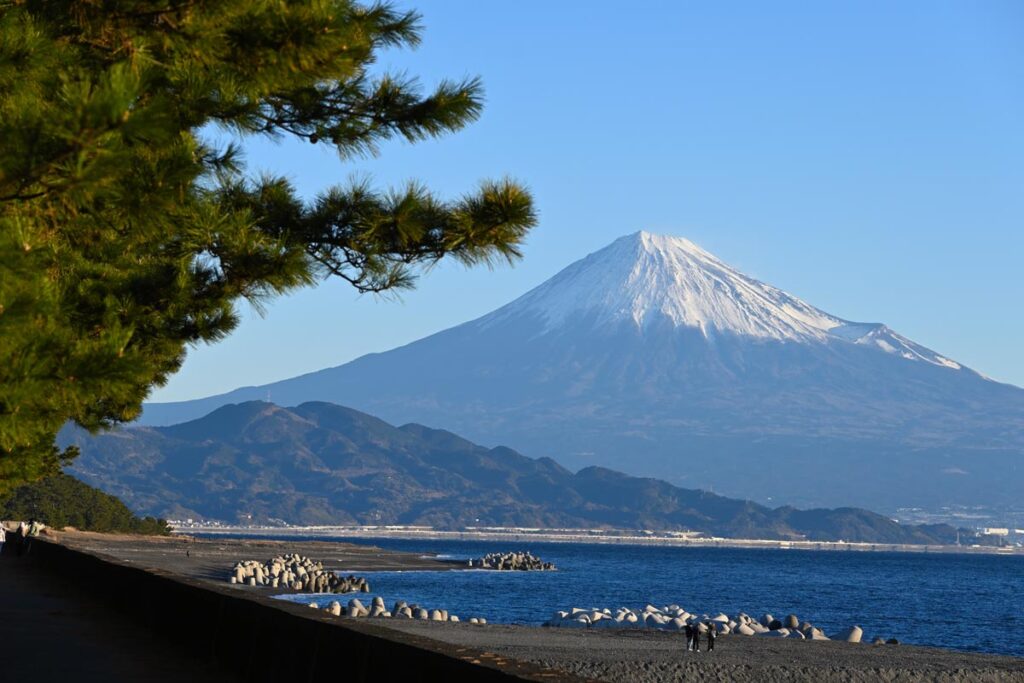
Miho no Matsubara
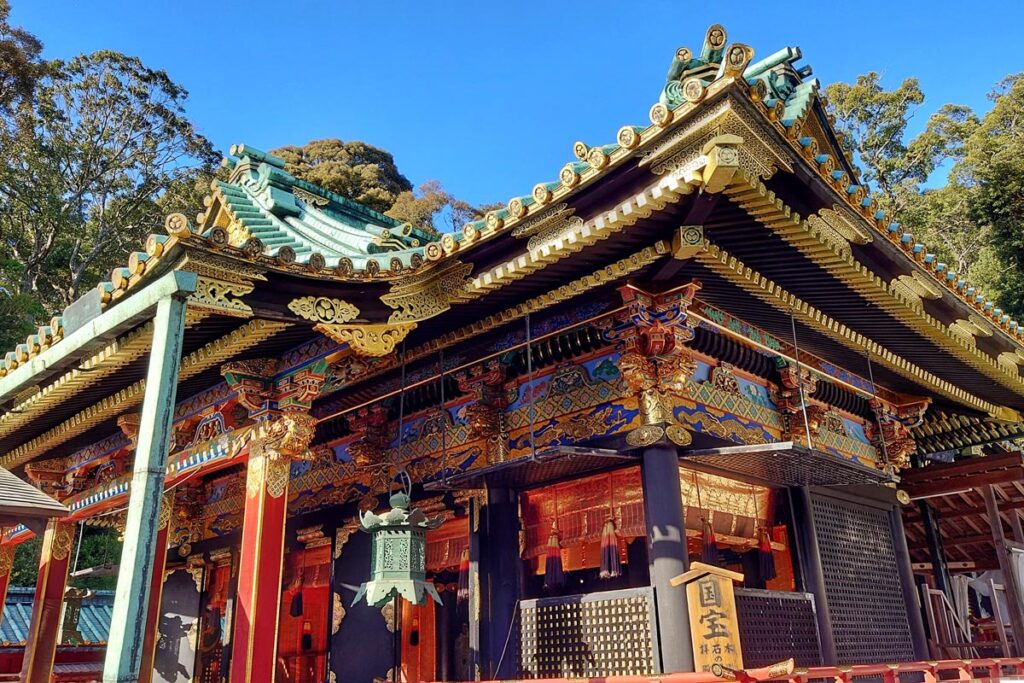
Kunōzan Tōshō-gū
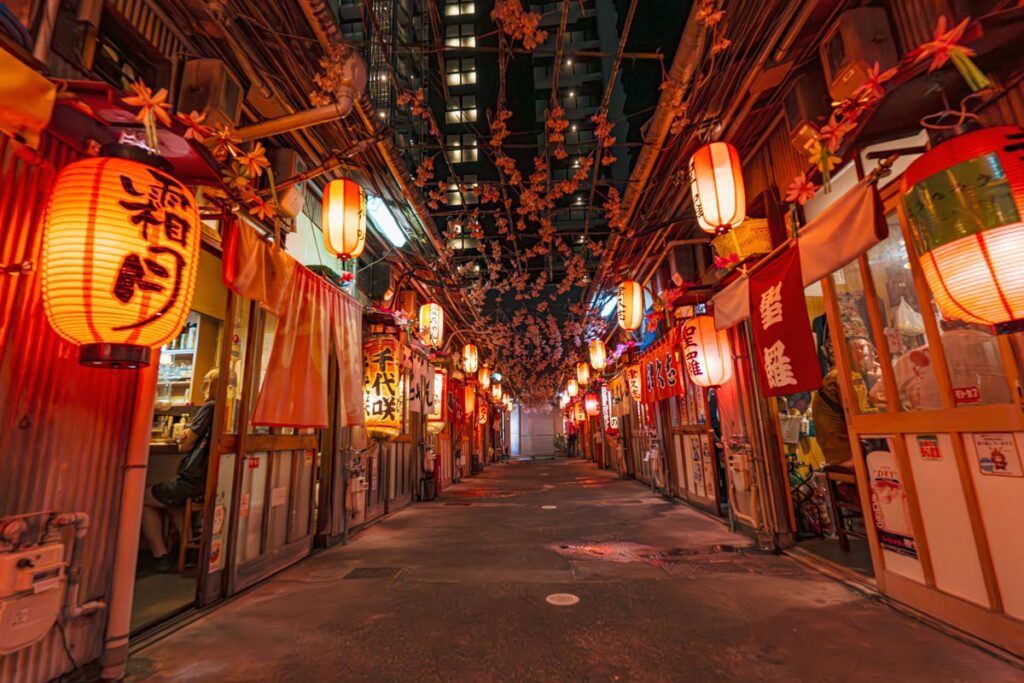
Shizuoka Oden Alley
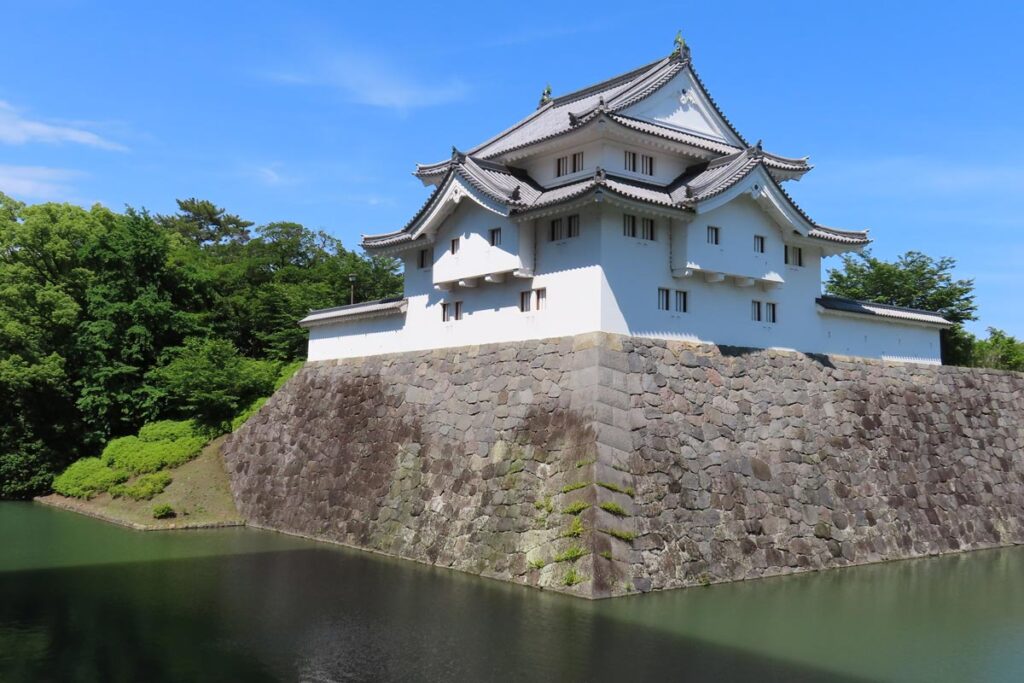
Sumpu Castle Park
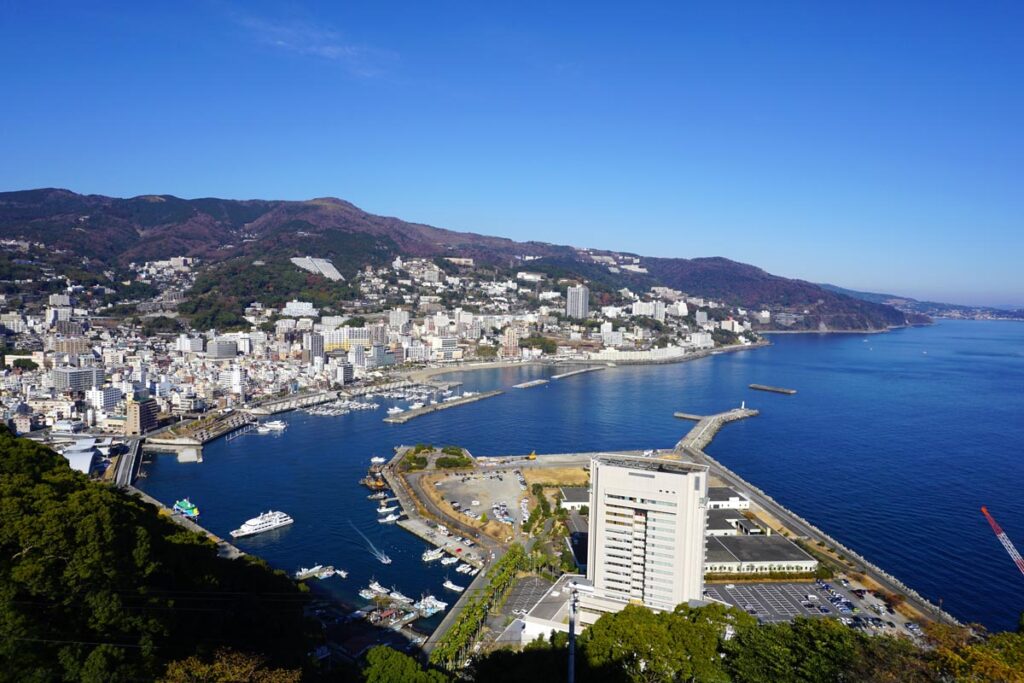
Atami

Yaizu Tuna Fishing Port
Top destinations in Chubu/Hokuriku
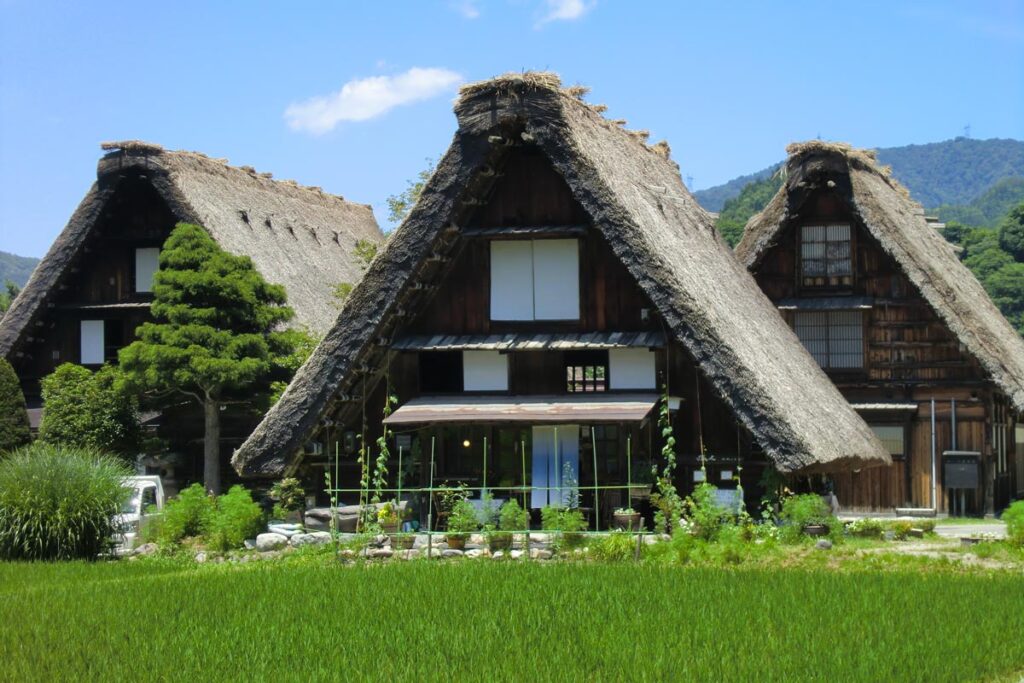
Gifu
Ishikawa
Nagano