



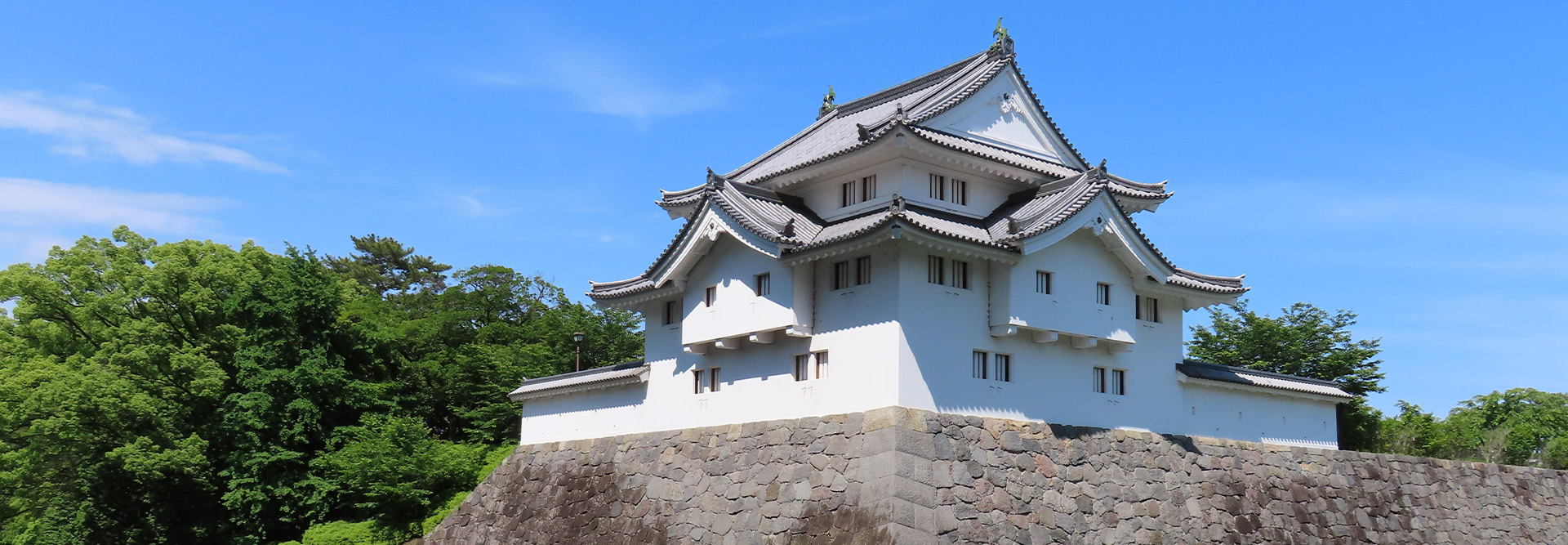
Sumpu Castle Park
Sumpu Castle Park: A Calm Samurai Escape in Shizuoka, Japan
Photos are for illustrative purposes only.
In the heart of Shizuoka City, an easy stop between Tokyo and Kyoto, Sumpu Castle Park offers a peaceful window into Japan’s samurai past. Once the retirement residence of Tokugawa Ieyasu, the shogun who unified Japan in the early 17th century, the castle grounds are now a spacious urban park combining history, gardens, and everyday local life.
For first-time visitors to Japan, Sumpu Castle Park is an ideal place to slow down, stretch your legs after a Shinkansen ride, and experience Japanese history and nature without the crowds of bigger castles like Osaka or Himeji.
Why Visit Sumpu Castle Park?
Sumpu Castle Park is not a towering fortress with a multi-story keep; instead, it is a broad, open site where you can walk through reconstructed castle buildings, wander around a large central lawn, and see how a historic landmark blends into the rhythm of a modern Japanese city.
Highlights include:
- Reconstructed castle structures where you can learn about samurai defenses and daily life.
- Moats, stone walls, and gates that outline the former castle grounds.
- Cherry blossoms and seasonal flowers that make the park photogenic year-round.
- Local joggers, families, and office workers enjoying the park, giving you a glimpse of everyday Japan.
Historical Background: The Castle of the Shogun
Sumpu Castle was originally built in the late 16th century and later became deeply associated with Tokugawa Ieyasu, the warlord who founded the Tokugawa shogunate and ushered in over 250 years of relative peace. After retiring from formal power, Ieyasu moved to Sumpu, expanding the castle and turning it into a secondary political center.
Over centuries, fires and modernization erased most of the original buildings. What you see today is a careful reconstruction of key elements—walls, turrets, gates—based on historical records and archaeological research. The park preserves the castle’s layout and allows visitors to picture the vast complex that once dominated the area.
As you walk around, imagine not just soldiers but also administrators, craftsmen, and merchants who kept this seat of power running during the Edo period. The wide spaces and double defensive moats hint at the castle’s former status and strategic importance.
Exploring the Park: Layout and Atmosphere
Sumpu Castle Park is roughly square, surrounded by roads and city buildings but set apart by remnants of the moats and stone ramparts. Pathways circle the grounds, while the interior is a mix of lawns, trees, and historical reconstructions.
Unlike many Japanese tourist sites, the atmosphere is pleasantly relaxed. You will see children practicing baseball, seniors walking their dogs, and couples taking a break on benches under pine trees. It is as much a community park as a sightseeing spot, which makes it a gentle introduction to Japan’s everyday landscape.
Key Structures to See
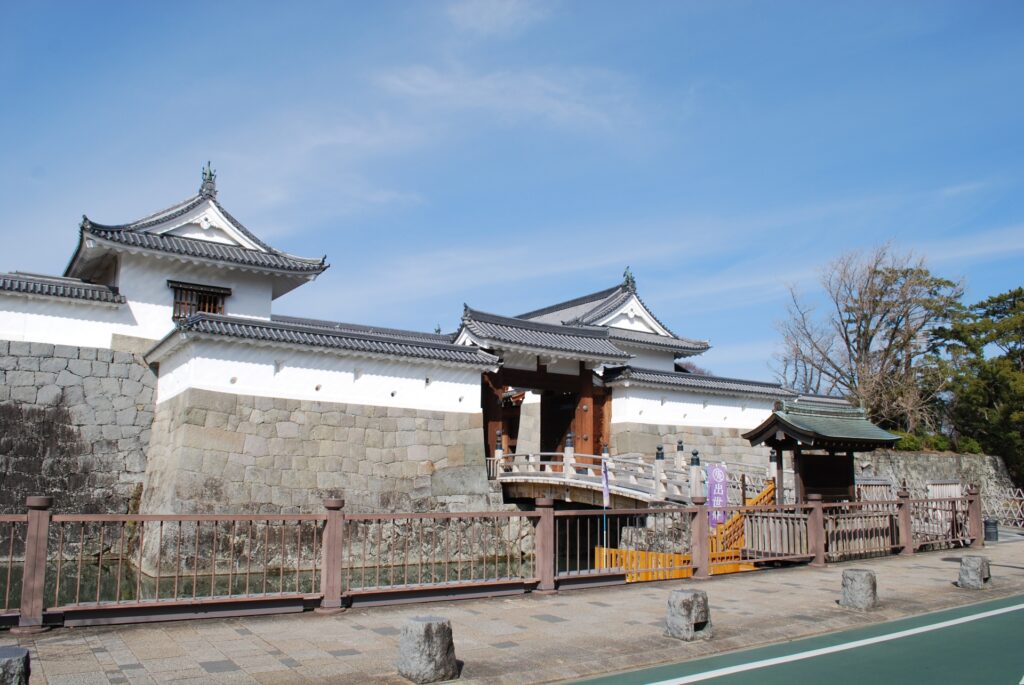
Higashi Gomon Gate (East Gate)
One of the signature reconstructed structures, the East Gate showcases the layered wooden architecture and thick doors that defended the inner bailey. The white plastered walls and dark tiled roofs follow the classic style of Japanese castles. Inside, small exhibits often explain how gates controlled access and how samurai moved in and out of the compound.
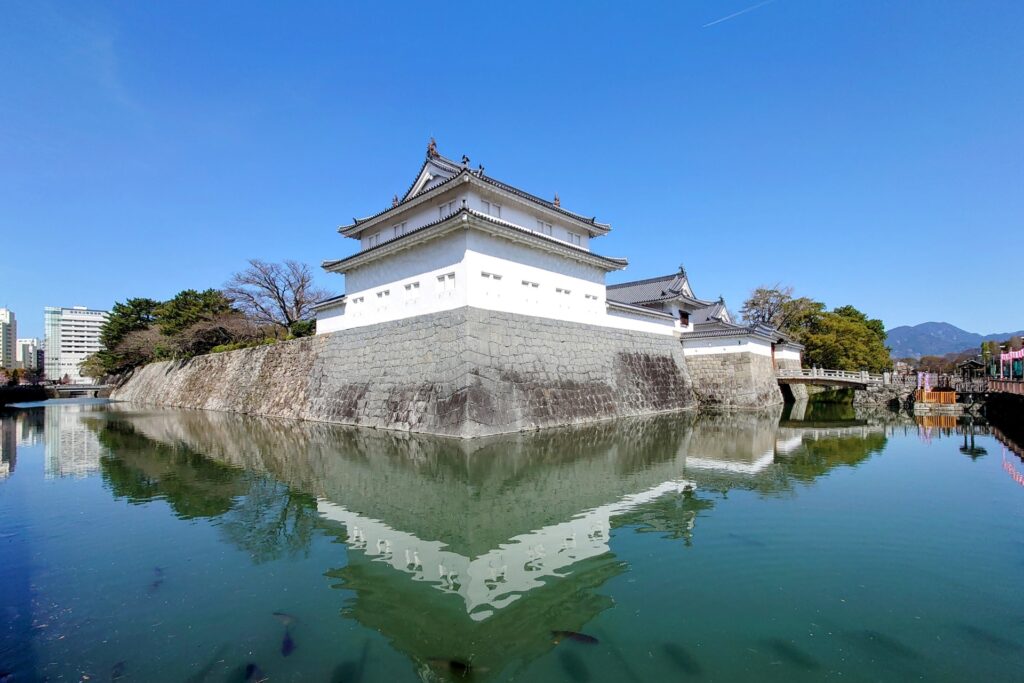
Tatsumi Yagura Turret
Turrets, or yagura, were critical for surveillance and defense. The Tatsumi Yagura at Sumpu Castle Park has been reconstructed based on historical designs and houses displays on castle history and Edo-period life. Climbing inside (when open) gives you a better view of the grounds and a sense of how the defensive network worked in practice.
Moats and Stone Walls
The moats surrounding the castle site form a calm waterway that reflects the stone walls and trees. Walking along these edges is one of the most pleasant ways to appreciate the scale of the original castle. Stone walls (ishigaki) are a hallmark of Japanese castle engineering; look at the angles of the stones and the subtle curves built to resist earthquakes and attackers alike.
Nature and Seasonal Highlights
While the historical structures are important, many visitors come to Sumpu Castle Park simply to enjoy the changing seasons. If your Japan trip is timed to spring or autumn, this park can be a memorable stop.
Cherry Blossoms in Spring
From late March to early April (exact timing varies by year), the park’s cherry trees bloom, drawing locals for hanami—cherry blossom viewing parties. On sunny days, groups spread picnic sheets under the trees, enjoying food, drinks, and conversation.
International visitors are welcome to join this tradition. If you pick up snacks or a bento from Shizuoka Station or nearby convenience stores, you can have your own low-key hanami on the lawn. Remember to dispose of trash properly or take it with you if bins are limited.
Autumn Colors and Winter Calm
In late November and early December, maple and ginkgo trees around the park turn red, orange, and gold. The colors might not be as intense as in specialized autumn gardens, but the contrast with castle walls and moats is beautiful.
Winter is quieter, with clear air and fewer visitors. On fine days, you may catch glimpses of Mount Fuji from certain points in Shizuoka City, making the park a pleasant starting or ending point for city walks.
Flowers and Greenery in Summer
Summer can be hot and humid in Shizuoka, but Sumpu Castle Park offers shaded paths and green lawns. Hydrangeas and other seasonal flowers appear in early summer, and the fountain area can be refreshing. Visit in the morning or late afternoon for cooler temperatures.
Cultural Experiences and Local Life
Visiting Sumpu Castle Park is not only about what you see, but also about how local people use this historic space. It is common to encounter school groups on outings, community events, and small festivals, especially on weekends.
Occasionally, seasonal illuminations, craft markets, or cultural performances are held within the park. Even if your visit does not coincide with a big event, just watching people practice traditional arts—such as tea ceremony demonstrations or martial arts training in nearby facilities—adds another layer to your understanding of Japanese culture.
Shizuoka and Tokugawa Ieyasu
Shizuoka is often overshadowed by Tokyo and Kyoto in foreign guidebooks, but it has a deep connection with Tokugawa Ieyasu. Museums and local tours sometimes highlight this history, focusing on Ieyasu’s later years and his efforts to ensure stable rule after civil war.
If you have time, pairing Sumpu Castle Park with other Shizuoka attractions—such as viewpoints over Mt. Fuji, green tea plantations, or nearby historical temples—helps create a broader picture of life during the Edo period and the region’s role in Japan’s story.
Practical Information for First-Time Visitors
Location and Access
Sumpu Castle Park is located in central Shizuoka City, an easy detour if you are traveling by Shinkansen between Tokyo and Nagoya, Kyoto, or Osaka.
- From JR Shizuoka Station: The park is about 10–15 minutes on foot. Exit on the north side and walk straight through downtown streets toward the visible green area on maps and signboards.
- By local bus: Several city buses stop near the park. For first-time visitors, walking is straightforward and lets you pass through shopping and dining areas.
Signage around the station and in the city center often includes English, and Sumpu Castle Park is a well-known landmark, so it is easy to ask for directions if needed.
Opening Hours and Fees
The park grounds themselves are generally open throughout the day, and entry to the basic outdoor areas is free. However, reconstructed buildings such as the turrets and gates have specific opening hours and modest entrance fees.
- Park grounds: Typically accessible from early morning until evening.
- Turret and gate interiors: Commonly open during standard daytime hours; last entry is usually late afternoon.
- Entrance fees: Expect a small fee for museum-style areas, often just a few hundred yen.
Hours and fees can change seasonally or for maintenance, so it is wise to check locally at the tourist information center in Shizuoka Station when you arrive.
Facilities and Amenities
As an urban park, Sumpu Castle Park offers basic conveniences that make sightseeing comfortable:
- Restrooms: Public toilets are available in several locations around the park.
- Benches and rest areas: Plenty of seating is scattered throughout, ideal for short breaks.
- Vending machines: Drinks are easy to find, either inside the park or just outside its boundaries.
- Nearby food: Numerous cafes, convenience stores, and restaurants are within a short walk, especially on the route to and from Shizuoka Station.
The park paths are mostly flat and paved, making it reasonably accessible for strollers and wheelchairs, though some historical structures may have stairs and limited access.
Suggested Itineraries and Nearby Attractions
Quick Stop on a Shinkansen Journey
If you have a few hours between trains, Sumpu Castle Park is a manageable excursion from Shizuoka Station:
- Walk from Shizuoka Station to the park, passing through downtown shopping streets.
- Enter via one of the main gates and circle the central grounds, visiting the reconstructed turrets if time allows.
- Relax on the lawn or by the moat, then grab a light meal or coffee back near the station before continuing your journey.
Half-Day in Shizuoka City
To get more from your visit:
- Start your day at Sumpu Castle Park, exploring the grounds and exhibitions.
- Walk through nearby shopping arcades for souvenirs, sweets, or green tea products.
- Combine with another city attraction, such as a local museum, a viewpoint over the city, or a short side-trip to see tea fields on the outskirts.
This kind of itinerary offers a balanced mix of history, culture, and modern city life without rushing.
Tips for First-Time Travelers to Japan
Etiquette in Parks and Historic Sites
Japan’s parks and historical places are generally very clean and well cared for. Following local etiquette helps maintain this atmosphere:
- Trash: You may not find many rubbish bins; carry your trash until you find proper disposal.
- Smoking: Smoke only in designated areas, if available.
- Noise: Keep voices moderate, especially near families, elderly visitors, or small exhibitions.
- Photography: Outdoor photography is usually fine, but always check for signs inside buildings and avoid using flash if prohibited.
Language and Signage
Shizuoka is accustomed to domestic travelers, and English levels can vary. However, basic English signage is increasingly common at major sites like Sumpu Castle Park. Carrying a translation app on your phone will help with reading explanations and communicating simple questions.
Politeness goes a long way: a friendly greeting and a simple “thank you” (arigatou) are always appreciated.
What to Bring
For a comfortable visit, consider:
- Comfortable walking shoes for the park paths and city streets.
- A light jacket or umbrella, as weather along the coast can change quickly.
- A reusable water bottle, which you can refill at fountains or with vending machine drinks.
- A small picnic blanket if you plan to sit on the grass during cherry blossom season.
Making Sumpu Castle Park Part of Your Japan Journey
Japan’s big-name destinations—Tokyo’s neon districts, Kyoto’s ancient temples, Osaka’s food streets—deserve their fame. Yet it is often in quieter places like Sumpu Castle Park that travelers find a deeper connection with the country: a sense of everyday rhythm, layered history, and gentle natural beauty.
Whether you stop for an hour or spend a lazy morning exploring, Sumpu Castle Park offers a calm, authentic slice of Japan. As you stroll past stone walls, reflect in front of moats, and watch locals enjoy their city, you will gain a more rounded picture of the country beyond its headlines and postcards.

Access Map
Recommended spots in Shizuoka
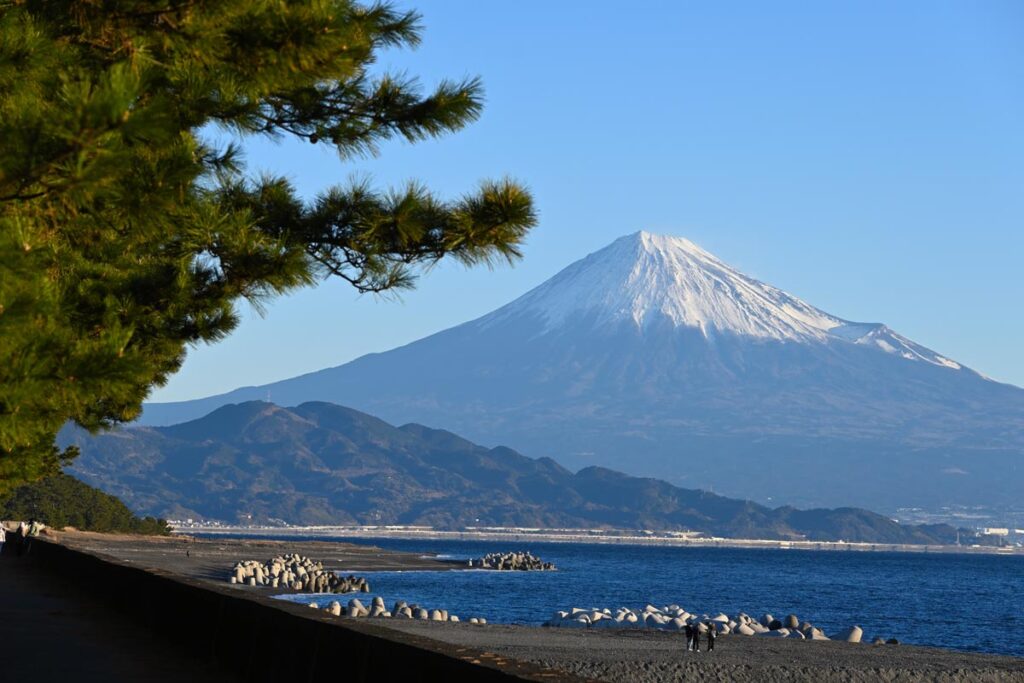
Miho no Matsubara
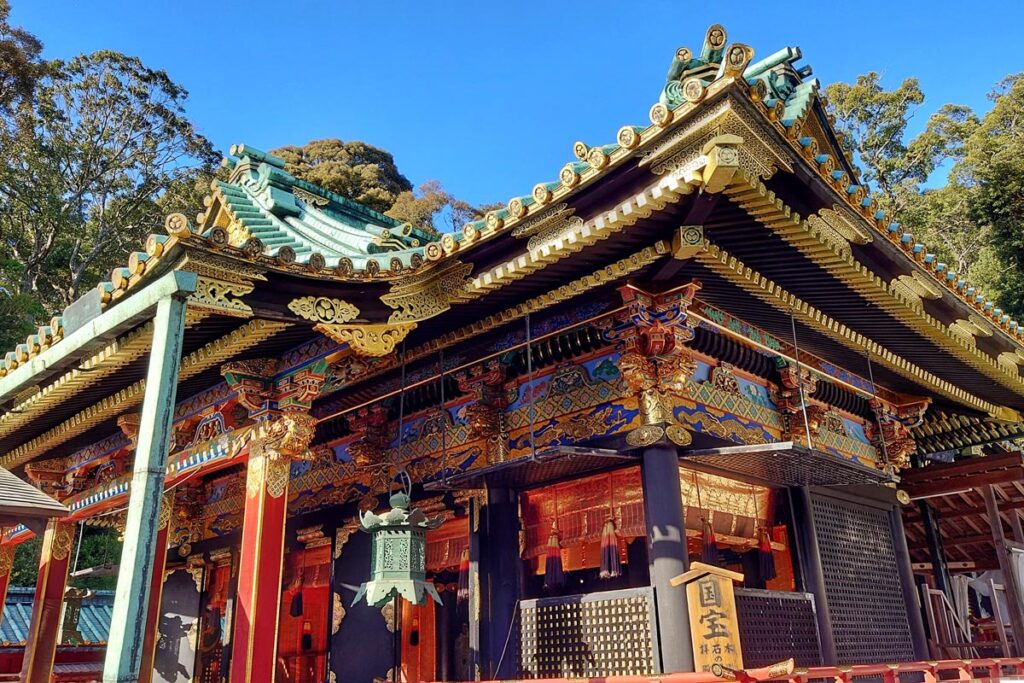
Kunōzan Tōshō-gū
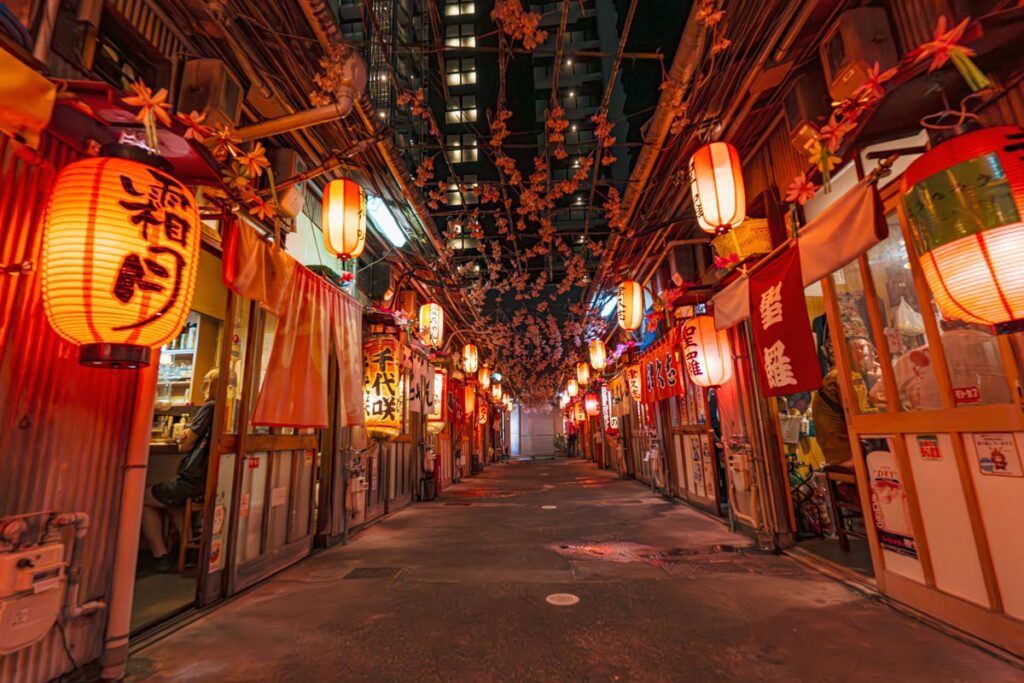
Shizuoka Oden Alley
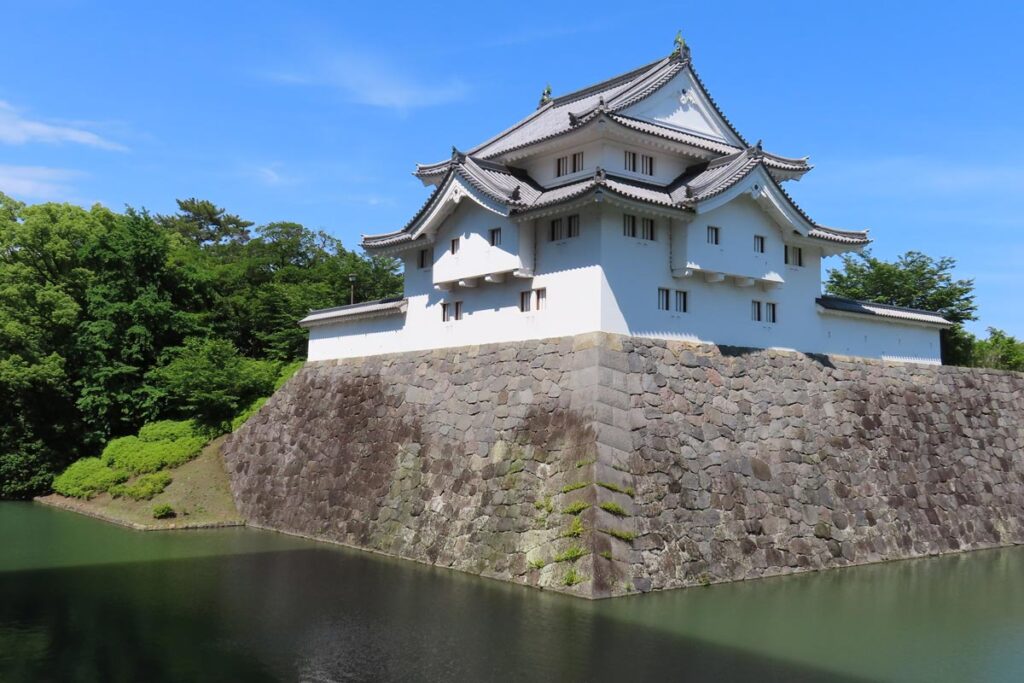
Sumpu Castle Park
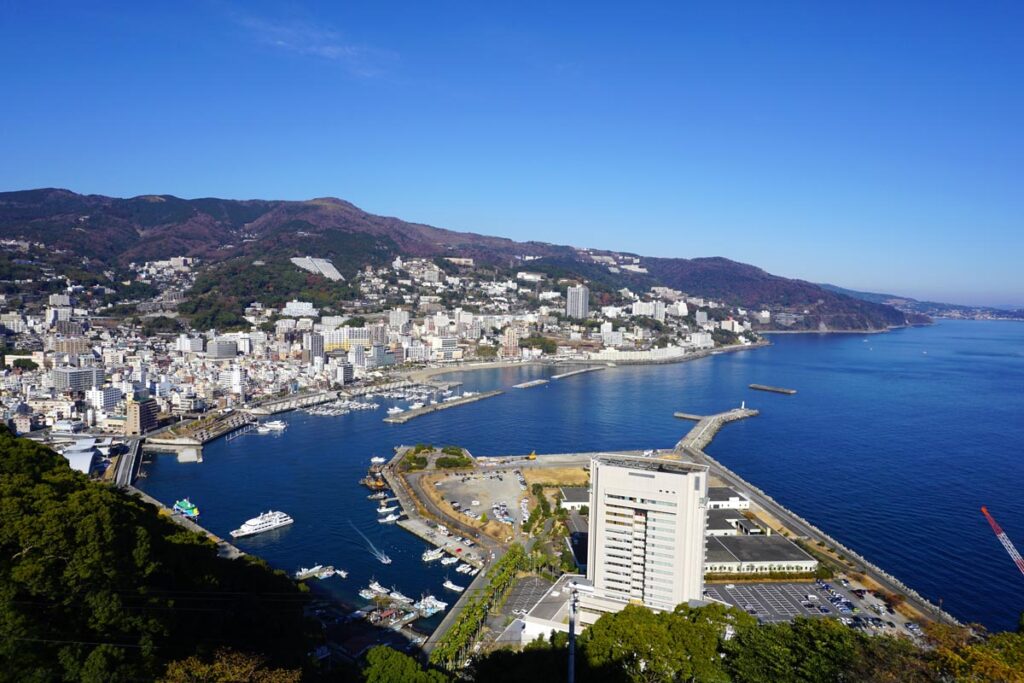
Atami

Yaizu Tuna Fishing Port
Top destinations in Chubu/Hokuriku
Gifu
Ishikawa
Nagano