


Atami
Atami Japan Travel Guide for First-Time Visitors
Photos are for illustrative purposes only.
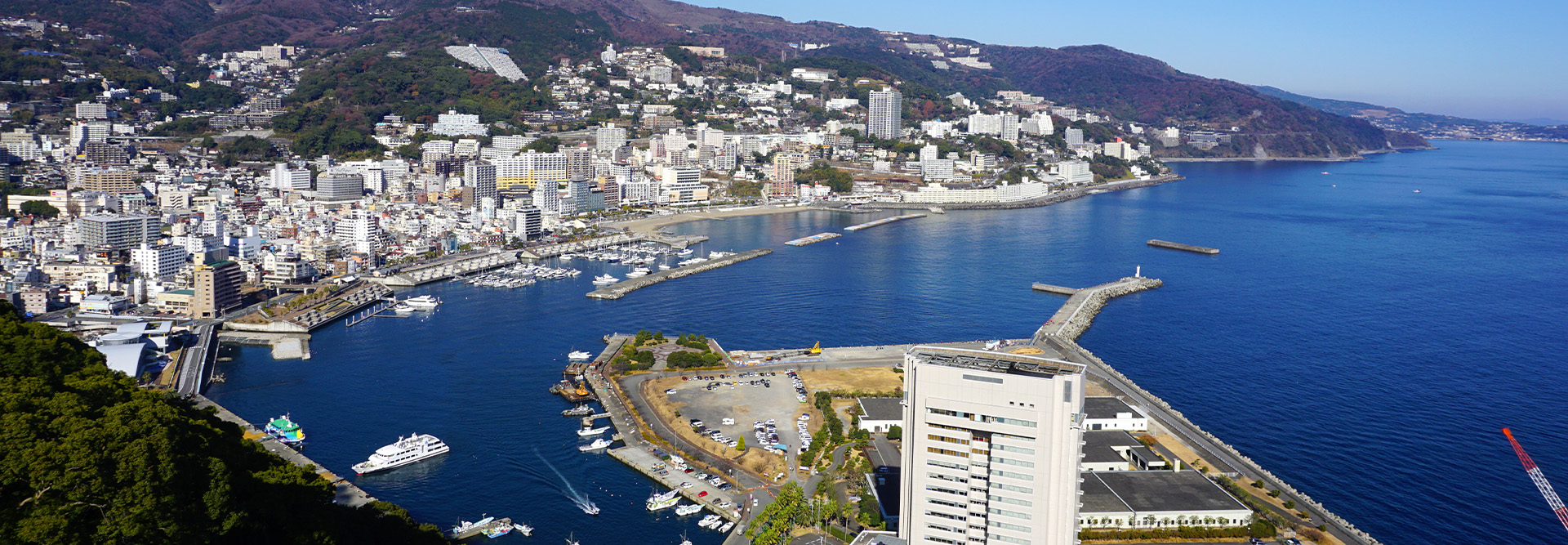
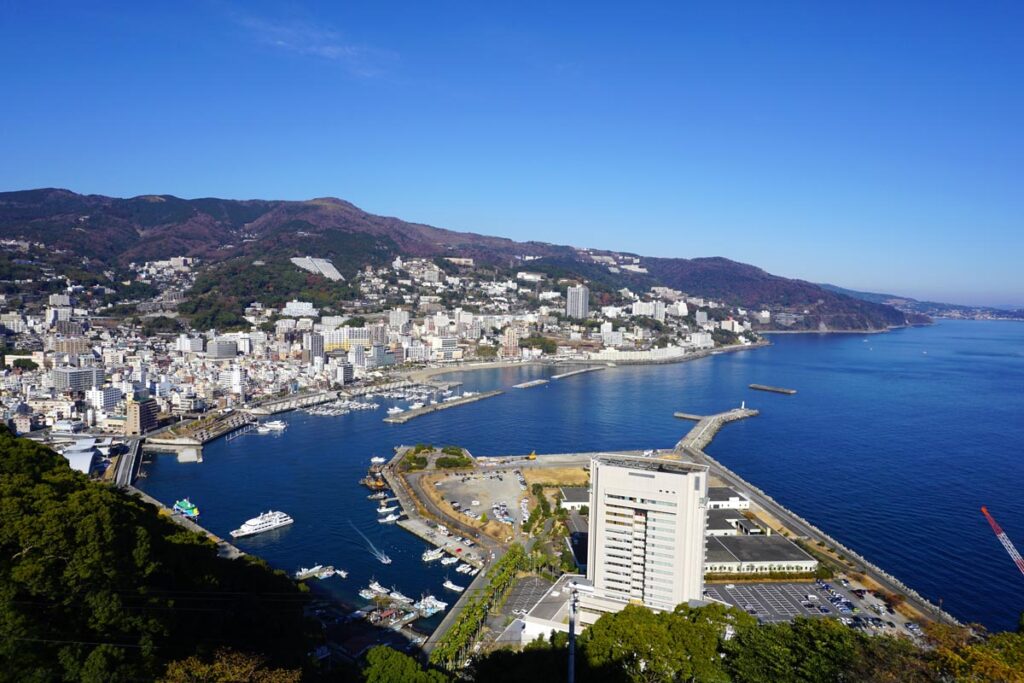
Atami is a classic Japanese seaside hot spring resort on the eastern coast of the Izu Peninsula in Shizuoka Prefecture. Just 40–50 minutes from Tokyo by bullet train, it combines steaming onsen baths, sandy beaches, a hilltop castle, and seasonal flower parks with a nostalgic Showa-era atmosphere. For first-time visitors to Japan, Atami offers an easy, relaxing escape from the big city without complicated travel logistics.
Why Visit Atami on Your Japan Trip?
Atami has been a well-loved resort for centuries, from samurai lords and feudal-era poets to Tokyo weekenders today. Its appeal comes from a mix of scenery, culture, and convenience that suits both short breaks and longer coastal stays.
Quick Highlights
- Natural hot springs (onsen) with public baths, traditional inns, and private open-air tubs
- A broad sandy beach and seaside promenade, rare so close to Tokyo
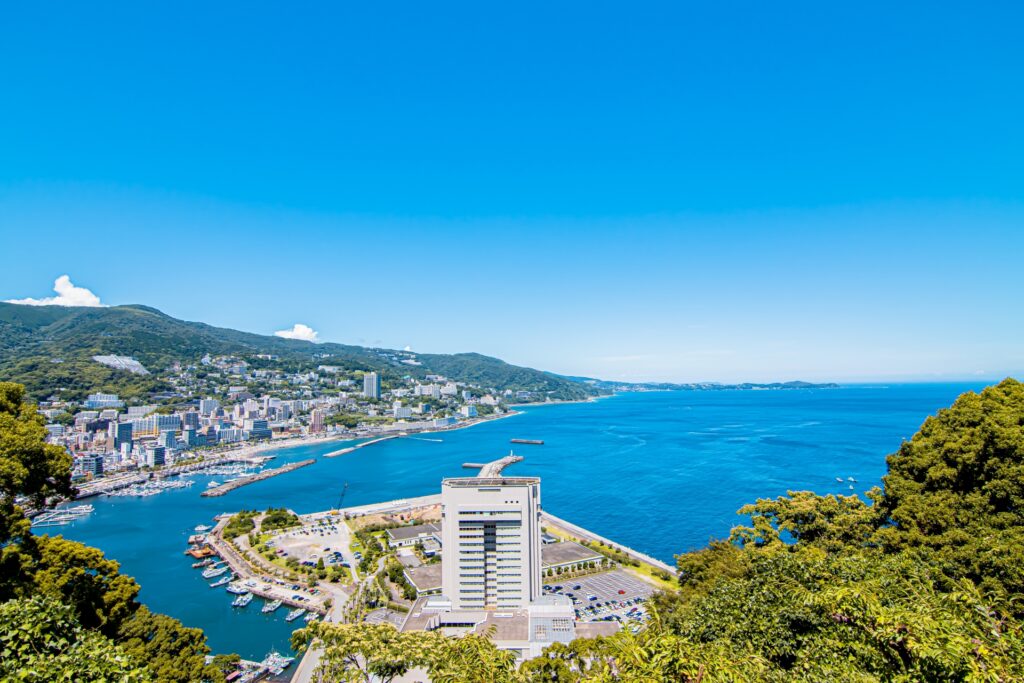
- Atami Castle and hillside viewpoints with sweeping ocean and city views
- Seasonal flower displays, especially early-blooming plum blossoms and cherry blossoms
- Fresh seafood, local citrus, and regional specialties like onsen manju steamed buns
- Easy access by Shinkansen and local trains, great as a day trip or overnight stop
Getting to Atami
Atami is one of the most accessible resort towns in Japan, making it ideal for first-time visitors unfamiliar with the rail system.
From Tokyo
- By Shinkansen (bullet train): Take the JR Tokaido Shinkansen (Kodama or some Hikari services) from Tokyo or Shinagawa Station. The ride to Atami Station is about 40–50 minutes.
- By local train: JR Tokaido Line rapid trains connect Tokyo and Atami in roughly 1 hour 45 minutes. This is slower but cheaper than the Shinkansen.
The Japan Rail Pass is valid on most Shinkansen services to Atami, but not on the fastest Nozomi trains. For a quick resort getaway straight after arriving in Tokyo, Atami is one of the easiest destinations in the country.
From Other Regions
- From Osaka/Kyoto: Take the Shinkansen (around 2.5-3 hours). Kodama always stop at Atami Station, but Hikari may or may not stop, so be sure to check. Nozomi do not stop.
- From Hakone: The Hakone area is close by. You can travel via Odawara Station or use local lines, making it easy to combine both destinations.
Best Time to Visit Atami
Atami is a year-round destination, but the experience changes with the seasons. Because of its mild, maritime climate, flowers bloom early and winters are comparatively gentle.
Spring (March–May)
Spring is one of the best times to visit Atami. Plum blossoms typically begin earlier than in Tokyo, followed by cherry blossoms and other flowers.
- Weather: Cool to warm; ideal for walking and onsen bathing.
- Highlights: Flower festivals, fresh greenery on the hills, clear ocean views.
Summer (June–August)
Summer is beach season, particularly during Japanese school holidays in July and August.
- Weather: Hot and humid, with the rainy season in June and early July.
- Highlights: Swimming at Atami Sun Beach, fireworks festivals, energetic seaside nightlife.
Autumn (September–November)
Autumn offers comfortable temperatures and fewer crowds than summer.
- Weather: Warm in September, cooler and crisp from October.
- Highlights: Autumn foliage at hillside temples and parks, clear air and views across the ocean.
Winter (December–February)
Winter is onsen season, when locals and visitors alike enjoy soaking in hot mineral springs while the air is cool outside.
- Weather: Mild compared to inland Japan; snow is rare in town.
- Highlights: Fewer tourists, early-blooming flowers, relaxed atmosphere and long onsen sessions.
Top Things to Do in Atami
1. Soak in Atami’s Famous Onsen
Atami’s name literally means “hot ocean,” a reference to the geothermal waters that have made the area famous since ancient times. Onsen culture is central to the town’s identity, and experiencing it is a must.
You can enjoy hot springs in several ways:
- Ryokan stays: Traditional Japanese inns often feature communal baths and sometimes private open-air baths attached to guest rooms. Staying in a ryokan typically includes dinner and breakfast, serving seasonal kaiseki cuisine.
- Public bathhouses: Modern and retro-style sento and onsen facilities are dotted around the city, some within walking distance of Atami Station.
- Foot baths: Look for free ashiyu (hot spring foot baths) around town, where you can rest your feet and chat with locals.
Remember onsen etiquette: wash thoroughly before entering the bath, soak quietly without splashing, and leave towels out of the water. Many facilities do not allow visible tattoos, though some ryokan offer private baths that can be reserved in advance.
2. Relax at Atami Sun Beach
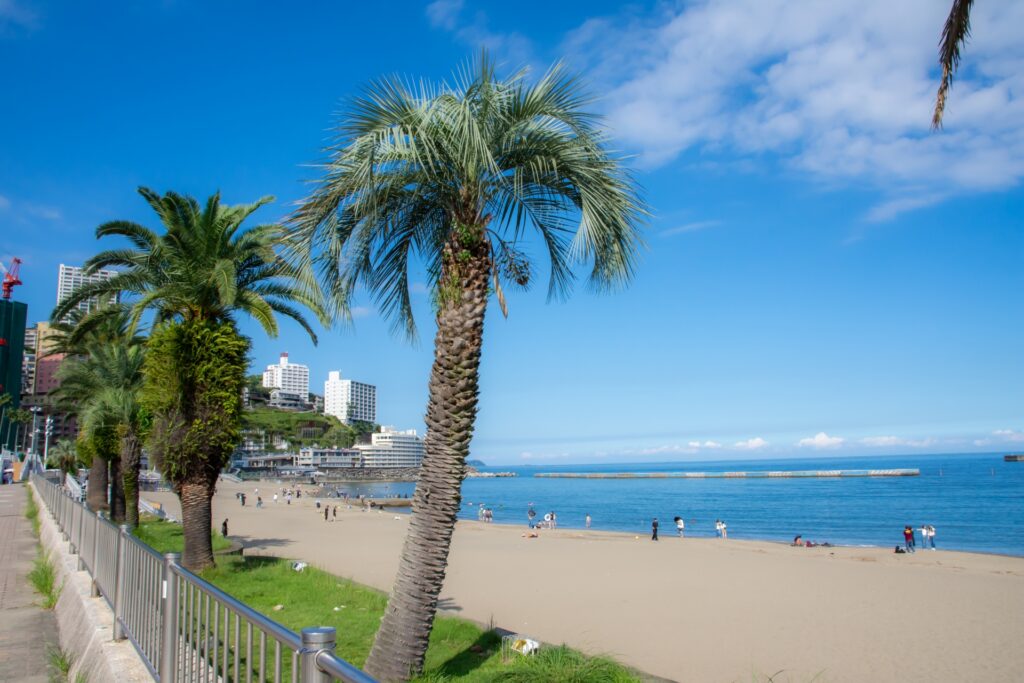
Atami Sun Beach is a wide sandy stretch just a short walk from the station. With gently curving shoreline and calm waves, it feels more like a resort on a southern island than a town near Tokyo.
- Summer: Swim, rent beach chairs, and enjoy food stalls and seaside cafés. Lifeguards are usually on duty during the official swimming season.
- Evenings: The beach is illuminated at night by soft lighting along the promenade, creating a romantic atmosphere for strolling couples and families.
- Off-season: Walk the shore, watch surfers on windier days, and enjoy clear views of the Izu Peninsula coastline.
3. Visit Atami Castle and Enjoy the View
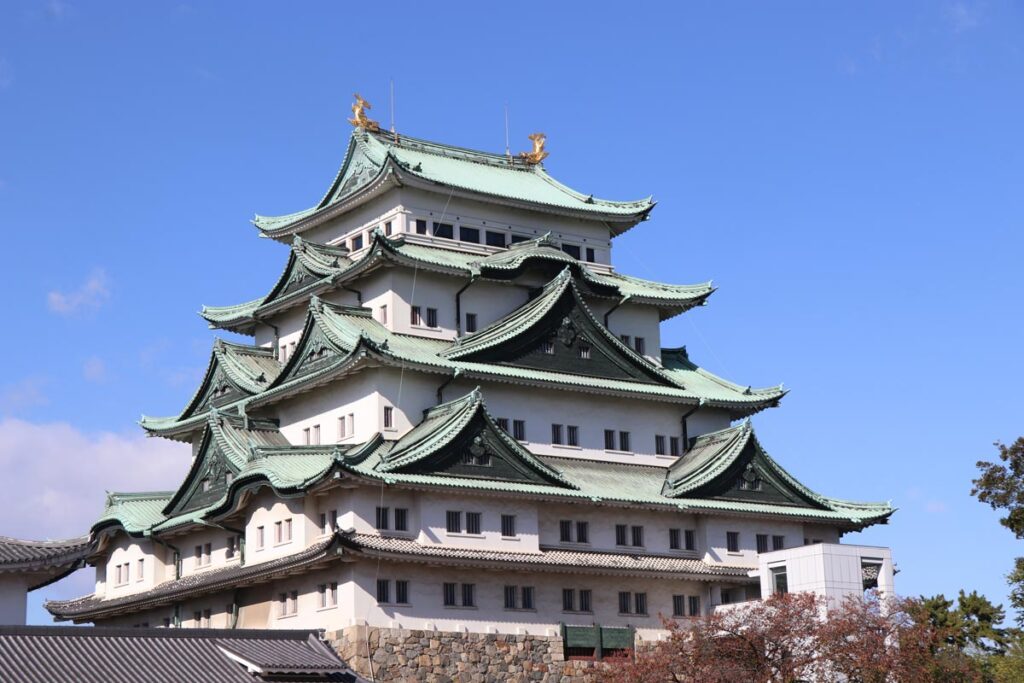
Perched high on a hill overlooking the harbor, Atami Castle is not a historic feudal castle but a reconstruction built as a tourist attraction. Even so, it offers a fun introduction to Japanese castle architecture and excellent views.
Inside, you’ll find exhibitions about samurai armor, castle life, and regional history. The top floor observation deck is the main draw, with sweeping panoramas over the city, bay, and surrounding mountains. On clear days you may see as far as the Izu coastline and, occasionally, the distant outline of Mount Fuji.
4. Explore Atami’s Gardens and Flower Spots
Thanks to its warm climate, Atami is rich in botanical attractions that appeal to garden lovers and photographers.
- Plum and cherry blossoms: Parks and temple grounds around Atami are famous for early plum blossoms, which often open before those in Tokyo.
- Coastal gardens: Several garden facilities feature tropical and subtropical plants nurtured by the mild sea air, with walking paths and observation decks.
- Seasonal events: Flower festivals, illuminations, and markets are held throughout the year, so check the local tourism calendar if you hope to catch a specific display.
5. Stroll the Nostalgic Shopping Streets
Near Atami Station you’ll find covered shopping arcades and narrow streets lined with traditional sweet shops, seafood vendors, and retro cafés. This is a great place to experience everyday Japanese resort-town life.
Look for:
- Onsen manju: Soft steamed buns filled with sweet red bean paste, often made with local spring water.
- Kamaboko and dried fish: Atami is known for fish products, and many shops sell beautifully packaged assortments for souvenirs.
- Local citrus and juices: Shizuoka Prefecture produces excellent citrus fruits; try fresh juice or flavored soft-serve ice cream.
6. Enjoy Fireworks Over the Bay
Atami is famous for its fireworks displays held several times a year, often outside the typical summer festival season. Launched over the bay and reflected on the water, these shows are popular with both locals and visitors.
The natural bowl shape of the surrounding hills enhances the sound of the fireworks, creating a dramatic echo. If your travel dates are flexible, checking the event schedule and timing your stay to coincide with a fireworks night can be a memorable highlight.
Where to Stay in Atami
Accommodation options range from luxury hot spring resorts to simple business hotels and guesthouses.
Onsen Ryokan
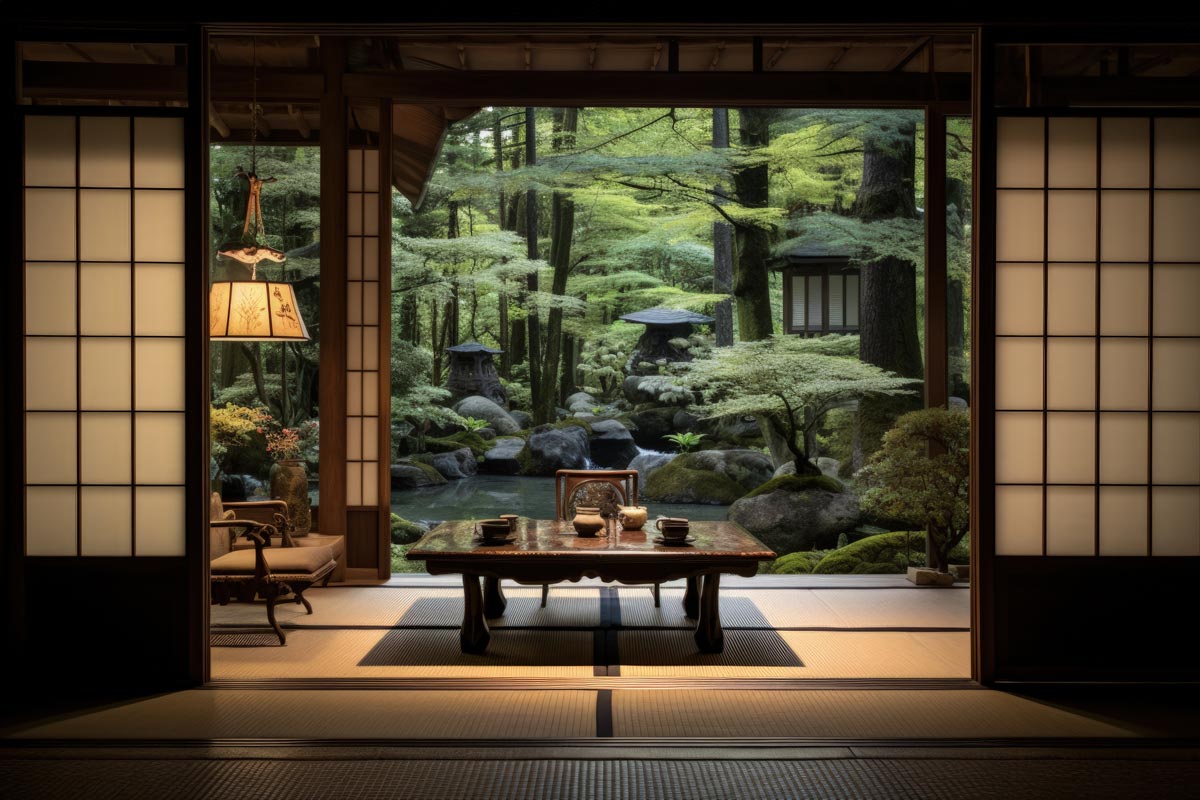
For many travelers, staying in a ryokan is the quintessential Atami experience. Expect tatami-mat rooms, sliding doors, and futon bedding laid out in the evening. Multi-course dinners showcase local seafood and seasonal vegetables, often beautifully plated in the kaiseki style.
Prices vary widely. Higher-end ryokan may offer private open-air baths with ocean views, while more affordable inns provide shared baths and simpler meals. When booking, check whether meals are included and whether rooms have private bathrooms in addition to the communal onsen.
Hotels and Guesthouses
Western-style hotels near Atami Station or the beach are convenient for short stays and day-trippers. They may have their own hot spring facilities but with a more contemporary layout than traditional ryokan. Budget travelers will also find small guesthouses and business hotels, making Atami accessible even on a tighter budget.
Food and Drink in Atami
The sea and hot springs shape Atami’s cuisine. Fresh seafood, comfort foods suited to after-bath relaxation, and nostalgic sweets are all part of the local experience.
Seafood and Local Dishes
- Sashimi and sushi: Look for restaurants near the harbor and shopping arcades serving locally caught fish.
- Kaisendon: Bowls piled high with assorted raw seafood over rice are a satisfying and photogenic lunch option.
- Dried fish (himono): A specialty of the region, often grilled for breakfast at ryokan.
Snacks and Sweets
- Onsen manju and yokan: Traditional Japanese sweets to enjoy with green tea or take home as gifts.
- Citrus desserts: Cakes, jellies, and drinks featuring local oranges and other citrus fruits.
Many shops offer samples, and staff are typically patient with visitors who speak little Japanese. Pointing and simple phrases like “kore wa nan desu ka?” (What is this?) can lead to friendly interactions.
Practical Tips for Visiting Atami
Navigating the Town
Atami Station sits on higher ground, with roads sloping down toward the sea. The walk to the beach takes about 15–20 minutes downhill, but the return can be a bit steep.
- Buses and taxis: Local buses connect the station with major attractions and the coastline. Taxis are readily available at the station for trips to hotels and sights on the hills.
- On foot: The central area around the station, shopping arcade, and beach is compact enough for walking if you are comfortable with slopes.
Onsen Etiquette for First-Timers
If this is your first time in a Japanese hot spring, keep these cultural points in mind:
- Remove shoes before entering changing areas; store belongings in lockers or baskets.
- Wash and rinse thoroughly at the shower stations before entering the main bath.
- Enter the bath slowly and relax quietly; avoid splashing or swimming.
- Small towels are used for modesty while walking but should not touch the bath water.
- Dry off lightly before returning to the changing room to avoid dripping on the floors.
Mixed-gender bathing is rare; most baths are separated by gender, with signs indicating men (男) and women (女). If in doubt, ask the staff or check color codes: blue is often for men, red or pink for women.
Language and Payments
English is not widely spoken, but staff at major hotels and tourism counters can usually assist in basic English. Many restaurants have picture menus or plastic food displays, making ordering straightforward.
- Payment: Cash is still common in smaller shops, but most hotels and larger restaurants accept credit cards and major digital payment services.
- Tourist information: Look for the information office near Atami Station for English-language maps and brochures.
Suggested Itineraries
Atami Day Trip from Tokyo
- Morning: Depart Tokyo by Shinkansen, arrive at Atami Station and drop luggage in station lockers if needed.
- Late morning: Explore the shopping arcade, sample local snacks, and walk down to Atami Sun Beach.
- Afternoon: Visit Atami Castle and nearby viewpoints, then relax in a public onsen.
- Evening: Enjoy seafood dinner near the station and return to Tokyo.
Overnight Onsen Stay
- Day 1: Arrive by late morning, stroll the town, and check into a ryokan. Spend the afternoon soaking in the baths and savoring a traditional dinner.
- Day 2: After a leisurely breakfast, visit gardens or coastal viewpoints before heading back toward Tokyo or onward around the Izu Peninsula.
Final Thoughts
For first-time visitors to Japan, Atami offers a gentle introduction to onsen culture, coastal scenery, and traditional hospitality without the stress of long journeys or complex transfers. Whether you come for a quick seaside escape from Tokyo or a slow-paced onsen retreat, this historic resort town provides a warm welcome, in every sense of the word.

Access Map
Recommended spots in Shizuoka
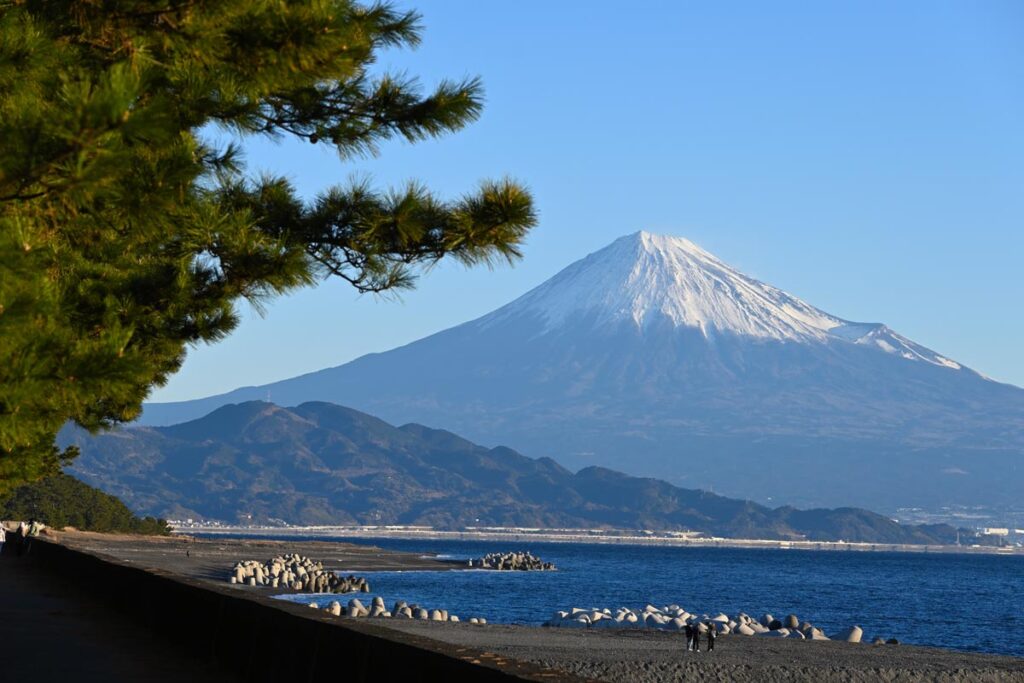
Miho no Matsubara
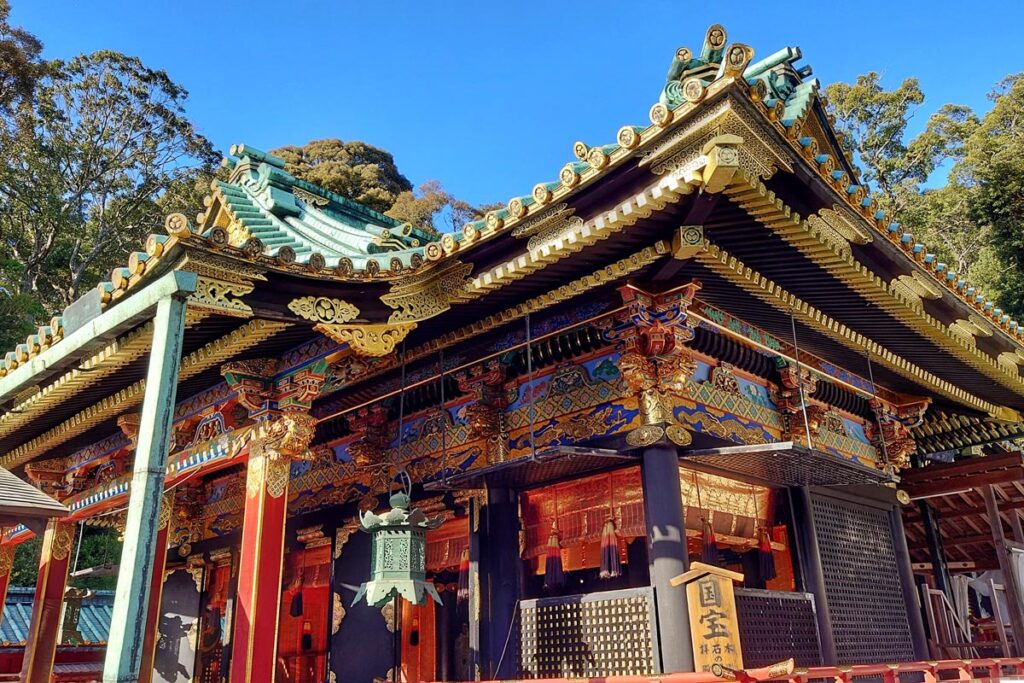
Kunōzan Tōshō-gū
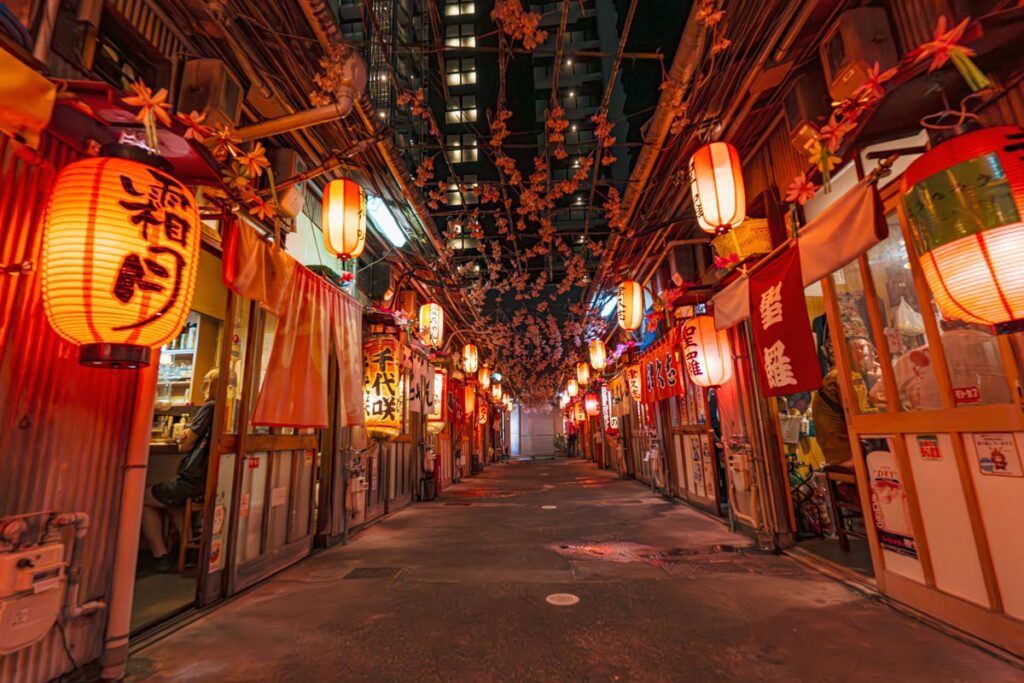
Shizuoka Oden Alley
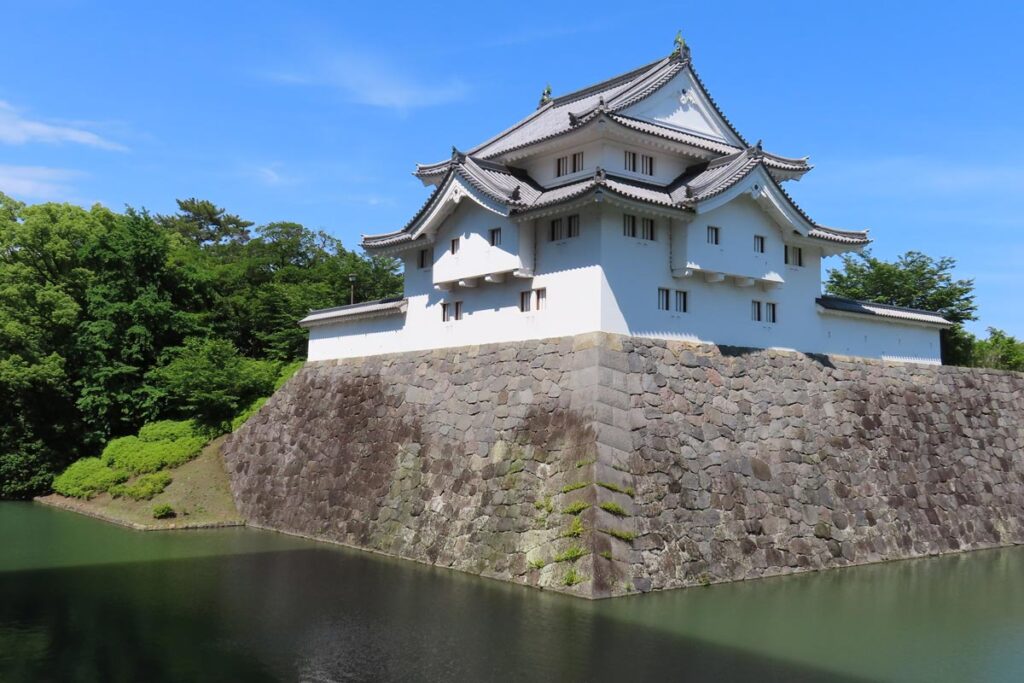
Sumpu Castle Park
Atami
Yaizu Tuna Fishing Port
Top destinations in Chubu/Hokuriku
Gifu
Ishikawa
Nagano