

Kansai Region
First-Timer’s Guide to Japan’s Kansai Region
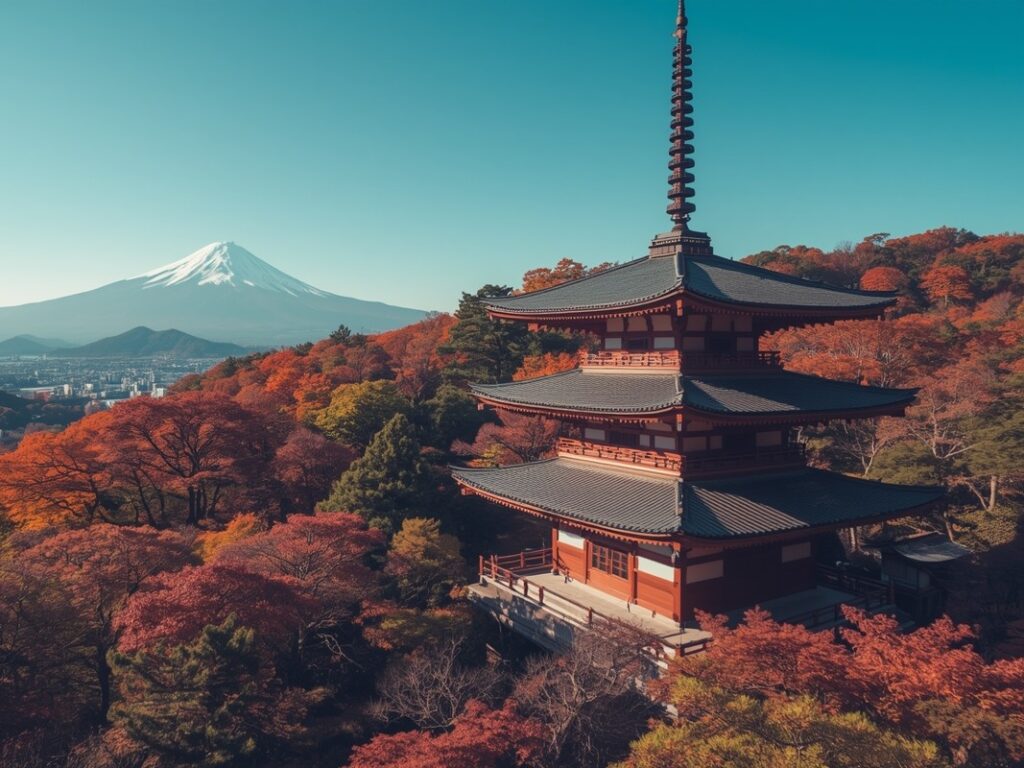
Photos are for illustrative purposes only.
The Kansai region is where many travelers fall in love with Japan. Centered around Osaka, Kyoto and Nara, it blends ancient temples and castles with neon nightlife, sacred mountains and some of the best food in the country. For a first-time visitor, Kansai is compact, easy to navigate and full of iconic sights you probably already recognize from photos of Japan.
This guide walks you through what Kansai is, how to get around, the main cities and highlights, and how to plan a comfortable first visit with just the right amount of cultural immersion.
What and Where Is Kansai?
Kansai (also called the Kinki region) lies in central-western Honshu, Japan’s main island. It includes several prefectures, but for travelers the key hubs are:
- Osaka – Kansai’s largest city, famous for street food, nightlife and a friendly, outspoken local character.
- Kyoto – The cultural heart of Japan, home to thousands of temples and shrines, traditional townhouses and seasonal beauty.
- Nara – An ancient capital with free-roaming deer and some of Japan’s oldest Buddhist sites.
- Kobe – A cosmopolitan port city backed by mountains, known for Kobe beef and scenic harbor views.
- Himeji – A smaller city with arguably Japan’s most spectacular original castle.
Kansai is also a logical base for day trips to nearby destinations like Mount Koya (Koyasan), Wakayama’s coastal shrines and onsen resorts, and even Hiroshima via the Shinkansen.
Why Kansai Is Ideal for First-Time Travelers
Many visitors land in Tokyo, but Kansai offers a different, often more approachable introduction to Japan. Here’s why it works so well for first-timers:
- Compact and well connected – Osaka, Kyoto, Nara and Kobe are under an hour from each other by train, making it easy to see a lot without constant hotel changes.
- Rich cultural variety – In a few days you can experience castles, geisha districts, riverside nightlife, sacred forests and seaside promenades.
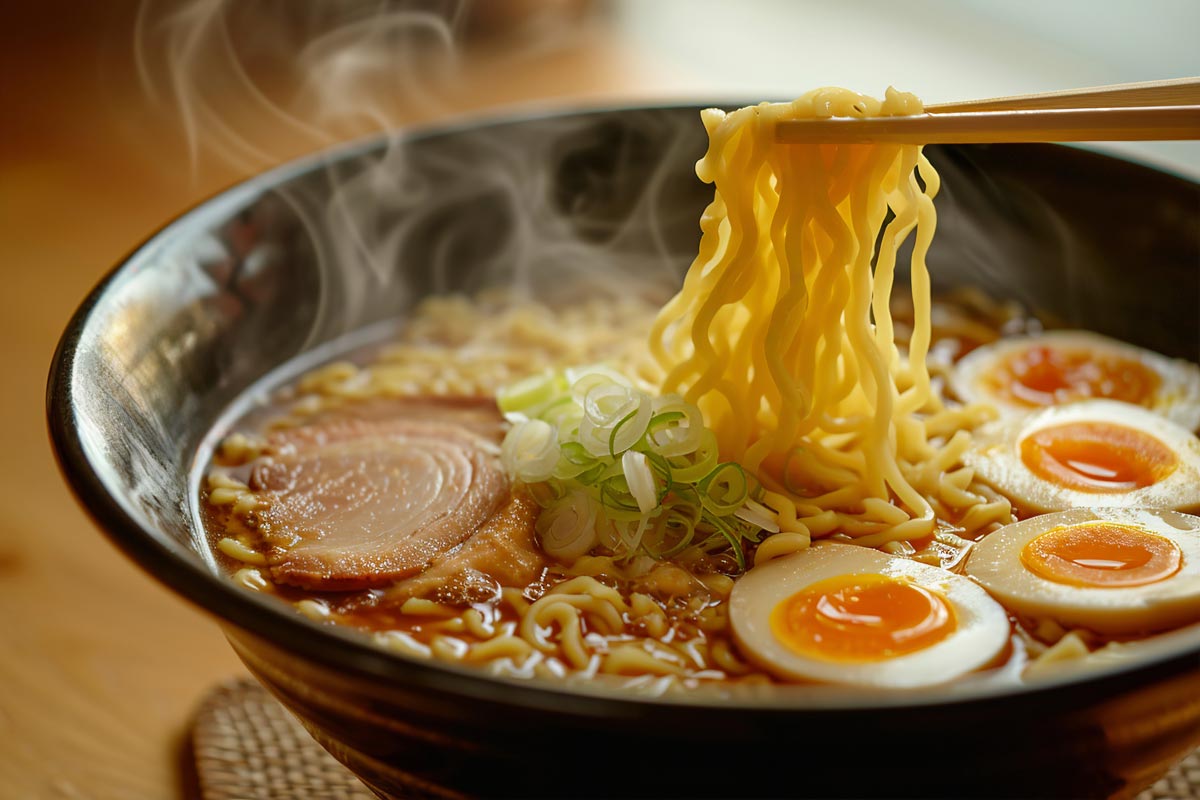
- Excellent food at every budget – From cheap street snacks to refined kaiseki cuisine, Kansai’s food culture is accessible and vibrant.
- Easy English support – Major stations, hotels and attractions have English signage and staff used to international visitors.
Getting to and Around the Kansai Region
Arriving via Kansai International Airport (KIX)
Kansai International Airport is built on an artificial island in Osaka Bay and is the main international gateway to the region. From KIX you can quickly reach:
- Osaka Station / Umeda – Around 50–70 minutes by JR train or private rail lines.
- Shin-Osaka – The Shinkansen hub connecting you to Hiroshima and Tokyo.
- Kyoto – Roughly 75–90 minutes by train, with frequent departures. >
Airport trains run from early morning until late at night, and there are also buses to major city hotels. IC cards like ICOCA, Suica and PASMO work on most trains and buses across the region.
Do You Need a Japan Rail Pass?
For a Kansai-focused trip of about a week, a nationwide Japan Rail Pass may not be necessary. Instead, consider:
- Regional rail passes such as JR West Kansai Area Passes or Kansai–Hiroshima passes if you plan a side trip by Shinkansen.
- Local IC cards for tap-in, tap-out convenience on JR and private rail lines, subways and buses.
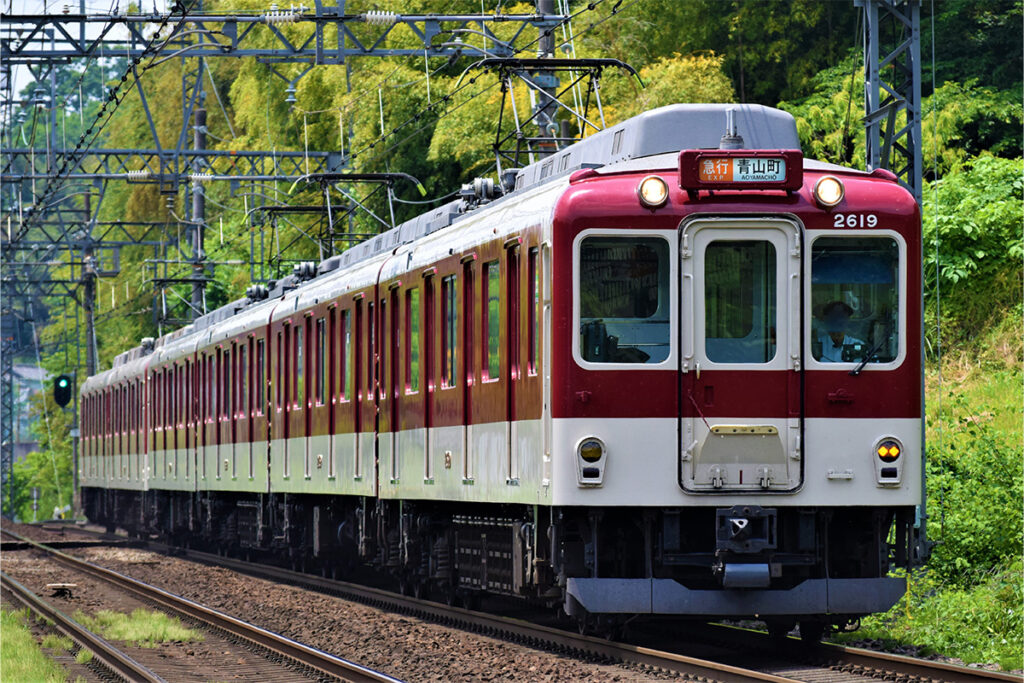
Because Kansai also relies heavily on private railways (like Hankyu, Hanshin and Kintetsu), a combination of IC card and select regional passes can be more cost-effective than a nationwide pass.
Key Kansai Cities and What to See
Osaka: Food, Nightlife and Urban Energy
Osaka is often described as Japan’s kitchen, and the city lives up to its reputation. People here have a reputation for being more direct and humorous than in other parts of Japan, and food is central to everyday life.
For a first visit, focus on:
- Dotonbori – A riverside entertainment district glowing with oversized restaurant signs and neon. Try takoyaki (octopus balls) and okonomiyaki (savory pancakes) from street stalls or casual eateries.
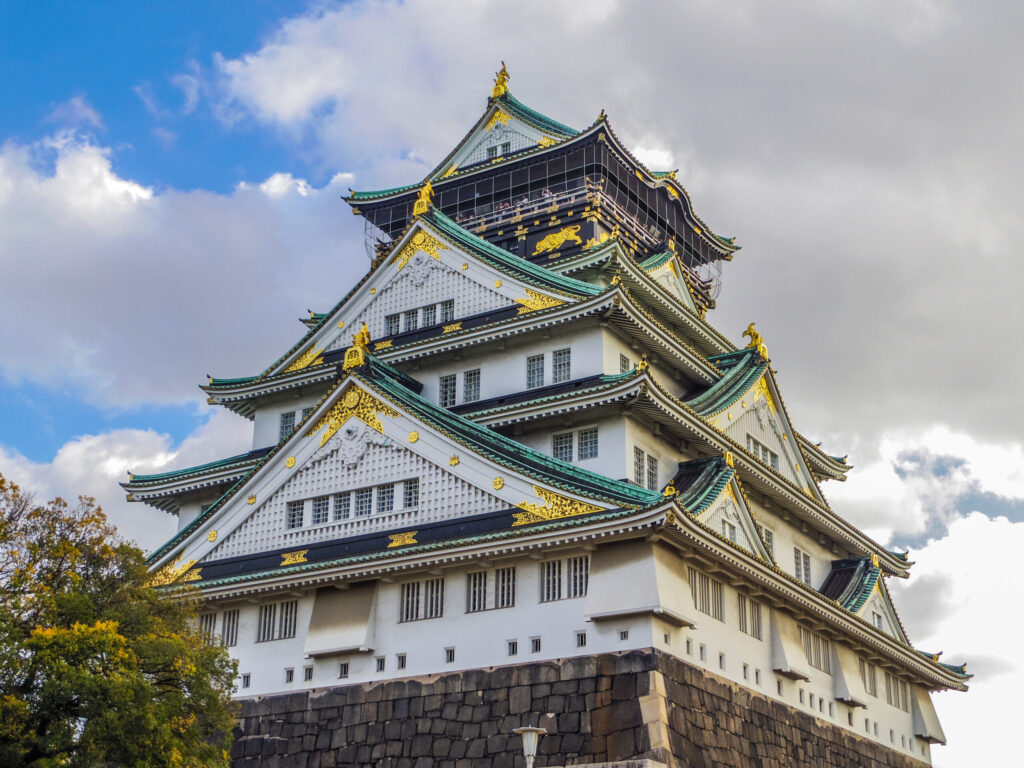
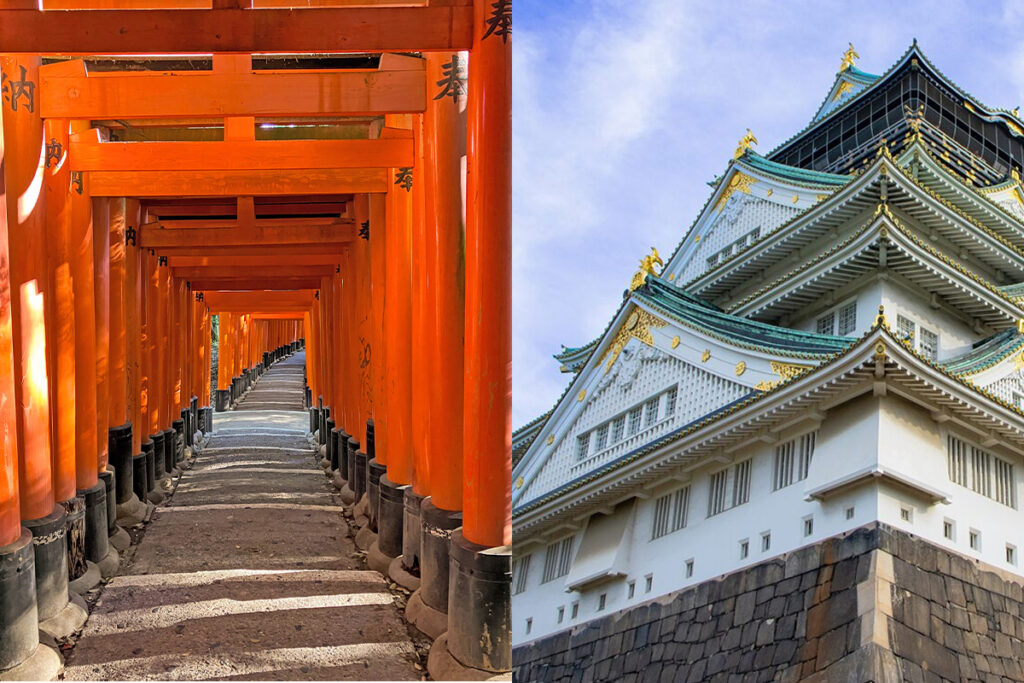
- Osaka Castle – A reconstructed castle set in a large park. The interior museum explains the era of powerful warlord Toyotomi Hideyoshi, while the top floor offers city views.
- Shinsekai – A retro district with a nostalgic Showa-era atmosphere, tower views from Tsutenkaku, and hearty kushikatsu (deep-fried skewers).
- Umeda – The modern business and shopping district. The Umeda Sky Building’s Floating Garden Observatory gives a panoramic perspective of the urban sprawl.
Osaka is also an excellent base for families thanks to Universal Studios Japan, accessible quickly by local trains from the city center.
Kyoto: Temples, Tea and Traditional Streets
Kyoto was Japan’s capital for over a thousand years, and its layers of history show in every district. While it’s a modern city, visitors come for the pockets of preserved architecture, quiet gardens and seasonal spectacles of cherry blossoms and autumn leaves.
Essential Kyoto experiences include:
- Fushimi Inari Taisha – Famous for its seemingly endless tunnel of vermilion torii gates climbing Mount Inari. Go early morning or late afternoon to avoid crowds on the lower slopes.
- Arashiyama – A western district with a riverside setting, bamboo groves, monkey park and scenic views of forested hills that change color with the seasons.
- Kiyomizu-dera – A hilltop temple with a wooden stage overlooking the city. The surrounding lanes of Sannenzaka and Ninenzaka are lined with traditional shops and tea houses.
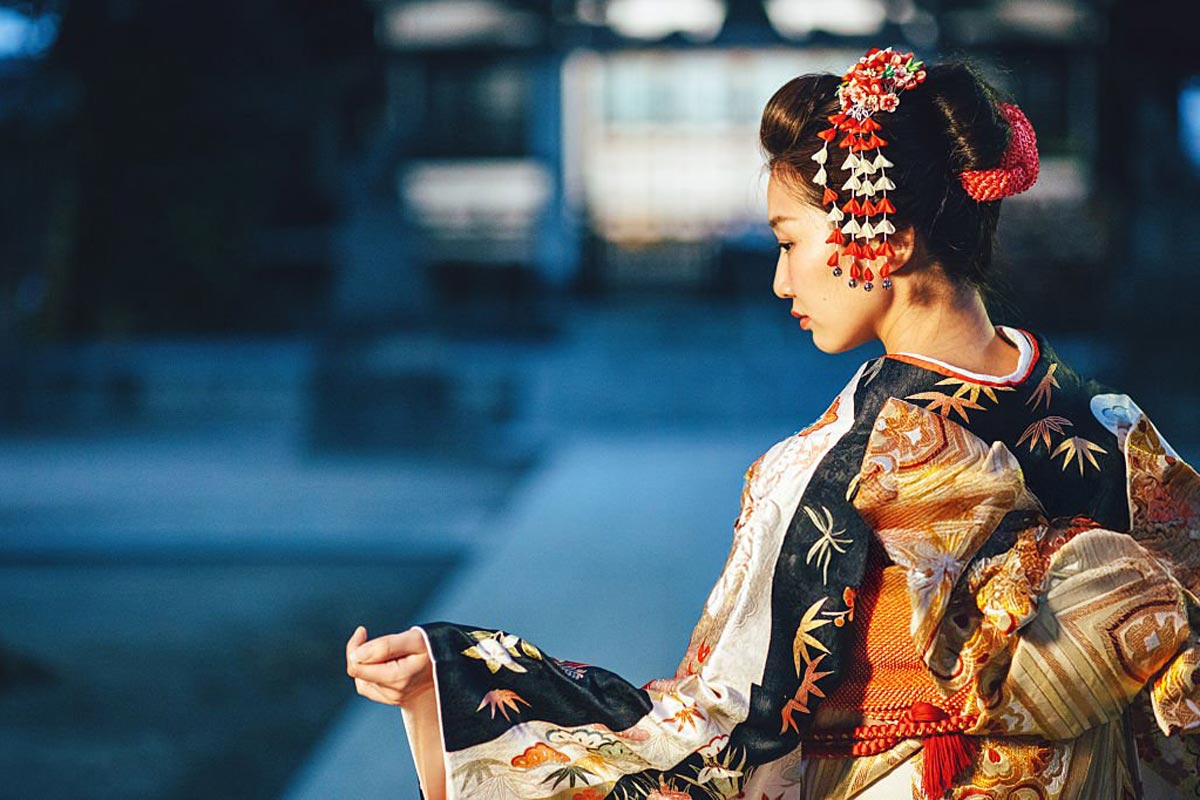
- Gion and Higashiyama – Historic districts where you can glimpse maiko (apprentice geisha) on their way between appointments. Be respectful: keep distance, do not block their path and avoid intrusive photography.
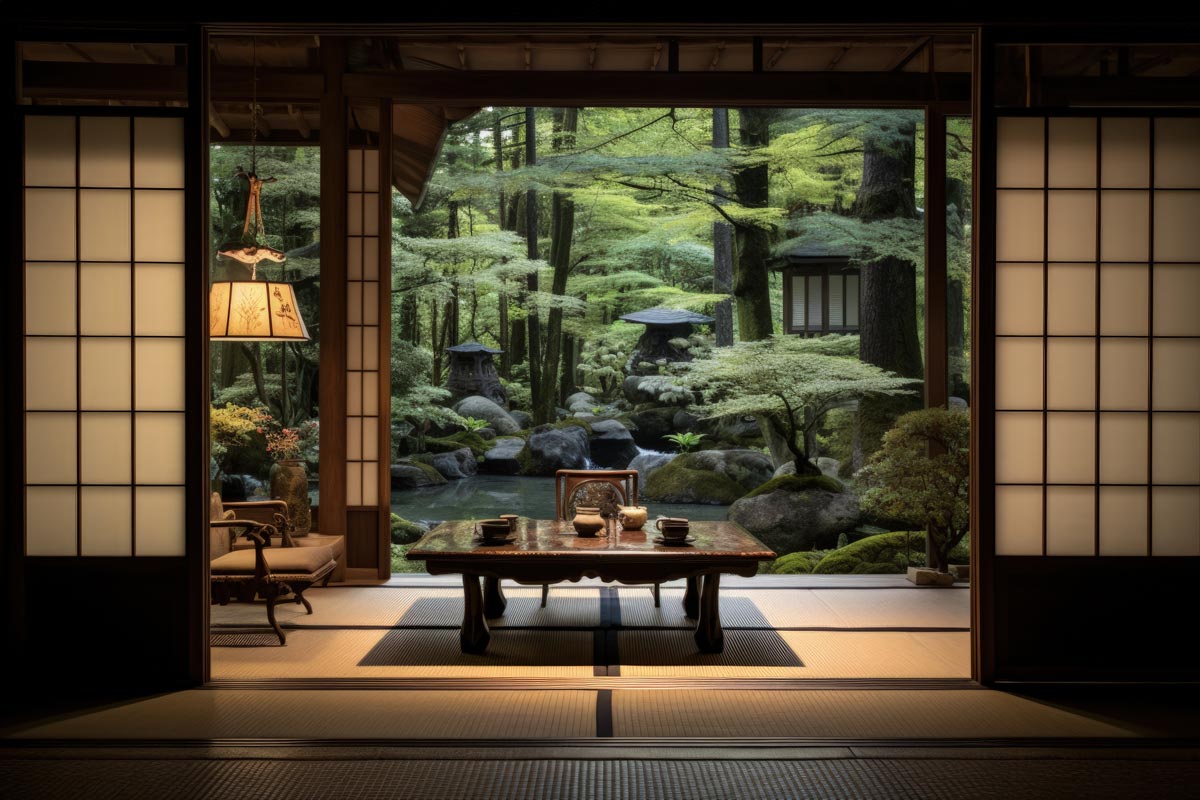
Kyoto is also the best place in Kansai to try tea culture. Look for tea houses offering simple matcha sets, or join an English-friendly tea ceremony to understand the ritual behind the drink.
Nara: Ancient Capital and Sacred Deer
Nara is an easy day trip from either Osaka or Kyoto, around 30–50 minutes by train. It offers a very different atmosphere: spacious parks, peaceful temple grounds and a slower pace.
Don’t miss:
- Todai-ji – A massive wooden hall housing one of Japan’s largest bronze Buddha statues. The scale of both the building and the statue is impressive even if you’ve visited temples elsewhere.
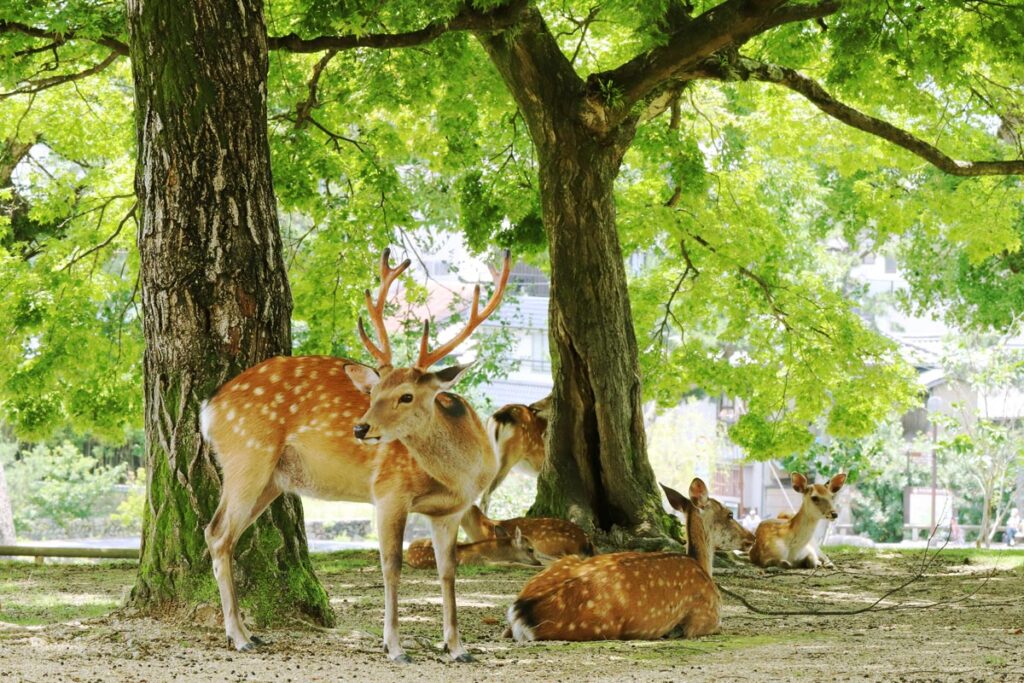
- Nara Park – Home to hundreds of semi-wild deer considered messengers of the gods in local Shinto belief. You can buy special deer crackers, but feed them cautiously and avoid teasing them.
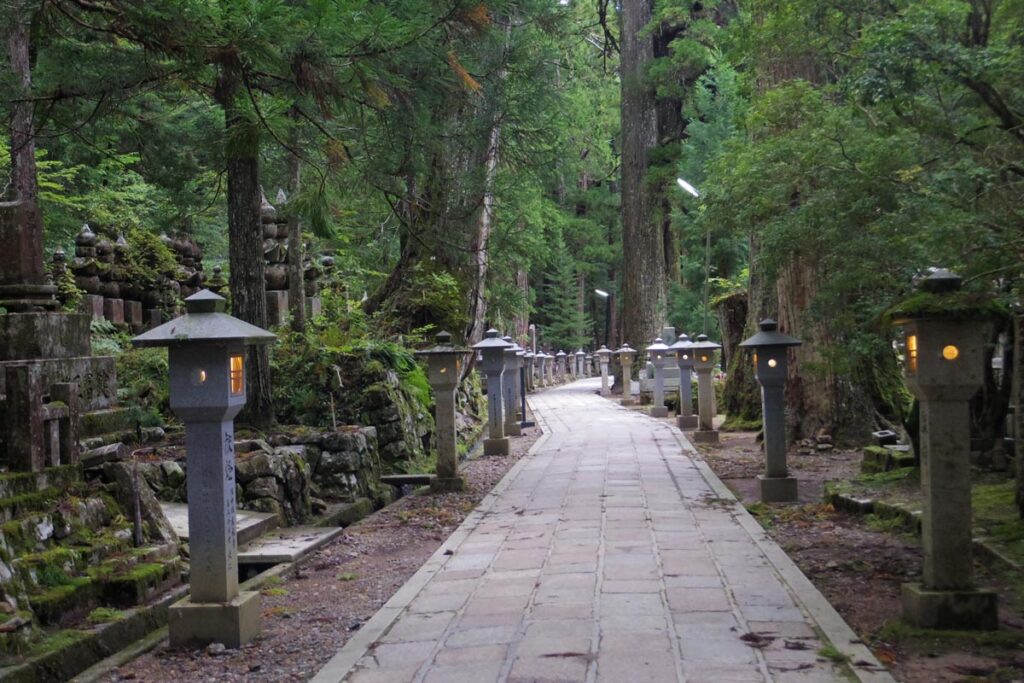
- Kasuga Taisha – A Shinto shrine known for its forest setting and stone and bronze lanterns.
Nara’s historic sites invite slow wandering. Many paths lead through wooded areas, so comfortable walking shoes are essential.
Kobe: Harbor Views and Mountain Backdrop
Kobe stretches between the Rokko mountain range and the Seto Inland Sea. It was one of the first Japanese ports opened to foreign trade in the 19th century, leaving a cosmopolitan legacy.
Highlights include:
- Harborland and Meriken Park – Waterfront promenades with night views of the illuminated Kobe Port Tower and city skyline.
- Kitano-cho – A hillside district with Western-style mansions built during the port’s early international era.
- Kobe beef – World-famous wagyu known for its marbling. For a first visit, consider a reputable teppanyaki restaurant where chefs cook in front of you and can explain cuts and preparation methods.
Kobe also offers easy access to hot spring areas like Arima Onsen, one of Japan’s oldest onsen towns, tucked into the nearby mountains.
Himeji: Japan’s Most Elegant Castle
Himeji makes an excellent half-day trip from Osaka or Kyoto, reachable in about an hour by Shinkansen or express train. The city’s star attraction is:
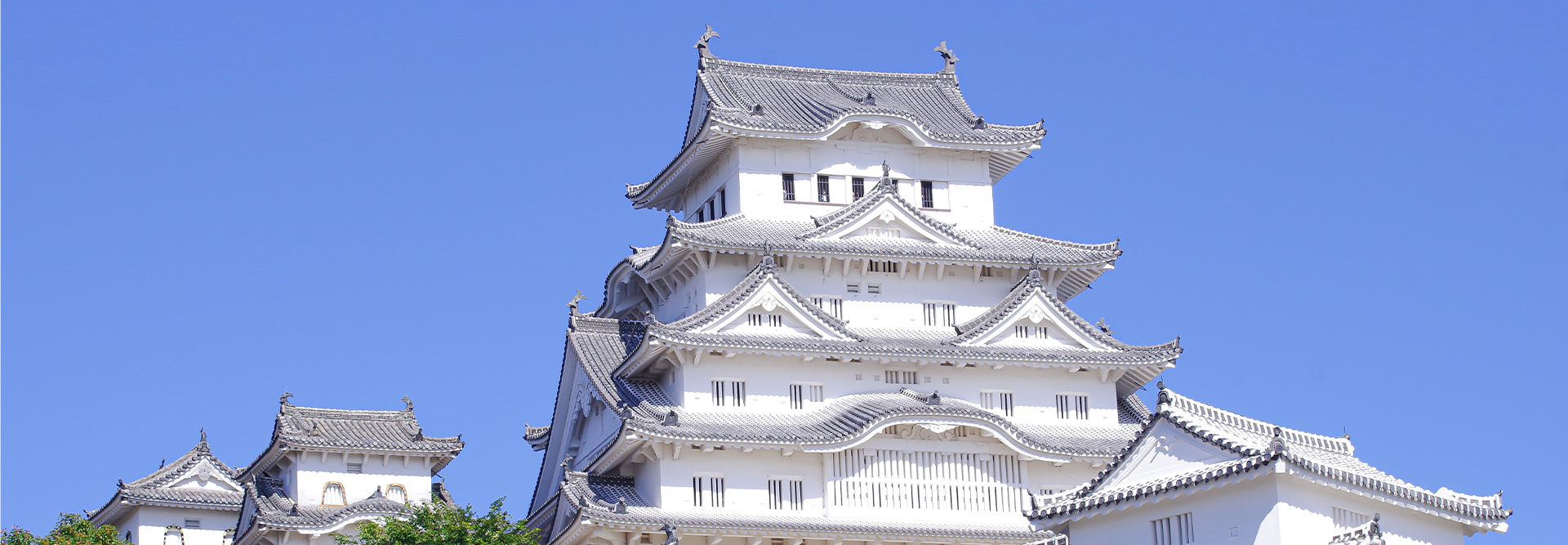
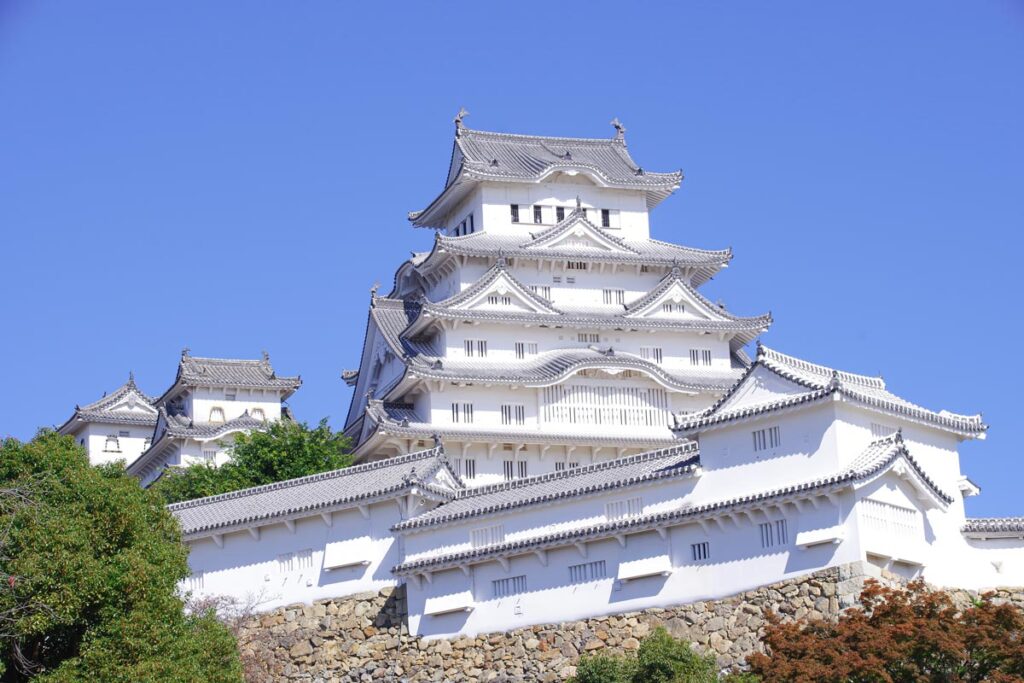
- Himeji Castle – Nicknamed the White Heron Castle for its graceful white plaster walls and layered roofs. Unlike many castles rebuilt in concrete, Himeji retains its original wooden interior, allowing you to walk through narrow stairways and defensive corridors much as samurai once did.
Allow two to three hours to explore the castle keep and the surrounding grounds. Nearby gardens such as Koko-en offer a calm contrast to the fortress architecture.
Suggested Itineraries for First-Time Visitors
4–5 Days in Kansai
- Day 1–2: Osaka – Explore Dotonbori, Osaka Castle, Shinsekai and Umeda. Enjoy street food and city nightlife.
- Day 3–4: Kyoto – Visit Fushimi Inari, Arashiyama, Kiyomizu-dera and Gion. If you have a fifth day, slow down with an extra neighborhood (such as the Philosopher’s Path) or a tea ceremony.
7–10 Days in Kansai
- Days 1–3: Kyoto – Focus on temples and traditional districts, spreading out visits to avoid temple fatigue.
- Day 4: Nara day trip – See Todai-ji, Kasuga Taisha and Nara Park.
- Days 5–6: Osaka – Include a food tour or a visit to Universal Studios Japan if you like theme parks.
- Day 7: Himeji or Kobe – Choose Himeji for castle history, or Kobe for harbor views and Kobe beef.
- Optional: Koyasan or Arima Onsen – Add a night at a temple lodging or onsen ryokan for a deeper cultural and relaxation experience.
Best Seasons to Visit the Kansai Region
Kansai has four distinct seasons, each with advantages and challenges.
- Spring (March–May) – Mild weather and cherry blossoms. Late March to early April is peak sakura season in Kyoto, Nara and Osaka, but expect crowds and higher hotel rates.
- Summer (June–August) – Hot and humid, with a rainy season in June and early July. On the plus side, summer brings festivals and fireworks, and green mountain landscapes are lush.
- Autumn (October–November) – Often the ideal balance of pleasant temperatures and fiery foliage. Kyoto’s temples and Arashiyama’s hills are particularly striking.
- Winter (December–February) – Chilly but usually above freezing in the cities. Fewer crowds at major sights, and clear air makes for crisp city and castle views. Illuminations and seasonal foods add charm.
Cultural Tips and Etiquette in Kansai
Local Character and Communication
People in Kansai are known for their warmth and humor. You may notice a more casual atmosphere than in Tokyo, especially in Osaka. Even so, basic Japanese etiquette is appreciated:
- Speak quietly on trains and avoid phone calls.
- Queue in an orderly line when boarding trains and buses.
- Carry your trash with you; public bins are limited.
At Temples and Shrines
When visiting religious sites:
- Look for the purification basin near the entrance. Rinse your left hand, right hand and mouth lightly with the ladle before entering (do not drink directly from the ladle).
- At shrines, bow lightly before passing through a torii gate and avoid walking exactly in the center, which is considered the path of the deities.
- Check for photography restrictions inside halls and sanctuaries.
Food and Dining
Kansai’s food culture is both delicious and approachable for newcomers. Keep in mind:
- Many casual places display plastic food models or have picture menus, making ordering easier.
- It’s customary to say itadakimasu before eating and gochisousama deshita after, as a sign of thanks.
- Tipping is not expected; in some cases it can even cause confusion. Good service is included in the bill.
Practical Travel Tips for Kansai
Where to Base Yourself
For a first trip, consider:
- Staying in Kyoto if your focus is temples, gardens and traditional culture.
- Staying in Osaka if you want nightlife, food and a convenient hub for multiple day trips.
Some travelers split their stay between the two, starting in Kyoto for culture and finishing in Osaka for dining and shopping.
Language and Navigation
Station signage, ticket machines and major attractions usually offer English. Many younger people study English, though they may be shy about speaking. A few key phrases and a translation app go a long way.
Download offline maps before you arrive and take screenshots of hotel addresses in Japanese, including phone numbers, in case you need to show a taxi driver or station staff.
Cash, Cards and Connectivity
Credit cards are widely accepted in cities, but small temples, local eateries and buses may be cash-only. ATMs that accept foreign cards can be found at convenience stores and post offices.
For internet access, consider a prepaid SIM or pocket Wi-Fi pickup at Kansai International Airport, so you can use maps and translation tools from the moment you arrive.
Making the Most of Your First Kansai Trip
The Kansai region condenses much of what travelers imagine when they think of Japan: torii gates climbing forested hillsides, castle keeps rising above moats, lantern-lit alleys and sizzling street food. With efficient trains, welcoming cities and a wide range of experiences packed into a relatively small area, it’s an ideal choice for a first journey to Japan.
By balancing Osaka’s energy with Kyoto’s calm, adding a day in Nara or Himeji and allowing time simply to wander, you’ll leave with a deeper sense of Japan’s history, daily life and regional character—and a strong desire to return.
Access Map
Kansai Region Useful Links
Kyoto & Osaka Sightseeing Pass