



Kobe Port Tower
First-Timer’s Guide to Kobe Port Tower in Japan
Photos are for illustrative purposes only.
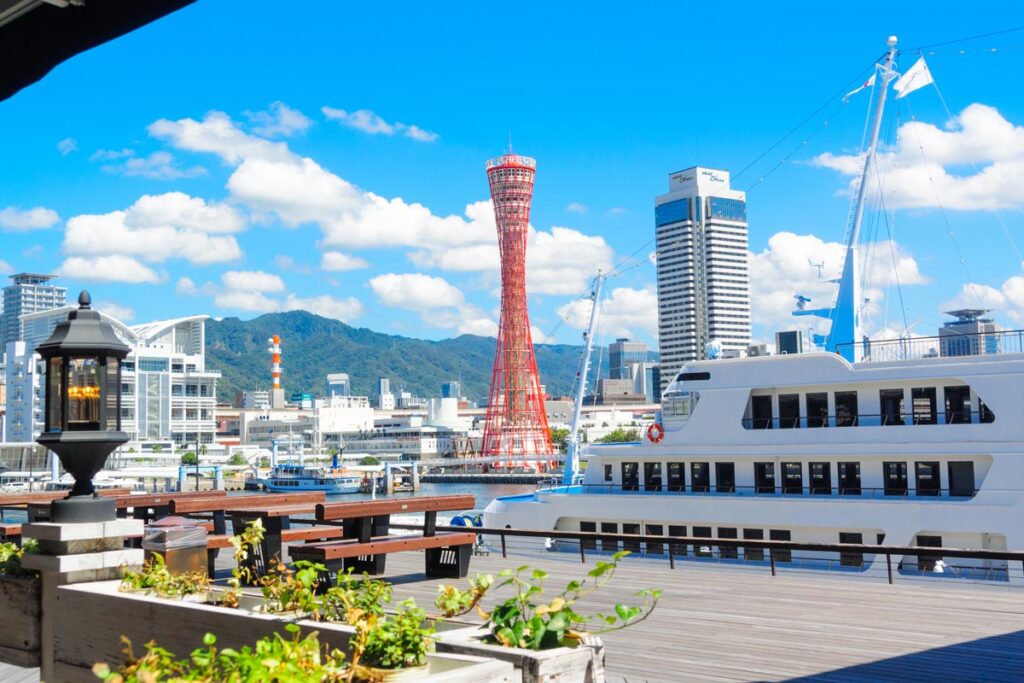
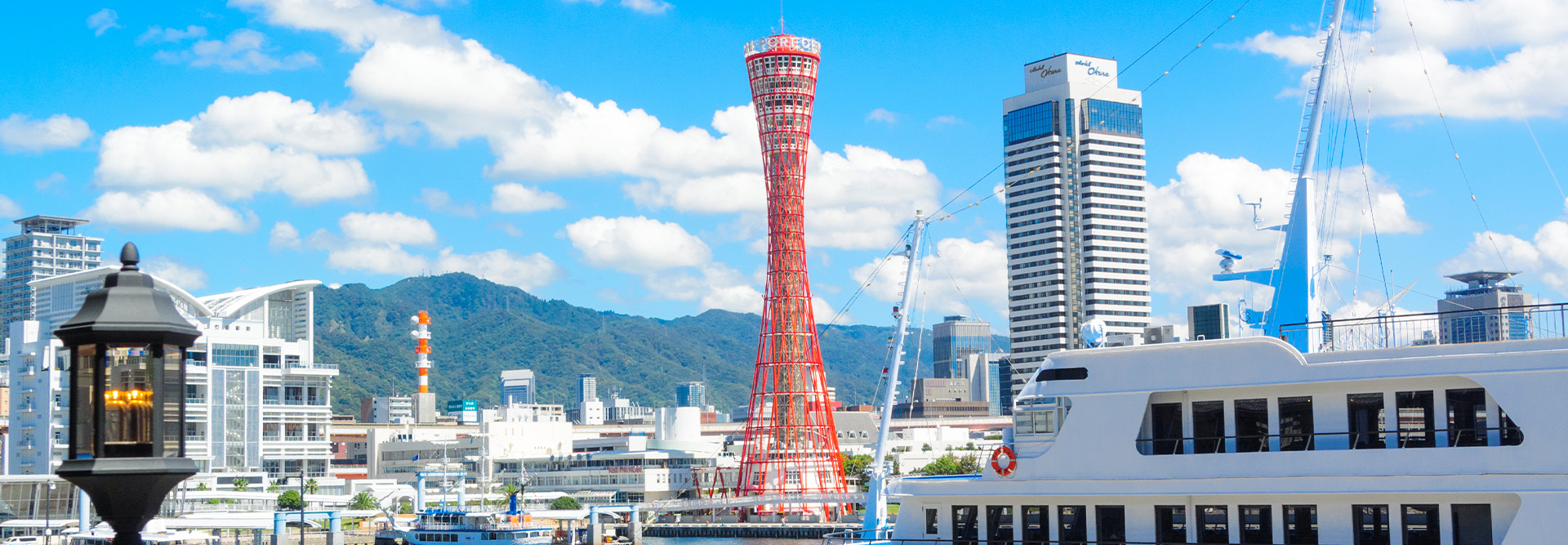
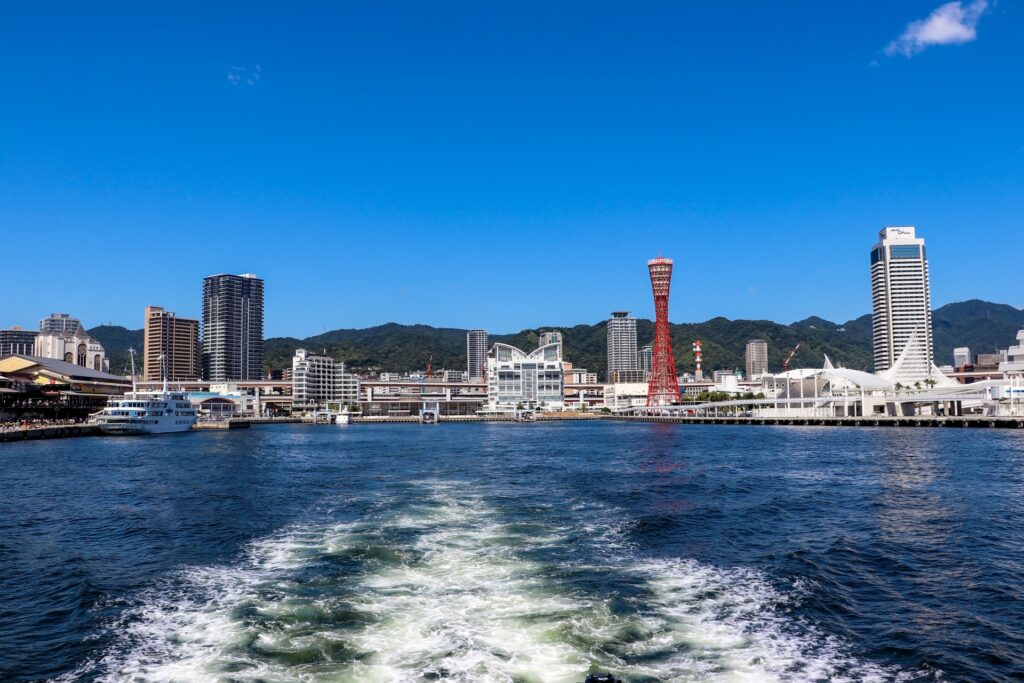
Rising like a red steel drum above Kobe’s waterfront, Kobe Port Tower is one of Japan’s most distinctive modern landmarks. For many visitors, it is the first thing they notice when they step onto the city’s scenic harborfront. Sleek, compact, and surprisingly relaxed compared with Tokyo’s mega-towers, Kobe Port Tower combines sweeping city views with a strong sense of local character and maritime history.
If you are visiting Japan for the first time and considering a day trip or overnight stay in Kobe, this guide explains everything you need to know about Kobe Port Tower: what to expect, when to go, how to get there, and how to make the most of the surrounding Meriken Park and harbor area.
What Makes Kobe Port Tower Special?
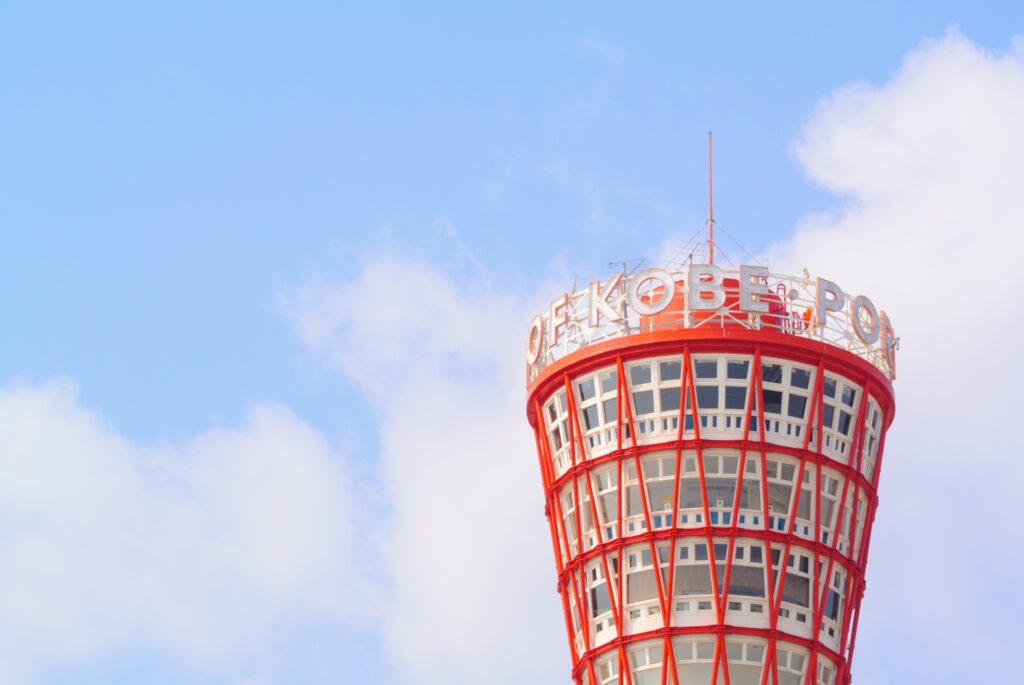
Kobe Port Tower is not the tallest observatory in Japan, but it may be one of the most memorable. Completed in 1963, the 108-meter-tall tower is famous for its elegant hyperboloid shape, created from a lattice of bright red steel pipes. The design gives it a slender hourglass silhouette that looks striking by day and glows dramatically at night.
The tower serves as a symbol of Kobe’s identity as an international port city. For centuries, Kobe has been a gateway between Japan and the rest of the world, with strong influences from China, Europe, and North America. A visit to the tower offers not only panoramic views, but also a sense of how sea trade, foreign cultures, and modern architecture have shaped this compact, cosmopolitan city.
Where Is Kobe Port Tower?
Kobe Port Tower stands in Meriken Park, a waterfront park area in central Kobe. It is part of the wider Kobe Harborland and bay area, one of the city’s main leisure and sightseeing districts. From the observation floors, you can see:
- The curve of Kobe’s coastline and port facilities
- The Rokko mountain range framing the city
- Harborland’s shopping complexes and ferris wheel
- Modern Kobe Maritime Museum and Kobe’s iconic white hotel silhouettes
The location makes the tower easy to combine with other nearby stops in a single half-day or full-day itinerary.
Highlights of Kobe Port Tower
Observation Floors and City Views
The main reason to visit Kobe Port Tower is, of course, the view. An elevator carries you quickly to the observation area, where several levels offer different perspectives of the city and harbor. On clear days, you can see all the way across Osaka Bay, with ships and ferries crisscrossing the water below.
The city of Kobe is squeezed between mountains and sea, so the aerial view has a unique, narrow band of urban lights sandwiched between green hills and blue water. Many visitors are surprised at how close the mountains feel; it gives Kobe a very different atmosphere from flat, sprawling cities like Osaka and Tokyo.
Night Views and Illuminations
For many travelers, the most magical time to visit is after sunset. Kobe is famous in Japan for its night scenery, and the tower is a central part of that reputation. The red lattice is illuminated in shifting patterns and colors, and from inside the observation floors you can watch the city gradually light up, street by street.
The reflections of the illuminated tower and nearby buildings on the harbor water create excellent photo opportunities from both inside and outside the tower. If you enjoy photography, consider arriving before dusk, watching the sunset over the bay, and staying long enough to capture the night skyline.
Rotating and Themed Spaces
Kobe Port Tower has long been known for incorporating playful elements into the observation experience. Depending on the current layout and renovations, you may find rotating sections, small exhibition spaces about the port, or themed areas with local information and art. It gives the tower a slightly retro charm that contrasts with ultra-modern towers elsewhere in Japan.
Souvenirs and Local Flavors
Inside the tower you can expect souvenir counters or small shops selling Kobe-themed goods. Look out for items featuring the tower’s distinctive red silhouette, as well as Kobe specialties such as sweets, coffee, and maritime-themed gifts. These make compact and meaningful souvenirs, especially if you are traveling light.
Best Time to Visit Kobe Port Tower
Kobe Port Tower is enjoyable year-round, but your experience will change with the seasons and time of day.
By Time of Day
- Morning: Clear, crisp views and fewer crowds. Good if you plan to continue to Mount Rokko or Arima Onsen later.
- Afternoon: Brighter photos of the city and harbor. Can be busier on weekends and holidays.
- Sunset to Night: The most atmospheric time. Watch the sky change colors and the city gradually light up. Ideal for couples and photographers.
By Season
- Spring (March–May): Mild temperatures and relatively clear skies. Combine with cherry blossom viewing in nearby parks or along the rivers.
- Summer (June–August): Hot and humid, but the sea breeze at the harbor can feel refreshing in the evening. Night visits are especially pleasant.
- Autumn (September–November): Often the best visibility. You may see autumn colors on the Rokko mountain slopes from the tower.
- Winter (December–February): Cold but crisp, with very clear views on good weather days. Kobe’s winter illuminations around the harbor give the area a festive mood.
How to Get to Kobe Port Tower
Kobe is easy to reach as a day trip from Osaka or Kyoto, and Kobe Port Tower is only a short ride from the main stations once you are in the city.
From Osaka
- By JR train: Take a JR line from Osaka Station to Kobe Station (approx. 25–30 minutes on a rapid service). From Kobe Station, walk about 15–20 minutes to Meriken Park, or transfer one stop to Motomachi Station and walk from there.
- By private railway: From Umeda or Namba, you can also use Hankyu or Hanshin lines to Sannomiya. From Sannomiya Station, it is about a 15–20 minute walk to the tower or a short ride on a local subway or bus.
From Kyoto
- By JR train: Take a JR Special Rapid train from Kyoto Station to Sannomiya (Kobe) Station (around 50–60 minutes). Then walk or use local transport to reach Meriken Park.
Within Kobe City
- From Sannomiya: Walk south towards the harbor (15–20 minutes), or take the subway Kaigan Line to Minato Motomachi or Harborland, then walk.
- From Kobe Station: Walk through Harborland and along the waterfront (15–20 minutes) following signs to Meriken Park and Kobe Port Tower.
The tower is a major landmark; once you are near the waterfront, simply look for the red structure rising above the park.
Tickets, Opening Hours, and Practical Tips
Specific ticket prices and opening hours can change, but there are some general patterns and tips that will help you plan.
Tickets and Admission
- Tickets are usually sold at the entrance on the ground floor.
- Payment is typically accepted in cash and often by major electronic methods; carrying some yen is still useful.
- Children and seniors usually enjoy discounted admission; check the latest information before you go.
- Occasionally, combination tickets are available with nearby attractions, such as the maritime museum; these can save a bit of money if you plan to visit more than one site.
Opening Hours
- The tower generally opens in the morning and stays open into the evening.
- Last entry is typically set some time before closing, so arrive well before the final admission time if you want to enjoy the night view.
- Check for temporary closures due to maintenance, renovations, or weather conditions, especially during typhoon season.
Visitor Tips
- Weather check: Visit on a clear or partly cloudy day for the best views. On foggy or rainy days, visibility may be limited.
- Photography: Reflections on the windows can be strong at night; wearing dark clothing and using your hands to shade your lens can help.
- Luggage: Space inside is limited, so leave large suitcases in station lockers or at your hotel.
- Language: Basic English signage is common, and staff are used to international visitors. Learning a few simple Japanese phrases (such as “sumimasen” for “excuse me”) will make interactions smoother.
Exploring Meriken Park and the Harbor Area
Do not visit Kobe Port Tower in isolation; the surrounding Meriken Park area is one of the most pleasant waterfront districts in Japan, perfect for a leisurely stroll before or after your tower visit.
Meriken Park
Meriken Park is a spacious, open park along the waterfront, dotted with contemporary sculptures, lawns, and wide promenades. It is popular with locals walking dogs, families on weekends, and couples taking evening walks.
From the park you can photograph the tower from various angles, especially at sunset when the red structure stands out against the sky. Benches and open spaces make it easy to rest your feet after a day of sightseeing.
Kobe Maritime Museum and Port History
Near the tower stands the striking Kobe Maritime Museum. Its white, sail-like structure contrasts beautifully with the red of the Port Tower and symbolizes Kobe’s maritime heritage. Inside, you can learn about the development of Kobe as an international port, shipbuilding, and maritime technology.
If you are interested in how Kobe became one of Japan’s most important gateways to the world, the museum adds cultural and historical depth to your harbor visit.
Kobe Earthquake Memorial Areas
Parts of Meriken Park also serve as a quiet memorial to the Great Hanshin-Awaji Earthquake of 1995. Sections of the damaged waterfront have been preserved as they were, with explanatory panels describing the impact of the disaster and Kobe’s subsequent recovery.
Spending a few minutes here offers a deeper understanding of the city’s resilience and the importance of disaster preparedness in modern Japan.
Cafés, Restaurants, and Harbor Cruises
The wider Harborland and bay area around Meriken Park hosts a range of cafés, casual restaurants, and more upscale dining spots. Many offer views of the water, and some specialize in Kobe beef or Western-style dishes, reflecting the city’s international background.
Harbor cruises depart from nearby piers, giving you an alternative view of Kobe Port Tower and the skyline from the water. Timing a short cruise for late afternoon or early evening can pair well with a tower visit and dinner by the harbor.
Combining Kobe Port Tower with Other Kobe Sights
Kobe Port Tower fits easily into a one-day or two-day Kobe itinerary. Here are some popular combinations, especially suitable for first-time visitors to Japan.
Kitano Ijinkan District
North of Sannomiya Station, the Kitano area is known for its preserved Western-style houses built in the late 19th and early 20th centuries. It reflects Kobe’s role as one of the first Japanese ports opened to foreign trade. Walking through Kitano and then heading down to the ultra-modern harbor and Port Tower offers an interesting contrast between old and new international Kobe.
Mount Rokko and Night Views
Mount Rokko, behind the city, offers another famous viewpoint over Kobe and Osaka Bay. Many visitors spend the daytime on Mount Rokko or at nearby Arima Onsen (a historic hot-spring town), then return to the city for dinner and a night visit to Kobe Port Tower. Experiencing the city from both mountain and harbor level gives a fuller perspective of the landscape.
Chinatown (Nankinmachi)
Kobe’s compact Chinatown, known as Nankinmachi, lies between Motomachi and the harbor. It is a vibrant area filled with street food stalls, Chinese restaurants, and colorful decorations. Trying Chinese-Japanese fusion dishes in Nankinmachi before or after a tower visit is a convenient and tasty way to experience another layer of Kobe’s multicultural character.
Cultural Notes for First-Time Visitors
Visiting Kobe Port Tower also offers a gentle introduction to everyday etiquette and customs in Japan.
- Queuing: Japanese visitors form neat lines for elevators and ticket counters. Join the queue calmly and avoid pushing ahead.
- Quiet conversation: Observation decks tend to be quiet, with people speaking in low voices. Keep phone calls brief and unobtrusive.
- Trash disposal: Japan has limited public trash bins. If you buy drinks or snacks nearby, be prepared to carry your trash until you find a bin or return it to the place of purchase.
- Respect for memorials: If you visit the earthquake memorial areas in Meriken Park, behave quietly and respectfully; many locals still remember the event personally.
Is Kobe Port Tower Worth Visiting?
For first-time travelers to Japan, Kobe Port Tower is not just another viewing platform. It is a compact, approachable way to experience a Japanese port city from above, framed by mountains and sea. The red tower, the open harbor park, and the blend of maritime history and modern life make it a memorable stop, especially if you are already staying in Osaka or Kyoto and looking for a different kind of cityscape.
Whether you come for a quick daytime visit or linger through sunset into the night, Kobe Port Tower offers an excellent introduction to the atmosphere, resilience, and international spirit of Kobe—and, by extension, to a side of Japan that many travelers overlook.

Access Map
Recommended spots in Hyogo
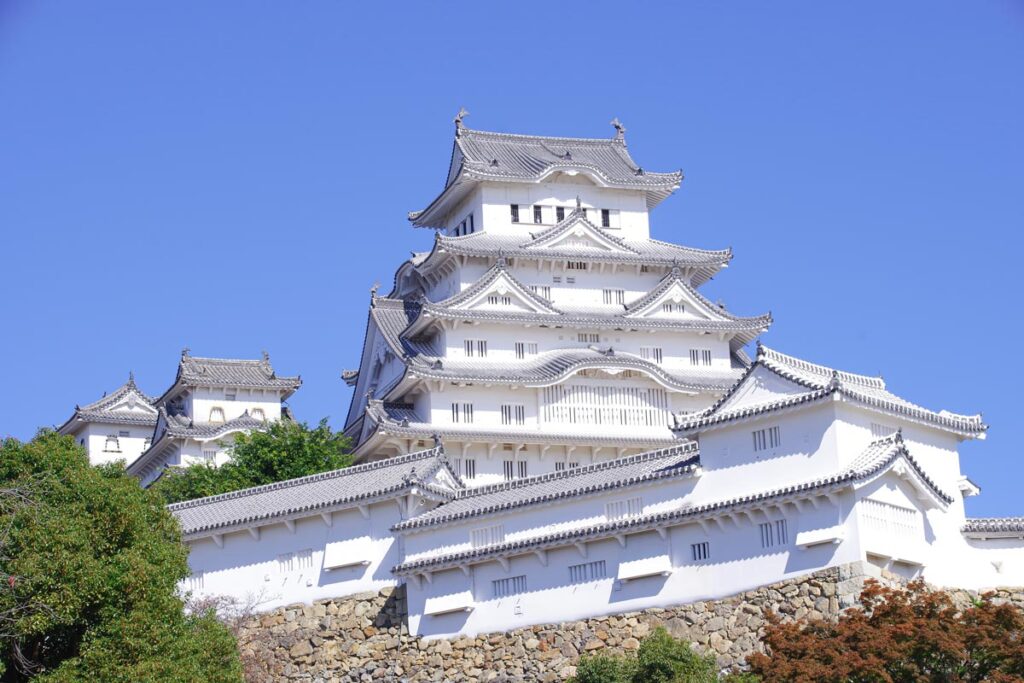
Himeji Castle
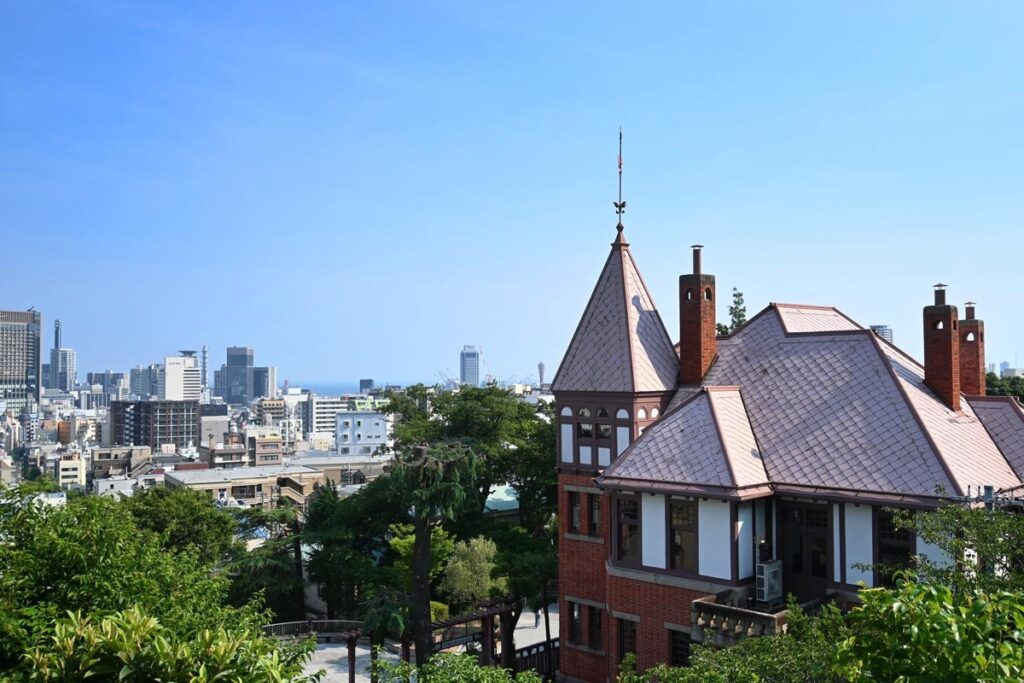
Kitano Ijinkan District