




Todai-ji Temple
Visiting Todai-ji Temple in Nara: A First-Timer’s Guide
Photos are for illustrative purposes only.
Todai-ji Temple in Nara is one of Japan’s most iconic Buddhist sites and an unforgettable destination for first-time visitors. Home to a towering bronze Great Buddha, surrounded by wandering deer and ancient cedar trees, it combines deep spiritual heritage with a relaxed, park-like atmosphere. Just a short trip from Kyoto or Osaka, Todai-ji is easy to visit on a day trip and offers a powerful introduction to Japanese history, religion, and culture.
Why Todai-ji Belongs on Your Japan Itinerary
Todai-ji (literally “Great Eastern Temple”) was founded in the 8th century and soon became the head temple of all provincial Buddhist temples across Japan. At its height, it was a political and spiritual center, symbolizing imperial power and national unity under Buddhism.
Several reasons make Todai-ji a must-see for first-time travelers:
- The Great Buddha (Daibutsu): One of the largest bronze Buddha statues in the world, housed inside an immense wooden hall.
- World Heritage status: Part of the UNESCO-listed “Historic Monuments of Ancient Nara.”
- Nara’s free-roaming deer: Considered messengers of the gods, the deer create a uniquely welcoming, slightly surreal atmosphere.
- Easy access from Kyoto and Osaka: Ideal for a day trip with simple train connections.
- Layers of culture in one place: Architecture, sculpture, nature, and living religious practice all in a single complex.
Understanding Todai-ji: History and Meaning
Todai-ji was commissioned by Emperor Shomu in the 700s, during a period of political upheaval and natural disasters. His aim was to stabilize the nation through the power of Buddhism. The colossal Great Buddha statue, completed in 752, was a national project that required vast amounts of bronze and gold, and labor from across the country.
In Japanese Buddhism, the Great Buddha at Todai-ji represents Vairocana (known in Japanese as Birushana or Dainichi), the “Cosmic Buddha” symbolizing the universal truth that pervades the universe. Standing before this image, you are meant to feel both your own smallness and a sense of connection to something larger.
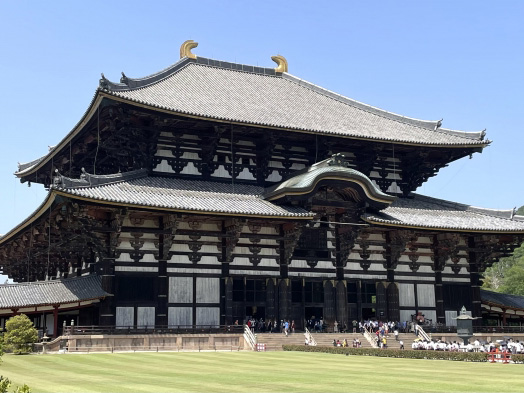
The temple has burned down several times due to war and fire, and the current Great Buddha Hall dates from the early 18th century. Even so, it remains one of the largest wooden buildings on Earth, and only about two-thirds the size of the original hall. Walking up to it, you truly feel the scale of ancient Japanese architecture.
Highlights of the Todai-ji Temple Complex
Todai-ji is more than just the famous Great Buddha Hall. Allow time to wander through the wider temple precinct within Nara Park.
Nandaimon Gate and the Fierce Guardian Statues
Your approach to Todai-ji usually begins at Nandaimon, the towering Great South Gate. It frames the path to the temple and marks the transition from the everyday world into the sacred precinct.
Inside the gate stand two massive wooden guardian statues known as Niō. These muscular, dynamic figures protect the temple from evil. Crafted in the 13th century, they are masterpieces of Kamakura-period sculpture, capturing swirling drapery and intense facial expressions in intricate wood carving. Pause here to admire the craftsmanship before continuing to the main hall.
The Great Buddha Hall (Daibutsuden)
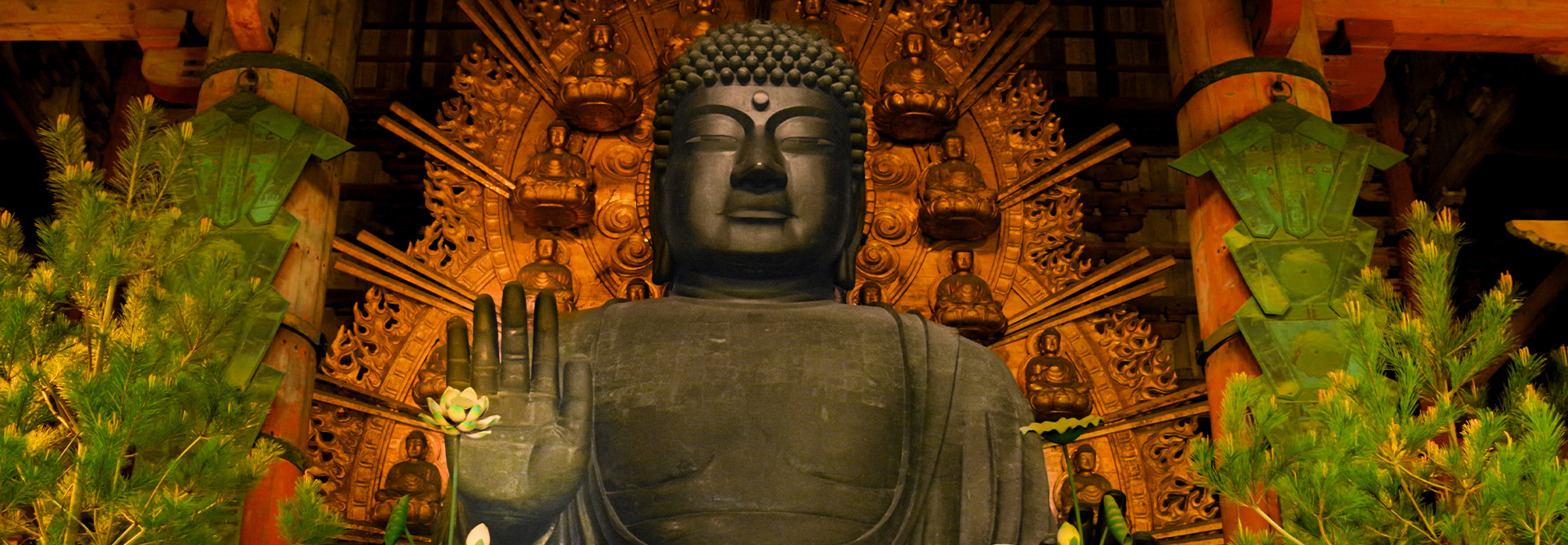
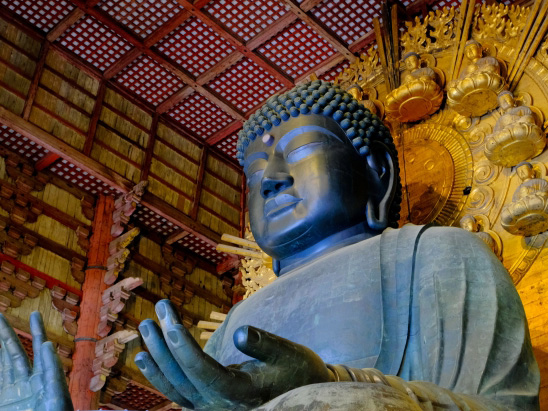
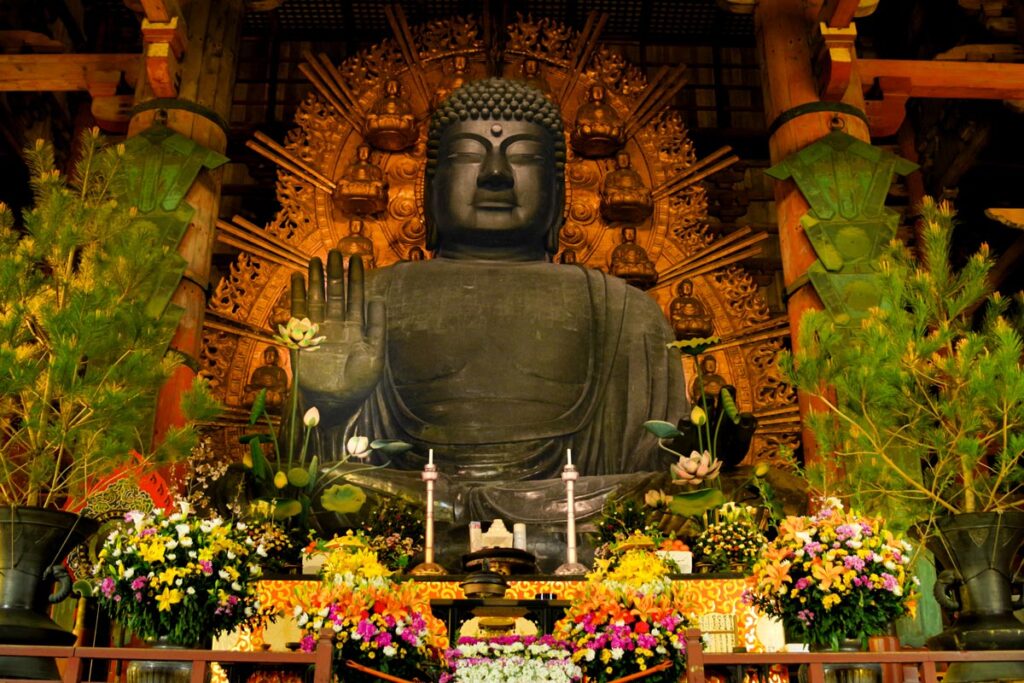
The main attraction is the Daibutsuden, or Great Buddha Hall. As you step through the entrance and your eyes adjust to the dim interior, the immense bronze statue comes into view, seated in a lotus position with a gentle, peaceful expression.
The Great Buddha is about 15 meters tall, and the hall itself stretches high overhead with thick wooden pillars and a roof structure that seems to float above you. Around the main statue are other important Buddhist figures and intricate details:
- Flanking Bodhisattvas offering spiritual support to sentient beings.
- A halo of smaller Buddhas radiating behind the main figure.
- Golden lanterns and offerings that hint at ongoing religious practice.
Even if you are not religious, the atmosphere inside is deeply calming. Many visitors fall silent without being asked, out of respect and awe.
The Famous “Buddha’s Nostril” Pillar
Inside the Great Buddha Hall, you will notice one wooden pillar near the rear with a hole cut through its base. The opening is said to be the same size as the Great Buddha’s nostril. Local lore says that if you can squeeze through this hole, you will gain good fortune and possibly enlightenment in your next life.
Children frequently crawl through, and some adventurous adults try as well. Be prepared: it is a tight fit, best attempted only if you are confident you can get through. If it looks too narrow, enjoying the spectacle from the sidelines is just as fun.
Other Sub-Temples and Halls
The Todai-ji complex also includes smaller but rewarding areas that see far fewer crowds:
- Nigatsudo Hall: A short walk uphill from the Great Buddha Hall, this terrace-like building offers one of the best panoramic views over Nara city. It is especially atmospheric at sunset.
- Hokkedo (Sangatsudo): One of the oldest surviving structures in Todai-ji, housing impressive statues with a more intimate feeling compared to the main hall.
- Kaidade and museum areas: Exhibits of temple treasures, fragments of earlier statues, roof tiles, and models that help visualize the original, even larger complex.
If you have extra time, exploring these quieter corners gives you a better sense of the temple’s long history and ongoing religious life.
The Deer of Nara Park
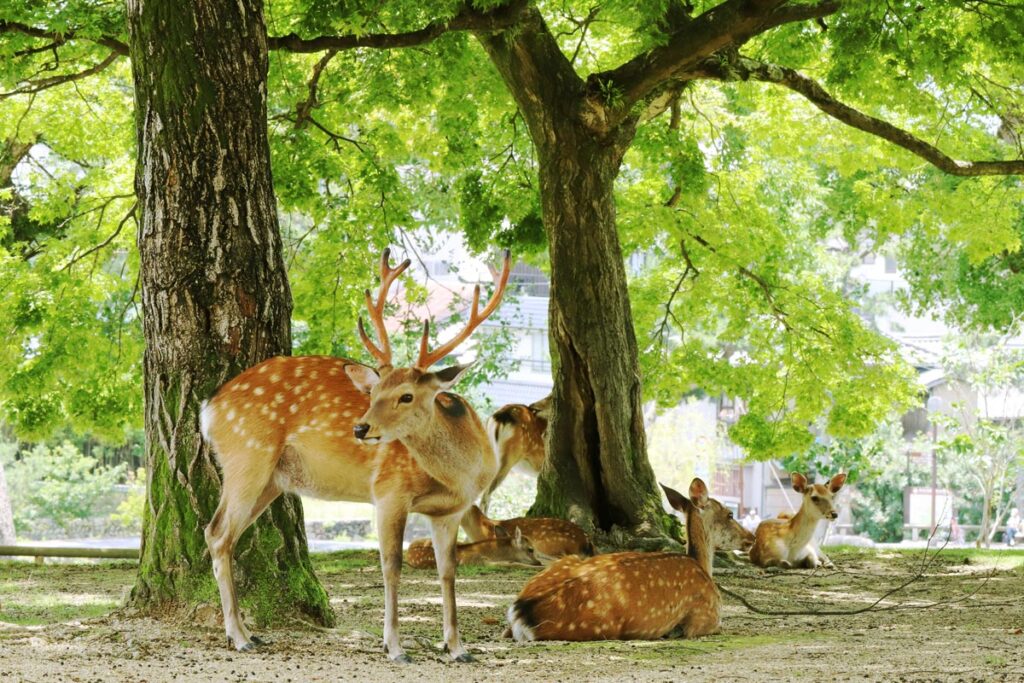
One of the most charming—and sometimes surprising—aspects of visiting Todai-ji is sharing space with Nara’s famous deer. They roam freely through Nara Park, including the approach to Todai-ji, and are so accustomed to people that they may walk right up to you.
In Shinto tradition, deer are regarded as messengers of the gods, and they have been protected in this area for centuries. Today, they are a symbol of Nara itself.
How to Interact with the Deer
Special deer crackers (shika senbei) are sold by vendors around Nara Park. If you want to feed the deer, buy these rather than offering ordinary food. Many deer have learned to bow their heads, appearing to “bow” in exchange for a cracker—a charming, uniquely Nara experience.
However, remember that they are still wild animals. Follow these guidelines:
- Keep crackers hidden until you are ready; once shown, several deer may approach.
- Do not tease or withhold food; this can make the deer more assertive.
- Keep an eye on children; some deer nudge or lightly nip when excited.
- Do not feed them plastic, paper, or human snacks—only the designated crackers.
Enjoy the close encounters, but be respectful and calm. If you feel uncomfortable, simply walk away slowly and avoid holding food.
Practical Information: Tickets, Hours, and Access
Opening Hours
Todai-ji’s main areas are generally open every day of the year, with slightly different hours by season. As a rule of thumb, plan your visit between morning and late afternoon. Check current times before you travel, as they can change with events or maintenance.
Arriving early in the morning—soon after opening—helps you avoid the busiest crowds, especially during spring cherry blossom season and autumn foliage.
Admission Fees
The grounds around Todai-ji are free to explore, but there is an admission fee for the Great Buddha Hall and some sub-temples. Fees are modest and support the upkeep of the ancient buildings and statues. Combination tickets may be available for the hall and the onsite museum.
Bring some cash in yen, as smaller ticket booths and donation boxes may not accept cards.
How to Get to Todai-ji Temple
Todai-ji is located in Nara Park, in the city of Nara, which is easily accessible from both Kyoto and Osaka.
From Kyoto
- Take a train from JR Kyoto Station to JR Nara Station (roughly 45–60 minutes depending on the train type).
- From JR Nara Station, you can walk to Todai-ji in about 30–35 minutes through Nara Park, or take a local bus to a stop near the temple.
From Osaka
- Take a train from JR Osaka Station or central Osaka to JR Nara Station, or use the private Kintetsu line to Kintetsu Nara Station.
- From Kintetsu Nara Station, the walk to Todai-ji is around 20 minutes through Nara Park and the main shopping streets.
The walk from the stations to Todai-ji is part of the experience: you pass small shrines, stone lanterns, and the first groups of deer as you enter the park.
Temple Etiquette for First-Time Visitors
Todai-ji is both a major tourist attraction and an active religious site. Observing basic etiquette will help you show respect and feel more comfortable.
- Stay quiet inside sacred halls: Speak softly, switch your phone to silent mode, and avoid speakerphone or loud videos.
- Follow photo rules: Photography is usually allowed in the Great Buddha Hall, but avoid flash and watch for any areas where photos are prohibited.
- Do not touch statues or altars: Even if they look sturdy, oils from hands can damage surfaces over time.
- Mind your feet: In some areas you may be asked to remove your shoes. Wear easy-to-remove footwear and tidy your shoes where instructed.
- Be considerate during rituals: If monks are chanting or a ceremony is taking place, observe quietly from a respectful distance.
You will see visitors bowing lightly at certain points or pausing to join their hands in a brief prayer. You are welcome to do the same—even as a non-Buddhist—as a gesture of respect and reflection.
When to Visit: Seasons and Best Times of Day
Todai-ji can be visited year-round, and each season offers a different mood.
Spring (March–May)
Spring is a beautiful time to visit as cherry blossoms bloom throughout Nara Park. Paths are lined with pink and white petals, and the contrast between blossoms, deer, and ancient buildings is especially photogenic. This is also one of the busiest seasons, so aim for early morning visits.
Summer (June–August)
Summer brings lush greenery and humid weather. The shade of tall trees and the cool interior of the halls offer some relief. Expect afternoon heat; bring water, a hat, and take breaks in shaded rest areas.
Autumn (September–November)
Autumn rivals spring for scenic beauty. Maple and ginkgo trees turn vibrant red, orange, and gold, providing a dramatic backdrop to the temple structures. Pleasant temperatures make this an excellent season to explore on foot.
Winter (December–February)
Winter is quieter, with fewer tourists and a peaceful, almost austere atmosphere. On rare snowy days, Todai-ji looks magical with a dusting of white on its roofs and statues. Dress warmly, as Nara can be chilly and breezy.
Time of Day
Morning is ideal to avoid crowds and tour groups. Afternoons are busier, especially on weekends and holidays. If you have time, consider visiting the main hall earlier in the day, then wandering to Nigatsudo and other sub-temples later when the light softens and day-trippers begin to leave.
Suggested Itinerary: A Half Day in Nara with Todai-ji
For first-time visitors, a half-day or full-day trip to Nara is usually enough to experience Todai-ji and its surroundings.
Here is a simple, relaxed half-day plan:
- Arrival in Nara (morning): Reach JR Nara or Kintetsu Nara Station.
- Walk through Nara Park: Stroll toward Todai-ji, meeting deer and passing smaller shrines.
- Enter via Nandaimon Gate: Admire the giant guardian statues and take photos of the imposing gate.
- Visit the Great Buddha Hall: Take time to walk around the statue, observe details, and experience the scale from different angles.
- Explore sub-temples: If energy allows, walk uphill to Nigatsudo for city views and a quieter atmosphere.
- Return through the park: Stop at a café or souvenir shop near the station before heading back to Kyoto or Osaka.
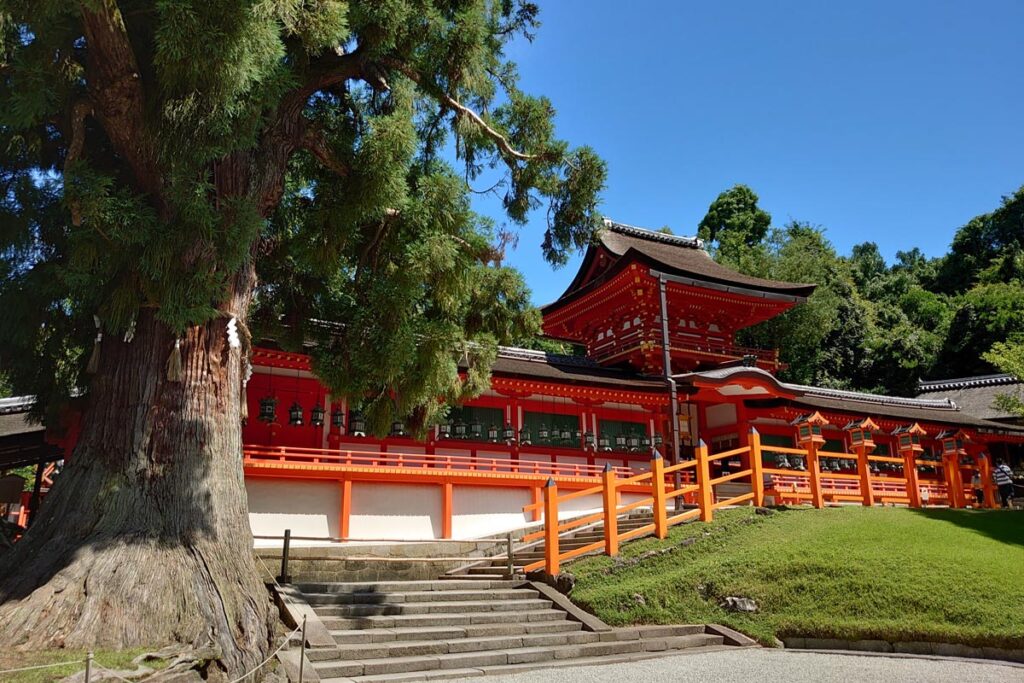
If you plan a full day, you can easily combine Todai-ji with other major Nara sights such as Kasuga Taisha Shrine and Kofuku-ji Temple.
Tips for a Smooth Visit
- Wear comfortable shoes: Expect a lot of walking on stone paths, slopes, and park trails.
- Bring small cash: For admission, lockers, deer crackers, and small offerings.
- Use coin lockers at the station: Store large luggage before heading into the park.
- Stay hydrated: Especially in summer; vending machines are available but can be spaced out.
- Check for special events: Some evenings or festival days may have illuminations or ceremonies, which can alter hours or crowd levels.
Experiencing Japan’s Spiritual Heart at Todai-ji
For many travelers, Todai-ji is a highlight of their entire trip to Japan. Standing before the Great Buddha, walking through centuries-old halls, and sharing the park with sacred deer offers a vivid, memorable encounter with Japan’s spiritual and cultural heritage.
Whether you come for the architecture, the history, the nature, or simply the chance to step into a calmer world for a few hours, Todai-ji Temple in Nara is a place that lingers in your memory long after you return home.

Access Map
Recommended spots in Nara
Nara Park
Todai-ji Temple
Kasuga Taisha Shrine