


Wakayama
Wakayama Travel Guide: Sacred Mountains, Coastal Onsen and Hidden Japan
Photos are for illustrative purposes only.
Wakayama, a largely rural prefecture just south of Osaka, is where Japan slows down. Here you can sleep in a Buddhist temple, hike thousand-year-old pilgrimage trails, soak in oceanside hot springs, and eat some of the freshest seafood in the country. For first-time visitors who want a taste of traditional Japan beyond Tokyo and Kyoto, Wakayama is an unforgettable detour.
Why Visit Wakayama on Your First Trip to Japan?
Many travellers rush between Tokyo, Kyoto and Osaka and miss Wakayama entirely. That is a shame. Wakayama offers:
- Deep spiritual heritage at Mount Koya and the Kumano Kodo pilgrimage routes
- Beautiful coastline with dramatic cliffs, white-sand beaches and quiet fishing towns
- Famous hot springs where you can soak beside the Pacific Ocean
- Excellent food, from tuna and seafood to fruit and local ramen
- Easy access from Osaka and Kyoto while feeling far from big-city crowds
Wakayama is ideal for travellers who want a softer landing into rural Japan: English support is growing, transport is reliable, and the main sites are well signposted. At the same time, the region still feels authentic and uncrowded compared with Japan’s best-known tourist hotspots.
How to Get to Wakayama
From Osaka and Kansai Airport
Wakayama City sits just south of Osaka and is the transport hub for the prefecture.
- From Osaka Station: JR trains to Wakayama Station take around 1–1.5 hours depending on the service.
- From Namba (Osaka): Nankai Railway offers direct trains to Wakayama City and continuing services towards Mount Koya.
- From Kansai International Airport (KIX): the airport is actually located off the coast of northern Wakayama. You can be in Wakayama City in about 40 minutes by train or bus.
From Tokyo and Kyoto
- From Tokyo: take the shinkansen (bullet train) to Shin-Osaka, then transfer to a JR train towards Wakayama. Allow roughly 4–5 hours in total.
- From Kyoto: frequent JR trains connect Kyoto and Osaka. From Osaka, continue south to Wakayama. The whole journey takes around 2 hours.
Once in Wakayama, trains and buses reach most major destinations, including Koyasan (Mount Koya), Shirahama, Shingu and the Kumano area. Renting a car can be convenient for exploring remote coastal spots, but is not essential if you focus on the main sightseeing hubs.
Top Places to Visit in Wakayama
Mount Koya (Koyasan): Sleep in a Buddhist Temple
Mount Koya is one of Japan’s most sacred places and a highlight of any Wakayama itinerary. Founded in the 9th century by the monk Kobo Daishi, it is the spiritual home of Shingon Buddhism. Today, the mountaintop basin is filled with temples, cedar forests and a quiet atmosphere that feels worlds away from the cities below.
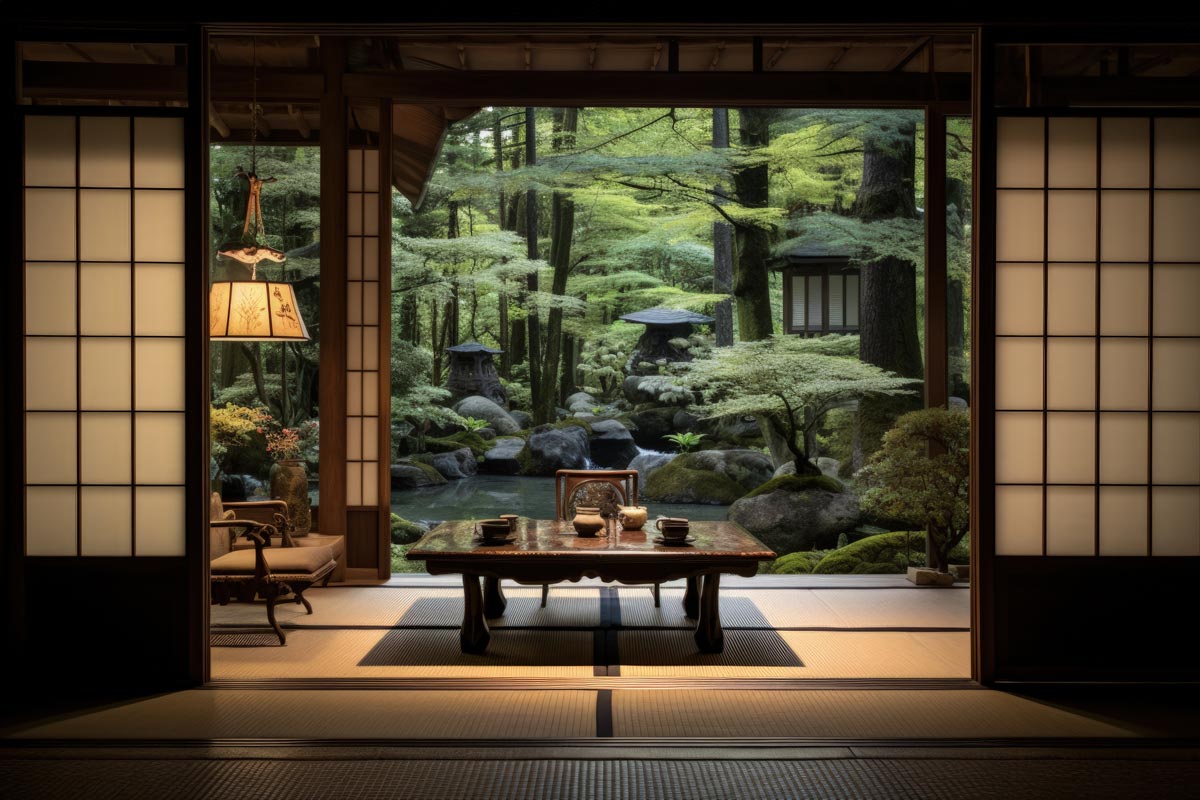
For international visitors, the most memorable experience is staying in a shukubo, or temple lodging. Guests typically sleep on futons laid out on tatami mat floors, eat beautifully presented vegetarian Buddhist cuisine known as shojin ryori, and are invited to join the early-morning prayers and meditation.
Must-see spots on Mount Koya
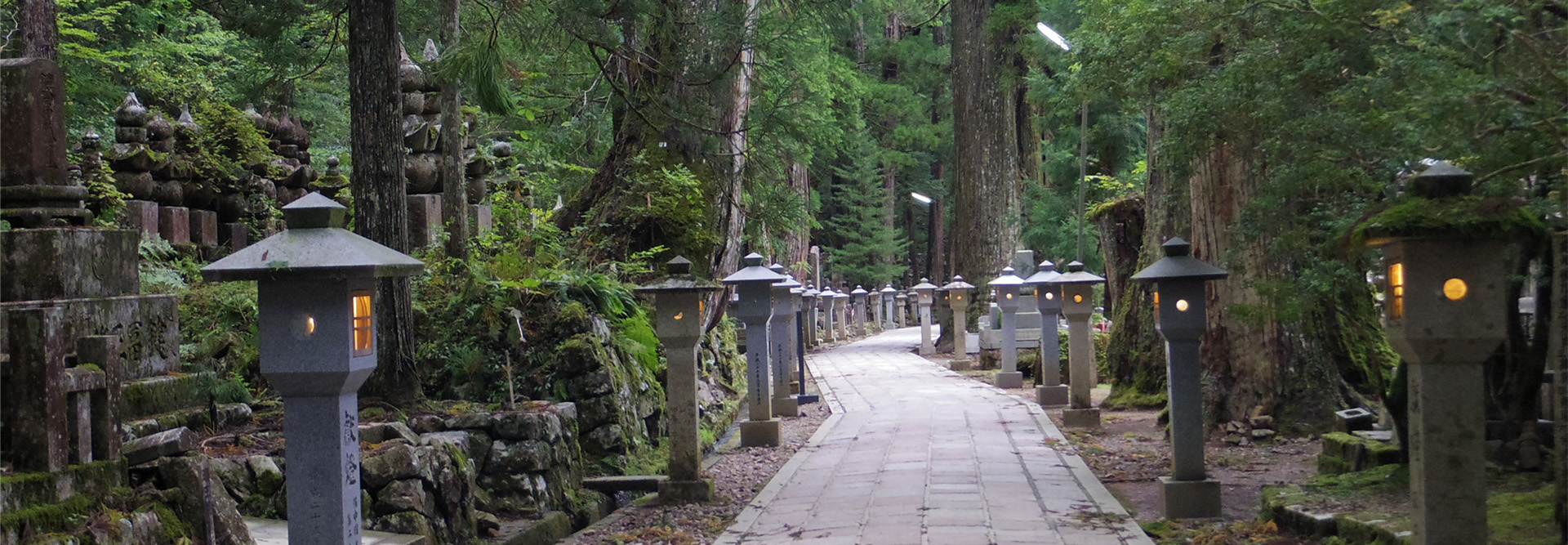
- Okunoin Cemetery: Japan’s largest cemetery is a hauntingly beautiful forest of moss-covered gravestones and towering cedars. A stone path leads to the mausoleum of Kobo Daishi, where devotees believe he is still in eternal meditation. Visit at dusk or early morning for a deeply atmospheric walk.
- Danjo Garan: this temple complex is the historical heart of Koyasan, filled with sacred halls and towering pagodas. The vermilion Konpon Daito pagoda, representing a mandala in three dimensions, is especially striking.
- Kongobu-ji: the head temple of Shingon Buddhism on Mount Koya, famous for its sliding screen paintings and one of Japan’s largest rock gardens.
Practical tips for Koyasan
- Getting there: from Osaka’s Namba Station, take the Nankai Koya Line to Gokurakubashi, then a short cable car up the mountain and a local bus into town. The whole journey takes about 2–2.5 hours.
- Temple etiquette: remove shoes before entering tatami rooms, keep voices low, and dress modestly, especially if attending morning prayers.
- Weather: Koyasan is cooler than Osaka and Wakayama City. Pack a light jacket even in summer and warm layers in spring and autumn.
Kumano Kodo: Ancient Pilgrimage Trails
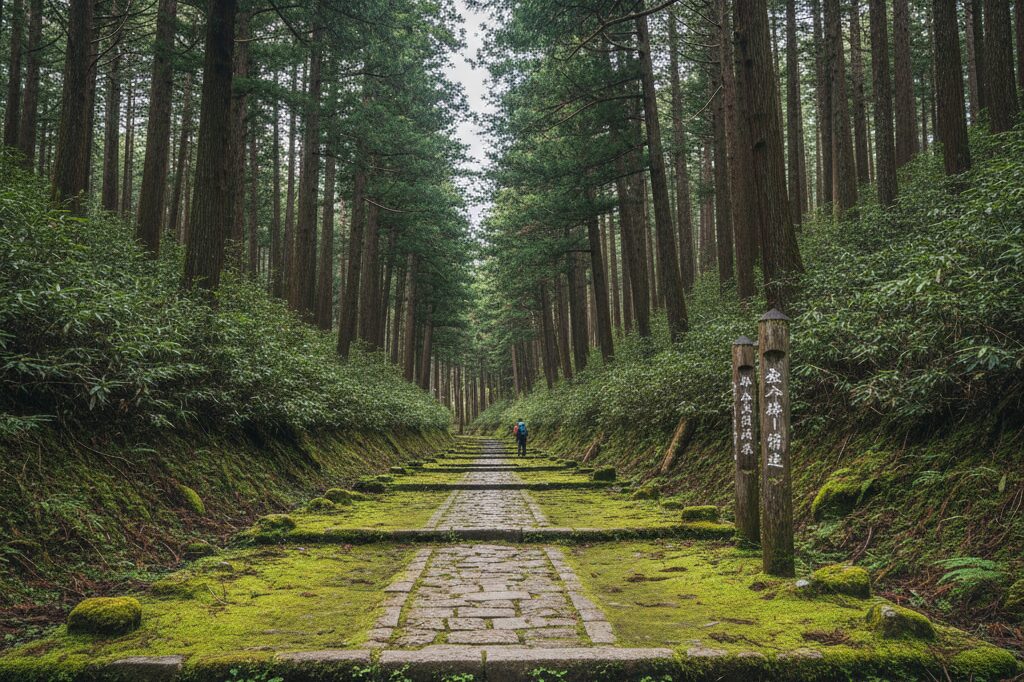
Southern Wakayama is home to the Kumano Kodo, a network of pilgrimage routes that criss-cross the Kii Peninsula. For over a thousand years, emperors, monks and commoners walked these mountain paths on their way to the three Grand Shrines of Kumano. Today, selected routes are part of a UNESCO World Heritage Site.
Hiking the Kumano Kodo is a way to experience Japan’s spiritual history through its landscapes: terraced fields, quiet hamlets, cedar forests and mountain passes with sweeping views of the sea.
Key shrines of Kumano
- Kumano Hongu Taisha: standing in a forested valley, this is the main shrine of the Kumano region. Nearby Oyunohara, the original shrine site, is marked by one of the largest torii gates in Japan.
- Kumano Nachi Taisha: perched high above the coast, this shrine is famous for views of Nachi Waterfall and its bright vermilion pagoda with the cascade as a dramatic backdrop.
- Kumano Hayatama Taisha: located near the Kumano River in Shingu, this shrine is surrounded by sacred trees and has long been a place of river-based worship.
Hiking options for first-time visitors
- Nakahechi Route: the most popular and relatively accessible route, with sections that can be done as comfortable day hikes between villages offering traditional inns and hot springs.
- Shorter walks: if you are not a serious hiker, you can still experience a taste of the Kumano Kodo with half-day walks around Hongu or Nachi, combined with visits to the shrines by bus.
Even a brief walk on these trails offers a sense of connection to the pilgrims who travelled here centuries ago, especially on misty days when the forest feels almost otherworldly.
Shirahama: Hot Springs and Beach Time
Shirahama is Wakayama’s best-known seaside resort, popular with Japanese families and couples. The town combines a white-sand beach with renowned hot springs and dramatic coastal rock formations.
Highlights of Shirahama
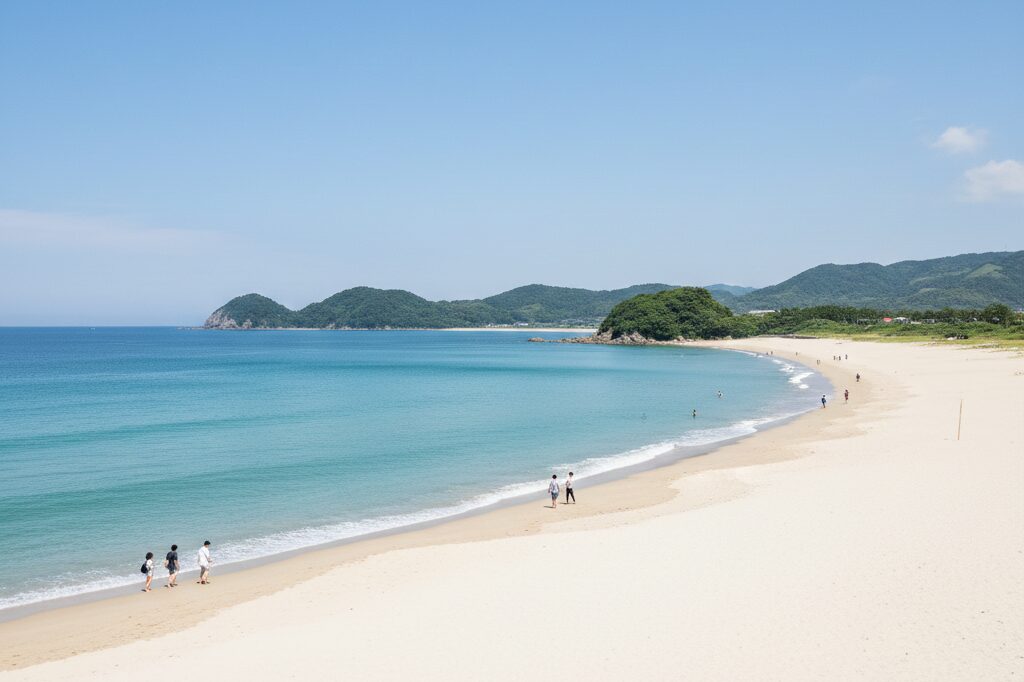
- Shirarahama Beach: a crescent of imported white sand with clear water, lifeguards in summer and plenty of seaside cafés. It is one of the most famous beaches in the Kansai region.
- Onsen (hot springs): Shirahama’s hot springs have over a thousand years of history. Many ryokan (traditional inns) have their own private baths, and there are also public baths that welcome day-trippers. Some outdoor baths overlook the ocean, making for a particularly memorable soak.
- Senjojiki and Sandanbeki Cliffs: wind-carved rock terraces and towering cliffs where waves crash far below. At Sandanbeki, you can visit a coastal cave historically associated with pirates.
Shirahama works well as a relaxing base between hikes or temple stays. It is also easy to reach by train from Wakayama City and Osaka.
Wakayama City: Castle, Port and Everyday Life
Although many visitors race straight past Wakayama City on their way to the mountains or coast, the prefectural capital is worth at least a short stop.
- Wakayama Castle: set on a hill in the city centre, this reconstructed castle offers city views and a small museum inside. The surrounding park is particularly beautiful during cherry blossom season.
- Local markets and port areas: wander down to the waterfront to see ferries and fishing boats, and sample fresh seafood at casual restaurants.
- Temples and shrines: smaller, neighbourhood spots offer a glimpse of everyday religious life without the crowds found in bigger cities.
The city is also a practical base, with convenient connections to Koyasan, Shirahama and the southern Kumano region.
Food to Try in Wakayama
Wakayama’s food scene reflects its coastal geography, mild climate and agricultural heritage.
- Seafood: the Kii Channel and Pacific coast supply excellent fish and shellfish. Look for tuna, bonito, sea bream and local specialties at markets and small restaurants.
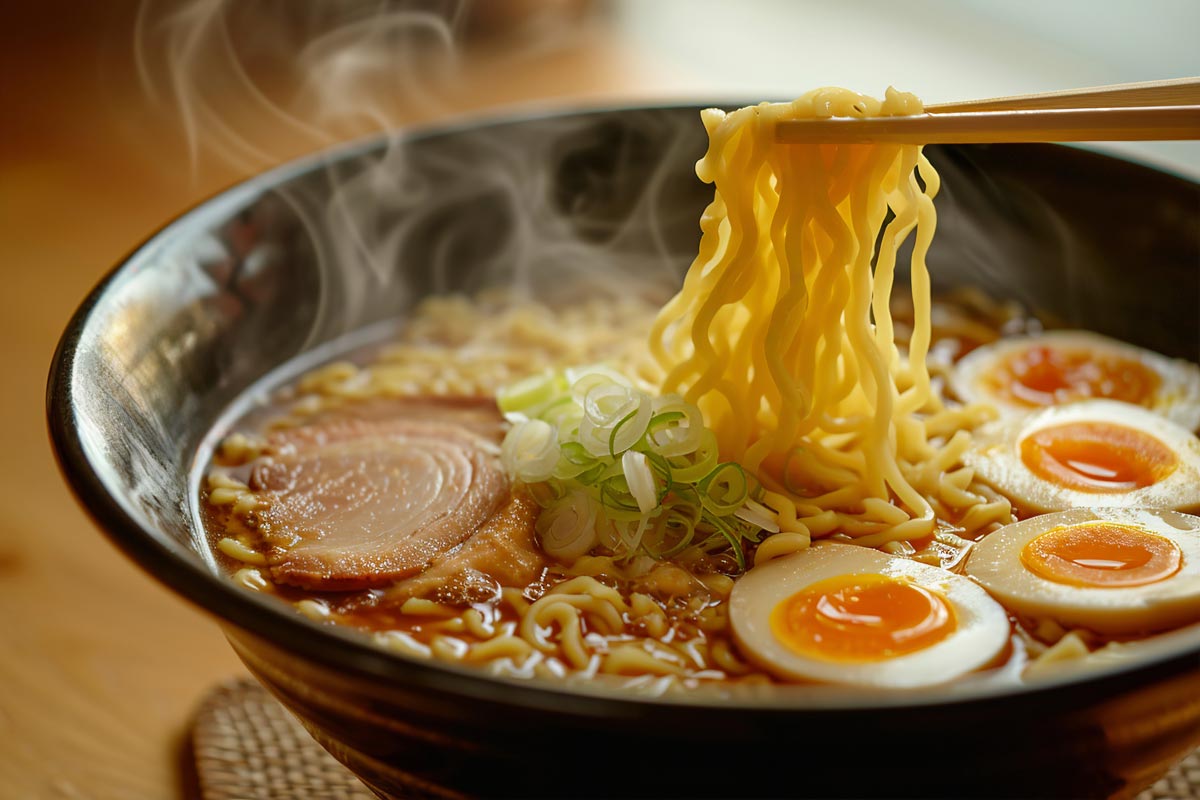
- Wakayama ramen: also known as chuka soba, this local style typically features a soy-based or pork-bone broth with thin noodles. It is especially popular in Wakayama City.
- Fruit: Wakayama is famous in Japan for citrus fruits and plums. In season, you will see local mandarins (mikan) and ume products such as pickled plums and plum wine.
- Shojin ryori on Mount Koya: elegant vegetarian temple cuisine made from seasonal vegetables, tofu and mountain plants. Even meat-eaters usually find it surprisingly satisfying.
As in the rest of Japan, many restaurants display plastic models of their dishes or picture menus, making it easier for non-Japanese speakers to order. Do not hesitate to point to what you want.
Suggested Itineraries for First-Time Visitors
Two Days: Quick Introduction to Wakayama
- Day 1: travel from Osaka to Mount Koya, visit Danjo Garan and Okunoin, stay overnight in a temple lodging.
- Day 2: join morning prayers, explore more of Koyasan, then return via Wakayama City, stopping at Wakayama Castle if time allows.
Four Days: Mountains and Sea
- Day 1: Osaka to Mount Koya, temple stay.
- Day 2: morning in Koyasan, then head to Shirahama for an evening onsen by the sea.
- Day 3: enjoy Shirarahama Beach and coastal cliffs; overnight again in Shirahama or continue to the Kumano area.
- Day 4: visit Kumano Hongu Taisha or Nachi Waterfall, then travel back towards Osaka or Kyoto.
Allowing more days lets you tackle longer Kumano Kodo hikes or slow down to enjoy the hot springs and small towns.
Practical Tips for Travelling in Wakayama
When to Visit
- Spring (March–May): mild weather, cherry blossoms around Wakayama Castle and pleasant hiking conditions.
- Summer (June–August): hot and humid, but ideal for beach time in Shirahama and cooling walks in the forests. Expect some rain, especially in June.
- Autumn (September–November): comfortable temperatures and colourful foliage around Koyasan and the mountain valleys.
- Winter (December–February): quieter and colder, especially on Mount Koya, but atmospheric with occasional snow and uncrowded hot springs.
Language and Etiquette
English is less widely spoken in rural Wakayama than in Tokyo or Osaka, but staff at major tourist spots, temple lodgings and larger hotels are increasingly used to international guests. A few simple Japanese phrases, a translation app and a willingness to point and smile go a long way.
Respectful behaviour is appreciated everywhere, especially at religious sites:
- Dress modestly at temples and shrines; cover shoulders and avoid very short shorts.
- Speak quietly in prayer halls and cemeteries such as Okunoin.
- Follow onsen rules: wash thoroughly before entering baths, do not bring towels into the water, and keep cameras away from bathing areas.
Getting Around
- Rail and bus: JR and private rail companies connect the main towns and cities. Buses link shrines, trailheads and onsen areas, especially in the Kumano region and around Koyasan.
- IC cards: in much of Wakayama, you can use rechargeable IC cards for trains and some buses, though rural routes may still be cash-only.
- Car rental: useful if you want to explore more remote coastline or small villages at your own pace, but roads can be narrow and winding, and parking is limited in some popular spots.
Adding Wakayama to Your Japan Journey
For first-time travellers, Wakayama adds balance to a classic Japan itinerary. After the neon of Tokyo and the temples of Kyoto, spending a few days among the cedar forests of Koyasan, the ancient paths of the Kumano Kodo and the onsen of Shirahama reveals a quieter, deeper side of the country.
Whether you are walking under mossy trees in Okunoin, tasting local ramen in Wakayama City, or watching the sunset from an open-air bath by the ocean, Wakayama has a way of slowing your steps and inviting you to breathe. That unhurried rhythm, as much as the sights themselves, is what makes this corner of Japan so memorable.

Access Map
Recommended spots in Wakayama
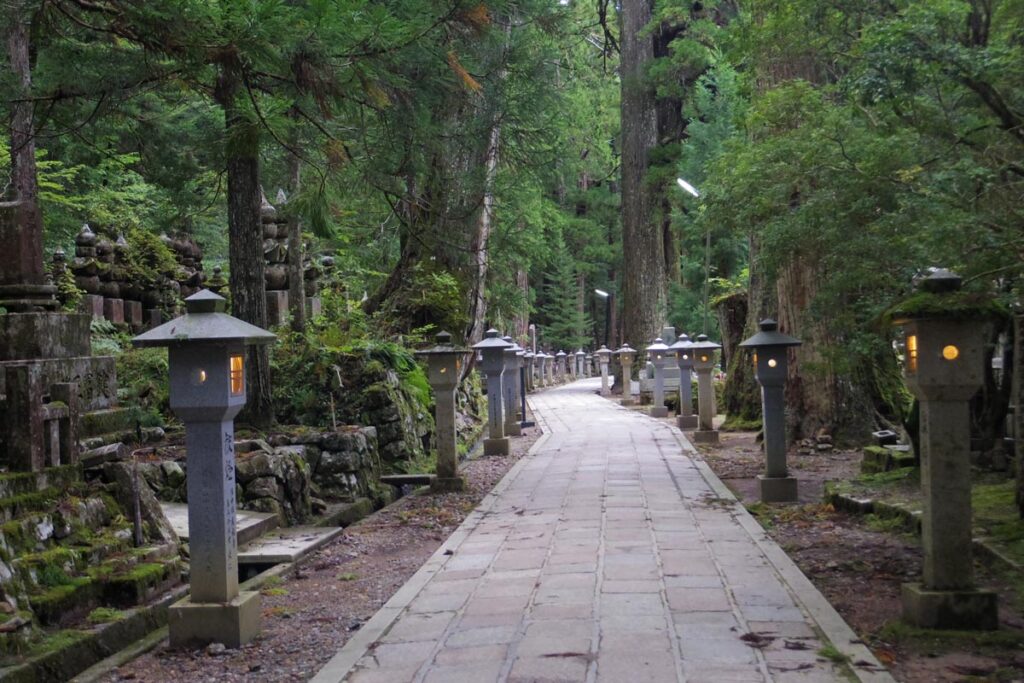
Mount Koya
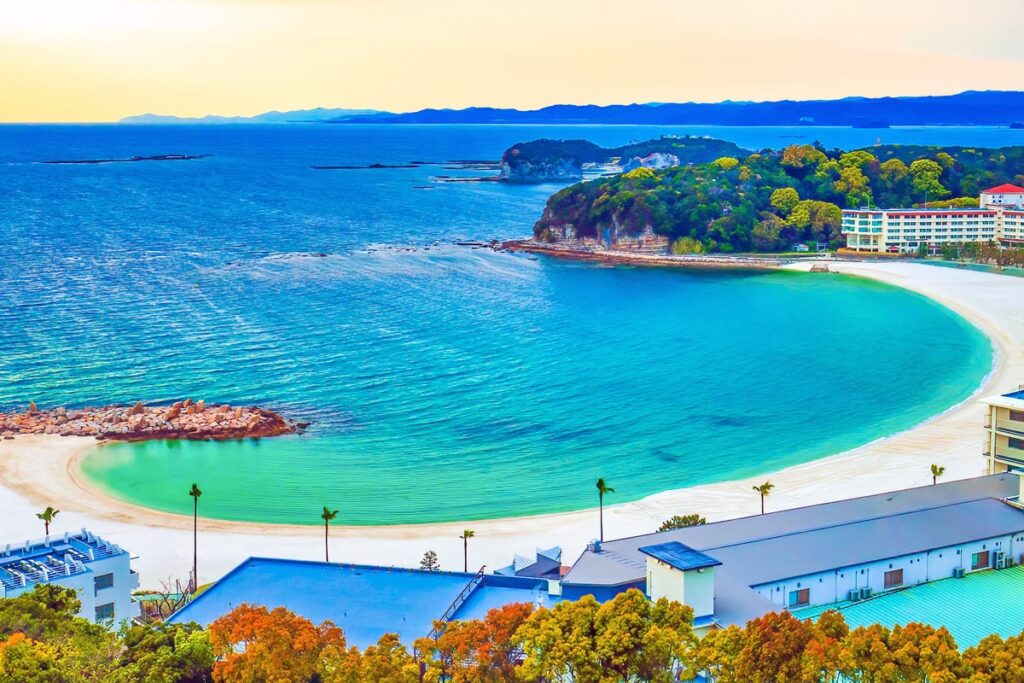
Shirahama Onsen
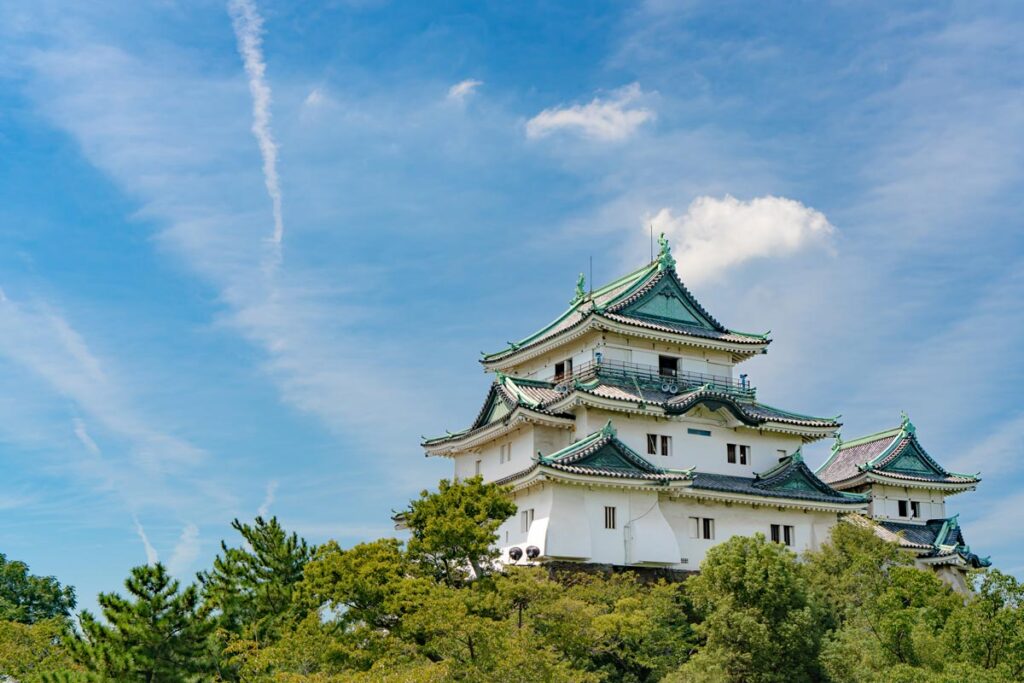
Wakayama Castle
Top destinations in Kansai Region
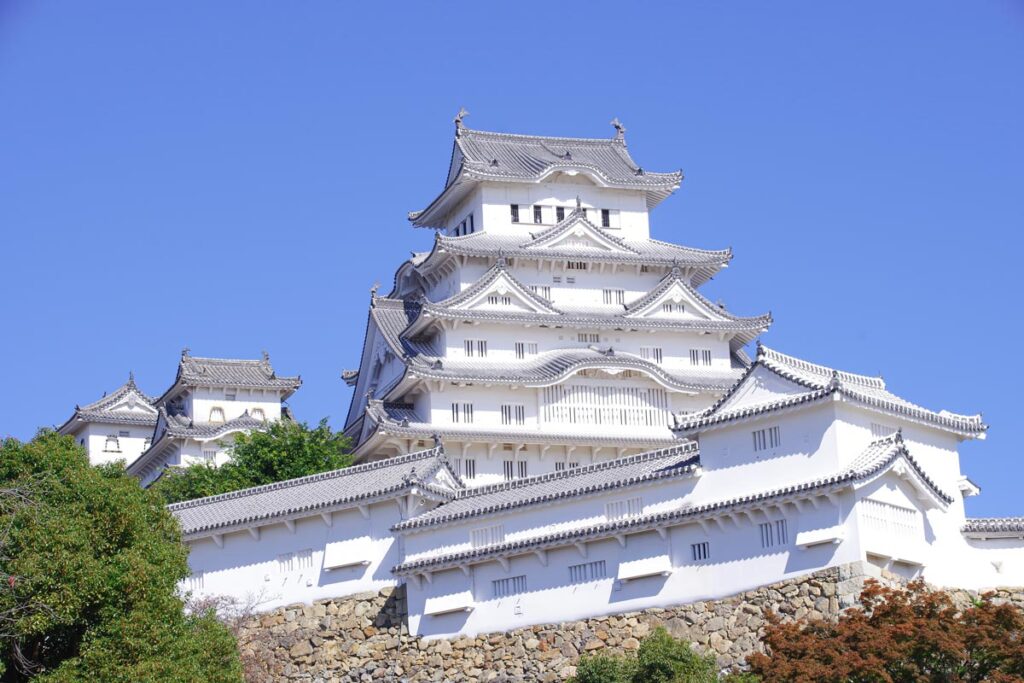
Hyogo