
Mount Koya
Mount Koya Japan Travel Guide for First-Time Visitors
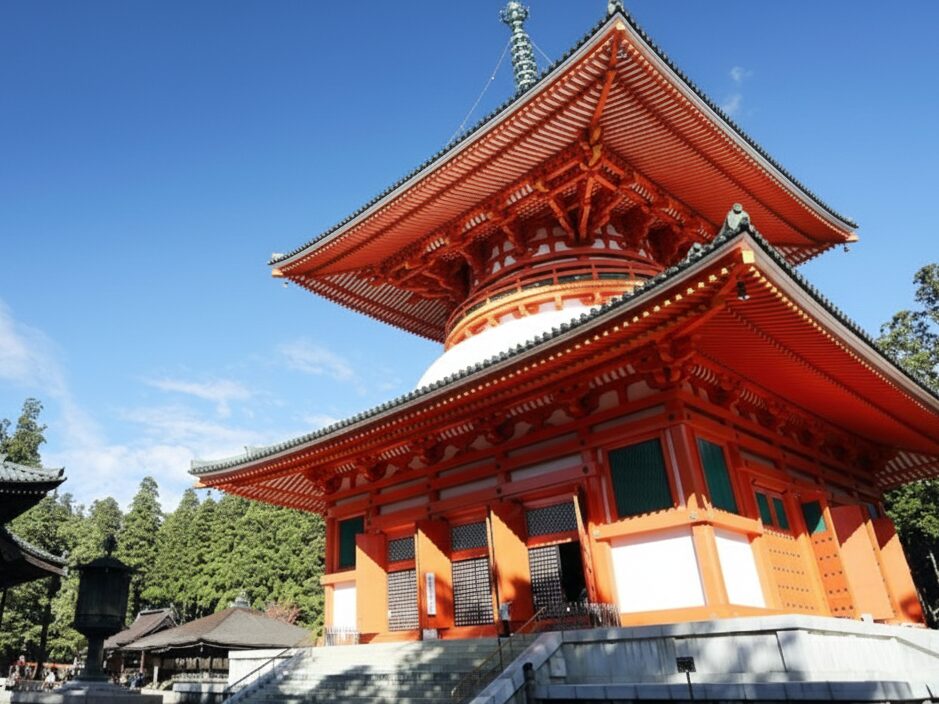
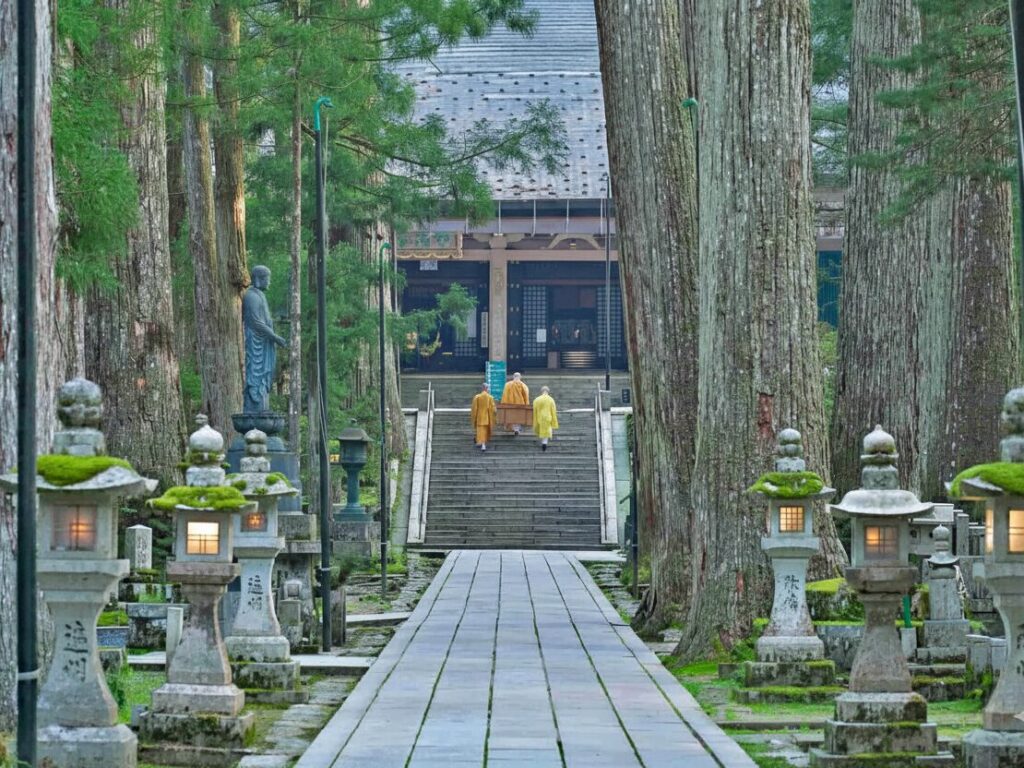
Photos are for illustrative purposes only.
Deep in the forested mountains of Wakayama Prefecture, Mount Koya (Koyasan) is one of Japan’s most atmospheric spiritual destinations. Home to over 100 temples and monasteries, it is the headquarters of Shingon Buddhism and a place where you can literally sleep in a temple, join morning prayers and walk through an ancient cemetery by lantern light.
For first-time visitors to Japan, Mount Koya offers a rare chance to step away from neon cities and experience a quieter, more traditional side of the country. This guide explains how to get there, what to see, how temple lodging works and the essential etiquette you need to know.
Why Visit Mount Koya?
Mount Koya is more than a scenic mountain; it is a living religious center that has attracted pilgrims for over 1,200 years. The area was founded in the early 9th century by the monk Kobo Daishi (also known as Kukai), who introduced the esoteric Shingon school of Buddhism to Japan. Today, the entire mountaintop feels like a temple town, with low wooden buildings, stone lanterns and monks in traditional robes passing by.
What makes Mount Koya special for overseas travelers is the opportunity for immersion. You can:
- Stay overnight at a temple lodging (shukubo)
- Eat traditional Buddhist vegetarian cuisine (shojin ryori)
- Join early-morning prayers and fire rituals
- Stroll through Japan’s most evocative cemetery at Okunoin
- Experience Japanese hospitality in a calm, contemplative setting
Despite its remote feel, Mount Koya is accessible as a side trip from Osaka, Kyoto or Nara, and can be visited as a long day trip or, ideally, a one‑ or two‑night stay.
How to Get to Mount Koya
Mount Koya is located in Wakayama Prefecture, south of Osaka. While it looks close on a map, the last stretch climbs into the mountains, so expect several transfers and scenic views.
From Osaka
Most visitors travel from Osaka’s Namba area:
- Train to Gokurakubashi: Take the Nankai Koya Line from Namba Station to Gokurakubashi Station. Express and limited express services are available; the trip usually takes around 80–100 minutes depending on the train.
- Funicular cable car: At Gokurakubashi, transfer to the cable car up the steep mountainside to Koyasan Station. The ride is short but scenic.
- Bus into town: From Koyasan Station, local buses connect to the main temple area in about 10–15 minutes. Walking from the station into town is not recommended because of the narrow, winding road and distance.
From Kyoto or Nara
From Kyoto and Nara, you will usually connect via Osaka.
- Kyoto: Take a JR train or private rail line to Osaka (for example, Kyoto Station to Osaka Station or to Shin-Osaka, then on to Namba), and change to the Nankai Koya Line.
- Nara: Travel to Osaka’s Namba area by Kintetsu Railway, then connect to the Nankai Koya Line.
Plan for around 2.5–3 hours one way from Kyoto and approximately 2–2.5 hours from Nara, including transfers.
Travel Tips
- Trains and cable cars are frequent but not 24 hours. Check the last departure times back to Osaka if you are not staying overnight.
- In winter, weather in the mountains may affect services, so allow extra time and dress warmly.
- Most foreign travelers find route planning apps useful; stations often have English signage, but local bus announcements may be in Japanese only.
When to Visit Mount Koya
Mount Koya has four distinct seasons, each offering a different atmosphere:
Spring (March–May)
Spring is one of the most popular times to visit. Cherry blossoms bloom slightly later than in lowland cities, often in April, and the mountain temples framed by soft pink flowers are particularly photogenic. Temperatures are still cool, especially at night, so bring layers.
Summer (June–August)
While Japanese cities can be hot and humid in summer, Mount Koya’s higher elevation brings cooler temperatures and misty mornings. The rainy season, typically in June and early July, covers the forest in lush greenery. It is a good time for quiet walks under towering cedar trees, as long as you don’t mind occasional showers.
Autumn (September–November)
Many locals consider autumn the best season. The maple leaves around temples and along pathways turn brilliant shades of red and gold from late October into November. Crisp air, clear skies and vivid colors make this a prime time for photography and contemplative strolls.
Winter (December–February)
Winter is cold on Mount Koya, and snow is common. However, this is also when the area feels most quiet and mystical. Snow-dusted gravestones in Okunoin and smoke rising from temple incense leave a strong impression. If you visit in winter, pack warm clothing; temple rooms are heated, but corridors and bathrooms can be chilly.
Staying in a Temple Lodging (Shukubo)
One of the highlights of visiting Mount Koya is staying in a temple lodging. Shukubo are working Buddhist temples that welcome overnight guests. This is not a luxury resort stay, but rather a chance to experience a traditional, simple lifestyle for a night or two.
What to Expect
Temple lodgings usually offer:
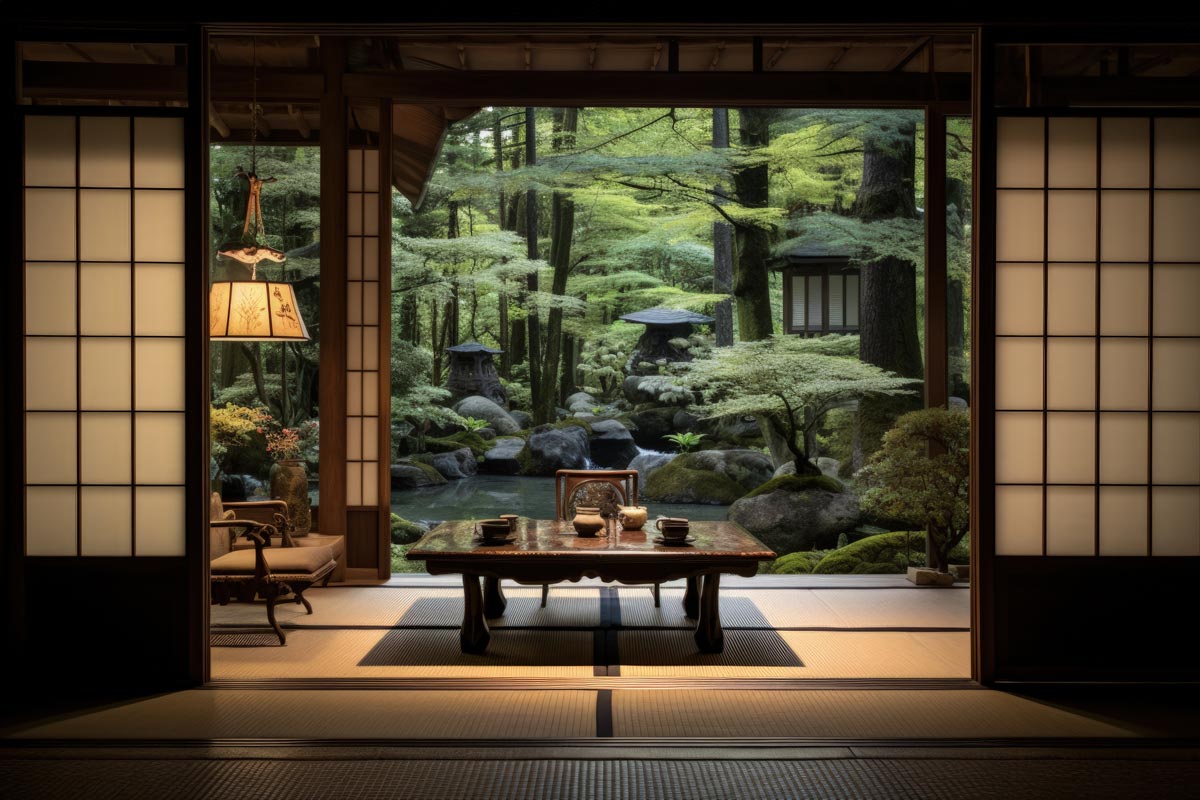
- Tatami rooms: Guest rooms are Japanese-style, with tatami mat floors and sliding doors. Futon bedding is laid out in the evening.
- Shared or semi-private bathrooms: Many temples have shared toilets and communal baths (onsen-style). Some newer or higher-end shukubo offer rooms with private bathrooms.
- Curfew: Temples are quiet at night, with a curfew around 21:00–22:00. Streets are dark and still, which is part of the charm.
- Early mornings: Morning prayer services often start around 6:00. Guests are usually invited to observe or participate.
Shojin Ryori: Buddhist Vegetarian Cuisine
Dinner and breakfast are usually included in your stay. Meals are shojin ryori, a refined style of vegetarian cooking developed in Buddhist temples. Ingredients often include seasonal vegetables, tofu, sesame, konnyaku (yam cake) and mountain plants, beautifully arranged in small dishes.
Even if you are not vegetarian, this is a chance to taste a side of Japanese cuisine you are unlikely to find in regular restaurants. If you have severe allergies, inform the temple when booking; most can accommodate basic dietary needs, but options may be limited.
How to Book a Shukubo
- Many temples can be booked through major hotel reservation websites, often with English interfaces.
- For specific temples, booking via email or phone may be required; some staff speak basic English, and many provide information in multiple languages.
- Mount Koya is popular on weekends, holidays and during autumn foliage season. Reserve well in advance if your dates are fixed.
- Prices vary, but staying in a temple is typically mid-range to slightly upscale compared with Japanese business hotels, especially considering meals are included.
Temple Etiquette for Guests
Shukubo are religious facilities first and accommodations second. To be a considerate guest:
- Remove shoes at the entrance and use the provided slippers.
- Keep voices low, especially in corridors and during early mornings or evenings.
- Dress modestly for meals and ceremonies; casual clothing is fine, but avoid revealing outfits.
- If invited to prayer services, follow the lead of monks and other guests. Participation is welcome, but quiet observation is also acceptable.
Top Sights and Experiences on Mount Koya
Okunoin Cemetery and Kobo Daishi Mausoleum
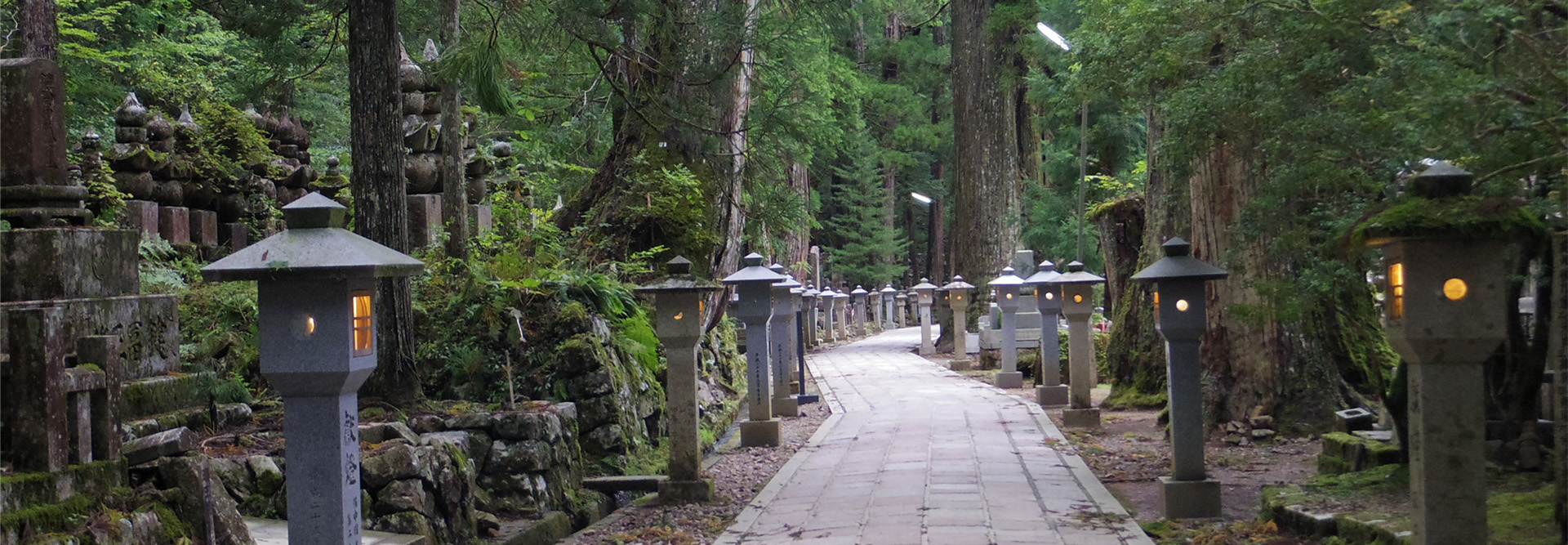
Okunoin is the spiritual heart of Mount Koya and one of Japan’s most memorable sites. A stone path winds through a vast forest cemetery with hundreds of thousands of gravestones and memorials, some centuries old, others modern. Moss-covered statues, small Jizo figures and towering cedar trees create an otherworldly atmosphere.
The path leads to the mausoleum of Kobo Daishi, the founder of Shingon Buddhism. Followers believe he is not dead but in eternal meditation, offering salvation to all beings. Many visitors quietly offer incense or prayers here, even without a Buddhist background.
Walking Okunoin at dusk or in the early morning is especially atmospheric. Lanterns line the path, and the forest feels hushed. Stay on the main pathways, respect the graves and avoid loud conversations or flash photography near the mausoleum.
Danjo Garan Temple Complex
Danjo Garan is one of Mount Koya’s central temple precincts and an important training site for monks. The area includes several striking buildings:
- Konpon Daito Pagoda: A tall, bright vermilion pagoda that dominates the complex, housing large statues and mandalas representing the Shingon universe.
- Kondo (Main Hall): Used for major ceremonies and religious events.
- Smaller halls and pagodas: Each with its own icon or story, often explained on nearby signs.
This is a good place to appreciate Shingon art and architecture. Take time to walk around the grounds, notice the alignment of buildings and enjoy the quiet gardens between them.
Kongobuji Temple
Kongobuji is the head temple of the Shingon sect and another key stop. Inside, visitors can admire traditional sliding door paintings and stroll through one of Japan’s largest rock gardens, representing a landscape of islands and waves. The temple sometimes serves tea to guests in tatami rooms, giving a peaceful glimpse into monastic life.
Morning Prayers and Fire Ceremonies
Many temple lodgings invite guests to observe morning prayers. Chanting, incense and the rhythm of drums create a strongly meditative feeling, even if you do not understand the words. Some temples also perform goma fire rituals, where wooden prayer sticks are burned in a sacred fire as monks chant. Check the schedule with your lodging; participation is usually free for overnight guests.
Cultural Etiquette and Practical Tips
Temple and Cemetery Etiquette
- Dress respectfully: shoulders and knees covered are appreciated, especially when entering halls.
- Remove hats and sunglasses indoors, and follow local custom when purifying hands at temple basins.
- Photography is often allowed in temple grounds and paths, but flash is usually discouraged inside halls. Look for signs indicating no‑photo areas.
- In Okunoin, do not touch or climb on gravestones, and avoid eating while walking through the cemetery.
What to Pack
- Comfortable walking shoes: You will be walking on stone paths and occasionally uneven ground.
- Layers: Temperatures can change quickly, and evenings are cooler than cities at lower elevations.
- Cash: Some small shops, local buses and smaller temples may not accept credit cards.
- Small towel and toiletries: Many temples provide basics, but carrying your own can be more comfortable.
Food and Shopping
Apart from temple meals, Mount Koya has a few cafes, small restaurants and souvenir shops along the main street. Local specialties include sesame tofu and sweets inspired by temple cuisine. Options are more limited than in big cities, so do not rely on late-night dining.
Souvenir shops sell Buddhist charms, prayer beads, incense and calligraphy. Many travelers purchase a goshuincho (temple stamp book) and collect ink stamps and calligraphy from different temples as a record of their journey.
Suggested Itineraries for First-Time Visitors
One-Day Visit from Osaka
- Morning: Travel from Osaka to Mount Koya, then visit Danjo Garan and Kongobuji Temple.
- Afternoon: Explore Okunoin Cemetery, walking to Kobo Daishi’s mausoleum.
- Evening: Return to Osaka before the last cable car and train.
This is a full but rewarding day. Start early to avoid rushing through Okunoin.
One-Night Temple Stay
- Day 1: Arrive around midday, check in to your temple lodging, then visit Danjo Garan and Kongobuji. Enjoy temple dinner and evening strolls on quiet streets.
- Day 2: Join morning prayers, have breakfast and spend more time exploring Okunoin at your own pace before heading back to the city.
With an overnight stay, you experience both day and night atmospheres, along with temple life.
Final Thoughts
Mount Koya is one of the most memorable side trips you can make on a first visit to Japan. Between the solemn cedar forests, chanting from morning prayers and the taste of carefully prepared temple cuisine, the mountain leaves a lasting impression long after you descend back to the city.
Whether you come for a day or stay overnight in a shukubo, approach Mount Koya not just as a sightseeing stop, but as a place to slow down, listen and observe. In doing so, you will gain a deeper appreciation for Japan’s spiritual traditions and for the quiet, contemplative side of the country that many visitors never see.
Access Map
Recommended spots in Wakayama
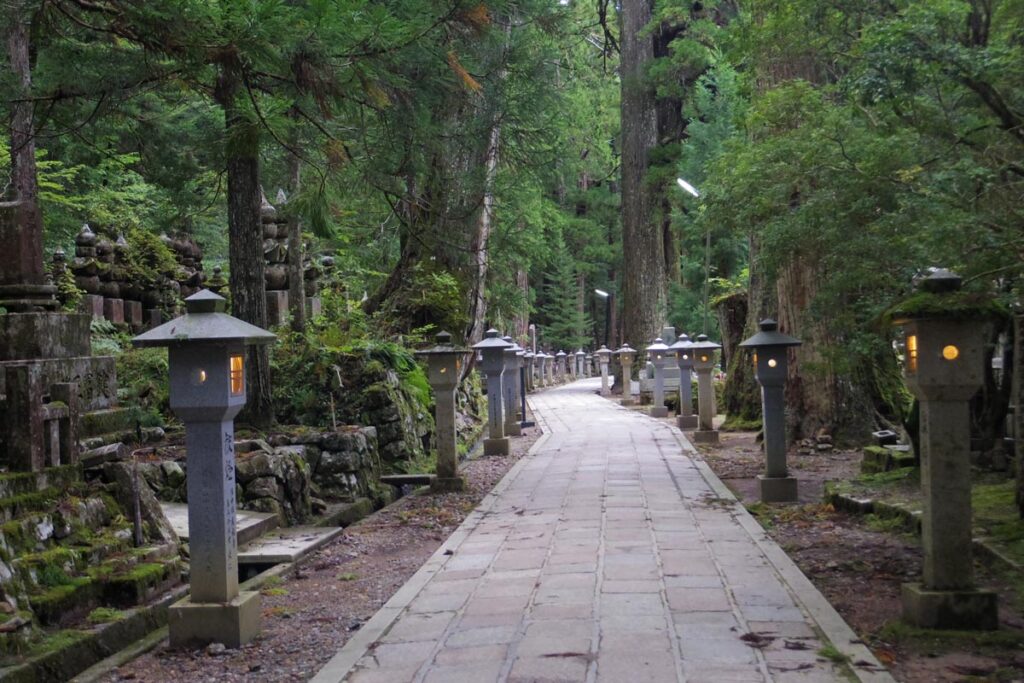
Mount Koya
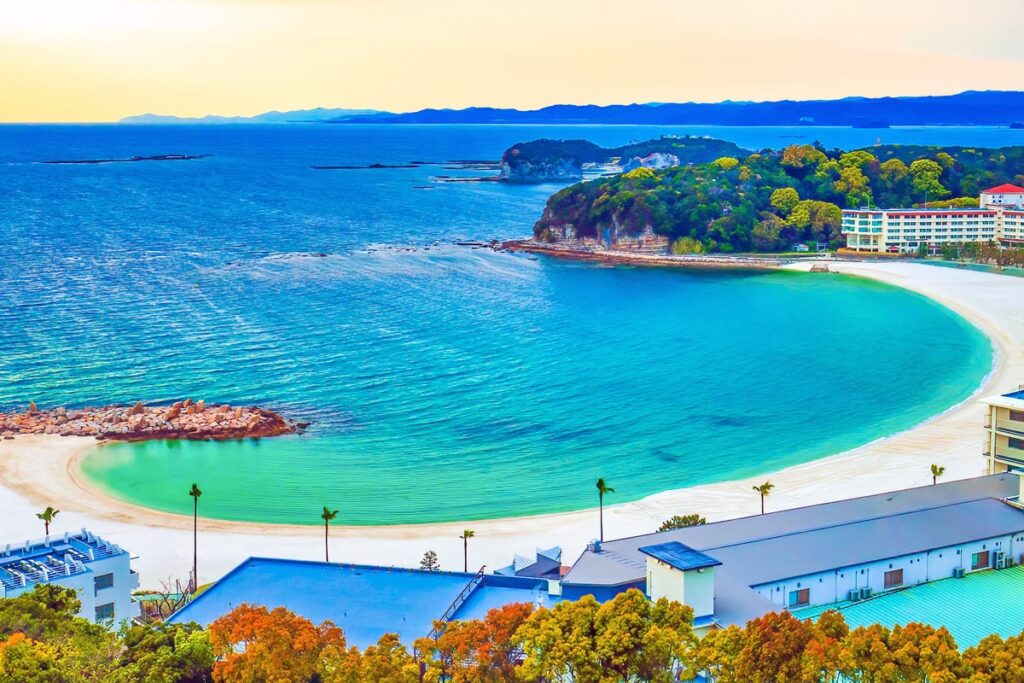
Shirahama Onsen
Wakayama Castle
Top destinations in Kansai Region
Hyogo