
Shirahama Onsen
Shirahama Onsen Japan Travel Guide for First-Time Visitors
Photos are for illustrative purposes only.
On Japan’s rugged Kii Peninsula, Shirahama Onsen blends classic hot-spring culture with a laid-back beach resort vibe. It is one of Japan’s oldest onsen areas, yet it feels surprisingly relaxed and approachable for first-time visitors. If you are planning a trip from Osaka, Kyoto, or Tokyo and want sea views, hot baths, and easy sightseeing in one destination, Shirahama is an excellent choice.
Why Visit Shirahama Onsen?
Shirahama Onsen is famous for three things: its long onsen history, its wide white-sand beach, and dramatic coastal scenery. Unlike many mountain hot-spring towns, Shirahama spreads out along the Pacific coast, so you can soak in a steaming bath while listening to waves.
Historically, the springs of Shirahama were prized by emperors and nobles as early as the 7th century. Today, modern hotels and traditional ryokan (Japanese inns) draw families, couples, and solo travelers. The overall feeling is casual and resort-like, with easy bus connections, walkable promenades, and plenty of ocean views.
Where Is Shirahama Onsen?
Shirahama Onsen sits on the west side of the Kii Peninsula in Wakayama Prefecture. It faces the Pacific Ocean and is part of the broader resort town of Shirahama. This area is also a gateway to the UNESCO-listed Kumano Kodo pilgrimage trails further inland.
How to Get to Shirahama Onsen
From Osaka, Shirahama is one of the easiest coastal onsen towns to reach:
- JR Limited Express Kuroshio (Ocean Arrow): Around 2.5 to 3 hours from JR Osaka Station or JR Shin-Osaka Station to Shirahama Station. Japan Rail Pass holders can usually use this train with seat reservations.
- From Kyoto: Take the Shinkansen to Shin-Osaka, then transfer to the Kuroshio limited express. Total time is roughly 3.5 hours.
- From Tokyo: Ride the Shinkansen to Shin-Osaka (about 2.5–3 hours), then transfer to the Kuroshio. Expect around 5–6 hours in total.
- By air: Nanki–Shirahama Airport has limited domestic flights, mainly from Tokyo (Haneda). From the airport, buses run into the onsen area in about 15–20 minutes.
From Shirahama Station, local buses and taxis take you to the main hotel and onsen district in about 10–15 minutes. Look for buses heading to Shirahama Beach, Shirahama Onsen, or Adventure World; most stop at central resort areas.
Understanding Shirahama’s Hot Springs
Shirahama is counted among Japan’s “three ancient hot springs” (alongside Arima and Dogo). The local springs are rich in sodium chloride and bicarbonate, often said to smooth the skin and ease fatigue. Water temperatures are typically around 60–80°C at the source and cooled before entering the baths.
Types of Onsen Experiences
You can enjoy Shirahama’s hot springs in several ways:
- Ryokan and hotels: Most accommodations in the onsen district have their own baths. Staying overnight with dinner and breakfast (called one night, two meals) is the most immersive experience.
- Day-use public baths: If you are staying elsewhere or just visiting on a day trip, a number of facilities welcome day guests for a small fee.
- Outdoor seaside baths: Some of the most iconic baths in Shirahama are open-air and right by the ocean, creating a dramatic setting.
Onsen Etiquette for First-Timers
Japanese hot-spring culture has clear but simple rules. Following them will make your visit smoother and more comfortable:
- Bathing is nude: Swimsuits are not allowed in traditional onsen. Men and women use separate baths except in very rare mixed-bathing facilities.
- Wash first: Before entering the bath, sit on a stool in the washing area, use soap and shampoo, and rinse thoroughly. Enter the main bath only after you are clean.
- Towels stay out of the water: Use your small towel to cover yourself while walking, but do not dip it in the bath. People often place it on their head while soaking.
- Be quiet and considerate: Keep noise to a minimum, avoid splashing, and do not swim in the bath.
- Tattoos: Some facilities in Japan still restrict guests with tattoos, but attitudes are gradually changing. Check ahead; larger hotels may be more flexible. If there are rules, you might be asked to use a private bath.
If you feel nervous, visit a larger hotel or day-use facility first. Staff are accustomed to international guests and usually have signs in English.
Top Things to Do in Shirahama Onsen
1. Soak at Saki-no-Yu Seaside Onsen
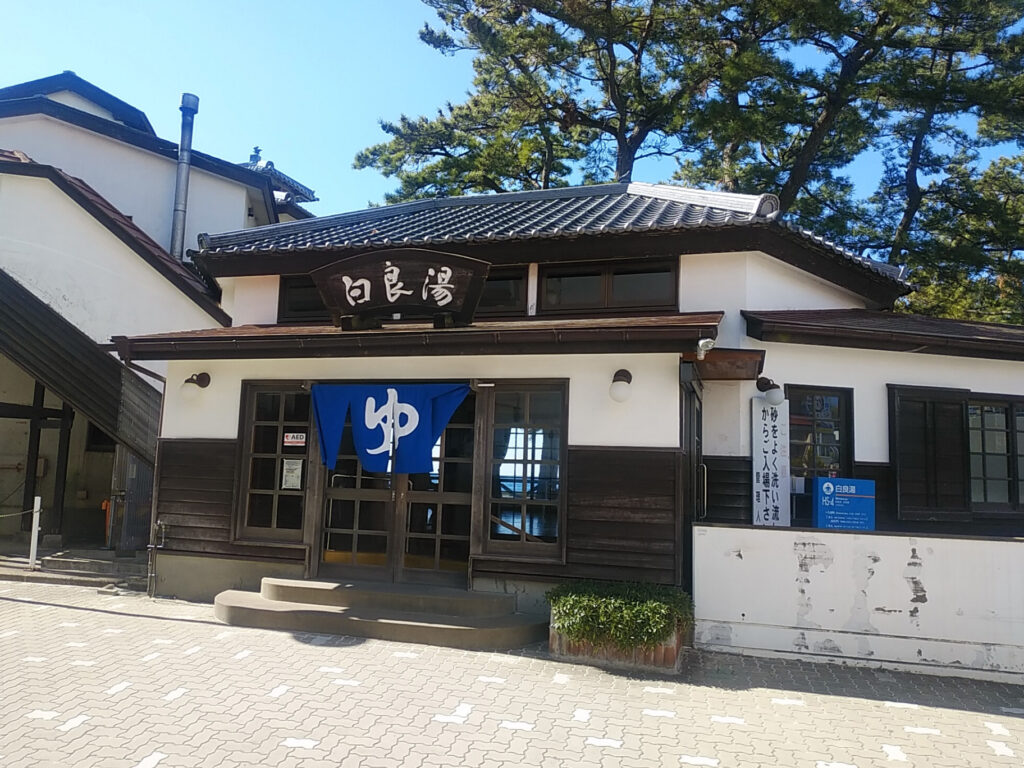
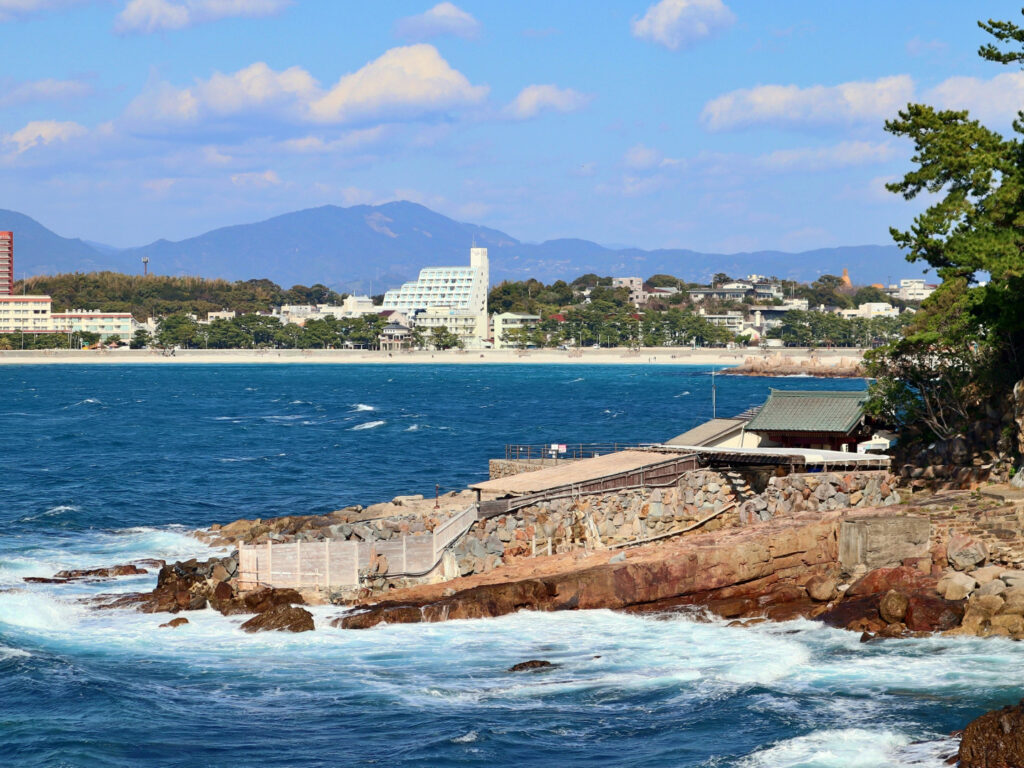
Saki-no-Yu is one of Shirahama’s most famous hot springs and a symbol of the town. This historic open-air bath sits right on the rocky coastline, with pools just meters from the waves. On windy days, you can feel sea spray while you soak.
The baths are simple, divided into separate areas for men and women, and surrounded by stone walls that still allow views out to the ocean. The experience is rustic rather than luxurious, but the setting is unforgettable, especially at sunset.
2. Relax on Shirarahama Beach
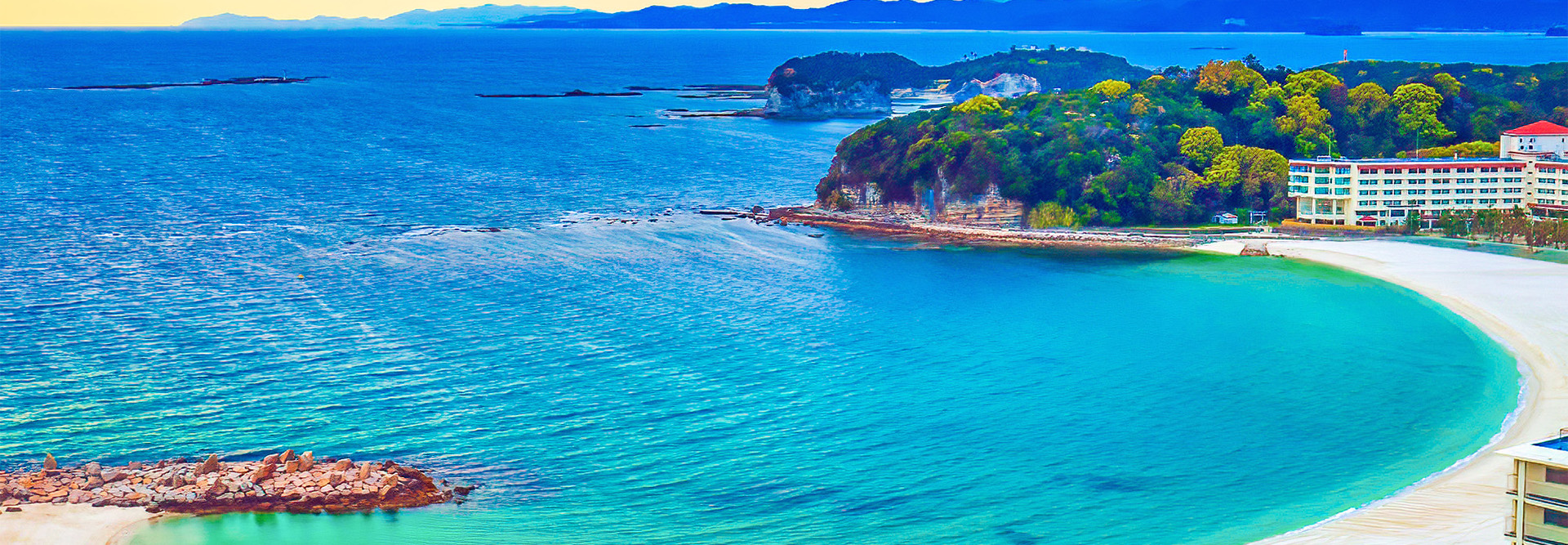
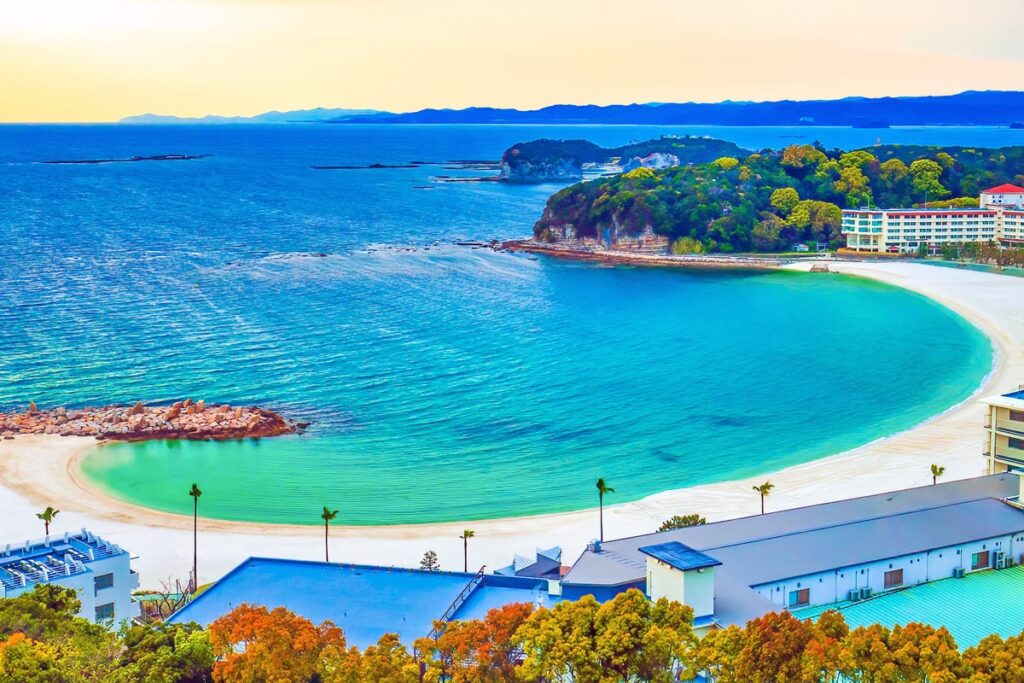
Shirahama’s signature Shirarahama Beach is a long, crescent-shaped stretch of bright white sand. The sand is famously imported to maintain its color, giving the beach a tropical look, even though you are in central Japan.
In summer, this is one of the Kansai region’s most popular beaches. Expect swimming, beach umbrellas, jet skis, and seasonal events such as fireworks. Outside peak season, the shore is calmer and ideal for a quiet walk along the seafront.
The beach is located close to many hotels, restaurants, and souvenir shops, making it a convenient base to explore the onsen district.
3. Marvel at Senjojiki and Sandanbeki Cliffs
The coastline near Shirahama is shaped by powerful Pacific waves, and two spots are especially impressive:
- Senjojiki: This “thousand-tatami” rock terrace is a wide, layered sandstone formation that looks like an enormous stone staircase sliding into the sea. You can walk across the flat rocks, feeling ocean spray and watching waves crash nearby. Visit around golden hour for dramatic light and photos.
- Sandanbeki Cliffs: These sheer cliffs rise around 50 meters above the water. Viewing platforms at the top give sweeping views of the coastline. There is also an elevator that takes visitors down into Sandanbeki Cave, associated with legends of pirates and smugglers.
Both sites are accessible by local bus or taxi from the onsen district and can be combined into a half-day coastal sightseeing route.
4. Explore Engetsu Island at Sunset
Engetsu Island is a small offshore rock island with a natural round hole in the middle. At certain times of year, the setting sun aligns perfectly with this opening, creating a famous postcard view. Even on regular days, the island is a popular sunset-watching spot.
You can enjoy the view from the shore or join short sightseeing cruises that circle the island for close-up photos of the rock formations.
5. Visit Adventure World (Family-Friendly)
If you are traveling with children, Adventure World is one of Shirahama’s main attractions. It combines a zoo, aquarium, and amusement park in one large complex.
There are animal shows, safari-style bus rides, marine life exhibits, and rides for younger children. Plan to spend at least half a day here if you go.
Where to Stay in Shirahama Onsen
Accommodation in Shirahama ranges from classic ryokan to casual resort hotels and smaller guesthouses. When choosing where to stay, consider:
- Location: The main clusters are around Shirarahama Beach, near Saki-no-Yu, and along the central coastal road. Beachside hotels are convenient for summer trips, while hillside inns may offer better ocean views.
- Onsen facilities: Look for hotels and ryokan with open-air baths (rotenburo) and ocean views. Some have multiple baths with different styles and water sources.
- Meals: Staying in a ryokan with dinner and breakfast lets you experience multi-course kaiseki using local seafood and Wakayama ingredients. Western-style hotels might offer buffet dinners with Japanese and international dishes.
- Budget: Prices vary widely. Mid-range ryokan with two meals can be surprisingly good value outside peak seasons. Business hotels near the station or guesthouses are usually cheaper but may not have their own hot springs.
For first-time visitors, a one- or two-night stay in a ryokan or onsen hotel gives enough time to enjoy several baths, coastal walks, and a leisurely breakfast before departing.
What to Eat in Shirahama
Wakayama Prefecture is known for its seafood, citrus fruits, and plums, and many of these specialties appear on local menus in Shirahama.
Local Specialties to Try
- Fresh seafood: Look for dishes featuring tuna, amberjack, squid, shrimp, and local white fish served as sashimi, grilled, or in hot pots.
- Kue (longtooth grouper): Considered a high-end delicacy, often served in nabe (hot pot) during cooler months.
- Wakayama ume (plums): Famous pickled plums (umeboshi) and plum wine (umeshu) make excellent souvenirs.
- Wakayama oranges: Depending on the season, you may find fresh citrus, juices, or desserts flavored with local oranges.
In the onsen district, restaurants range from casual izakaya pubs to more formal kaiseki-style dining rooms inside ryokan. Around the beach, you will also find cafés, ramen shops, and simple seafood places where you can order grilled fish sets or rice bowls with sashimi.
When to Visit Shirahama Onsen
Shirahama’s coastal climate means it can be visited year-round, but the atmosphere changes with the seasons.
- Spring (March–May): Pleasant temperatures and blooming flowers make this a great time for scenic walks along the coast. Onsen baths feel especially refreshing in cool spring air.
- Summer (June–August): Beach season is in full swing, especially July and August. Expect crowds and higher prices, but also fireworks and lively summer events. Onsen bathing is still popular at night when the air cools.
- Autumn (September–November): Warm seas remain inviting in early autumn, while later months bring clearer air and calmer crowds. It is one of the best times for onsen, coastal sunsets, and photography.
- Winter (December–February): Chilly air and occasional rough seas make the hot springs feel extra luxurious. The town is quieter, which can be perfect if you want a peaceful retreat.
Practical Tips for First-Time Travelers
Language and Navigation
Shirahama receives many domestic tourists but fewer international visitors than major cities. You will find some English signage at train stations, tourist spots, and larger hotels, but not everywhere.
- Download an offline map and a translation app before arrival.
- At Shirahama Station, stop by the tourist information counter if available; staff can provide maps and bus schedules.
- Keep the name and address of your hotel in Japanese (from the hotel website or booking confirmation) to show taxi drivers.
Getting Around
Shirahama is spread out, but local buses connect the station, beach, onsen area, Adventure World, and major viewpoints like Sandanbeki. One- or two-day bus passes are often available and can be good value if you plan to visit several sites.
Taxis are convenient for short trips, especially if you are traveling with luggage or visiting at night. Walking between nearby hotels, the beach, and some onsen facilities is pleasant, especially along the seaside promenade.
What to Pack
- Onsen essentials: Most hotels and public baths provide towels, shampoo, and soap. However, bringing a small personal towel can be useful.
- Beachwear: In summer, bring swimsuits, sandals, and a light cover-up for walking between the beach and your hotel. Remember that swimsuits are for the sea or pools, not traditional hot-spring baths.
- Comfortable shoes: Coastal sites like Senjojiki involve walking on uneven rock surfaces.
- Light layers: Even in warmer seasons, evenings can be breezy by the sea.
Suggested 2-Day Shirahama Itinerary
Day 1: Arrival, Beach, and Onsen
- Arrive at Shirahama Station around midday and transfer by bus or taxi to your hotel.
- Drop your bags and walk to Shirarahama Beach for a stroll or a swim (in season).
- Visit a nearby seaside bath such as Saki-no-Yu in the late afternoon for your first onsen experience.
- Enjoy dinner at your ryokan or a local seafood restaurant, followed by another soak in your hotel’s bath before bed.
Day 2: Coastal Scenery and Departure
- Start the morning with a leisurely breakfast and a soak.
- Take a bus or taxi to Senjojiki and Sandanbeki Cliffs for panoramic ocean views and a short walk.
- Stop at a viewpoint for Engetsu Island, especially if the weather is clear.
- Have lunch near the coast, then pick up local specialties like plum wine or snacks as souvenirs.
- Return to Shirahama Station for an afternoon or early evening train back to Osaka or Kyoto.
Final Thoughts
Shirahama Onsen offers a gentle introduction to Japanese hot-spring culture, wrapped in sea breeze and resort comforts. For first-time visitors to Japan, it combines traditional bathing, fresh seafood, scenic coastline, and one of the country’s most photogenic beaches in a compact, easy-to-navigate town. Whether as a short side trip from Osaka or a relaxing finale to a busy itinerary, Shirahama is a memorable place to slow down, soak, and savor Japan’s coastal charm.
Access Map
Recommended spots in Wakayama
Mount Koya
Shirahama Onsen
Wakayama Castle
Top destinations in Kansai Region
Hyogo