



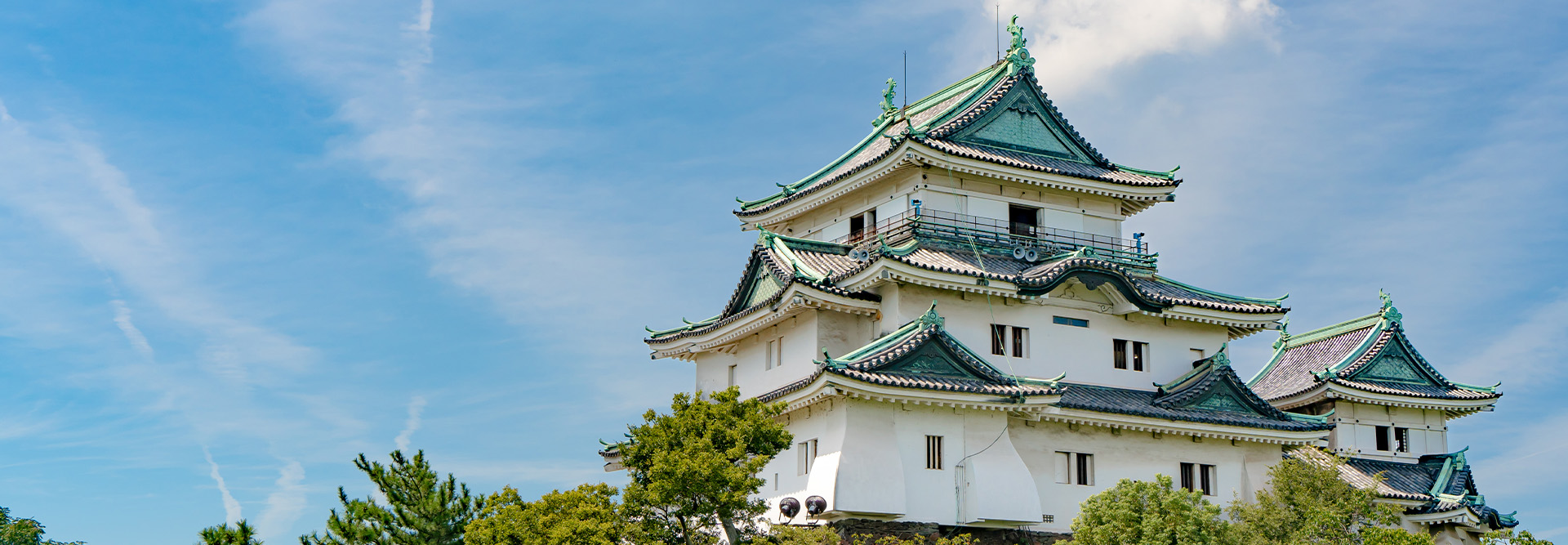
Wakayama Castle
Wakayama Castle Japan Travel Guide for First-Time Visitors
Photos are for illustrative purposes only.
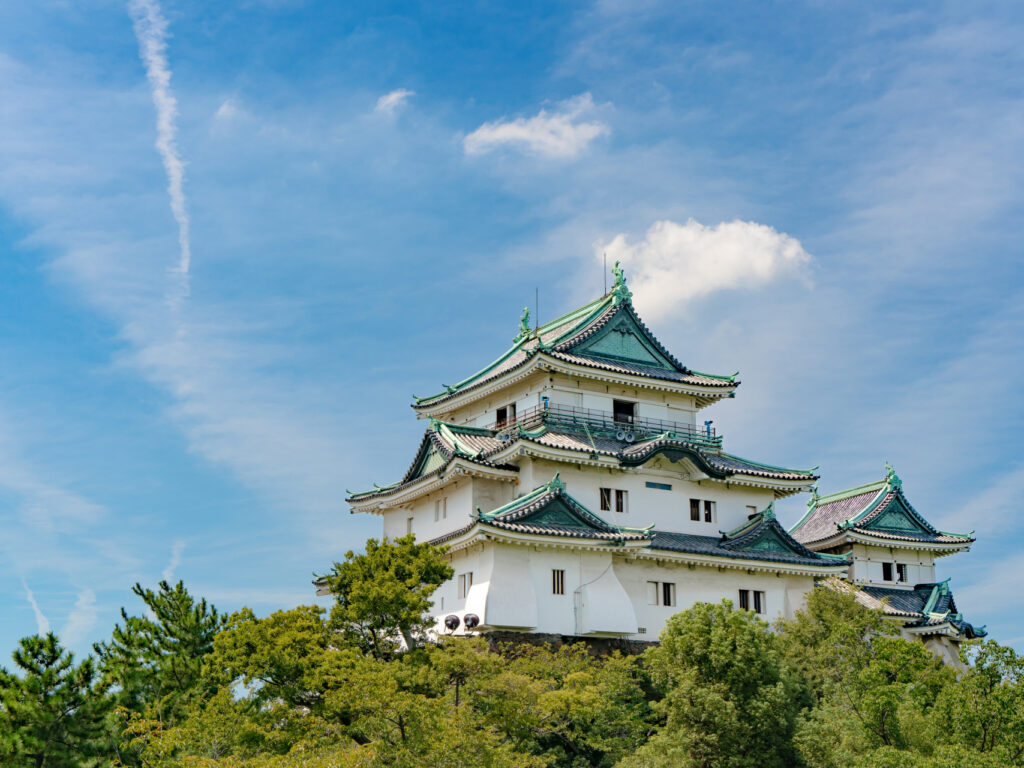
Perched on a low hill above the city, Wakayama Castle is one of western Japan’s most atmospheric historical sites. Less crowded than Osaka or Himeji, it offers castle keep views, peaceful gardens, and a relaxed local vibe that first-time visitors to Japan often miss. If you are looking for an easy day trip from Osaka, Kyoto, or Kansai Airport with plenty of history and scenery, Wakayama Castle is a rewarding choice.
Why Visit Wakayama Castle?
Wakayama Castle combines several experiences in one compact area: a reconstructed samurai-era keep, a spacious park for strolling, a tranquil Japanese garden, and sweeping views over the city and toward the sea. It is historically linked to the powerful Tokugawa family, who ruled Japan for over 250 years, giving the site special prestige in Japanese history.
Unlike some of Japan’s most famous castles, Wakayama Castle is not usually crowded with large tour groups. This quieter atmosphere makes it easier to slow down, absorb the details of the architecture, and take photos without rushing. For first-time travelers, it is also a very manageable castle to explore, with clear paths, signs, and a compact layout.
A Brief History of Wakayama Castle
Wakayama Castle dates back to the late 16th century, when Japan was emerging from a long period of civil war. The castle was originally built under the orders of Toyotomi Hideyoshi, one of Japan’s great unifiers, and later became a key stronghold of the Tokugawa family. Tokugawa Ieyasu, the founder of the Tokugawa shogunate, installed one of his sons here, turning Wakayama into an important regional power base.
Over the centuries, the castle was expanded and fortified, surviving political upheavals and battles. Like many Japanese castles, the original structures were heavily damaged during World War II. The main keep you see today is a reconstruction from the 1950s, built in concrete but designed to faithfully evoke the original exterior. While the central tower is modern, the stone walls, gates, and layout still convey the feel of a classic Japanese hilltop castle.
Exploring the Castle Grounds
The castle sits at the center of a large, tree-filled park known as Wakayama Park. A network of stone paths, stairways, and gates leads you gradually up to the main keep. Expect some uphill walking and stairs, but the climbs are relatively short, and there are plenty of places to rest along the way.
Main Gates and Stone Walls
As you enter the grounds, notice the massive stone foundations supporting the walls. The angled stones are carefully fitted together, a technique developed to withstand attack and earthquakes. Many visitors pause to photograph the imposing gates and the contrast between dark wooden structures and pale stone bases.
Passing through the gates echoes the experience of samurai and officials who once entered this fortress. Take a moment to imagine the original defensive functions: layered entry points, high vantage positions, and narrow approach paths designed to slow intruders.
The Castle Keep (Tenshukaku)
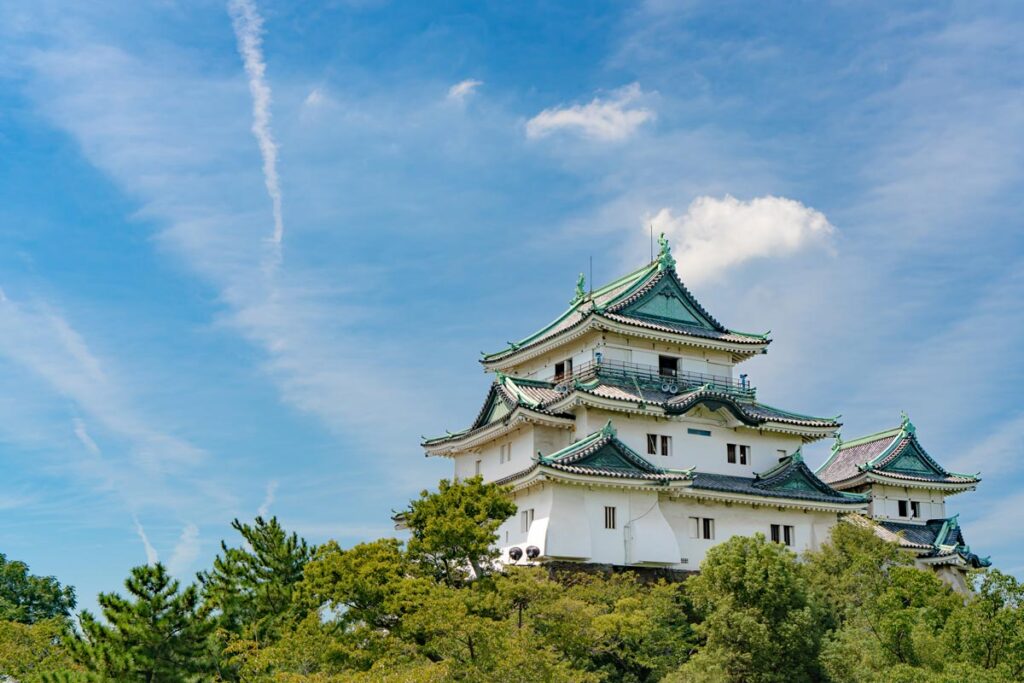
The three-story keep is the visual centerpiece of Wakayama Castle. From a distance, its white plaster walls and elegant black-tiled roofs create a classic “Japanese castle” silhouette. Inside, the keep now functions as a small museum. Exhibits are mostly in Japanese, but even without reading the labels, you can enjoy:
- Displays of samurai armor and swords
- Historical documents and maps
- Models of the castle layout through different eras
- Everyday items from the feudal period
Staircases between the floors are quite steep, as in many Japanese castles. Wear comfortable shoes and keep at least one hand free for the handrails. The climb is rewarded at the top with a wraparound observation deck.
Panoramic Views from the Top
From the top floor of the keep, you are treated to a 360-degree view of Wakayama City. On clear days, you can see the Kinokawa River winding through the urban landscape and catch glimpses of the coastline toward Wakayama Port. The contrast between the modern city below and the traditional castle setting above helps you appreciate how Japan blends old and new.
Sunset can be especially beautiful, with the sky turning shades of orange and pink over the low-rise city. If you plan to stay that late, check the castle’s closing times in advance so you can exit comfortably.
Momijidani Garden: A Calm Japanese Garden Retreat
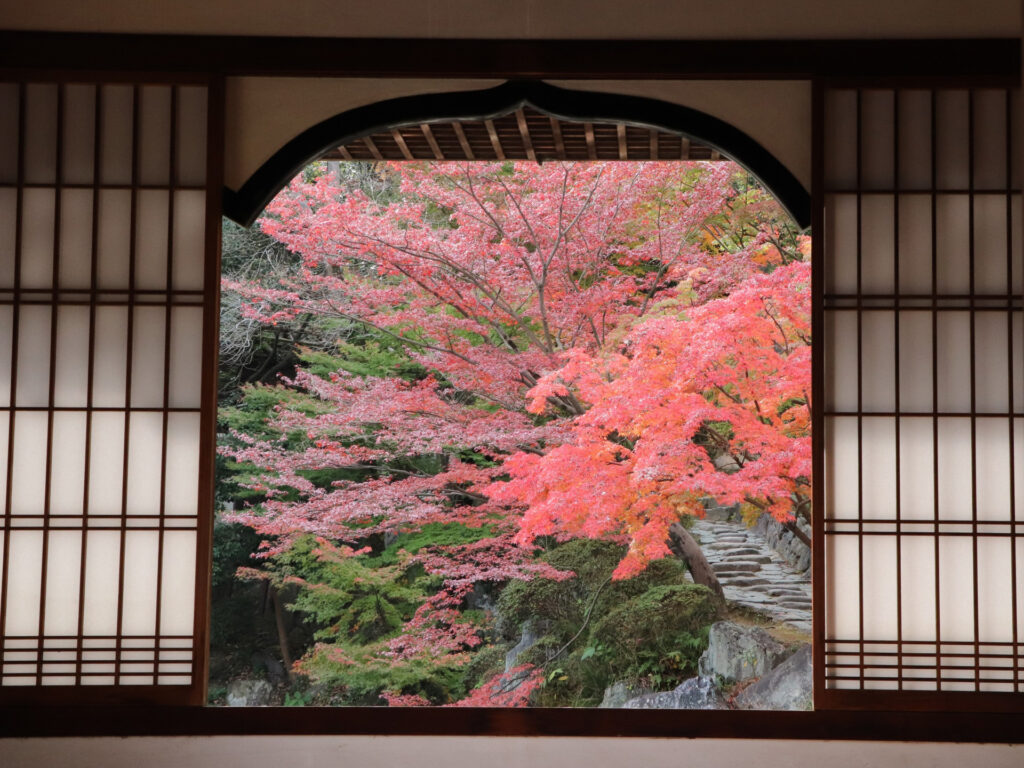
On the north side of the hill, within the castle park, lies Momijidani Garden, one of the highlights for visitors seeking a quieter, more contemplative space. “Momijidani” literally means “Maple Valley,” and as the name suggests, the garden is particularly stunning in autumn when the maple leaves ignite in shades of red and gold.
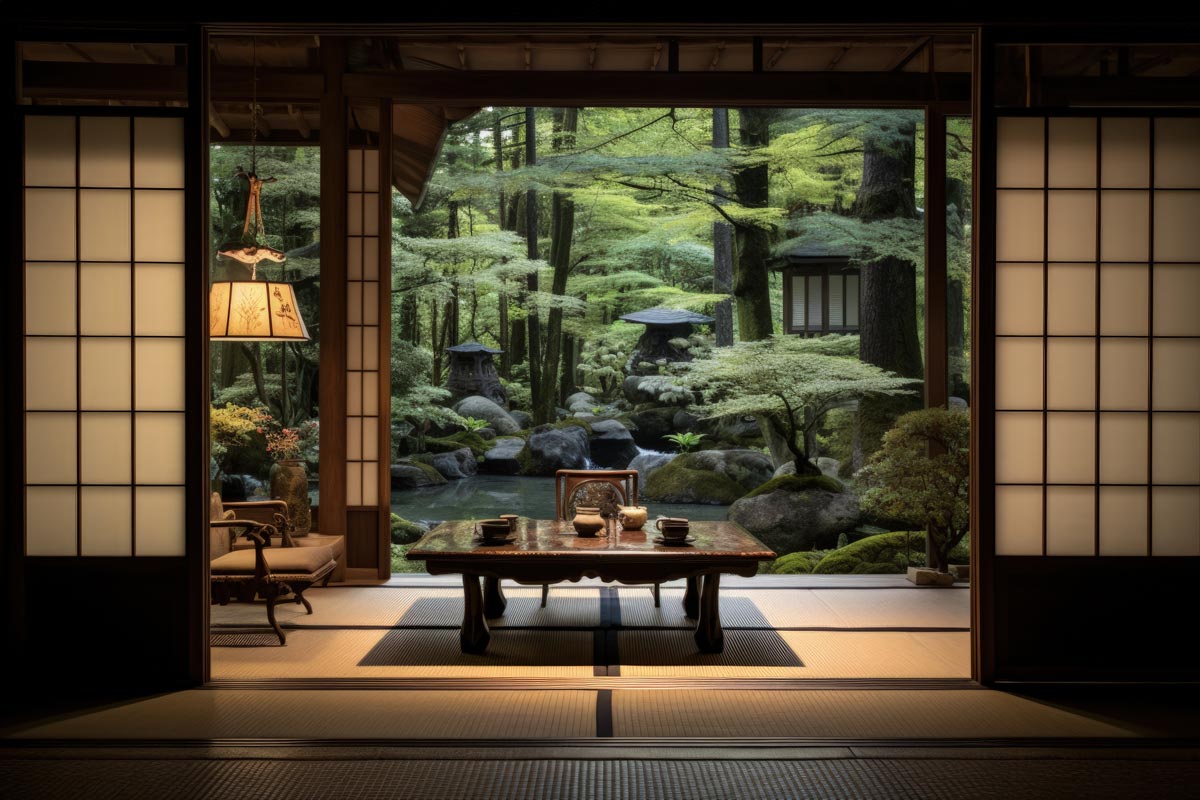
The garden follows traditional Japanese design principles: a central pond, carefully placed rocks, arched bridges, and stepping stones that guide your path. Trees and shrubs are pruned to emphasize seasonal changes, so the atmosphere is pleasant throughout the year. In spring, cherry blossoms and fresh green leaves brighten the scene; in summer, deep greenery and the sound of water create a cool refuge.
Strolling through Momijidani Garden invites you to slow down. Take time to observe reflections in the water, the shapes of the stones, and the way the paths subtly frame your view. This kind of designed perspective is a key aspect of Japanese garden aesthetics, encouraging you to notice details that might otherwise be overlooked.
Seasonal Highlights at Wakayama Castle
Japan’s seasons strongly shape how people experience historical sites and nature, and Wakayama Castle is no exception.
Spring: Cherry Blossom Season
In spring, the castle park becomes a popular spot for hanami (cherry blossom viewing). Dozens of cherry trees bloom around the base of the hill and along the pathways. Locals spread picnic sheets under the trees, sharing food and drinks with family and friends, often in the late afternoon and evening.
If you visit during this period, you can buy snacks or a simple bento at convenience stores near the park and enjoy your own casual hanami. Be respectful of space, dispose of trash properly, and avoid blocking pathways. Exact blooming times vary with the weather, but typically fall between late March and early April.
Summer: Lush Greenery
Summer brings hot, humid weather to Wakayama, but the shaded paths and gardens offer a refreshing break from city streets. The deep green foliage around the castle creates a vivid backdrop for photos, and the park is alive with cicada sounds, a classic soundtrack to Japanese summer.
Carry water, wear a hat, and take breaks in shaded areas, especially in the middle of the day. Many visitors choose morning or late afternoon in summer to avoid the strongest sun.
Autumn: Colorful Foliage
Autumn might be the most atmospheric time to visit Momijidani Garden. From mid-November to early December, maple leaves change color, and the garden pathways are lined with fiery reds and oranges. Photographers will find countless compositions, from close-ups of leaves to wide shots of bridges framed by autumn trees.
Winter: Quiet and Clear Views
Winter at Wakayama Castle is typically mild compared with northern Japan. While snow is not common, occasional dustings can make the white castle walls look especially picturesque. Clear winter air often provides excellent visibility from the top of the keep. The park is calmer in this season, ideal if you prefer a quieter, contemplative visit.
Practical Information for First-Time Visitors
Location and Access
Wakayama Castle is located in central Wakayama City, in Wakayama Prefecture, south of Osaka. It is a straightforward day trip from several major points in the Kansai region:
- From Osaka: Take a JR or private railway train to Wakayama Station. The journey typically takes 60–80 minutes depending on the service. From Wakayama Station, buses and taxis are available, or you can walk about 20–25 minutes to the castle.
- From Kansai International Airport (KIX): Take the JR or Nankai train from Kansai International Airport and transfer at Hineno Station to head to Wakayama. Travel time is about 40–50 minutes, making the castle a convenient stop for travelers arriving or departing via KIX.
- From Kyoto: Take a train to Osaka and transfer to a Wakayama-bound service. Total travel time is usually around 2–2.5 hours.
Once you arrive near the castle, the main entrance to the park is easy to spot. Signage in English is limited but basic directions are usually clear, and local people are generally helpful if you ask politely.
Opening Hours and Tickets
Wakayama Park, the surrounding grounds, is typically open all day and free to enter. The main keep and some facilities have set opening hours and require a ticket. Times and fees may change, so always check current details before your visit, but you can expect:
- Opening hours roughly from morning to late afternoon
- Last entry some time before closing
- An affordable admission fee for the keep, with discounts for children
Tickets are purchased at the entrance to the keep. Payment is often in cash, so carry some Japanese yen. Keep your ticket handy if you plan to re-enter during your visit.
Facilities and Accessibility
The castle hill involves uneven ground, stone steps, and slopes. The interior of the keep is also accessed only by stairs, which can be steep and narrow. For visitors with limited mobility, the lower parts of Wakayama Park and some viewpoints around the base of the hill may be more comfortable to explore than the upper structures.
Public restrooms are available in the park. Food options within the castle grounds are limited, but you can find cafes, restaurants, and convenience stores within walking distance outside the park, offering typical Japanese light meals, snacks, and drinks.
Cultural Tips for Visiting a Japanese Castle
Visiting Wakayama Castle is not just about architecture and views; it is also a chance to engage with Japanese cultural etiquette.
- Respect the quiet: Many people visit to relax, take photos, or enjoy nature. Keep voices at a moderate level and avoid playing loud music.
- Mind your shoes: In some indoor areas, you may be asked to remove your shoes or change into slippers. Follow staff instructions and place shoes neatly where indicated.
- Photography: Taking photos is generally allowed in most areas, but flash may be restricted inside the museum spaces. Look for signs and follow any posted rules.
- Trash disposal: Rubbish bins can be scarce in Japanese parks. If you bring food or drinks, be prepared to carry your trash with you until you find an appropriate bin.
- Polite behavior: A simple bow or a quiet “arigatou gozaimasu” (thank you) is appreciated when interacting with staff or local visitors.
Nearby Attractions and Suggested Itineraries
Wakayama Castle can be the centerpiece of a half-day or full-day visit to Wakayama City. Consider pairing it with nearby sights:
- Central Wakayama City: Explore local shopping streets, try regional specialties such as Wakayama ramen, and browse small shops for souvenirs.
- Wakayama Marina City: A coastal leisure area with theme-park-style attractions and a market, accessible by bus or car from central Wakayama.
- Wakayama Port: For those continuing onward by ferry, the port connects to other destinations such as Tokushima on Shikoku.
If you are staying in Osaka, you can easily visit Wakayama Castle as a day trip and return in the evening. Travelers with more time might spend a night in Wakayama to explore regional food and enjoy a slower pace before continuing to other parts of Japan.
Making the Most of Your Visit
To enjoy Wakayama Castle fully, allow at least two to three hours. This gives you time to walk through the park, climb to the keep, enjoy the views, and stroll in Momijidani Garden. If you like photography or quiet moments in the garden, you may want even longer.
For first-time travelers to Japan, Wakayama Castle offers a balanced introduction to Japanese history, traditional aesthetics, and local everyday life. It is large enough to feel impressive, yet compact and calm enough to explore without stress. Combined with easy train access from Osaka and Kansai Airport, it makes an excellent addition to a Kansai travel itinerary.
Whether you come for cherry blossoms, autumn foliage, or a peaceful escape from the big-city crowds, Wakayama Castle rewards you with a vivid sense of Japan’s past and a relaxing pause in the present.

Access Map
Recommended spots in Wakayama
Mount Koya
Shirahama Onsen
Wakayama Castle
Top destinations in Kansai Region
Hyogo