
Chugoku/Shikoku
Chugoku & Shikoku: Japan’s Underrated West for First-Time Visitors
Photos are for illustrative purposes only.
Most first-time trips to Japan begin with Tokyo, Kyoto and Osaka. Yet just beyond the usual circuit, the twin regions of Chugoku and Shikoku reveal a quieter, more traditional side of the country: sacred islands, castle towns, coastal hot springs and some of Japan’s most atmospheric rural landscapes. With good transport links and far fewer crowds, this is an ideal area for curious first-time visitors who want to see more than the classics.
Where Are Chugoku and Shikoku?
Chugoku is the westernmost part of Japan’s main island, Honshu. It stretches from Okayama on the Seto Inland Sea to Yamaguchi at the gateway to Kyushu. Shikoku is the small island directly south of Chugoku, across the Seto Inland Sea, connected by a network of spectacular bridges.
Together, these regions offer:
- Historic cities such as Hiroshima and Okayama
- Spiritual sites like Miyajima Island and the Shikoku 88-temple route
- Art islands in the Seto Inland Sea
- Rural scenery, onsen hot springs and dramatic coastlines
- Some of Japan’s best seafood, citrus fruits and regional noodles
How to Get There and Around
Access from Tokyo, Osaka and Kyoto
For first-time visitors, the easiest base is usually Hiroshima or Okayama in Chugoku, and Takamatsu or Matsuyama in Shikoku.
- Tokyo to Hiroshima / Okayama: The Tokaido–Sanyo Shinkansen connects Tokyo with Okayama in about 3.5 hours and Hiroshima in about 4 hours. Many services are covered by the Japan Rail Pass (reserve seats in advance in busy seasons).
- Kyoto / Osaka to Hiroshima / Okayama: Direct Shinkansen trains take roughly 1.5 hours to Okayama and 2 hours to Hiroshima.
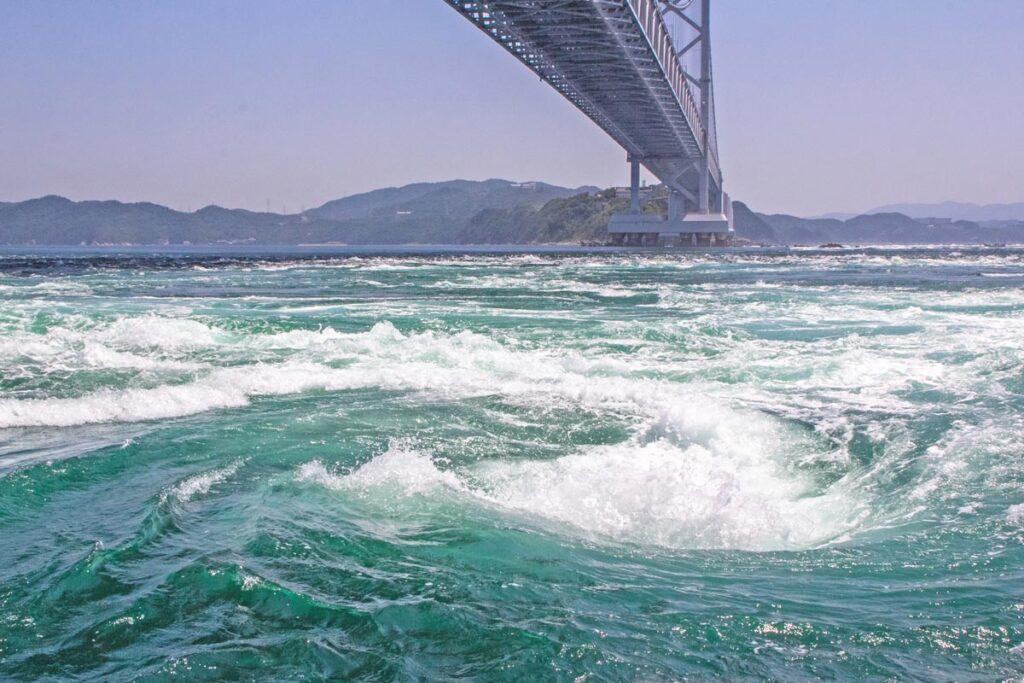
- Chugoku to Shikoku: Trains and highway buses cross via the Seto Ohashi Bridge (Okayama–Takamatsu) or the Shimanami Kaido route (Onomichi–Imabari, ideal for cycling).
- By air: Domestic flights link Tokyo with Hiroshima, Takamatsu, Matsuyama and other city airports. This can be efficient if you are short on time.
Getting Around the Regions
Japan’s rail and bus networks make Chugoku and Shikoku surprisingly easy to explore:
- Rail: JR lines connect main cities. Some rural lines are slower but scenic, passing rice fields, rivers and small villages.
- Highway buses: Often cheaper than trains and sometimes more direct for cross-island routes.
- Ferries: Essential for visiting islands such as Miyajima, Naoshima and Shodoshima.
- Car rental: Useful for remote areas like the Iya Valley in Shikoku or coastal Yamaguchi. International driving permits are required.
For first-time visitors, combining trains and ferries works well. Reserve seats on popular express trains and arrive early for ferries on holidays and weekends.
Highlights of the Chugoku Region
Hiroshima: History, Memory and Modern City Life
Hiroshima is often the first stop in western Honshu. Today it is a lively, modern city, yet its identity remains closely tied to peace and remembrance.
- Hiroshima Peace Memorial Park: A powerful complex of monuments and museums built around the Atomic Bomb Dome, a preserved ruined building near the hypocenter of the 1945 blast. The Peace Memorial Museum presents detailed exhibits and survivor testimonies. Plan at least two hours and be prepared for an emotionally intense visit.
- Children’s Peace Monument: Inspired by the story of Sadako Sasaki, a girl who folded paper cranes while suffering from radiation illness. Thousands of colorful paper cranes, sent from around the world, are displayed here, symbolizing hope and the wish for peace.
- Okonomimura and Hiroshima-style okonomiyaki: Hiroshima’s signature dish is a layered savory pancake with cabbage, noodles, egg and sauce. Okonomimura is a multi-floor building filled with tiny okonomiyaki counters where chefs cook on large steel griddles in front of you.
Hiroshima is compact and easy to walk or explore by tram. Staying a night allows you to visit the peace sites, enjoy local food and then make a day trip to Miyajima.
Miyajima: Sacred Island and Floating Torii Gate
Just a short train-and-ferry ride from Hiroshima, the island of Miyajima (officially Itsukushima) is one of Japan’s most iconic landscapes. For centuries it has been considered sacred, with dense forests, tame deer and shrines nestled between the sea and the mountains.
- Itsukushima Shrine: A UNESCO-listed Shinto shrine built partially over the water. At high tide, its famous vermilion torii gate appears to float in the sea. At low tide, you can walk out to the gate and see the massive wooden pillars up close.
- Mount Misen: Trails and a ropeway lead up this holy mountain, historically associated with Buddhist ascetics. On clear days, the summit offers expansive views across the Seto Inland Sea, dotted with islands and fishing boats.
- Local flavors: Try fresh grilled oysters (a Hiroshima specialty) and momiji manju, maple leaf-shaped cakes filled with sweet bean paste, custard or seasonal flavors.
Overnight stays in traditional ryokan on Miyajima offer quiet evenings once day-trippers leave, with the chance to enjoy local kaiseki dinners and morning shrine visits in a more peaceful atmosphere.
Okayama: Gardens, Castles and the Gateway to Shikoku
Okayama is an important transport hub and a relaxed city known for one of Japan’s three great landscape gardens.
- Korakuen Garden: A beautifully planned strolling garden from the 17th century, with ponds, open lawns, tea houses and borrowed scenery of Okayama Castle in the background. Seasonal highlights include plum and cherry blossoms, lush summer greenery and autumn foliage.
- Okayama Castle: Nicknamed “Crow Castle” for its black exterior, the reconstructed keep offers views over the river and garden, plus exhibits on samurai life and local history.
- Fruit culture: The Okayama area is famous for peaches and muscat grapes. In season, fruit parfaits and desserts are popular in local cafés.
From Okayama, frequent trains cross the Seto Ohashi Bridge to Takamatsu in Shikoku, making this an ideal jumping-off point to the smaller island.
Yamaguchi and the Sea of Japan Coast
Western Chugoku, especially Yamaguchi Prefecture, is less visited yet rich in coastal beauty and historical sites.
- Hagi: A former castle town with preserved samurai districts, earthen walls and traditional pottery kilns. Strolling the quiet streets offers a sense of Edo-period life.
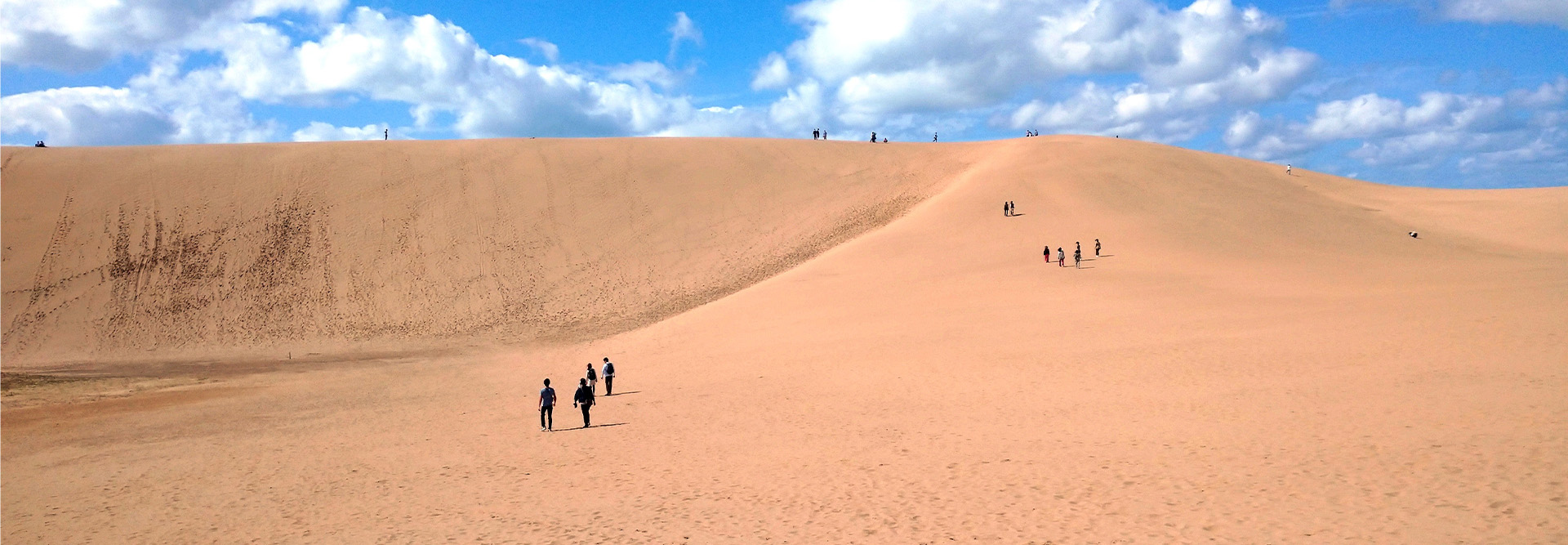
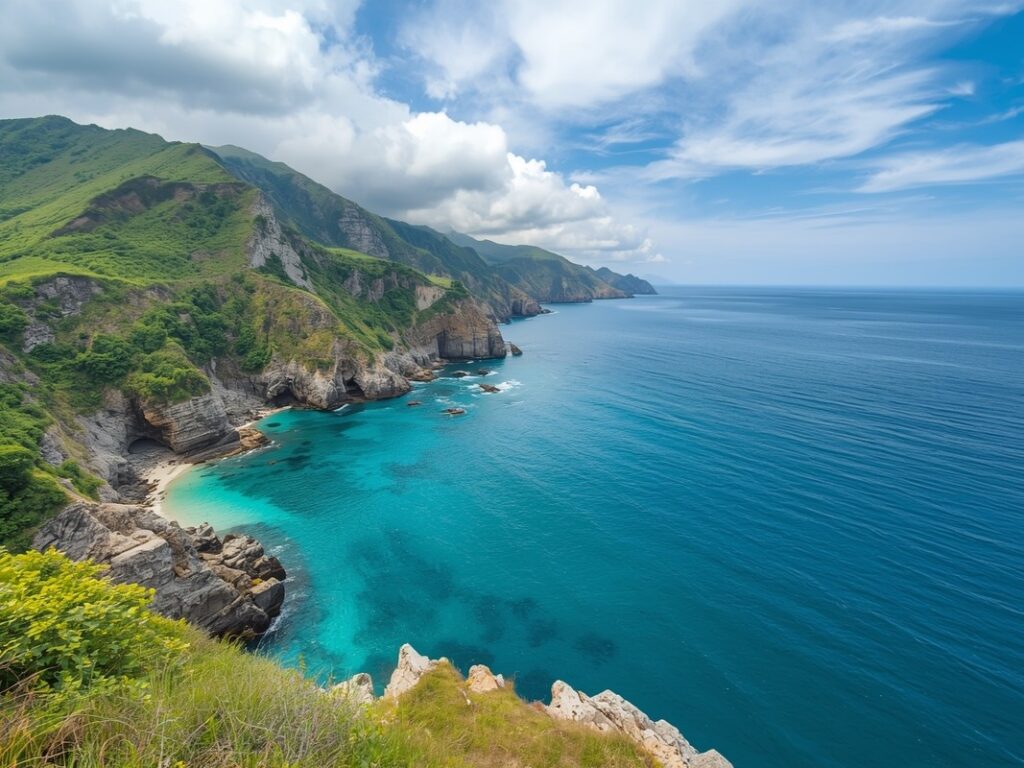
- Tsunoshima and the northern coast: Photogenic bridges stretch over turquoise water to small islands, with windswept beaches and dramatic rock formations along the Sea of Japan.
- Onsen experiences: Smaller hot-spring towns in the region provide peaceful baths and multi-course dinners featuring local seafood.
This side of Japan feels far from the urban energy of Tokyo, with slower rhythms, fishing ports and countryside scenes that many visitors imagine when they picture “rural Japan”.
Highlights of the Shikoku Region
Takamatsu and the Seto Inland Sea
Takamatsu, on Shikoku’s northern coast, is both a regional city and a gateway to the island-dotted Seto Inland Sea.
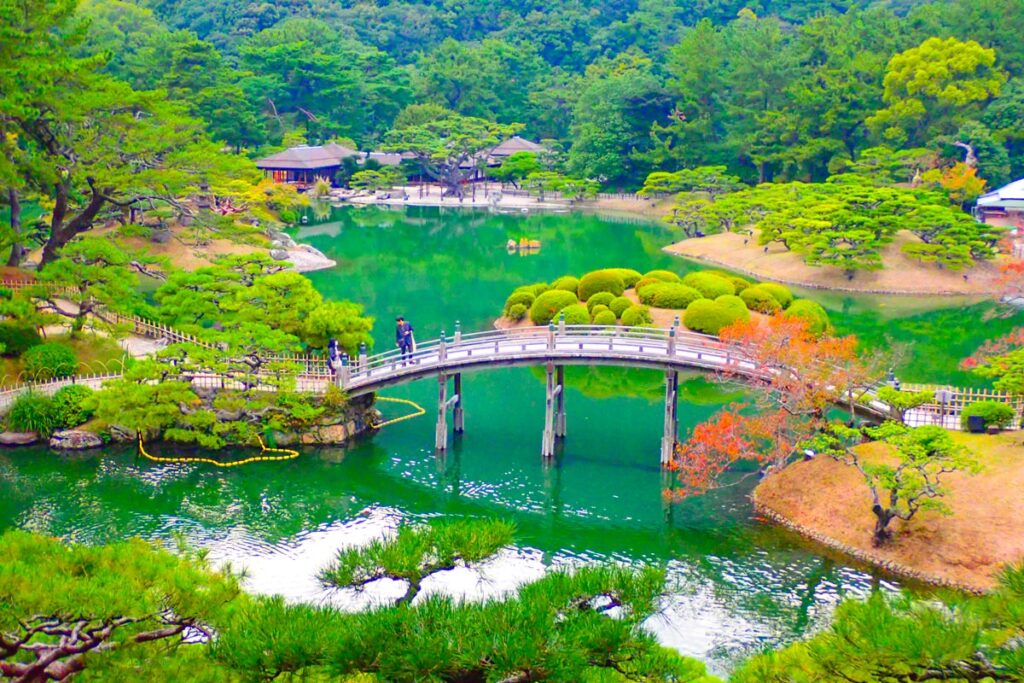
- Ritsurin Garden: One of Japan’s finest feudal gardens, with carefully shaped pines, koi-filled ponds and teahouses. Morning visits are peaceful, with reflections of the surrounding mountains in the water.
- Udon culture: Kagawa Prefecture is famous for sanuki udon, thick wheat noodles served in simple broths or cold with dipping sauce. Many shops operate cafeteria-style: you choose your noodle size, toppings like tempura, then pay at the end.
- Island hopping: Ferries from Takamatsu reach art islands like Naoshima and Shodoshima, making it easy to combine gardens, food and contemporary art.
Art Islands: Naoshima and Beyond
The Seto Inland Sea has reinvented some of its small islands as open-air art museums, blending contemporary installations with fishing village life.
- Naoshima: Known worldwide for its museums and architecture. The Chichu Art Museum is partially underground, using natural light to illuminate works by Monet, James Turrell and others. Outdoor sculptures, including brightly colored pumpkins on the shoreline, have become icons of the region.
- Nearby islands: Teshima and Inujima also host art sites and installations, often in repurposed schools or industrial buildings, creating a dialogue between art, environment and local communities.
Even if you are not an art specialist, these islands offer a refreshing contrast to city sightseeing: slow ferries, quiet streets, sea breezes and cafés facing the water.
Matsuyama: Castles, Hot Springs and Literature
On Shikoku’s western side, Matsuyama combines three classic Japanese experiences: a hilltop castle, a historic hot spring and a connection to literature.
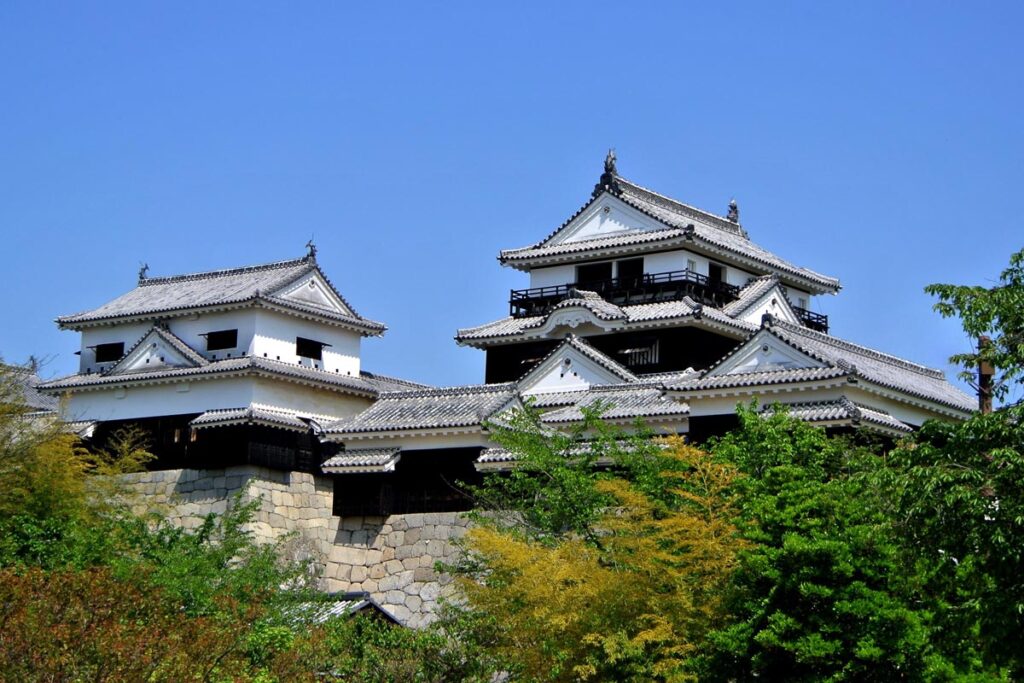
- Matsuyama Castle: One of Japan’s few surviving original castles, perched on a hill with panoramic city and sea views. Wooden interiors, steep stairs and stone walls convey an authentic sense of feudal defense.
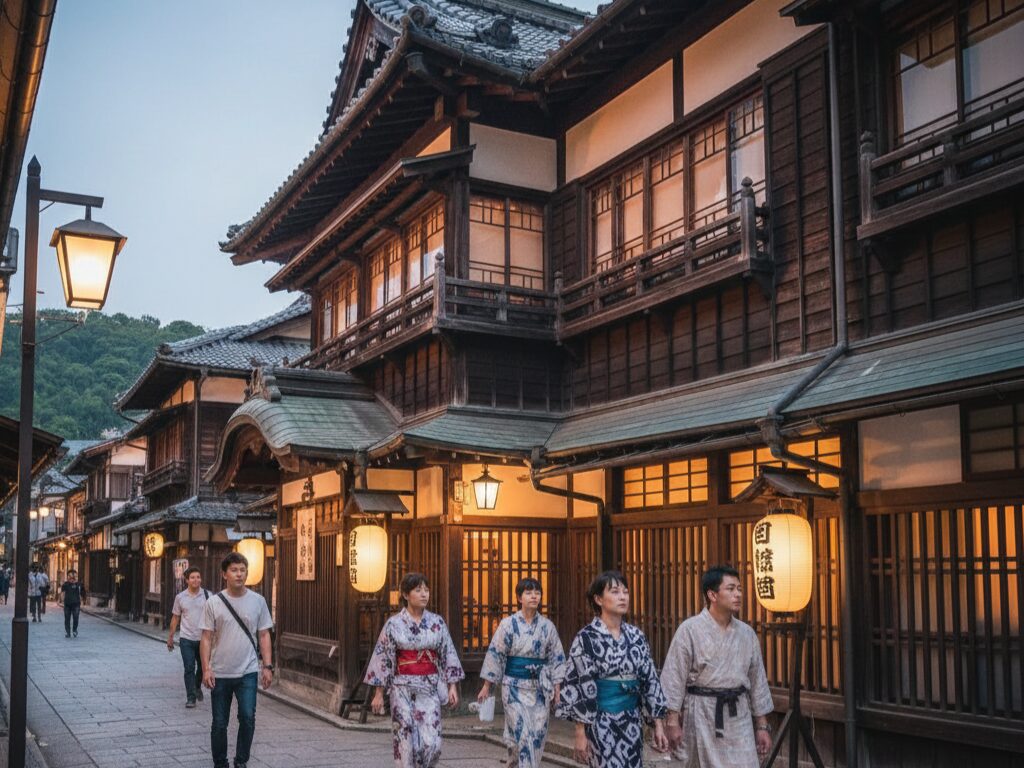
- Dogo Onsen: Among Japan’s oldest hot springs, its main bathhouse has a wooden, multi-story façade and a nostalgic, almost theatrical atmosphere. Visitors bathe in communal pools, then relax in yukata robes in tatami rooms.
- Literary heritage: The novelist Natsume Soseki wrote about Dogo Onsen and Matsuyama in the early 20th century. Walking routes trace scenes from his works, adding another layer of meaning to the townscape.
For first-time visitors, Matsuyama offers a comfortable introduction to onsen culture. Expect gender-separated baths, full nudity and simple etiquette such as washing thoroughly before entering the hot water and keeping towels out of the bath.
The Shikoku Pilgrimage and Rural Landscapes
Shikoku is best known within Japan for the Shikoku 88-temple pilgrimage, a circular route of Buddhist temples associated with the monk Kobo Daishi. Many pilgrims travel the full 1,000+ kilometers on foot over several weeks, but casual visitors can still experience the atmosphere.
- Temple visits: Even a short visit to one or two pilgrimage temples offers insight into Japanese Buddhism. You may see pilgrims in white garments and straw hats, chanting sutras or collecting red stamps in special books.
- Iya Valley: A remote gorge area in Tokushima Prefecture, known for vine bridges, mountain villages and misty views. It suggests the wild, mountainous side of Japan that is rarely seen in big cities.
These rural areas can be more challenging to reach, often requiring rental cars or careful bus planning, but they reward the effort with quiet trails, local guesthouses and strong hospitality from residents familiar with hosting pilgrims.
Local Food and Seasonal Experiences
Chugoku and Shikoku share the sheltered waters of the Seto Inland Sea, which strongly influences their cuisine. Seafood is central, from sashimi and grilled fish to oysters and small seasonal specialties. Inland, fertile plains produce rice, vegetables and fruit, while Shikoku’s mountains and rivers add freshwater fish and wild plants.
- Hiroshima oysters: Enjoyed grilled at stalls, baked with miso or served fresh in restaurants during the cooler months.
- Sanuki udon: A must-try in Kagawa, with simple, clear broths and chewy noodles that highlight the texture of the wheat.
- Citrus fruits: Shikoku, especially Ehime, is famous for mikan (mandarins) and a variety of fragrant citrus. Juices, soft-serve ice cream and sweets showcase these local flavors.
- Momiji manju and other sweets: Each area has its own regional confections, often sold near stations and popular as souvenirs.
Seasonality is important. Spring brings cherry blossoms to castle parks and gardens; summer can be hot but is perfect for island ferries and seaside walks; autumn colors the mountain valleys and temple grounds; winter is quieter but offers crisp air, hot springs and comforting regional dishes.
Practical Tips for First-Time Visitors
Choosing a Base and Itinerary
For a first trip that includes Chugoku and Shikoku, consider this simple structure:
- 2–3 days in Hiroshima and Miyajima for history, peace sites and a sacred island.
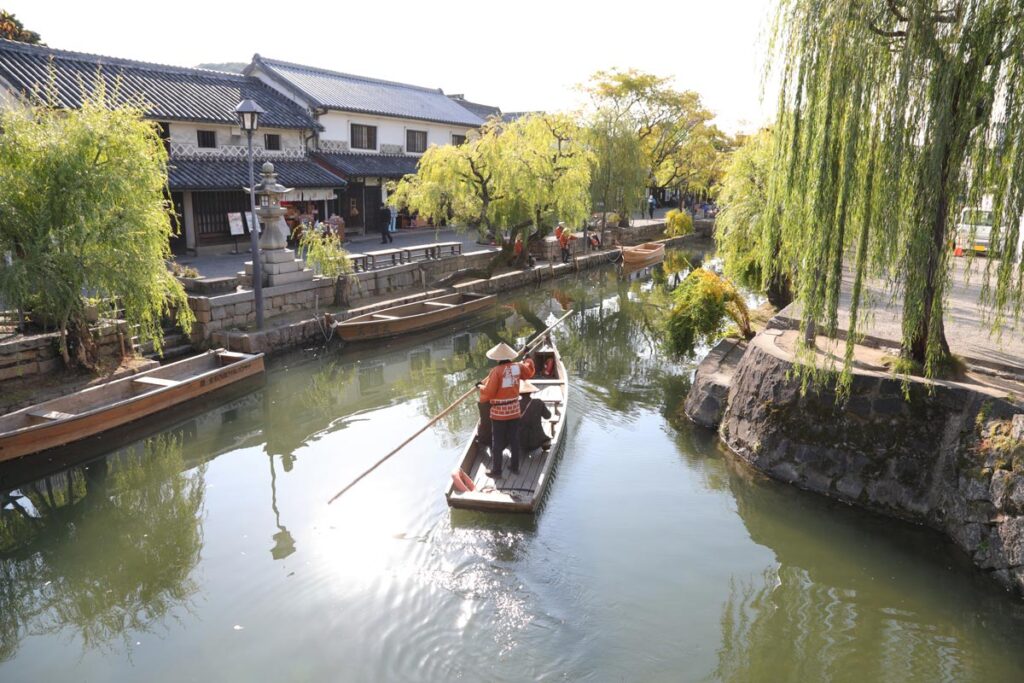
- 1–2 days in Okayama for gardens and castle views, with a side trip to Kurashiki’s preserved canal district if time allows.
- 2–3 days in Shikoku split between Takamatsu (gardens, udon and art islands) and Matsuyama (castle and onsen).
This can be woven into a longer Japan route that also covers Kyoto and Osaka. With a rail pass and a bit of planning, transfers are straightforward.
Cultural Etiquette Essentials
Local customs in Chugoku and Shikoku are much like the rest of Japan:
- Shrines and temples: At Shinto shrines, bow lightly at the torii gate, cleanse your hands and mouth at the water basin, and follow the basic pattern of offering coins, bowing and clapping before a short silent prayer.
- Onsen baths: Wash and rinse thoroughly before entering the shared bath. Towels remain outside or on the edge; photography is not allowed inside bathing areas.
- Quiet public spaces: On trains and in waiting rooms, keep voices low and set phones to silent mode.
Even basic efforts to follow etiquette are appreciated and will enhance your interactions with local residents, who may be curious about foreign visitors yet somewhat less accustomed to crowds than in major tourist cities.
Why Include Chugoku and Shikoku on Your First Japan Trip?
Chugoku and Shikoku offer a rare combination: they are easy to reach yet feel far from the main tourist trail. You can stand beneath Hiroshima’s Atomic Bomb Dome and contemplate modern history, then, within a short train ride, find yourself on a quiet island shrine or in a centuries-old hot spring bathhouse.
For first-time travelers willing to go slightly beyond the standard route, these regions provide a broader picture of Japan: not only neon and bullet trains, but also fishing boats, pilgrimage paths, gardens, castles and the subtle light over the Seto Inland Sea at dusk. With thoughtful planning, Chugoku and Shikoku can become the most memorable part of your journey through Japan.