
Ohara Museum of Art
Ohara Museum of Art: A First-Time Visitor’s Guide to Japan’s Pioneering Western Art Museum
Photos are for illustrative purposes only.
For many first-time visitors, Japan conjures images of temples, neon skylines, and cherry blossoms. Yet one of the country’s most fascinating cultural treasures sits quietly in a preserved merchant quarter in Okayama Prefecture: the Ohara Museum of Art. This pioneering institution, founded in 1930, was Japan’s first museum dedicated to Western art, and it remains one of the most rewarding day-trip destinations for travelers who want to go beyond Tokyo and Kyoto.
Why Visit the Ohara Museum of Art?
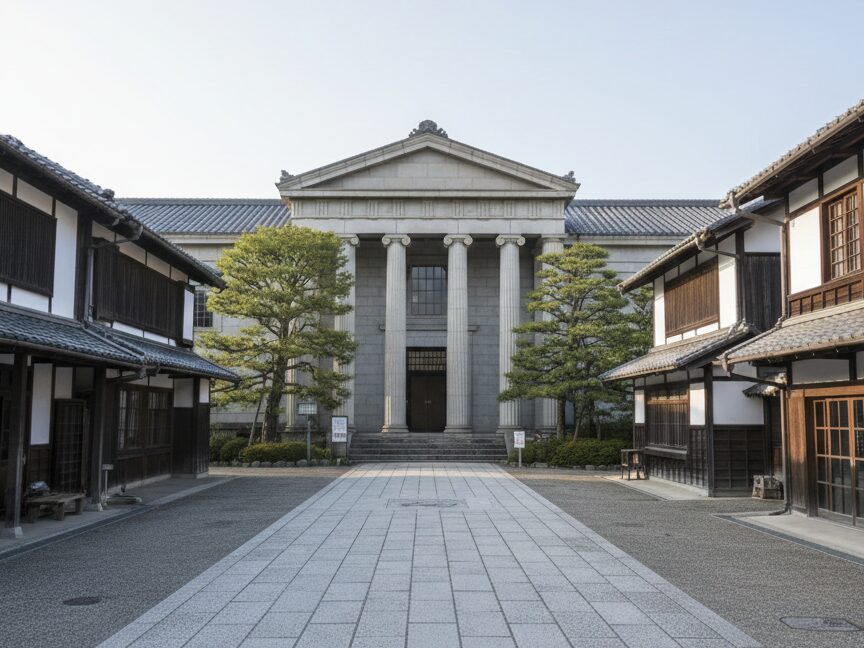
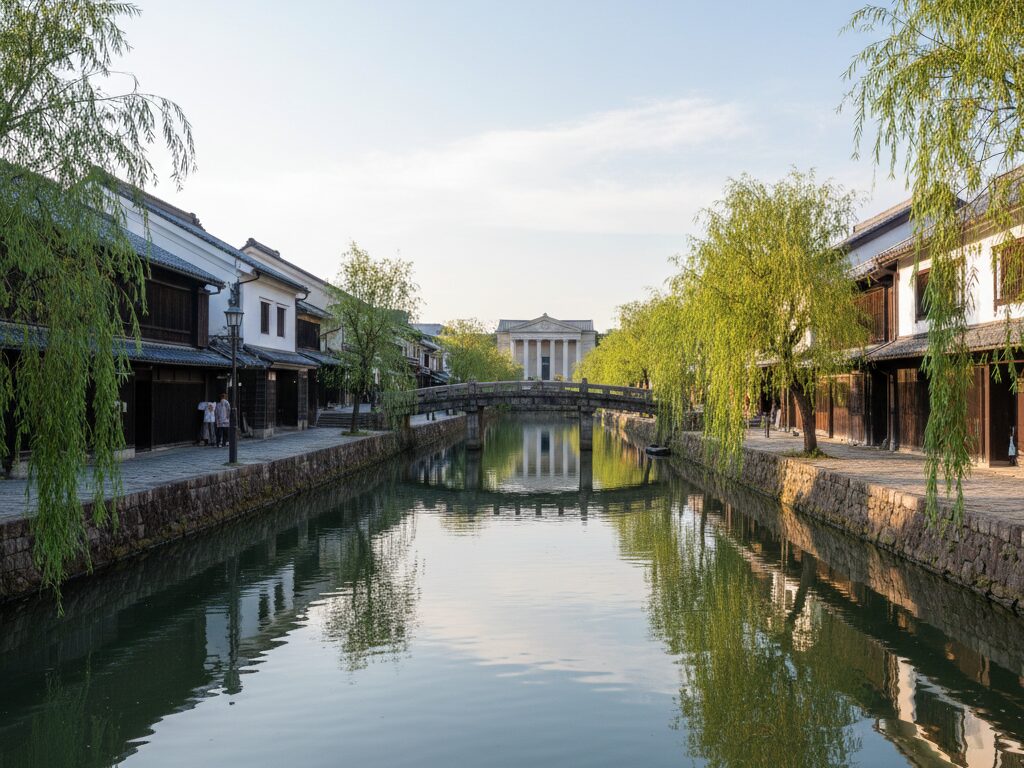
The Ohara Museum of Art is located in the historic Kurashiki Bikan Historical Quarter, a beautifully preserved canal district lined with white-walled warehouses, stone bridges, and willow trees. Stepping into the museum grounds feels like shifting between worlds: traditional Japanese townscape on the outside, European-style art museum within.
For first-time visitors to Japan, the museum offers three key appeals:
- World-class Western masterpieces by artists such as Monet, El Greco, Gauguin, and Renoir, presented with unusually intimate viewing conditions.
- A bridge between Japan and the West, telling the story of how Western art first entered Japan’s cultural conversation in the early 20th century.
- A perfect combination of art and atmosphere, with the refined galleries of the museum set against the nostalgic streets and canals of Kurashiki.
Unlike enormous national museums, the Ohara Museum is compact and human-scale. You can explore it thoroughly in a few relaxed hours and still have plenty of time to wander the surrounding quarter, sample local sweets, and enjoy the town’s slow rhythm.
A Brief History: How Western Art Took Root in Kurashiki
The story of the Ohara Museum of Art begins with two figures: businessman and philanthropist Ohara Magosaburō, and painter Kojima Torajirō. In the early 1900s, at a time when Japan was modernizing rapidly and looking to the West, Kojima traveled to Europe to study painting and collect artworks. Ohara, who managed a successful textile company in Kurashiki, supported Kojima’s vision and financed his collecting trips.
When Kojima died unexpectedly, Ohara decided to create a museum in his friend’s honor. He believed that making Western art accessible in a regional town, far from Tokyo’s elite circles, would enrich local life and education. The Ohara Museum of Art opened its doors in 1930, displaying the works Kojima had collected in Europe, and quickly gained a reputation as a symbol of cultural openness.
This historical background gives the museum a distinctive character. It is not just a display of famous names; it is a record of Japan’s early encounters with Western artistic ideas, and a reminder of how art can travel and transform across borders.
Layout of the Museum: What to Expect
The Ohara Museum is made up of several interconnected buildings spread around a compact courtyard. Each has its own focus, and together they offer a satisfying mix of Western, Japanese, and contemporary works. Expect to spend 1.5–3 hours depending on your interest level.
Main Building: European and Modern Western Masters
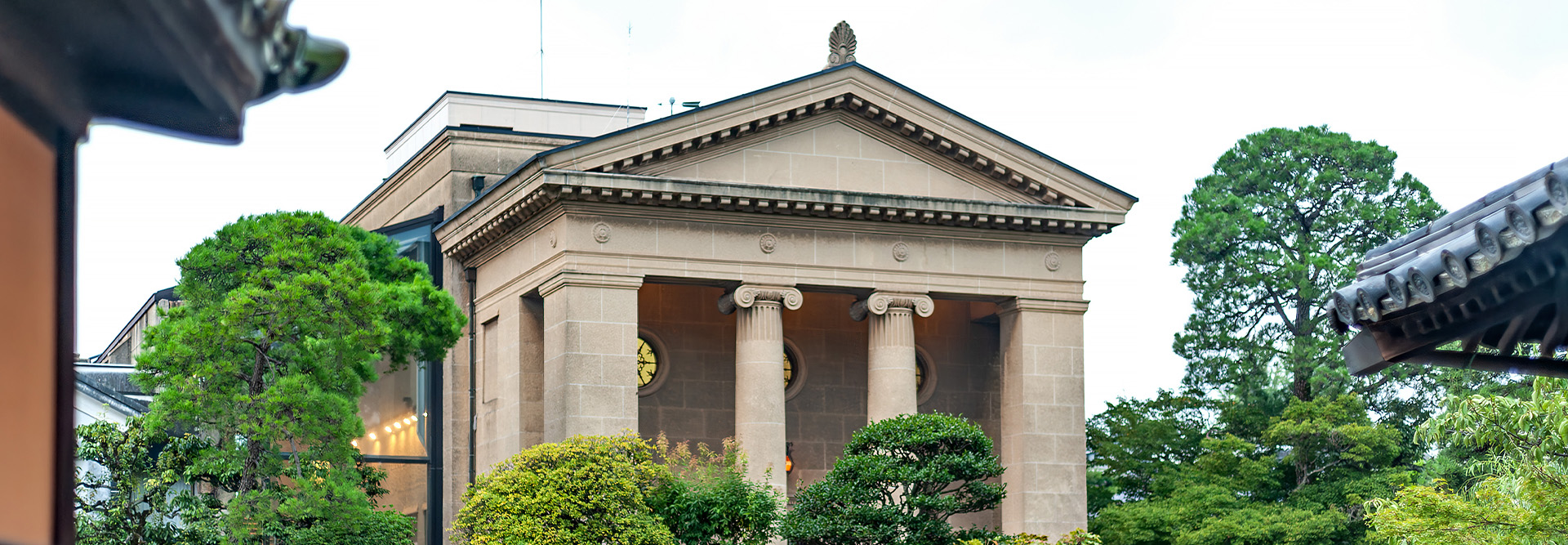
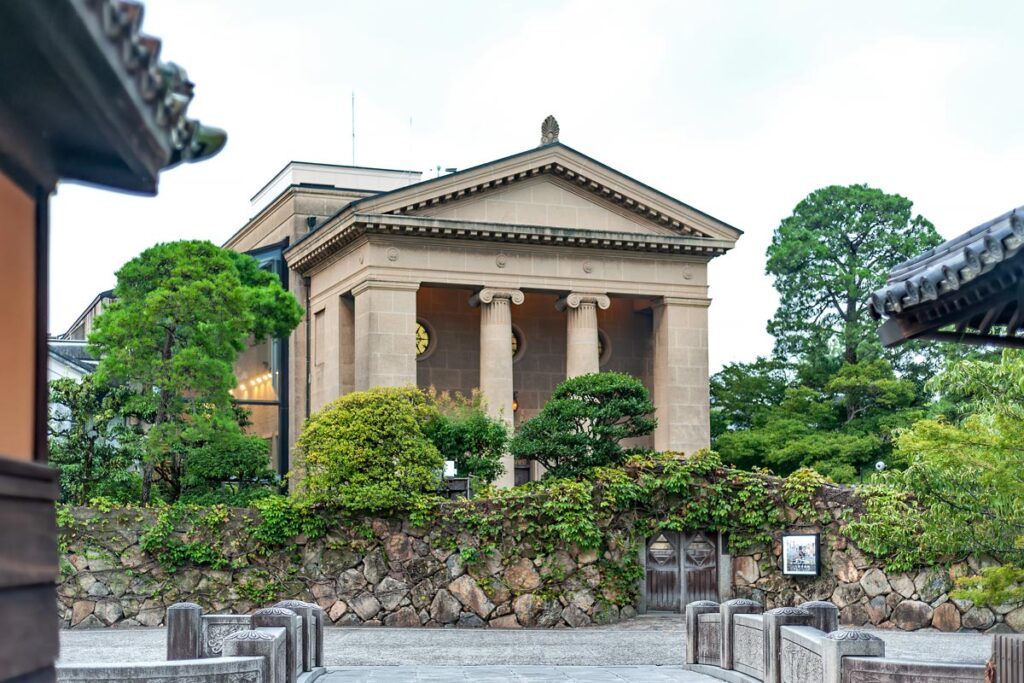
The main building, with its neoclassical façade and Greek-style columns, is the heart of the museum. Inside, you will find an impressive collection of Western paintings and sculptures from the late 19th and early 20th centuries. The atmosphere is calm and contemplative, with softly lit galleries and close-up views of the works.
Highlights often include:
- Impressionist and Post-Impressionist works from artists such as Monet, Renoir, Gauguin, and Sisley, giving a clear sense of how European painters experimented with color and light.
- Pieces by El Greco and other Old Masters, which can be surprising to encounter in a regional Japanese town, offering a powerful contrast with the surrounding Japanese architecture.
- Modern Western works that show the evolution from representational art to more abstract styles.
Interpretive labels are typically in Japanese with English translations, making it easy for international visitors to follow the historical context.
Annex and Craft Galleries: Japanese Modern Art and Design
Beyond the main building are annexes dedicated to Japanese artists and to crafts. These spaces are essential for understanding how Western influences blended with local sensibilities.
Look for:
- Japanese Western-style painters (yōga) who adopted Western techniques like oil painting and perspective, yet retained a distinctly Japanese sense of composition and subject matter.
- Traditional crafts and folk art that highlight the texture, color, and practical beauty of Japanese everyday objects, from ceramics to textiles.
These galleries subtly underscore a core theme of the museum: art is not locked in national categories. Instead, it flows, adapts, and takes on new forms wherever it finds new viewers.
Contemporary and Rotating Exhibitions
The museum also hosts temporary exhibitions that may focus on a single artist, a specific movement, or thematic connections between Japan and other cultures. These shows change throughout the year and often include contemporary works. Even if you are not a seasoned museum-goer, these exhibitions are usually curated with clear themes and accessible explanations.
Experiencing Kurashiki’s Bikan Historical Quarter
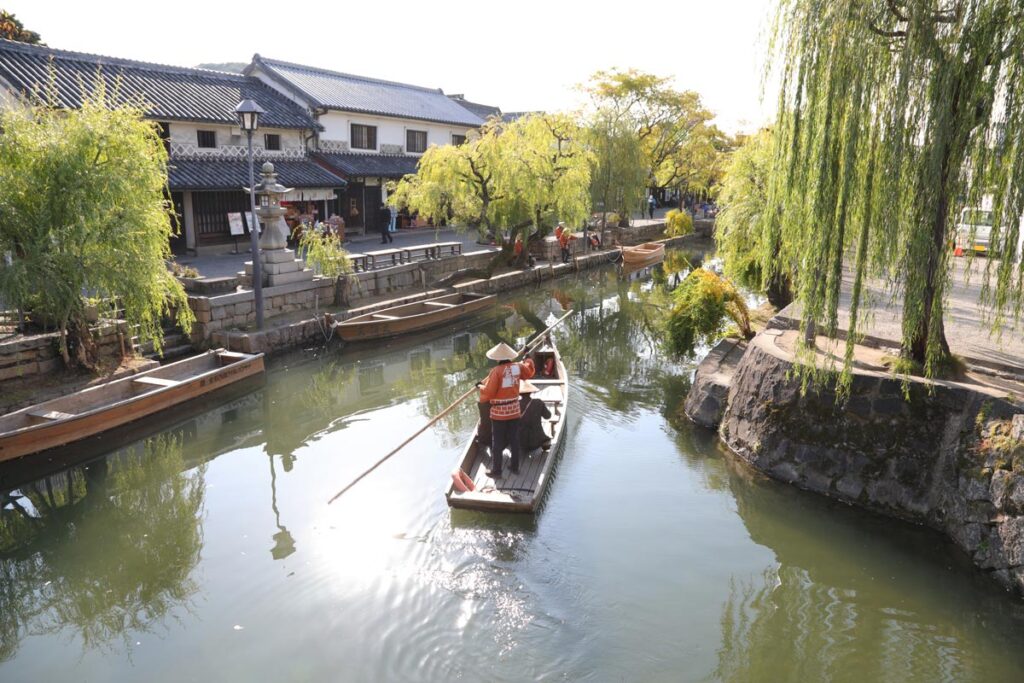
A visit to the Ohara Museum of Art is as much about its surroundings as the artworks themselves. The Kurashiki Bikan Historical Quarter envelopes you in a uniquely Japanese atmosphere: tiled roofs, white plaster walls with distinctive black patterns, narrow alleys, and the calm Kurashiki River lined with swooping willows.
Before or after your museum visit, allow time to:
- Stroll along the canal and cross its stone bridges, especially beautiful in the soft morning or late afternoon light.
- Browse traditional-style shops selling regional handicrafts, denim (Okayama is famous for high-quality jeans), and local snacks.
- Visit nearby small museums and historic residences, many of which can be combined on a single-day pass or walking circuit.
Because the area is relatively compact and largely walkable, it is especially friendly to first-time visitors who may still be adjusting to navigating Japanese cities.
Practical Visitor Information
Location and Access
The Ohara Museum of Art is located in central Kurashiki, in Okayama Prefecture in western Honshu. It is easily reached as a day trip from major cities such as Osaka, Hiroshima, or Okayama.
- From Tokyo: Take the shinkansen (bullet train) to Okayama Station (around 3–3.5 hours), then transfer to a local or rapid train to Kurashiki Station (about 15–20 minutes).
- From Osaka or Kyoto: Take the shinkansen to Okayama (roughly 1–1.5 hours), then continue to Kurashiki by local train.
- From Hiroshima: Shinkansen to Okayama (approximately 40 minutes) and local train to Kurashiki.
From Kurashiki Station, it is about a 10–15 minute walk to the Bikan Historical Quarter and the museum. Signage is generally clear, and you can follow the gradual flow of visitors toward the canal area.
Opening Hours and Tickets
Opening hours and admissions can change, but the museum is typically open during standard daytime hours with a weekly closing day. It is wise to:
- Check the latest information on hours and holidays before you travel.
- Allow enough time; arriving at least two hours before closing gives you space to enjoy the galleries without rushing.
Tickets usually cover access to multiple buildings within the museum complex. Combination tickets with nearby attractions are occasionally available; local tourist information desks near the station can help explain current options in English.
Languages and Visitor Facilities
Although Kurashiki is not as international as Tokyo, the Ohara Museum of Art is accustomed to foreign guests:
- Explanatory panels typically include English descriptions.
- Staff may have limited English, but basic requests, ticket purchasing, and directions are easy to manage with simple phrases and gestures.
- Public facilities such as restrooms and cloak areas are clearly marked.
Photography rules may vary by gallery and exhibition. In many Japanese museums, photography of artworks is either prohibited or limited, so always look for posted signs and follow staff instructions.
Cultural Tips for First-Time Travelers
Visiting a museum in Japan is not dramatically different from visiting one in Europe or North America, but a few cultural nuances can make your experience smoother and more enjoyable.
Museum Etiquette
- Quiet appreciation: Japanese visitors often view art in near silence. Speaking quietly and setting your phone to silent mode will help you blend in and allow everyone to enjoy the works.
- Handling bags: Larger backpacks may need to be stored in lockers or carried in front of your body to prevent accidental contact with artworks and frames.
- No touching: As in museums worldwide, touching artworks and getting too close is strictly prohibited, and museum staff are attentive to this.
Combining Art with Local Food Culture
Part of the pleasure of visiting regional Japan is discovering local flavors. Around the Ohara Museum and Kurashiki canal, you will find:
- Classic kissaten (coffee shops), often with a retro atmosphere, where you can enjoy carefully brewed coffee and simple cakes or toast.
- Local sweets and snacks, such as fruit-based desserts (Okayama Prefecture is known for peaches and grapes) and traditional Japanese confections.
- Casual restaurants serving regional dishes, ideal for a relaxed lunch between sightseeing and museum visits.
Many cafes and restaurants around the Bikan Quarter are independent and family-run, providing a good chance to experience Japanese hospitality firsthand.
Suggested Itineraries for First-Time Visitors
Half-Day Art & History Walk
- Arrive in Kurashiki late morning and walk from the station to the Bikan Historical Quarter.
- Enjoy lunch at a local restaurant or cafe near the canal.
- Spend 2–3 hours at the Ohara Museum of Art, starting with the main building and then exploring the annexes.
- Finish the day with a relaxed stroll along the canal, browsing shops and taking photos in the early evening light.
Full-Day Kurashiki Cultural Immersion
- Arrive in Kurashiki in the morning, drop luggage in station coin lockers if needed.
- Explore the Bikan Quarter’s historic streets, visiting one or two smaller museums or historic residences.
- Have lunch in the district, then devote the afternoon to the Ohara Museum of Art, including any special exhibitions.
- Before returning to your base city, stop by local shops to pick up regional snacks or small craft items as souvenirs.
This kind of itinerary works well within a longer Japan trip that includes Tokyo, Kyoto, Hiroshima, and perhaps the islands of the Seto Inland Sea.
Who Will Enjoy the Ohara Museum of Art?
The Ohara Museum of Art appeals to a wide range of travelers:
- Art lovers will appreciate seeing major Western works in an intimate setting, without the crowds found in Europe’s largest museums.
- Culture-curious travelers will enjoy the combination of Western art and traditional Japanese townscape.
- Families and casual visitors will find the museum manageable and not overwhelming, with enough variety to hold the attention of different ages.
Because the museum sits within such an atmospheric district, even visitors who are not usually drawn to art museums often come away with strong memories of Kurashiki and the sense of stepping into a quieter Japan.
Making the Most of Your Visit
To get the best from your time at the Ohara Museum of Art, consider a few final practical suggestions:
- Arrive early or late in the day if you prefer a quieter experience. Midday can be busier with tour groups.
- Take your time in front of key works rather than trying to see everything quickly. The museum’s scale makes slow looking possible.
- Pair your visit with a walk through the adjacent backstreets; wandering just a street or two away from the main canal often reveals quieter corners and hidden cafes.
For first-time travelers to Japan who want a deeper understanding of the country’s encounter with Western culture, the Ohara Museum of Art offers a rare combination: world-class art, a human story of friendship and patronage, and a surrounding townscape that could exist nowhere else. It is a reminder that some of Japan’s most meaningful experiences lie not just in its biggest cities, but in carefully preserved regional towns where history, art, and everyday life continue to intertwine.
Access Map
Recommended spots in Okayama
Kurashiki Bikan Historical Quarter
Ohara Museum of Art
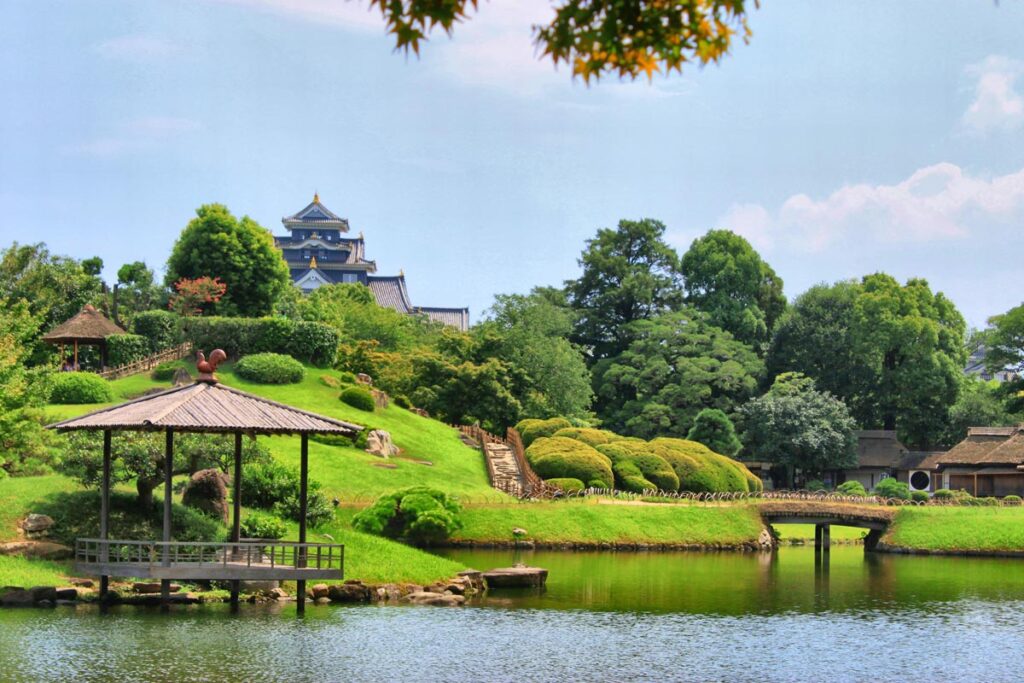
Korakuen Garden
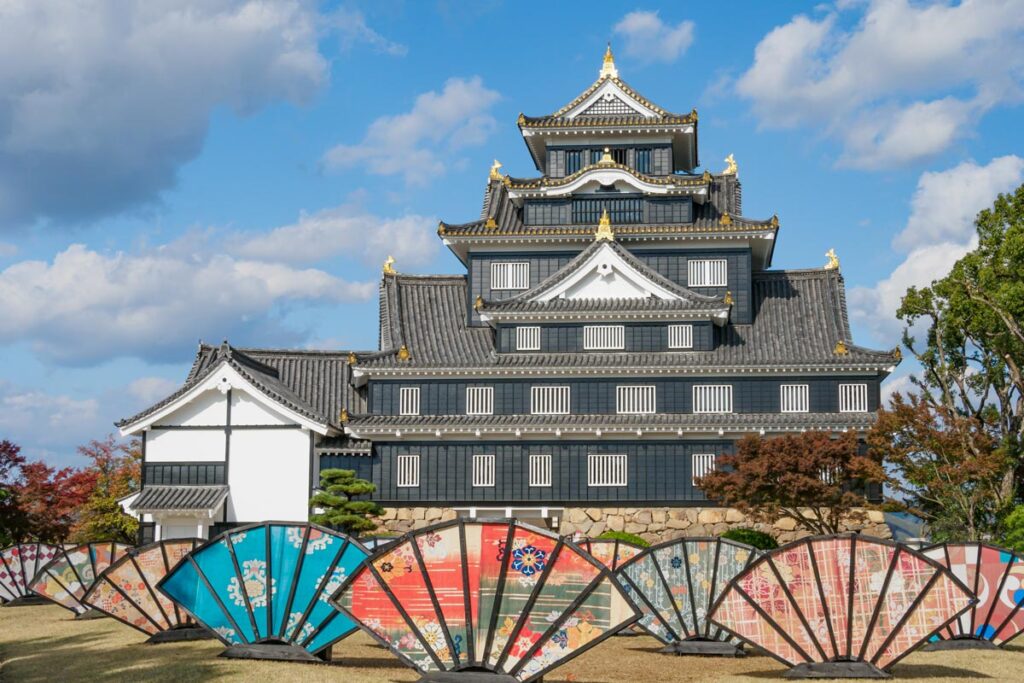
Okayama Castle