



Sanuki Udon Tour
Sanuki Udon Tour: A First-Timer’s Noodle Pilgrimage in Japan
Photos are for illustrative purposes only.
If you love noodles, a Sanuki Udon Tour in Kagawa Prefecture belongs at the top of your Japan itinerary. On the northeastern corner of Shikoku Island, Kagawa is small in size but huge in culinary influence: this is the undisputed homeland of Sanuki udon, Japan’s most beloved chewy wheat noodles. Locals eat them for breakfast, lunch, quick snacks, and late-night comfort food, and visiting bowl after bowl is an unforgettable – and very affordable – way to experience everyday Japanese life.
What Is Sanuki Udon?
Udon are thick wheat noodles eaten all over Japan, but Sanuki udon from Kagawa are famous for their firm, elastic bite, known in Japanese as koshi. The name “Sanuki” comes from Kagawa’s old provincial name, a reminder that this style has deep roots. The noodles are made from high-protein wheat flour, salt, and water, then kneaded, rolled, and cut into thick strands before a brief boil and cold-water rinse to lock in that signature bounce.
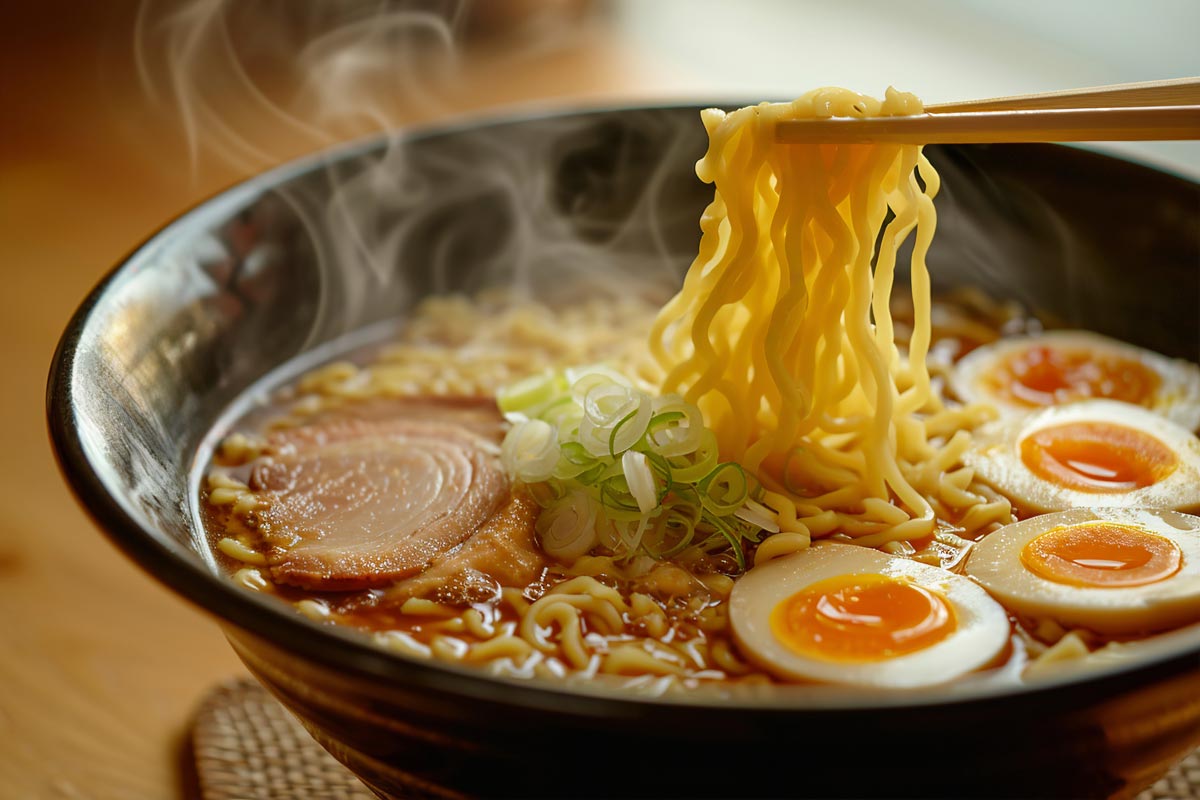
Unlike rich ramen, udon is simple: clear broth, a few toppings, and noodles that take center stage. This simplicity makes Sanuki udon the ideal entry point for first-time visitors to Japanese food culture. The flavors are gentle, the prices are low, and the atmosphere in most shops is casual and welcoming.
Why Take a Sanuki Udon Tour?
A Sanuki Udon Tour is more than just eating noodles; it is a cultural journey through Kagawa’s fields, kitchens, and everyday life. Here is why it is worth carving out a day or two of your Japan trip for an udon pilgrimage:
- Local lifestyle in a bowl: Kagawa residents famously eat more udon per person than anyone else in Japan. Joining the morning queue at a factory-style udon shop or slurping a bowl at a standing counter puts you right in the middle of local daily life.
- Budget-friendly exploring: A typical bowl ranges from 300 to 600 yen, meaning you can try multiple shops in a single day without straining your travel budget.
- Hands-on and interactive: Many udon shops are self-service. You order, choose your toppings, and sometimes even warm the broth yourself. It is an easy, low-pressure way to practice simple Japanese phrases and understand how locals eat.
- Scenery beyond the bowl: Udon shops dot the countryside around Takamatsu, often surrounded by rice paddies and low hills. Moving from shop to shop shows you a side of Japan beyond big cities and neon lights.
Classic Sanuki Udon Styles to Try
There is no single “right” way to eat Sanuki udon. Instead, you will find a handful of classic styles that highlight the noodles in different ways. On your tour, try at least three or four styles to see which you like best.
Kake Udon
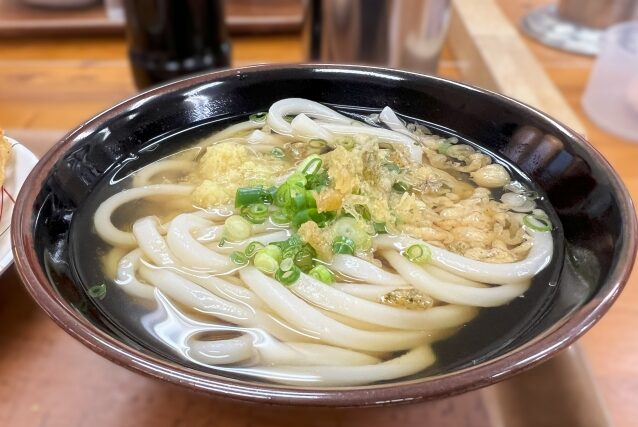
Kake udon is the purest, simplest form: hot noodles in a light, clear broth made from dried fish flakes, kombu seaweed, and soy sauce. Toppings are minimal – sliced green onions, perhaps a slice of kamaboko fish cake. This is the ideal first bowl for udon beginners, letting you focus on the texture of the noodles and the gentle flavor of the broth.
Bukkake Udon
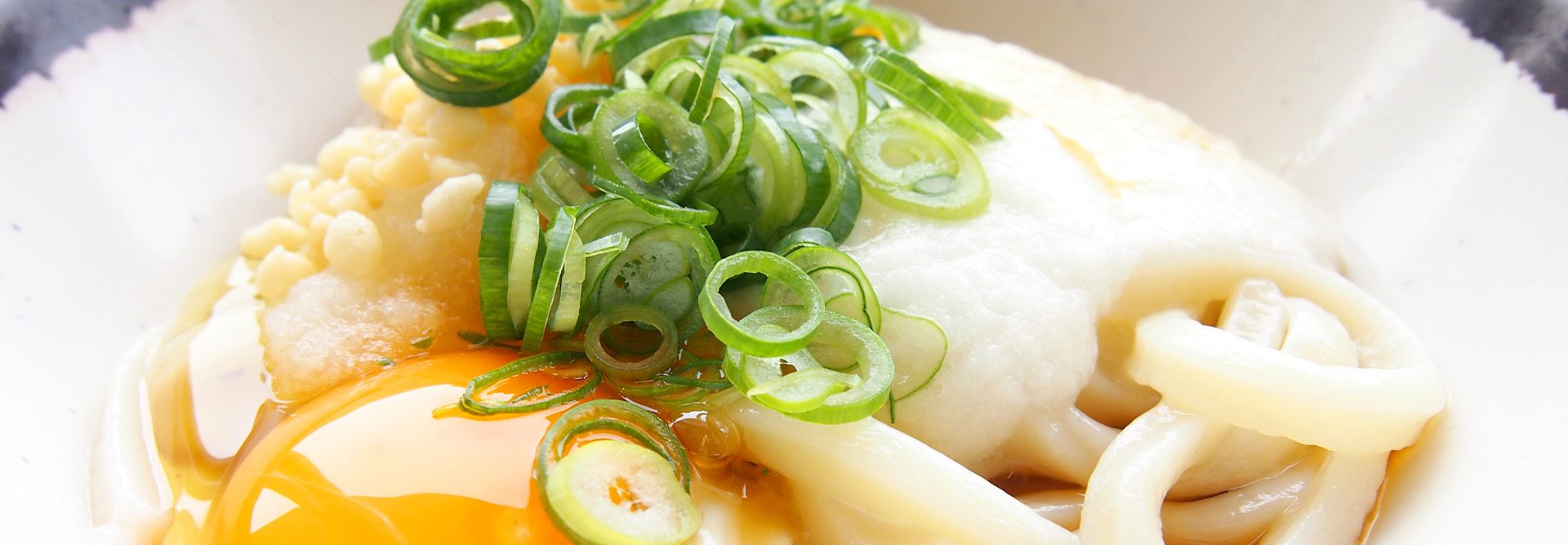
Bukkake udon can be served hot or cold, with a more concentrated sauce poured over the noodles instead of a full bowl of broth. You mix everything together just before eating. This style is refreshing, especially in summer, and often comes with bold toppings like grated daikon radish, ginger, and tempura crumbs for texture.
Zaru and Kama-age Udon
Zaru udon features boiled noodles served cold on a bamboo tray, with a separate dipping sauce. You pick up a few strands, dip them, and slurp. It is clean, minimal, and a favorite in hot weather.
Kama-age udon is almost the opposite in feel: just-cooked noodles served in their hot cooking water, with a small bowl of warm dipping sauce. The experience is comforting, like a noodle hot spring, and highlights the noodles’ chewy texture.
Butter, Egg, and Regional Twists
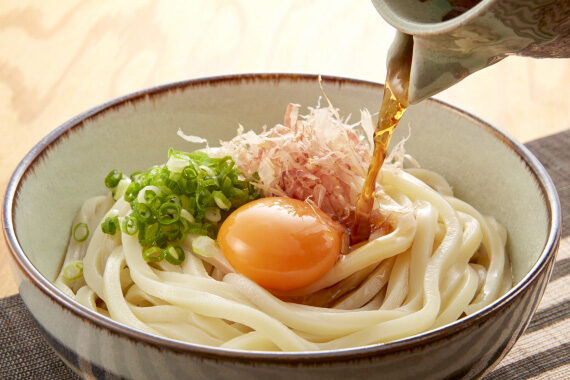
Some shops offer modern twists that show how flexible Sanuki udon can be. Butter udon coats hot noodles in butter and soy sauce for a Japanese–Western mash-up, while tamago udon mixes a raw or soft-cooked egg into the hot noodles, forming a rich, silky sauce. If you are unsure, ask the staff which original menu item they recommend – regional creativity is part of the fun.
How to Order Sanuki Udon Like a Local
For first-time visitors, the self-service style of many Sanuki udon shops can look confusing, but the routine is surprisingly simple once you know the steps. Think of it as a casual cafeteria with a noodle focus.
Step 1: Choose Your Udon Type
When you enter, you will usually see a counter or ticket machine. At the counter-style shops, tell the staff your preferred style and size:
- Hot or cold: Say “atsu-atsu” (hot noodles in hot broth) or “hiya-hiya” (cold noodles and cold broth) if prompted.
- Portion size: Common sizes are sho (small), nami (regular), and dai (large). For multiple stops in one day, a small is usually enough.
If there is a vending-style ticket machine, look for photos or English labels. When in doubt, choose the simplest option – usually kake udon – and point at the picture if needed.
Step 2: Pick Your Toppings and Tempura
After receiving your plain bowl of udon, you will typically move along a buffet-like line of side dishes.
- Tempura: Pieces are sold individually. Popular choices include shrimp, pumpkin, sweet potato, and chikuwa fish cake. Place what you like on a small plate.
- Onigiri and inari: Rice balls and sweet tofu-skin sushi are common side options.
- Condiments: Near the end of the line you will find green onions, grated ginger, sesame seeds, and crunchy tenkasu (tempura crumbs). These are usually free – add them to your bowl to taste.
Step 3: Pay, Sit, and Slurp
Once you have your noodles and sides, you pay at the register. Prices are often displayed overhead in large print, and your total will depend on your udon size and number of sides. After paying, find a seat, pour water or tea (usually self-service), and enjoy.
Slurping is not only acceptable in Japan, it is encouraged – it helps cool the noodles and aerates the broth. Do not worry about being too quiet; the gentle chorus of slurping is part of the udon shop soundtrack.
Understanding Udon Shop Culture
Udon shops in Kagawa are wonderfully unpretentious. You will see office workers in suits, families, students, and retirees all sharing the same long tables. The rhythm is fast: locals often finish a bowl in minutes and head back to work. For international visitors, this offers a window into everyday Japanese dining that you rarely find in tourist-heavy neighborhoods.
Because turnover is quick, there is a simple etiquette:
- Finish your meal in a reasonable time so others can sit.
- Return your tray, bowls, and plates to the designated area.
- Wipe your spot with the cloth provided if the shop expects it.
- Keep conversation at a normal volume; the atmosphere is lively but not loud.
Even if you do not speak Japanese, a warm “arigatou gozaimasu” (thank you) as you leave always brings a smile.
Planning Your Sanuki Udon Tour
The easiest base for a Sanuki Udon Tour is Takamatsu, Kagawa’s main city. From here, you can reach dozens of famous udon shops by car, bus, or rental bicycle. Many visitors plan a half-day or full-day “udon crawl,” aiming for three or four shops, each with its own specialty.
Suggested Half-Day Udon Itinerary
Adjust specific shops and times to your schedule, but this pattern works well for first-timers:
- Breakfast bowl (around 9:00–10:00): Start at a popular, lively shop to experience the morning rush. Choose a simple kake udon to ease into the day.
- Late-morning stop (around 11:00): Visit a more rural or family-run shop. Try bukkake or zaru udon and compare textures.
- Early afternoon (around 13:00–14:00): Finish with a specialty bowl – maybe kama-age or a shop’s original butter or egg udon. This is also a good time to explore side dishes you skipped earlier.
Three bowls might not sound like much, but the wheat noodles are filling. Order the smallest size at each shop to pace yourself, and drink plenty of water between stops.
Best Time of Year for Udon Travel
Sanuki udon is a year-round food, but the feel changes with the seasons:
- Spring (March–May): Mild weather and cherry blossoms pair beautifully with countryside udon shops. Cold and hot bowls are equally appealing.
- Summer (June–August): Humid heat makes cold bukkake and zaru udon especially refreshing. Shops can be busy during school holidays.
- Autumn (September–November): Clear skies and pleasant temperatures make this an ideal season for cycling between shops.
- Winter (December–February): Steaming kake and kama-age udon become pure comfort food. This is the season when hot broth really shines.
Getting to Kagawa and Around the Udon Region
Kagawa is easy to reach from major cities, making a Sanuki Udon Tour a realistic addition even to a short Japan trip.
- From Osaka or Kyoto: Take the Shinkansen to Okayama , then change onto a rapid train, across the Seto Ohashi Bridge to Takamatsu. Typically around two to three hours.
- From Tokyo: Fly to Takamatsu Airport (about 1.5 hours) or take the Shinkansen to Okayama and transfer to a local or limited express train to Takamatsu.
- Car rental: Renting a car in Takamatsu or at the airport gives you maximum flexibility to reach countryside shops that are not on bus routes.
Within Kagawa, local buses, regional trains, and taxis can move you between central shops, but some of the celebrated rural udon spots are most easily accessed by car. If you prefer not to drive, check for local udon taxi services or guided udon tours that bundle several famous shops into a half-day or full-day excursion.
Visit a Wheat Farm or Udon Workshop
To deepen your understanding of Sanuki udon, consider adding a farm or workshop visit to your itinerary. Some local producers grow wheat specifically for udon flour and offer occasional tours or experience programs, especially on weekends or holidays. Here you can see how the local climate and soil support wheat cultivation, and how that grain becomes the flour that gives Sanuki udon its chew.
Udon-making classes are another hands-on option. Under the guidance of a local instructor, you will mix, knead, and roll your own dough, sometimes even stepping on it – a traditional technique to achieve the proper elasticity. After cutting the noodles, you cook and eat your own creation, appreciating just how much skill goes into each seemingly simple bowl.
Tips for First-Time International Visitors
A Sanuki Udon Tour is welcoming for travelers of all backgrounds, even if you do not speak Japanese. A few practical tips will help you feel more confident.
- Carry cash: Many udon shops are small, independent businesses that may not accept credit cards. Keep a few 1,000 yen bills and coins ready.
- Use pictures: Take photos of menu items you like and show them when ordering at the next shop. Pointing to sample dishes or plastic food displays works too.
- Check opening hours: Some popular shops close when they sell out or only open in the morning. Plan your route the night before.
- Travel light: Space can be tight inside, so avoid bringing large luggage into shops. If you are in transit, use station lockers before your udon tour.
- Allergies and dietary needs: Udon broth often contains wheat, soy, and fish-based dashi. If you have strict dietary restrictions, prepare a written note in Japanese explaining what you cannot eat.
Making Sanuki Udon Part of Your Japan Story
For many travelers, memories of Japan revolve around temples, bullet trains, and neon skylines. A Sanuki Udon Tour adds a different layer: the quiet satisfaction of a steaming bowl at a countryside counter, the soft clatter of bowls and chopsticks, the friendliness of staff who serve hundreds of bowls a day but still bow as you leave.
By devoting even a single day to exploring Kagawa through its noodles, you connect with a deeply local tradition that continues to shape daily life in this corner of Japan. Whether you arrive as a curious foodie or a nervous first-time visitor, you will leave with a new appreciation for how much culture can be folded into a simple bowl of wheat, water, and time.
Let your Sanuki Udon Tour be a gentle, delicious introduction to regional Japan – and a reminder that some of the most memorable travel experiences are found not in grand monuments, but in the honest flavors of everyday meals.

Access Map
Recommended spots in Kagawa
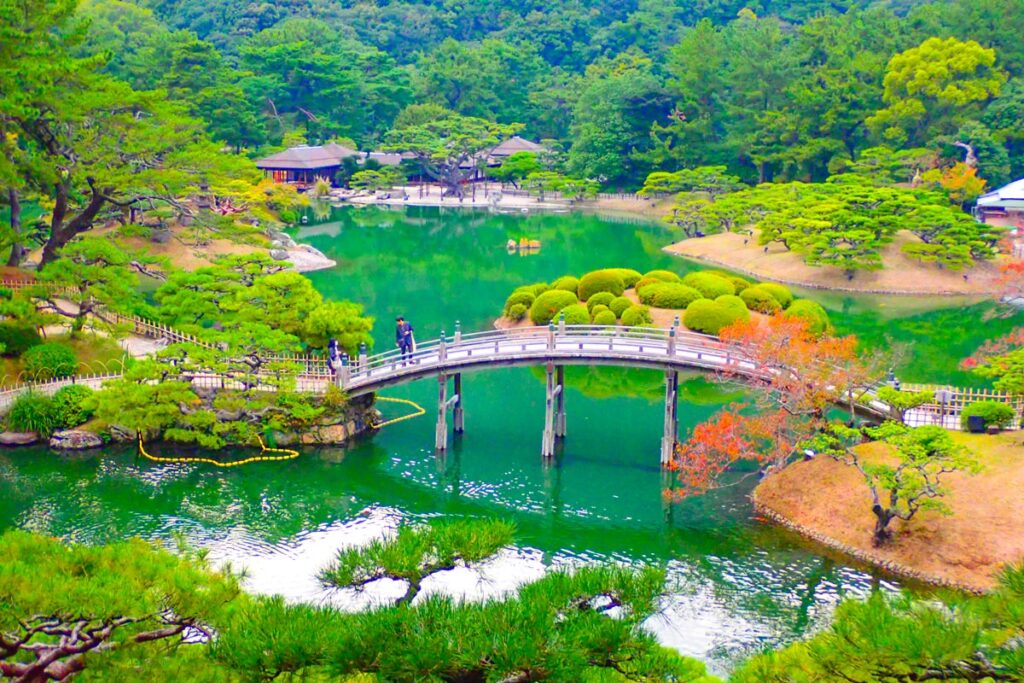
Ritsurin Garden
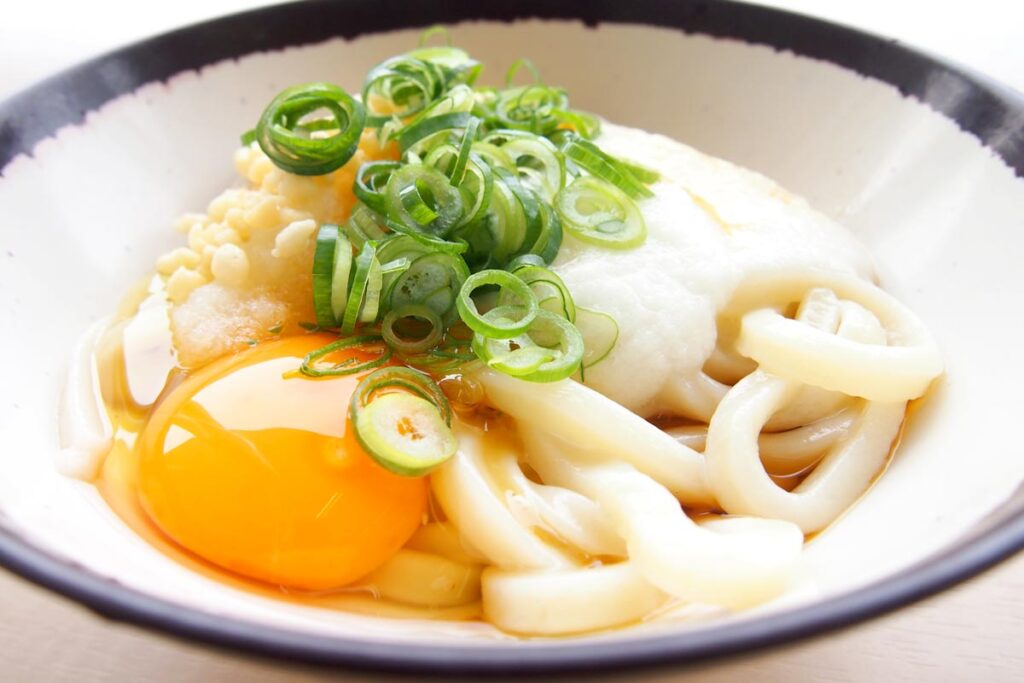
Sanuki Udon Tour
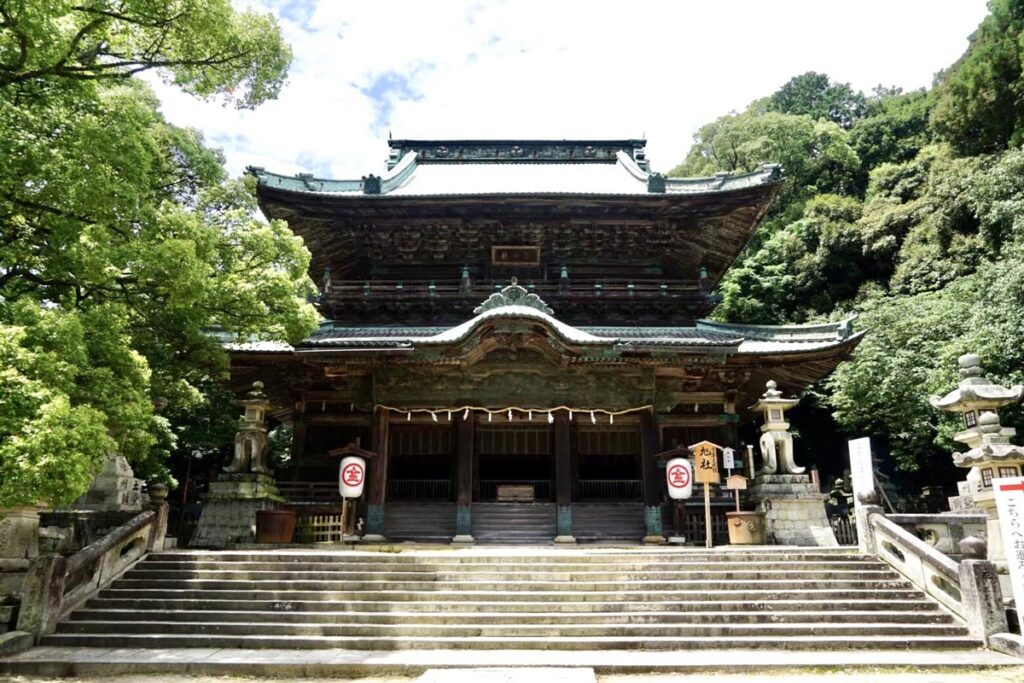
Kotohira-gu Shrine