


Tokushima
Tokushima Travel Guide for First-Time Visitors to Japan
Photos are for illustrative purposes only.
For many first-time visitors to Japan, the classic route is Tokyo, Kyoto, and Osaka. Yet just across the water from Kansai lies Tokushima, a gateway to the island of Shikoku and a destination that offers wild nature, powerful traditions, and fewer crowds. From the legendary Awa Odori dance festival to misty mountain valleys and dramatic sea whirlpools, Tokushima rewards travelers who step slightly off the beaten track.
Why Visit Tokushima?
Tokushima Prefecture sits on the eastern side of Shikoku, easily reached from Osaka and Kobe. Historically known as Awa Province, it flourished as a castle town and cultural hub. Today, visitors come for three main reasons: living traditions, spectacular landscapes, and a slower, more local pace than Japan’s big cities.
Unlike hyper-modern Tokyo, Tokushima’s appeal lies in seeing everyday Japan: neighbors practicing dance for the summer festival, fishermen checking the weather for the Naruto Strait, and pilgrims in white robes visiting mountaintop temples. English is less common than in major cities, but that is part of its charm—small acts of communication often become your most memorable moments.
Top Highlights in Tokushima
Awa Odori: Japan’s Most Joyful Dance Festival
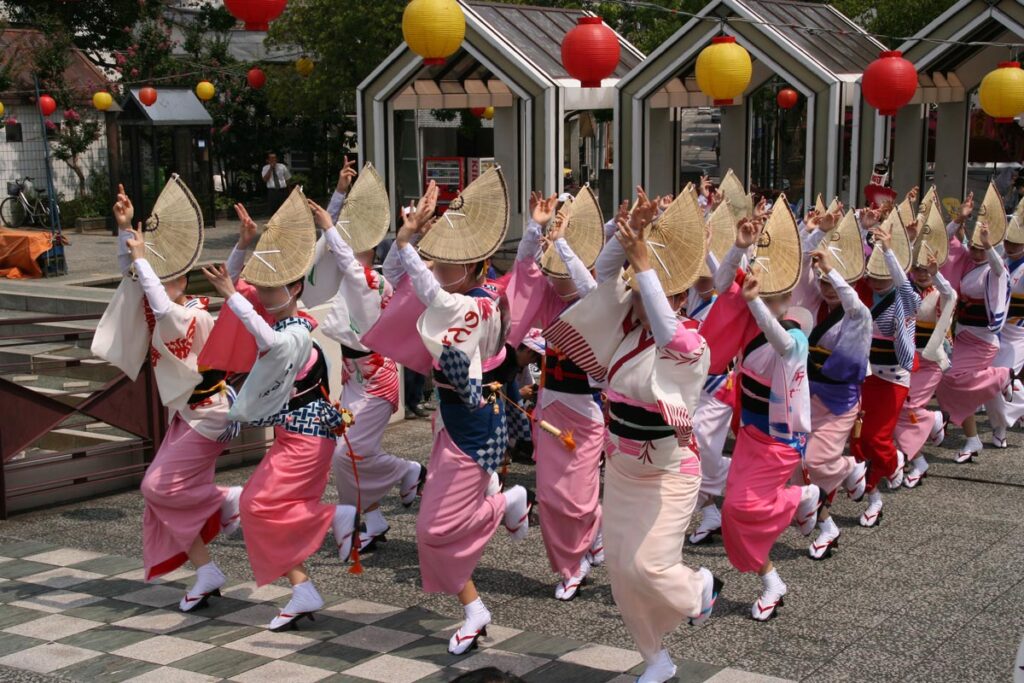
If you know one thing about Tokushima, it should be Awa Odori. Held every August, this is one of Japan’s largest and liveliest summer festivals, drawing dancers and spectators from all over the country. The streets fill with costumed groups known as ren, moving in lines while chanting, clapping, and playing shamisen, flutes, and drums.
The dance itself is simple but mesmerizing. Men’s teams often adopt low, powerful steps, while women dance on tall wooden sandals with graceful, angular movements. You’ll hear the famous refrain, “Odoru ahou ni miru ahou, onaji ahou nara odoranya son son” – “The dancers are fools, the watchers are fools; since both are fools, you might as well dance.” It captures the spirit perfectly: everyone is invited to join in.
If you can’t visit in August, the Awa Odori Kaikan, a dedicated museum in Tokushima City, offers year-round performances and exhibitions. You can watch a live show, see costumes and instruments up close, and even learn some basic steps. It’s an ideal introduction to Tokushima’s culture for first-time visitors.
Naruto Whirlpools: Dramatic Tides Between Shikoku and Honshu
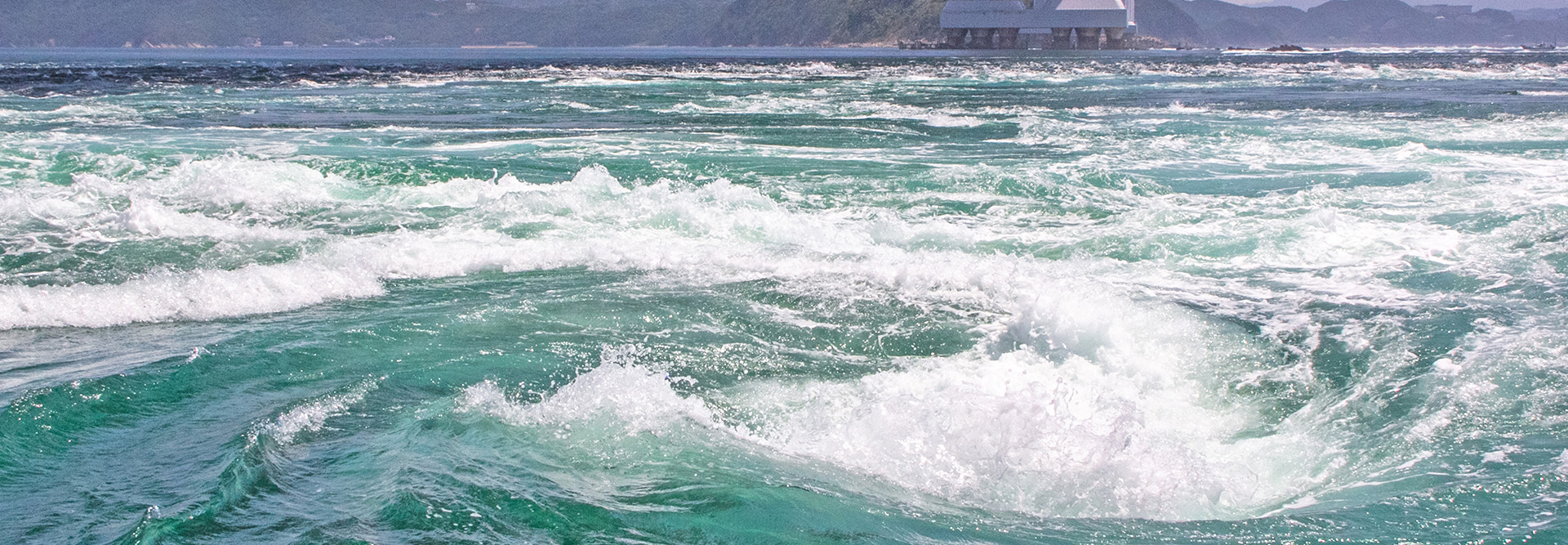
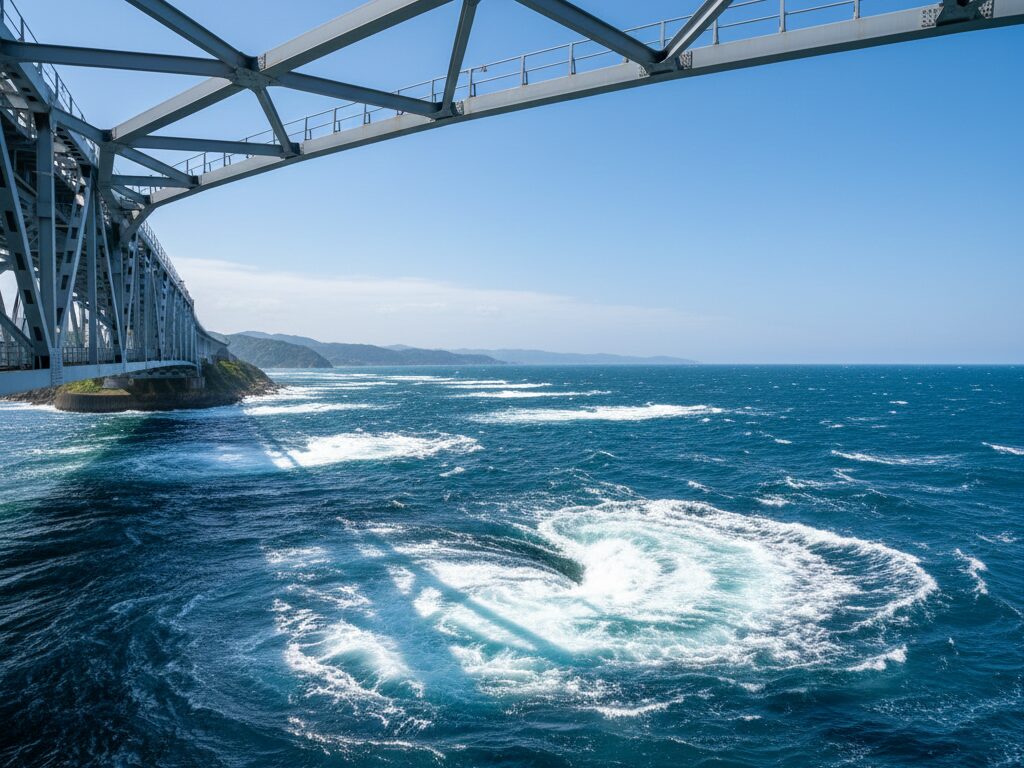
On the northeastern tip of Tokushima, powerful tidal currents in the Naruto Strait create natural whirlpools, some of the strongest in the world. This phenomenon occurs when the tides of the Pacific Ocean and the Seto Inland Sea clash as they squeeze through the narrow channel.
There are two popular ways to see the Naruto whirlpools:
- Boat tours: Vessels depart from ports near Naruto Park and approach the swirling water at sea level. You’ll feel the boat rock gently as you get close, making for exciting photos and videos.
- Uzu no Michi (Onaruto Bridge walkway): A glass-floored viewing corridor beneath the bridge lets you look straight down at the rushing water. On clear days, you can appreciate both the whirlpools below and the coastline stretching into the distance.
The whirlpools are strongest around spring and autumn tides, especially at full and new moons. Check local tide schedules to time your visit for peak currents, and bring a windproof layer—the sea breeze on the bridge can be strong even in warmer months.
Iya Valley: Remote Mountains and Vine Bridges
For many travelers, the highlight of Tokushima is the Iya Valley, a steep, forested gorge carved by the emerald Iya River. Once considered one of Japan’s “Three Hidden Valleys,” it’s where defeated samurai from the Heike clan are said to have fled in the 12th century, hiding in the mountains far from the capital.
Today, the valley still feels remote. Terraced fields cling to the hillsides, mists rise from the river, and traditional farmhouses dot the slopes. The most iconic sights include:
- Kazurabashi vine bridges: Suspended over the river, these bridges were once made purely from mountain vines. Reinforced versions remain today, swaying gently as you cross. Look through the gaps underfoot to the rushing water far below.
- Ochiai village and farmhouses: Clusters of traditional thatched-roof houses line the mountainside, offering a glimpse into rural Shikoku life. Some have been restored as inns, where you can stay overnight and enjoy hearth-cooked meals.
- Scenic viewpoints: Observation points along the winding mountain roads provide panoramic views of the valley and rivers, especially atmospheric in autumn when the leaves turn red and gold.
Public transport in Iya Valley is limited, so many travelers either rent a car from Tokushima City or join a guided tour. Allow at least one full day, and ideally an overnight stay, to appreciate the area without feeling rushed.
Tokushima City: Castle Park and Riverside Strolls
While Tokushima City is relatively compact compared with major Japanese cities, it has a calm, pleasant atmosphere. The city sits between the Shinmachi and Suketo rivers, with bridges, promenades, and riverside parks making it ideal for walking.
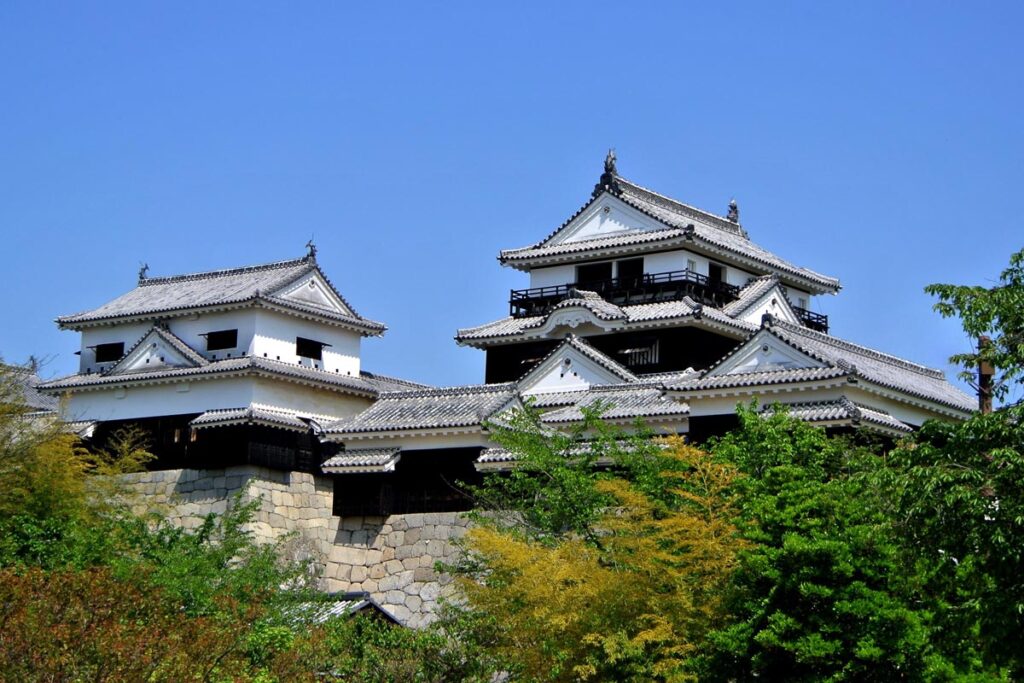
Tokushima Castle Ruins, located in Central Park, is a good starting point. The original castle was largely destroyed, but the grounds now contain stone walls, gates, and a reconstructed garden. In spring, cherry blossoms frame the old fortifications, making it a relaxing picnic spot.
Nearby shopping arcades offer covered streets lined with small eateries, souvenir shops, and local businesses. Because Tokushima receives fewer foreign visitors than big cities, you may find more Japanese-only menus, but staff are usually patient and appreciative of visitors who show curiosity about local dishes.
Cultural Experiences and Local Traditions
Pilgrimage Culture: Temples of the Shikoku 88 Route
Tokushima is the starting point of the famous Shikoku 88 Temple Pilgrimage, a circular route associated with the Buddhist monk Kobo Daishi. Pilgrims—known as ohenro-san—travel to 88 temples around Shikoku, traditionally on foot, wearing white robes, straw hats, and carrying walking sticks.
Even if you are not religious, visiting one or two temples in Tokushima offers insight into this deep-rooted tradition. You can purchase a special book called a nokyocho and receive beautiful calligraphy stamps at each temple you visit, or simply stroll the grounds and observe the rituals quietly.
Some notable pilgrimage temples in Tokushima Prefecture include those perched on hills or tucked into forests. The gentle ringing of temple bells, the scent of incense, and the sight of pilgrims chanting sutras together give a different dimension to travel beyond sightseeing.
Local Performing Arts and Music
Beyond Awa Odori, traditional music and folk performances are often showcased at cultural centers and during seasonal events. Look for local festivals where you might encounter taiko drumming, regional folk songs, or smaller-scale dance performances. These events are typically community-focused, with families, elders, and children all participating together.
Food and Drink in Tokushima
Tokushima’s cuisine reflects its geography: coastal seafood, river fish from mountain streams, and hearty dishes suited to cooler valley evenings. Eating locally is one of the easiest ways to connect with the region.
Tokushima Ramen
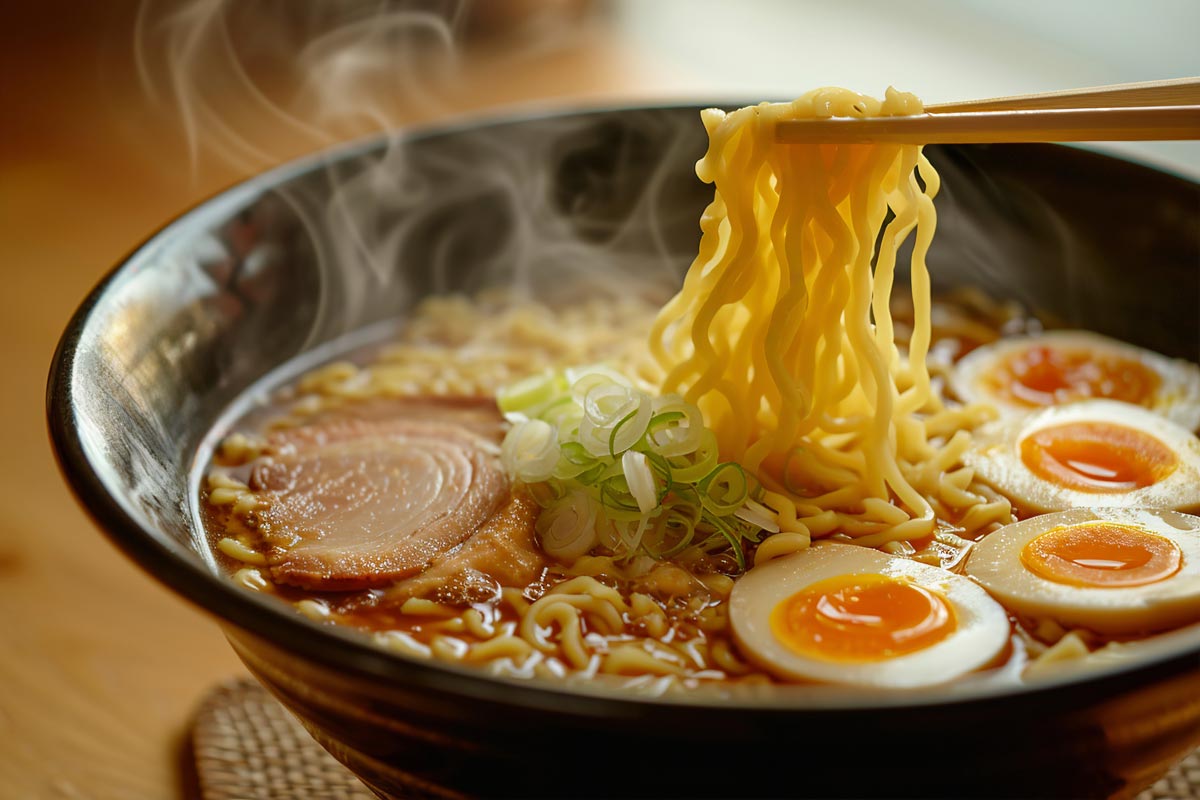
One of the most famous local dishes is Tokushima ramen, known for its rich, slightly sweet broth and generous toppings. There are three main styles—brown, white, and yellow—each with subtle differences in flavor, but all tend to be full-bodied, influenced by pork and soy sauce. Slices of pork belly, raw egg, and green onions are common toppings.
Ramen shops around Tokushima City range from small counter-only stores to more modern restaurants. Expect to buy a ticket from a vending machine at the entrance, hand it to the staff, and wait for your steaming bowl to arrive. Many shops are used to serving travelers and may have photos or sample displays to help you choose.
Seafood and River Fish
Along the coast, especially near Naruto, you can enjoy fresh seafood, including sea bream, octopus, and seasonal fish caught in the Seto Inland Sea and Pacific Ocean. Inland, river fish such as ayu (sweetfish) are grilled over charcoal and served simply with salt, highlighting their delicate flavor.
Local Specialties and Sweets
Tokushima is also known for local agricultural products such as sudachi, a small green citrus used to add refreshing acidity to dishes and drinks. You may find sudachi-flavored soft drinks, sweets, and condiments. Traditional sweets, often made from bean paste and rice flour, pair well with green tea and can be found in old-fashioned confectionery shops.
Best Time to Visit Tokushima
Tokushima can be visited year-round, but your experience will vary with the seasons:
- Spring (March–May): Mild weather, cherry blossoms at parks and temple grounds, clear views in the mountains and along the coast.
- Summer (June–August): Lush green landscapes, lively festivals like Awa Odori in mid-August, but also heat and humidity. Ideal if you want to experience Japan’s festival culture.
- Autumn (September–November): Cooler temperatures, vivid autumn foliage in the Iya Valley and mountain areas, generally stable weather.
- Winter (December–February): Quiet and less crowded. Snow may dust the higher mountains, creating a serene atmosphere in valleys and temples, but some remote roads can be affected by winter conditions.
If your main goal is Awa Odori, plan far in advance for August, as accommodation in Tokushima City books up quickly. For hiking and Iya Valley exploration, spring and autumn offer the most comfortable climate.
Getting to and Around Tokushima
Access from Major Cities
Tokushima is well-connected to western Japan and fairly straightforward to reach for first-time visitors:
- From Osaka/Kobe: Highway buses cross the bridge to Tokushima in about 2.5–3 hours, depending on traffic. This is often the most convenient option.
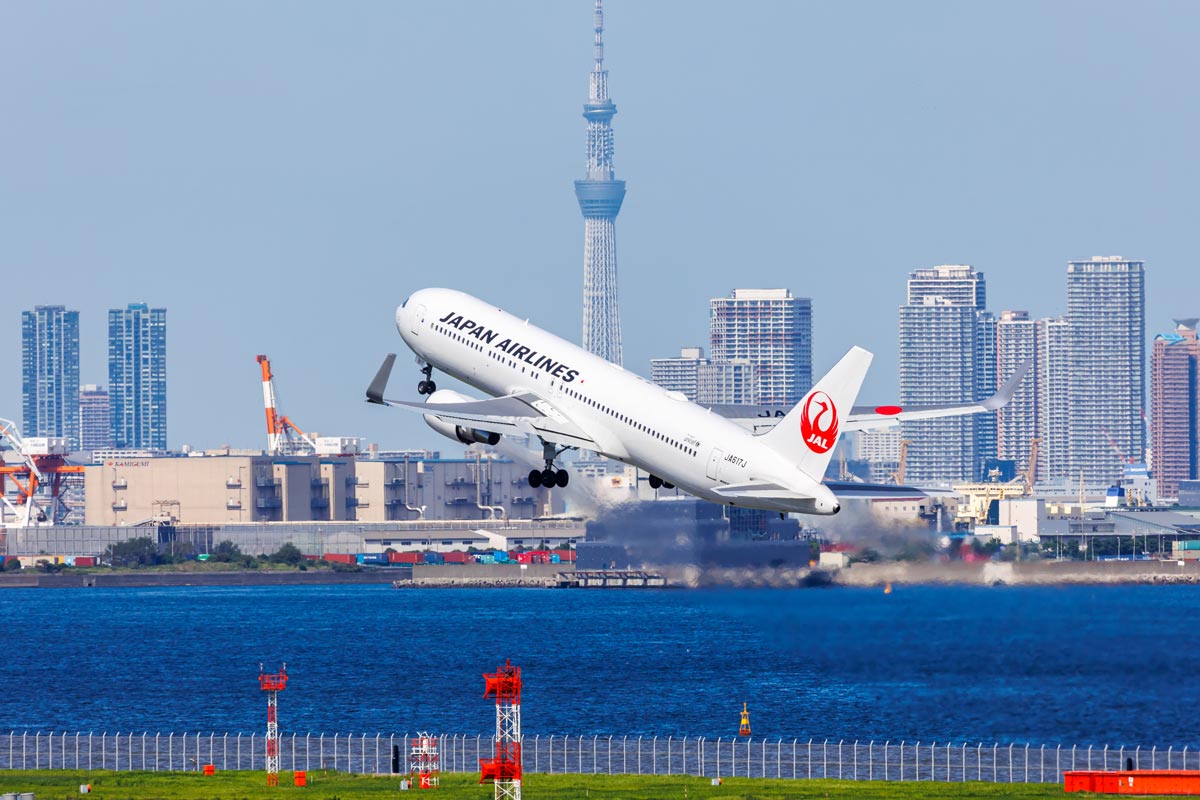
- By air: Tokushima Awaodori Airport has flights linking to major Japanese cities such as Tokyo. From the airport, buses connect to Tokushima City.
- By train and bus: Rail routes connect through the Shikoku network, though direct shinkansen service does not reach Tokushima. You will usually transfer from Okayama or other hubs.
For many international visitors, combining a Kansai stay (Osaka, Kyoto, Kobe) with a side trip to Tokushima and the rest of Shikoku is a rewarding itinerary.
Getting Around Tokushima Prefecture
Public transport is reliable in cities and between major towns, but mountain and rural areas have infrequent services. Consider the following options:
- City buses and trains: Useful for getting around Tokushima City and reaching places like Naruto.
- Rental car: Recommended for exploring the Iya Valley and remoter shrines or viewpoints. Roads are often narrow and winding, so drive carefully.
- Guided tours: Local tour operators offer day trips to key attractions, especially helpful if you are not comfortable driving in Japan.
When using buses in rural areas, check the timetable in advance—services may run only a few times a day.
Practical Tips for First-Time Visitors
Language and Communication
English is less widely spoken in Tokushima than in Tokyo or Kyoto, but basic communication is usually possible with a mix of simple English, gestures, and translation apps. Having key phrases in Japanese written down—such as destination names and dietary needs—can be very helpful.
Staff at tourism information centers often have English maps and brochures, particularly in Tokushima City, Naruto, and major scenic spots. Do not hesitate to ask; locals are generally welcoming and appreciate visitors who are curious and polite.
Accommodation Choices
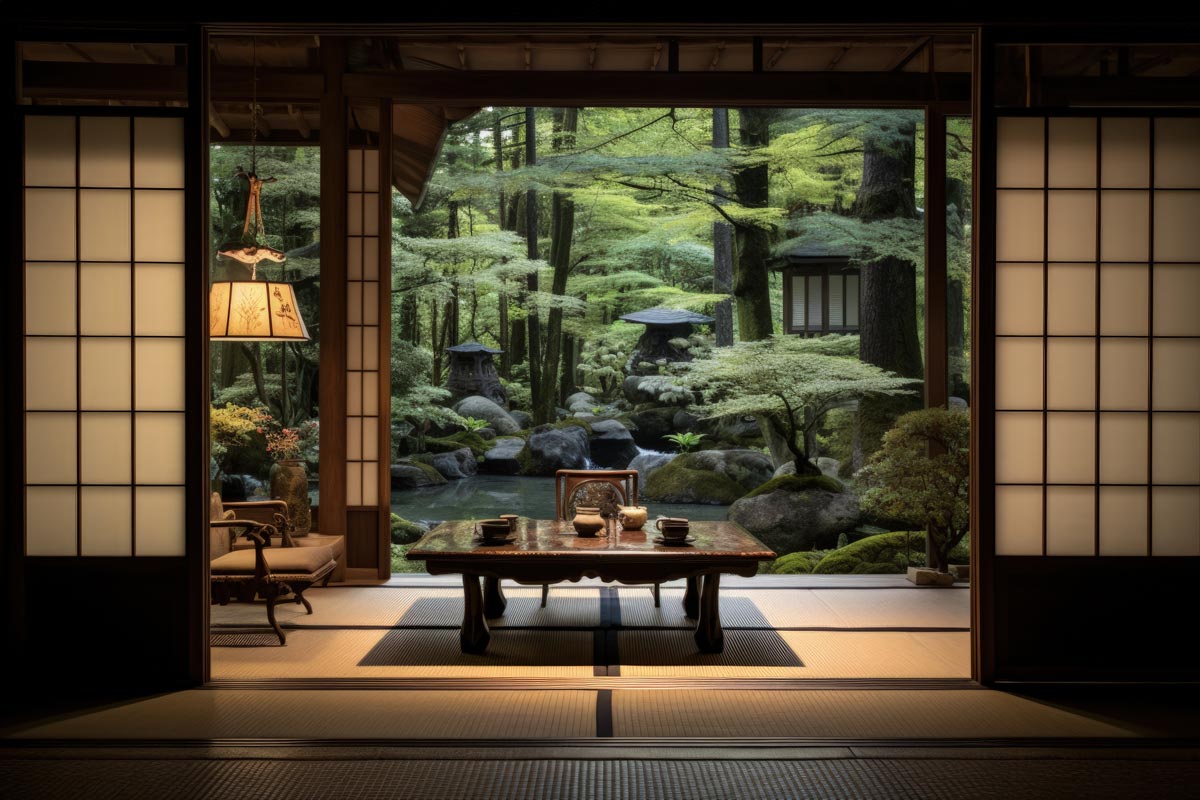
In Tokushima City, you will find business hotels, modern hotels, and some guesthouses. In the Iya Valley and rural areas, ryokan (traditional inns) and family-run lodgings offer tatami rooms, futon bedding, and multi-course dinners featuring local ingredients.
Staying at a ryokan is a chance to experience Japanese-style bathing and dining. You will usually remove shoes at the entrance, wear indoor slippers, and use a communal bath scheduled by gender. Meals are often served at set times, so inform your host if you expect to arrive late.
Etiquette and Local Customs
Tokushima follows the same basic etiquette as the rest of Japan:
- Remove shoes before entering homes and certain traditional accommodations.
- Speak quietly on public transport.
- At temples, bow lightly and follow local practices respectfully.
- Dispose of trash properly—bins can be scarce, so carry a small bag if needed.
During Awa Odori and other festivals, remember that dancers and musicians are often local volunteers who practice for months. Enjoy the performances, but avoid blocking their path or using flash very close to performers. When invited to join the dance, step in with enthusiasm and follow the movements as best you can—perfection is not required.
Planning Your Tokushima Itinerary
For a first visit, consider the following simple itineraries:
- 1–2 days: Base yourself in Tokushima City. Visit the Awa Odori Kaikan, Tokushima Castle Ruins, and take a half-day or full-day trip to Naruto to see the whirlpools.
- 3–4 days: Add an overnight stay in the Iya Valley, crossing the vine bridge and exploring mountain viewpoints. Visit one or two nearby pilgrimage temples.
- Longer stays: Combine Tokushima with other Shikoku destinations, such as Kagawa (Takamatsu and art islands), Kochi (Pacific coastline), or Ehime (castle town and hot springs).
Tokushima is an ideal introduction to the quieter side of Japan. With a little advance planning and an open mind, you will find warm hospitality, powerful landscapes, and traditions practiced not for tourists, but for the community itself. For first-time travelers ready to explore beyond the standard circuit, Tokushima offers a memorable and genuinely local experience of Japan.

Access Map
Recommended spots in Tokushima
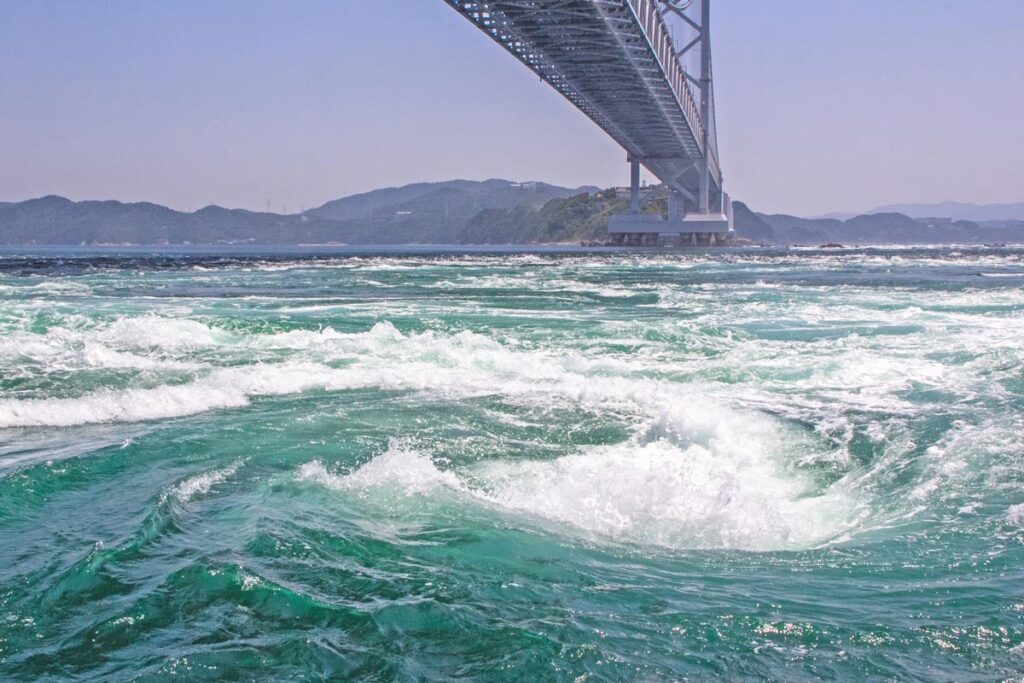
Naruto Whirlpools

Otsuka Museum Art
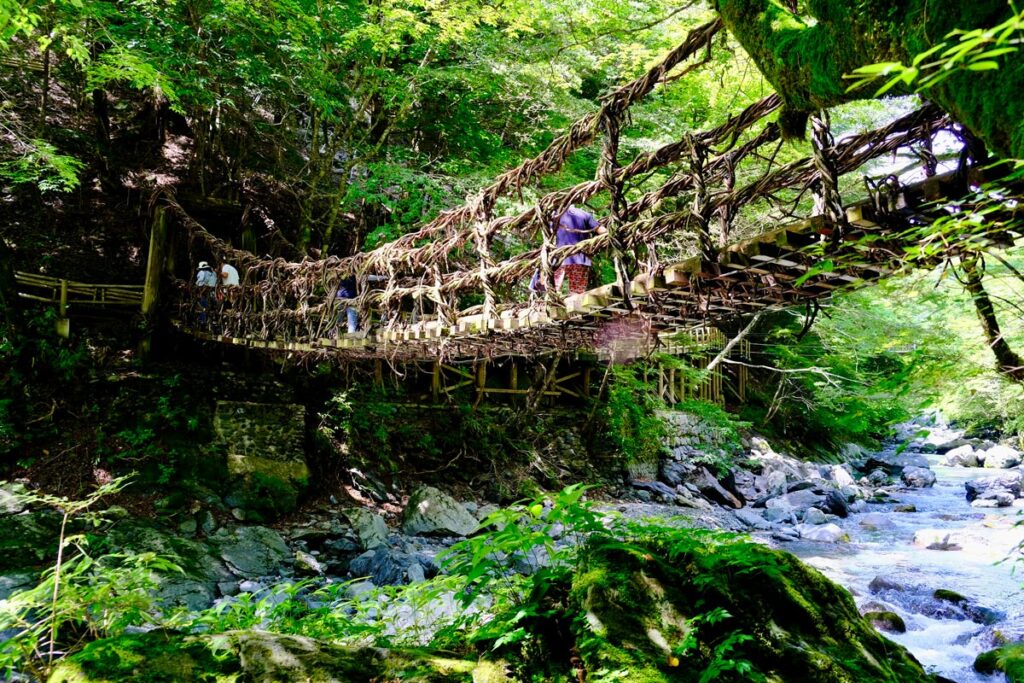
Iya Valley