

Otsuka Museum Art
Otsuka Museum of Art: A Surprising Art Wonderland in Japan
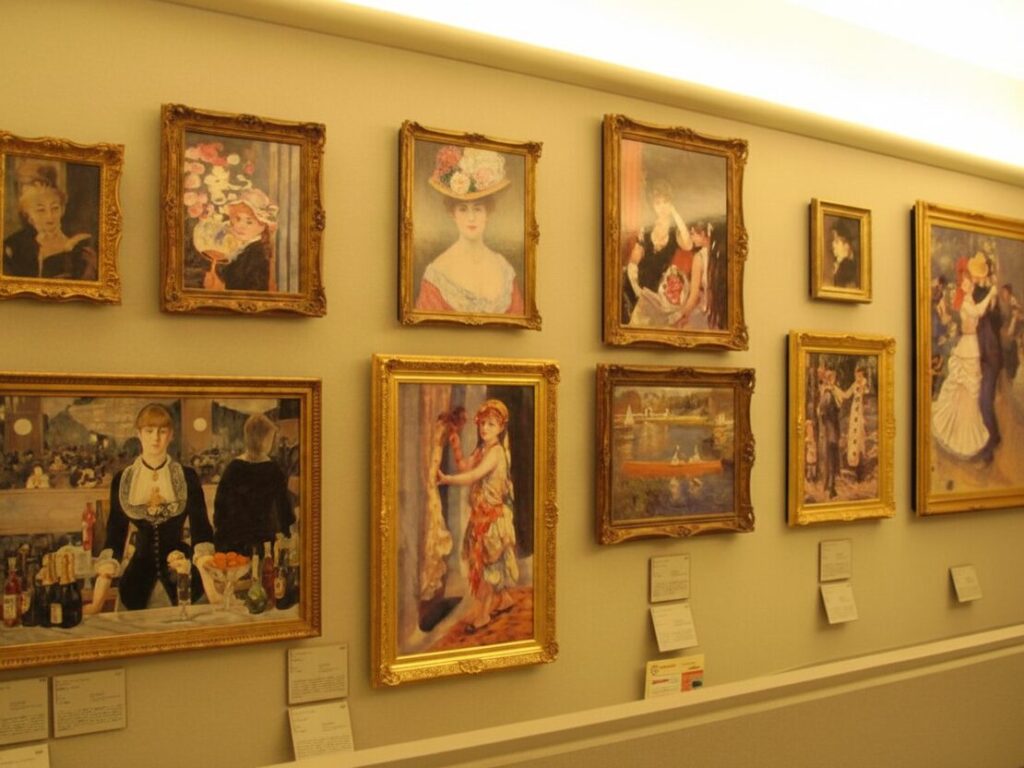
Photos are for illustrative purposes only.
Hidden in a quiet corner of Tokushima Prefecture on Shikoku Island, the Otsuka Museum of Art is one of Japan’s most unexpected cultural highlights. Instead of original canvases in hushed rooms, you’ll find over 1,000 life-size ceramic reproductions of Western masterpieces, from the Sistine Chapel to Monet’s water lilies, displayed in immersive, walk-through spaces.
For first-time travelers to Japan, it may seem unusual to visit a museum full of replicas. Yet Otsuka Museum of Art offers something many famous museums cannot: the chance to see, compare, and get close to iconic works from across the world, all in one thoughtfully designed building. It is part art museum, part time machine, and part playful photo studio.
What Is Special About Otsuka Museum of Art?
Opened in 1998 by the Otsuka pharmaceutical group, the museum was created to celebrate the company’s 75th anniversary and to showcase an innovative ceramic printing technology. Paintings are reproduced in full scale on ceramic boards, then fired so their colors remain vivid for decades. The result is a vast, climate-proof gallery where light, humidity, and touch are less of a concern than in traditional museums.
Instead of isolated rooms with single masterpieces, Otsuka Museum of Art organizes its collections to tell the story of Western art as a journey. Visitors start in ancient times and move gradually through the Middle Ages, Renaissance, Baroque, Impressionism, and modern art. It is like walking through a beautifully illustrated textbook, only life-size and full of surprising details you can study up close.
For international travelers, this museum is particularly attractive because you can experience many world-famous paintings you might otherwise need multiple trips to Europe and the United States to see: works from the Louvre, the Prado, the Uffizi, the Vatican Museums, the Rijksmuseum, and more all meet under one roof.
Highlights You Should Not Miss
With more than 1,000 works over several floors, it is impossible to see every corner in detail on a short visit. Here are key highlights that first-time visitors should prioritize.
The Sistine Chapel Ceiling and “The Last Judgment”
One of the most jaw-dropping sections is the recreation of the Sistine Chapel interior. The ceiling and wall frescoes painted by Michelangelo in Vatican City are reproduced at full scale, complete with the surrounding architecture. You can walk in, stand in the center, and look up without the crowds and strict rules that accompany the real chapel.
This gallery gives you the rare chance to study the tiny details of the biblical scenes and vivid colors originally intended by Michelangelo, many of which were revealed only after the real chapel’s modern restorations.
Da Vinci, Botticelli and the Italian Renaissance
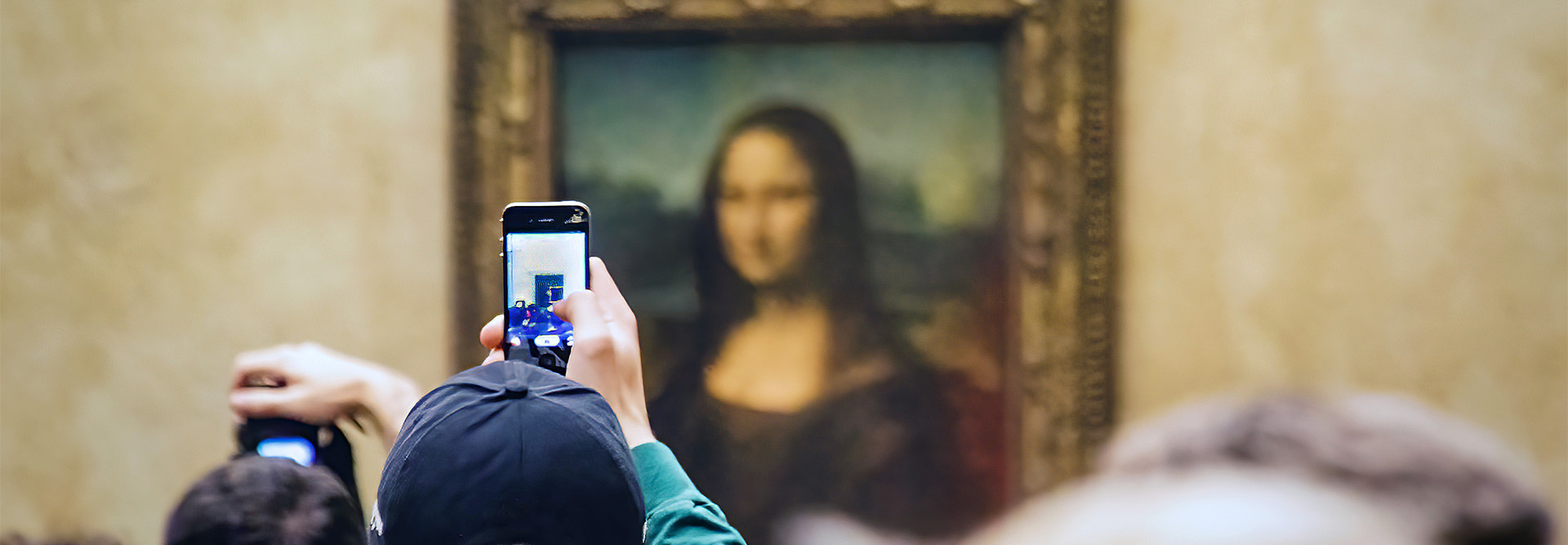
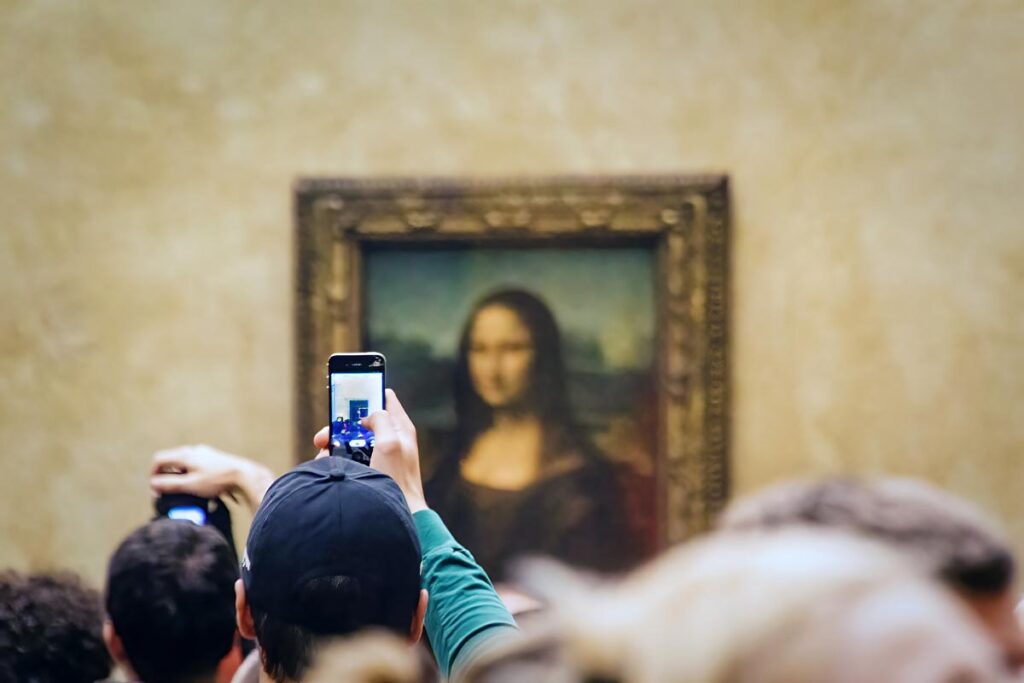
Nearby, you will find works from the Italian Renaissance collected in one continuous space. Leonardo da Vinci’s Mona Lisa, Botticelli’s The Birth of Venus, and Primavera are all displayed together, allowing you to stand at a comfortable distance and compare composition and technique at leisure.
In famous European museums, these paintings are usually crowded and protected by glass. At Otsuka Museum of Art, the replicas allow for a less stressful, more educational viewing experience, particularly useful for families and art beginners.
Rembrandt, Vermeer, and the Northern Masters
The museum also offers a rich tour through Dutch and Northern European art of the 17th century. Rembrandt’s dramatic use of light and shadow, Vermeer’s quiet interiors, and detailed still lifes are arranged to show how painters in different countries influenced one another.
English signage explains historical context, making it easier to appreciate the symbolism and storytelling in these works even if you have no prior knowledge of European art history.
Monet’s Water Lilies Room
One of the most atmospheric spaces is the Monet room, dedicated to the French Impressionist’s famous Water Lilies series. In Paris, these works are split across multiple rooms in different museums. At Otsuka Museum of Art, the panels are gathered into a single, immersive environment where you can sit, breathe, and take in the surrounding blues and greens.
This quiet, meditative gallery resonates strongly with Japanese visitors, as Monet’s careful attention to water, light, and seasonal change echoes traditional Japanese aesthetics seen in gardens and ink paintings.
Modern Art: Picasso to Pollock
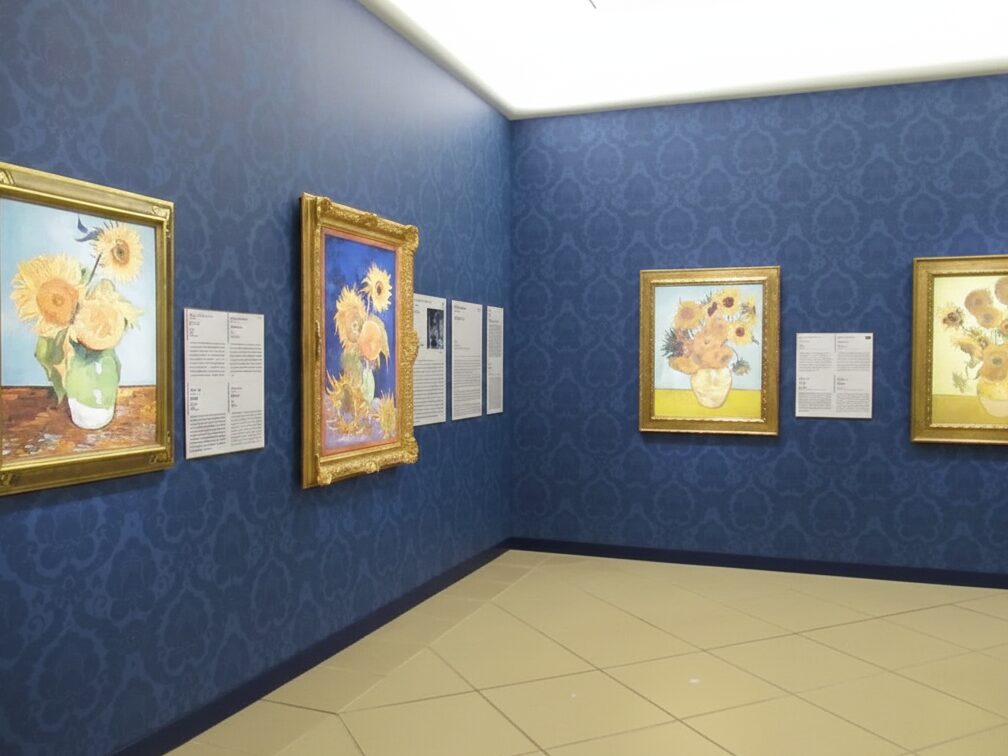
As you move into the 20th century, the colors intensify and the shapes loosen. Paintings by Picasso, Matisse, Van Gogh, and others lead into abstract works by Mark Rothko, Jackson Pollock, and more. Seeing these pieces after the earlier galleries helps first-time visitors understand how dramatically art changed in a relatively short period.
If you have ever wondered why modern art looks the way it does, this chronological layout – from classical realism to radical abstraction – makes the evolution much easier to grasp.
Why Visit Replicas When You Travel to Japan?
Many travelers are surprised to find a museum of Western art reproductions in rural Japan, and some are skeptical about copies. But Otsuka Museum of Art offers three special advantages:
1. See Far-Flung Masterpieces in One Place
In a single afternoon you can “visit” world-famous museums spread across Europe and North America. For visitors who may not have the chance to travel widely, this is an extraordinary opportunity to experience these works in context, not as small pictures in a book or on a screen.
2. Get Close Without Fear
Because the works are ceramic reproductions, the museum allows a more relaxed approach. While you should not touch the surfaces, you can lean in, take clear photos, and walk right up to the paintings. It is an especially friendly environment for families with children, school groups, and those who feel intimidated by traditional art spaces.
3. Learn Through Comparison
The chronological layout and side-by-side displays encourage comparison. You can easily see how color, perspective, and subject matter change from era to era, or how one artist borrows from another. For first-time visitors to Western art, this is an excellent way to build a foundation of understanding in just a few hours.
Layout and How to Explore Efficiently
The museum is large, built mainly underground to protect the ceramic works and to blend with the surrounding landscape. Escalators carry you down to the lower levels, and you work your way back up as you move through history.
Most visitors spend 3–4 hours inside, but art lovers often stay a full day. For a first visit, consider this simple plan:
- Start with the ancient and religious art areas for 30–45 minutes to understand the roots of Western painting.
- Spend 60–90 minutes in the Renaissance and Baroque sections, focusing on the Sistine Chapel, Da Vinci, Botticelli, and Rembrandt.
- Leave at least an hour for Impressionism and modern art, including Monet, Van Gogh, Picasso, and the Monet water lilies room.
- Finish with any special exhibitions or areas that interest you personally.
Maps and clear signage help you navigate, and there are benches placed throughout the galleries for breaks.
Practical Information for Visitors
Location
Otsuka Museum of Art is located in Naruto, Tokushima Prefecture, on the eastern tip of Shikoku Island. It sits near the Seto Inland Sea, not far from the Naruto whirlpools, another popular attraction you can combine in a day trip.
Opening Hours and Tickets
The museum typically opens during standard daytime hours and closes in the late afternoon. It is often closed one day per week (commonly Monday) and on certain holidays. Before you go, check the official website for up-to-date opening hours, prices, and any temporary closures.
Admission is higher than many other Japanese museums, reflecting its scale and specialized technology. However, most visitors feel the cost is justified given the size of the collection and the time you can easily spend inside.
Facilities and Services
The building is modern and barrier-free, with elevators and ramps suitable for wheelchairs and strollers. Lockers are available for bags, and photography is generally allowed in most areas (but always follow current instructions and signage).
English information panels appear throughout the museum, and pamphlets in multiple languages are usually available. Staff are friendly and accustomed to foreign visitors, although not all will speak English fluently.
How to Get to Otsuka Museum of Art
Naruto is easier to reach than it first appears on a map, especially if you are traveling from Osaka or Kobe.
From Osaka and Kobe
Many visitors reach Naruto from Osaka or Kobe via highway bus across the Akashi Kaikyo Bridge. Buses typically run from major terminals such as Osaka Station or Sannomiya in Kobe directly to Naruto or Naruto Koen (Naruto Park) areas.
From the bus stop near Naruto Park, local buses or taxis can take you directly to the museum, which is only a short ride away. Travel time from Kobe is around 1.5–2 hours, and from Osaka around 2–2.5 hours, depending on the route.
From Tokushima City
If you are staying in Tokushima City, you can reach Naruto by local bus or train and then transfer to a bus or taxi to the museum. This is a convenient route if you are already exploring Shikoku.
Driving
Renting a car in Japan is a comfortable option for this region. Highways connect Kobe, Awaji Island, and Naruto, and the museum offers parking. Remember that in Japan, people drive on the left, and an International Driving Permit is required for most foreign visitors.
Combining the Museum with Nearby Sights
Because of its location in Naruto, Otsuka Museum of Art pairs well with coastal scenery and local culture.
Naruto Whirlpools
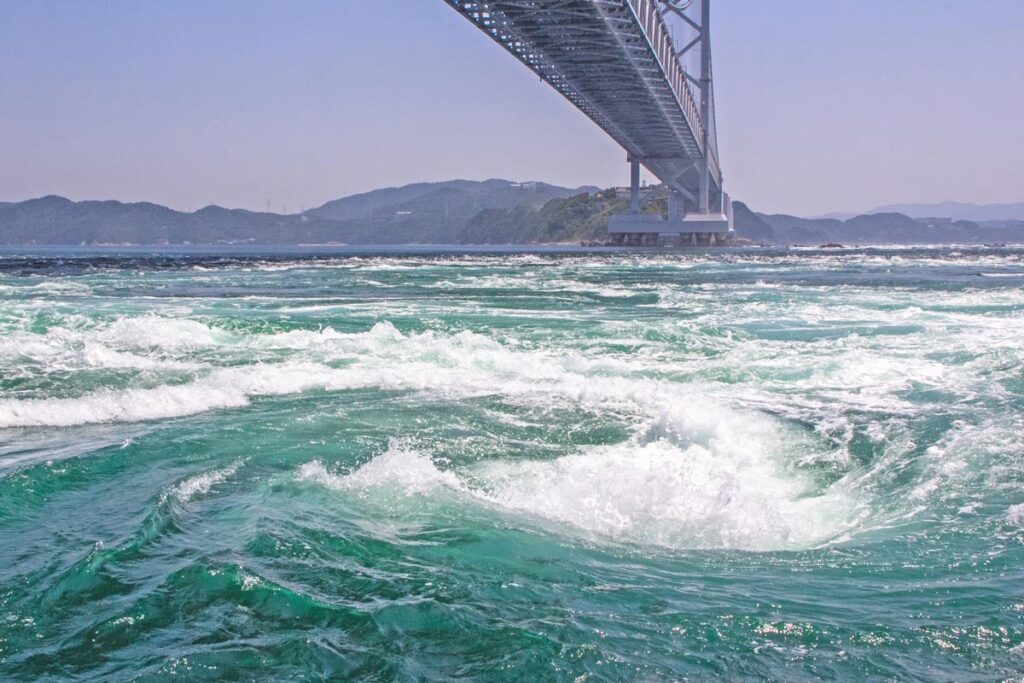
Just a short distance away, the Naruto Strait is famous for its giant whirlpools created by powerful tidal currents. View them from sightseeing boats or from walkways under the Onaruto Bridge. The best viewing times depend on the tides, which change daily, so check schedules in advance if you want to see the whirlpools at their most dramatic.
Local Food and Tokushima Specialties
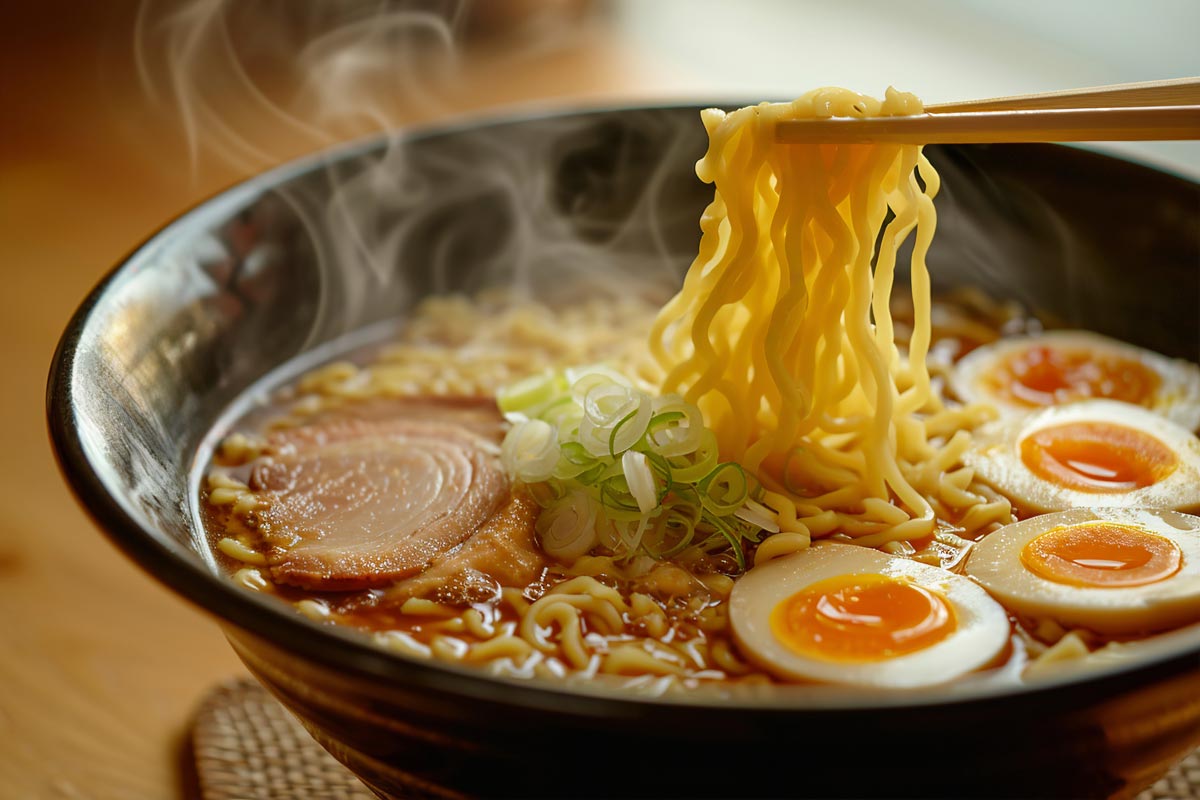
In and around Naruto you can taste regional dishes such as Tokushima ramen (with a rich, pork-based broth and sweet-salty flavor), locally grown sudachi citrus, and fresh seafood from the Seto Inland Sea. Stopping at a nearby restaurant after your museum visit provides a relaxing way to round out the day.
Tips for First-Time Visitors
Allow Enough Time
The museum is larger than most people expect. Plan at least three hours inside, and avoid rushing if you can. It is better to focus deeply on a few sections than to skim everything.
Wear Comfortable Shoes
You will be on your feet for most of the visit, walking long corridors and using stairs or escalators between floors. Comfortable walking shoes are strongly recommended.
Take Breaks in the Café or Restaurant
There are cafés and a restaurant inside the museum, serving light meals, desserts, and drinks. Use these as opportunities to rest, review what you have seen, and plan which rooms to visit next.
Use the Photo Opportunities
Unlike many traditional museums, Otsuka Museum of Art encourages a more relaxed attitude to photography. Certain rooms even highlight spots where you can pose with famous artworks in the background. These photos make for fun, memorable records of your visit and are great for sharing your trip with friends and family.
Visit in Combination with a Kansai or Shikoku Trip
Because Naruto is accessible from both the Kansai region (Osaka, Kyoto, Kobe) and Shikoku, the museum fits naturally into a wider itinerary. Many travelers include it as a day trip from Kobe or as a cultural stop when traveling between Kansai and the island of Shikoku.
Experiencing World Art Through a Japanese Lens
Otsuka Museum of Art is more than a collection of reproductions. It reflects a uniquely Japanese approach to preservation and education: using advanced technology to protect and share fragile culture, while presenting it in a carefully curated, user-friendly environment.
For first-time visitors to Japan, it offers a window into the country’s quiet passion for art, craftsmanship, and detail — even when the subject is Western painting. Whether you are an art lover, a curious beginner, or a traveler looking for something different beyond the usual temples and neon, a day at this museum can be one of the most surprising and memorable experiences of your trip.
Plan ahead, give yourself time to wander, and let the centuries unfold around you as you walk from ancient frescoes to modern abstraction, all without leaving Japan.

Access Map
Recommended spots in Tokushima
Naruto Whirlpools
Otsuka Museum Art
Iya Valley