



Iya Valley
Iya Valley Travel Guide: Discover Japan’s Hidden Mountain Gorge
Photos are for illustrative purposes only.
Tucked deep in the mountains of Shikoku, Iya Valley feels like a different Japan: steep forested gorges, mist curling over rivers, thatched-roof farmhouses, and roads that twist like ribbons along cliff edges. Long regarded as one of Japan’s most remote regions, Iya Valley is ideal for travelers who want to step beyond the classic Tokyo–Kyoto route and experience Japan’s wild side without losing comfort or cultural depth.
Where Is Iya Valley and Why Visit?
Iya Valley (Iya-kei) lies in western Tokushima Prefecture on the island of Shikoku. Carved by the emerald Iya River, it is surrounded by dramatic mountains that rise more than 1,000 meters, with farmland clinging to slopes and tiny hamlets scattered along the ridgelines.
Iya has long been known as a refuge. According to legend, defeated Heike (Taira) warriors fled here after their loss in the Genpei War in the 12th century, hiding themselves in these nearly inaccessible gorges. That sense of seclusion remains today: phone reception can be patchy, buses are infrequent, and starry skies are almost completely free of city glow.
International visitors are drawn to Iya Valley for three main reasons:
- Scenery: Deep ravines, waterfalls, terraced fields, and some of Japan’s most beautiful mountain views.
- Adventure: Ancient vine bridges, river rafting, hiking, and driving some of the country’s most thrilling mountain roads.
- Rural culture: Traditional thatched-roof houses, hot springs, local soba, and a slower pace of life.
How to Reach Iya Valley
Reaching Iya Valley requires a bit of planning, but that effort is exactly what keeps it uncrowded.
From Tokyo, Osaka, and Kyoto
By train:
- Take the Shinkansen to Okayama (from Tokyo: about 3.5 hours; from Osaka/Kyoto: about 1 hour).
- Change to a limited express train on the Dosan Line to Oboke Station (about 2 hours from Okayama).
- From Oboke, continue by local bus, taxi, or rental car into the valley (30–60 minutes depending on your destination).
By air: You can also fly to Takamatsu Airport or Tokushima Awaodori Airport from Tokyo and then continue by train, bus, or car. Driving from Takamatsu to the valley takes about 2–3 hours.
Getting Around Iya Valley
Public buses connect major sights, but they are infrequent, and stops may have limited English information.
- Rental car: Highly recommended if you are comfortable driving on narrow mountain roads. It allows you to visit remote viewpoints and stay at rural inns.
- Bus and taxi: Possible for slower, more relaxed itineraries focused on main attractions such as the vine bridges and Oboke Gorge.
Remember that mountain roads can be steep, with switchbacks and few guardrails. Drive slowly, especially in rain or fog.
Top Things to See and Do in Iya Valley
1. Cross the Legendary Vine Bridges
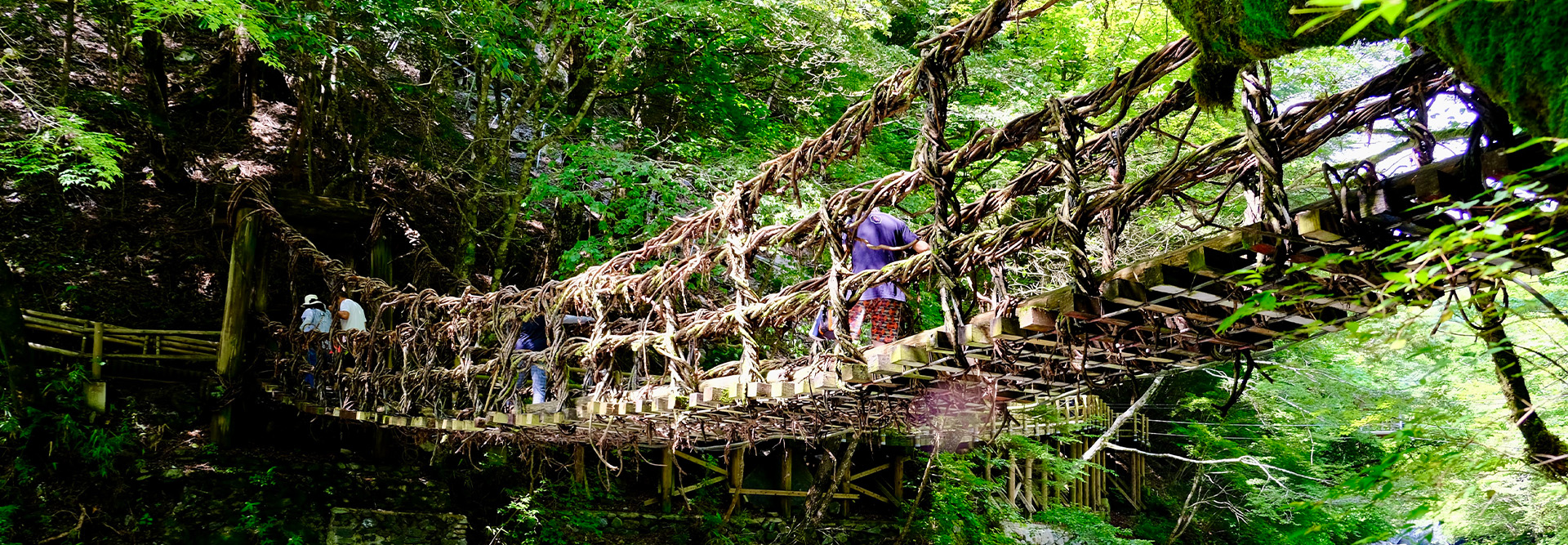
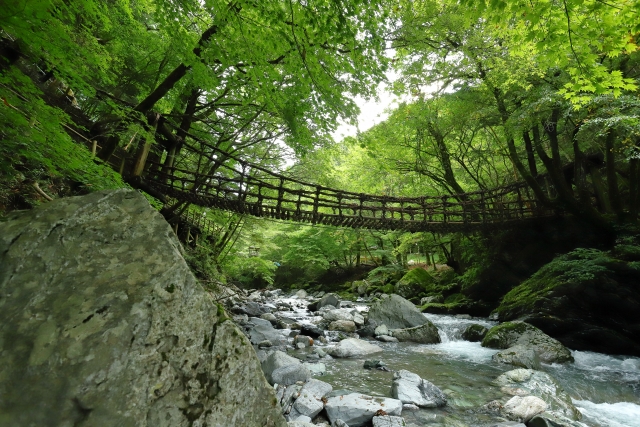
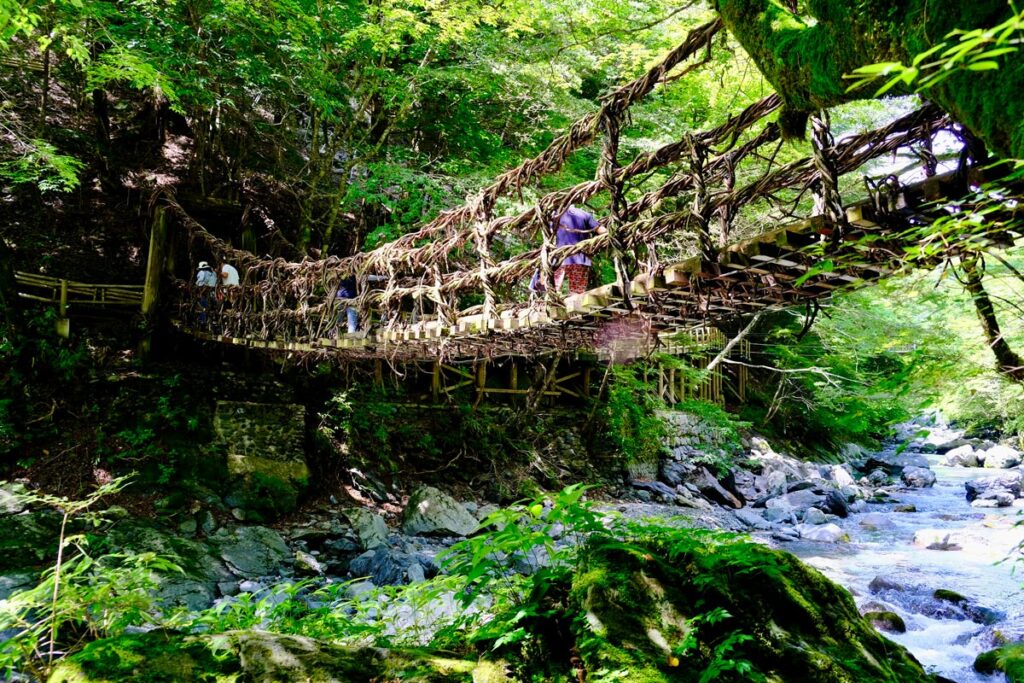
The most iconic sights of Iya Valley are its vine bridges, known as kazurabashi. These suspension bridges, woven from hardy mountain vines and wooden slats, were once vital crossings for locals living on each side of the gorge. Legends say the Heike refugees constructed them so they could be quickly cut down in case of pursuit.
Iya no Kazurabashi (Main Vine Bridge)
This is the best-known and most accessible vine bridge. Around 45 meters long and suspended about 14 meters above the river, it offers a thrilling crossing with glimpses of the rushing water between the slats. The bridge is rebuilt every few years for safety, but the traditional design is preserved.
Practical tips:
- There is a small admission fee.
- The wooden steps are uneven and can be slippery when wet; wear secure footwear.
- Expect some shaking as people cross – this is part of the experience but may feel intimidating if you dislike heights.
Oku-Iya Niju Kazurabashi (Double Vine Bridges)
Deeper in the valley lie the “Double Vine Bridges” – two smaller bridges traditionally used by men and women separately. Nearby you may also find a simple manual cable car once used to move goods across the river. This area is quieter than the main bridge and offers a more intimate atmosphere surrounded by forest.
2. Marvel at Oboke and Koboke Gorges
As the Yoshino River cuts through steep rock, it forms the dramatic Oboke and Koboke Gorges, famous for rugged cliffs and jade-colored water.
- Oboke Sightseeing Boat: Short cruises let you glide between towering stone walls while guides point out rock formations. Commentary may be mainly in Japanese, but the scenery is self-explanatory.
- Viewpoints and road stops: Driving along National Route 32 offers multiple spots to pull over for photos of the river and cliffs.
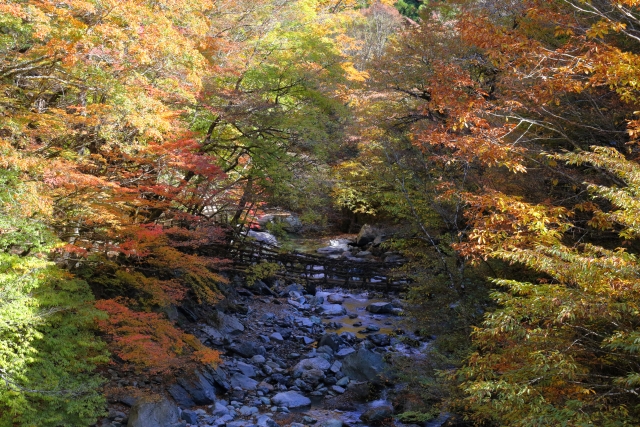
In spring, fresh green leaves contrast beautifully with the blue-green river. Autumn transforms the cliffs into a tapestry of red, orange, and gold.
3. Explore Ochiai and the “Scarecrow Village”
On the mountainsides, you’ll find old villages where terraced fields and traditional homes still shape daily life.
Ochiai Village is a designated Important Preservation District for Groups of Traditional Buildings. Old farmhouses cling to slopes at varying elevations, linked by narrow walking paths. Staying in a restored thatched-roof house here offers a glimpse of rural Japanese life: wood-burning stoves, mountain vegetables, and deep silence at night.
Nearby, the quirky “Scarecrow Village” of Nagoro has become a minor attraction. As residents moved away or passed on, a local artist began filling the village with life-sized dolls dressed as farmers, shopkeepers, and schoolchildren. Today, there are far more scarecrows than people, a poignant reminder of Japan’s depopulating countryside.
4. Relax in Hot Springs with Gorge Views
After a day of driving and hiking, nothing beats soaking in an onsen while gazing at the river below. Several inns and hotels in Iya Valley have hot-spring baths overlooking the gorge.
Some properties feature open-air baths reached by cable car or perched on cliff edges, where you can soak surrounded by greenery and listen to the roar of the river. Many allow daytime visitors to use the baths for a fee, even if you’re not staying overnight.
5. Hike the Mountain Trails
Iya Valley offers excellent hiking for those who want to immerse themselves in nature.
- Short walks: Stroll along village paths, waterfall trails, or viewpoint walks that require only basic fitness.
- Longer hikes: Nearby Mount Tsurugi and other peaks in the Shikoku range have well-known trails with panoramic views on clear days.
Always check local conditions; mountain weather changes quickly. In summer, heat and insects can be intense at lower elevations, while in early spring and late autumn, higher trails may be cold or icy.
6. Adventure Sports: Rafting and Canyoning
The Yoshino River is one of Japan’s top white-water rafting destinations. In spring and early summer, snowmelt and rainfall swell the river, creating powerful rapids. Several operators near Oboke offer guided rafting and canyoning tours, with varying levels from family-friendly to advanced.
Most tours provide wetsuits, helmets, and English-friendly safety briefings in the high season. Advance reservations are recommended, especially on weekends and national holidays.
Culture, Food, and Local Experiences
Discover a Mountain Life Shaped by Isolation
Life in Iya Valley has always been dictated by geography. Until relatively recently, reaching the outside world meant walking over mountain passes or down dizzyingly steep paths. That isolation fostered a culture of self-sufficiency: terraced farming, forest work, and local crafts.
Even today, many older homes have storage areas for firewood, tools for working the fields, and spaces for drying mountain vegetables and herbs. Staying in a traditional inn or farmhouse lets you see how residents adapted to steep slopes and harsh winters.
What to Eat in Iya Valley
The cuisine reflects the valley’s mountain environment and cool climate.
- Iya soba: Buckwheat noodles made from locally grown grain. The noodles are often shorter and more rustic than urban soba, with a nutty flavor.
- Dekoi-yaki (grilled river fish): Freshly caught sweetfish or other river fish skewered and grilled over charcoal, often served whole with salt.
- Wild mountain vegetables (sansai): Fern shoots, wild greens, and mushrooms gathered in season and served as tempura, pickles, or simmered dishes.
- Local tofu and konnyaku: Simple yet flavorful, often appearing in hotpots and side dishes.
Many ryokan and minshuku (family-run guesthouses) serve multi-course dinners featuring these local ingredients. Breakfasts typically include rice, grilled fish, pickles, miso soup, and seasonal side dishes – a hearty start before a day of exploring.
Where to Stay in Iya Valley
Accommodation options range from traditional inns with hot springs to simple farm stays. Booking ahead is important, especially in peak seasons.
- Onsen ryokan: Ideal if you want comfort, meals included, and hot-spring baths. Many offer rooms with gorge views and both Japanese-style tatami rooms and Western beds.
- Farmhouses and thatched-roof stays: Best for travelers seeking rustic charm and a deeper connection with rural life. Facilities may be simpler, but the atmosphere is unforgettable.
- Guesthouses and small hotels: Often clustered near Oboke or key bus stops, convenient for travelers without cars.
Check whether your accommodation provides dinner and breakfast; eating options outside major inns can be limited at night, and convenience stores are scarce.
Best Time to Visit Iya Valley
Iya Valley is beautiful year-round, but each season offers a different mood.
- Spring (March–May): Fresh green foliage, pleasant temperatures, and clear river water. Late spring can bring strong snowmelt rivers ideal for rafting.
- Summer (June–August): Lush greenery and cooler mountain air than the lowlands, though humidity is high. June and early July are rainy; late summer is popular for river activities.
- Autumn (October–November): The most dramatic season, with vivid autumn leaves covering the valley walls. This is peak tourism time; book accommodation early.
- Winter (December–February): Quiet and atmospheric, with occasional snow dusting the ridges. Some roads may be icy, and not all outdoor activities operate, but hot springs are especially inviting.
Practical Tips for First-Time Visitors
Language and Signage
English is less widely spoken in Iya Valley than in big cities. Major attractions may have basic English signage, but bus timetables and smaller facilities often do not.
- Download offline maps and a translation app before arrival.
- Have key place names written in Japanese characters to show drivers or staff.
- Be patient and use simple English, gestures, and smiles – locals are generally warm and helpful.
Money and Connectivity
Rural areas may have limited ATMs that accept foreign cards, and some smaller guesthouses and shops are cash-only.
- Withdraw enough cash before heading into the valley.
- Check in advance whether your accommodation accepts credit cards.
- Mobile signal can be weak in deep gorges; consider this when planning navigation and communication.
Packing Essentials
- Comfortable walking shoes with good grip for bridges and trails.
- Layers of clothing, as temperatures vary with elevation and time of day.
- Rain gear, especially in spring and summer.
- Small backpack, water bottle, snacks, and any personal medications, as shops are sparse.
Suggested 2-Day Itinerary for Iya Valley
Day 1: Gorges and Vine Bridges
- Arrive at Oboke Station by late morning.
- Enjoy a sightseeing boat ride or riverside walk in Oboke Gorge.
- Head to the main Iya Vine Bridge and surrounding waterfalls; cross the bridge and explore nearby walking paths.
- Check into a ryokan or inn with an onsen and enjoy a traditional dinner featuring local specialties.
Day 2: Villages, Viewpoints, and Hot Springs
- Drive or take a bus deeper into the valley to visit Ochiai Village or the Double Vine Bridges area.
- Stop at scenic viewpoints overlooking the gorge and terraced fields.
- Relax in a hot-spring bath with river views before returning toward Oboke or moving on to your next destination in Shikoku.
Why Iya Valley Belongs on Your Japan Itinerary
Iya Valley is not a place of neon lights or famous temples. Instead, it offers cliff-hugging roads, misty forests, and quiet farmhouses where time seems to move more slowly. For first-time visitors who want to see a side of Japan that still feels genuinely off-the-beaten-path, Iya Valley provides a powerful contrast to the country’s cities.
Whether you’re inching across an ancient vine bridge, soaking in an outdoor bath as clouds drift through the gorge, or sharing a home-cooked meal in a mountain inn, Iya Valley leaves a lasting impression: raw, beautiful, and deeply human.

Access Map
Recommended spots in Tokushima
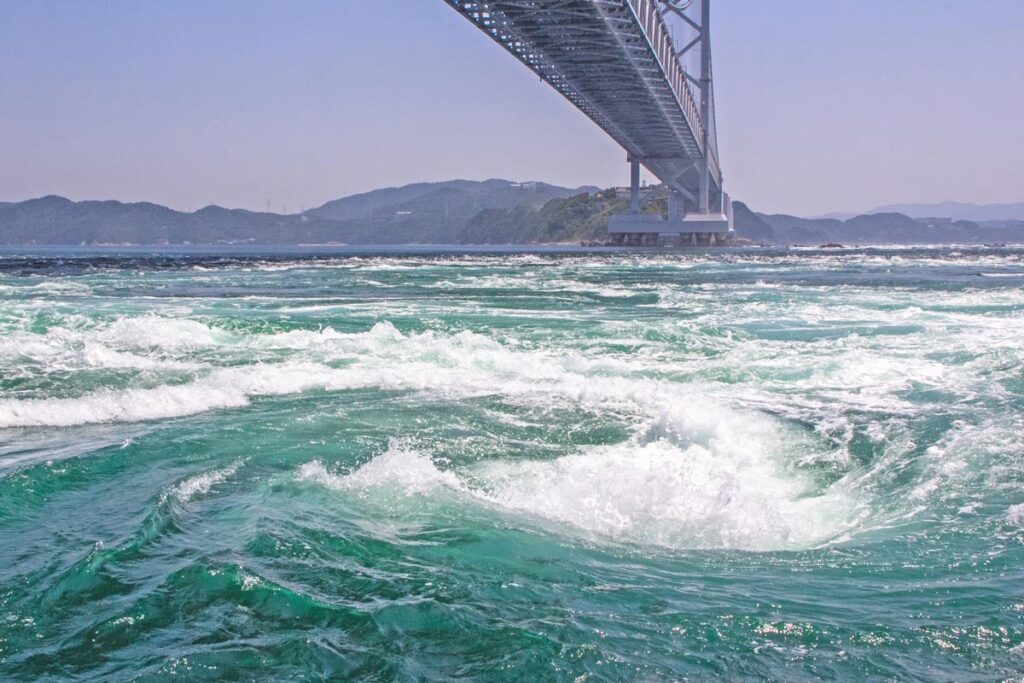
Naruto Whirlpools

Otsuka Museum Art
Iya Valley