

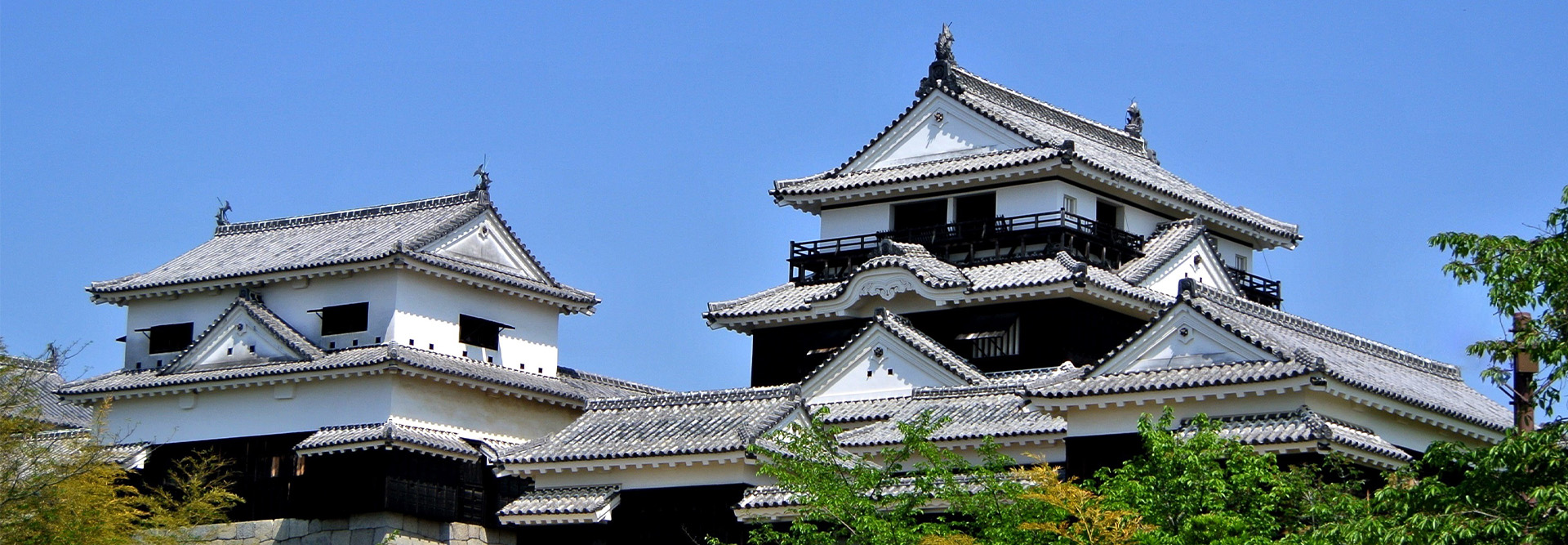
Matsuyama Castle
Matsuyama Castle: A First-Time Visitor’s Guide to One of Japan’s Great Hilltop Fortresses
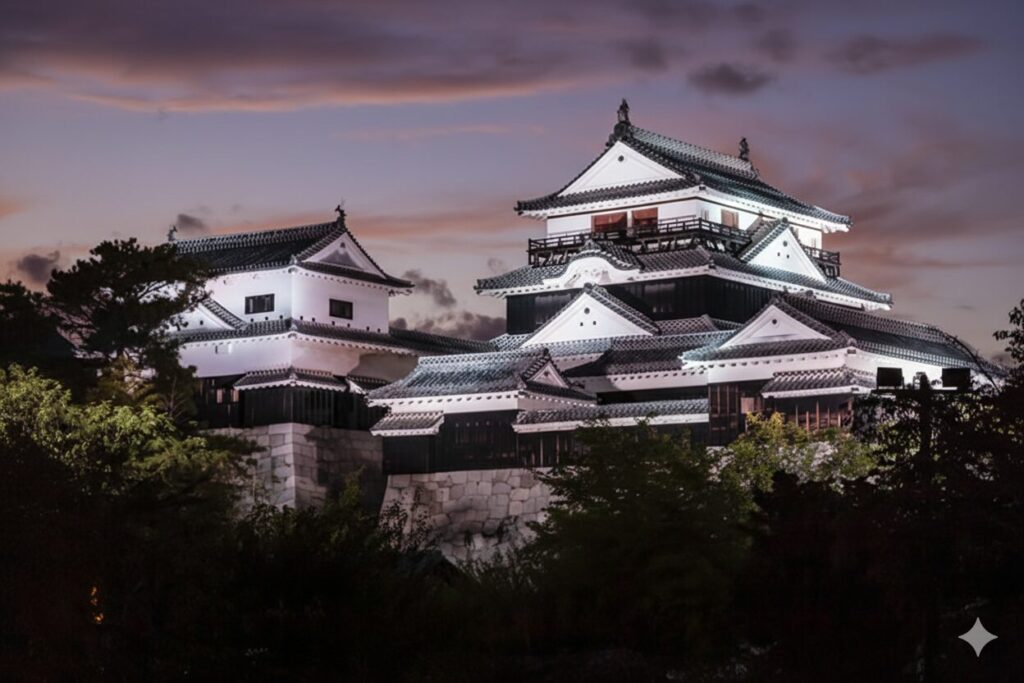
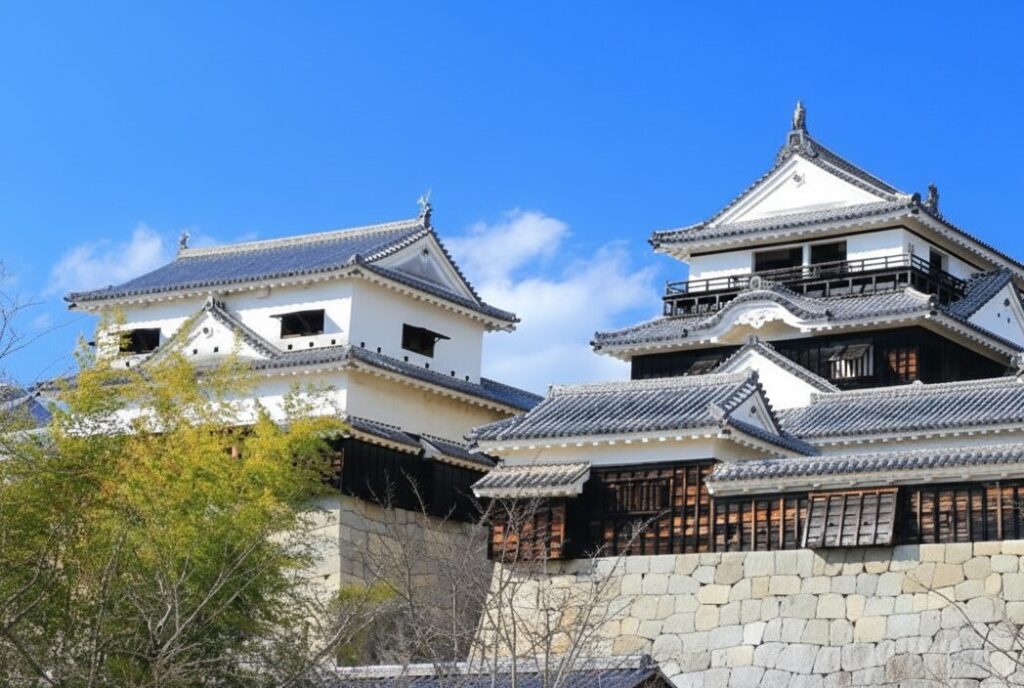
Photos are for illustrative purposes only.
High above the city streets of Matsuyama in Ehime Prefecture, a dark-timbered fortress stands watch over the Seto Inland Sea. Matsuyama Castle is one of Japan’s few remaining original castles, and visiting it is a memorable step back into the feudal era. For first-time travelers to Japan, it offers history, panoramic views, and a relaxed local atmosphere far from the country’s busiest tourist hubs.
Why Visit Matsuyama Castle?
Japan once had thousands of castles, but only a small number survived fires, earthquakes and modern warfare. Matsuyama Castle is one of just a dozen with an original wooden keep (tenshu) still standing. This alone makes it special, but there are more reasons to include it in your Japan itinerary:
- Spectacular views: From the main keep, you can see the city, mountains, and on clear days the shimmering Seto Inland Sea.
- Authentic castle architecture: Original turrets, gates, stone walls and layout show how a real Edo-period fortress worked.
- Relaxed local city vibe: Matsuyama is compact and friendly, making the castle easy to visit alongside hot springs and local food.
- Fewer crowds: Compared with castles in Osaka or Himeji, you can often explore at a slower pace, with more space for photos.
Where Is Matsuyama Castle and How to Get There
Matsuyama is the capital city of Ehime Prefecture on the island of Shikoku, southwest of Osaka and Hiroshima. It sits on the shores of the Seto Inland Sea, a region known for mild weather, citrus orchards and scenic island views.
Getting to Matsuyama from Major Cities
- From Osaka or Kyoto: Take the Shinkansen to Okayama, then transfer to a limited express train bound for Matsuyama (about 3 to 3.5 hours from Okayama). Japan Rail Pass covers this route.
- From Hiroshima: You can travel by Shinkansen to Okayama and then on to Matsuyama by limited express, or take a highway bus and ferry combination across the Seto Inland Sea.
- By air: Matsuyama Airport has domestic flights from Tokyo, Osaka and other cities. The airport is about 30 minutes from central Matsuyama by bus or taxi.
Access from Matsuyama Station
The castle stands on Mount Katsuyama, right in the middle of the city. From JR Matsuyama Station or the central shopping districts, it is straightforward to reach:
- By tram: Take the local tram to the stop near the ropeway station (signs in English will help guide you). From there it is a short walk.
- On foot: If you are staying in the city center, you can simply walk toward the base of the mountain in 15–20 minutes.
Once at the base, you can decide whether to ride the ropeway or chairlift, or hike up.
Reaching the Castle: Ropeway, Chairlift or Walk
Matsuyama Castle sits on a 132-meter hill, and getting there is part of the experience. You have three options, each with its own vibe.
Ropeway
The enclosed ropeway gondola is the most comfortable way up. It is fast, sheltered from wind and rain, and ideal if you have luggage, are afraid of heights, or are visiting with children. The ride offers a pleasant view of the city through large windows, making it a gentle introduction to the castle.
Chairlift
For something more playful, ride the open-air single-chair lift. You sit in a simple seat and float above the trees, feeling the breeze and hearing the city fade away beneath you. There is a safety bar, but you are otherwise exposed, so this option is not recommended for very small children or anyone uncomfortable with heights. On sunny days, the chairlift is particularly charming.
Walking Up
If you prefer a bit of exercise, you can walk up a network of paths that wind through the wooded slope. The walk typically takes 15–20 minutes, with moderate incline. It is a good way to experience the natural setting and imagine how samurai would have approached the castle gates centuries ago. Wear comfortable shoes, as the paths and stone steps can be uneven or slippery after rain.
A Brief History of Matsuyama Castle
Matsuyama Castle was begun in the early 17th century by feudal lord Katō Yoshiaki, a military commander rewarded for his role in the Battle of Sekigahara. Construction started in 1602 and took several decades to complete, including the central keep, defensive towers and extensive stone walls.
Like many Japanese castles, it suffered damage from lightning, fire and warfare across the centuries. The main keep you see today was rebuilt in the 19th century, still within the feudal era, using traditional wooden techniques. Because it was reconstructed before Japan’s modern period, it is regarded as an “original” surviving castle rather than a modern concrete replica.
During the Meiji Restoration, when Japan rapidly modernized, many castles were demolished as symbols of the old feudal system. Matsuyama Castle was partially dismantled, but key parts remained. After World War II, the city and local citizens worked to restore and preserve the site as a public park and historical landmark. Today it stands as a testament to the region’s samurai past and the community’s pride in their heritage.
Exploring the Castle Grounds
Visiting Matsuyama Castle is as much about wandering the grounds as it is about entering the keep. Allow at least two to three hours to explore at a relaxed pace.
Stone Walls, Gates and Defensive Layout
As you approach the core of the castle, pay attention to the stone walls and maze-like pathways. The design intentionally forces attackers to approach from vulnerable angles, climbing steep slopes and passing through multiple gates, each one a potential trap. The walls are built with precisely cut stones, fitted without mortar, demonstrating advanced masonry skills from centuries ago.
You will pass through massive gates and small courtyards as you climb. Many gates and turrets are reconstructed with wood in the traditional style, so you can imagine how guards once watched every entrance. Look for signs in English explaining the function of each structure, from armories to watchtowers.
Main Bailey and Open Spaces
Near the top, the grounds open into broad courtyards where samurai might have gathered, trained, or staged ceremonies. These areas become lively picnic spots in spring and autumn, with families and travelers spread out on the grass. From these terraces, you already get excellent views of the city, even before entering the keep.
Inside the Main Keep (Tenshu)
The main keep is a multi-story wooden tower with dark, layered roofs and white plaster walls. Before you enter, you will usually be asked to remove your shoes or wear provided slippers, a common practice in historic buildings in Japan.
Inside, expect polished wooden floors, low ceilings and steep staircases. The stairs can be narrow and quite steep, so move carefully and hold the railings. This design is authentic: warriors defending the castle would have taken advantage of the tight, vertical spaces.
Exhibits and Samurai Culture
The interior functions as a small museum of Matsuyama’s feudal history. Displays typically include:
- Samurai armor and helmets showing intricate craftsmanship
- Swords and spears used by warriors defending the domain
- Old maps and castle blueprints illustrating the strategic layout
- Documents and artifacts from the ruling Matsudaira family
Information panels often have English explanations, making it easier for first-time visitors to understand the social structure of a castle town: the lord at the top, with samurai, merchants, artisans and farmers living in carefully organized districts below.
Observation Deck and Panoramic Views
At the upper levels, wooden corridors open to wide views over Matsuyama city. You can see the grid of streets, the distant mountains of Shikoku’s interior, and on clear days, the Seto Inland Sea dotted with islands. Time your visit for late afternoon if you want to see the city glow in warm light or stay until around sunset for especially atmospheric photos.
Best Seasons and Times to Visit
Matsuyama Castle can be visited year-round, but different seasons offer distinct experiences.
Spring: Cherry Blossoms
Spring is particularly beautiful. The castle hill is planted with cherry trees, and when they bloom, usually from late March to early April, the stone walls and wooden towers are framed by pink blossoms. Locals gather for hanami (flower-viewing) picnics, and the park takes on a festive atmosphere in the evenings, sometimes with illuminated trees.
Summer: Green and Lively
Summer brings lush green foliage and longer daylight hours. It can be hot and humid, especially in July and August, so visit in the morning or late afternoon and bring water, sunscreen and a hat. On clear days the sea views are particularly vivid.
Autumn: Colorful Leaves
From late October to late November, temperatures are mild and the trees around the castle turn shades of red, orange and gold. This is one of the most comfortable times to climb the hill and stroll the grounds.
Winter: Quiet and Atmospheric
In winter, the air is crisp, views are clear, and visitor numbers are lower. Snow is not guaranteed, but if you are lucky enough to see the castle dusted in white, it is a striking sight. Bring warm clothing, as it can be breezy on the hilltop.
Regardless of season, check local opening hours before your visit, as the castle typically closes by late afternoon.
Practical Tips for First-Time Visitors
- Footwear: Wear comfortable shoes suitable for walking up slopes and climbing stairs. You will remove them inside the keep, so socks without holes are a practical detail.
- Tickets: There is a small entrance fee to the castle and a separate fee for the ropeway or chairlift. Combination tickets are often available and can save money.
- Luggage: Avoid bringing large bags up the hill. If you are traveling with a suitcase, use coin lockers at the station or your accommodation.
- Language support: Basic English signage is common, and staff are used to international visitors, though not everyone will speak English fluently. Simple phrases and gestures go a long way.
- Photography: Photography is generally allowed, but be mindful of signs in specific exhibition areas.
Nearby Experiences: Make a Day of It
Matsuyama Castle is just one highlight of the city. You can easily combine it with nearby attractions in a single day or weekend.
Dogo Onsen
A short tram ride from the city center brings you to Dogo Onsen, one of Japan’s oldest hot spring districts. The main bathhouse, with its wooden façade and traditional interior, has inspired artists and writers for centuries. Soaking in the hot spring after walking up and down the castle hill is a time-honored local pleasure.
Shopping Streets and Local Snacks
Between the castle base and Dogo Onsen, you will find covered shopping arcades lined with small shops and cafés. This is a good place to sample local specialties like mikan (mandarin oranges) and sweets made with citrus or red beans. Look out for botchan dango, colorful skewered rice dumplings named after a famous novel set in Matsuyama.
Local Food to Try After Your Castle Visit
Every region in Japan has its own comfort foods, and Matsuyama is no exception. Consider trying:
- Taimeshi: Rice cooked or served with sea bream, a fish associated with celebration and good fortune.
- Jakoten: Fried fish cake made from small local fish, best enjoyed hot with a drink.
- Citrus desserts and juices: Ehime is famous for oranges and related fruits, so fresh juice and citrus-based sweets are a must.
Many restaurants and casual eateries near the castle and tram stops offer English menus or picture menus, which makes ordering easy for first-time visitors.
Suggested Itinerary: One Day in Matsuyama with the Castle
If you are planning a short stay, here is a simple one-day plan:
- Morning: Arrive in Matsuyama, drop luggage at your hotel, then head to the ropeway station and ride up to the castle. Explore the grounds and main keep, taking your time with the exhibits and views.
- Lunch: Return to the base and find a nearby restaurant to try taimeshi or other local dishes.
- Afternoon: Stroll through the shopping arcades toward Dogo Onsen, stopping for snacks and souvenirs.
- Evening: Soak in Dogo Onsen’s baths, then enjoy a relaxed dinner before returning to your accommodation.
This pace lets you experience history, everyday city life, and traditional hot springs without rushing.
Final Thoughts: Experiencing Japan Beyond the Big Cities
Matsuyama Castle offers a vivid, tangible connection to Japan’s samurai era in a setting that feels welcoming and unhurried. For first-time visitors, it is an ideal introduction to Japanese castles and regional culture, showing a side of the country that many travelers miss if they stay only in Tokyo or Kyoto.
From the moment you rise above the city on the ropeway or step onto the weathered wooden floors of the keep, you are participating in a story that has unfolded here for more than 400 years. Combine the castle with hot springs, local food and the gentle pace of Matsuyama, and you will leave with a richer sense of what Japan has to offer beyond its most famous sights.

Access Map
Recommended spots in Ehime
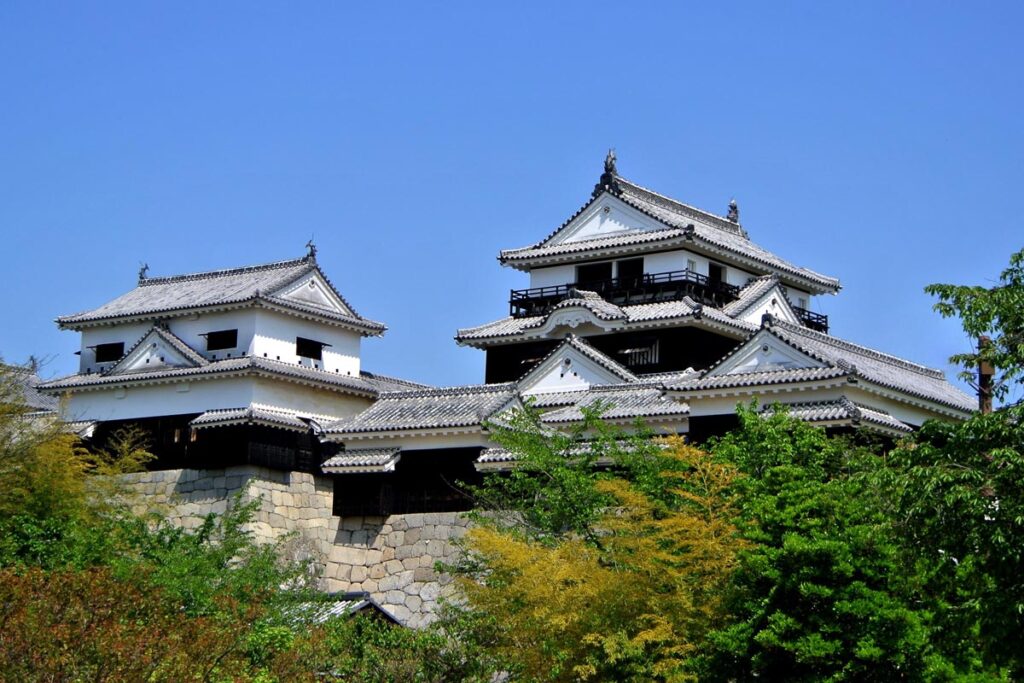
Matsuyama Castle
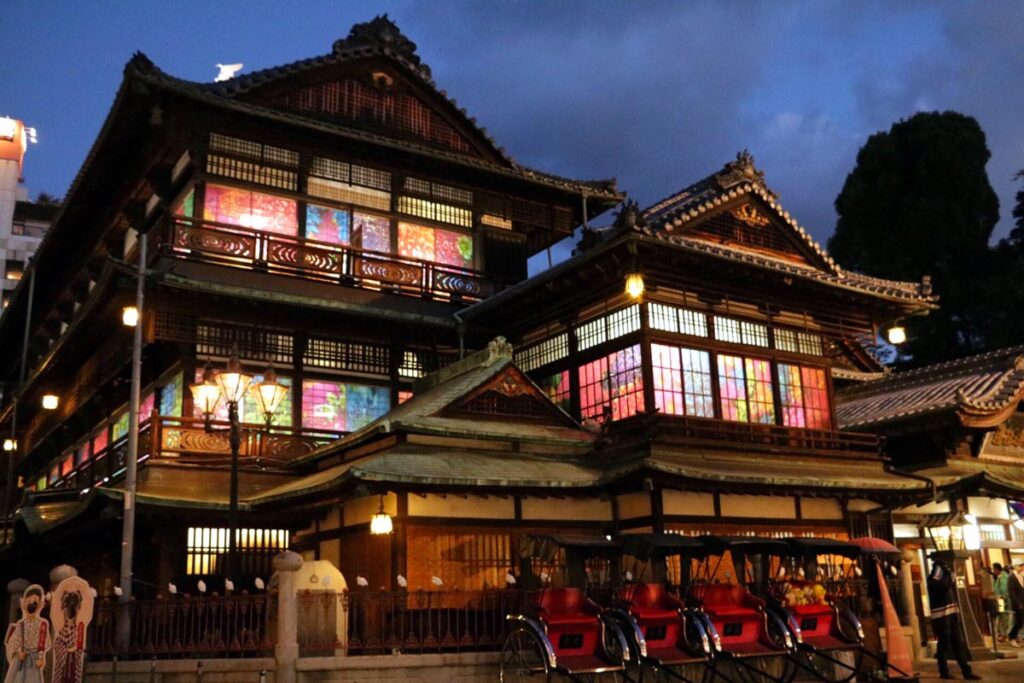
Dōgo Onsen
Top destinations in Chugoku/Shikoku
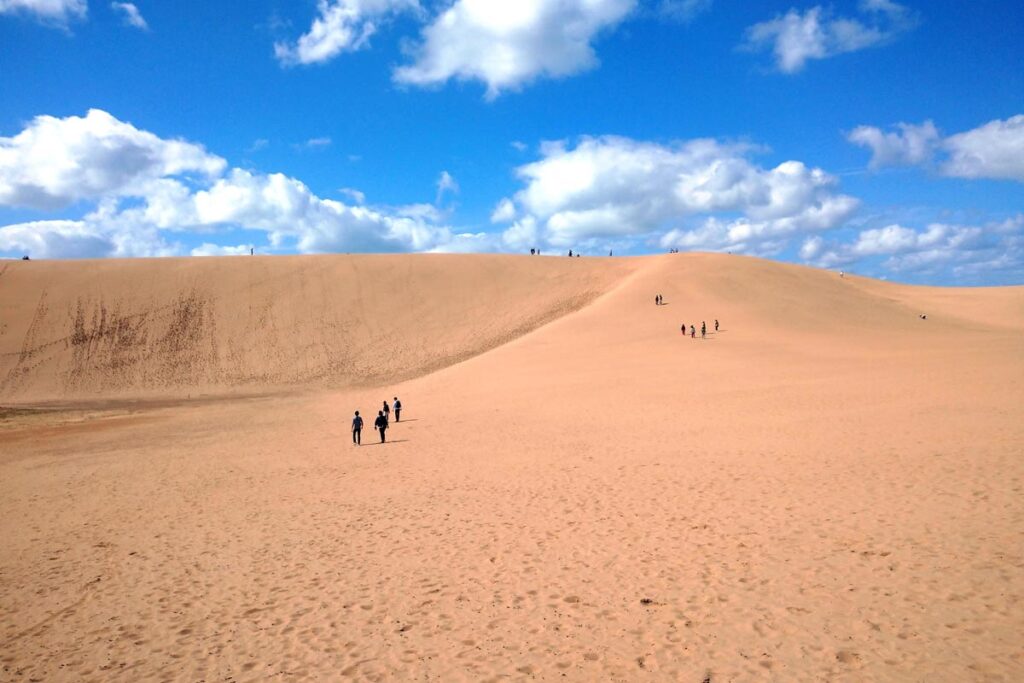
Tottori
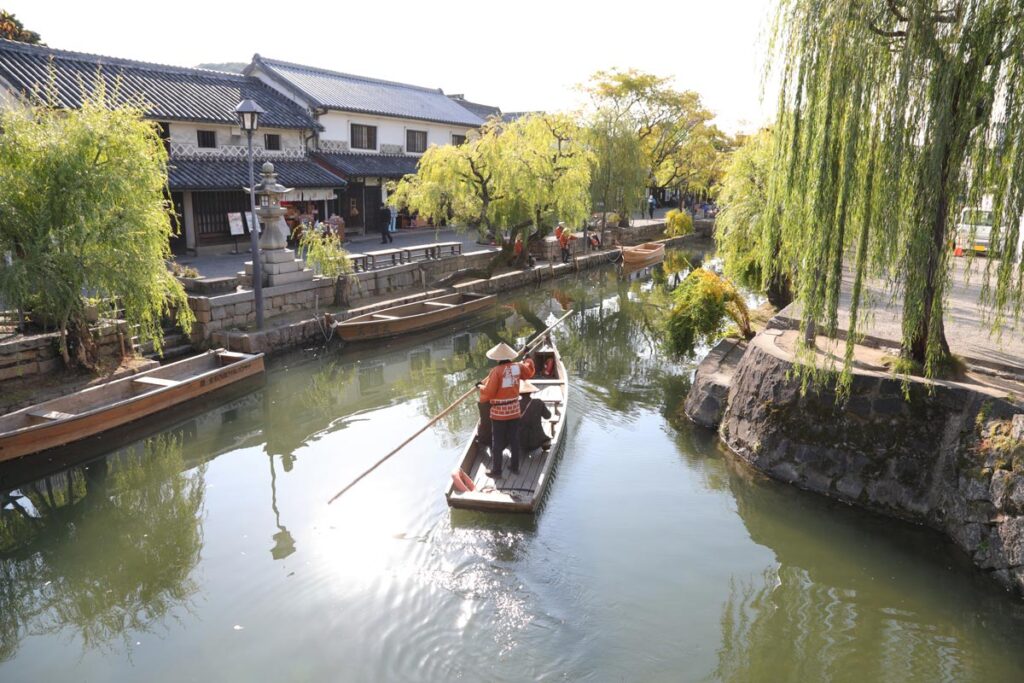
Okayama
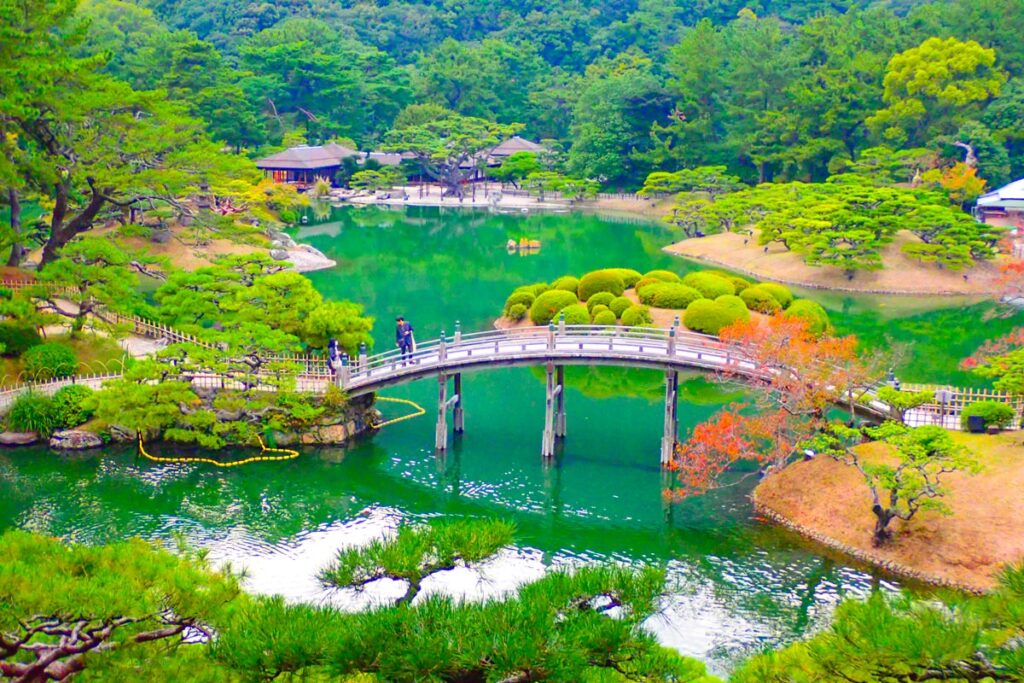
Kagawa