Dōgo Onsen
Dōgo Onsen Travel Guide for First-Time Visitors to Japan
Photos are for illustrative purposes only.
Hidden in the hills of Matsuyama on Shikoku Island, Dōgo Onsen is often described as Japan’s oldest hot spring. For more than a thousand years, emperors, poets, and weary travelers have come here to soak in its mineral-rich waters. For international visitors, Dōgo Onsen offers an unforgettable mix of living history, traditional architecture, and everyday local life that you can literally step into and experience.
Why Dōgo Onsen Belongs on Your Japan Itinerary
Many first-time travelers to Japan visit Tokyo, Kyoto, and Osaka, but fewer make it to Shikoku. Those who do often count Dōgo Onsen as a highlight of their entire trip. It is compact and walkable, yet layered with stories: folk legends, imperial visits, and literary connections, all wrapped around the simple pleasure of a hot bath.
Dōgo Onsen is especially famous for:
- Its claim as one of Japan’s oldest hot springs, with a history stretching back over a millennium
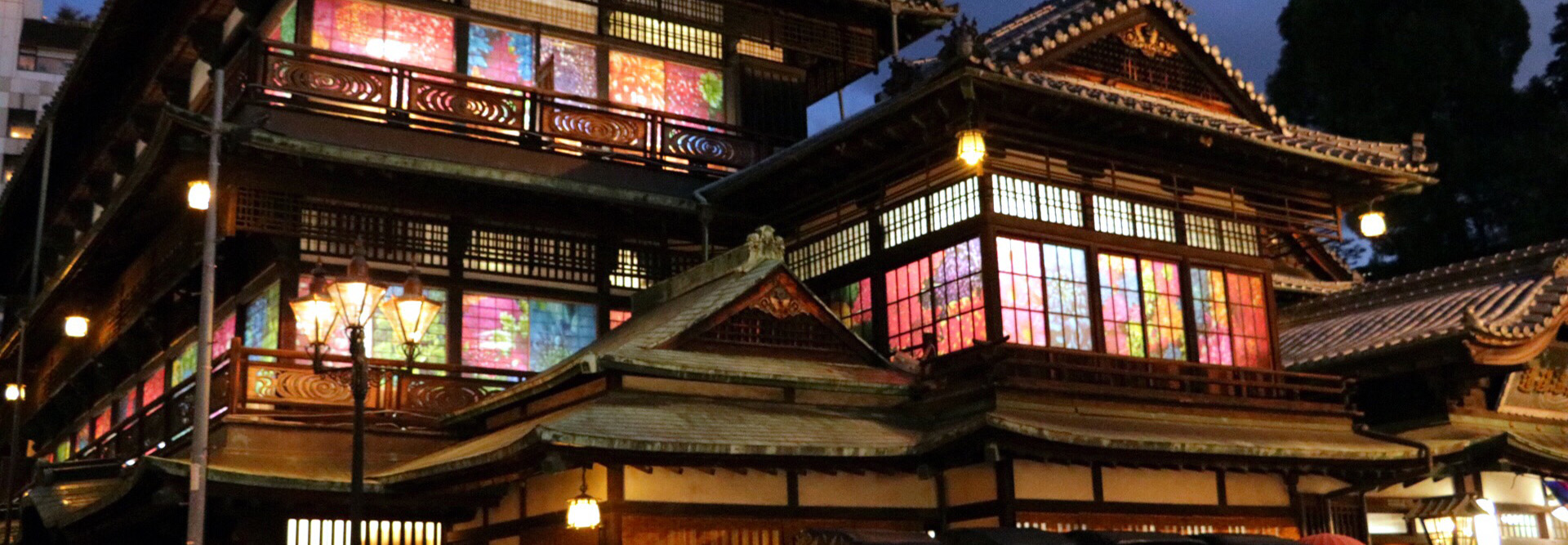
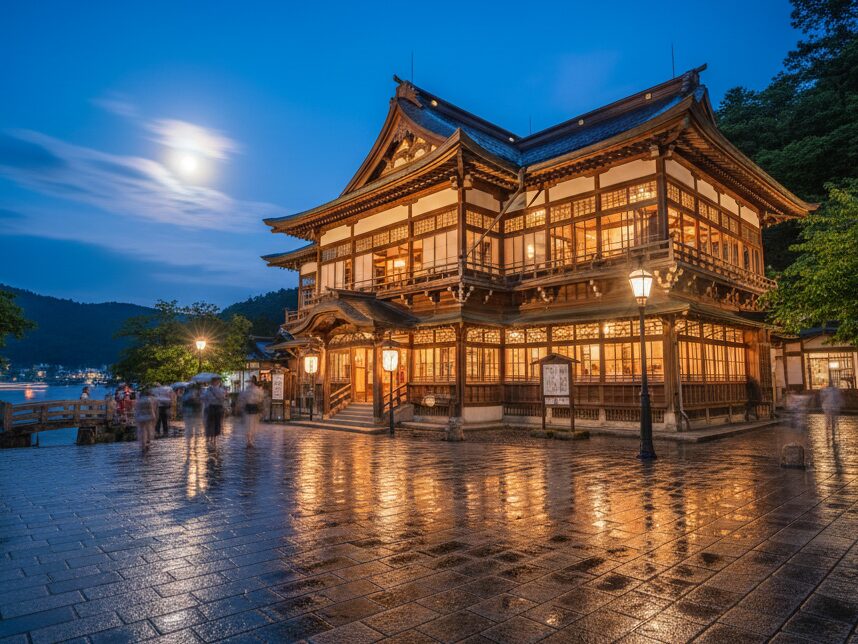
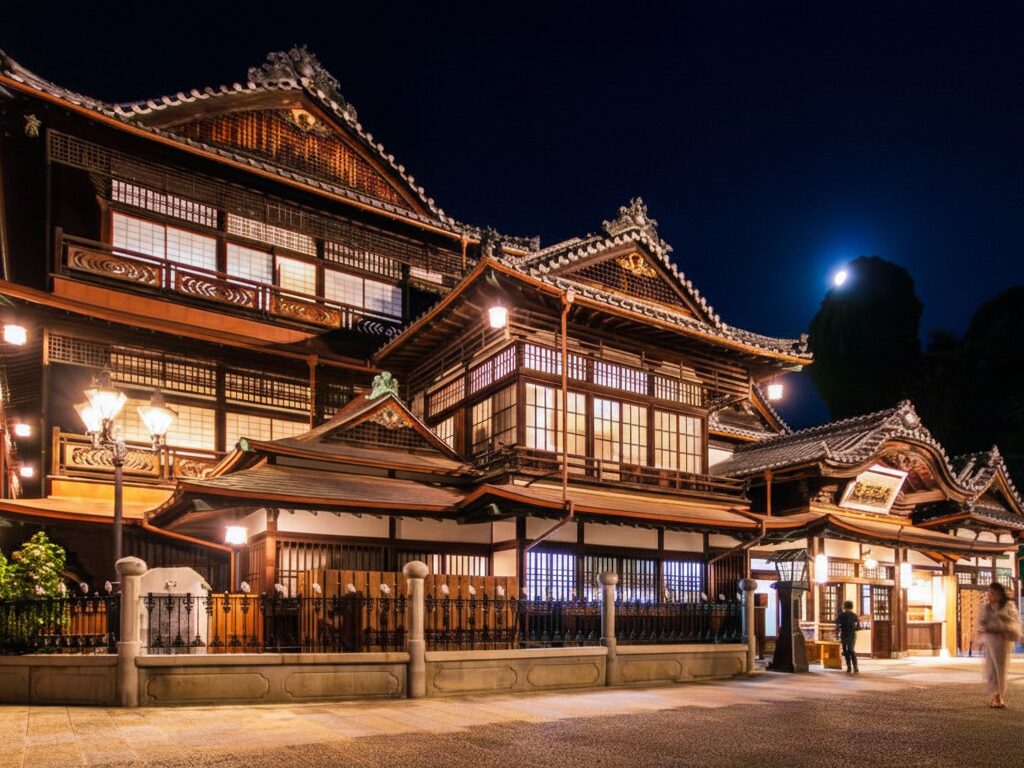
- The atmospheric, multi-story wooden bathhouse that inspired artists and filmmakers around the world
- A very local, everyday atmosphere where tourists and residents share the same baths
- Easy access from downtown Matsuyama by nostalgic streetcar
Unlike glamorous resort spas, Dōgo Onsen is more about authentic public bathing culture than luxury treatments. The appeal lies in its simplicity: change into a yukata, step into gently steaming water, and slow down to local speed.
Where Is Dōgo Onsen and How Do You Get There?
Dōgo Onsen is a neighborhood in the city of Matsuyama, the capital of Ehime Prefecture on Shikoku Island. Although it feels pleasantly removed from Japan’s megacities, it is straightforward to reach with a bit of planning.
From Tokyo
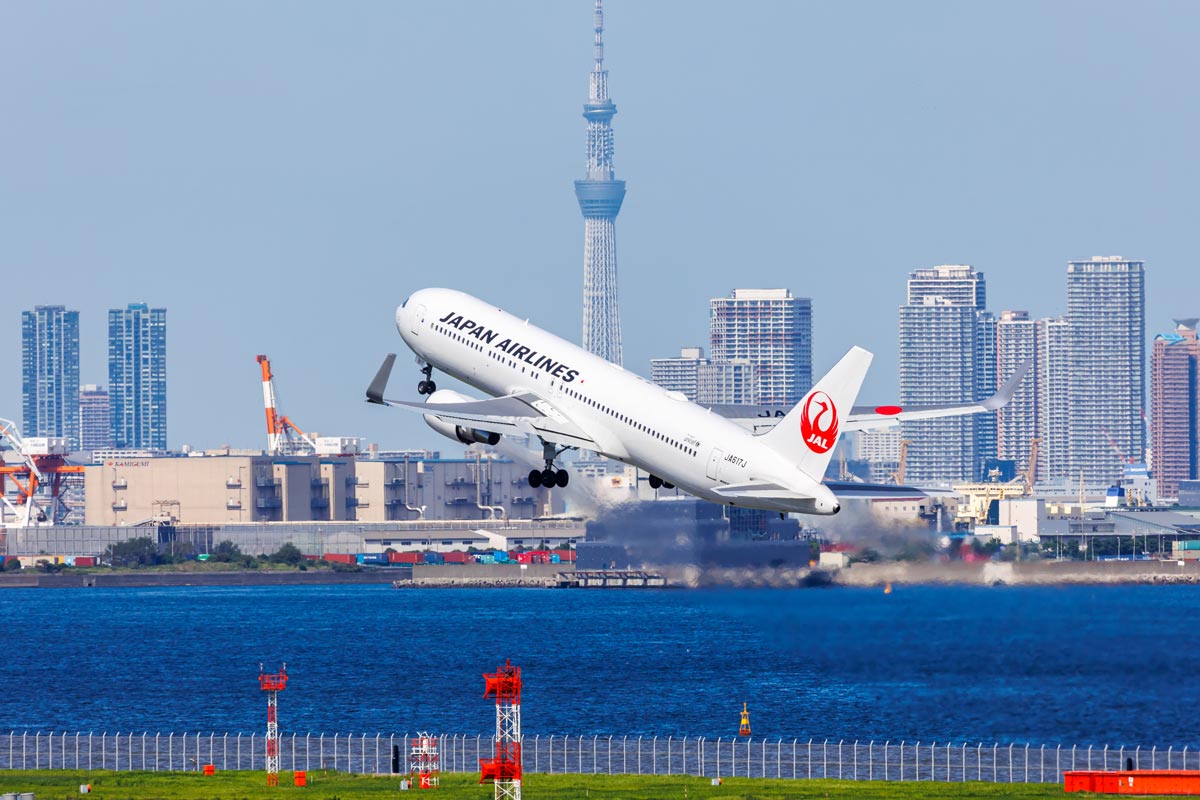
By air: The fastest option is a domestic flight from Tokyo (usually Haneda Airport) to Matsuyama Airport, taking around 1.5 hours. From Matsuyama Airport, buses run into the city center, and you can transfer to a tram bound for Dōgo Onsen.
By train and ferry: For rail enthusiasts, you can travel by shinkansen from Tokyo to Okayama, then connect by limited express train and, in some cases, ferry to Shikoku. This option takes significantly longer but can be worked into a Japan Rail Pass itinerary.
From Osaka or Hiroshima
From Osaka, take a train to Okayama and continue by limited express train to Matsuyama. From Hiroshima, you can combine train and ferry routes via Onomichi or other Seto Inland Sea crossings. Total travel times typically range from three to five hours depending on connections.
Reaching Dōgo Onsen from Matsuyama Station
Once in Matsuyama, reaching Dōgo Onsen is straightforward:
- By tram: Take a city tram bound for Dōgo Onsen. The ride from Matsuyama City Station takes about 20 minutes and drops you right in front of the bathhouse area.
- By bus or taxi: Buses link many parts of the city to the Dōgo area, and taxis are widely available and relatively affordable for the short distance.
The streetcar is part of the charm: rattling past castle views and quiet neighborhoods, you’ll feel the pace of life gradually slow as you approach the onsen.
Understanding Dōgo Onsen: More Than Just a Bath
Dōgo Onsen is best understood as both a hot spring source and a small onsen town. The core area includes:
- The historic wooden public bathhouse
- Modern public bath facilities that share the same hot spring source
- Onsen ryokan (traditional inns) and hotels that pipe in the natural hot spring water to their own baths
- A compact shopping and dining street linking the tram stop and bathhouses
This blend creates a walkable district where you can bathe, eat, shop for local crafts, and stroll in yukata between bathhouse and inn—one of the most quintessentially Japanese travel experiences.
What to Expect Inside the Bathhouse
For many international visitors, Japanese communal bathing is completely new. Dōgo Onsen is a gentle place to learn: locals are used to visitors, and the customs are simple once you understand the basics.
Ticket Types and Facilities
At the entrance, you will purchase a ticket. The exact options can vary over time and between facilities, but generally you’ll choose between:
- Basic bathing ticket: Gives you access to the public baths and simple locker or shelf space.
- Bathing plus rest area: Includes use of a tatami rest room or lounge, where you can relax in a yukata after your soak.
Staff at the ticket counter are used to non-Japanese speakers. If you are unsure, point to the option your guidebook or hotel recommended, or say “bath only, please.”
Bathing Etiquette in Japan
Onsen etiquette may feel intimidating at first, but it is based on cleanliness and consideration for others. Here is the typical flow:
- Remove shoes at the entrance if required and place them in the shoe lockers or racks.
- Separate by gender: Men and women bathe in separate areas, each clearly marked.
- Undress completely in the changing room. Bathing suits are not worn. Use the small towel you receive for modesty if you like.
- Wash thoroughly at the shower stations before entering the main bath. Sit on the stool, use soap and shampoo, and rinse well.
- Enter the hot spring slowly. Keep your towel out of the water; place it on your head or on the edge of the bath.
- Soak quietly and avoid splashing. This is a place to relax rather than to play.
- Rinse off if desired when you finish (some people prefer to leave the mineral water on their skin).
- Dry off before returning to the changing room, so the floor stays as dry as possible.
If you have tattoos, be aware that some traditional baths in Japan may restrict entry. Policies can evolve over time, so check ahead with your accommodation or visitor information center to avoid surprises.
When to Visit Dōgo Onsen
Dōgo Onsen is open year-round, and each season offers a different atmosphere:
- Spring (March–May): Mild temperatures and cherry blossoms in local parks make this one of the most pleasant times to visit.
- Summer (June–August): Hot and humid outside, but evenings can be lively, with festivals and people strolling in yukata.
- Autumn (September–November): Comfortable weather and colorful foliage in nearby hills; excellent time to pair onsen visits with walks.
- Winter (December–February): Cold air and hot baths are a perfect combination. The steam rising from the baths feels especially magical on chilly nights.
Weekends, national holidays, and evenings are typically busier, as locals come after work. For a quieter experience, try visiting on a weekday morning or early afternoon.
What to Bring (and What You Can Rent)
You do not need to bring much to enjoy Dōgo Onsen, and many items can be rented or purchased on site.
- Cash: Some ticket counters and small shops may not accept credit cards, so bring enough yen for admission and small purchases.
- Towel: You can bring your own small towel and bath towel, or rent/buy them at the bathhouse.
- Toiletries: Basic soap and shampoo are usually provided, but if you have sensitive skin, bring your own products.
- Yukata: If you are staying in a nearby ryokan or hotel, they will often provide a yukata set for walking to and from the baths.
Keep valuables minimal. Most facilities offer lockers, but it is always wise to bring only what you really need.
Exploring the Dōgo Onsen Neighborhood
It would be a shame to come only for a bath and miss the charming streets surrounding Dōgo Onsen. The neighborhood is compact and very walkable.
Dōgo Shopping Arcade
Leading from the tram stop toward the bathhouse is a covered shopping street lined with souvenir shops, cafés, and snack stalls. Here you can:
- Sample local sweets made from citrus fruits, for which Ehime is famous
- Try tai-meshi, a local rice dish featuring sea bream, in nearby restaurants
- Pick up traditional towels, bath goods, and local crafts as souvenirs
Parks, Shrines, and Strolling
Just beyond the main onsen area, you will find small parks and shrines that add calm and context to your visit. These spaces reflect how hot springs in Japan are often associated with spiritual renewal as well as physical relaxation.
Walking around in a yukata and wooden geta sandals is not just accepted; it is part of the local culture. Many visitors enjoy an evening stroll before or after bathing, listening to the clip-clop of sandals echoing through quiet streets.
Staying Overnight: Ryokan and Hotels
To fully experience the onsen lifestyle, consider spending at least one night in the Dōgo Onsen area. Accommodation options range from classic ryokan with tatami rooms and kaiseki dinners to more modern hotels with Western-style beds.
What to Expect at a Ryokan
If you choose a ryokan, your stay might include:
- Traditional room: Tatami mat flooring, low tables, and futon bedding laid out in the evening.
- Onsen baths on site: Many ryokan have their own indoor or outdoor baths using the same hot spring source.
- Japanese meals: Elaborate multi-course dinners and beautifully presented breakfasts, highlighting local ingredients from the Seto Inland Sea and surrounding countryside.
- Yukata and slippers: Provided for use inside the inn and for walking to nearby baths.
Staying overnight allows you to bathe at quieter times, such as early morning or late at night, when the atmosphere is especially serene.
Cultural Context: The Meaning of Onsen in Japan
For many Japanese people, onsen are more than a place to wash; they are spaces for social connection, seasonal rituals, and personal reflection.
- Communal relaxation: Friends, families, and solo travelers share the same water. Conversations are generally quiet, but the sense of shared time is strong.
- Health and healing: Mineral springs like those at Dōgo Onsen have long been believed to help with fatigue and certain ailments. Many regular visitors come for the perceived health benefits.
- Ritual and routine: The repeated cycle of washing, soaking, and resting becomes almost meditative, a counterbalance to the demands of work and city life.
By joining this rhythm, even briefly, international visitors can glimpse a side of Japan that is slower and more intimate than the neon-lit cityscapes often associated with the country.
Combining Dōgo Onsen with Other Matsuyama Sights
Matsuyama is much more than its hot springs, and Dōgo Onsen makes an excellent base for exploring the city and nearby areas.
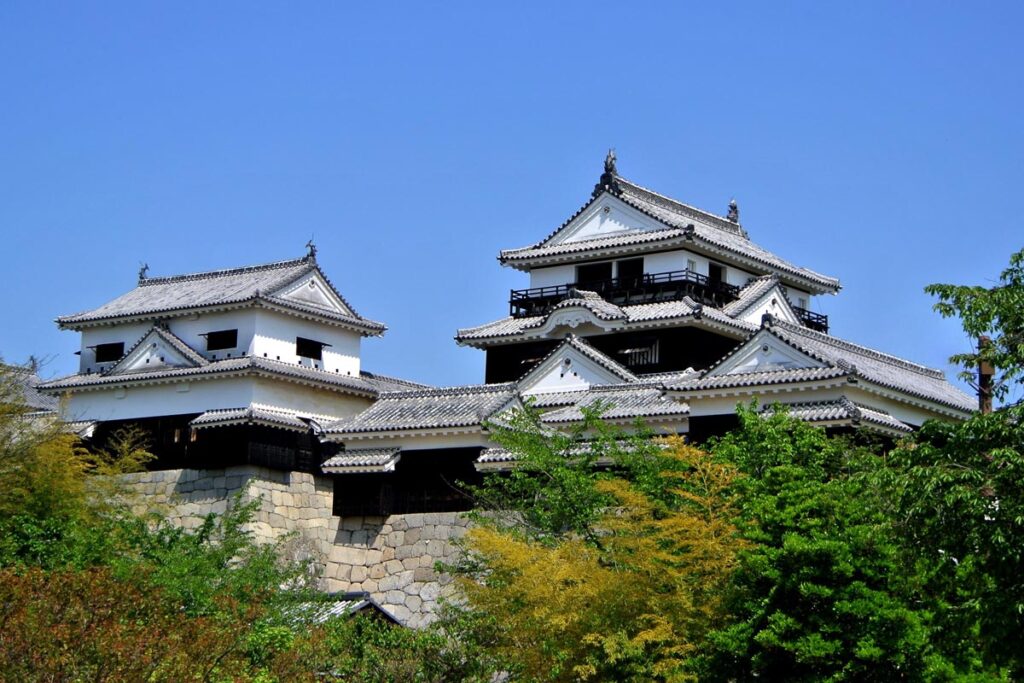
- Matsuyama Castle: One of Japan’s more complete hilltop castles, offering panoramic views over the city and sea. Combine a morning castle visit with an afternoon soak.
- Local temples and literary spots: The city is associated with several noted writers and haiku poets. Fans of Japanese literature often seek out related sites before unwinding at the onsen.
- Seto Inland Sea excursions: From Matsuyama, ferries link to islands and other coastal towns, allowing you to add cycling routes or seaside walks to your itinerary.
Spending two or three days in the region gives you time to enjoy both the cultural landmarks and the relaxed everyday atmosphere that makes this corner of Japan so appealing.
Practical Tips for First-Time Visitors
To make your Dōgo Onsen visit smoother and more enjoyable, keep these points in mind:
- Hydrate well: Onsen water is hot, and you may sweat more than you expect. Drink water before and after bathing.
- Limit soak time: Start with short dips of five to ten minutes, especially if you are not used to hot baths.
- Avoid alcohol before bathing: Bathing after drinking can be dangerous; save your sake for after you finish soaking.
- Respect quiet: Conversations are fine, but keep voices low and phones on silent. Photography is generally not allowed inside bathing areas.
- Check opening hours: Bathhouses may have early closing days or special maintenance periods. Confirm current hours via your hotel or local information center.
Why Dōgo Onsen Is Ideal for First-Time Travelers to Japan
For visitors experiencing Japan for the first time, Dōgo Onsen offers an ideal introduction to the country’s slower, more reflective side. It is easy to navigate, welcoming to newcomers, and rich with layers of history that you can feel rather than simply read about.
After a few days of trains, temples, and bustling streets, stepping into the warm waters of Dōgo Onsen can feel like pressing pause on your journey. Emerging refreshed, wrapped in a light cotton yukata and wandering through lantern-lit streets, you may find that this quiet corner of Shikoku becomes one of your most vivid memories of Japan.
Whether you come for a single afternoon or linger for several nights, Dōgo Onsen invites you to slow down, soak deeply, and experience Japanese culture at its most soothing.

Access Map
Recommended spots in Ehime
Matsuyama Castle
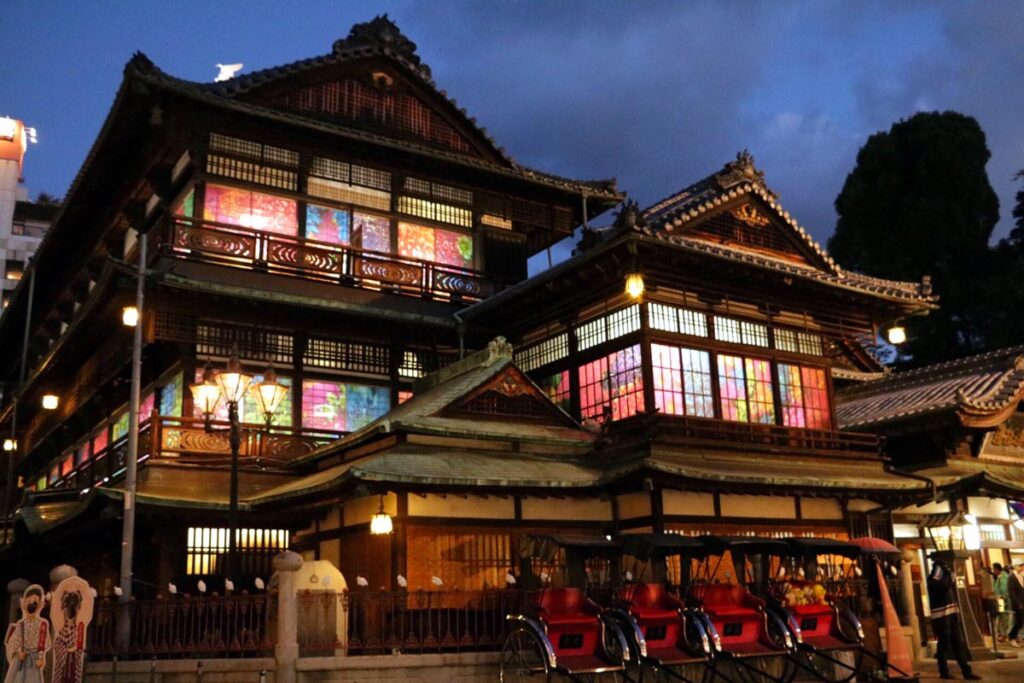
Dōgo Onsen
Top destinations in Chugoku/Shikoku
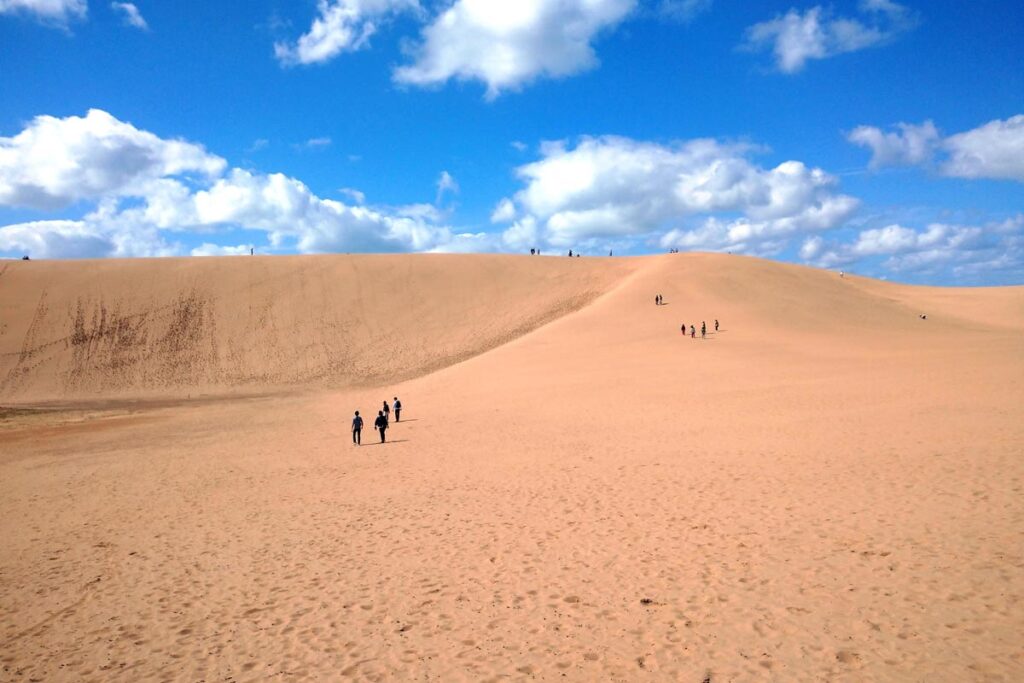
Tottori
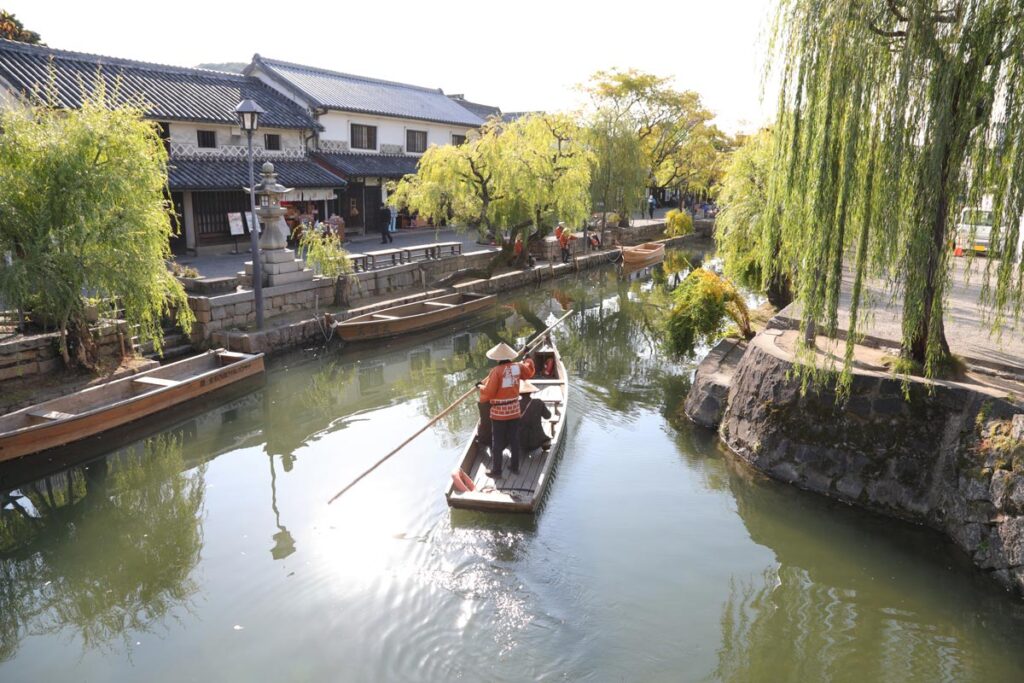
Okayama
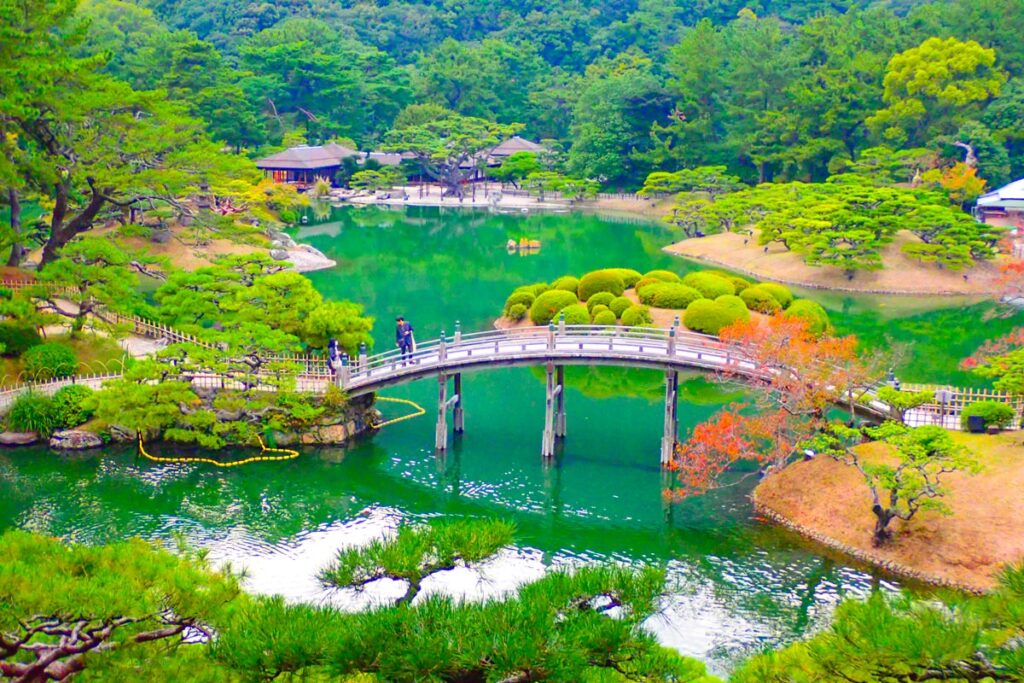
Kagawa