


Okinawa
Okinawa Travel Guide for First-Time Visitors to Japan
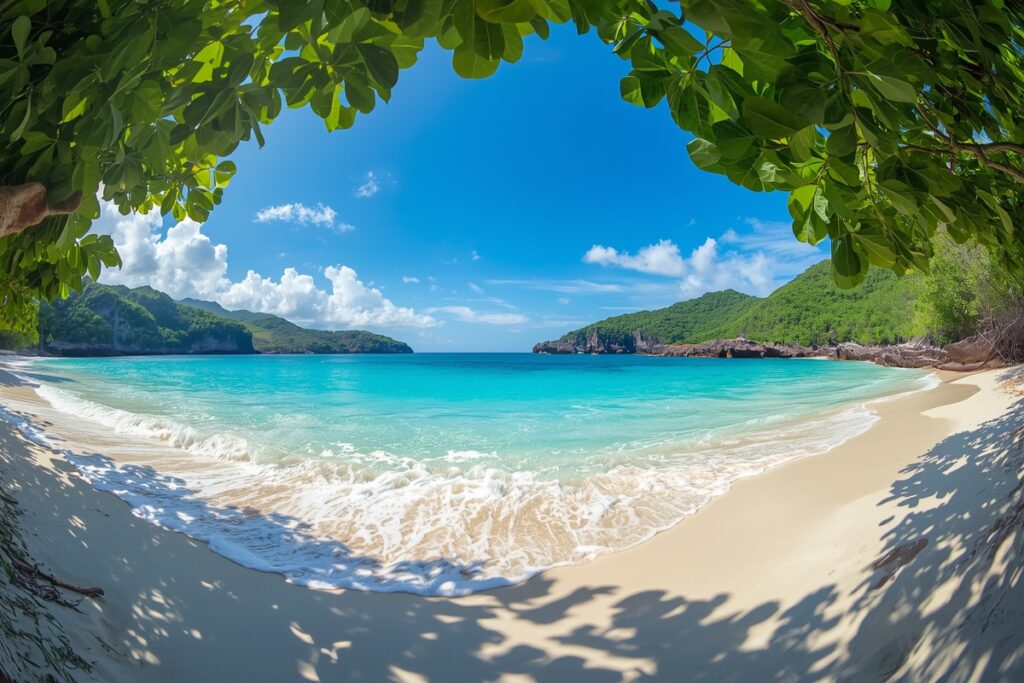
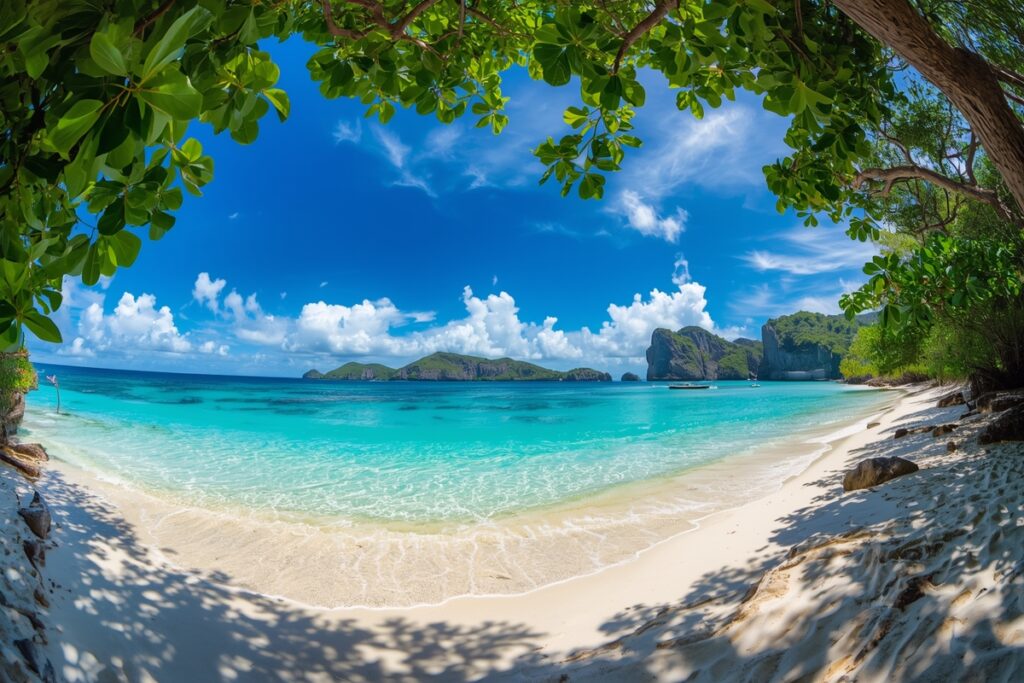
Photos are for illustrative purposes only.
For many first-time visitors to Japan, images of neon Tokyo and ancient Kyoto come to mind. But far to the southwest lies a very different side of the country: Okinawa, a chain of subtropical islands with emerald seas, coral reefs, and a culture shaped by centuries as the independent Ryukyu Kingdom. If you are looking to balance big-city Japan with beaches, slow island time, and deep history, Okinawa is an unforgettable choice.
Where Is Okinawa and Why Visit?
Okinawa Prefecture stretches across hundreds of islands between Kyushu and Taiwan. Its main island, often simply called Okinawa Island, is home to the capital city Naha, international airports, resorts, and major historical sites. Further out, smaller island groups such as the Kerama, Miyako, and Yaeyama islands offer some of Japan’s clearest waters and best diving.
Okinawa feels distinct from mainland Japan in three important ways:
- Subtropical climate: Warm weather dominates most of the year, with swimming and diving possible for many months.
- Unique culture: The Ryukyu Kingdom traded with China and Southeast Asia, creating a blend of music, food, crafts, and language unlike anywhere else in Japan.
- Powerful history: From castle ruins to World War II battle sites, Okinawa offers moving lessons in both prosperity and tragedy.
For international visitors, Okinawa is ideal if you want to enjoy a beach holiday without leaving Japan, or if you hope to experience a slower, more relaxed side of the country after intense days of sightseeing on the main islands.
When to Visit Okinawa
Okinawa’s seasons differ from those in Tokyo or Osaka. Knowing the rhythm of the climate helps you time your trip.
Spring (March–May)
Spring is one of the most pleasant times to visit. Temperatures are warm but not yet humid, and the sea gradually becomes comfortable for swimming. Cherry blossoms even bloom earlier than on the main islands, usually from late January to February, so by March the trees are already green. Visibility for snorkeling and diving is often excellent.
Summer (June–September)
Summer brings intense sun, high humidity, and peak beach season. This is the best time for water sports, but you must be prepared for two things: strong UV rays and the possibility of typhoons. The rainy season typically starts in May or June and lasts several weeks; heavy showers are common but often short. Typhoons, which may appear from July through October, can cause flight cancellations and ferry disruptions, so it is wise to build flexibility into your schedule.
Autumn (October–November)
Autumn is another ideal time to visit. The heat eases, yet the sea often stays warm enough for swimming through October, sometimes even into November. Skies can be clearer, and typhoons usually become less frequent. This is a comfortable season for both outdoor activities and cultural sightseeing.
Winter (December–February)
Winters are mild, rarely dropping to the single digits (Celsius) on the main island. You will not find snow, but the wind can feel cool, especially near the sea. While winter is not prime swimming season, it is attractive for peaceful walks, cultural exploration, and occasionally spotting humpback whales on special boat tours from certain islands.
How to Get to and Around Okinawa
Arriving in Okinawa
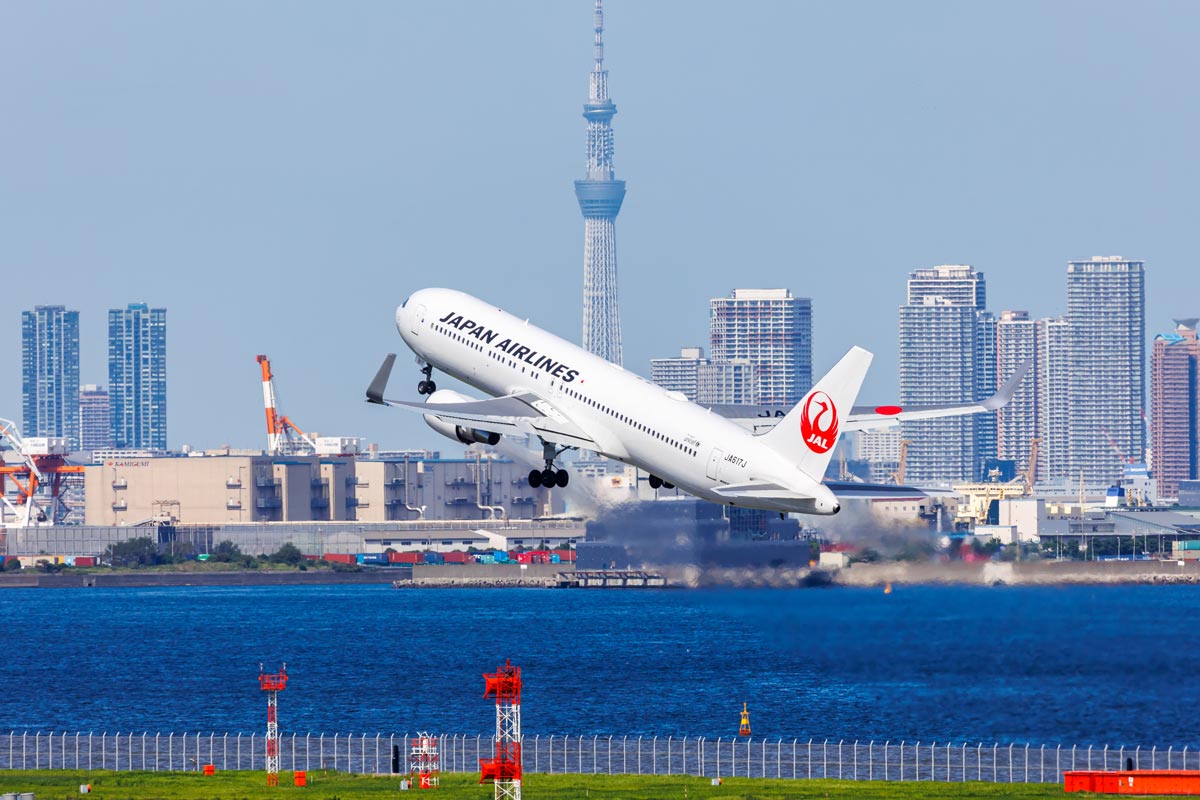
Most travelers arrive via Naha Airport on Okinawa Island. There are frequent domestic flights from Tokyo, Osaka, and other Japanese cities, as well as a growing number of international routes from nearby Asian hubs. Flight times from Tokyo are around three hours. Some remote islands such as Miyako and Ishigaki also have airports with flights from major Japanese cities, which can be convenient if you plan to focus on a specific island group.
Getting Around the Main Island
Okinawa Island stretches roughly 100 kilometers from north to south. Transportation options include:
- Yui Rail (Monorail): This compact urban railway connects Naha Airport to central Naha and Shuri. It is very useful for exploring the city without a car.
- Buses: Long-distance buses run up and down the island, but services can be infrequent and journey times long. If you are on a tight schedule, check timetables in advance.
- Rental cars: Many visitors choose to rent a car, especially to access beaches, northern forests, and remote cape viewpoints. An International Driving Permit (IDP) is required for most visitors. Driving is on the left side, and highways are generally straightforward.
Travel Between Islands
For outer islands, you will use a mix of domestic flights and ferries. For example, high-speed boats connect Naha to the Kerama Islands in under an hour, while flights from Naha or mainland Japan reach Miyako and Ishigaki. Schedules can be weather-dependent, so keep one “buffer day” in your itinerary if island-hopping extensively.
Top Areas and Things to Do in Okinawa
Naha: Gateway to the Ryukyu World
Naha is more than just an entry point; it is where you can feel the living culture of Okinawa.
- Kokusai-dori (International Street): A lively main avenue lined with restaurants, souvenir shops, and bars. Here you can try local dishes, listen to live Okinawan music featuring the three-stringed sanshin, and shop for colorful Ryukyu glass or traditional dyed textiles known as bingata.
- Shuri area: Historically the political and cultural center of the Ryukyu Kingdom, the Shuri district is home to castle ruins and sacred sites. A visit here reveals Okinawa’s royal past and its links with China and other Asian powers.
- Public markets: Markets near Kokusai-dori offer a closer look at local life, with stalls selling tropical fruits, Okinawan pork, island vegetables, and seafood. Some markets allow you to buy fresh ingredients and have nearby eateries cook them for you.
Beaches and Marine Adventures
Even if you stay only on the main island, you can enjoy beautiful beaches and the warm, clear sea that Okinawa is famous for.
- Onna Village: Located about an hour north of Naha, Onna is a resort area with several public beaches and large hotels. Activities range from snorkeling and kayaking to glass-bottom boat tours.
- Cape Manzamo: Famous for its dramatic cliffs and elephant-shaped rock, this scenic spot offers sweeping views over the East China Sea, especially beautiful around sunset.
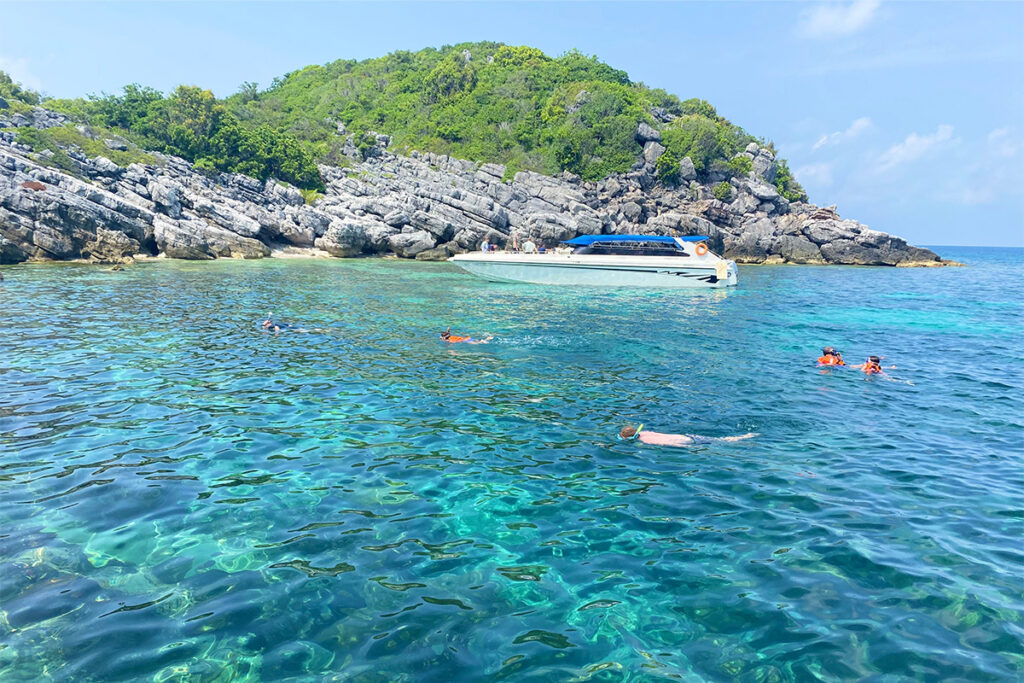
- Kerama Islands (day trips): From Naha’s Tomari Port you can reach islands like Tokashiki and Zamami, known for dazzling turquoise bays and coral reefs. These are some of Japan’s top spots for snorkeling and diving, with sea turtles often spotted near the shore.
When swimming or snorkeling, pay attention to safety flags, currents, and marine life warnings. Certain areas may have jellyfish or coral that can cause injury; many beaches post instructions in both Japanese and English.
Nature and Scenery in Northern Okinawa
The northern region of Okinawa Island, known as Yanbaru, offers a different landscape from the south: mountains, dense subtropical forest, and quiet coastal roads. Part of this area is now protected as a national park and recognized for its biodiversity, including rare birds and endemic species.
Simple pleasures such as walking along forest trails, exploring hidden coves, or visiting roadside cafes with ocean views make this region perfect for visitors who want a calmer, nature-focused trip. Because public transportation is limited, a rental car is the most practical way to explore the north.
Outer Islands: Miyako and Yaeyama
If you have more time, consider flying further southwest to the outer island groups, where the pace of life slows even more.
- Miyako Islands: Positioned roughly halfway between Okinawa Island and Taiwan, the Miyako area is celebrated for some of Japan’s most photogenic beaches, with graceful bridges connecting neighboring islands. White sand and clear water make it ideal for snorkeling and relaxed coastal drives.
- Yaeyama Islands (Ishigaki, Iriomote, and others): Even more remote, these islands feature mangrove forests, jungle-clad rivers, and opportunities for kayaking, river cruises, and village visits. The blend of sea and subtropical wilderness offers a side of Japan few first-time visitors see.
Cultural Highlights and Local Traditions
Okinawa’s culture developed independently from mainland Japan until the late 19th century, and this history is still visible today.
Ryukyu Heritage and Performing Arts
Traditional Ryukyuan music uses the sanshin, a three-stringed instrument covered with snakeskin, producing a soft, melancholy sound. You can hear live performances in many restaurants and bars around Naha and resort areas. Dance and court music, once performed only for royalty, are sometimes showcased at cultural events and museums.
Folk festivals often involve eisa, a dynamic drum dance performed during the Bon season in summer, when families honor their ancestors. Watching eisa, with its colorful costumes and powerful rhythms, offers insight into Okinawa’s spiritual and communal life.
Crafts and Everyday Design
Local crafts make meaningful souvenirs and help support traditional artisans. Items to look for include:
- Ryukyu glass: Hand-blown glassware, often with tiny air bubbles and vibrant colors inspired by the sea.
- Bingata textiles: Brightly dyed fabrics using stencil techniques, historically associated with the Ryukyu royal court.
- Yachimun pottery: Rustic ceramics from pottery districts such as Tsuboya in Naha, featuring bold glazes and simple, functional forms.
Many workshops welcome visitors for demonstrations or short hands-on experiences, which can be booked in advance through tourism websites or your accommodation.
Okinawan Food and Drink
Okinawa’s cuisine reflects its history as a trading hub, its farming traditions, and its once-limited resources. Dishes often emphasize pork, island vegetables, seaweed, and tofu, seasoned simply but full of character.
Must-Try Dishes
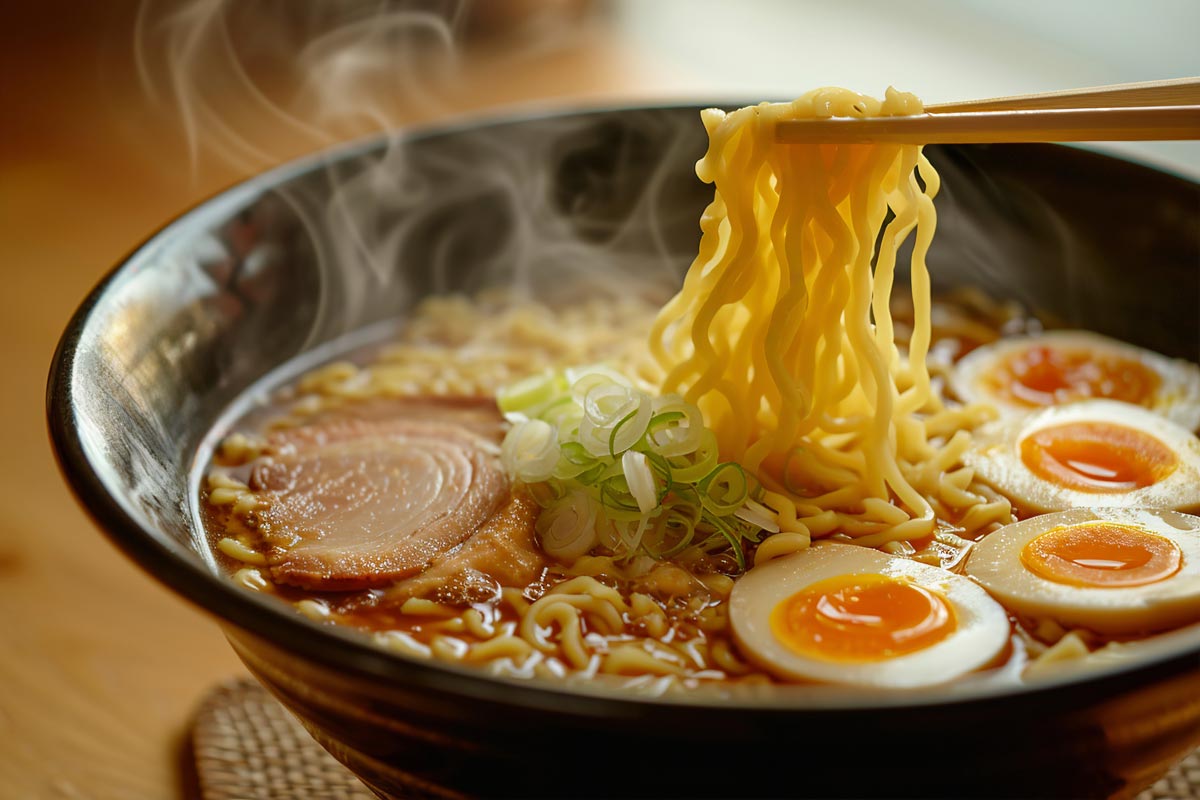
- Okinawa soba: Despite the name, these noodles are made from wheat, not buckwheat, and served in a comforting broth with slices of pork and green onions. Local variations differ from island to island.
- Rafute: Braised pork belly simmered until tender in a sweet-savory mixture, traditionally including Okinawan brown sugar and local alcohol.
- Goya champuru: A stir-fry of bitter melon, tofu, egg, and pork or spam. Its slight bitterness symbolizes resilience and is associated with Okinawan longevity.
- Sea grapes (umibudo): A type of seaweed with tiny green spheres that pop gently in your mouth, often served with vinegar-based dipping sauces.
Local Drinks and Sweets
Okinawa produces awamori, a traditional distilled spirit made from rice. It is often enjoyed mixed with water or on ice, and aged varieties can be surprisingly smooth. If you prefer something non-alcoholic, look for drinks flavored with tropical fruits such as shikuwasa (a small, aromatic citrus), mango, and pineapple.
For dessert, try beni-imo sweets made from vivid purple sweet potatoes, or chinsuko, simple shortbread-like cookies associated with Ryukyuan royal cuisine. These make easy-to-carry gifts for friends and family.
History and World War II Remembrance
Beyond beaches and resorts, Okinawa carries deep scars from World War II. The Battle of Okinawa was one of the war’s fiercest, and many civilians lost their lives. Today, memorials and museums invite visitors to reflect on peace.
Several sites on the southern part of the main island are especially significant. They include underground shelters, memorial parks, and museums dedicated to the experiences of local people and the importance of preventing future conflict. Exhibits often provide English explanations and can be emotionally intense. Visiting these places is a way to understand Okinawa not only as a holiday destination but as a community shaped by both beauty and hardship.
Practical Tips for First-Time Visitors
Language and Communication
Japanese is the main language in Okinawa, but you may occasionally hear older residents speaking Okinawan languages, which are distinct from standard Japanese. In tourist areas, you can usually find basic English support on signs and menus, though spoken English ability varies.
Learning a few simple Japanese phrases, such as greetings and “thank you,” goes a long way. People in Okinawa are generally warm and patient with visitors, and a friendly attitude matters more than perfect pronunciation.
Etiquette and Local Customs
Okinawa shares many social norms with the rest of Japan: politeness, queuing, and quiet public behavior. A few points to remember:
- Take off your shoes when entering traditional inns, some restaurants, or private homes if slippers are provided.
- Swimwear is for the beach or pool, not for town streets or shops; bring a cover-up when moving between the sea and public areas.
- Respect sacred sites, such as local shrines or stone markers, by avoiding loud behavior and following posted instructions.
Money, Connectivity, and Safety
Cash is still widely used, but credit cards and IC cards are increasingly accepted in hotels, major shops, and rental car agencies. Convenience stores often have ATMs that accept foreign cards. Mobile coverage is generally good on the main island and major outer islands; portable Wi-Fi or a local SIM can help with navigation and translation.
Okinawa is considered safe, with low crime rates. The main risks come from the sea and sun. Use strong sunscreen, stay hydrated, and pay attention to lifeguards’ advice and warning signs at beaches.
Suggested Itineraries for First-Timers
How long you stay will shape your experience, but even a short visit can be rewarding.
- 2–3 days: Base yourself in Naha or a nearby resort. Explore Kokusai-dori and markets, visit historic areas in Shuri, relax at a local beach, and take a short boat trip to the Kerama Islands if time and weather allow.
- 4–5 days: Add a stay in Onna or northern Okinawa for more beach time and scenic drives. Include at least one day for historical and peace-related sites in the south.
- 1 week or more: Combine the main island with an outer island such as Miyako or Ishigaki for a mix of culture, nature, and quieter beaches.
Experience a Different Japan in Okinawa
Okinawa offers a side of Japan that first-time visitors often do not expect: palm-fringed beaches, laid-back island rhythms, and a culture that both connects to and stands apart from the rest of the country. Whether you are diving coral reefs, tasting bitter melon in a small family-run eatery, or standing quietly at a hilltop memorial, you will encounter stories and landscapes that stay with you long after your trip ends.
When planning your journey through Japan, consider leaving space for this subtropical archipelago. Okinawa is not just an add-on beach stop; it is a destination that deepens and expands your understanding of the country as a whole.

Access Map
Recommended spots in Okinawa
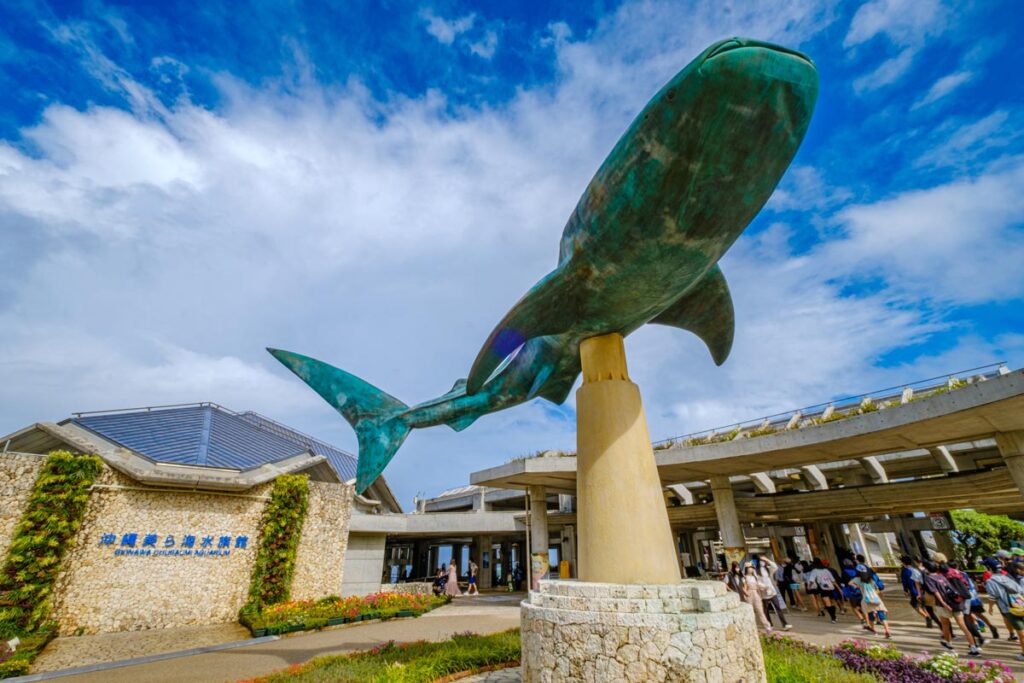
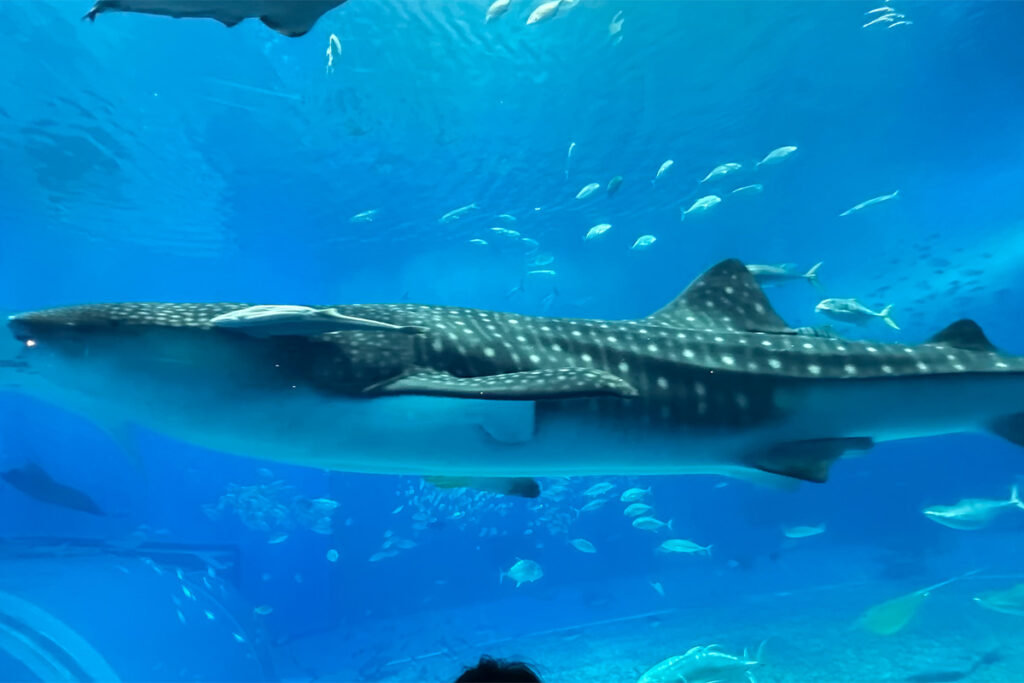
Churaumi Aquarium
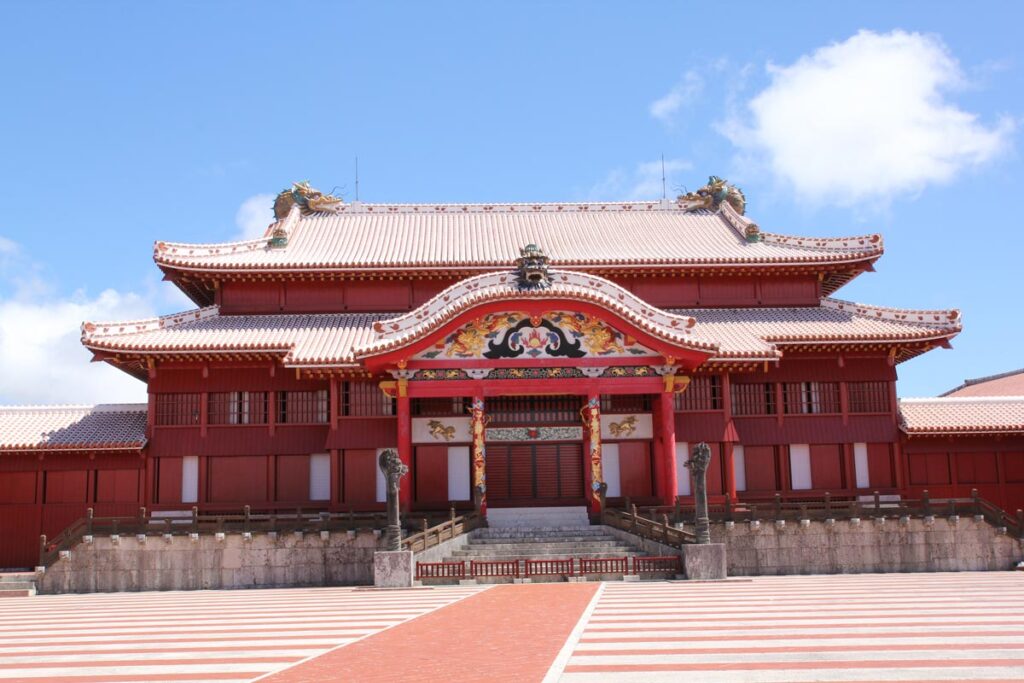
Shuri Castle
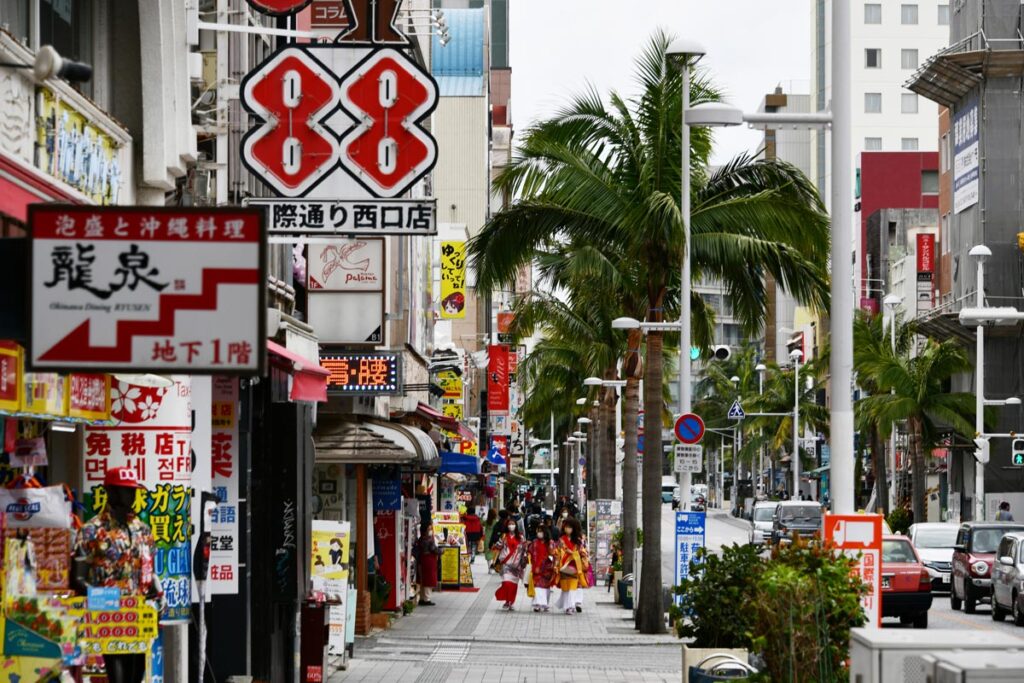
Kokusai Street
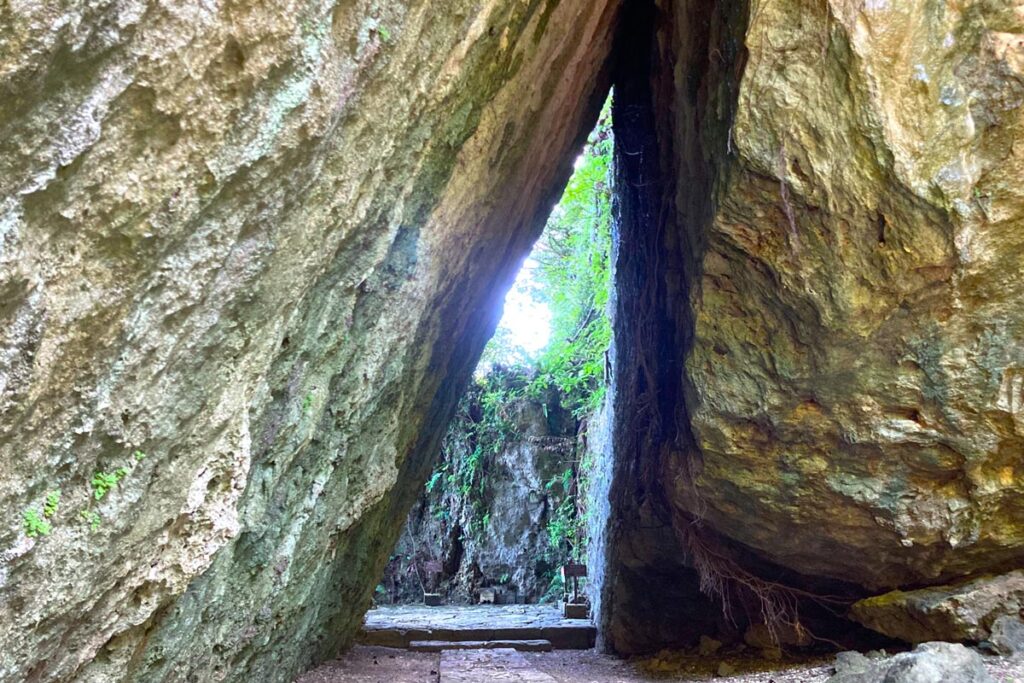
Sefa Utaki
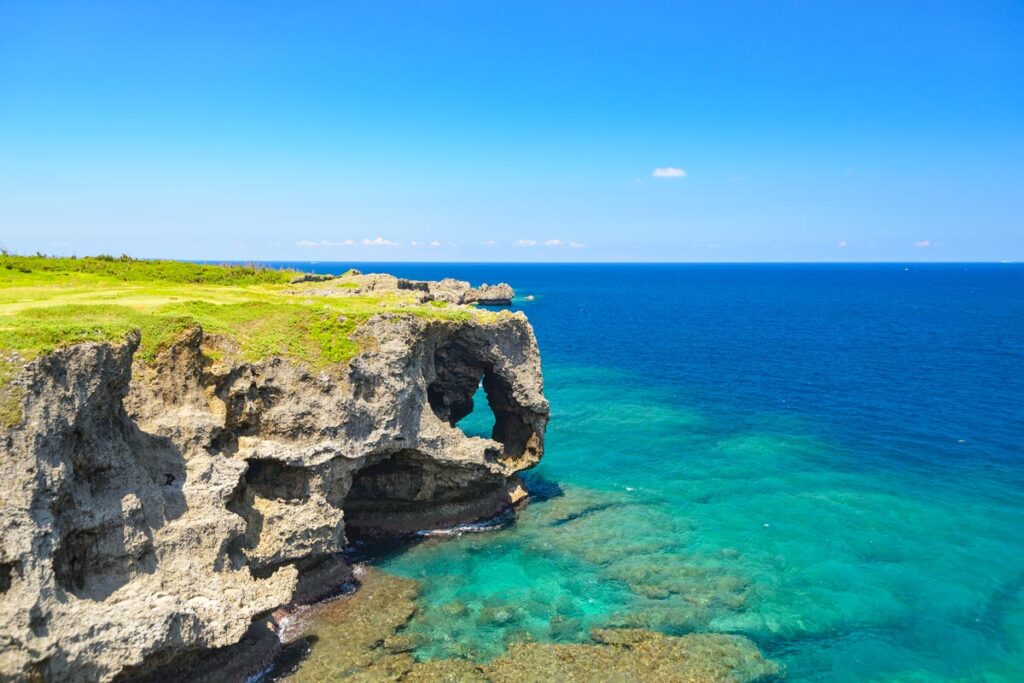
Manza-mo
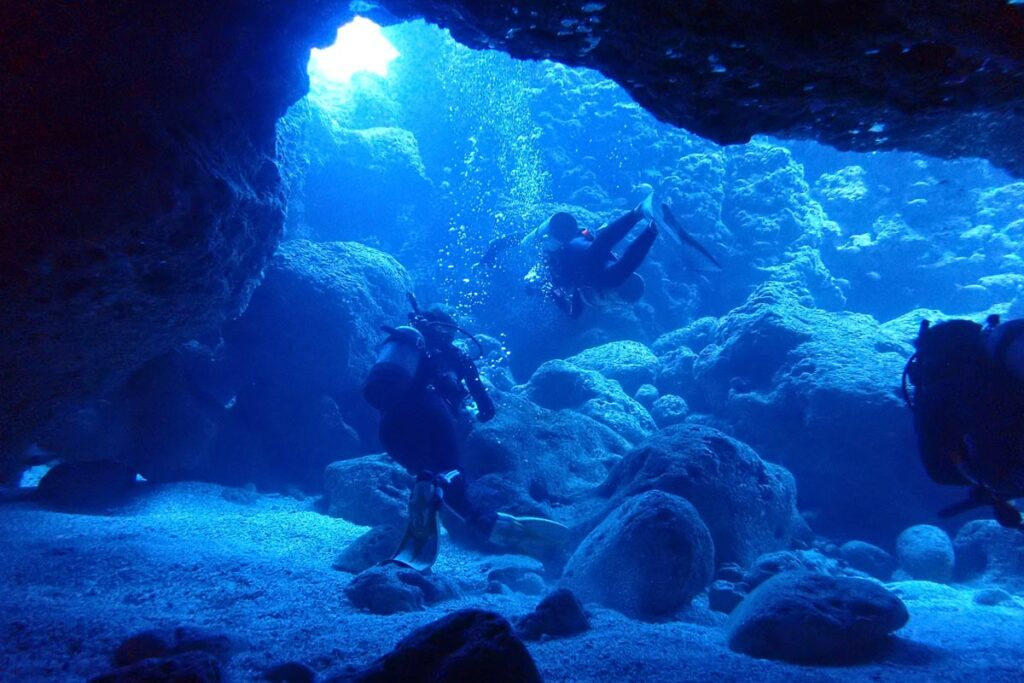
Blue Cave
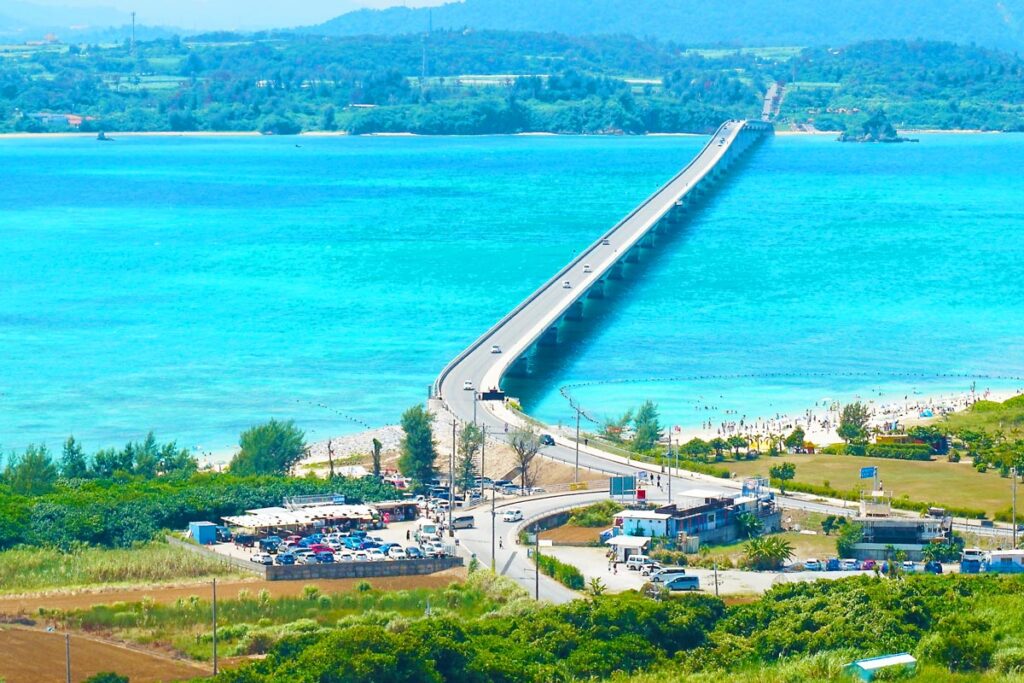
Kouri Island
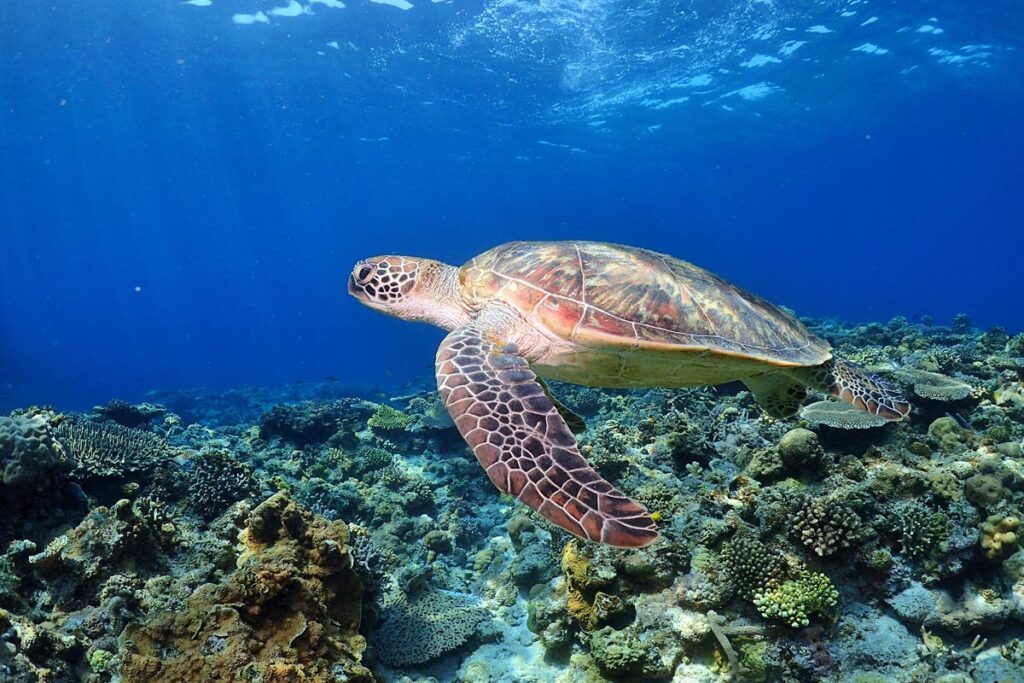
Diving Spots
Top destinations in Kyushu/Okinawa
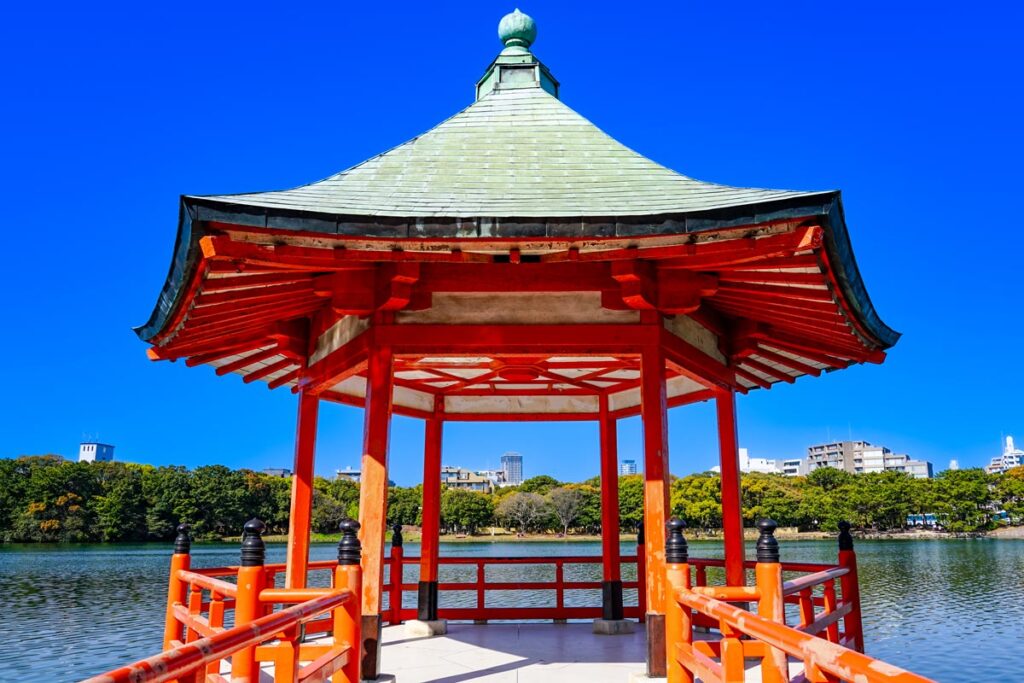
Fukuoka
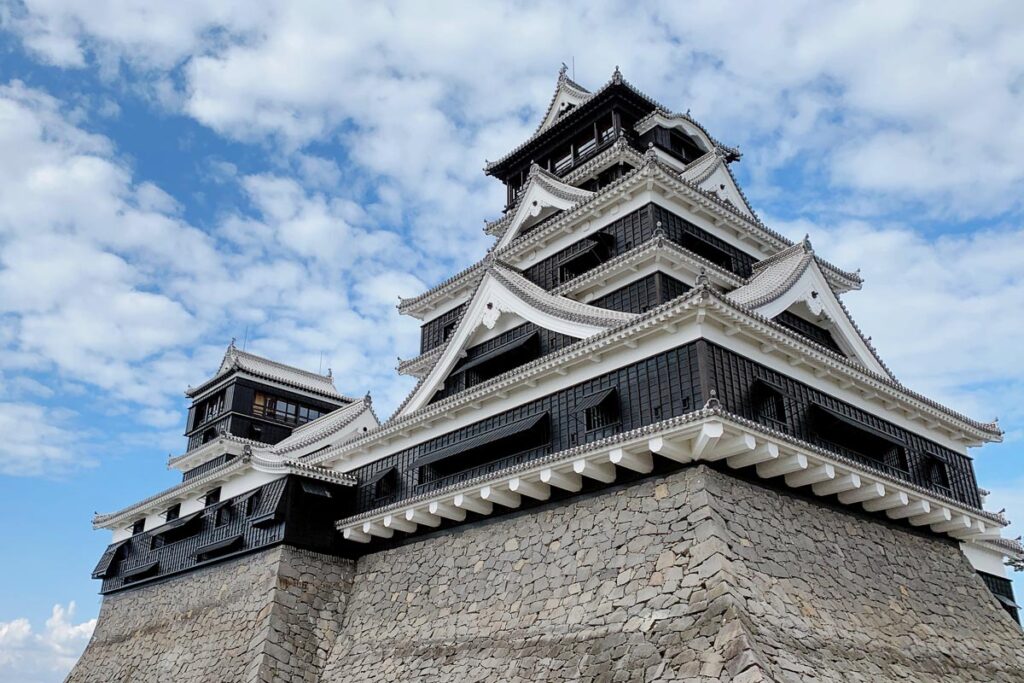
Kumamoto
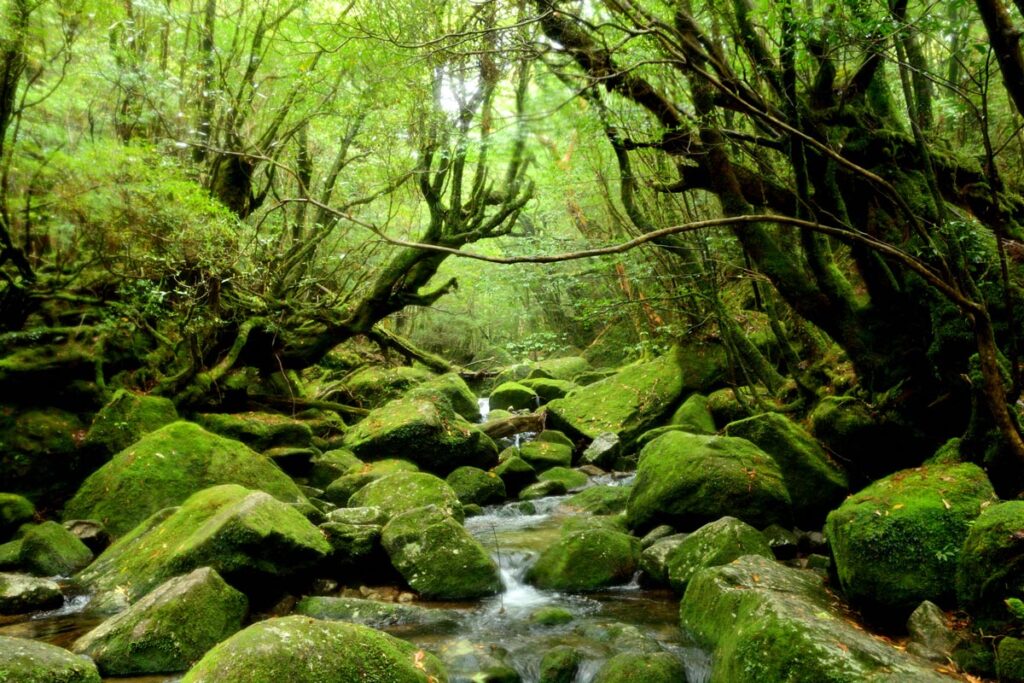
Kagoshima
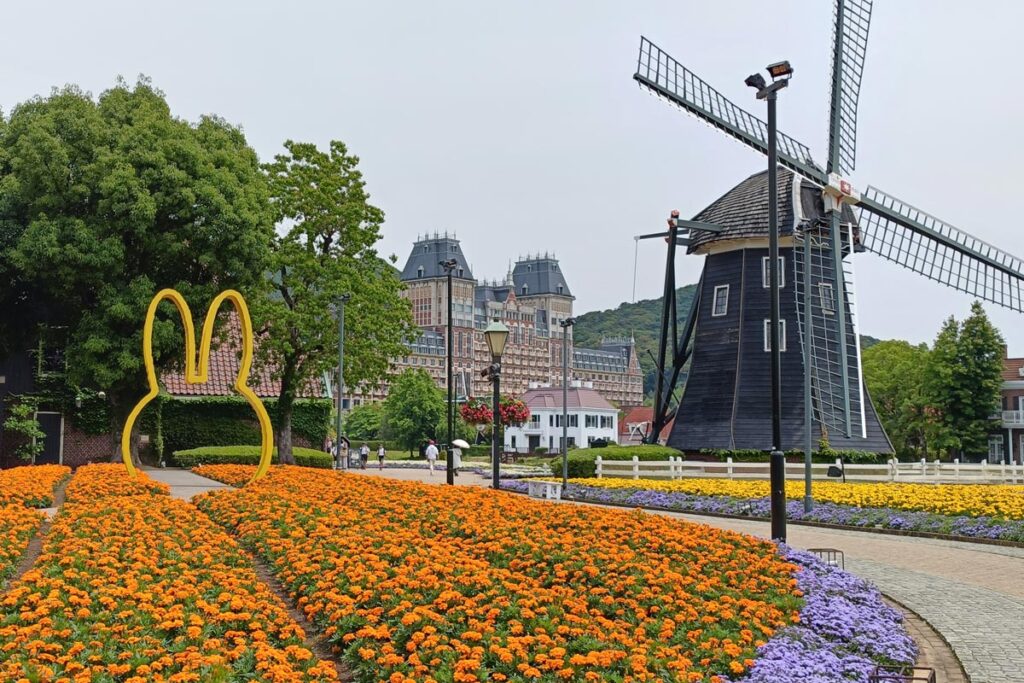
Nagasaki
Okinawa Useful Links
Okinawa Hip Hop Bus Tour: Kouri Island , Cape Manza and More

Sunset Kayak Tour in Hijya River