


Churaumi Aquarium
Churaumi Aquarium Japan Travel Guide for First-Time Visitors
Photos are for illustrative purposes only.
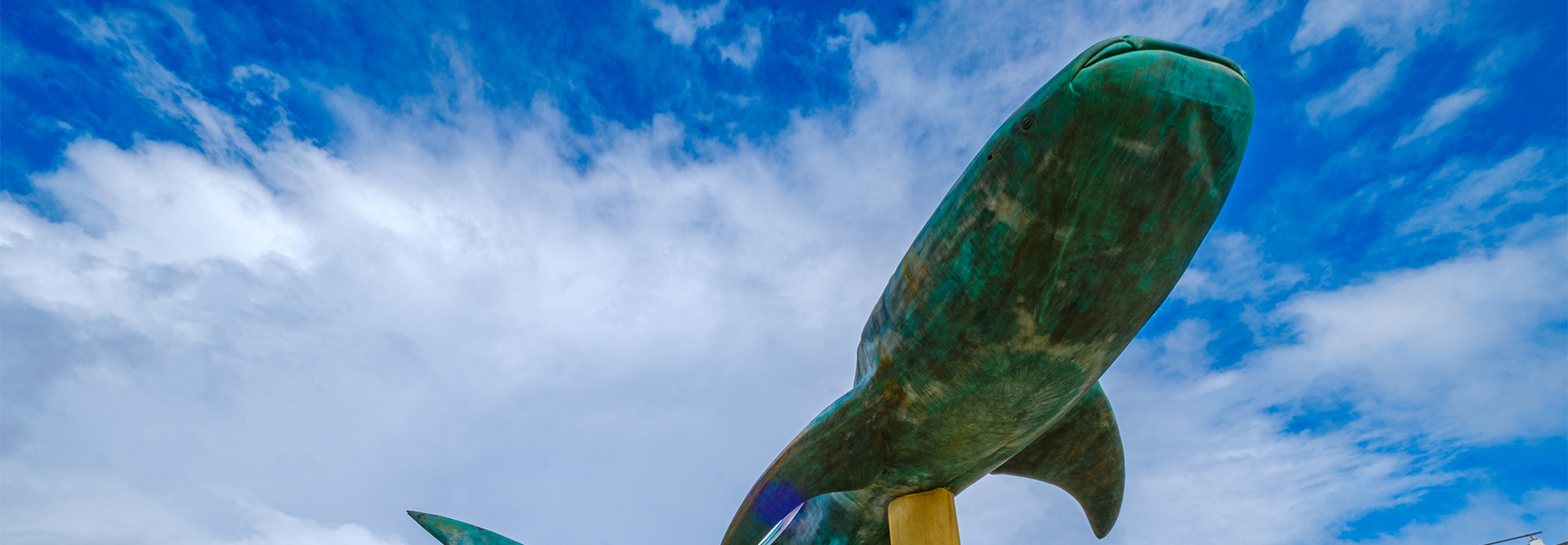
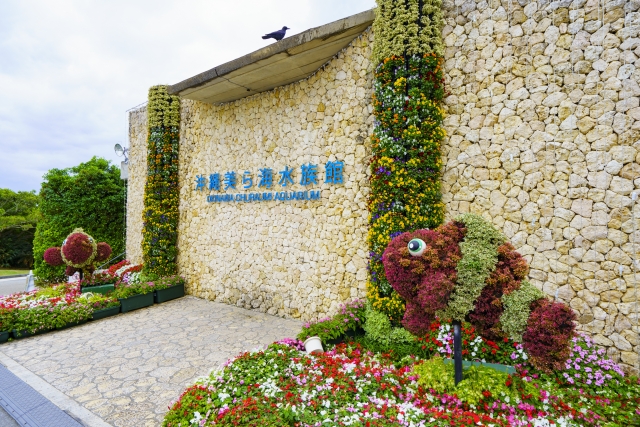
Perched on a subtropical coastline at the northern tip of Okinawa’s main island, Churaumi Aquarium is one of Japan’s most impressive attractions. Famous for its massive whale sharks and manta rays, it is much more than a photo stop: it is a window into the mysteries of the Kuroshio Current and the vibrant seas that surround Okinawa.
If you are visiting Japan for the first time and considering a side trip beyond Tokyo and Kyoto, Churaumi is a powerful reason to include Okinawa in your itinerary. This guide explains what to see, how to get there, when to visit, and how to make the most of your day in and around the aquarium.
Why Churaumi Aquarium Belongs on Your Japan Itinerary
Japan is an island nation, and the ocean has shaped its food, culture, and worldview for centuries. In Okinawan dialect, “chura umi” means “beautiful ocean,” and the aquarium lives up to its name by showcasing the drama of the surrounding sea rather than exotic creatures imported from afar.
For international visitors, Churaumi offers:
- One of the world’s largest aquarium tanks, home to whale sharks and graceful manta rays.
- A focus on local marine life from the Kuroshio Current and the Ryukyu Islands, offering insight into Okinawa’s natural environment.
- A full-day destination within Ocean Expo Park, where you can combine the aquarium with beaches, gardens, museums, and traditional Okinawan culture.
- Accessible information in English, including signage, pamphlets, and audio guides, making it friendly for first-time visitors to Japan.
Understanding the Layout: Four Oceans in One Aquarium
Churaumi Aquarium is designed as a journey from shallow coastal waters down into the deep sea. Walking routes are clearly marked, and you can follow the standard suggested route or wander at your own pace. Plan at least 2–3 hours inside the aquarium, more if you enjoy watching feedings and shows.
1. Coral Sea and Tropical Fish Zones
Your visit usually begins in bright, shallow-water galleries that recreate Okinawa’s coral reefs. This is where you appreciate the meaning of “chura umi” most directly.
- Coral Sea Tank: A rare exhibit where real coral is grown on a large scale. Sunlight filters through the ceiling, and you will see colorful reef fish weaving between living coral colonies.
- Tropical Fish Displays: Tanks filled with clownfish, butterflyfish, and other species common to Okinawa’s warm waters. For travelers who know Japan for temples and cityscapes, these reef scenes can feel unexpectedly exotic.
These exhibits offer a gentle introduction, ideal if you are traveling with children or adjusting after a long journey. Take your time here before heading into deeper, darker waters.
2. The Kuroshio Sea: Churaumi’s Iconic Giant Tank
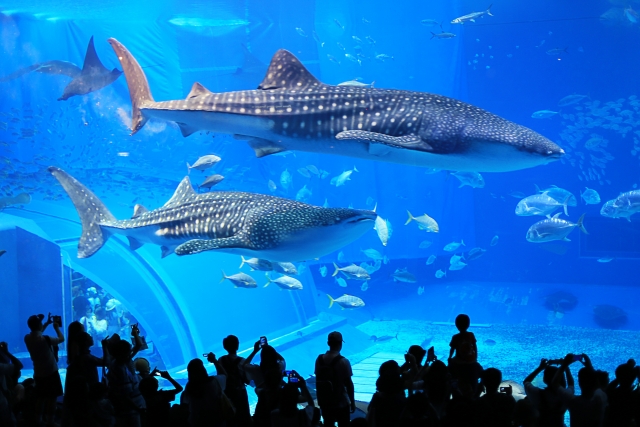
The highlight of Churaumi – and for many visitors, the highlight of their entire Okinawa trip – is the Kuroshio Sea tank. The Kuroshio Current is a powerful warm current that flows past Okinawa, bringing nutrients and marine life. Churaumi’s designers built this tank to recreate its rich biodiversity.
Through a vast acrylic window, you can watch:
- Whale sharks, the world’s largest fish, gliding slowly through the water column.
- Manta rays performing graceful loops and somersaults overhead.
- Schools of tuna and jacks swirling in shimmering formations.
There are several vantage points: a main viewing panel with theater-style seating, side windows, and an upper-floor café area where you can sip a drink while watching the tank. Plan to stay at least 20–30 minutes; the longer you sit, the more details you notice, from tiny reef fish near the rocks to cleaning stations on the whale sharks.
3. Deep Sea and Mysterious Creatures
After the grand, open space of the Kuroshio Sea, the aquarium leads you into cooler, darker galleries that showcase deep-sea life. These exhibits are inspired by the waters around the Ryukyu Trench, one of the deepest parts of the Pacific near Okinawa.
Here you will see:
- Bioluminescent creatures glowing faintly in the dark.
- Strange, translucent fish adapted to crushing pressure and total darkness.
- Information on deep-sea research conducted in the region, with diagrams and videos accessible to non-specialists.
Even if you are not a science enthusiast, the atmosphere is quietly mesmerizing and provides a vivid contrast to the bright coral tanks near the entrance.
4. Touch Pools and Outdoor Pools
Toward the end of the route, you will find a small touch pool where visitors can gently handle starfish and other hardy creatures. Staff members are usually nearby to explain, in simple English and Japanese, how to touch the animals safely and respectfully.
Outside, several open-air pools host sea turtles and manatees. These areas are part of a broader research and conservation effort. They are free to access even without an aquarium ticket, so they are worth a visit if you are exploring the surrounding park on a budget.
Tickets, Opening Hours, and Practical Information
Tickets and Discounts
Churaumi Aquarium offers:
- Standard tickets sold at the entrance and various local outlets.
- Discounted afternoon tickets after a certain time, useful if you plan a half-day visit.
- Combined tickets or discounts via local bus passes or tour packages.
Prices and discounts change occasionally, so check official information shortly before your visit. During peak seasons such as Japanese school holidays, buying tickets in advance or arriving early can help you avoid lines.
Opening Hours and Best Time of Day
Churaumi typically opens in the morning and closes in the early evening, with slightly longer hours in summer. The Kuroshio Sea tank is busiest late morning and mid-afternoon, especially when feeding times or special presentations are scheduled.
For a calmer experience:
- Arrive soon after opening, or
- Visit later in the afternoon, then stay until closing.
Weather in Okinawa is often hot and humid, particularly from June to September. Many travelers enjoy spending the hotter midday hours inside the aquarium and exploring the outdoor parts of Ocean Expo Park in the morning or late afternoon.
Language Support and Accessibility
Churaumi caters well to international visitors:
- English signage appears throughout the building, including species names and basic explanations.
- Multilingual pamphlets are usually available near the entrance.
- Barrier-free design with elevators and ramps makes it accessible for wheelchairs and strollers.
Staff may not always be fluent in English, but they are used to foreign guests and often communicate effectively with simple words and gestures. If you have specific questions, preparing them in basic English or using a translation app can be helpful.
How to Get to Churaumi Aquarium from Mainland Japan
Churaumi Aquarium is located within Ocean Expo Park in Motobu, at the northern part of Okinawa Main Island. It is not a day trip from Tokyo or Osaka; you will need to fly and stay at least one night on Okinawa.
Step 1: Fly to Naha, Okinawa
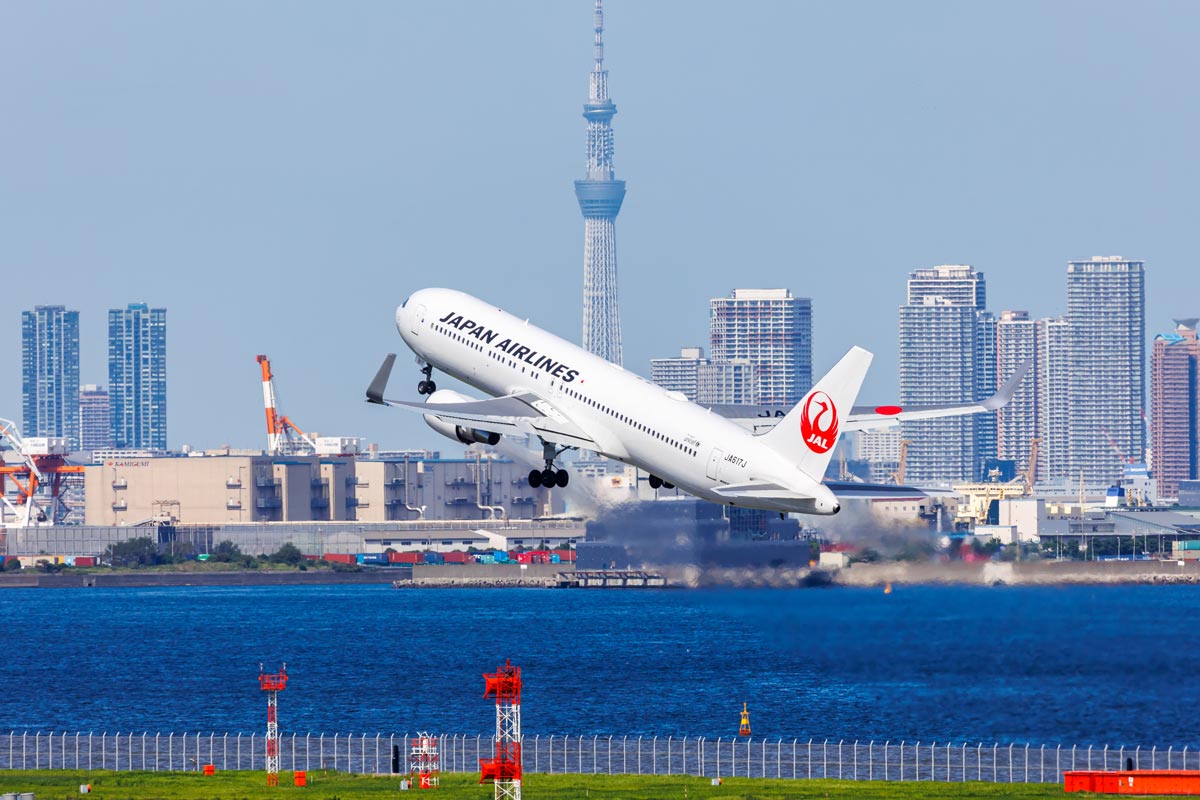
From major Japanese cities, frequent domestic flights connect to Naha Airport (OKA). Typical flight times are about 2–3 hours from Tokyo or Osaka. Low-cost carriers and full-service airlines operate these routes, making Okinawa surprisingly accessible.
Step 2: Travel from Naha to Motobu
From Naha city or Naha Airport, you have several options to reach Churaumi Aquarium:
- Express or highway bus: Direct lines run from Naha Bus Terminal or designated stops to Ocean Expo Park. This is convenient if you prefer not to drive.
- Rental car: Many visitors choose to rent a car at Naha Airport. Driving to Motobu takes about 2–3 hours depending on traffic and route, and allows you to explore beaches, scenic viewpoints, and small villages at your own pace.
- Tour buses: Some companies offer day tours including round-trip transport and admission tickets.
If you are nervous about driving in Japan, remember that Okinawa’s roads are generally slower and more relaxed than in major cities. However, cars drive on the left, and international visitors will need the appropriate license documentation, such as an International Driving Permit, depending on your home country.
What to See Around Churaumi: Ocean Expo Park Highlights
Churaumi Aquarium is part of a larger complex, Ocean Expo Park, developed on the site of the 1975 Okinawa International Ocean Expo. The park stretches along the coast and offers a range of attractions that can easily fill an entire day.
Emerald Beach
Within walking distance of the aquarium you will find Emerald Beach, named for its vivid blue-green water. It is a family-friendly beach with gentle waves, designated swimming areas, and seasonal lifeguards.
Swimming times vary by season, usually from spring through autumn. Even if you do not plan to swim, the beach is an excellent place to rest after the aquarium, watch the sunset, or enjoy a picnic.
Okinawa Native Village and Traditional Housing
For a dose of culture after your marine adventure, visit the nearby Okinawa Native Village, an open-air museum with reconstructed traditional houses from different islands in the Ryukyu chain. You can see:
- Red-tiled roofs topped with guardian lion-dog figures called shisa.
- Demonstrations of traditional crafts and performances of Okinawan folk music and dance.
- Exhibits that explain how islanders adapted their lifestyle to the subtropical climate and typhoon-prone environment.
Combining Churaumi and the native village in one day gives you a more rounded picture of Okinawa: both the sea that surrounds the islands and the people who have lived here for centuries.
Botanical Gardens and Scenic Viewpoints
Ocean Expo Park also includes botanical areas where you can stroll among tropical and subtropical plants. Pathways lead to viewpoints overlooking the East China Sea and surrounding islands, making for memorable photos even if you are not an avid gardener.
Suggested Itineraries for International Travelers
One-Day Trip from Naha (Without Car)
If you are based in Naha and relying on buses:
- Take an early express bus from Naha to Ocean Expo Park.
- Spend the late morning inside Churaumi Aquarium.
- Enjoy lunch at the aquarium or nearby cafes.
- Walk to Emerald Beach or the Okinawa Native Village in the afternoon.
- Catch an evening bus back to Naha.
This is a long but manageable day, best outside peak holiday periods when buses and attractions are less crowded.
Overnight Stay in the Motobu Area (With Car)
With a rental car, you can create a more relaxed plan:
- Drive north along the coast, stopping at scenic viewpoints or roadside markets.
- Check into a hotel or guesthouse in Motobu or nearby Nago.
- Visit Churaumi Aquarium in the late afternoon when crowds thin.
- The next morning, explore Ocean Expo Park’s beaches and cultural sites, then drive back toward Naha, stopping at other attractions along the way.
This option suits families or travelers who want time to enjoy Okinawa’s slower pace, local food, and seaside atmosphere.
Tips for a Smooth and Meaningful Visit
Plan Around Weather and Seasons
Okinawa has a subtropical climate. Summers are hot and humid, with a rainy season and occasional typhoons, while winters are mild and often pleasantly warm compared to mainland Japan.
Even on rainy days, Churaumi is a comfortable indoor destination, but heavy weather can affect bus schedules and outdoor activities in Ocean Expo Park. Check forecasts and transport information, especially from June to October.
Respect for Animals and Conservation
Churaumi Aquarium plays an active role in research and conservation, particularly relating to whale sharks, manta rays, and coral reefs. Within Japan, it is often discussed as both a tourist attraction and a science center.
As a visitor, you can support this mission by:
- Following all instructions at touch pools and outdoor enclosures.
- Keeping noise reasonable, especially near sensitive animals.
- Learning about the local marine environment and considering how your travel choices impact the ocean, both in Okinawa and at home.
Combine Sea Life with Local Cuisine
A visit to Churaumi is also a good opportunity to sample Okinawan cuisine, which differs noticeably from mainland Japanese food. In the wider Motobu and Nago area, look for:
- Okinawa soba: Thick wheat noodles in a pork-based broth, topped with simmered pork belly.
- Goya champuru: Stir-fried bitter melon with tofu, egg, and pork or spam, reflecting Okinawa’s unique wartime history.
- Local tropical fruits such as mango, pineapple, and shikuwasa (a citrus fruit), especially in summer.
Dining in small local restaurants or roadside stalls can deepen your impression of Okinawa as a place with its own flavors, rhythms, and identity, distinct from Tokyo or Kyoto.
Making Churaumi Part of Your Wider Japan Journey
For many first-time travelers, Japan conjures images of neon-lit city streets, ancient temples, and high-speed trains. Churaumi Aquarium, and Okinawa as a whole, reveals another side of the country: a maritime, subtropical Japan shaped by coral reefs, ocean currents, and a long history of contact with neighboring cultures.
Whether you are traveling with children, exploring Japan as a couple, or visiting solo, a day at Churaumi and Ocean Expo Park can become a highlight of your trip – a reminder that Japan’s beauty is not only found in cities and mountains, but also in the depths of the sea.
With thoughtful planning for transport, timing, and nearby attractions, your visit to Churaumi Aquarium will be both smooth and unforgettable, enriching your understanding of Japan far beyond the usual tourist circuit.

Access Map
Recommended spots in Okinawa
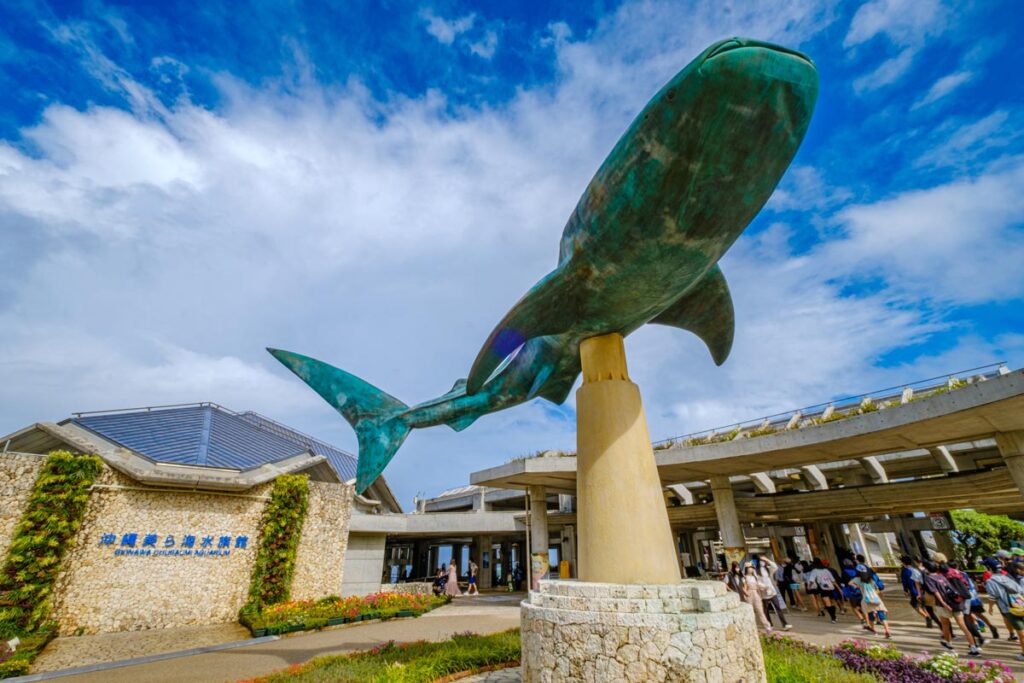
Churaumi Aquarium
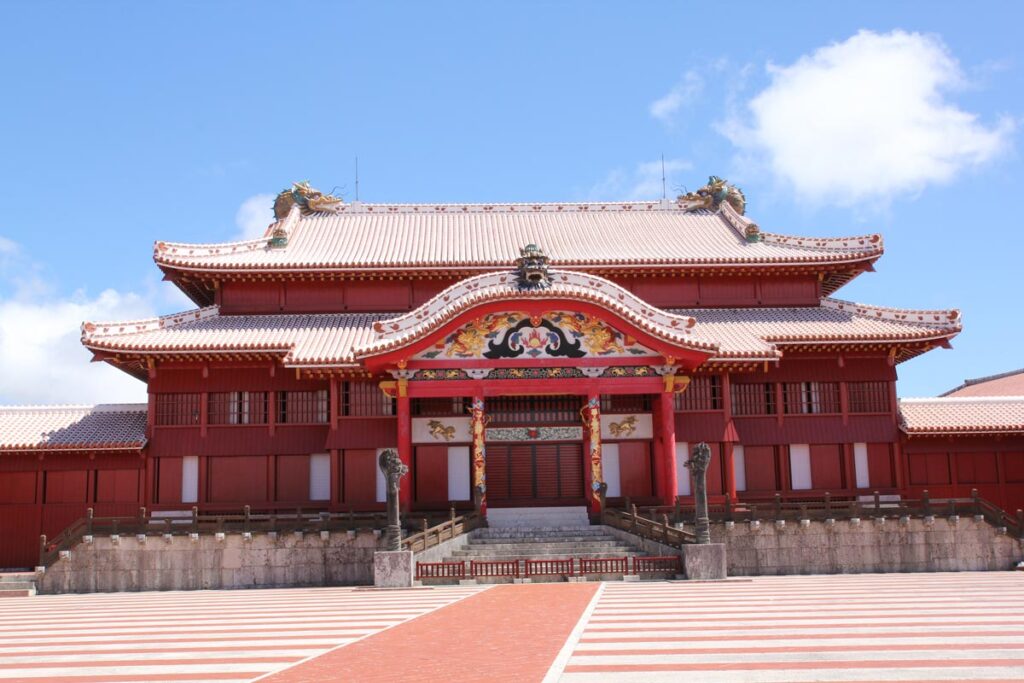
Shuri Castle
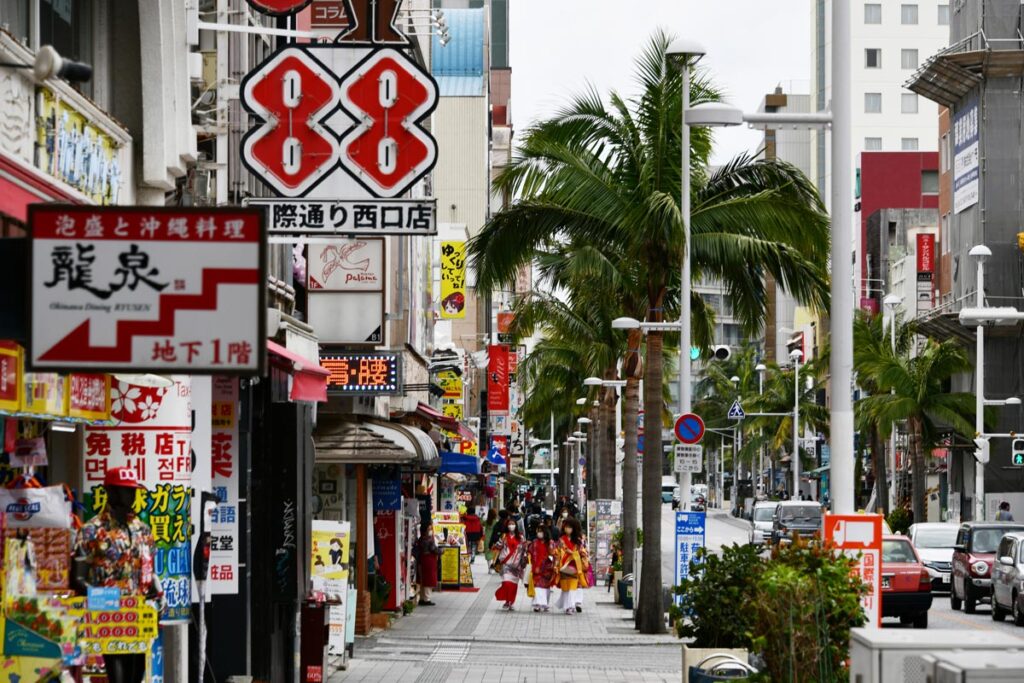
Kokusai Street
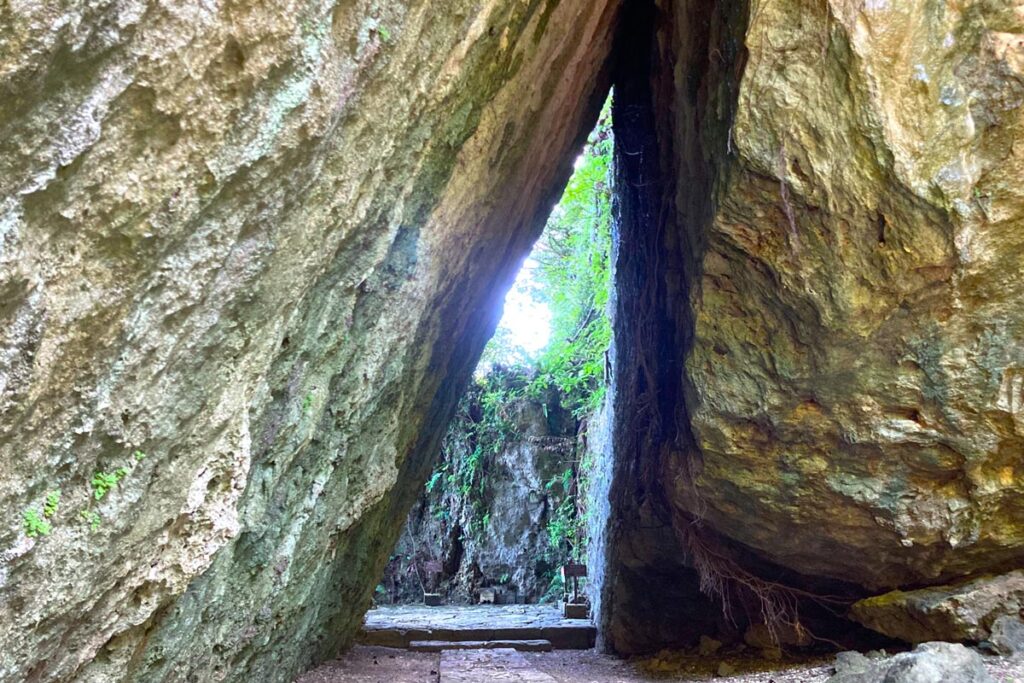
Sefa Utaki
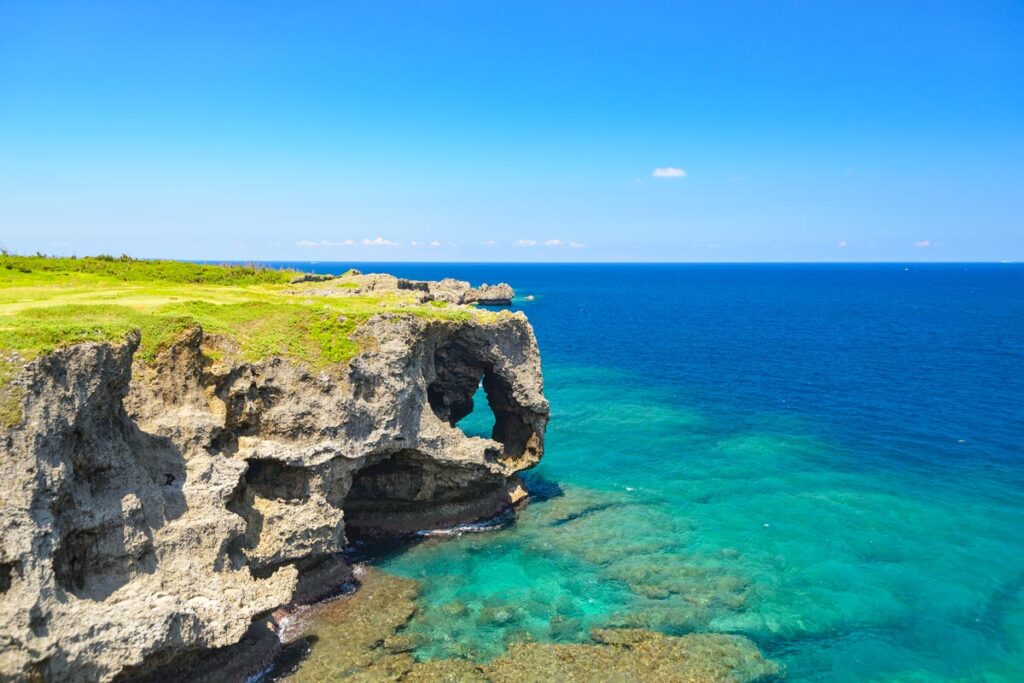
Manza-mo
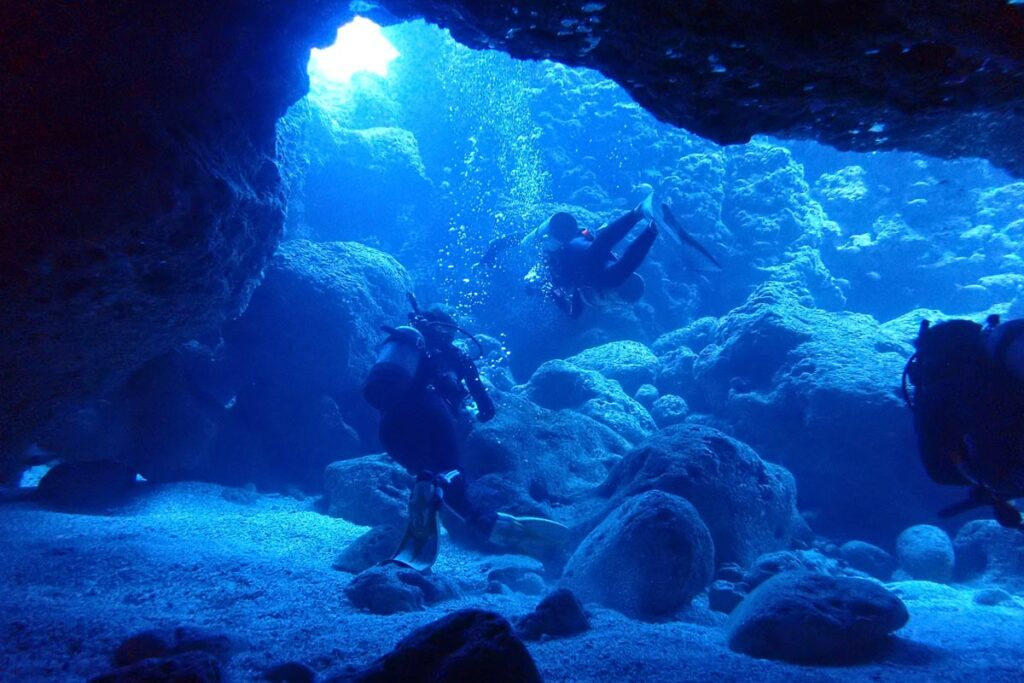
Blue Cave
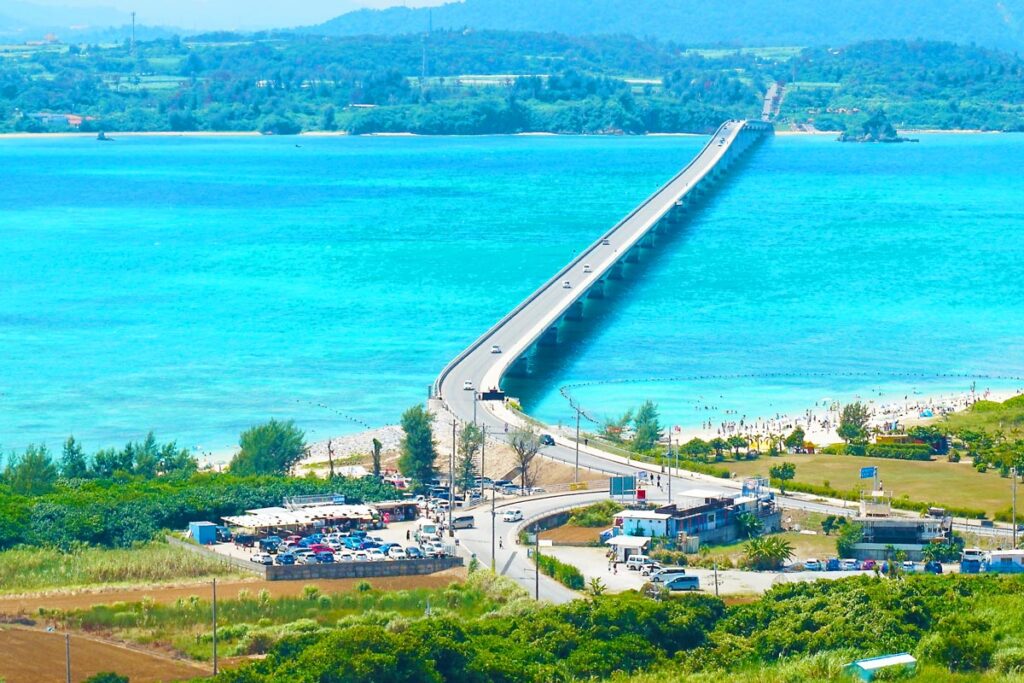
Kouri Island
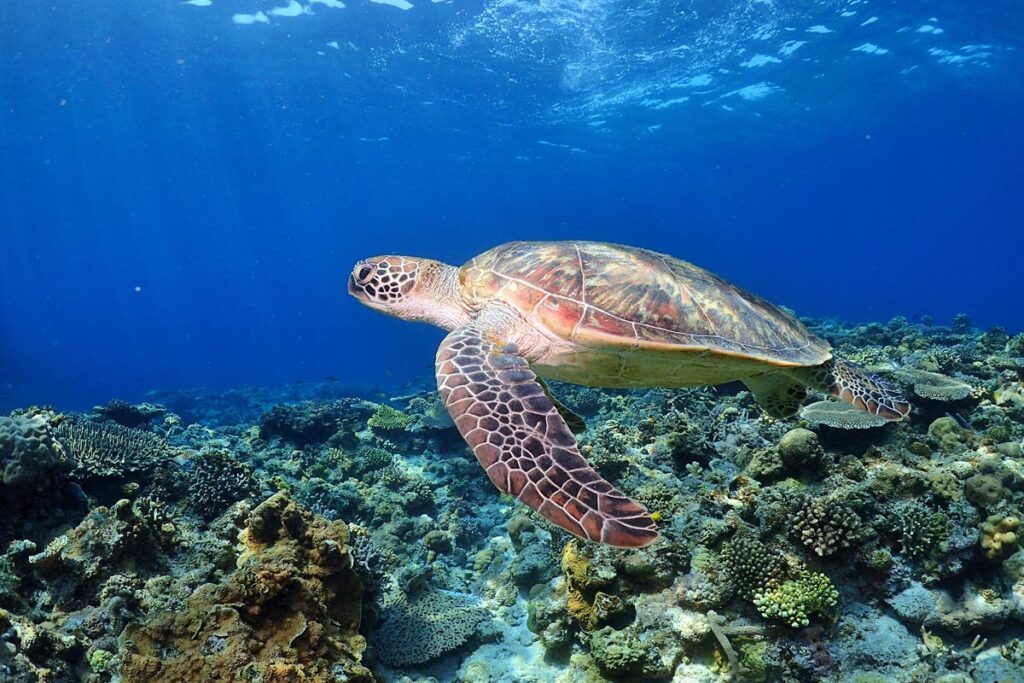
Diving Spots
Top destinations in Kyushu/Okinawa
Fukuoka
Kumamoto
Kagoshima