



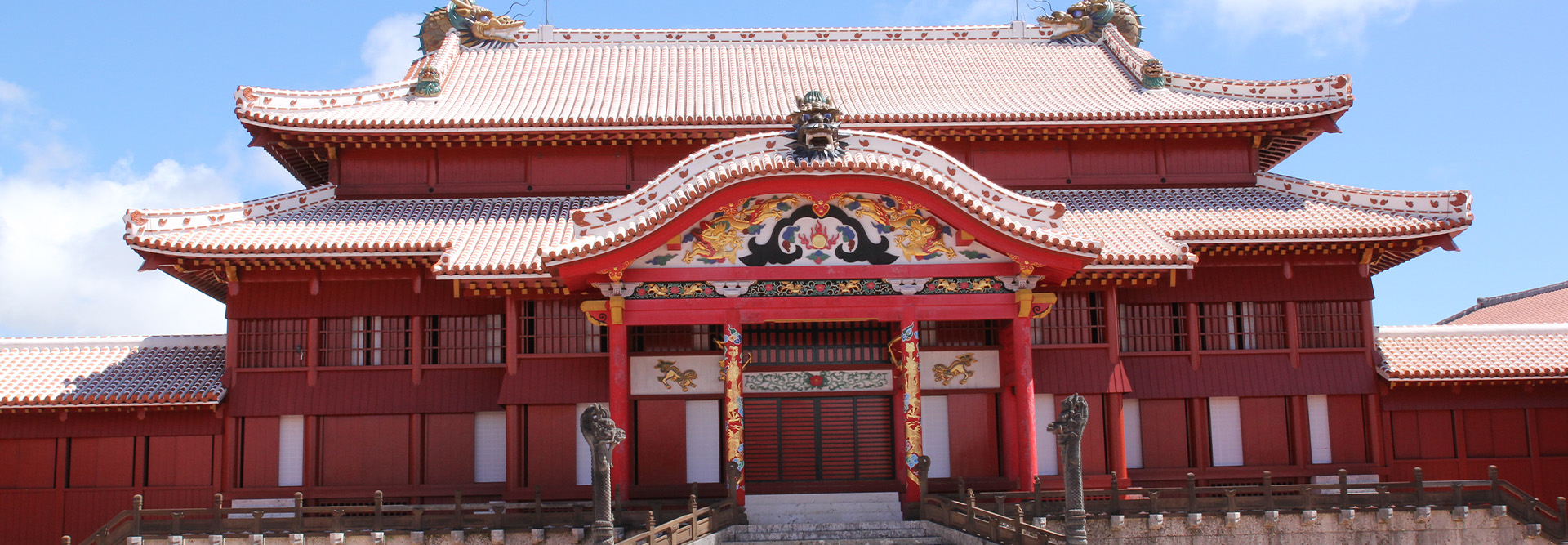
Shuri Castle
Shuri Castle Japan Travel Guide for First-Time Visitors
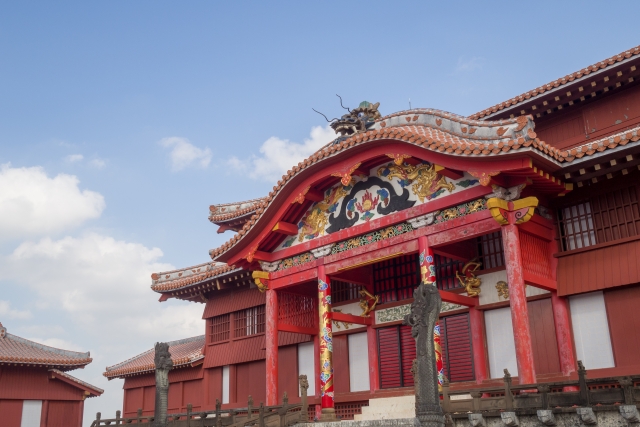
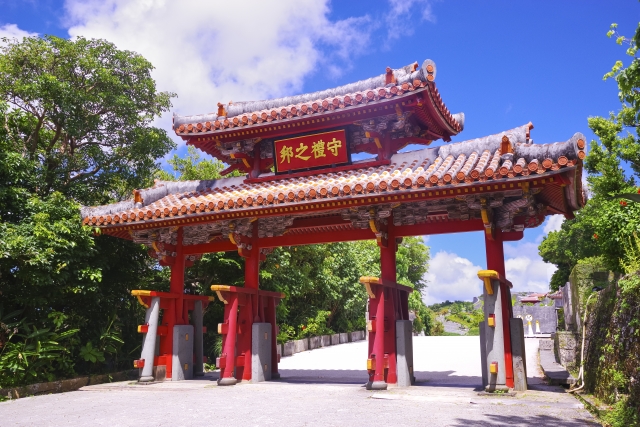
Photos are for illustrative purposes only.
Rising above the hills of Naha in Okinawa, Shuri Castle is one of Japan’s most atmospheric historic sites. Once the political and cultural heart of the Ryukyu Kingdom, it feels very different from castles in Tokyo, Osaka, or Kyoto. Chinese, Japanese, and distinctly Okinawan influences blend into a vivid red palace that tells the story of an island kingdom between worlds.
For first-time travelers to Japan, Shuri Castle is a perfect introduction to Okinawa’s unique identity, and a fascinating contrast to mainland Japan’s samurai castles and Zen temples. This guide explains what to see, how to visit, and how to appreciate the culture behind the bright red walls.
Why Shuri Castle Belongs on Your Japan Itinerary
Most first-time visitors focus on Tokyo, Kyoto, and Osaka, but adding Okinawa—and especially Shuri Castle—gives your trip an entirely different flavor.
Shuri Castle is special because:
- It was the royal palace of the Ryukyu Kingdom, which ruled these islands from the 15th to the 19th century.
- Its architecture is unlike other Japanese castles, with vivid red lacquered walls, Chinese-style gates, and decorative dragons.
- It symbolizes Okinawa’s resilience: the castle has been destroyed multiple times in wars and fires, and carefully rebuilt each time.
- It’s easy to reach from central Naha, making it ideal for a half-day cultural excursion.
Even if you have limited time in Okinawa, exploring Shuri Castle gives you a sense of how different Ryukyuan culture is from the rest of Japan—closer to a maritime crossroads linking China, Japan, and Southeast Asia.
A Short History of Shuri Castle and the Ryukyu Kingdom
To really enjoy Shuri Castle, it helps to understand the story behind it.
From hilltop fortress to royal court
The site of Shuri Castle has been important since at least the 14th century. Around the 1400s, local chieftains unified Okinawa Island, forming the Ryukyu Kingdom with Shuri as its political and ceremonial capital.
For centuries, Ryukyu thrived as a trading hub. Envoys traveled to China, Korea, Japan, and Southeast Asia. Chinese Ming and Qing dynasties recognized Ryukyu as a tributary state, sending investiture missions to confirm new kings. At the same time, the kingdom maintained close ties with Japan, especially the Satsuma domain (present-day Kagoshima) from the 17th century onward.
This blend of influences is visible everywhere at Shuri, from the Chinese-style ceremonial gate to the Japanese-style residential quarters and uniquely Ryukyuan religious sites.
Destruction and rebirth
Shuri Castle has faced destruction several times—by fire, political changes, and war—and has been rebuilt with great care:
- 19th century: The Ryukyu Kingdom was abolished and incorporated into Japan as Okinawa Prefecture. The castle lost its political role.
- World War II: Shuri became a key Japanese military headquarters. The castle was almost entirely destroyed in the Battle of Okinawa in 1945.
- Postwar reconstruction: Starting in the late 20th century, major palace buildings were faithfully reconstructed using historical records, photographs, and archaeological research.
- Recent fire: A large fire in 2019 severely damaged the reconstructed main hall and several surrounding buildings. Reconstruction work is ongoing, and visitors can observe the restoration process.
As you walk through the complex today, signs and exhibits explain which structures are original stonework, which are reconstructions, and how craftsmen are recreating the castle using traditional techniques.
What to See at Shuri Castle
The Shuri Castle area is more than just a single building. It is a large hilltop complex with gates, courtyards, sacred sites, and viewpoints over Naha and the East China Sea.
The iconic Shureimon Gate
Your visit usually begins at Shureimon, the photogenic red-and-gold gate often used on Okinawa souvenirs and even on Japanese currency in the past. Its name can be translated as “Gate of Propriety,” reflecting Confucian values that shaped the Ryukyu court.
The gate shows clear Chinese influence in its curved roof and decorative elements. Take time to look closely at the wooden carvings and tiled roof—it sets the tone for the rest of the site.
Stone walls and castle gates
As you climb toward the main enclosure, you’ll pass through a series of stone gates and walls with sweeping curves. These winding approaches were designed for defense but now make for atmospheric photo spots.
Highlights include:
- Sonohyan-utaki Ishimon: A sacred stone gate marking access to an important Ryukyuan religious site.
- Kankaimon Gate: Literally the “Gate of Welcome,” where foreign envoys would enter.
- Zuisenmon Gate: Named after a local spring, decorated with dragons symbolizing authority and good fortune.
The stonework here is partly original and partly restored, and offers a tangible link to the premodern kingdom.
Main courtyard and palace area
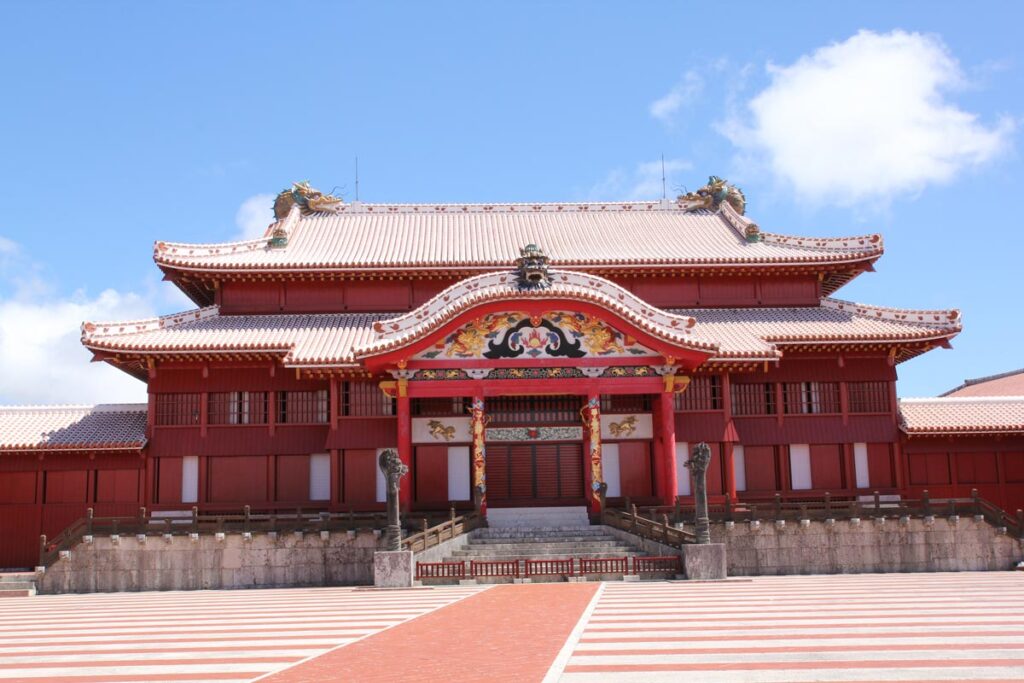
At the heart of the complex is a broad stone courtyard that once hosted elaborate ceremonies. From here, visitors used to gaze up at the brilliantly colored Seiden (main hall), the symbolic center of the Ryukyu Kingdom.
After the 2019 fire, this area is in transformation. Depending on when you visit, you may see:
- Temporary exhibitions explaining the architecture and restoration work.
- Reconstruction sites where artisans shape roof tiles and wooden pillars.
- Viewing areas offering perspectives over the city and the construction zone.
Checking the latest information before your trip will give you a sense of what parts of the palace are currently accessible, but even during reconstruction, the site remains historically rich and visually impressive.
Cultural exhibits and royal lifestyle
Various buildings and museum spaces around the complex display artifacts and replicas from the Ryukyu court, such as:
- Traditional court costumes in vivid reds and yellows.
- Ceremonial tools used in investiture rituals and religious rites.
- Maps and trade goods illustrating Ryukyu’s role in regional maritime trade.
Descriptions are often available in multiple languages, and they give context to the everyday life of nobles, officials, and visiting envoys at Shuri.
Viewpoints over Naha
One of the simple pleasures of visiting Shuri Castle is the view. From the elevated walkways and open spaces, you can look out over Naha’s urban landscape and the sea beyond. Clear days, late afternoons, and just before sunset are particularly beautiful times to visit.
Understanding Ryukyuan Culture
Shuri Castle is much more than an architectural sight; it is a gateway to Okinawa’s distinct culture.
Religion and sacred places
Within and around the castle, you will find stone markers and quiet corners connected to traditional Ryukyuan beliefs. Unlike mainland Japan, where Shinto shrines are common, Ryukyuan spirituality often centers on sacred groves, springs, and natural spaces known as utaki.
Women played central roles as priestesses, and the king himself was closely tied to spiritual authority. Respect these areas as you would any religious site: speak softly, avoid entering roped-off spaces, and don’t climb on stone markers for photos.
Language and identity
Historically, the people of the Ryukyu Kingdom spoke their own languages, distinct from standard Japanese. Today, Okinawan dialects and cultural practices remain an important part of local identity, and Shuri Castle is one of the most visible symbols of that heritage.
As you explore, you may notice place names and terms that differ from what you have seen in Tokyo or Kyoto. Many signs include explanations in English to help visitors understand these local words.
Practical Visitor Information
Location and access
Shuri Castle is located in the Shuri district of Naha, the main city of Okinawa Prefecture.
By Yui Rail (Monorail):
- From Naha Airport, take the Okinawa Urban Monorail (Yui Rail) toward Shuri Station.
- Get off at Shuri Station, the last stop. From there, it is about a 10–15 minute walk uphill to the castle area.
By bus: Several local buses stop near the castle. If you are not comfortable with bus routes, the monorail is generally easier for first-time visitors.
By taxi: Taxis are relatively affordable in Naha. Show the driver the name “首里城公園” (Shurijō Kōen) or “Shuri Castle Park” in English, and they will understand.
Opening hours and tickets
Opening hours and ticket prices can change, especially while reconstruction is in progress, but typically:
- The castle park area opens in the morning and closes in the early evening.
- Last entry is usually 30–60 minutes before closing time.
- Admission is charged for certain inner areas or exhibition zones, while some outer parts of the park are free.
Check the latest details on an official tourism or city information site shortly before your visit, especially if you are traveling during holidays or the New Year period.
Recommended visiting time
Allow 2–3 hours to explore the castle grounds, see the exhibits, and enjoy the views at a relaxed pace. If you are interested in photography or reading all the displays in detail, you may want longer.
Facilities
Shuri Castle Park is well equipped for international visitors:
- Information boards and pamphlets often available in English and other languages.
- Restrooms and vending machines in several locations.
- Benches and shaded areas for breaks, as Okinawa can be very hot and humid in summer.
Some areas involve slopes and steps. If accessibility is a concern, check the most recent barrier-free information in advance.
Best Time to Visit Shuri Castle
Okinawa’s subtropical climate is warmer than most of mainland Japan, meaning Shuri Castle can be pleasant to visit in seasons that are cold elsewhere.
- Spring (March–May): Mild weather, comfortable for walking. Cherry blossoms bloom earlier in Okinawa than in Tokyo or Kyoto.
- Summer (June–September): Hot, humid, and sometimes affected by typhoons. Bring sun protection and plenty of water.
- Autumn (October–November): Often the best mix of warm temperatures and clearer skies.
- Winter (December–February): Cool rather than cold, with fewer crowds than peak mainland seasons.
Time of day also makes a difference. Morning and late afternoon are usually cooler and less harsh for photography. If there are special illuminations or evening openings during your visit, the castle area can feel especially atmospheric after dark.
Tips for First-Time International Visitors
Respectful behavior
Shuri Castle is both a historic monument and a place of cultural pride for Okinawans. Basic etiquette includes:
- Keeping your voice low in exhibition areas and near religious sites.
- Not touching fragile surfaces, carvings, or stonework.
- Following instructions from staff and staying within visitor paths.
Photography is usually allowed in outdoor areas, but some indoor exhibitions may have restrictions. Check for signs before taking photos.
What to wear and bring
Comfortable walking shoes are essential, as you will be moving across stone paths, slopes, and steps. In warmer months, bring:
- A hat and sunscreen.
- A reusable water bottle (you can refill from vending machines).
- A light jacket if you plan to stay until evening, as temperatures can drop after sunset.
Language
Staff may not always speak fluent English, but signs, pamphlets, and audio guides in multiple languages make it easy to understand the basics. Polite Japanese phrases such as “arigatou” (thank you) are always appreciated.
Combine Shuri Castle with Nearby Attractions
Shuri is part of a historic district with several other sites that can round out your day.
- Traditional streets of Shuri: Wander nearby residential lanes to see old stone walls and traditional Okinawan houses with red-tiled roofs.
- Local cafes and restaurants: Try Okinawan dishes such as goya champuru (bitter melon stir-fry), soki soba (noodles with stewed pork ribs), or rafute (braised pork belly).
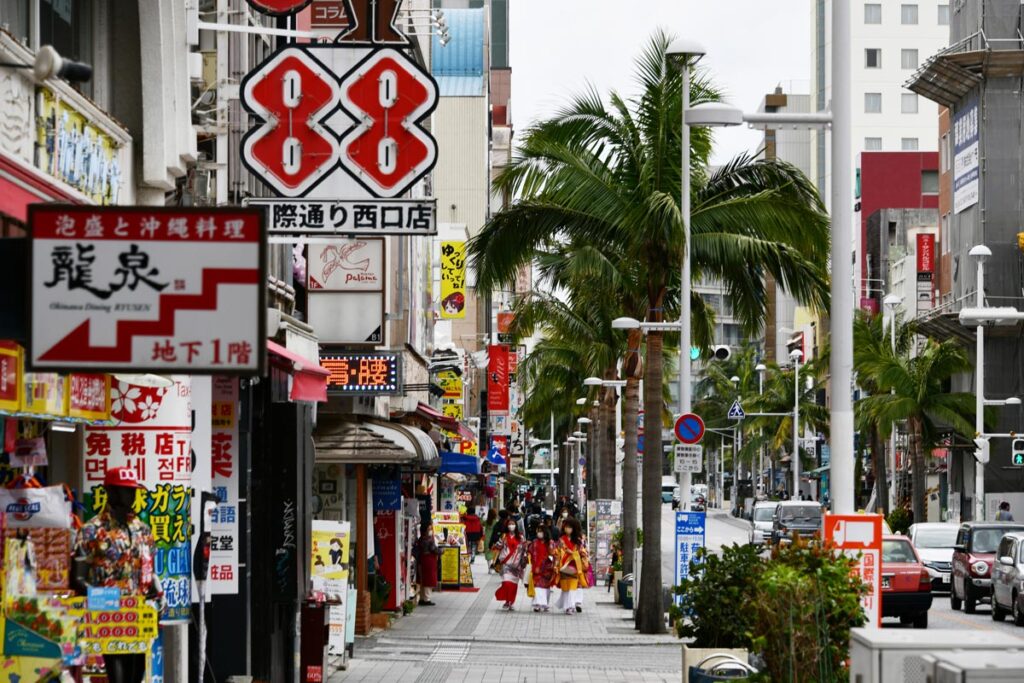
- Other Naha highlights: After visiting Shuri, head back toward central Naha to explore Kokusai-dori shopping street or the Makishi Public Market.
Planning Shuri as part of a full-day Naha itinerary helps you see both the historical and modern sides of Okinawa’s capital.
Making the Most of Your Visit
Shuri Castle rewards travelers who slow down and imagine the lives lived here: kings greeting Chinese envoys in the main courtyard, priestesses praying at sacred sites, and traders bringing exotic goods from distant ports. Even as reconstruction continues, the castle’s role as a symbol of Okinawa’s endurance and cultural richness is unmistakable.
For first-time visitors to Japan, a trip to Shuri Castle adds depth and contrast to the neon lights of Tokyo and the temple-lined streets of Kyoto. It reveals that Japan is not one single culture, but many stories woven together—one of the most compelling of which began right here on this hill in Naha.

Access Map
Recommended spots in Okinawa

Churaumi Aquarium
Shuri Castle
Kokusai Street
Sefa Utaki
Manza-mo

Blue Cave

Kouri Island

Diving Spots
Top destinations in Kyushu/Okinawa
Fukuoka
Kumamoto
Kagoshima