For many first-time visitors to Japan, the mind jumps straight to neon cityscapes, ancient temples, and bullet trains. Yet some of Japan’s most unforgettable experiences take place out on the water. One of the most magical is the so‑called “Blue Cave,” a name shared by several ocean grottoes across the country where sunlight turns the sea an almost unreal shade of cobalt.
This guide explains what the Blue Cave is, where you can find Japan’s famous versions, how to visit them safely and comfortably, and how to weave a Blue Cave trip into a wider Japan itinerary, especially if it’s your first time in the country.
What Is the “Blue Cave” in Japan?
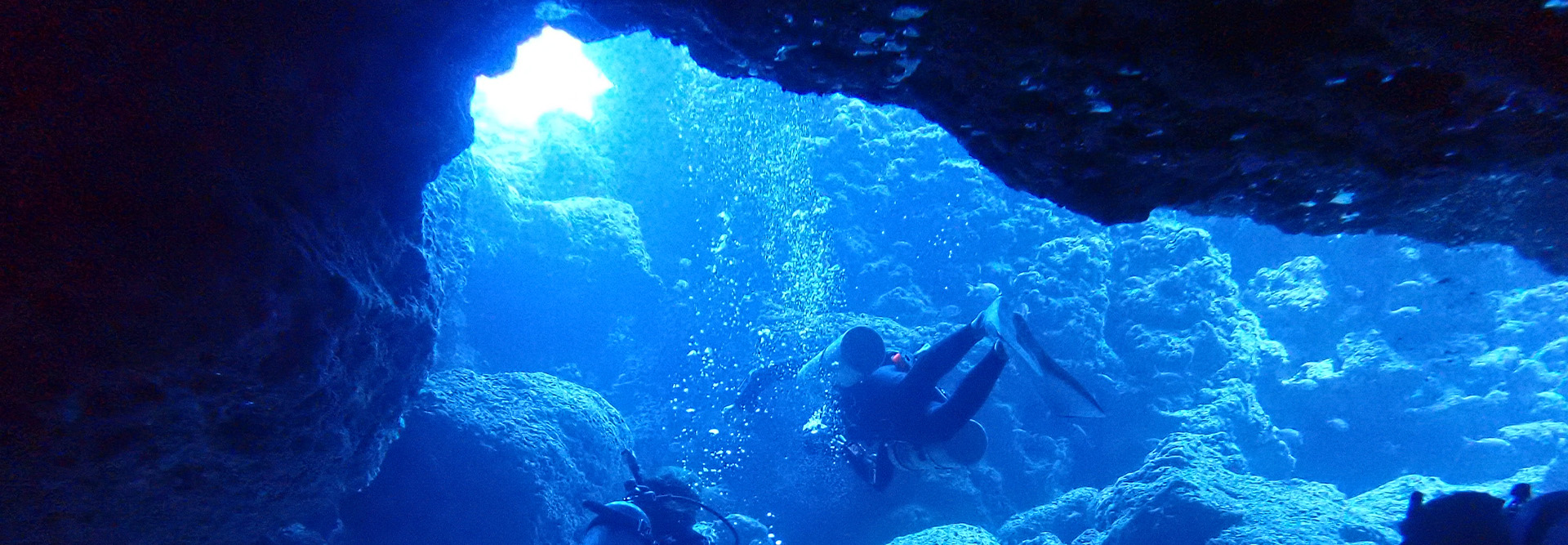
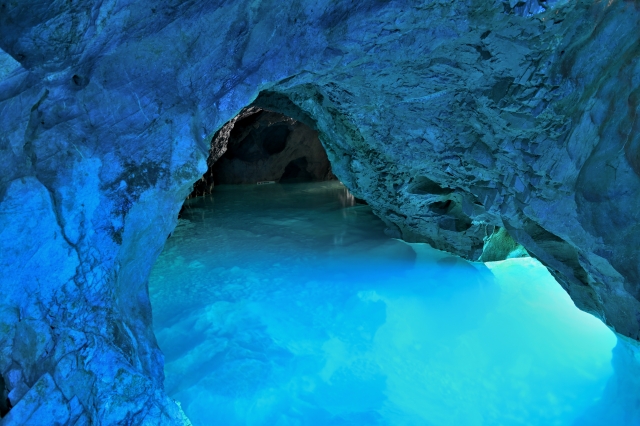
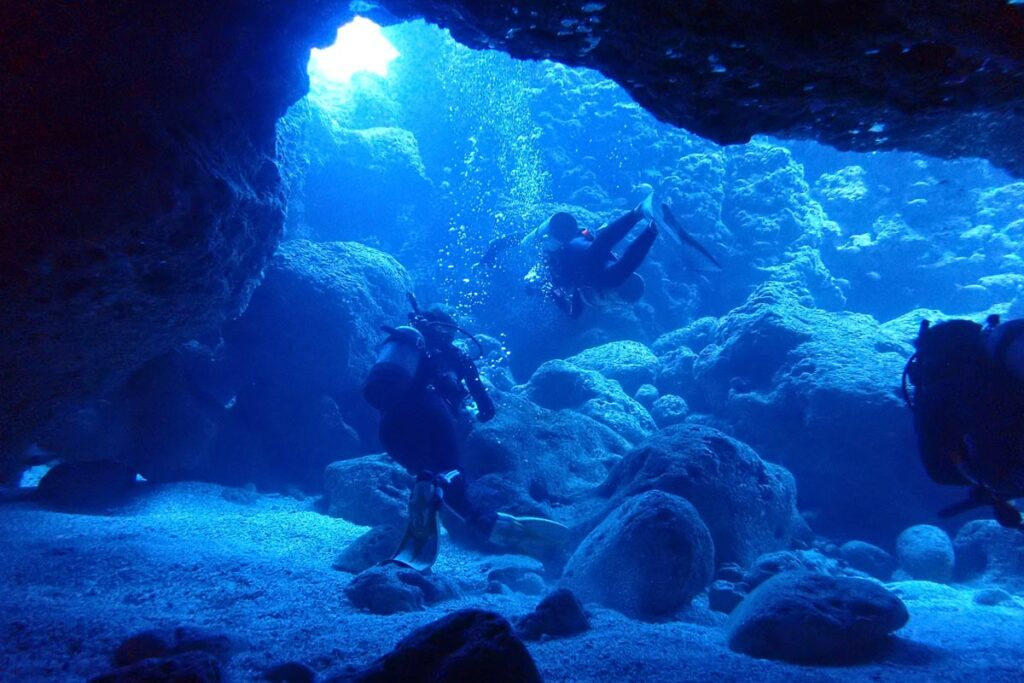
“Blue Cave” ( Ao no Dokutsu) is a popular name for natural sea caves where sunlight enters at a particular angle and reflects off the sand or rock below, illuminating the water in brilliant shades of blue. Inside, the surface often glows from below, creating an otherworldly, almost luminescent effect.
Okinawa’s Blue Cave: Sunny Tropics and Easy Snorkeling
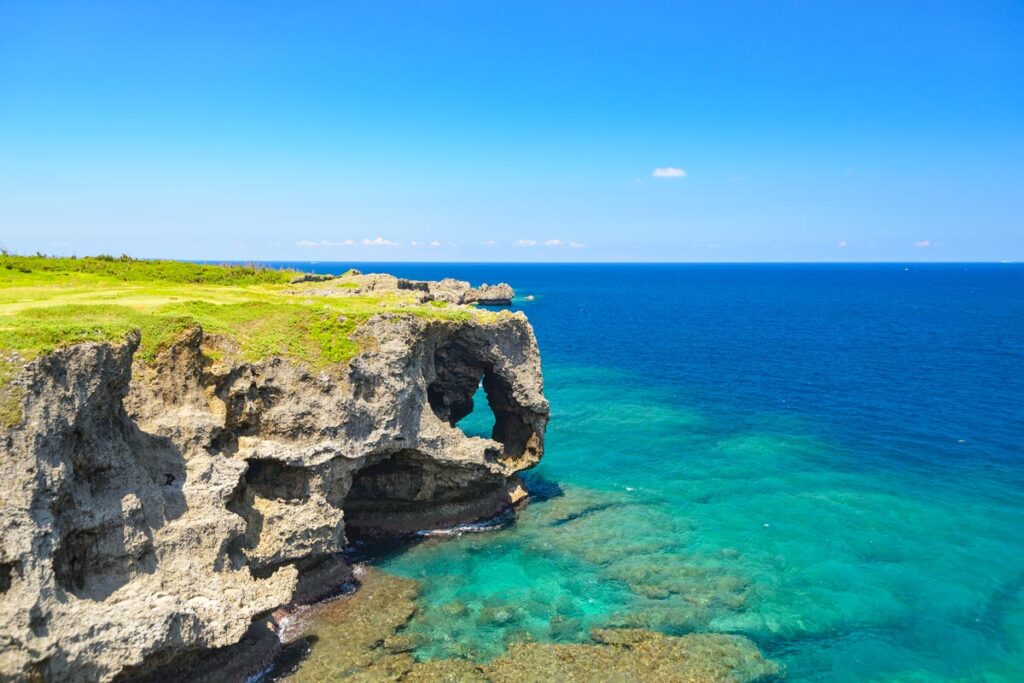
The most famous Blue Cave among overseas visitors is located near Cape Maeda in Onna Village on Okinawa Island. This area is Japan’s tropical playground, with white-sand beaches, coral reefs, and a relaxed Ryukyuan island atmosphere that contrasts sharply with Tokyo or Kyoto.
Where It Is and How to Get There
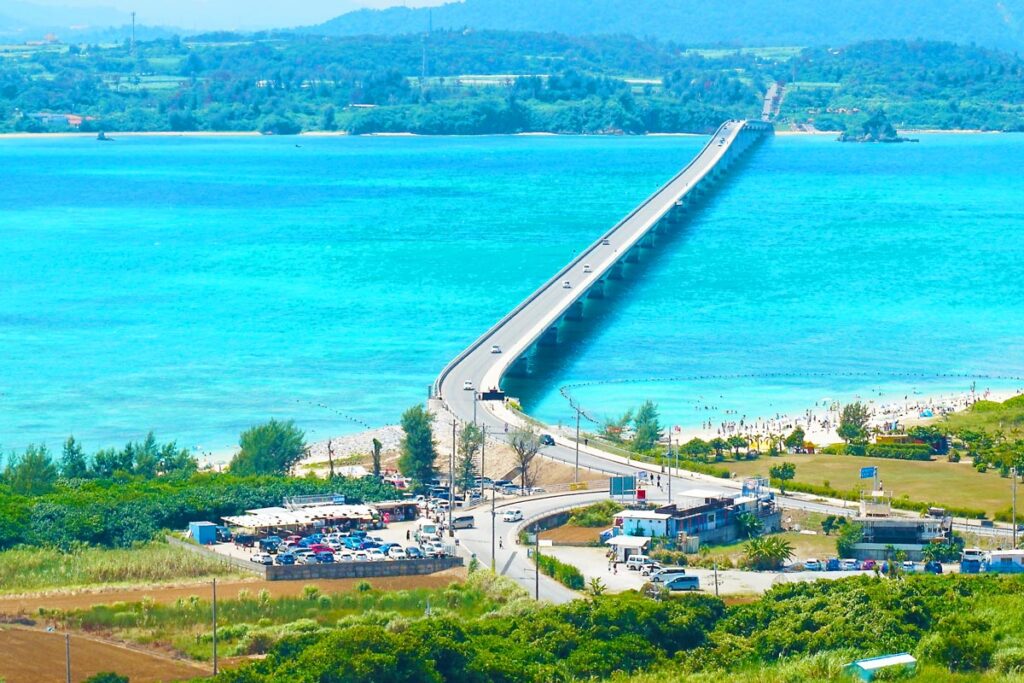
The Okinawa Blue Cave is on the western side of the island, roughly midway between Naha (the main city) and the popular resort areas of Onna and Yomitan.
- From Naha Airport / central Naha: Around 60–90 minutes by car, depending on traffic.
- By rental car: The most convenient option. Expressways and navigation apps are foreigner‑friendly, and parking is available near Cape Maeda.
- By bus: Highway buses and local services run toward Onna Village, but schedules can be limited and require transfers. Tours with hotel pickup are often simpler for first‑timers without a car.
Cape Maeda is the main departure point for Blue Cave tours. A set of concrete stairs leads down from the cape’s viewpoint to the water, and nearby dive shops and tour operators provide equipment and guides.
What You Can Do There
Most visitors experience Okinawa’s Blue Cave on a guided marine tour. Common options include:
- Snorkeling tours – The most popular choice. You’ll float on the surface, guided into the cave while gazing down into glowing blue water and schools of fish.
- Introductory scuba dives – For beginners with no license. Instructors control your gear while you descend a few meters below the surface.
- Certified diving – For licensed divers, often including multiple dive points around Cape Maeda.
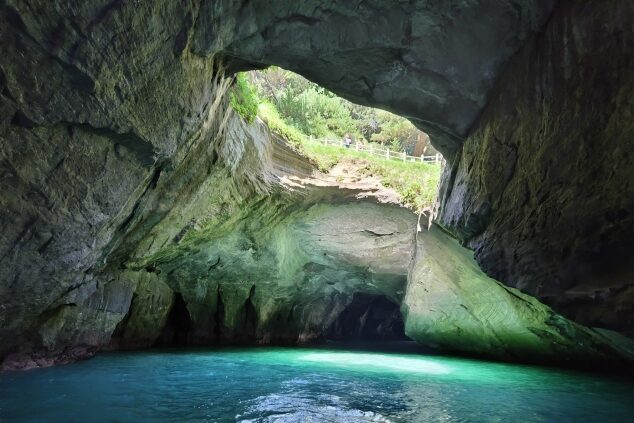
- Boat-based tours – If sea conditions near the stairs are rough, many operators instead depart by boat from a nearby harbor and approach the cave from offshore.
Tours typically include wetsuits, masks, fins, life vests, and an English‑speaking or multilingual guide. Many operators offer underwater photography, so you can take home images of yourself in the neon-blue glow.
Best Season and Time to Visit
Okinawa enjoys a subtropical climate, so the Blue Cave is generally accessible most of the year, but conditions vary:
- Spring (March–May): Pleasant temperatures and generally stable weather. Sea can still be cool early in the season, but wetsuits take care of that.
- Summer (June–September): Warm water and vibrant marine life, but it’s also high season and typhoon time. Tours may be canceled due to storms or large swells.
- Autumn (October–November): Often a sweet spot with warm water and fewer crowds once typhoon risk drops.
- Winter (December–February): Cooler but still diveable with proper gear. Fewer visitors means a quieter experience.
The cave’s interior tends to be most vividly blue when the sun is higher, so late morning to early afternoon often delivers the best effect. Early-morning tours can be calmer and less crowded, though the glow may be softer on cloudy days.
Safety and Practical Tips for Okinawa’s Blue Cave
While Okinawa’s Blue Cave tours are beginner‑friendly, ocean conditions can change quickly. Keep the following in mind:
- Always book a guided tour rather than attempting to swim out alone, especially as a first-time visitor.
- Check age and health requirements with the tour company. Some have minimum ages for children or restrictions for people with heart or respiratory issues.
- Listen carefully to the briefing on currents, hand signals, and how to move inside the cave, where space can be confined.
- Respect local etiquette by arriving on time, following your guide, and not touching coral or marine life.
- Sea sickness: If you’re prone to motion sickness and your tour uses a boat, take preventive medicine before departure.
Most operators provide lockers, changing rooms, and hot showers for after your dive or snorkel. Bring a swimsuit, towel, flip‑flops, and, if you wear glasses, ask in advance about prescription masks.
Planning Your Blue Cave Visit as a First-Time Traveler
By planning ahead, you can make the most of your time in Japan.
Booking Tours and What to Expect
Advance booking is strongly recommended during Japan’s peak holiday seasons, including Golden Week (late April to early May), mid-August, and long weekends around national holidays.
When comparing tours, check:
- Included equipment – Wetsuits, life jackets, snorkeling gear, and insurance coverage.
- Group size – Smaller groups can feel more relaxed and provide better support for nervous swimmers.
- Language support – Clear safety instructions are essential; ask in advance about English guidance.
- Cancellation policy – Sea conditions may cause last‑minute changes; know how refunds or rescheduling work.
Most operators will cancel or adjust itineraries if conditions are unsafe, sometimes substituting other nearby marine spots if the cave itself can’t be entered.
Cultural Context: The Sea in Japanese Life
Experiencing a Blue Cave is not only about colors and photos; it’s a window into Japan’s deep relationship with the sea. As an island nation, Japan has relied on fishing, trade routes, and maritime travel for centuries, and coastal landscapes play a prominent role in poetry, painting, and folklore.
In Okinawa, the ocean is closely tied to Ryukyuan spiritual beliefs. Coastal cliffs and caves are sometimes considered sacred, and traditional festivals honor sea deities and ancestors. Be mindful that, while tourism is welcome, local communities may also use nearby sites for prayer and remembrance.
Essential Etiquette and Environmental Responsibility
Japan’s Blue Caves are fragile environments, and rising visitor numbers bring a responsibility to minimize impact.
- Don’t touch coral or rock walls, as oils from skin can harm marine ecosystems and increase erosion.
- Avoid standing on coral, even in shallow areas near the cave entrance.
- Use reef‑safe sunscreen where possible, and apply it well before entering the water to reduce runoff.
- Take all trash with you, even if bins are provided at the departure point.
- Keep noise reasonable inside the cave so everyone can enjoy the atmosphere.
Japanese guides typically model this behavior clearly; following their lead is an easy way to show respect for both nature and local customs.
Making the Blue Cave Part of Your Japan Story
For many first-time travelers, a visit to a Blue Cave becomes one of the most enduring trip memories, precisely because it contrasts so strongly with Japan’s urban image. Drifting in glowing blue water, or gliding by sea cliffs on a small boat, reveals another side of the country—one shaped by tides, wind, and the slow carving of stone.
Whether you combine Okinawa Blue Cave with a few days of beach relaxation and island cuisine, you’ll add a powerful natural highlight to your itinerary. Plan ahead, travel with care for the environment, and you’ll discover a Japan that extends far beyond temple gates and city streets, into the luminous, ever‑moving world of the sea.