



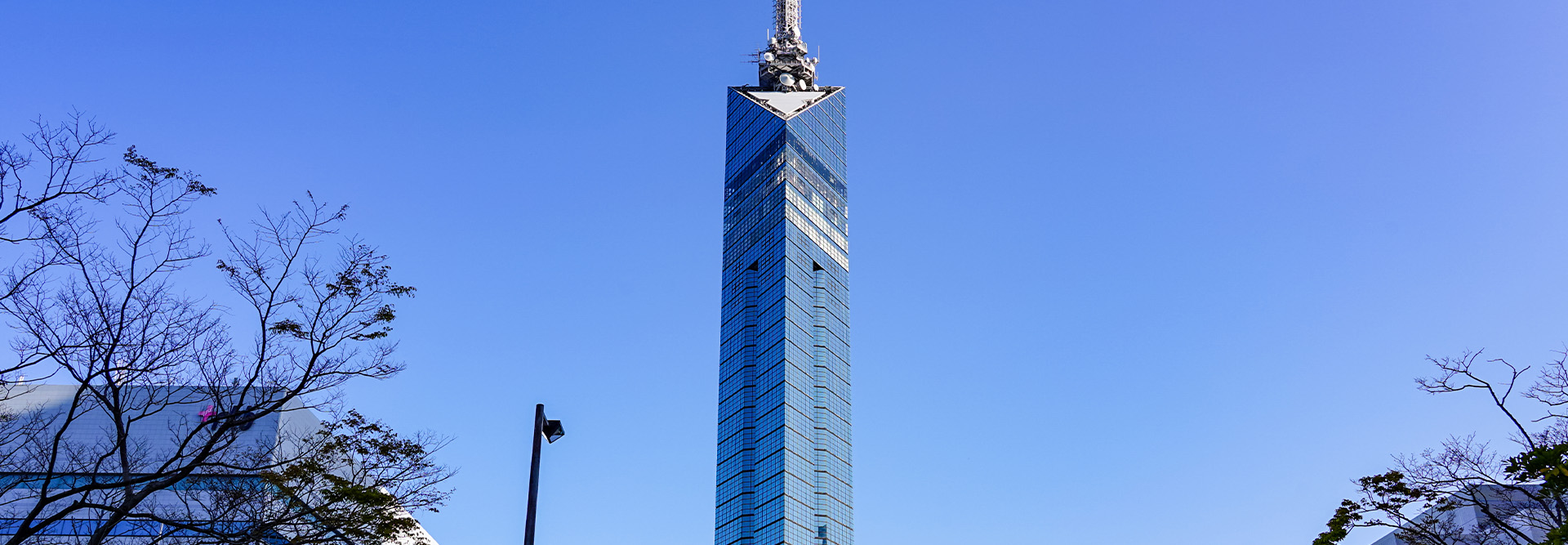
Fukuoka Tower
Fukuoka Tower Japan: A First-Time Visitor’s Guide to the Sky
Photos are for illustrative purposes only.
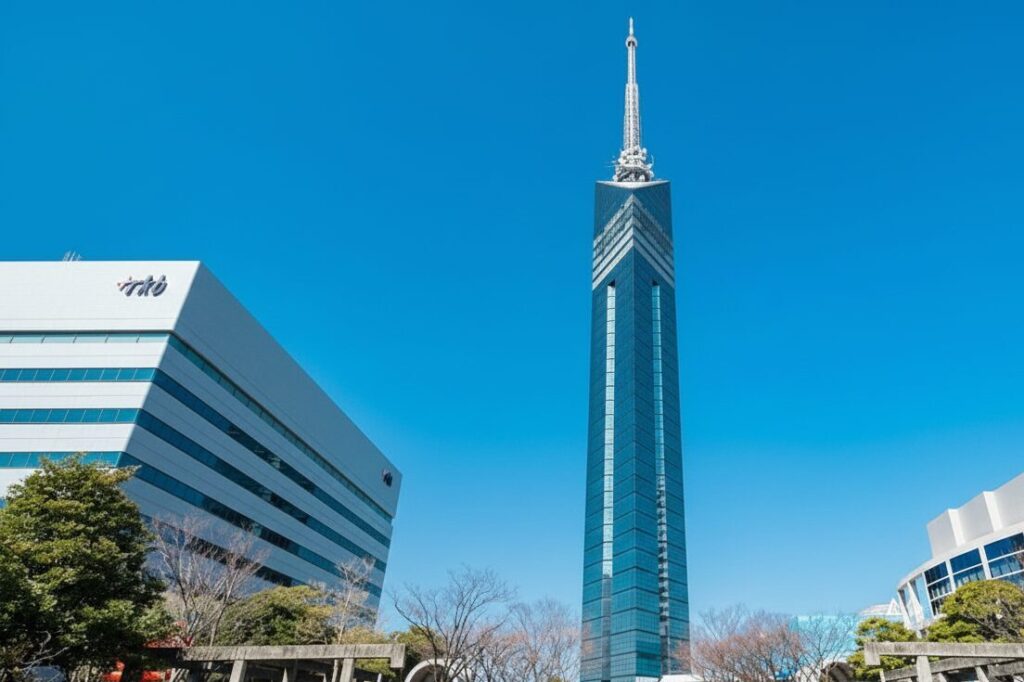
Rising above the shimmering coastline of northern Kyushu, Fukuoka Tower is the modern icon of Fukuoka City. At 234 meters tall, this sleek, triangular tower is the tallest seaside tower in Japan and a perfect first stop for travelers who want to see the city’s layout in a single sweeping view. For first-time visitors to Japan, it offers a gentle, relaxed introduction to Japanese city life, without the overwhelming crowds of Tokyo or Osaka.
Why Visit Fukuoka Tower?
Fukuoka Tower combines panoramic city views with a relaxed beachside atmosphere, making it an ideal half-day outing. From the observation decks, you can see the blue arc of Hakata Bay, the low mountains cradling the city, and—on a clear day—fishing boats tracing white lines across the water. At night, the city glows below like a circuit board.
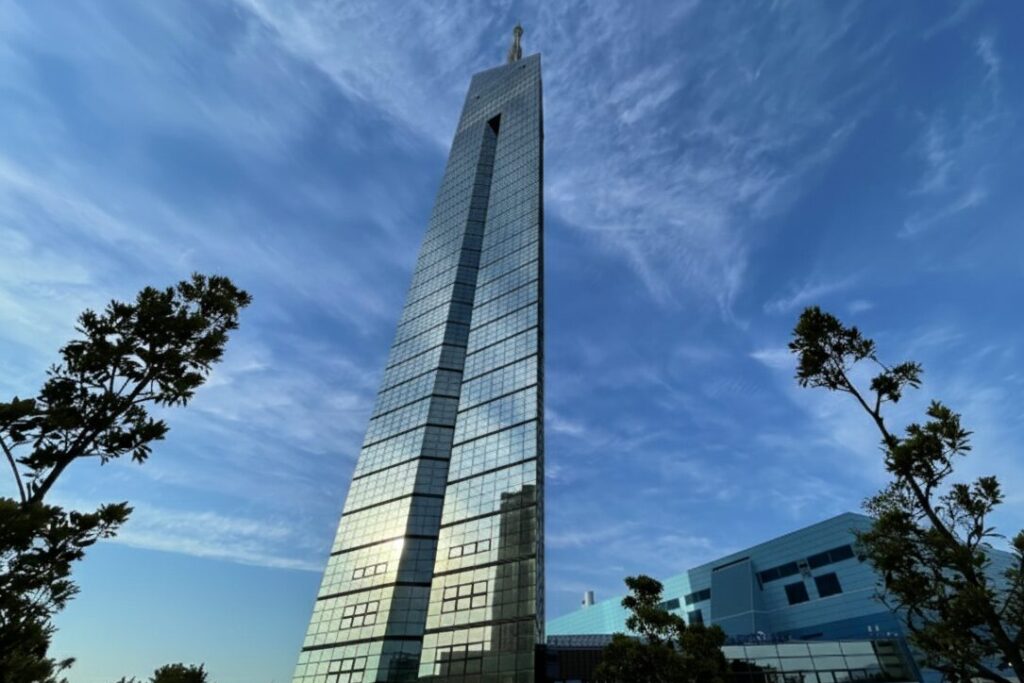
More than just a viewpoint, the tower has become a symbol of Fukuoka’s transformation from a historic port city to a modern gateway to Asia. The building’s mirrored glass exterior reflects the sea and sky, changing color with the weather and time of day. Seasonal illuminations make it feel different in every season, from romantic hearts in winter to bright, festive patterns in summer.
What to Expect Inside Fukuoka Tower
The Observation Decks
High-speed elevators whisk you up to the main observation floor at 123 meters in under a minute. The ride itself is smooth and quiet, and you step out into wide windows that run from floor to ceiling on every side. The main deck offers:
- City panorama: Look inland to see Fukuoka’s compact downtown, the dome-shaped stadium, and the gentle ridges of the surrounding mountains.
- Ocean views: Turn toward the water to watch ships sliding in and out of Hakata Bay and, in the distance, the outlines of islands offshore.
- Landmark spotting: You can trace the coastline down to Momochi Seaside Park, the dome (PayPay Dome), and the modern high-rise district.
Above the main floor, an additional observation level provides slightly higher views and a quieter atmosphere. Below, a lower level sometimes hosts small exhibitions, photo spots, and seasonal displays.
Photo Spots and Souvenirs
Fukuoka Tower is designed with camera-wielding visitors in mind. You’ll find:
- Dedicated photo corners with frames, props, or themed backdrops for commemorative snapshots.
- City-view benches where you can sit and watch the scenery while taking discrete, candid photos.
- Souvenir shop near the exit area, selling tower-themed goods, local snacks from Fukuoka, and small gifts that are easy to pack.
The staff is used to international visitors and typically very happy to help you take a group photo using your own camera or phone.
Best Time to Visit Fukuoka Tower
Fukuoka Tower is open throughout the year, and the view changes dramatically with time and season. Picking the right time can turn a good visit into a memorable one.
Daytime Views
On a clear day, daytime visits offer the best visibility. You can see shoreline details and mountain layers, which is helpful if you want to get your bearings in the city. Daytime is also usually less crowded than evening, especially on weekdays, making it easier to move around and take photos at your own pace.
Sunset and Night Views
For many visitors, sunset is the highlight. Arrive about 30–45 minutes before sunset to watch the sky transition from pale blue to orange and finally indigo. You’ll see:
- The sun sinking behind the mountains or into the clouds at the horizon.
- The city lights gradually flickering on, one building at a time.
- The reflection of dusk colors on the bay, especially beautiful on calm days.
After dark, Fukuoka becomes a soft mosaic of lights, and the tower’s windows turn into a floating observatory above the city. If you have time, pairing a sunset visit with a stroll along the beach below after dark makes for a very romantic or reflective evening.
Seasonal Illuminations
At night, Fukuoka Tower itself is illuminated with LED patterns that change with the season and special events. Examples include:
- Spring: Sakura (cherry blossom) motifs and pastel colors.
- Summer: Fireworks-inspired patterns and ocean-blue tones.
- Autumn: Warm reds and golds, sometimes with leaf patterns.
- Winter: Romantic hearts, Christmas trees, or star-filled designs.
The illuminations are best admired from a short distance away on the beach or promenade, where you can see the full outline reflected in the water.
Romance and Couples’ Culture
In Japan, tall towers and observation decks are often associated with romance, and Fukuoka Tower is no exception. It is sometimes referred to as a “lover’s sanctuary” due to its many couples-focused touches:
- Heart-themed decorations and photo spots, especially on the observation floors.
- Love locks or plaques (depending on the season) where couples can leave a small message or wish.
- Soft evening lighting and quiet corners that make for a gentle, unhurried date atmosphere.
For first-time visitors, this offers a glimpse into contemporary Japanese dating culture, which often revolves around scenic viewpoints, seasonal events, and sharing quiet, aesthetic experiences rather than big gestures.
Practical Information: Tickets, Hours, and Facilities
Details can change, but as a general guide:
- Opening hours: Typically from late morning to around 10 p.m., with last entry about 30 minutes before closing. Evening hours are extended during certain holidays.
- Tickets: You can buy tickets at the counter on the ground floor. Adult tickets are usually in the modest range for a major city attraction. Children and seniors often receive discounts.
- Payment: Cash and major credit cards are widely accepted; many counters also support IC cards and mobile payments.
- Facilities: Elevators, restrooms, souvenir shop, and vending machines; some floors have small cafés or snack areas.
Fukuoka Tower is generally barrier-free, with elevator access and minimal steps, making it accessible for travelers with mobility needs or families with strollers.
How to Get to Fukuoka Tower
Fukuoka’s compact size and efficient transport system make reaching the tower straightforward, even for first-time visitors to Japan.
From Hakata Station
Hakata Station is the city’s main hub and the arrival point for most shinkansen (bullet trains). From Hakata:
- By subway and bus: Take the Kuko (Airport) Line to Nishijin or Tojinmachi Station. From there, local buses or a taxi ride of around 10 minutes will bring you to the tower area.
- By direct bus: City buses run from major hubs like Hakata Station and Tenjin to the Momochi area near the tower. Look for buses heading toward “Fukuoka Tower” or “Momochihama.”
- By taxi: A taxi from Hakata Station is fairly quick and can be cost-effective if you are traveling in a group.
From Fukuoka Airport
Fukuoka Airport is close to the city center, so it is possible to visit Fukuoka Tower on the day you arrive or depart:
- Take the subway from the airport to the city center, then transfer to a bus or taxi for the final stretch.
- Total transit time is usually around 30–45 minutes, depending on connections and traffic.
Clear signage in English, Korean, and Chinese helps you navigate, and bus announcements in Fukuoka often include multilingual information at major stops.
What to Do Around Fukuoka Tower
One of the best reasons to visit Fukuoka Tower is its location. The surrounding Momochi Seaside area is an attractive, modern waterfront district with plenty to do before or after your tower visit.
Momochi Seaside Park and Beach
Just steps from the tower lies a man-made beach with soft sand and a wide promenade. It’s a favorite spot for:
- Relaxed strolls: Walk along the shoreline with the tower rising behind you and the sea stretching ahead.
- Casual dining: Beachside cafés and restaurants serve light meals, drinks, and sometimes local seafood with a view.
- Seasonal activities: In summer, the beach attracts swimmers and sunbathers; in cooler months, it’s quieter and ideal for photography or reflection.
Nearby Attractions
Within a short bus or taxi ride, you’ll find other Fukuoka highlights that pair well with a tower visit:
- PayPay Dome: The home stadium of the local baseball team, often hosting concerts and events.
- Fukuoka City Museum: A chance to learn about Fukuoka’s long history as a trading port linking Japan with Korea and China.
- Shopping complexes: Modern malls and entertainment centers offering international brands, Japanese fashion, arcades, and cinemas.
If you’re short on time in Fukuoka, combining the tower, beach, and a nearby museum or mall in a single afternoon and evening offers a well-rounded overview of the city’s modern side.
Tips for First-Time Visitors to Japan
Fukuoka Tower is a gentle introduction to Japanese customs and etiquette. Keeping a few basics in mind will help your visit go smoothly.
Etiquette at the Tower
- Queueing: Japanese visitors form orderly lines for ticket counters and elevators. Join the back of the line, even if it isn’t marked by barriers.
- Noise levels: Conversation is fine, but keep voices moderate, especially at night when couples and families often seek a calm atmosphere.
- Photography: Photography is allowed in most public areas, but avoid blocking narrow walkways or leaning against windows.
- Food and drink: Only consume food or drinks in designated areas. Do not bring open food containers into the tightest observation spots.
Language and Support
Many signs in and around Fukuoka Tower include English, and staff members are accustomed to international visitors. Even if they do not speak fluent English, they are usually very willing to help with basic questions using gestures, simple phrases, or printed information.
Polite phrases like “sumimasen” (excuse me/sorry) and “arigatou” (thank you) go a long way and are appreciated, even in a modern, international city like Fukuoka.
Planning Your Fukuoka Itinerary with the Tower
For first-time travelers, Fukuoka Tower works well as either an introduction or a farewell to the city:
- On your first day: Visit in the afternoon to orient yourself, then stay for sunset and dinner near the beach.
- On your last day: Return to say goodbye to the skyline you’ve come to know, capturing night photos to remember your trip.
Because the visit itself can be as short as one hour or as long as half a day if you explore the surrounding area, it fits easily into most itineraries, including short stays or stopovers between other Japanese cities.
Is Fukuoka Tower Worth Visiting?
For a first-time visitor to Japan, Fukuoka Tower offers a relaxed, scenic experience that balances modern architecture with natural beauty. You get a clear overview of the city, an intimate glimpse into local dating and leisure culture, and a chance to slow down beside the sea—all within easy reach of central Fukuoka.
Whether you’re watching the sunset fade over Hakata Bay, admiring the night lights from high above, or simply strolling along the beach with the tower glowing behind you, Fukuoka Tower is a memorable highlight in any Fukuoka itinerary, and a gentle reminder that Japan’s charm extends far beyond its biggest cities.

Access Map
Recommended spots in Fukuoka
Ohori Park
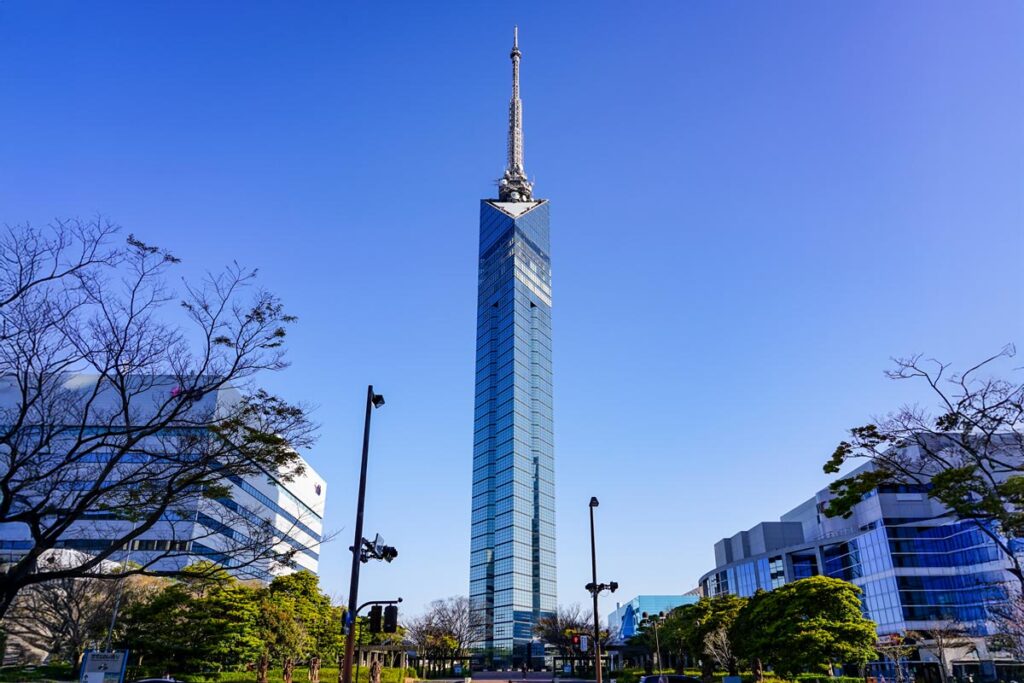
Fukuoka Tower
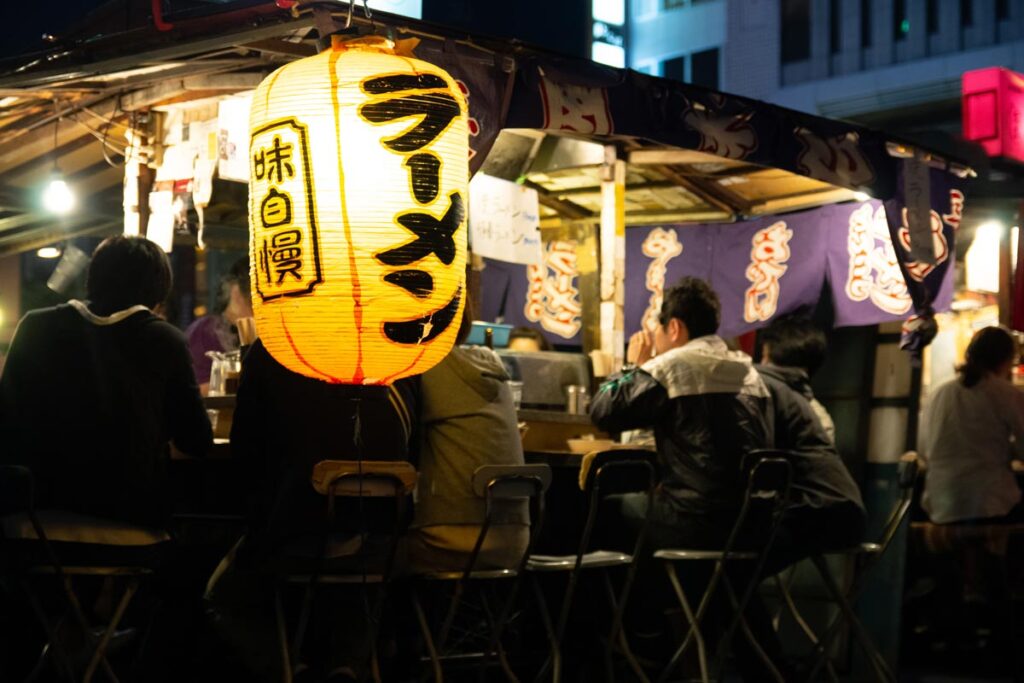
Yatai Stalls, Nakasu Kawabata
Top destinations in Kyushu/Okinawa
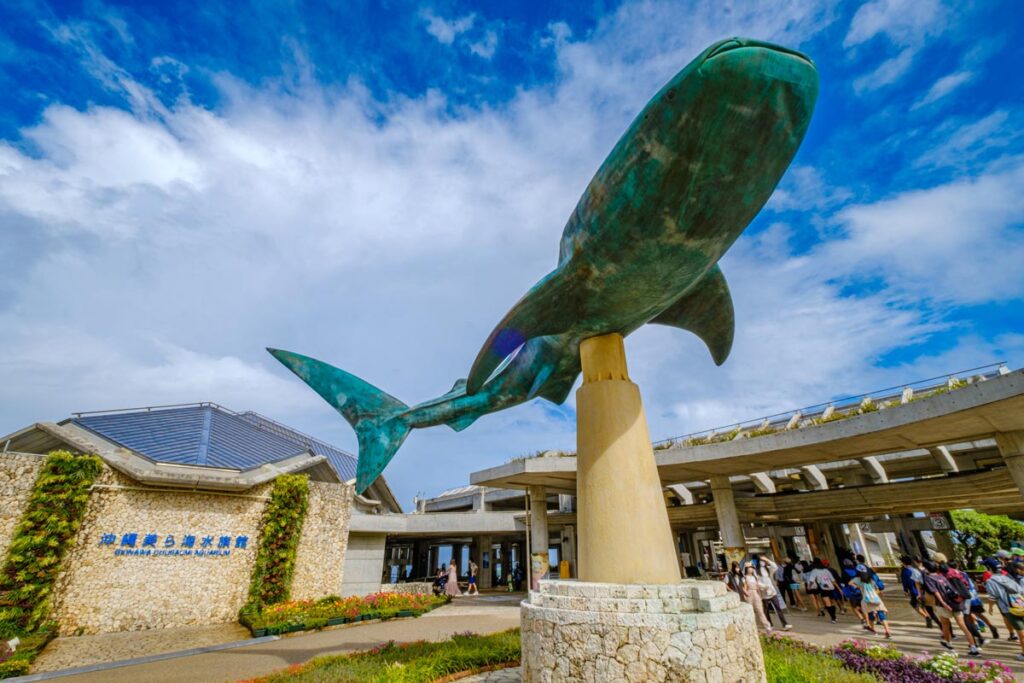
Okinawa
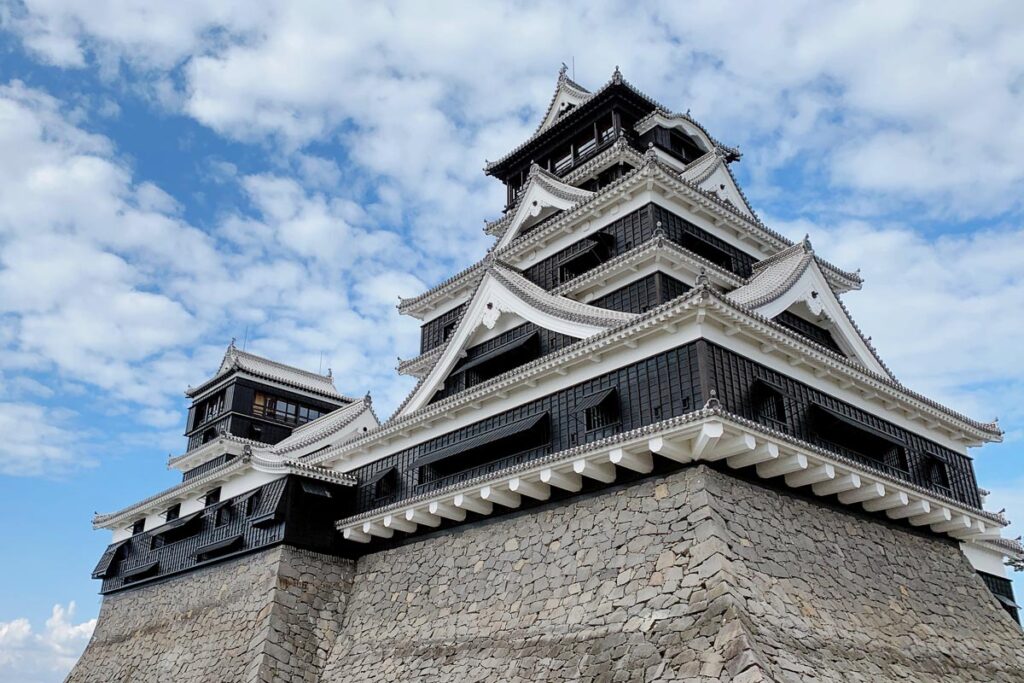
Kumamoto
Kagoshima