





Yatai Stalls, Nakasu Kawabata
Yatai Stalls in Japan: Nighttime Street Food Culture for First-Time Visitors
Photos are for illustrative purposes only.
When the sun goes down in Japan, a different kind of city life begins. Lanterns flicker on, steam rises into the cool night air, and small open-air food stands called yatai start serving simple, comforting dishes to hungry locals. For first-time visitors, pulling up a stool at a yatai stall is one of the most enjoyable ways to experience everyday Japanese culture up close.
This guide explains what yatai are, where to find them, what to eat, and how to navigate the experience confidently and respectfully.
What Are Yatai Stalls?
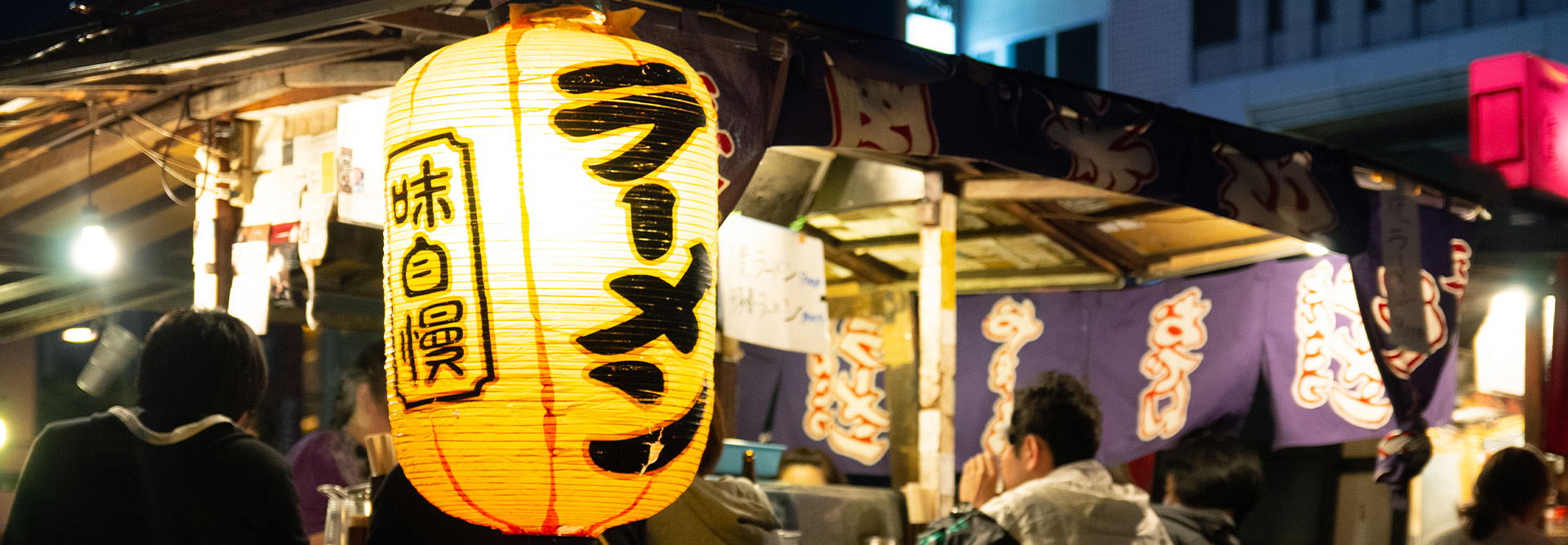
Yatai are small, usually mobile food stalls that operate mainly in the evening. Think of them as tiny, open-air diners: a counter with several seats, a roof or awning, and a compact kitchen right in front of you. Most yatai serve just a handful of specialties, prepared fresh to order.
Historically, yatai were a common sight across Japan, especially in the postwar years when street food was cheap, quick, and essential for workers commuting long hours. Over time, stricter regulations and urban development reduced their numbers, particularly in big cities like Tokyo and Osaka. However, some regions—most famously Fukuoka—have preserved and revitalized this unique food culture.
Today, visiting yatai stalls offers more than just a meal. It’s a chance to:
- Sit shoulder-to-shoulder with locals and other travelers
- Watch your food being cooked a few centimeters away
- Experience a relaxed, social side of Japan that balances the country’s famously orderly image
Where to Find Yatai in Japan
Yatai can appear in different cities, often around festivals or special events, but there are a few reliable places where you can still experience them as part of everyday nightlife.
Fukuoka: Japan’s Yatai Capital
Fukuoka, on the island of Kyushu, is the best place in Japan to experience authentic yatai culture. The city’s riverside and downtown neighborhoods come alive with stalls most nights, weather permitting.
Key yatai areas in Fukuoka include:
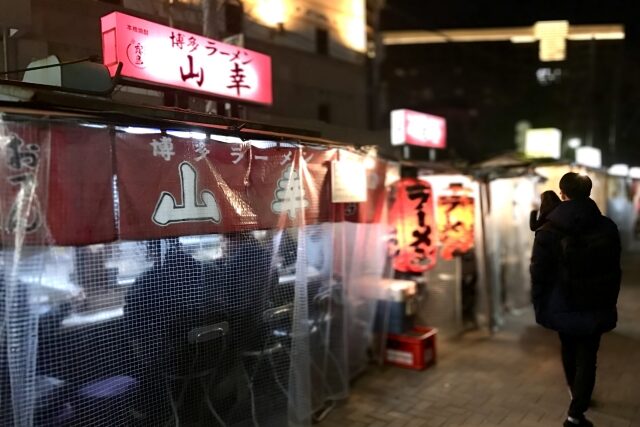
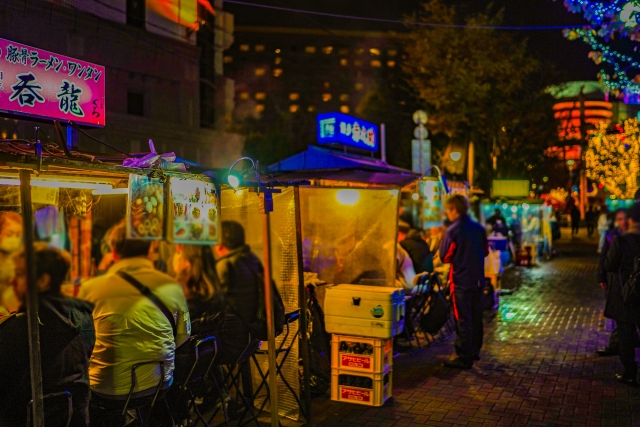
- Nakasukawabata and Nakasu Island: Lined with stalls along the river, this is the most iconic yatai area. Expect a lively atmosphere, neon reflections on the water, and plenty of choices.
- Tenjin: Close to major shopping and business districts, this area attracts office workers winding down after work.
- Nagahama: Traditionally associated with ramen, especially the rich, pork-bone broth style known as Hakata ramen.
Most Fukuoka yatai open in the early evening (around 6–7 p.m.) and operate until around midnight or later, depending on the stall and day of the week.
Seasonal and Festival Yatai Around Japan
Outside Fukuoka, you are most likely to encounter yatai-style stalls at festivals (matsuri) and temple or shrine events. These are usually temporary stands set up along approach paths or nearby streets.
Common places and times include:
- New Year visits (Hatsumode): Many major shrines and temples offer long rows of food stalls for visitors praying for good fortune.
- Summer festivals: Fireworks displays, Bon Odori dances, and local summer celebrations almost always feature food stalls.
- Cherry blossom season: Popular viewing spots sometimes host yatai-style vendors in the evenings, selling snacks and drinks for hanami picnics.
These festival stalls often focus more on simple snacks rather than counter-style dining, but they share the same lively, casual spirit.
What to Eat at Yatai Stalls
Menus at yatai are usually short, focused, and comforting. Dishes are designed to be prepared quickly in a small space and enjoyed with a drink and conversation. While every stall has its own character, there are some common specialties you’re likely to see.
Ramen
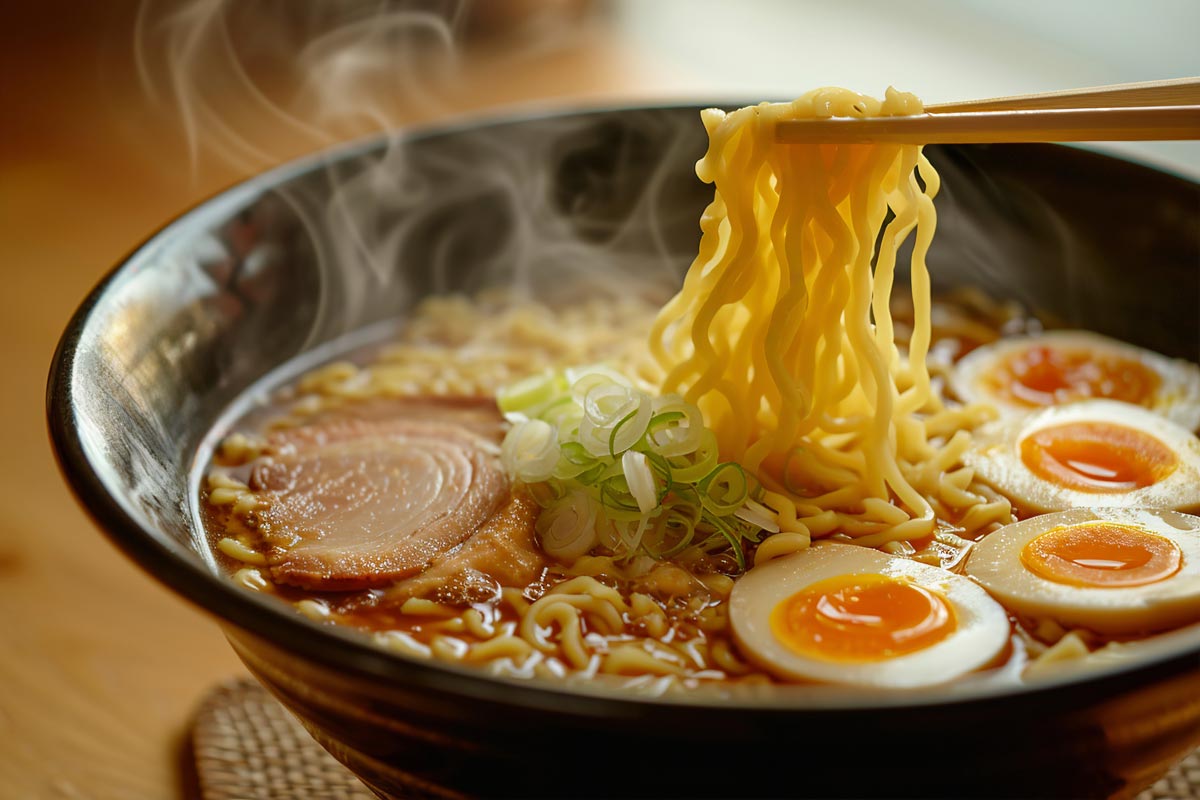
Ramen is one of the stars of the yatai scene, especially in Fukuoka, home of Hakata-style ramen. Expect a rich, milky-white tonkotsu (pork bone) broth, thin noodles, and toppings like chashu pork, green onions, and pickled ginger.
At a ramen-focused yatai, you can often choose your noodle firmness—soft, normal, or firm (barikata). Don’t be surprised if locals order a second helping of noodles to add to their remaining broth; this is called kaedama.
Yakitori and Grilled Dishes
Many yatai specialize in items grilled over charcoal, especially skewers. These might include:
- Yakitori: Grilled chicken skewers, from juicy thigh meat to crispy skin or chicken meatballs.
- Kushiyaki: A broader term for grilled skewers, which might include pork, beef, vegetables, or seafood.
- Local specialties: Depending on the region, you might find skewered offal, seasonal fish, or regional cuts of meat.
These stalls pair naturally with beer, sake, or shochu, creating a casual, pub-like atmosphere.
Oden and Comfort Foods
In cooler seasons, some yatai offer oden, a warming stew of ingredients simmered in a light dashi broth. Common items include daikon radish, boiled eggs, fish cakes, tofu, and konjac. You simply point to the items you want in the large pot in front of you.
Other comfort foods you may encounter include:
- Gyoza: Pan-fried dumplings served with dipping sauce.
- Yakisoba: Stir-fried noodles with vegetables and meat in a savory sauce.
- Tempura and small fried dishes: Lightly battered seafood or vegetables, perfect as snacks.
Festival-Style Snacks
At seasonal or shrine-based yatai, you’re more likely to find handheld items designed for strolling around:
- Takoyaki: Batter balls with octopus pieces, topped with sauce, mayo, and dried bonito.
- Okonomiyaki: Savory pancakes made with cabbage, meat or seafood, and rich sauces.
- Taiyaki: Fish-shaped cakes filled with sweet red bean paste or custard.
- Kakigori: Shaved ice with colorful flavored syrups in summer.
These are ideal if you prefer to sample multiple small bites while exploring a festival rather than sit at a counter.
How to Order and Pay at Yatai
Language can feel intimidating, but yatai are generally friendly and welcoming, and you don’t need to speak perfect Japanese to enjoy them.
Finding a Seat
Most yatai have limited seating, often 6–10 stools. If a stall looks full, wait a little nearby without blocking the walkway. When a seat opens, the staff may signal to you or you can politely ask, “Ii desu ka?” (Is it okay?).
Reading the Menu
Menus at yatai are often handwritten in Japanese and posted on boards or hanging cards. If you can’t read them, don’t worry. Many stall owners are used to visitors; you can:
- Point to dishes others are eating and say, “Kore wa nan desu ka?” (What is this?)
- Use simple English words like “ramen,” “yakitori,” or “beer,” which are widely understood.
- Show numbers with your fingers when ordering quantities.
If you have dietary restrictions, it’s best to prepare key phrases in advance, as many yatai do not have detailed allergen information and customization may be limited.
Paying and Typical Prices
Most yatai are cash-only, so bring enough yen in small bills and coins. Prices vary by region and stall, but you can expect:
- Ramen: roughly 800–1,200 yen
- Skewers: around 150–400 yen each
- Small plates and snacks: 400–800 yen
- Beer and simple drinks: 400–700 yen
Some yatai charge a small seating fee or serve an automatic appetizer (otoshi) for a few hundred yen per person. This is common in Japanese bars and small eateries. If you’re unsure, you can glance at a price list or politely ask, “Otoshi arimasu ka?” (Is there an otoshi?).
At the end, say “O-kaikei onegaishimasu” (The bill, please). Payment is usually made at the counter; just follow what others do. Tipping is not customary in Japan, including at yatai.
Yatai Etiquette for First-Time Visitors
Yatai are casual and welcoming, but they are also small, shared spaces. A little etiquette goes a long way toward a smooth experience.
Be Mindful of Space
Seats are close together, so place bags under your stool or between your legs, not on the counter. Avoid spreading out, and make room if new guests arrive and space is tight. It’s common to brush elbows with strangers—part of the charm of yatai dining.
Order Modestly, Then Add More
Because space and cooking capacity are limited, start by ordering a few items rather than everything at once. You can always add more dishes or drinks later. This pacing also helps you avoid food waste and keeps the stall’s flow manageable.
Smoking and Noise
Rules about smoking can vary by stall and local regulations. If someone nearby is smoking and it bothers you, it’s usually better to quietly move or finish and find another stall rather than complain loudly. Conversation is welcomed, but keep voices at a reasonable level—especially late at night in residential areas.
Photography and Social Media
Taking photos of your food and the stall is generally fine, but it’s polite to avoid taking close-up photos of other customers without permission. If you want a photo with the chef or staff, ask with a smile and a simple “Photo, OK?”
Time and Turnover
Yatai rely on a fairly quick turnover of seats. You’re welcome to relax with a final drink after eating, but it’s considerate not to linger for very long if people are waiting, especially when the stall is small and busy.
Cultural Context: Why Yatai Matter
Experiencing yatai isn’t just about trying Japanese food; it’s about seeing how food, work, and social life intersect in everyday Japan.
Each yatai is usually run by a single owner or a small family team, often for many years. Regular customers may come several times a week, creating a tight-knit micro-community around a few stools and a steaming pot. As a visitor, you are briefly stepping into that world.
Unlike large restaurants, yatai allow you to watch every step of preparation, ask questions, and see the care that goes into seemingly simple dishes. This intimacy helps explain why many Japanese people develop strong loyalty to their favorite stalls and chefs.
At the same time, yatai culture has had to adapt to modern regulations, changing cityscapes, and tourism. Some cities have worked to preserve yatai by limiting numbers and creating licensing systems, aiming to balance hygiene and order with the charm that makes these stalls special.
Tips for Enjoying Yatai as a First-Time Visitor
To make the most of your first yatai experience in Japan, keep these simple tips in mind:
- Arrive early in the evening: Popular stalls can fill up quickly, especially on weekends.
- Bring cash: Many stalls do not accept credit cards or digital payment.
- Prepare a few Japanese phrases: Even a simple “oishii” (delicious) can spark friendly smiles.
- Be flexible: Menus are small and ingredients limited, so think of the experience as an adventure rather than a place to request many substitutions.
- Dress for the weather: Yatai are semi-outdoor; you may feel the evening breeze, rain, or cold more than in a restaurant.
Above all, approach yatai with curiosity and patience. Even if there is a language barrier, friendliness and respect are universally understood.
Why Yatai Belong on Your Japan Itinerary
For many first-time travelers, the lasting memories of Japan are not only of temples, skyscrapers, and bullet trains, but also of small, human moments: a shared laugh over a bowl of ramen, the sizzle of skewers on a rainy night, or a chef proudly explaining their specialty through gestures and smiles.
Yatai stalls offer exactly these kinds of experiences. They’re an accessible way to see how Japanese people relax after work, to taste regional flavors, and to connect with a side of the country that doesn’t always appear in glossy travel brochures.
If your schedule allows, set aside at least one evening for a yatai adventure. Choose a stall that feels welcoming, sit down, and let the night unfold. The food will fill you, but the atmosphere and interactions are what will stay with you long after you’ve left Japan.

Access Map
Recommended spots in Fukuoka
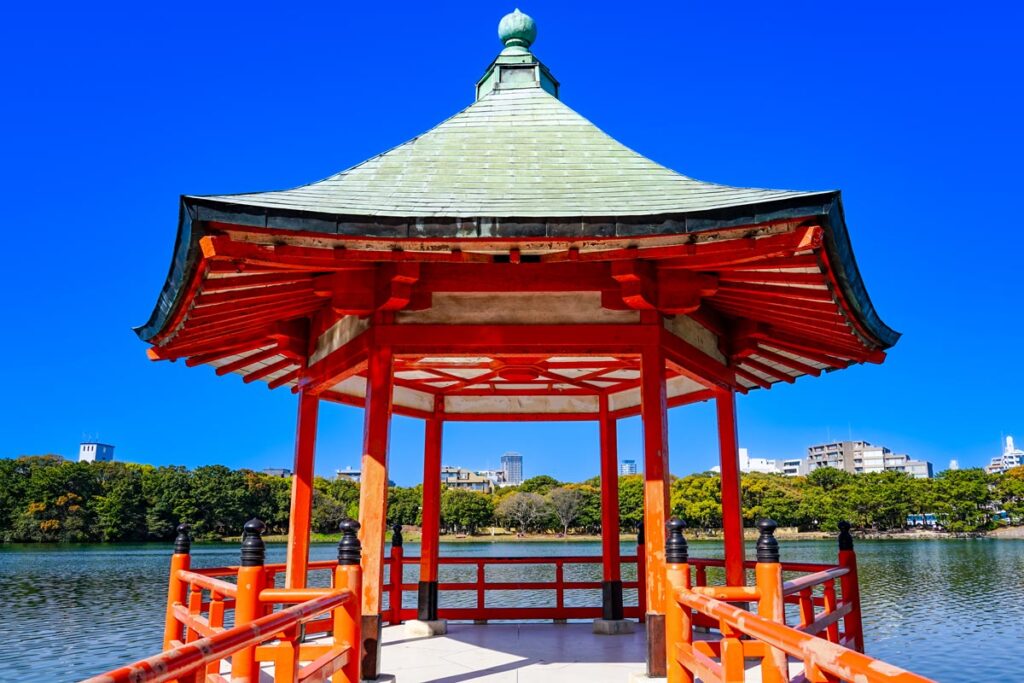
Ohori Park

Fukuoka Tower
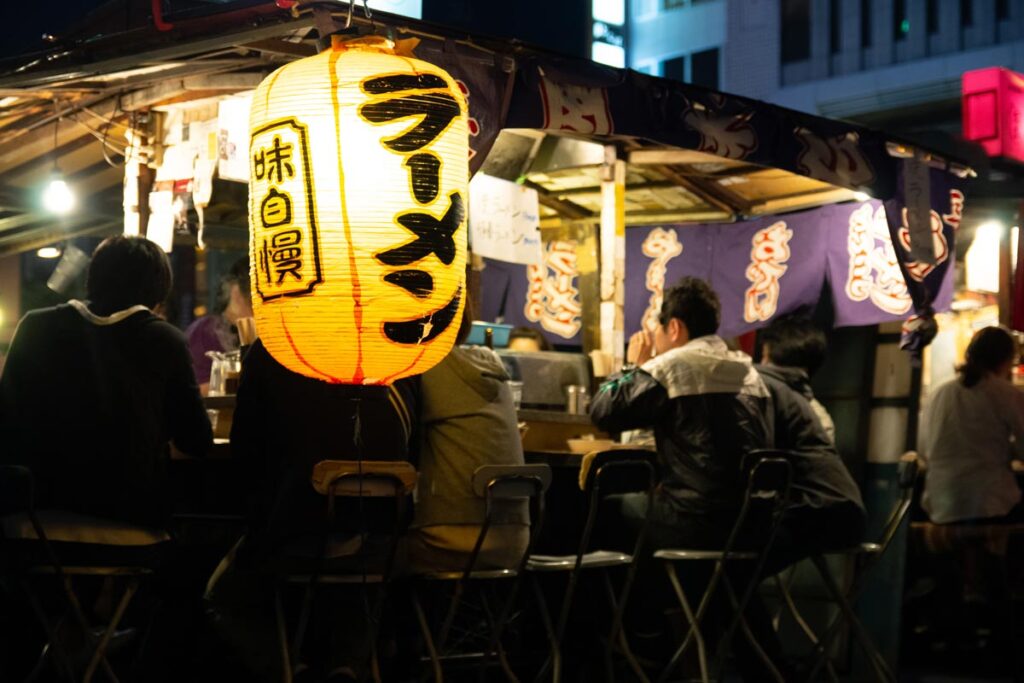
Yatai Stalls, Nakasu Kawabata
Top destinations in Kyushu/Okinawa

Okinawa

Kumamoto

Kagoshima