



Mount Aso
Mount Aso Travel Guide: How to Visit Japan's Most Active Volcano
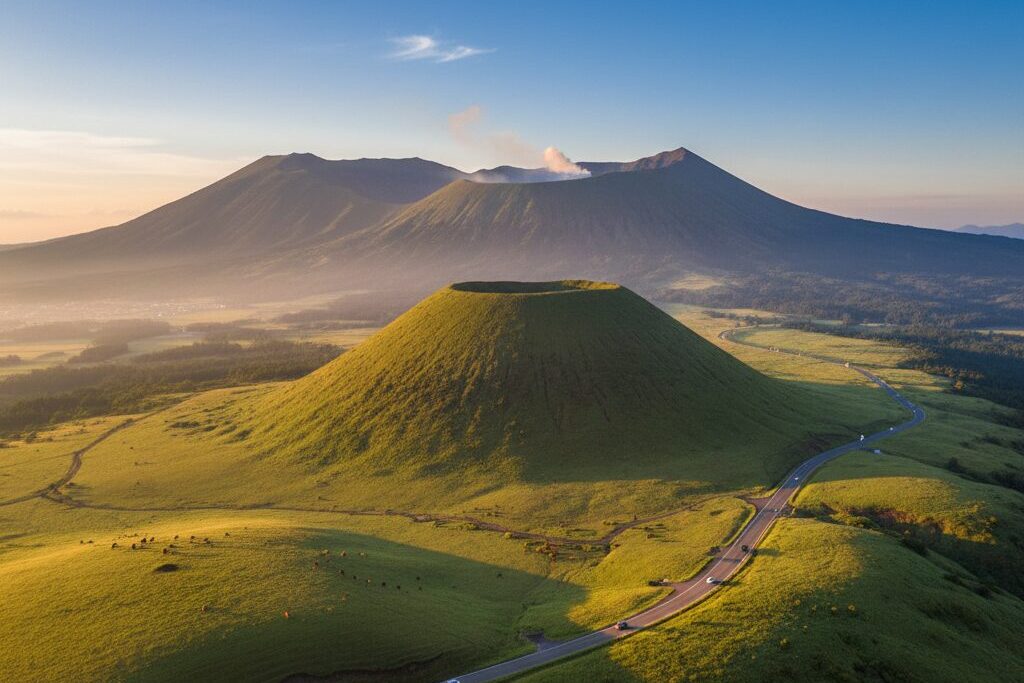
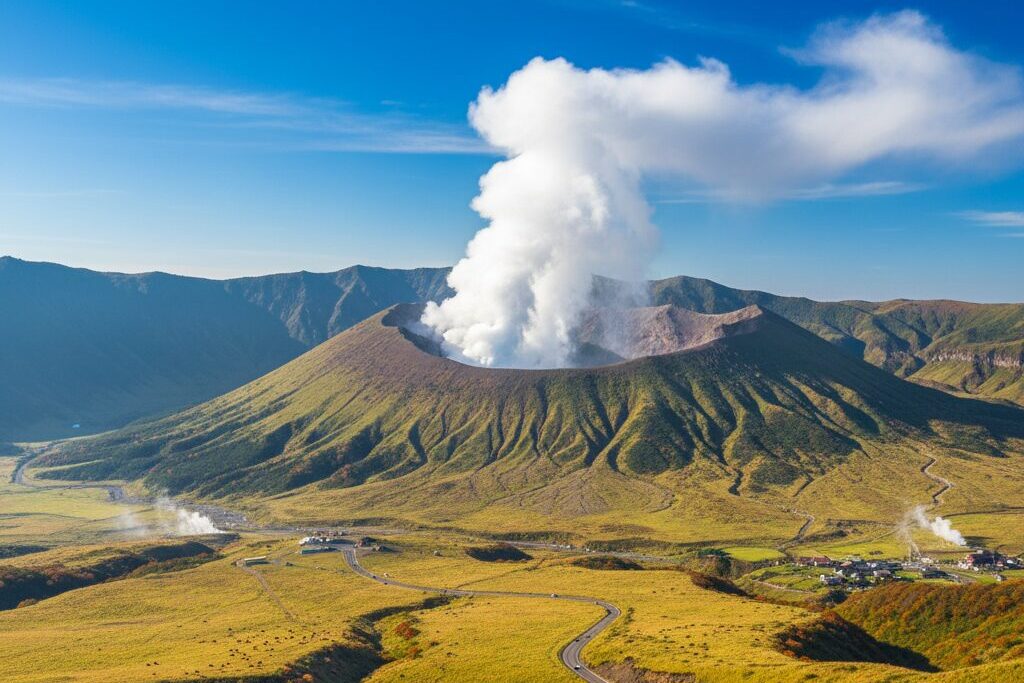
Photos are for illustrative purposes only.
In the heart of Kyushu, Mount Aso looms over a vast green basin, its smoking crater a reminder that Japan is born of fire. For first-time visitors to Japan, a trip to Aso offers a striking contrast to the neon lights of Tokyo and the temples of Kyoto: here you are face to face with one of the world’s largest active volcanoes, surrounded by highland meadows, grazing horses, and quiet hot spring villages.
This guide explains how to visit Mount Aso safely and enjoyably, with practical tips on access, seasons, viewpoints, and nearby hot springs, written especially for international travelers.
What Is Mount Aso?
Mount Aso (Aso-san) is a volcanic massif in Kumamoto Prefecture on Japan’s southern island of Kyushu. Rather than a single volcanic cone, Aso is a huge caldera about 25 km (15.5 miles) across, formed by massive eruptions tens of thousands of years ago. Within this basin stand several central peaks, including the active Nakadake crater, which most visitors come to see.
The area combines dramatic volcanic scenery with rural landscapes: rice paddies, patchwork fields, and small farming towns. It is one of Japan’s most famous geosites and a designated part of the Aso Kuju National Park.
Why Visit Mount Aso?
For first-time visitors, Mount Aso offers an experience unlike Japan’s urban hubs:
- See an active volcano up close: When conditions allow, you can look down into the crater, see volcanic gas, and view layers of rock shaped by eruptions.
- Wide-open landscapes: The caldera’s grassy plateaus and panoramic viewpoints are a refreshing change from city crowds.
- Onsen culture: Surrounding hot spring towns are perfect for soaking after a day of walking and sightseeing.
- Rural Japan: Stay in small inns, meet local people, and sample Kyushu specialties like Aka-ushi (Aso red beef).
Mount Aso is especially appealing to travelers interested in nature, photography, short hikes, and slower-paced trips that still feel distinctly Japanese.
Understanding Safety and Volcanic Alerts
Because Mount Aso is an active volcano, safety rules are strictly enforced and access can change on short notice. Before you plan your visit, it helps to understand how the volcanic alert system works.
Volcanic Alert Levels
Japan’s Meteorological Agency (JMA) uses a five-level alert system around active volcanoes. For Mount Aso, the levels are roughly:
- Level 1: Normal – No restrictions near the crater other than standard safety rules.
- Level 2: Do not approach the crater – Access to the immediate crater area is restricted.
- Level 3 and above: Restrictions expand – Roads, trails, and viewpoints closer to the volcano may be closed.
It is common for the crater area to be closed temporarily due to gas levels or minor activity, even when there is no serious danger to the wider region. If the crater is closed, you can still enjoy many viewpoints, walking trails, and hot springs around the caldera.
How to Check Current Conditions
When planning your trip, and again on arrival, check:
- Local tourist information centers in Aso or Kumamoto for updated access information.
- Signs and electronic boards on approach roads that clearly state whether the crater area is open or closed.
Even if your original plan was to look directly into the crater, build flexibility into your schedule so you can still enjoy the area if access changes.
Getting to Mount Aso
Mount Aso is accessible, but it is not a quick day trip from Tokyo or Osaka. Most visitors include it in a broader Kyushu itinerary with Fukuoka, Kumamoto, or Beppu.
From Tokyo, Osaka, or Kyoto to Kyushu
- By domestic flight: The fastest route is to fly into Kumamoto Airport or Fukuoka Airport from major cities like Tokyo (Haneda/Narita) or Osaka (Itami/Kansai). Flight time from Tokyo is around 1.5–2 hours.
- By shinkansen: If you have a Japan Rail Pass or enjoy train travel, take the shinkansen (bullet train) to Kumamoto Station. From Osaka, the ride is around 3.5–4 hours; from Tokyo, allow around 5–6 hours with transfers.
From Kumamoto or Fukuoka to Aso
- Train: From Kumamoto Station, the JR Hohi Line connects to Aso Station. Take the limited express if available; otherwise, local trains take around 1.5–2 hours. Service can be affected by past earthquake damage, so check schedules.
- Bus: Highway buses run from Fukuoka and Kumamoto to the Aso area, including stops such as Aso Station or onsen towns.
- Rental car: Driving is very convenient around Aso. The roads are scenic, and a car makes it easier to reach viewpoints, trailheads, and remote hot springs. Just note that you must carry an International Driving Permit (IDP) if required by your home country.
From Aso Station or nearby towns, local buses and taxis connect to the highland areas closer to the crater.
Best Time to Visit Mount Aso
Mount Aso is beautiful year-round, but the landscape and weather change with the seasons.
- Spring (March–May): Mild temperatures, fresh greenery, and blooming wildflowers. A popular time for hiking and scenic drives, though occasional rain and fog are possible.
- Summer (June–August): Lush, green highlands. It can be hot and humid, with Japan’s rainy season in early summer and potential for afternoon showers. The higher elevation makes it cooler than many cities.
- Autumn (September–November): Clear air, comfortable temperatures, and autumn foliage in nearby mountains. This is one of the best seasons for views and photography.
- Winter (December–February): Crisp days, possible snow on the peaks, and fewer crowds. Roads and trails can be icy, and wind on the plateau can feel very cold, so dress warmly. Some access may be restricted during heavy snow.
Regardless of season, weather in the highlands can change quickly. Bring layers, a windproof jacket, and sturdy footwear.
Top Things to Do Around Mount Aso
Nakadake Crater Area (When Open)
When volcanic activity and gas levels allow, visitors can approach the vicinity of the active Nakadake crater. Expect:
- Short walks and viewpoints: Marked paths and platforms allow you to see the crater from a safe distance.
- Otherworldly scenery: Layers of blackened rock, sulfur-tinted surfaces, and a rugged, barren landscape contrast starkly with the green caldera below.
Access rules are strict. If you are sensitive to sulfur or have respiratory or heart conditions, consider staying at more distant viewpoints even when the approach road is open.
Kusasenri Plateau
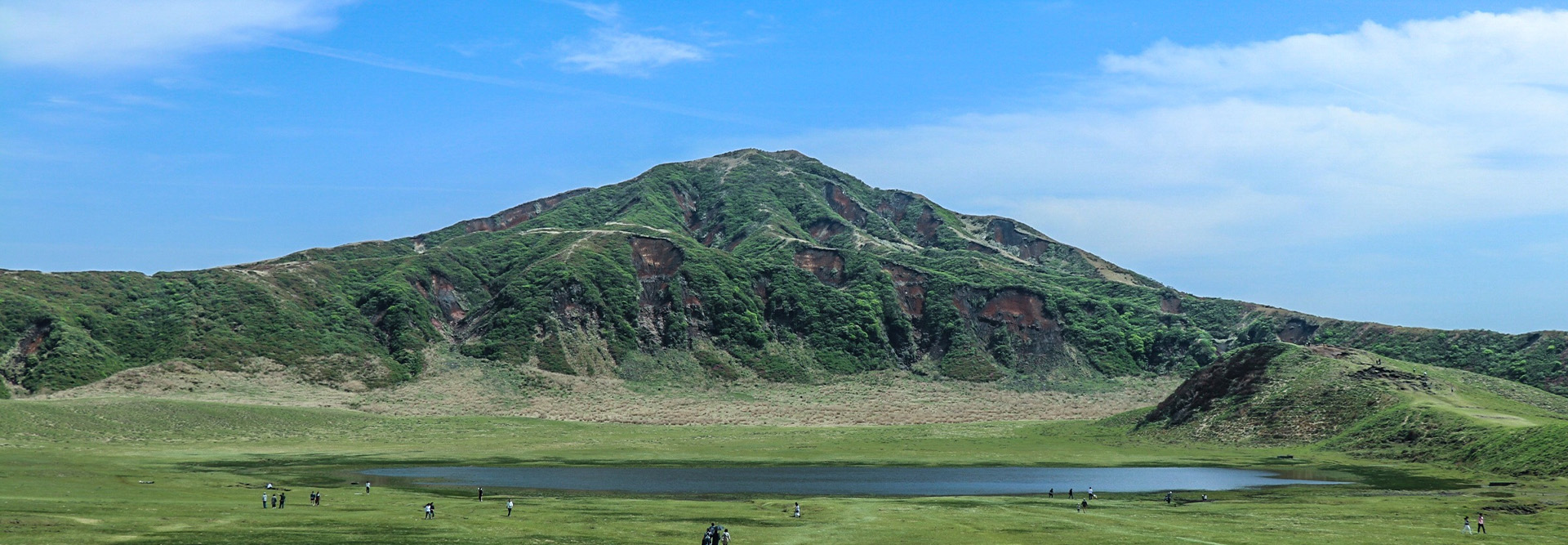
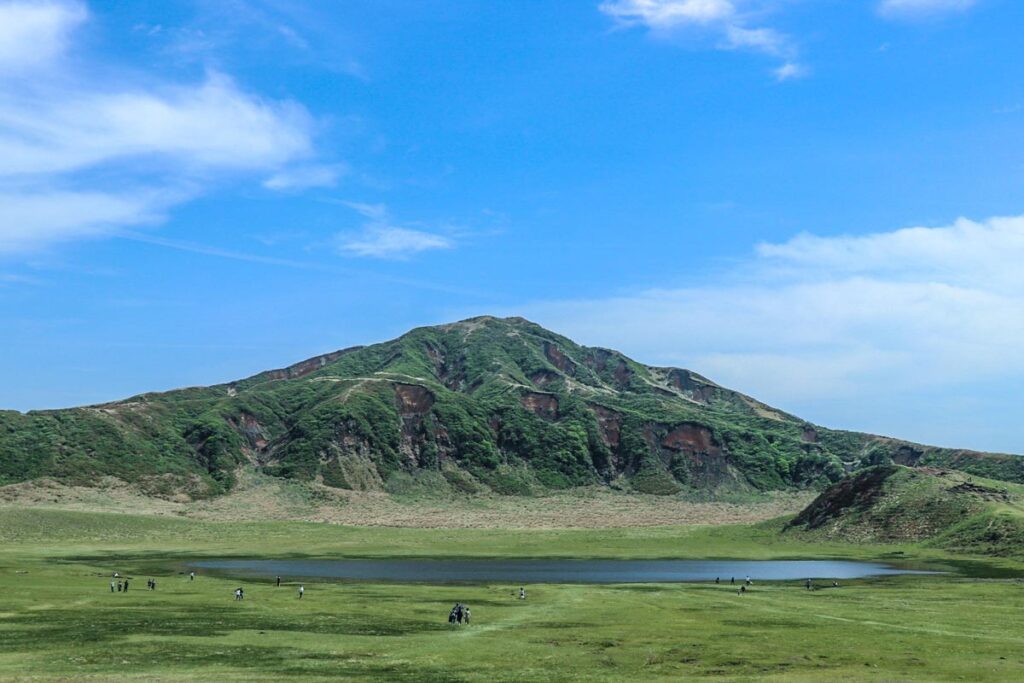
One of the most popular stops in the Aso area is Kusasenri, a sweeping grassland on the flank of the volcano. Here, a shallow pond mirrors the sky, and horses graze against a backdrop of smoldering peaks.
Kusasenri offers:
- Panoramic views of the caldera and central cones.
- Easy walks along gentle paths through the grassland.
- A visitor center and facilities where you can rest, learn about the volcano, and enjoy simple meals or snacks.
Daikanbo Viewpoint
On the northern rim of the caldera, Daikanbo is a famous viewpoint where you can take in the full scale of Mount Aso. On clear days, the central peaks rise like an island from the flat basin of farms and villages.
Daikanbo is an excellent photo spot at sunrise or late afternoon, when low sunlight brings out the contours of the land. A small rest area offers drinks, snacks, and souvenirs.
Onsen (Hot Springs) Around Aso
Soaking in an onsen is one of Japan’s most cherished rituals, and volcanic areas like Aso are rich in natural hot springs. Popular onsen towns include:
- Uchinomaki Onsen: A convenient base with a range of ryokan (traditional inns) and public baths.
- Kurokawa Onsen (nearby): A little farther from Aso’s crater but famous nationwide for its atmospheric outdoor baths and town-wide bath pass system.
If it is your first time visiting an onsen, remember basic etiquette: wash thoroughly before entering the bath, do not put towels in the water, and keep your voice low to preserve the relaxing atmosphere.
Hiking and Outdoor Activities
Beyond the crater itself, Aso offers a network of trails ranging from easy walks to more demanding routes on surrounding peaks. Depending on volcanic alerts and weather, you can:
- Walk gentle paths through grasslands around Kusasenri.
- Hike sections of the caldera rim for sweeping views.
- Combine short walks with scenic drives and rest stops.
Always check current trail conditions and closures at local information centers. In fog or strong wind, it is safer to stay on clearly marked routes.
Where to Stay Near Mount Aso
For a deeper experience, plan at least one night in the Aso area rather than rushing through as a day trip. Accommodation options include:
- Ryokan (traditional inns): Stay in tatami rooms, sleep on futon bedding, and enjoy Japanese-style meals featuring local ingredients such as Aso beef, mountain vegetables, and rice grown in the caldera.
- Onsen hotels: Larger establishments with communal hot spring baths, sometimes including outdoor pools with views of the surrounding mountains.
- Guesthouses and pensions: Simpler, often more budget-friendly options, sometimes run by local families who can give tips on nearby attractions.
Many accommodations offer dinner and breakfast packages. Booking a plan that includes meals can be convenient, especially since dining options in rural areas may be limited at night.
Food and Local Specialties
Kyushu is known for its rich, hearty cuisine, and Aso has its own local tastes shaped by its highland climate and cattle farming.
- Aka-ushi (Aso red beef): A specialty of the region, often served as steak, yakiniku (grilled meat), or in rice bowls.
- Highland dairy products: Milk, soft ice cream, and cheeses made from cows raised on the plateau’s grasslands.
- Seasonal vegetables: Mountain vegetables and locally grown produce appear in hotpots, tempura, and side dishes in ryokan meals.
Look for small roadside rest areas and farm shops where you can try simple local foods and buy souvenirs such as snacks or condiments made in the region.
Cultural and Practical Tips for Visiting Aso
Respecting Nature and Local Life
Mount Aso is both a tourist destination and a living landscape where people farm, work, and worship. To travel respectfully:
- Stay on marked paths and do not enter fenced pastures or private farmland.
- Take all your trash with you; trash bins can be limited in rural areas.
- Be quiet and considerate at shrines, viewpoints, and onsen facilities.
Language and Communication
English may be limited in smaller towns, but staff at major hotels, visitor centers, and transportation hubs often know basic English. Simple phrases in Japanese, a friendly attitude, and a translation app go a long way.
What to Pack
For a comfortable visit to Mount Aso, consider bringing:
- Layered clothing, including a warm jacket or fleece, even in warmer months.
- Comfortable walking shoes or light hiking shoes.
- A small towel and toiletries if you plan to visit public baths.
- Cash, as some small shops and inns may not accept credit cards.
Planning Your Aso Itinerary
If you are visiting Japan for the first time and want to include Mount Aso, consider the following sample outline:
- Day 1: Travel to Kumamoto or Fukuoka, then continue to the Aso area. Check in to your ryokan or hotel, visit a nearby onsen, and enjoy a local dinner.
- Day 2: In the morning, check volcano access information. Visit Kusasenri, Daikanbo, and, if open, get as close to the crater area as safety allows. Return via scenic roads and stop at viewpoints or farm shops. Stay a second night or continue to another Kyushu destination such as Beppu, Kurokawa Onsen, or Fukuoka.
Building Aso into a broader Kyushu route allows you to experience Japan’s volcanic landscapes alongside hot springs, historic castles, and modern cities.
Experience the Living Volcano
Mount Aso is a place where Japan’s natural forces are tangible: a huge caldera shaped by ancient eruptions, steam rising from the central peaks, and fertile fields nourished by volcanic soil. With a bit of planning, respect for safety advisories, and time to slow down, a visit here can become one of the most memorable parts of your trip to Japan.
Whether you stand at a windswept viewpoint, soak in a steaming outdoor bath, or watch morning mist drift across the grasslands, Mount Aso offers a powerful perspective on the island nation’s deep connection with the earth beneath it.

Access Map
Recommended spots in Kumamoto
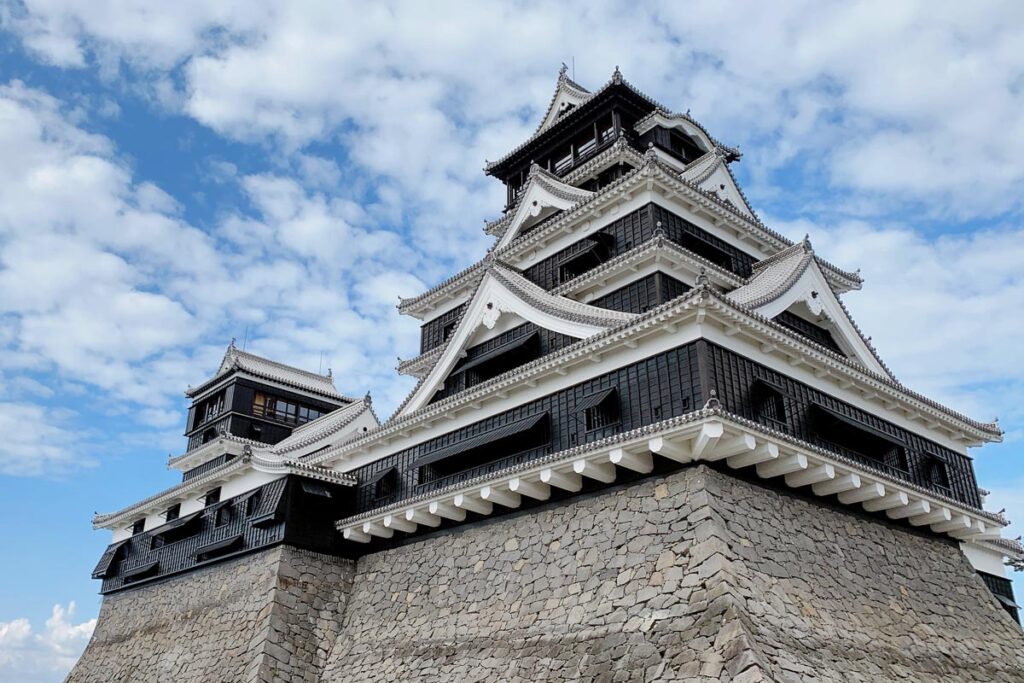
Kumamoto Castle
Mount Aso
Suizenji Jojuen Garden
Top destinations in Kyushu/Okinawa
Okinawa
Fukuoka
Kagoshima