

Yakushima Island
Yakushima Island Japan Travel Guide for First-Time Visitors
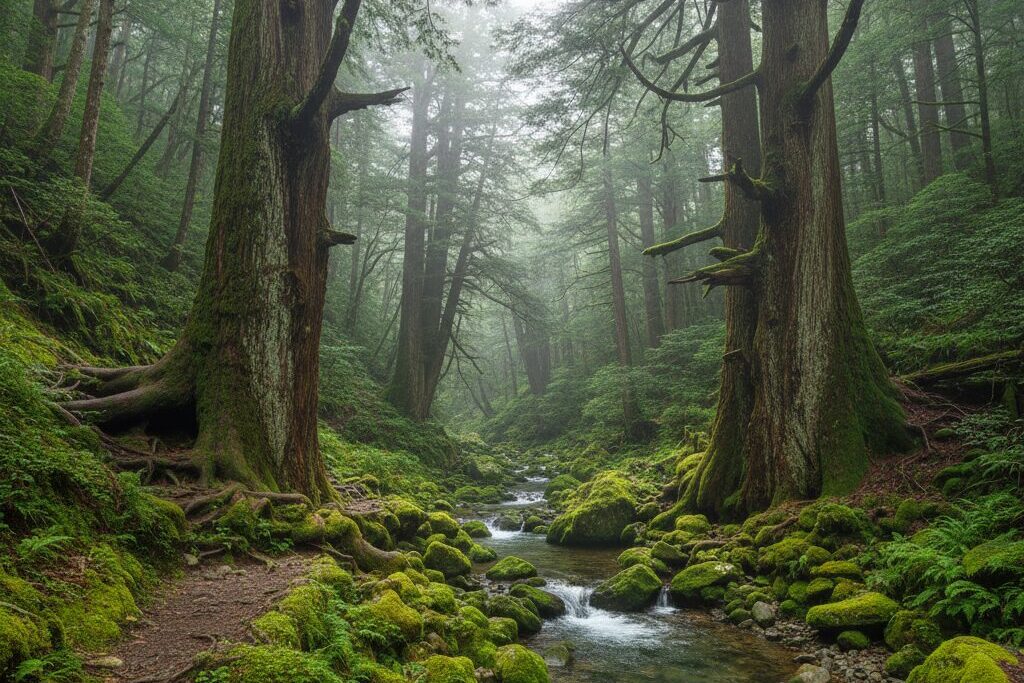
Photos are for illustrative purposes only.
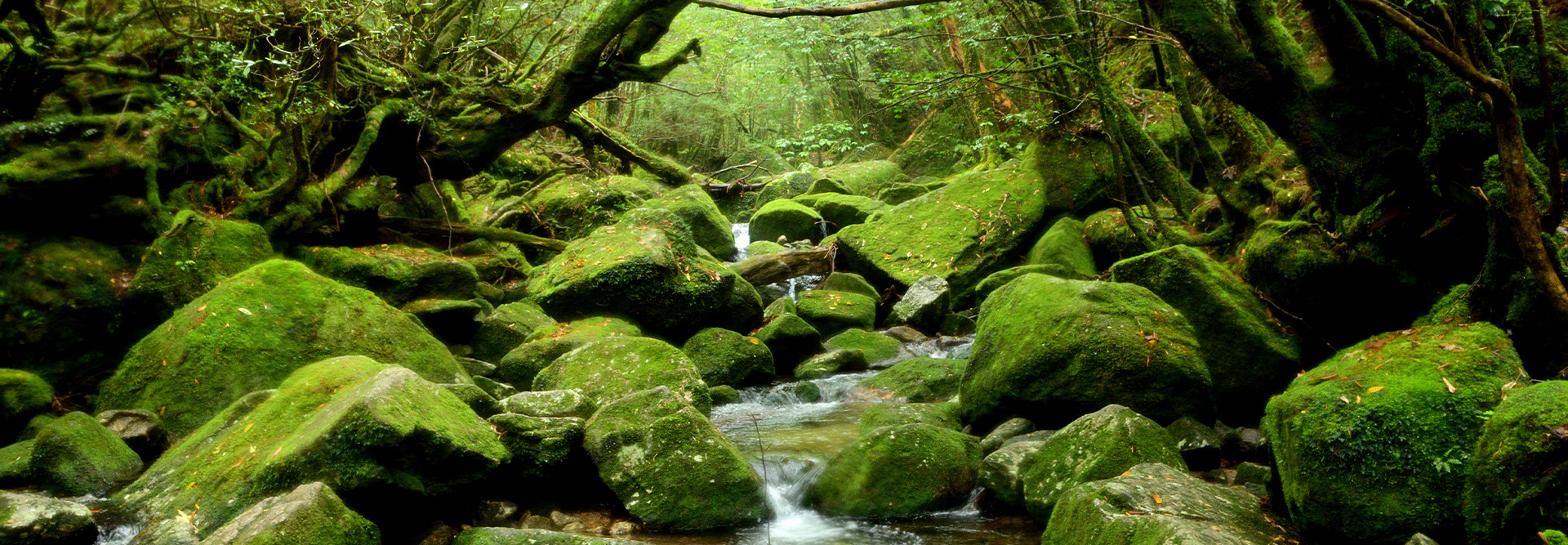
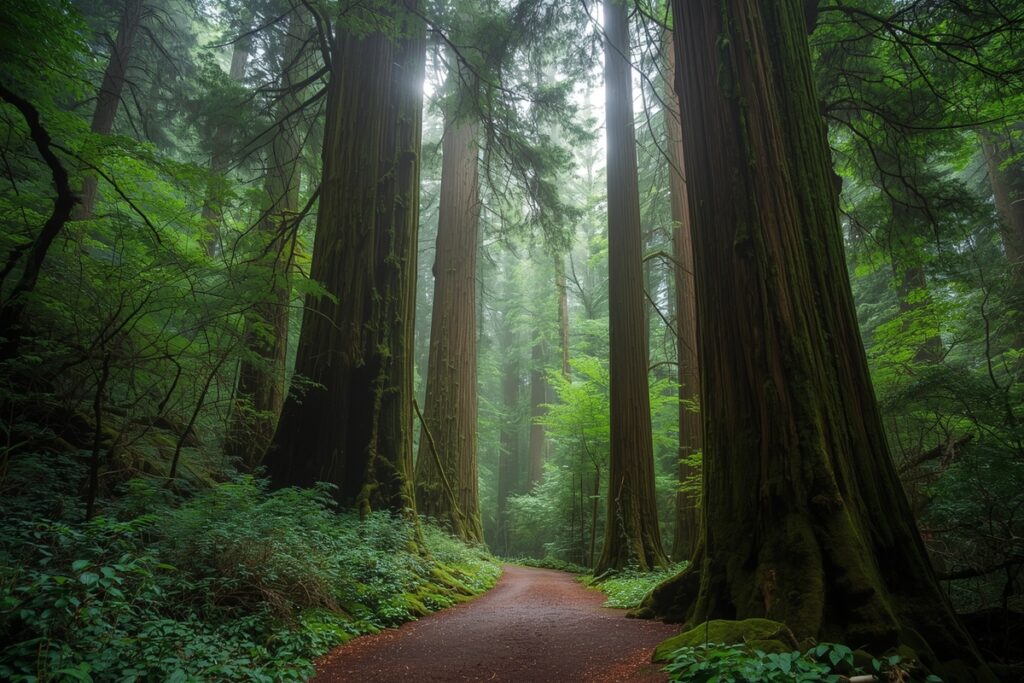
Far to the south of Japan’s main islands, Yakushima rises from the sea like a green, mist-wrapped fortress. This remote subtropical island in Kagoshima Prefecture is famous for thousand-year-old cedar forests, pristine hiking trails and a raw, almost otherworldly atmosphere that inspired the animated film “Princess Mononoke.” For international visitors who want to go beyond Tokyo and Kyoto, Yakushima offers a powerful glimpse of Japan’s wilder side.
This guide is designed for first-time travelers to Japan who are curious about Yakushima but unsure how to fit it into their itinerary. You will find practical details on how to get there, what to do, where to stay, and how to enjoy the island safely and respectfully.
Why Visit Yakushima Island?
Yakushima is a UNESCO World Heritage Site with a landscape that feels both primeval and deeply spiritual. In Japanese, the cedar trees here are called yaku-sugi (Yakushima cedars), and many are over 1,000 years old. One, known as Jomon Sugi, is estimated to be 2,000–7,000 years old. Walking through these forests is less like a casual hike and more like entering a natural cathedral.
Unlike many of Japan’s famous destinations, Yakushima is not centered on shrines, shopping streets or nightlife. Instead, its appeal lies in:
- World-class hiking through lush, mossy forests
- Wild coastlines, waterfalls and emerald rivers
- Sea turtles nesting on quiet beaches
- Natural hot springs right on the shore
- A slower pace of life and strong local traditions
If you are an outdoor enthusiast, photographer, or traveler seeking a quiet retreat from the big cities, Yakushima is a rewarding addition to a Japan trip of 10 days or more.
When to Visit Yakushima
Yakushima is beautiful year-round, but the experience changes noticeably with the seasons. The island is famously rainy, so be prepared for wet weather at any time of year.
Spring (March–May)
Spring is one of the best seasons to visit. Temperatures are mild, wildflowers start to bloom, and visibility on mountain hikes is often good. Late March and April can still be chilly in higher elevations, so bring layers. The island is less crowded than in summer, though holidays like Golden Week (late April–early May) see a spike in visitors.
Summer (June–August)
Summer is lush, vibrant and hot. June and early July bring the rainy season, which makes the forests even greener and the rivers powerful, but also increases the risk of slippery trails and leeches in some areas. July and August are popular with Japanese hikers, and the higher elevations provide a welcome escape from the mainland’s intense heat. Typhoons are possible from late summer into autumn, so keep an eye on weather forecasts.
Autumn (September–November)
Early autumn can still be warm and humid, but by October and November the air becomes cooler and clearer. Leaves change color in the mountains, especially at higher elevations, creating dramatic scenery around the Yakusugi forests. Autumn is generally a good balance of pleasant temperatures and fewer crowds, though weather can be unpredictable.
Winter (December–February)
In winter, the coastline remains relatively mild, but the mountains may be covered in snow and ice. Hiking to Jomon Sugi and other high trails can require winter gear and experience. The reward, however, is a quieter island, crisp air, and the chance to experience the forests in a more serene mood. If you are not an experienced winter hiker, focus on coastal walks, lowland forests and hot springs.
How to Get to Yakushima
Yakushima lies south of Kyushu, Japan’s southwestern main island. Kagoshima is the gateway to Yakushima, so most travelers first head to Kagoshima by Shinkansen or domestic flight. There are several ways to get from Kagoshima to Yakushima.
By Air
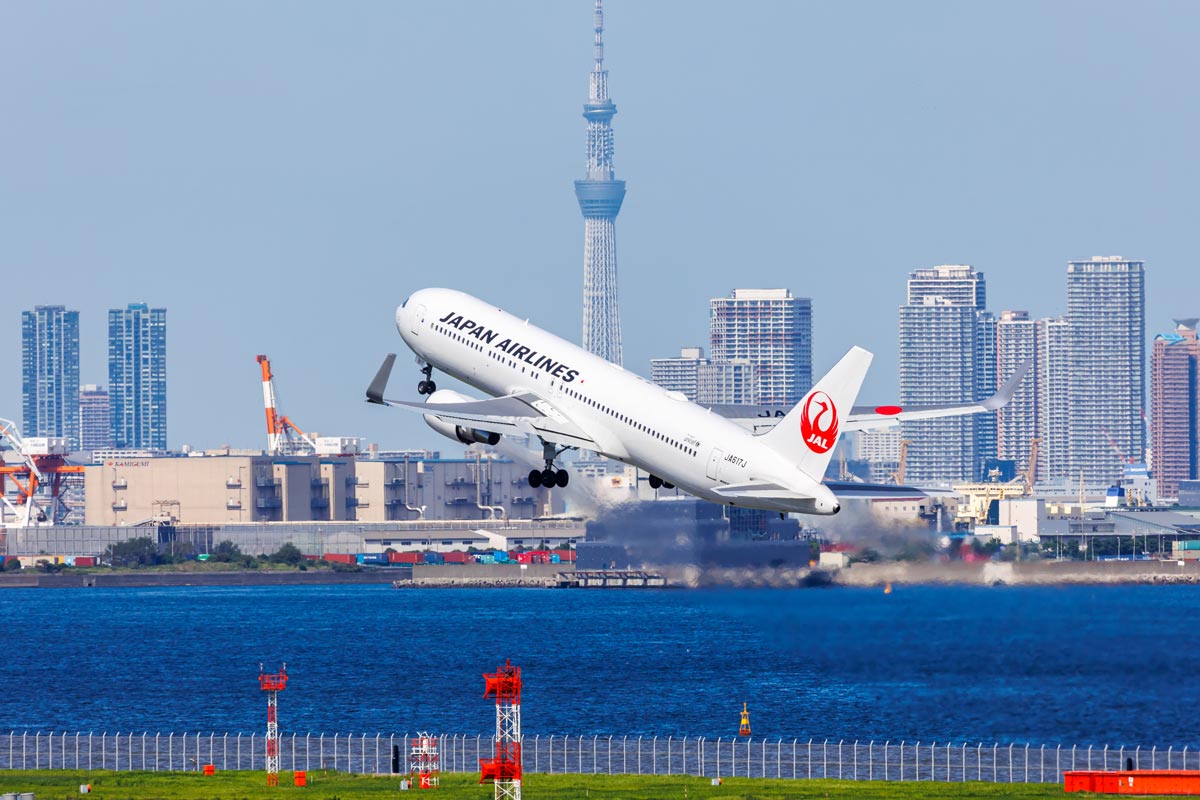
The fastest way is to fly directly to Yakushima Airport. There are frequent flights from Kagoshima, and seasonal or connecting flights from cities like Fukuoka or Osaka (Itami). Flight times from Kagoshima are around 35 minutes. The airport is small and close to main accommodation areas; taxis and rental cars are available on arrival.
By Ferry or High-Speed Boat
From Kagoshima Port you can choose between:
- High-speed jetfoil (approx. 2–3 hours): Faster and more comfortable, but more expensive. Boats usually arrive at Miyanoura or Anbo ports on Yakushima.
- Car ferry (approx. 4 hours or more): Slower but cheaper, especially if you are bringing a vehicle. Facilities are basic but adequate for a daytime crossing.
Schedules can change with weather and seasons, and typhoons may cause cancellations. Check timetables in advance and plan some flexibility into your itinerary, especially in summer and autumn.
Getting Around the Island
Yakushima is roughly circular and can be driven around in about 2–3 hours without stops. Public buses exist, but service is infrequent, especially to popular trailheads early in the morning or late in the day.
Rental Car
For most visitors, renting a car is the most convenient option. It allows you to reach trailheads, hot springs and viewpoints on your own schedule. You will need an International Driving Permit (IDP) based on the 1949 Geneva Convention, plus your home country license. Book in advance during busy seasons, and remember that Japanese drive on the left.
Public Buses
Buses connect the main settlements, ports and some trailheads such as Shiratani Unsui Gorge and Yakusugi Land. Look up the latest bus timetable when you arrive—many guesthouses and tourist information centers provide English schedules. If you rely on buses, choose accommodation close to a bus stop and plan for early starts.
Taxis and Tours
Taxis can be used for shorter transfers, such as from port or airport to your lodgings, but costs add up for full-day use. Some local guides and tour companies offer transport-inclusive hiking and sightseeing tours, which can be convenient if you prefer not to drive.
Top Things to Do on Yakushima
1. Hike to Jomon Sugi
The pilgrimage-like hike to Jomon Sugi is Yakushima’s most famous experience. The ancient cedar tree stands deep in the mountains, and reaching it requires a full-day trek. Routes and access points can change, but most hikes take 8–10 hours round trip and involve uneven stone and wooden steps, old railway tracks and forest trails.
This is not a casual stroll: you will need sturdy footwear, waterproof clothing, food, water and a realistic sense of your own fitness. Guided tours are recommended for first-time visitors to Japan or less experienced hikers, as guides help with navigation, pace and safety, and share stories about the island’s ecology and folklore.
2. Explore Shiratani Unsui Gorge
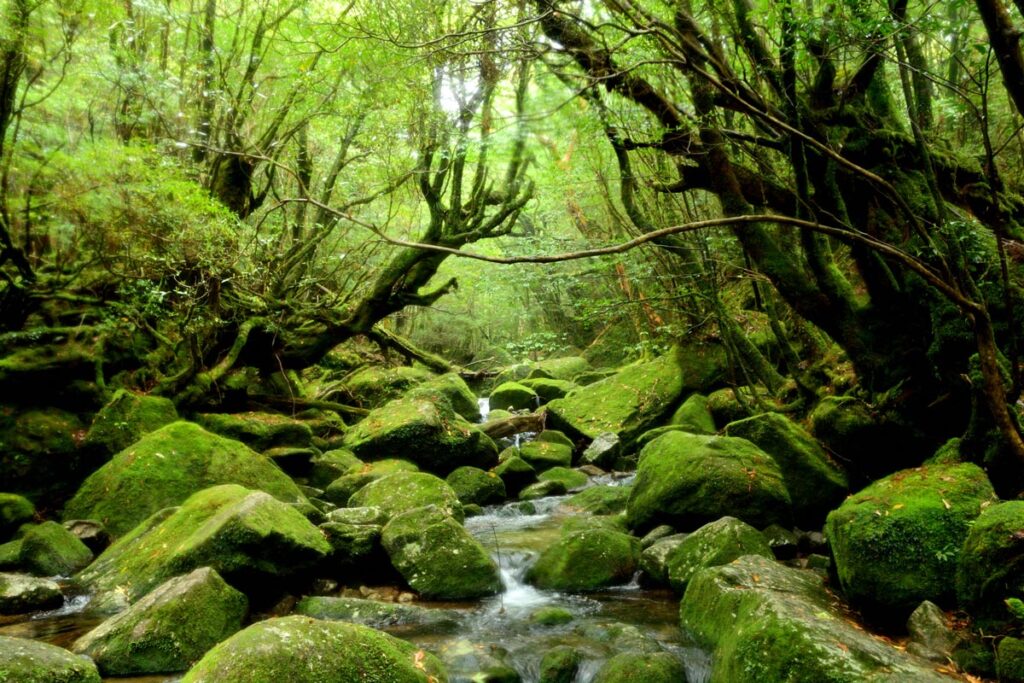
Shiratani Unsui Gorge is a moss-covered wonderland of streams, boulders and ancient trees. Several loop trails of varying difficulty make it accessible for many levels of hikers. On misty days, the forest takes on a dreamlike quality, with dripping moss and filtered light through the canopy.
Some areas here are said to have inspired the fantastical forests of “Princess Mononoke.” Advanced reservations are not usually necessary, but check if an environment conservation fee is required at the entrance. Lightweight rain gear, trekking poles and non-slip shoes will make your walk more comfortable.
3. Visit Yakusugi Land
Despite its slightly commercial-sounding name, Yakusugi Land is a well-managed forest park showcasing some of the island’s most impressive cedars on a network of maintained trails. There are short wooden boardwalks suitable for beginners, as well as longer circuits that enter wilder forest.
Information boards, often with English, explain the natural history of the cedars and efforts to protect them. If the Jomon Sugi hike feels too demanding, Yakusugi Land offers an excellent alternative to experience ancient trees in a shorter timeframe.
4. Relax in Seaside Hot Springs
Yakushima’s volcanic geology provides natural hot springs, including some unique seaside baths that appear and disappear with the tide. One of the most famous is Hirauchi Kaichu Onsen, where rock pools fill with hot water at low tide, allowing you to soak while listening to waves crash nearby.
These baths are often mixed-gender and very simple, with basic or no changing facilities. Modesty towels may be used, but swimwear is sometimes prohibited. Always read signs and follow local etiquette: wash before entering, keep towels out of the water, and remain quiet and respectful of others.
5. Watch Sea Turtles Nesting
From around May to August, endangered loggerhead sea turtles come ashore at beaches such as Nagata Inakahama to lay their eggs. At the right time of year, you may witness turtles slowly emerging from the darkness, digging nests and returning to the sea under the stars.
Turtle watching is strictly regulated to protect the animals. Join an authorized night tour or follow local guidance on where and how to observe. Flash photography and bright lights are usually prohibited, and touching or disturbing the turtles is not allowed.
6. Discover Waterfalls and Rivers
Yakushima’s heavy rainfall feeds dramatic waterfalls and clear rivers. Oko-no-taki, one of the island’s most famous waterfalls, plunges down a sheer cliff in the island’s south. Closer to the main road, Shiratani and Anbo rivers offer spots where locals and visitors swim in summer or simply rest by the water.
Even short walks from road-side parking areas can reveal viewpoints and quiet riverbanks. Always be cautious near fast-moving water, and avoid swimming after heavy rain when currents are stronger and flash floods are possible.
Where to Stay on Yakushima
Accommodation is spread around the coast, with several main areas:
- Miyanoura: A port town on the north coast, convenient for ferries, restaurants, supermarkets and car rentals. A practical base for first-time visitors.
- Anbo: On the east coast, closer to some trailheads, with a mix of simple inns and guesthouses.
- Southern and Western coasts: Quieter areas with small lodges, seaside guesthouses and more remote stays.
Types of accommodation include traditional ryokan (Japanese inns), simple minshuku (family-run guesthouses), Western-style hotels and self-catering cottages. Many places offer set dinners featuring local fish, vegetables and sometimes venison.
For a deeper cultural experience, choose a Japanese-style room with tatami mats and futons, and be open to trying Japanese breakfasts and shared baths. If you have dietary restrictions, contact your accommodation well in advance; remote islands may have limited alternatives but are often willing to adjust within reason.
Food and Local Specialties
Yakushima’s cuisine reflects its island environment and mountain forests. Popular local dishes and products include:
- Fresh fish and sashimi from local waters
- Flying fish (tobiuo), often grilled or served as tempura
- Shōchū, a distilled spirit from neighboring Kagoshima, sometimes made with local sweet potatoes
- Seasonal mountain vegetables and wild herbs
Restaurants are concentrated around Miyanoura and Anbo, with fewer options in smaller settlements, especially at night. Many travelers eat breakfast and dinner at their lodging and rely on convenience stores or small shops for picnic lunches. If you plan long hikes, buy snacks, rice balls and water in advance.
Cultural Etiquette and Environmental Respect
Yakushima’s communities are small, and the natural environment is fragile. For international visitors, observing both general Japanese etiquette and local expectations is important.
- On the trail: Stay on marked paths to prevent erosion, take all your trash with you, and keep noise to a minimum. Don’t feed wild animals such as deer or monkeys.
- In hot springs: Wash thoroughly before entering, do not use swimwear unless explicitly allowed, and keep your towel out of the bath water.
- In towns and buses: Speak quietly, set phones to silent mode, and avoid eating on short local bus rides unless clearly permitted.
- Photography: Always ask before photographing people, including at accommodations or in small villages. Respect signs that prohibit photography at sacred or sensitive sites.
Weather and terrain can change quickly in the mountains, so check forecasts and trail conditions locally. Carry rain gear, even on sunny days, and consider renting a backpack, trekking poles or boots if you did not bring your own—some shops and lodgings offer gear rentals specifically for hikers.
Planning Your Yakushima Itinerary
For first-time visitors to Japan, Yakushima works best as a 2–4 night side trip from Kyushu or western Japan. A simple sample plan might look like this:
- Day 1: Travel to Yakushima, check in, explore nearby town or coast, evening onsen.
- Day 2: Full-day hike in Shiratani Unsui Gorge or Yakusugi Land.
- Day 3: Jomon Sugi hike (if you are fit and prepared) or a second, easier forest walk plus coastal sightseeing and waterfalls.
- Day 4: Relaxed morning, seaside hot spring or short walk, then departure.
Build in some flexibility for weather and consider an extra day if you want a slower pace. While Yakushima is remote, combining it with Kagoshima, Fukuoka, Hiroshima or even Osaka is straightforward thanks to Japan’s efficient rail and flight connections.
Is Yakushima Right for You?
Yakushima is not a polished resort island. It is remote, rainy, and centered on nature rather than nightlife. But for travelers willing to embrace those qualities, it offers some of Japan’s most memorable landscapes and a sense of connection to something ancient and enduring.
If your image of Japan includes neon lights and crowded crossings, Yakushima will show you another face of the country—one of silence, cedar-scented air and waves breaking beneath steep, forested mountains. With the right preparation, it can become the highlight of a first trip to Japan and the place that calls you back again.

Access Map
Recommended spots in Kagoshima
Yakushima Island
Sakurajima
Sengan-en
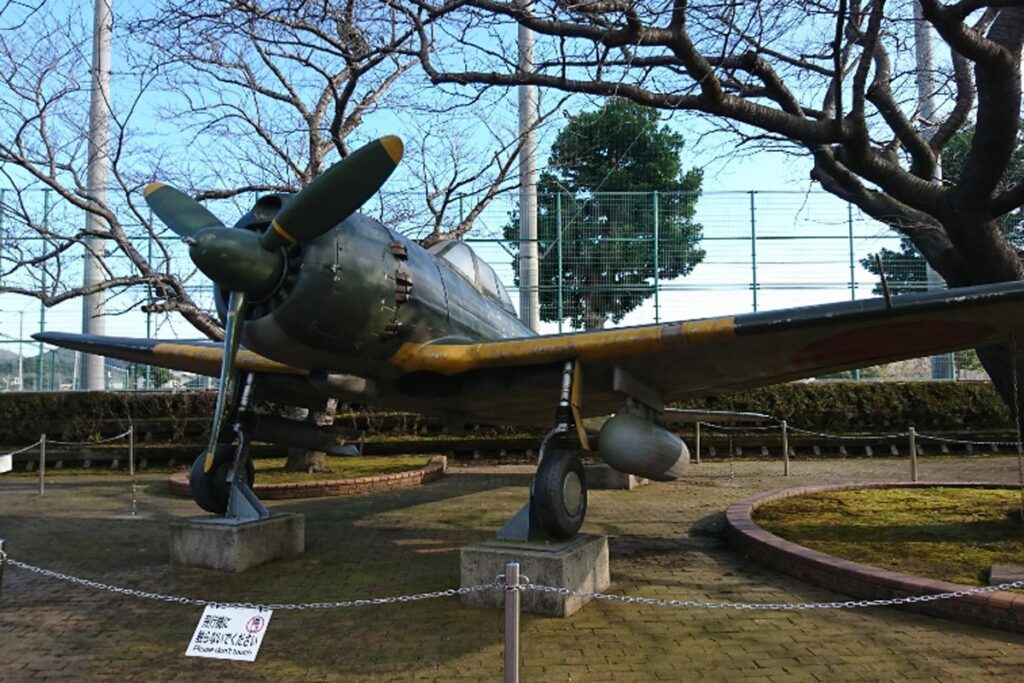
Chiran Peace Museum
Top destinations in Kyushu/Okinawa
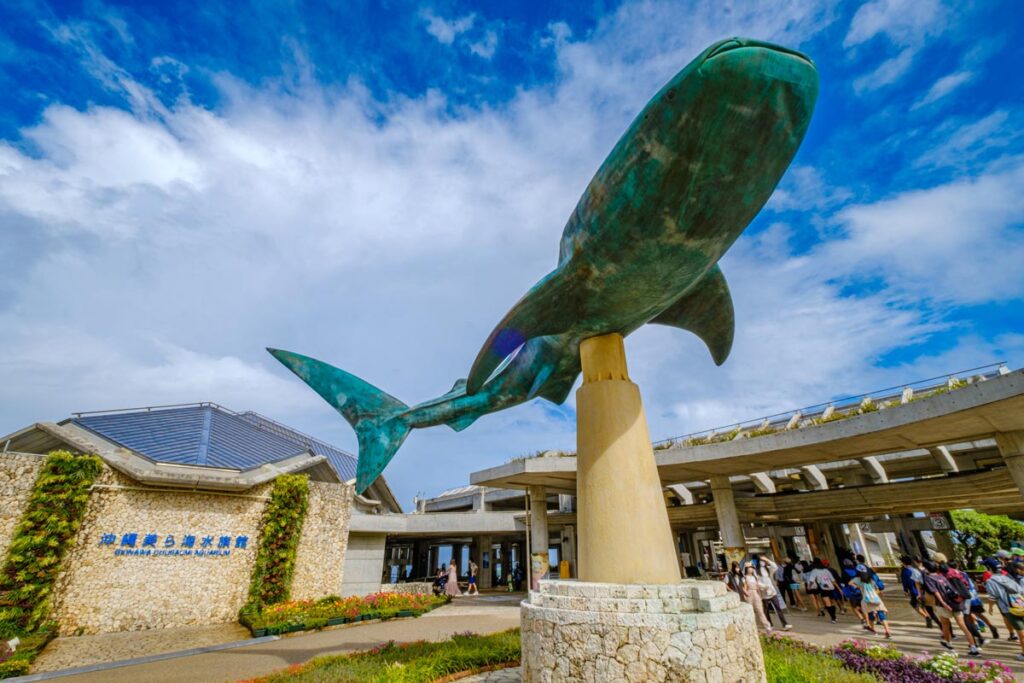
Okinawa
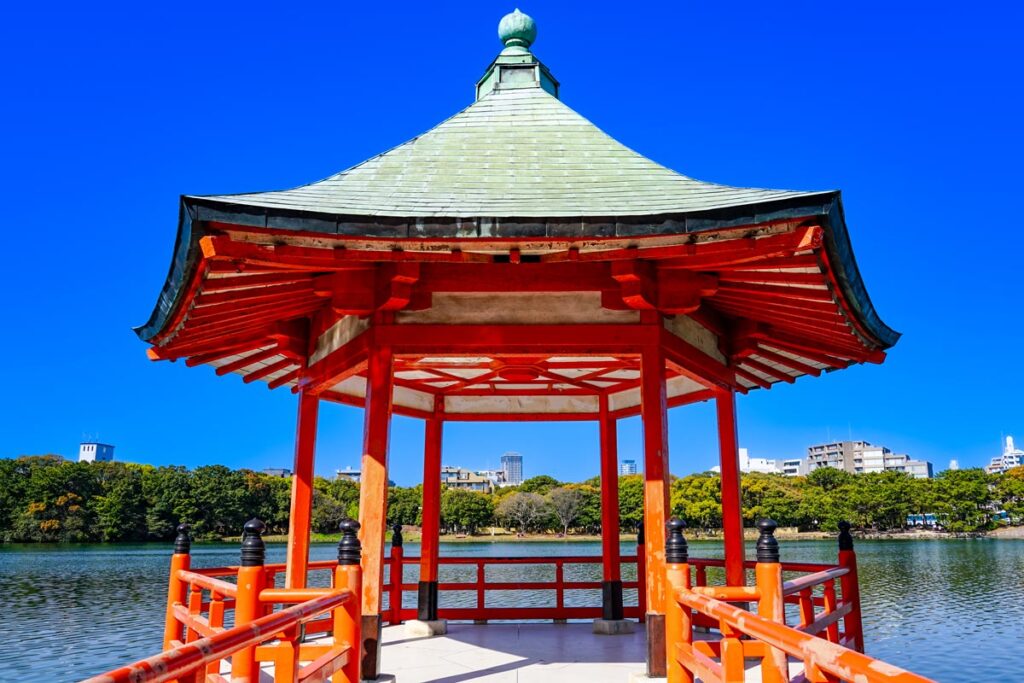
Fukuoka
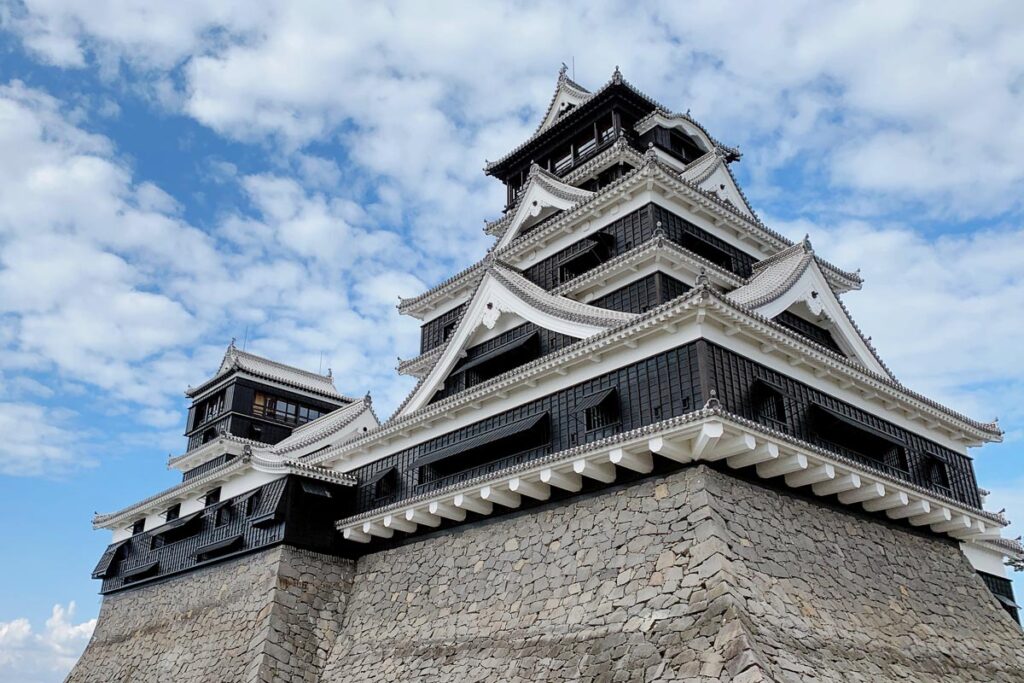
Kumamoto