

Sengan-en
Sengan-en Travel Guide: Exploring Kagoshima’s Feudal Garden Estate
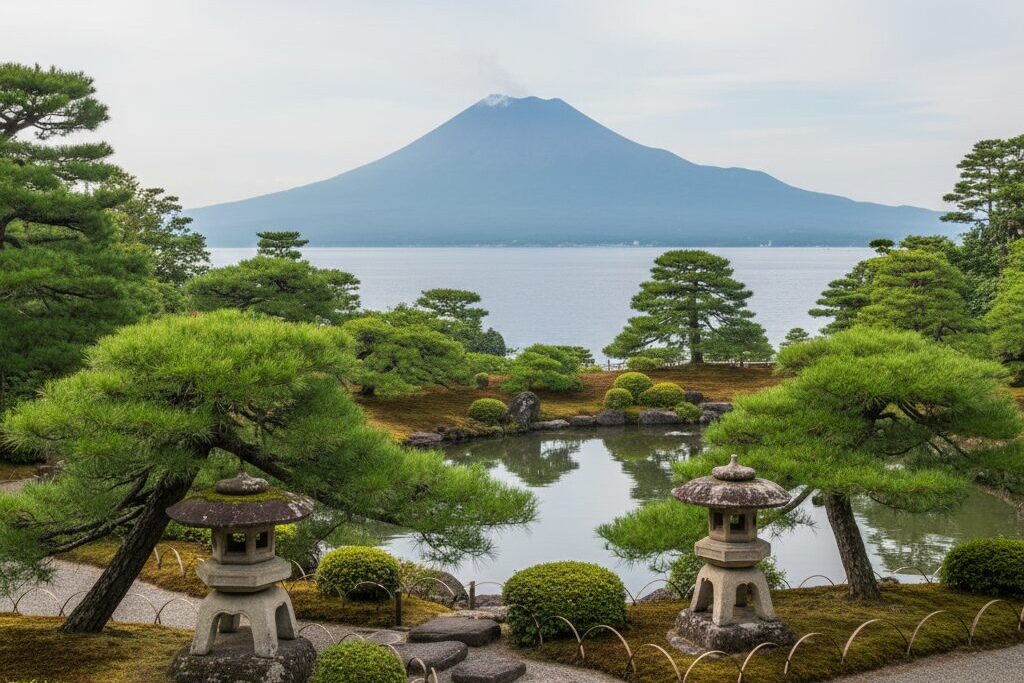
Photos are for illustrative purposes only.
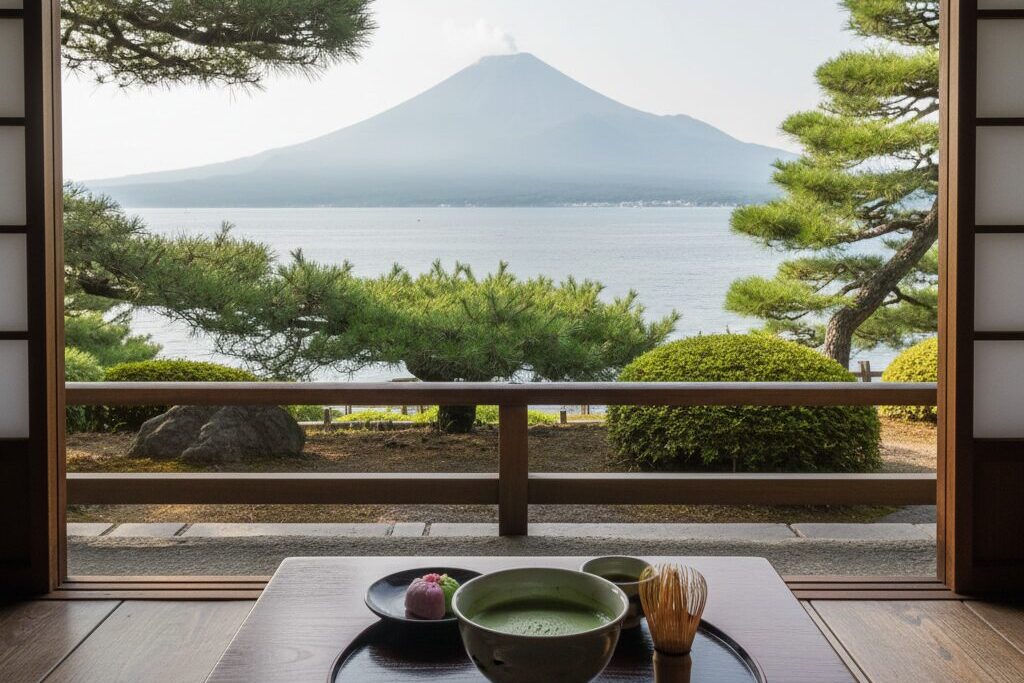
On the northern shore of Kagoshima Bay, framed by the smoking cone of Sakurajima volcano, Sengan-en offers one of Japan’s most dramatic combinations of nature, history, and traditional design. This former villa of the powerful Shimazu clan is far more than a pretty garden: it is a living introduction to samurai culture, early Japanese industrialization, and everyday life in a southern Japanese domain.
For first-time visitors to Japan, Sengan-en is an ideal place to understand how landscape, architecture, and lifestyle are woven together. It is also one of the highlights of Kagoshima, a compact, visitor-friendly city at the southern tip of Kyushu.
What Is Sengan-en?
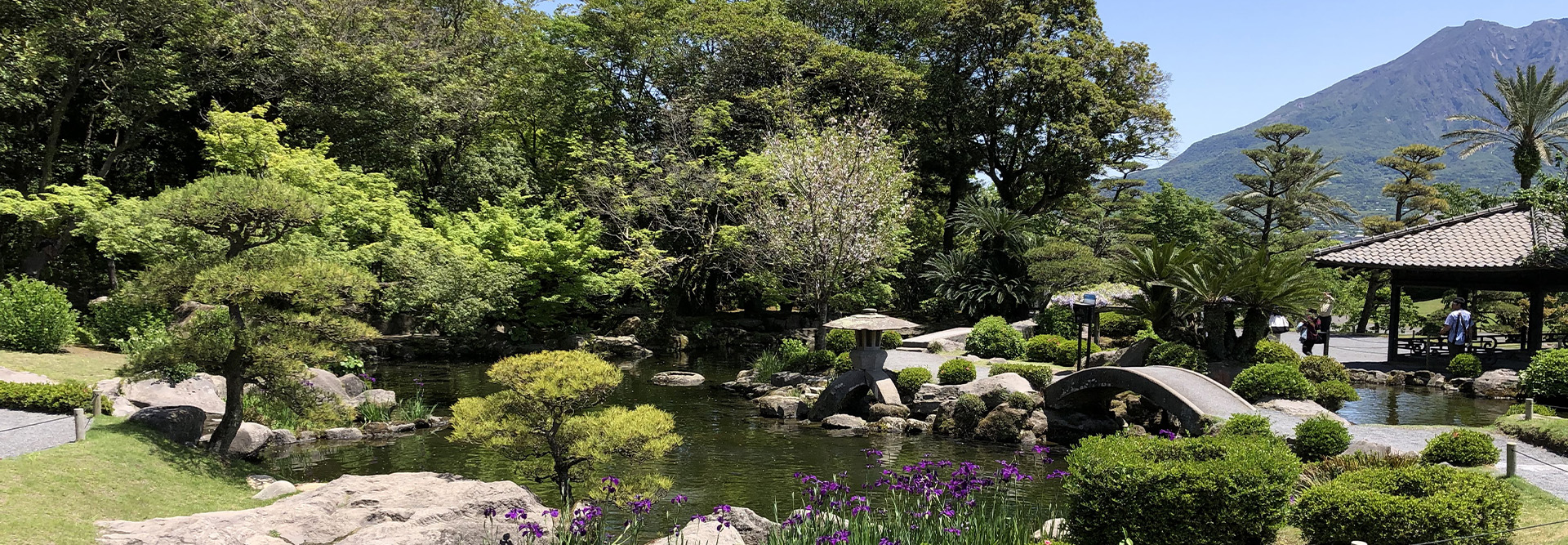
Sengan-en is a traditional Japanese villa and landscaped garden built in the mid-17th century as a secondary residence of the Shimazu family, feudal lords of the Satsuma Domain. The estate stretches across a wide hillside overlooking the bay, with carefully composed ponds, stone lanterns, shrines, bamboo groves, and teahouses arranged to frame clear views of Sakurajima.
Unlike the inward-facing gardens of Kyoto, Sengan-en is a classic example of shakkei (borrowed scenery): the designer intentionally incorporated the active volcano and distant islands into the garden’s composition. This creates a powerful visual link between the private world of the daimyo (feudal lord) and the vast natural landscape beyond.
Why Visit Sengan-en?
1. Spectacular Views of Sakurajima
Sengan-en offers some of the best views of Sakurajima in the entire region. On clear days, you can watch the volcano’s peak rising above the bay, often crowned with a plume of smoke. The garden’s paths lead to multiple viewpoints where the volcano is perfectly framed by pines, stone gates, and traditional buildings, making it a favorite spot for photographers.
Even if the weather is overcast, the contrast between the greenery of the garden and the dark volcanic slopes remains striking. Benches and terraces facing the bay invite you to simply sit, sip green tea, and take in the constantly shifting light on the water and mountain.
2. Insight into Samurai Elite Lifestyle
The Shimazu family were among Japan’s most influential feudal lords, and Sengan-en was both a retreat and a stage for political and cultural life. Parts of the residence are open to the public, allowing you to walk through tatami rooms, admire sliding-door paintings, and see where guests from across Japan and abroad were once entertained.
You can view:
- Reception rooms with views over the garden
- Private living spaces of the Shimazu family
- Exhibits explaining family history and diplomacy
This combination of architecture and interior design gives a tangible sense of how powerful samurai families lived, studied, and negotiated in the late Edo and early Meiji periods.
3. A Window into Japan’s Industrial Revolution
Just behind Sengan-en lie the remains of early modern industrial facilities, once overseen by the Shimazu clan. These sites, connected to iron casting and shipbuilding, contributed to Japan’s rapid modernization in the 19th century and are recognized as part of a UNESCO World Heritage listing related to Meiji-era industrialization.
Interpretive panels and small exhibits (with English information) explain how Kagoshima, far from the political center of Edo (Tokyo), became a pioneer of Western-style technology, shipbuilding, and manufacturing. For travelers interested in the “how” of Japan’s modernization, this background is especially rewarding.
Highlights of Sengan-en
The Main Garden
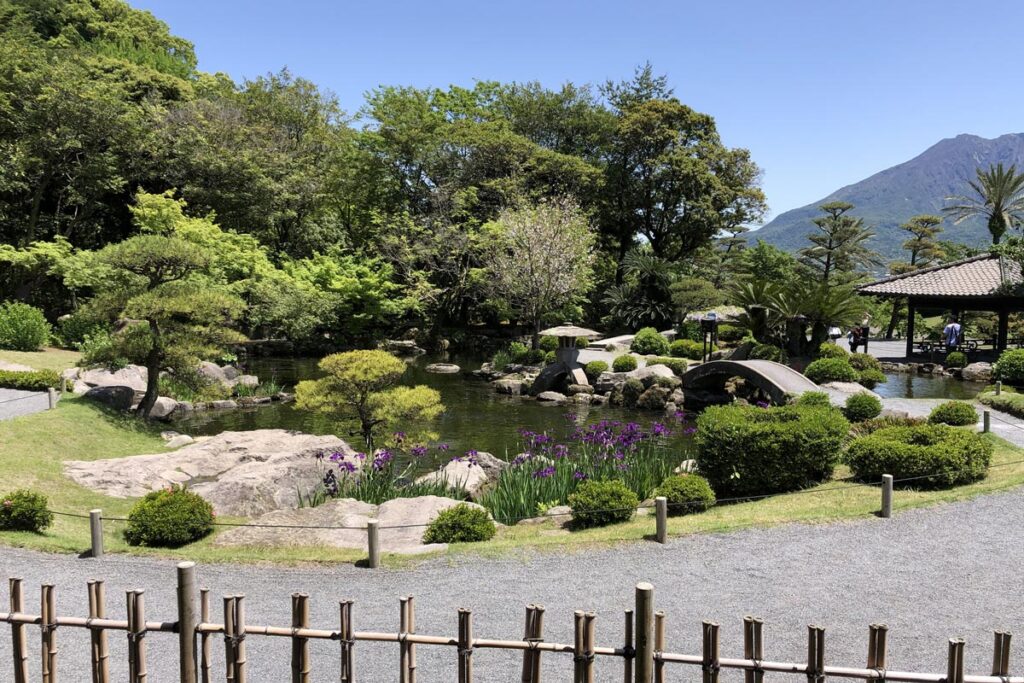
The heart of Sengan-en is its stroll garden. Pathways wind past ponds, small waterfalls, stone bridges, and manicured trees, constantly shifting your perspective on the bay and Sakurajima. Take your time exploring; the beauty here is not only in the major landmarks but also in tiny details like mossy stone lanterns, carved stepping-stones, and the way pine branches are carefully trained to frame the horizon.
Features you should not miss include:
- Pond and Island Area: A classic element of Japanese garden design, with small islands symbolizing distant, idealized lands.
- Stone Lantern Clusters: Some date back centuries and are positioned to lead the eye toward the volcano or important buildings.
- Seasonal Plantings: Depending on the time of year, you might see plum blossoms, azaleas, irises, or late-blooming camellias, all carefully coordinated to extend seasonal interest.
Residence and Historical Exhibitions
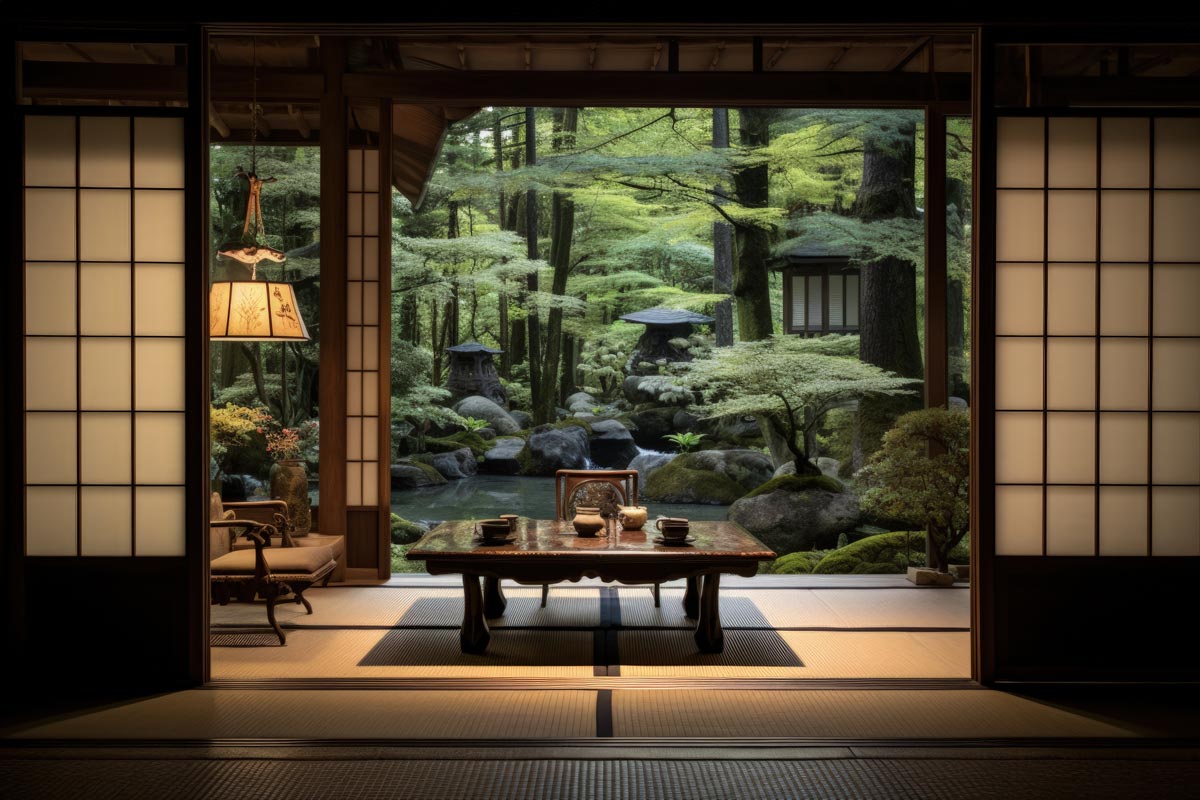
The residence areas open to visitors retain much of their original character, with tatami mats, sliding paper doors, and unobstructed sightlines through one room to the next.
Look for:
- Formal Guest Rooms: Offering the best garden views, these were used for negotiations and ceremonial visits.
- Decorative Details: Painted fusuma doors, alcoves displaying hanging scrolls and seasonal flower arrangements, and the subtle interplay of wood, paper, and light.
- Family History Displays: Panels and artifacts outlining the Shimazu clan’s political alliances, military campaigns, and role in Japan’s opening to the world.
For visitors new to Japanese architecture, the explanations here help decode why rooms are arranged as they are, why thresholds are low, and how spaces are adapted seasonally by changing screens and furnishings.
Traditional Crafts and Shopping
Sengan-en is also a gateway to Kagoshima’s craft traditions. Shops and displays on the estate introduce regional specialties such as:
- Satsuma Kiriko Cut Glass: Brilliantly colored, layered glass that is intricately cut to reveal delicate patterns. Originating under Shimazu patronage, it is one of Kagoshima’s most prized crafts.
- Satsuma Ware Ceramics: Historically exported to Europe, these often feature ivory-colored glazes with fine crackle patterns and detailed overglaze decoration.
- Local Food Products: Items like shochu (distilled liquor, often made from sweet potatoes), teas, and sweets inspired by Shimazu-era recipes or by Sakurajima’s volcanic landscape.
While some boutique items are luxury-level, there are also affordable souvenirs such as small dishes, glass accessories, and beautifully packaged sweets.
Teahouses and Local Cuisine
One of the pleasures of Sengan-en is pausing at a teahouse or restaurant to enjoy local flavors with a world-class view. Typical options include:
- Matcha with Seasonal Sweets: Served in traditional surroundings looking out onto the garden or bay.
- Local Set Meals: Featuring Kagoshima specialties such as Berkshire pork, fresh fish from Kagoshima Bay, and vegetables grown in the warm southern climate.
Dining here transforms your visit from a quick sightseeing stop into a slower, more immersive experience. If you have time, plan a full lunch rather than just a snack.
Seasonal Experiences at Sengan-en
Because Kagoshima has a relatively mild climate, Sengan-en is attractive year-round, but each season highlights different facets of the estate.
Spring
Spring brings plum and cherry blossoms, followed by azaleas and fresh green foliage. The contrast between delicate flowers and the rugged form of Sakurajima is especially striking. Weekdays in early spring are ideal if you want to avoid crowds and enjoy relaxed strolls beneath the blossoms.
Summer
Summer is lush and vivid. The garden’s streams and shade provide some relief from the heat, though Kagoshima can be quite warm and humid. This is a good time to appreciate the sound of water and the carefully planned breeze channels between buildings—a reminder of how traditional architecture responds to climate.
Autumn
Autumn brings cooler air and, in certain areas of the garden, changing leaves. Kagoshima’s autumn colors arrive later than in northern Japan, often peaking from late November into early December. Crisp, clear days in this season often offer some of the best long-distance views of Sakurajima.
Winter
Winters are comparatively mild, and the lack of heavy foliage reveals more of the garden’s structural beauty: stones, lanterns, and the silhouette of pines against the sky. On rare occasions, a dusting of snow transforms both garden and volcano into a monochrome landscape that feels almost otherworldly.
Practical Visitor Information
Location and Access
Sengan-en is located in northern Kagoshima City, on the edge of Kagoshima Bay. From central Kagoshima, it is easily accessible by local bus or tourist loop buses that stop directly at the entrance. Taxis from the city center offer a convenient alternative and are reasonably priced over the short distance.
If you are staying near Kagoshima-Chuo Station, allow extra time for traffic, especially during weekends and holidays. Many visitors combine Sengan-en with another half-day of sightseeing in central Kagoshima.
Typical Visit Duration
Allow at least two to three hours for a comfortable visit. This gives you time to:
- Stroll the main garden paths
- Explore the residence and exhibition areas
- Enjoy a tea break or meal
- Browse craft shops without rushing
If you are particularly interested in photography, history, or gardens, you could easily spend half a day or more on the estate.
Tickets and Facilities
Entrance tickets can be purchased at the main gate. Combination tickets may include access to associated museums or industrial heritage exhibits. Ticket staff are accustomed to international visitors, and basic English support is available.
On-site facilities typically include:
- Restrooms in several locations
- Lockers or storage options near the entrance
- Cafés and restaurants
- Souvenir and craft shops
The main garden paths and lower areas are generally accessible, though some viewpoints and hillside trails involve stairs or uneven surfaces. Comfortable walking shoes are strongly recommended.
Language Support
Signage around Sengan-en often includes English, particularly for major features and historical explanations. Printed pamphlets in multiple languages are usually available at the entrance, and some exhibits include QR codes linking to further information.
Staff may not all speak fluent English, but key visitor information—such as directions, ticket options, and opening hours—can usually be communicated without difficulty.
Cultural Etiquette Tips
To make the most of your visit and show respect for this historic site, keep a few cultural points in mind:
- Stay on marked paths: Garden layouts are carefully designed, and stepping into planted areas can damage sensitive moss or shrubs.
- Photography: Outdoor photography is generally welcome, but always check for signs in residential or exhibition interiors. Avoid using flash where prohibited.
- Shoes and Interiors: If you enter areas where shoes must be removed, follow the posted instructions and use the provided slippers or leave shoes neatly facing outward.
- Quiet Appreciation: Many visitors come to enjoy the tranquil atmosphere. Keep voices low, especially inside buildings and near teahouses.
Combining Sengan-en with Other Kagoshima Experiences
To create a well-rounded introduction to Kagoshima and southern Japan, consider pairing your visit to Sengan-en with:
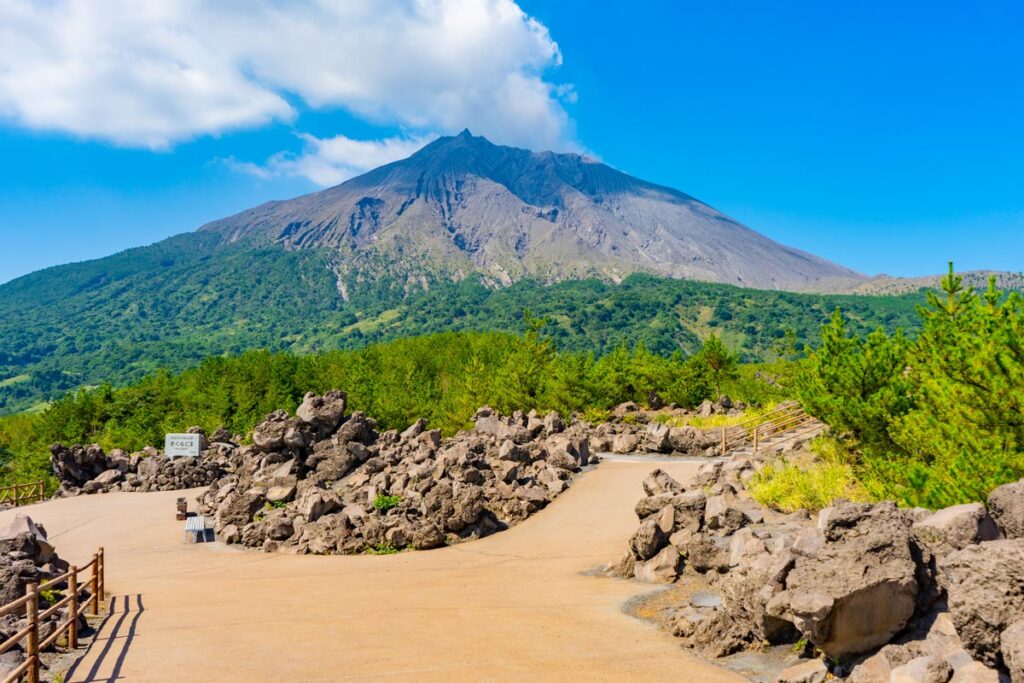
- A Ferry Trip to Sakurajima: See the volcano up close, explore short walking trails, and experience the contrast between viewing Sakurajima from the garden and standing on its slopes.
- Onsen (Hot Springs): The region’s volcanic activity feeds numerous hot springs. A soak after a day of sightseeing is a very Japanese way to unwind.
- City Museums: Central Kagoshima offers museums that elaborate on Satsuma’s role in national history, complementing what you learn at Sengan-en.
Is Sengan-en Worth It for First-Time Visitors to Japan?
For many first-time travelers, the image of Japan centers on Tokyo’s neon streets or Kyoto’s temples. Sengan-en offers a different, yet equally authentic, perspective: the world of regional lords who shaped the country behind the scenes. Here, in one visit, you can experience:
- A classic Japanese stroll garden designed around one of the country’s most iconic volcanoes
- A historical residence that reveals how the samurai elite really lived
- The early story of Japan’s industrialization and modern identity
- Local crafts and cuisine rooted in centuries of regional tradition
If your itinerary takes you to Kyushu, Kagoshima and Sengan-en deserve a place on your route. Even a short visit here deepens your understanding of Japan’s history and offers memorable views that stay with you long after you leave the bay and its watchful volcano behind.

Access Map
Recommended spots in Kagoshima
Yakushima Island
Sakurajima
Sengan-en
Chiran Peace Museum
Top destinations in Kyushu/Okinawa
Okinawa
Fukuoka
Kumamoto