

Chiran Peace Museum
Visiting Chiran Peace Museum in Japan: A Thoughtful Travel Guide
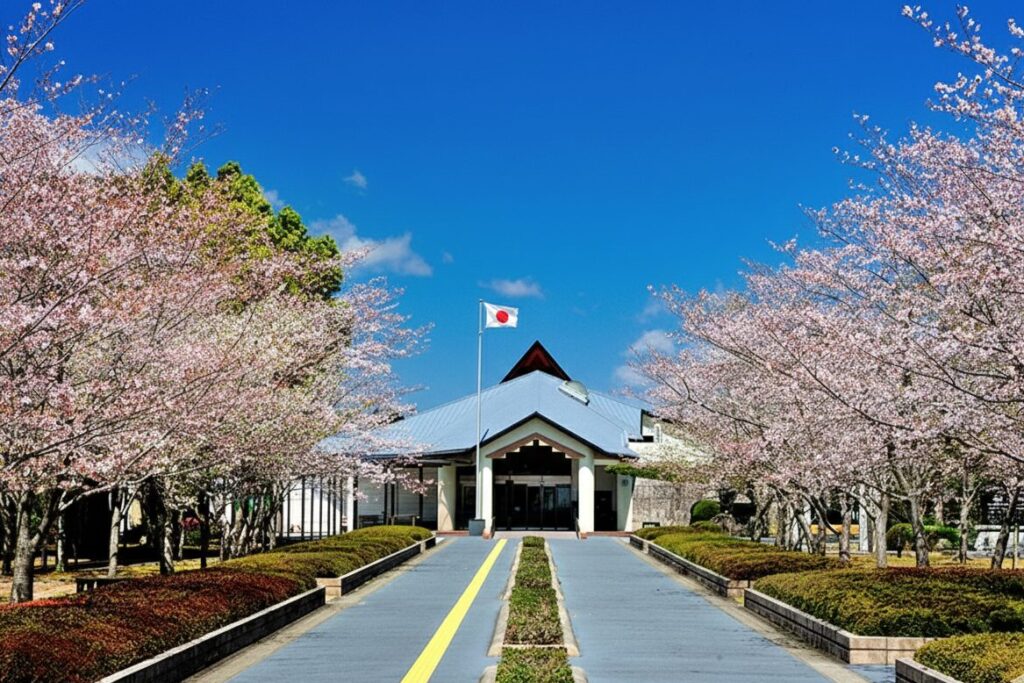
Photos are for illustrative purposes only.
In the quiet countryside of Kagoshima Prefecture, far from Tokyo’s neon and Kyoto’s temples, the Chiran Peace Museum offers one of Japan’s most moving travel experiences. Dedicated to the young men who served as kamikaze pilots during World War II, this museum is less about glorifying war and more about confronting its human cost and reflecting on peace.
For international visitors, especially first-time travelers to Japan, Chiran can be a powerful addition to an itinerary that usually focuses on food, shopping, and famous shrines. This guide explains what the Chiran Peace Museum is, what you will see, how to visit respectfully, and how to make the most of a day trip to this rural corner of southern Japan.
What Is the Chiran Peace Museum?
The Chiran Peace Museum (officially the Chiran Peace Museum for Kamikaze Pilots) stands on the site of a former airbase used in the final months of World War II. From here, a large number of young pilots departed on one-way missions, many of them in the Battle of Okinawa. The museum preserves their photographs, final letters, and personal belongings, and it documents the history of the airbase and the wider war.
Rather than presenting military strategy or technology, the museum focuses on individual stories. Visitors see the faces of the pilots, read their handwriting, and learn about the families they left behind. For today’s travelers, the museum functions as a peace memorial: a place to contemplate how ordinary people are drawn into extraordinary circumstances, and how fragile human life can be in times of conflict.
Why Visit Chiran as an International Traveler?
Most first-time visitors to Japan think of Hiroshima when they think of war and peace. Chiran adds a different, complementary perspective to that story. Here are a few reasons to include it in your Japan itinerary:
1. A Deeply Human View of History
At Chiran, the history of World War II unfolds through individual lives. You see graduation photos, childhood snapshots, and letters written by young men who knew they would not return. Many were still in their late teens or early twenties. Some wrote about their parents, fiancées, or siblings; others expressed doubts, fear, or determination.
Instead of abstract numbers and dates, you encounter hundreds of personal testimonies. This human-scale approach can be more accessible and emotionally impactful than a purely political or military narrative, especially for visitors who are not specialists in Japanese history.
2. A Window into Japanese Values and Emotions
The exhibits reveal layers of Japanese culture that can be hard to grasp on a short trip: a sense of duty and obligation, the weight of family expectations, and the way people express emotions indirectly yet powerfully. Reading a farewell letter in simple, polite Japanese – often translated into English – helps you see beyond stereotypes about “kamikaze” and understand the individuals involved.
Visiting Chiran also shows how contemporary Japan chooses to remember the war. The tone is generally somber and reflective, emphasizing peace and the tragic loss of youth, rather than celebration of military action. That balance is important context for understanding modern Japanese attitudes.
3. A Thoughtful Counterpoint to Japan’s Lively Cities
Japan’s urban highlights – Tokyo, Osaka, Fukuoka – are energetic and fun. Chiran is the opposite: rural, slow-paced, and contemplative. Combining these experiences in one trip gives you a fuller picture of the country.
Many travelers leave feeling quiet and introspective, and that emotional contrast can become one of the most memorable parts of a Japan journey.
What to See Inside the Chiran Peace Museum
The museum is larger than it appears from the outside, with several exhibition rooms laid out in a sequence. Plan at least 1.5–2 hours to visit, more if you want to read many of the letters carefully.
Portraits of the Pilots
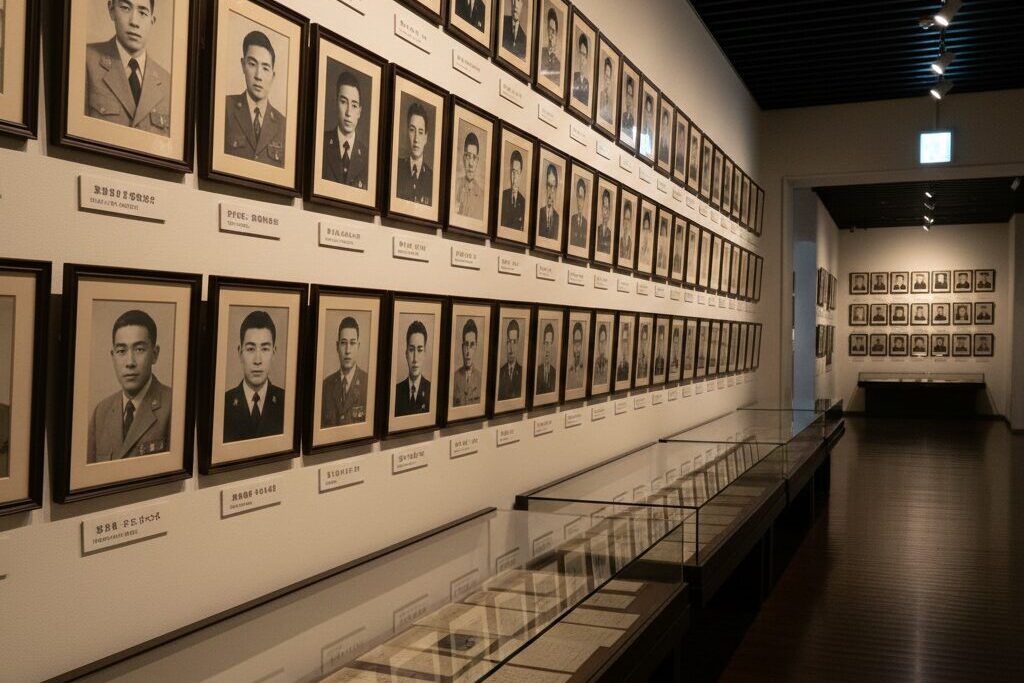
One of the first spaces you enter displays rows of framed photographs of the young pilots, many in uniform, some smiling shyly, others looking serious. Below or beside them, you may see brief biographical notes and personal details.
This room can be overwhelming; it gives a visual sense of scale to the number of lives lost. Take your time and move slowly, selecting a few individuals to focus on, rather than trying to absorb everything at once.
Letters, Diaries, and Final Messages
The heart of the museum lies in the handwritten letters and diary entries left behind by the pilots. These are displayed in cases, usually with printed transcriptions and translations. Some describe daily life at the airbase; others are moving farewells to parents, encouraging younger siblings to study hard or look after the family.
Translations into English and other languages are gradually improving, but not every document is fully translated. Even so, you can sense the emotional weight in the careful handwriting, the respectful forms of address, and the formal signatures.
Personal Belongings and Uniforms
Showcases contain uniforms, flight goggles, helmets, and other personal belongings recovered or preserved by families. These objects make the history tangible: you can imagine the last time each item was worn or held.
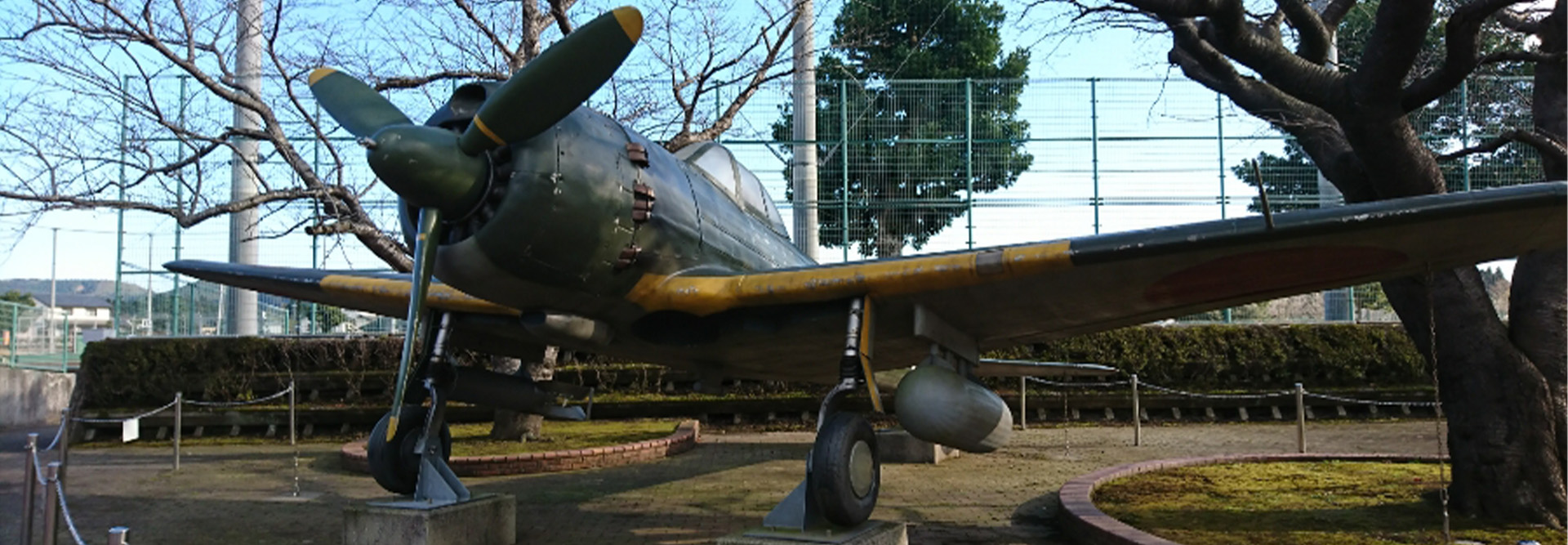
There are also displays about the aircraft themselves – often small, lightly armed planes modified for one-way missions. Model planes and recovered parts illustrate how basic and vulnerable these machines were compared to modern fighter jets.
Historical Background Exhibits
Panels and maps explain the larger context of the Chiran airbase and its role in the Pacific War, particularly during the Battle of Okinawa. Diagrams show the flight paths, routes to Okinawa, and the locations of related airfields.
These exhibits help you understand how Chiran fitted into Japan’s desperate final strategy, and why so many pilots departed from this rural town in southern Kyushu.
Outdoor Exhibits and Monuments
Outside the main building are reconstructed or preserved structures associated with the airbase, including simple barracks and command posts. Walking among them gives you a sense of the daily environment the pilots lived in: modest wooden buildings, surrounded by fields and low hills.
Monuments and memorial stones in the grounds are often decorated with fresh flowers or folded paper cranes. Local families and visitors come to pay their respects throughout the year, particularly on anniversaries. Spending time outdoors after the emotional indoor exhibits can be grounding and restorative.
How to Visit Respectfully
Chiran Peace Museum is not a typical tourist attraction; it is a memorial site that remains emotionally significant for many Japanese visitors, including relatives of those who died. Keeping a few simple guidelines in mind will help you show respect.
Dress and Behavior
You do not need formal clothes, but avoid very revealing or beachwear-style outfits. Smart-casual travel clothing is perfectly acceptable. Inside the museum, speak softly and keep conversations low-key. Many Japanese visitors walk through in near silence, reading slowly and reflecting.
Photography is often restricted or prohibited in many indoor areas to protect sensitive materials and respect the privacy of families. Always check the signs and follow staff instructions. Even where photos are allowed, avoid posing for playful or lighthearted shots.
Approaching the Exhibits
Give yourself time, and do not feel obligated to read every panel. If you become emotionally overwhelmed, it is fine to step outside for air. Many travelers find the letter exhibits particularly intense, especially if they understand some Japanese.
As an international visitor, you may be tempted to interpret what you see through your own country’s history or politics. It can be more meaningful to focus on the universal aspects – family love, fear, hope, and regret – and to use the experience as an opportunity to reflect on the human consequences of war, rather than to seek simple judgments.
Practical Information for First-Time Visitors
While details such as opening hours and admission fees may change, the following general guidance can help you plan your trip to Chiran Peace Museum.
Location: Chiran in Kagoshima Prefecture
Chiran is in Minamikyushu City, in the southwest of Japan’s Kyushu island. The nearest major city is Kagoshima, known for its active volcano Sakurajima and scenic bay. Most visitors use Kagoshima as a base and make a half-day or full-day trip to Chiran.
Getting There
From Kagoshima City:
- By bus: Direct buses typically run from central Kagoshima or from key bus terminals to the Chiran area. The ride usually takes around an hour, depending on traffic. Some services stop near both the Peace Museum and the historic samurai district.
- By car: Renting a car is a convenient option, especially if you want to combine the museum with other rural sights. Driving from Kagoshima often takes about an hour. Roads are generally straightforward, and parking is usually available near the museum.
Check the latest transport information at Kagoshima’s tourist information center or on transport company websites before you travel, as schedules can change seasonally.
Opening Hours and Admission
The museum usually opens during standard daytime hours and may close on certain weekdays or during New Year holidays. Admission fees are modest, and there are often discounts for students or groups. As a first-time visitor, it is wise to verify the current hours and prices shortly before your visit through an official tourism source or local information center.
Language and Accessibility
Many of the core exhibits offer some English support through captions or pamphlets, and front-desk staff may have basic English ability. However, not every panel is fully translated. Bringing a translation app can help with certain sections, especially for personal letters.
The museum buildings are relatively modern, with flat floors and ramps in many areas, but outdoor sections may involve uneven ground or steps. If you have mobility concerns, check accessibility details in advance.
Combining Chiran with Nearby Attractions
Since Chiran is not far from other interesting sites, you can build a rewarding day trip around your museum visit.
Chiran Samurai Residence District
A short distance from the Peace Museum lies a beautifully preserved samurai neighborhood, with stone walls, narrow lanes, and manicured gardens. Unlike some famous samurai districts crowded with visitors, Chiran’s streets feel intimate and lived-in.
Several former samurai residences open their gardens to the public, showcasing classic Japanese landscaping: carefully pruned pines, mossy stones, and miniature “borrowed scenery” views. Walking here after the museum provides a calmer, aesthetic counterbalance to the intensity of the exhibits, and offers a glimpse of Japan’s pre-modern warrior culture in a peaceful setting.
Exploring Kagoshima and Southern Kyushu
Back in Kagoshima City, you can continue your journey with:
- Sakurajima Volcano: Take a ferry across the bay to see one of Japan’s most active volcanoes up close.
- Sengan-en Garden: A spacious garden and former feudal villa with views of the bay and volcano.
- Local hot springs: Soak in an onsen to unwind after an emotionally and physically full day of sightseeing.
Combining Chiran’s quiet fields, Kagoshima’s volcanic landscape, and Kyushu’s hot springs creates a varied travel experience that goes far beyond the standard big-city route.
Tips for a Meaningful Visit
To get the most out of your time at Chiran Peace Museum, consider the following suggestions.
Prepare Emotionally and Culturally
You do not need to study deeply before visiting, but a basic understanding of Japan’s role in World War II and the concept of kamikaze pilots will help. Reading a short overview about the Pacific War and Japan’s final months gives useful background.
It is also worth remembering that many Japanese people today have complex feelings about this period. The museum aims to honor those who died, acknowledge the tragedy, and promote peace, rather than offer a simple narrative. Going in with an open mind and a willingness to listen will make your visit more meaningful.
Allow Time Afterward to Reflect
Plan your schedule so you are not rushing to catch the last bus. After leaving the museum, walking slowly through the grounds, visiting a nearby café, or exploring the samurai district can give you space to process what you have seen.
Many visitors find that their thoughts about Chiran continue long after they leave Japan. You might choose to journal about the experience, discuss it with travel companions, or read more about the personal stories of the pilots.
Link the Experience to a Wider Peace Journey
If your itinerary includes Hiroshima, Nagasaki, Okinawa, or other war-related sites in Japan, Chiran can become part of a larger reflection on conflict and peace. Each place tells a different part of the story: civilians under bombing, soldiers on the front lines, families on the home front.
Taken together, these visits can transform a holiday into a journey of understanding – not just of Japan, but of the shared human desire to avoid repeating the mistakes of the past.
Planning Your Visit to Chiran Peace Museum
For first-time travelers to Japan, making room for a place like Chiran in a short itinerary may feel challenging, especially when there are so many famous attractions. Yet many who go describe it as one of the most powerful experiences of their trip.
By combining the Chiran Peace Museum with Kagoshima’s natural beauty and Chiran’s samurai district, you can create a day that is historically rich, emotionally resonant, and uniquely tied to southern Japan. With an open heart, a respectful attitude, and a little planning, a visit here can deepen your understanding of Japan far beyond what you might gain from cities alone.
Whether you come to Japan for food, landscapes, pop culture, or temples, setting aside a day for Chiran offers something rarer: time to quietly reflect on the past, and on how each journey can also be a step toward a more peaceful future.

Access Map
Recommended spots in Kagoshima
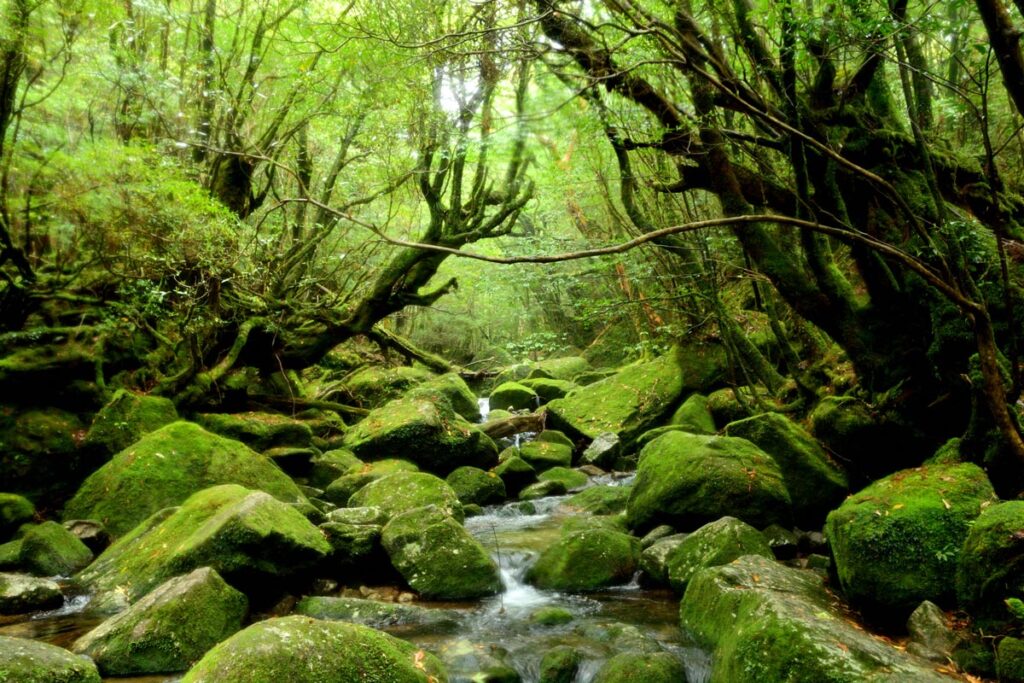
Yakushima Island
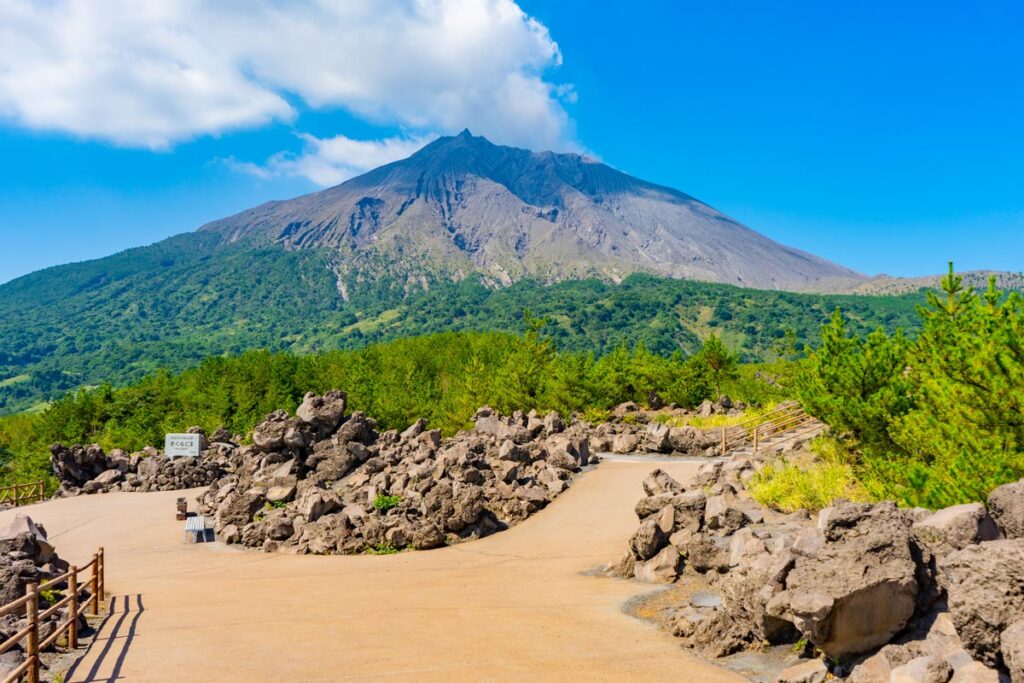
Sakurajima
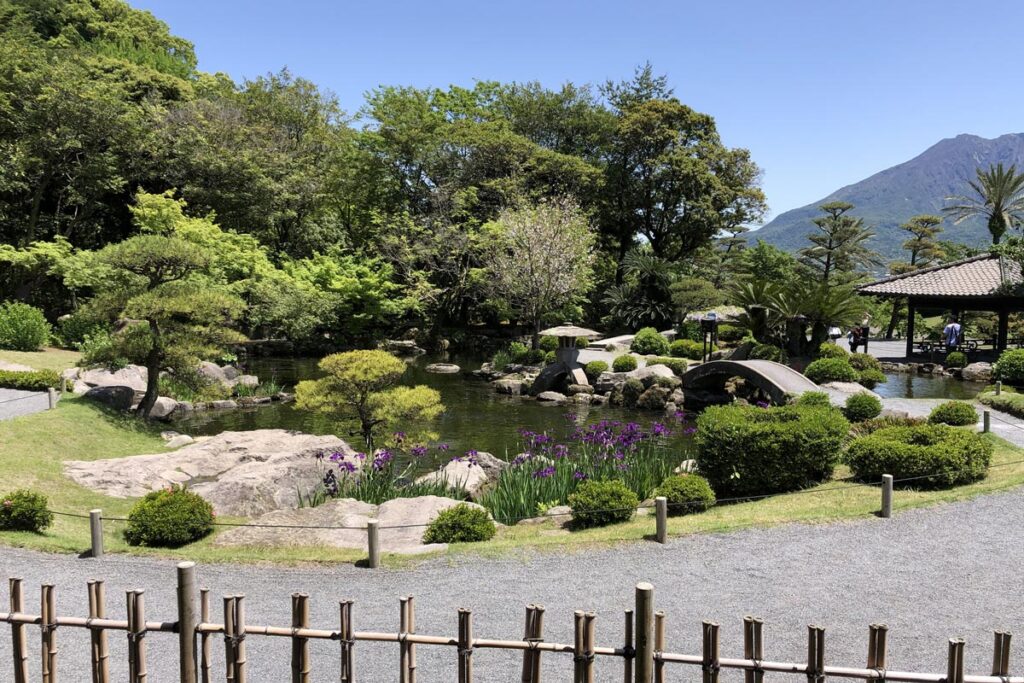
Sengan-en
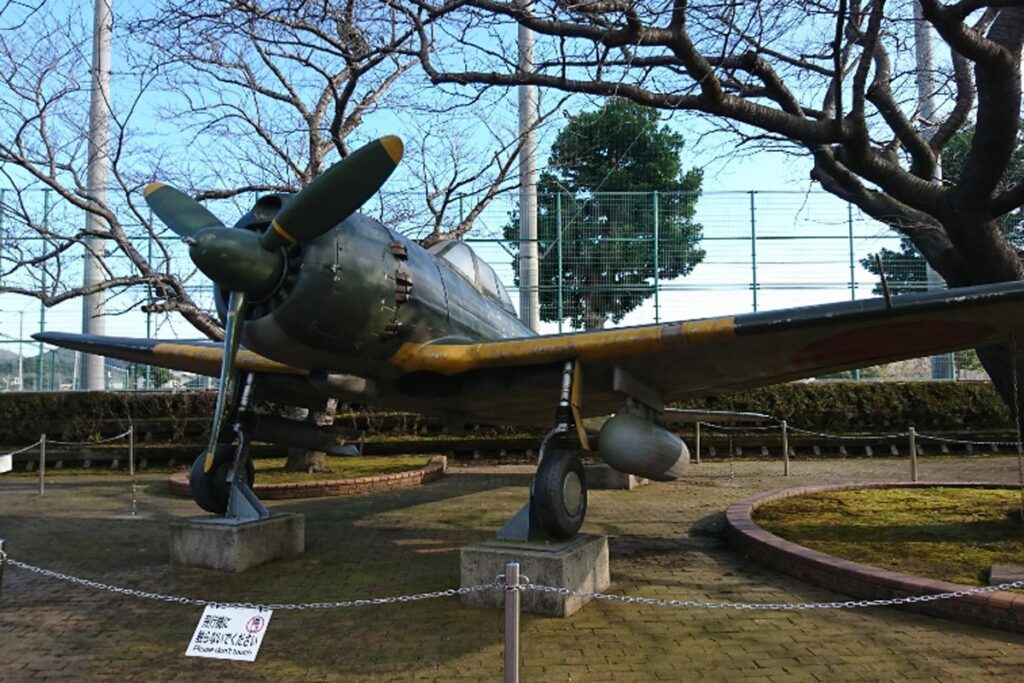
Chiran Peace Museum
Top destinations in Kyushu/Okinawa
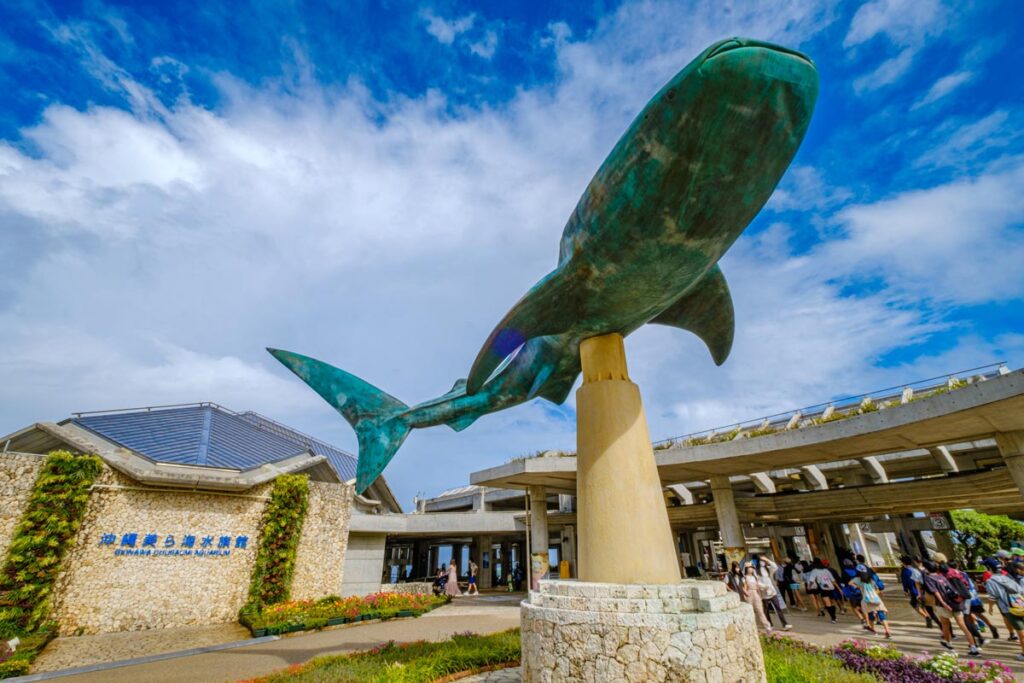
Okinawa
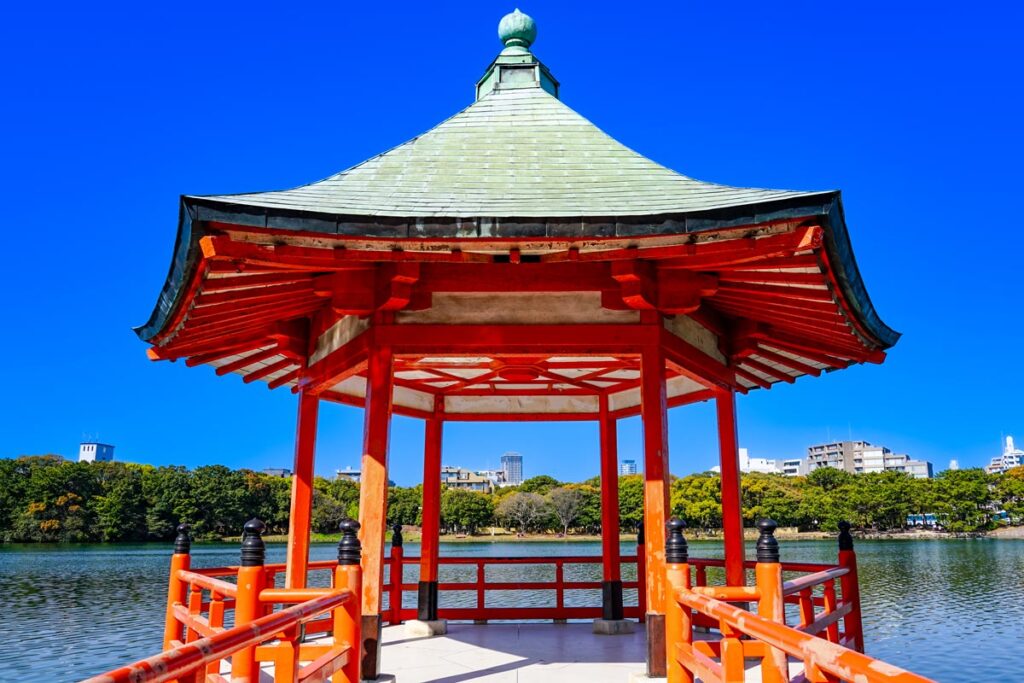
Fukuoka
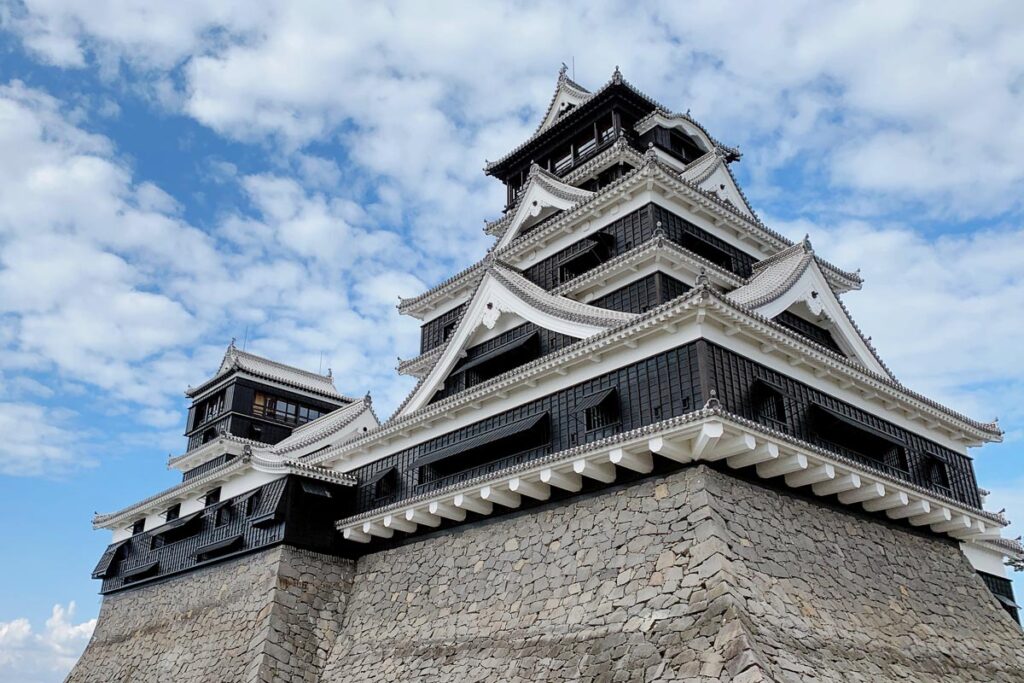
Kumamoto