

Peace Park
Visiting Japan’s Peace Park: A First-Time Traveler’s Guide
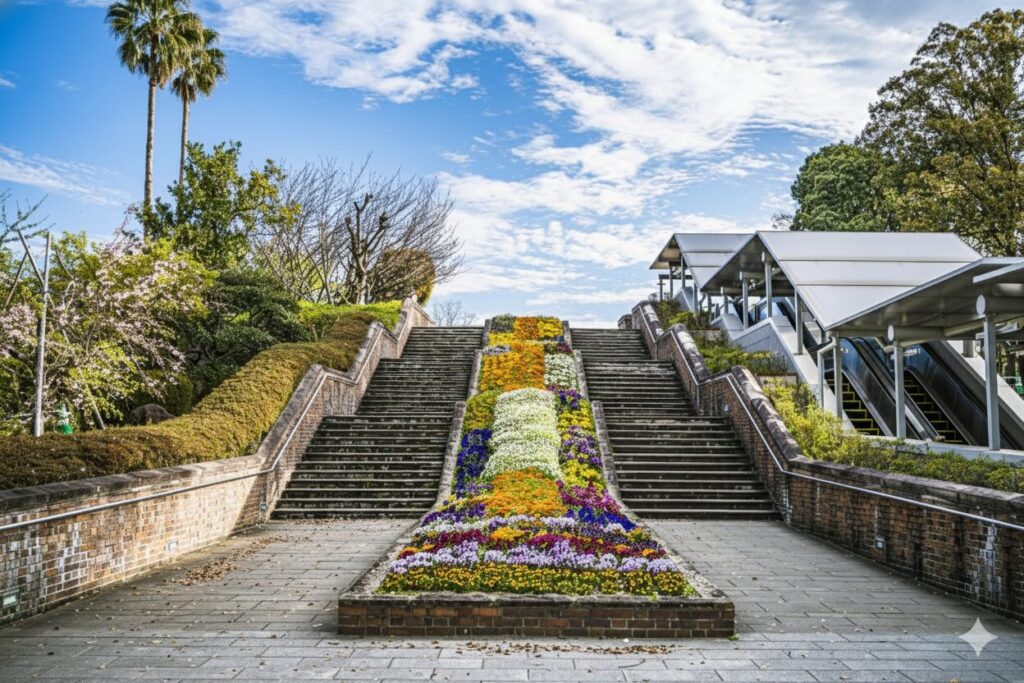
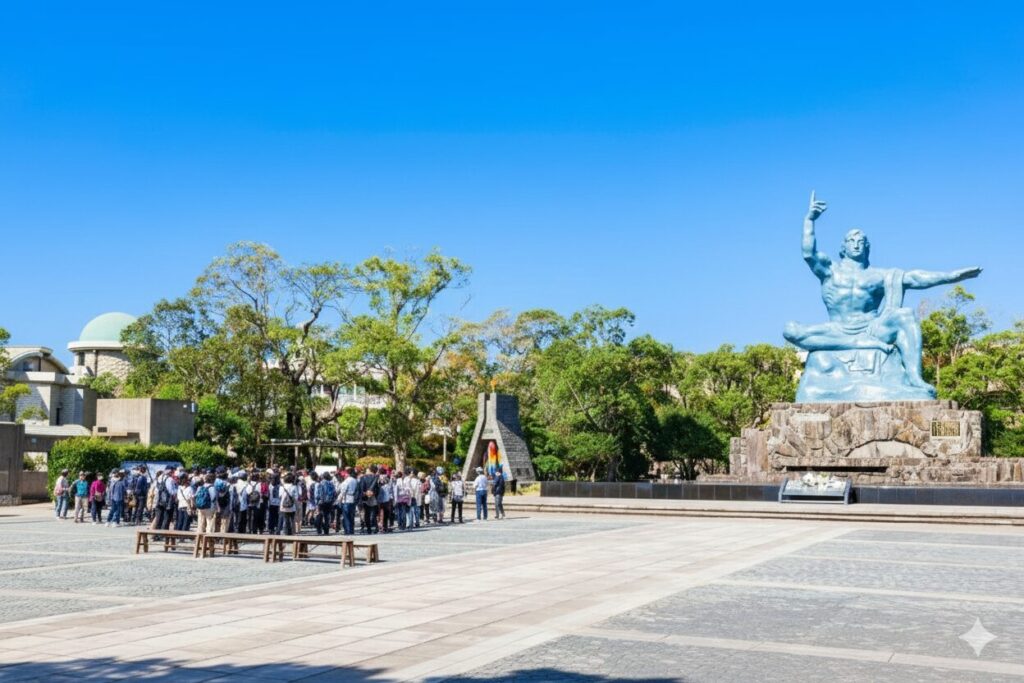
Photos are for illustrative purposes only.
For many first-time visitors to Japan, a visit to a Peace Park is one of the most moving experiences of their trip. Beyond temples, neon cityscapes, and cherry blossoms, Japan’s Peace Parks invite you to pause, reflect, and understand the country’s modern history and deep commitment to peace.
This guide explains what to expect when visiting a major Peace Park in Japan, how to navigate the memorials respectfully, and how to make the most of your time there as an international visitor.
Why Peace Parks Matter in Japan
Japan’s Peace Parks are not just tourist attractions; they are living memorials. Built in cities that experienced the devastation of war, these parks commemorate the victims, document the events, and advocate for a world without nuclear weapons or large-scale conflict.
As you walk through a Peace Park, you’re stepping into a space that blends remembrance, education, and quiet greenery. You’ll find museums, memorial sculptures, tranquil ponds, and spaces designed for contemplation, all carefully arranged to tell a story about the past and Japan’s hope for the future.
What to Expect in a Japanese Peace Park
Although each Peace Park in Japan has its own layout and personality, they tend to share several key elements. Knowing what you’re likely to see will help you plan your visit and understand what you’re looking at once you arrive.
Memorial Monuments and Sculptures
At the heart of any Peace Park, you’ll find one or more central monuments. These are typically simple, dignified structures with a strong symbolic design. Arches often represent a sheltering sky. Flame monuments keep an eternal fire burning until nuclear weapons disappear from the world. Walls of names or lists of cities honor lives lost and communities affected.
Plaques in Japanese and English usually explain the meaning of each monument. Take time to read these carefully; they transform the park from a collection of statues into a powerful narrative. You may see offerings like flowers, origami cranes, or handwritten messages left by visitors and school groups.
Peace Museums
Most major Peace Parks include a museum or memorial hall. These spaces are where you’ll gain deeper context: timelines of events, personal stories, photographs, official documents, and exhibits explaining the effects of war on ordinary people.
Expect detailed displays in Japanese with English translations on signs, captions, and audio guides. Some exhibits can be emotionally intense: personal belongings, survivor testimonies, and images of destruction. Many museums end by focusing on reconstruction, reconciliation, and Japan’s role in global peace movements.
Plan at least 1–2 hours for the museum alone, especially if you want to read explanations fully or listen to audio commentary. Headsets are often available for rent in several languages.
Flame of Peace or Eternal Flame
One of the most striking features is often a flame that is kept burning day and night. It represents both mourning and hope. Officially, many of these flames are pledged to burn until the last nuclear weapon is dismantled. This symbolism strongly links local memory to a global call for disarmament.
Visitors usually observe the flame in silence, sometimes with hands lightly folded. It’s a natural place to pause, reflect, and take in the meaning of the park.
Cenotaphs and Memorial Halls
A cenotaph is a monument honoring those who died, often with a registry of names kept inside. In Peace Parks, cenotaphs are often placed so that when you look through or beyond them, you see another symbolic structure, water feature, or museum building, creating a visual axis that unites the entire site.
Memorial halls may be quieter, more intimate spaces. They might feature dim lighting, a ring of photographs, or a central pool of water. Many visitors take a moment here for private reflection, prayer, or silent thought, regardless of their religion or background.
Children’s Memorials and Origami Cranes
One especially moving aspect of many Japanese Peace Parks is the presence of children’s memorials. These monuments often grew out of stories of young victims who became symbols of peace, inspiring schoolchildren across Japan and abroad to fold paper cranes and send them as prayers for a world without nuclear weapons.
You will likely see glass cases or sheltered spaces filled with thousands of brightly colored origami cranes. These offerings arrive year-round from schools and visitors worldwide, turning the memorial into a constantly renewed expression of hope and solidarity.
Green Spaces and Quiet Corners
Despite their heavy themes, Peace Parks are also designed as peaceful urban oases. Tree-lined paths, open lawns, and ponds or rivers give you room to breathe and process what you’ve learned. Benches offer quiet spots to sit, and carefully maintained gardens reflect Japanese aesthetics of harmony and simplicity.
Depending on the season, you may see cherry blossoms in spring, lush greenery in summer, colorful foliage in autumn, or stark, bare branches in winter. Each season adds a different emotional layer to the park’s message of remembrance and renewal.
How to Visit Respectfully
Peace Parks are public spaces that welcome everyone, but they are also sacred to many visitors, particularly survivors, families of victims, and local residents. A few simple guidelines will help you show respect while you explore.
Dress and Behavior
You don’t need formal clothes, but avoid overly revealing or graphic outfits. Comfortable, modest clothing is appropriate. Keep your voice low in the park, especially near monuments, prayer spaces, and inside any memorial halls or museums.
Running, shouting, or treating the park like a playground is discouraged, though you will often see school groups visiting and quietly learning with teachers and guides.
Photography Etiquette
Photography is generally allowed in outdoor areas, but some museum exhibits and memorial halls may prohibit photos. Always watch for signs and follow instructions from staff. Even where photography is permitted, it is courteous to avoid intrusive close-ups of people who are praying, crying, or clearly in a moment of personal reflection.
Try to capture the atmosphere as well as the architecture: the contrast of peace and memory, the presence of cranes and flowers, and the park’s relationship to the surrounding city.
Offerings and Prayers
You do not need to bring anything, but many visitors offer flowers, small paper cranes, or quiet thoughts at the main monuments. If you wish, you can fold a crane before your trip or buy one locally and leave it with a short written message in your language. Staff or volunteers sometimes provide information on where offerings can be placed.
Silence is often the most meaningful form of respect. Even if you do not share the religious or cultural background, a brief pause in front of a monument communicates empathy and understanding.
Planning Your Visit
Peace Parks are usually located in central areas of major cities, making them easy to reach via public transportation and convenient to combine with other sightseeing.
How Much Time to Spend
Plan at least half a day if you want a thoughtful experience. A typical visit might look like this:
- 30–45 minutes walking through the park and main outdoor monuments
- 60–90 minutes in the museum or memorial hall
- 30 minutes for quiet reflection, photography, or a short break in the park
If you are especially interested in history or peace studies, you could easily spend more time reading exhibits, attending talks, or joining a guided tour.
Best Time of Day and Year
Mornings tend to be calmer, with softer light ideal for photos and reflection. Afternoons can be busier, especially during school trips. Evenings may offer illuminated views of certain monuments, depending on the park’s opening hours.
Seasonally, spring and autumn are particularly pleasant: comfortable temperatures, clear skies, and beautiful foliage. Summer can be hot and humid, but this is also when many official peace ceremonies take place, making the atmosphere especially powerful. Winter visits can feel stark but profound, with fewer crowds and a quieter mood.
Admission and Tickets
Entry to the park grounds is typically free. Museums and memorial halls often charge a modest fee, which helps maintain exhibits and support educational programs. Ticket counters usually accept cash (yen) and sometimes IC cards; credit cards are less common for small amounts but are gradually becoming more widely accepted.
Lines can form at popular times, but they move quickly. If audio guides are available, consider renting one, especially if you prefer listening rather than reading long panels.
Accessibility and Facilities
Peace Parks and their museums are generally designed to be accessible. Expect paved paths, ramps, elevators, and accessible restrooms. Benches and shaded areas are helpful if you need frequent breaks.
Public toilets, vending machines, and sometimes small cafés or rest areas are available either in the park or just outside. If you buy drinks from vending machines, remember to use the nearby recycling bins.
Connecting Your Visit to the Wider City
Many visitors combine a trip to a Peace Park with other nearby cultural sites, creating a fuller day that balances heavy themes with lighter experiences.
Common combinations include:
- Visiting local temples or shrines for a different perspective on Japanese spirituality and remembrance
- Exploring nearby shopping streets or food alleys to see how the modern city has grown beyond its past
- Taking a river cruise or walking along the waterfront, if the park sits by a river or bay
- Stopping at observation decks or hillsides to see how the whole city has been rebuilt
These additional activities can help you process your visit and appreciate the resilience and creativity of the communities that now thrive around the memorial site.
Cultural Context: Memory, Resilience, and Peace
To understand the emotional weight of a Peace Park, it helps to consider Japanese approaches to memory and resilience. In Japanese culture, there is a strong tradition of honoring ancestors and remembering the dead through annual ceremonies, seasonal festivals, and visits to graves and memorials.
At the same time, there is a deep emphasis on starting anew. Cities that once lay in ruins have become vibrant centers of technology, education, and culture. The coexistence of solemn remembrance and energetic modern life is central to the experience of visiting a Peace Park: you are reminded of the past even as you stand in the middle of a busy, thriving city.
Japan’s Peace Parks often emphasize three key messages: never forget what happened, understand the human cost of war, and commit to building a more peaceful future. Exhibitions frequently feature not only Japanese perspectives but also international voices, showing that remembrance and peace-building are shared global responsibilities.
Tips for a Meaningful Visit
A few practical steps can make your time at a Peace Park more meaningful and less overwhelming.
Prepare Gently Before You Go
Consider reading a short, neutral overview of the historical events before your visit so the exhibits are easier to follow. You do not need to be an expert; simply understanding the basic timeline and context can help you engage more deeply.
Take Breaks When Needed
The material can be emotionally heavy. If you start to feel overwhelmed, step outside into the park’s greenery, sit by the water, or simply gaze at the trees for a few minutes. It’s perfectly acceptable to move through the museum at your own pace, skipping sections if necessary.
Reflect Afterward
Many visitors find it helpful to talk with travel companions afterwards over a meal or in a café, or to write a few notes in a journal. What surprised you? What stories stayed with you? How did the park change your view of the city, or of Japan more broadly?
Some people choose to visit a nearby shrine or temple afterwards, even if they are not religious, to mark a transition from remembrance back to everyday sightseeing.
Bringing the Experience Home
Long after you leave Japan, your visit to a Peace Park is likely to stay with you. Many museums offer books, postcards, and educational materials in English that you can bring home to share with family and friends. Buying these directly supports the memorial’s ongoing work.
On a personal level, you might decide to learn more about the history you encountered, support organizations working for peace, or simply keep the memory alive by talking about what you saw and felt.
For first-time travelers to Japan, a Peace Park visit offers a powerful counterpoint to the country’s playful pop culture and serene traditional sites. It invites you into a deeper conversation about memory, responsibility, and hope—themes that transcend borders and make your journey more than just a vacation.
By approaching the park with openness and respect, you’ll leave with a richer understanding of Japan and a lasting sense of connection to the people whose stories are preserved there.
Access Map
Recommended spots in Nagasaki
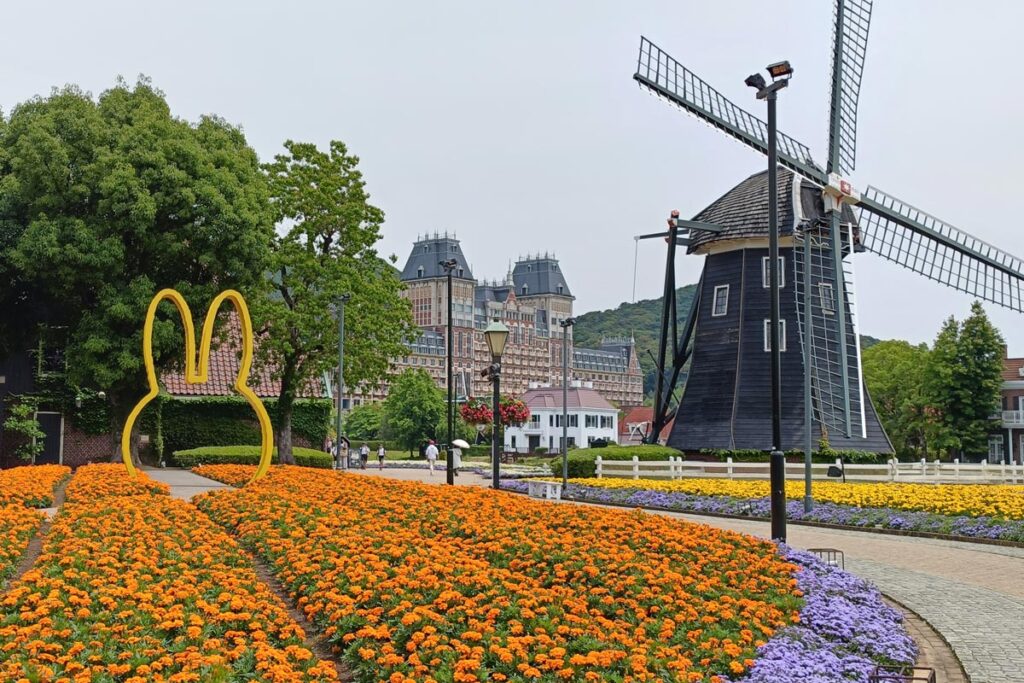
Huis Ten Bosch
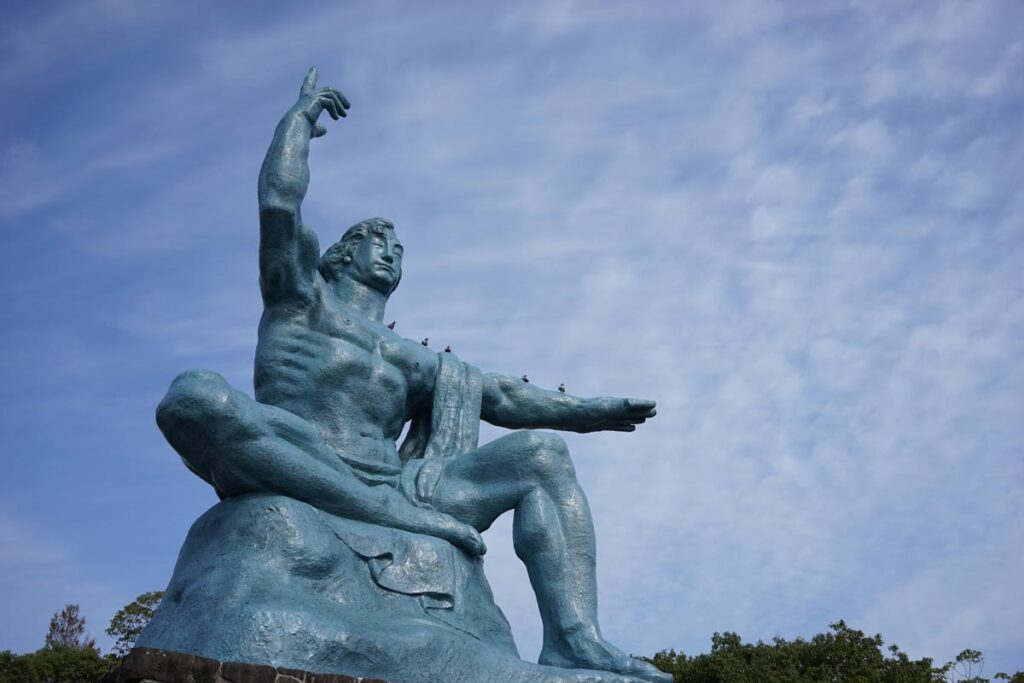
Peace Park
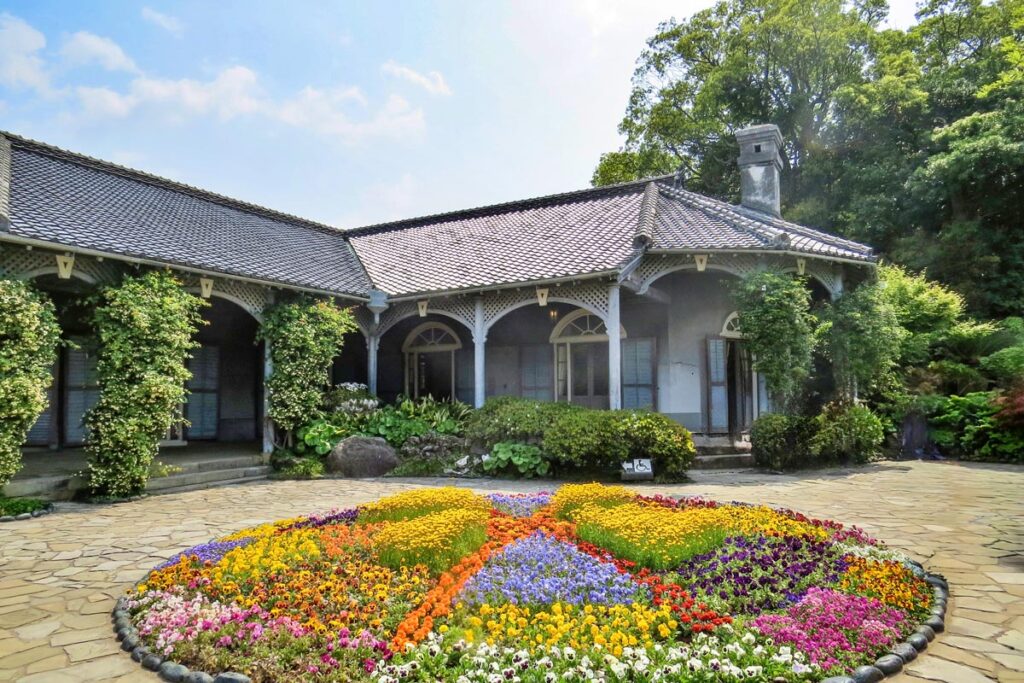
Glover Garden
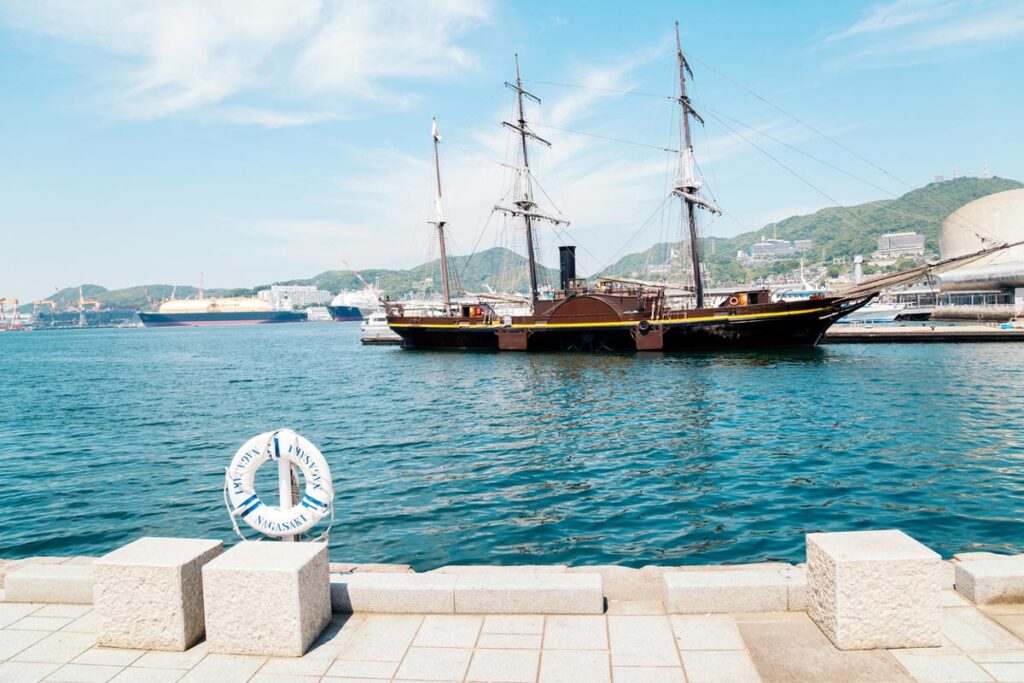
Dejima
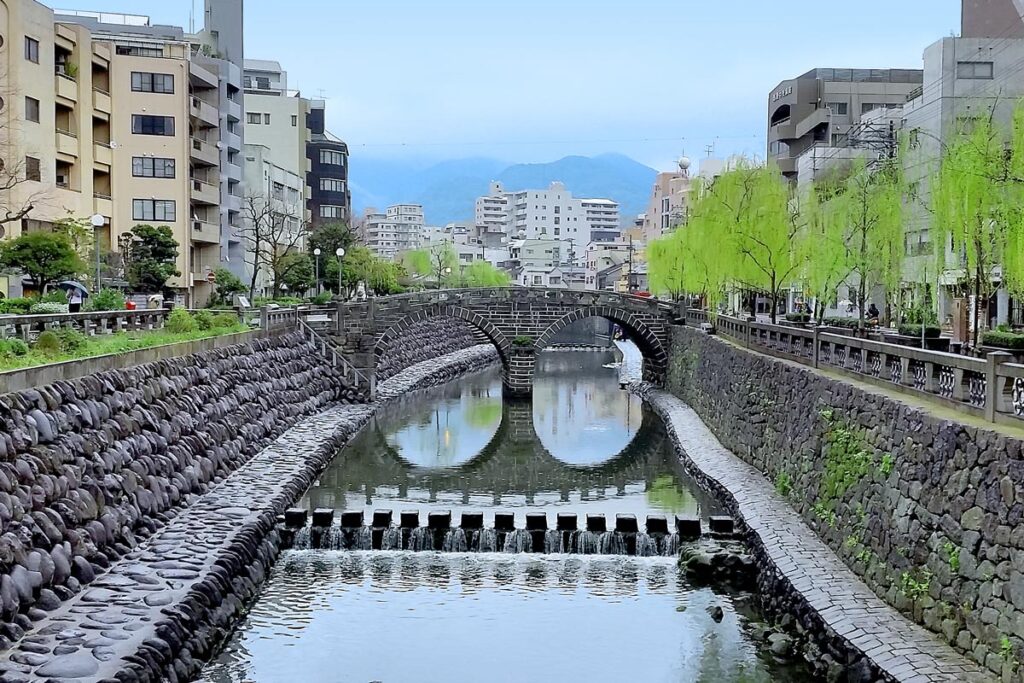
Megane Bridge
Top destinations in Kyushu/Okinawa
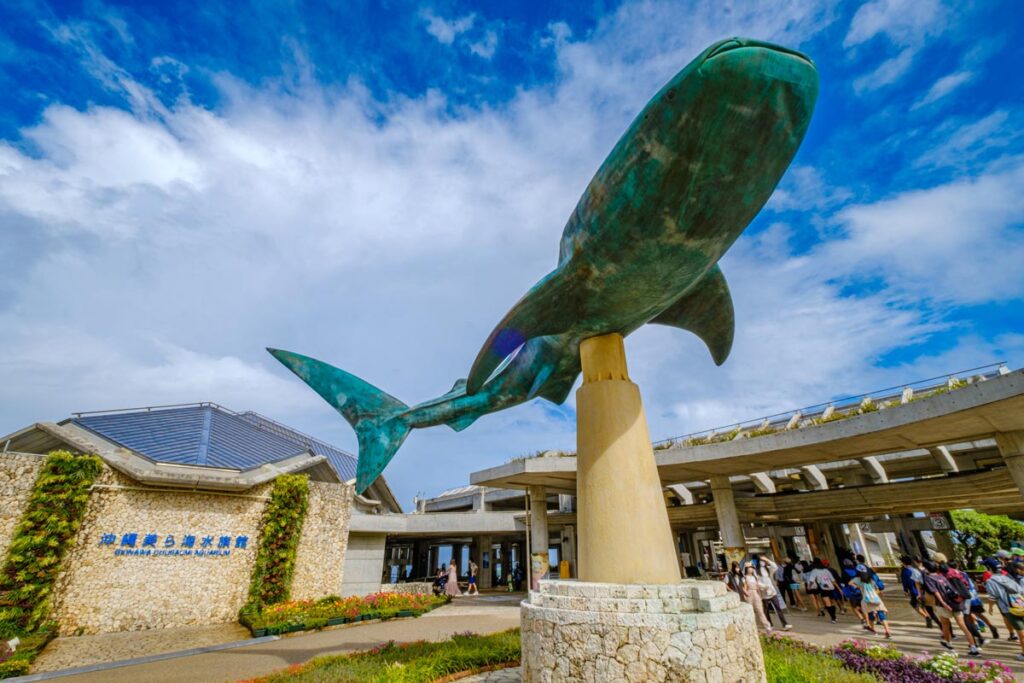
Okinawa
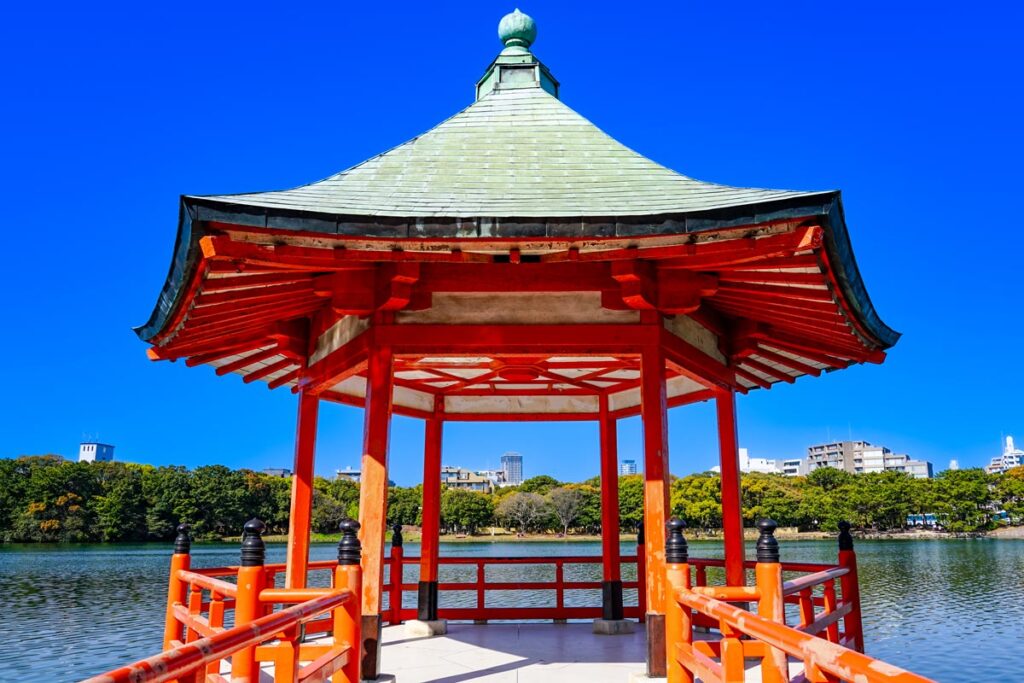
Fukuoka
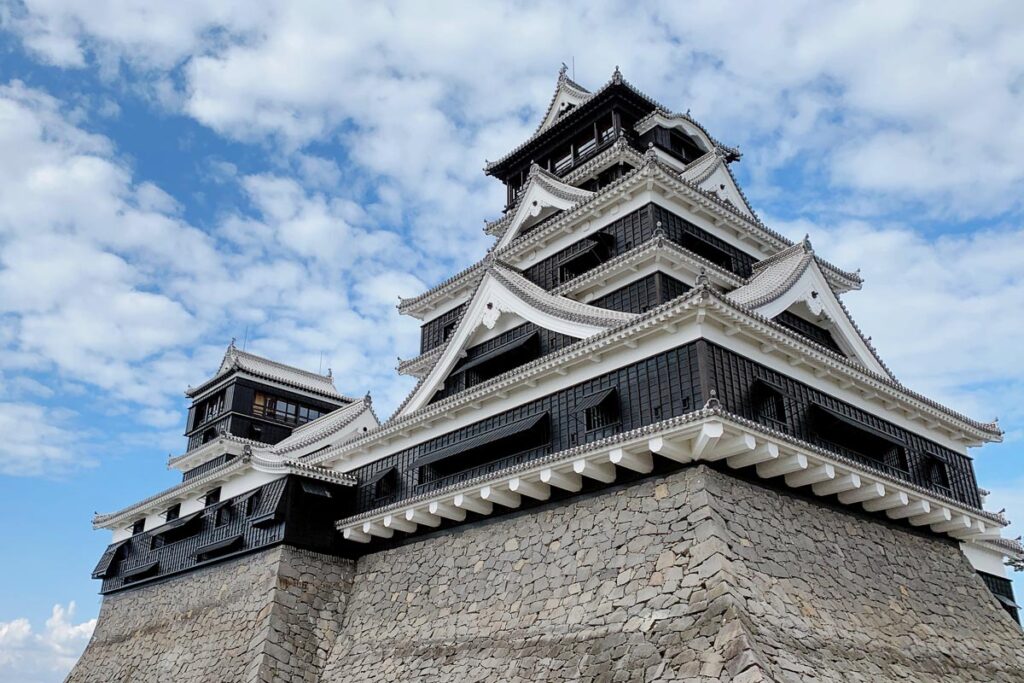
Kumamoto