



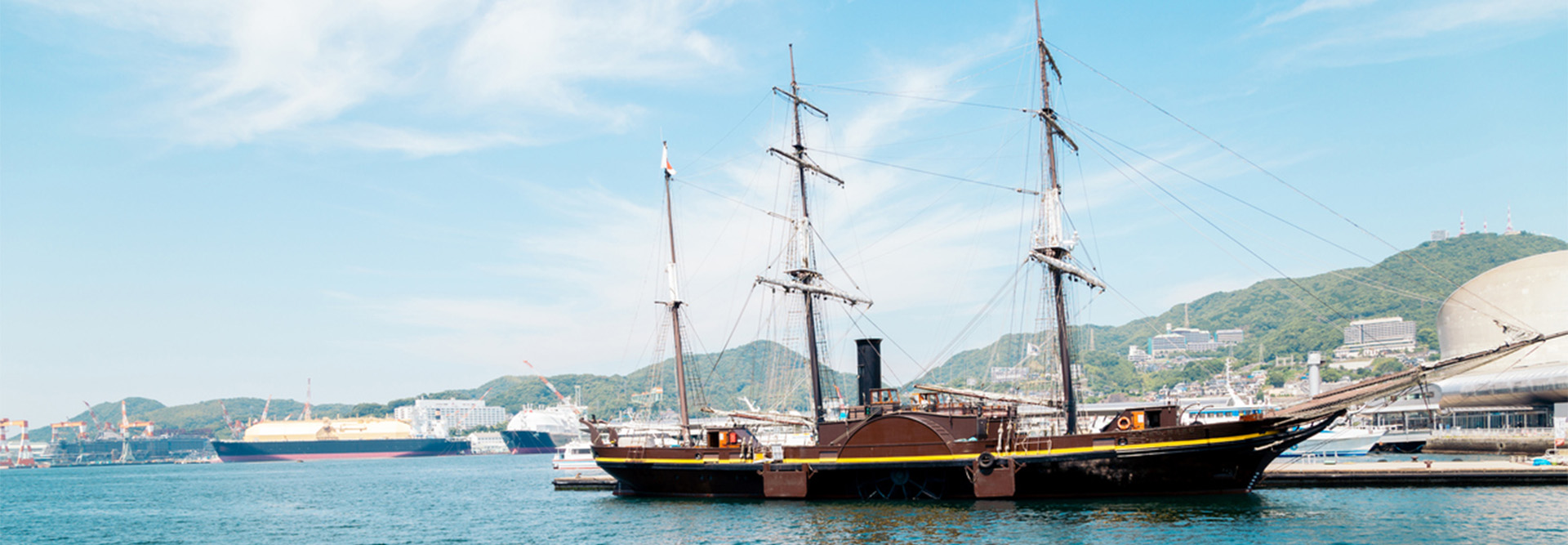
Dejima
Dejima Travel Guide: Walking Through Japan’s Gateway to the World
Photos are for illustrative purposes only.
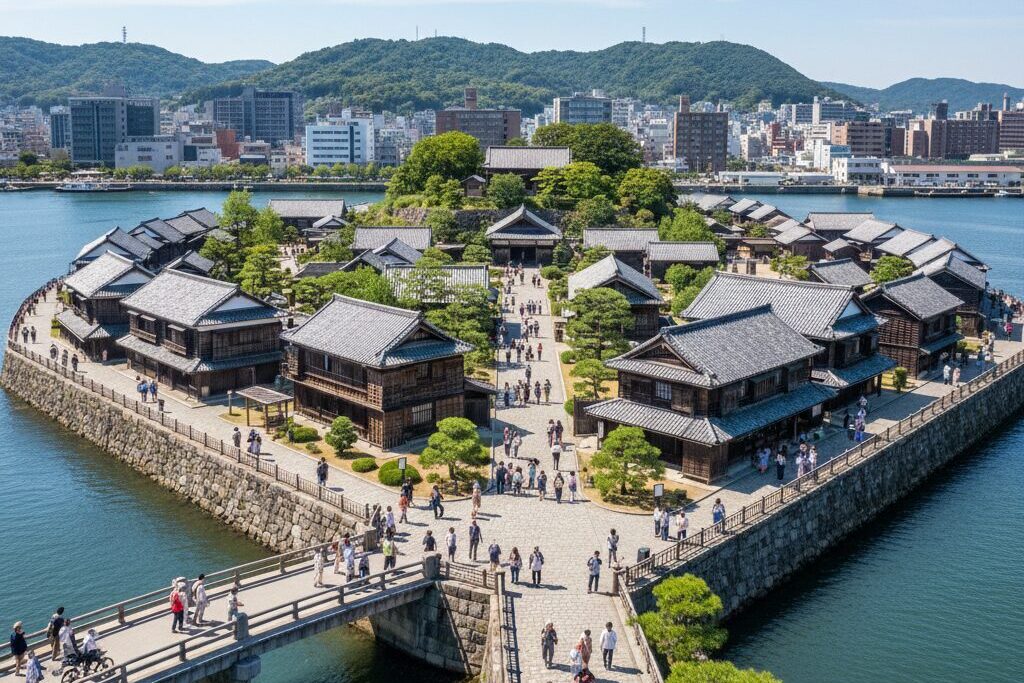
In Nagasaki, on the western edge of Japan, a small fan-shaped island once stood at the center of global trade and cultural exchange. This is Dejima: a former artificial island that served as Japan’s tightly controlled window to the outside world during the centuries of national isolation. Today, Dejima has been faithfully restored, allowing visitors to step into streets where Japanese merchants and Dutch traders once quietly shaped the course of history.
If you are a first-time visitor to Japan and want an experience that combines history, culture, architecture, and easy urban sightseeing, Dejima is one of Nagasaki’s most rewarding stops.
What Is Dejima and Why Is It Famous?
Dejima was originally constructed in the 1630s as an artificial island in Nagasaki Bay. Its first purpose was to confine Portuguese merchants and Christian missionaries as the Tokugawa shogunate tightened control over foreign influence. After the Portuguese were expelled, the Dutch East India Company became the sole Western trading partner allowed in Japan, and Dejima became their home and base of operations for more than two centuries.
From the mid-1600s to the mid-1800s, Japan officially limited almost all contact with foreign countries. Yet ideas, technologies, and goods still flowed through Dejima. Medical knowledge, astronomical instruments, maps, microscopes, and even coffee all found their way into Japan through this tiny island. Japanese scholars studied Western science here under the name Rangaku ("Dutch learning"), and Nagasaki quietly became one of Japan’s most cosmopolitan cities.
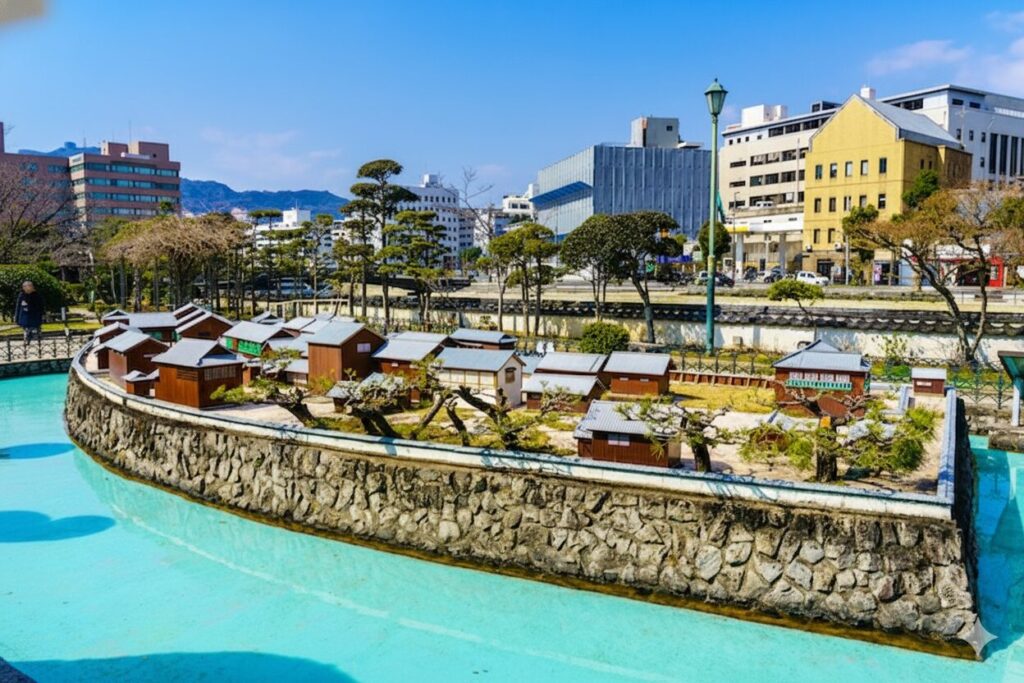
The island eventually lost its shape as land reclamation projects fused it with the mainland, but modern restoration efforts have recreated Dejima’s streets, buildings, and waterfront atmosphere. Visiting today, you can walk a compact outdoor museum that feels like a living historical stage set, directly in the city center.
Highlights of a Visit to Dejima
Dejima is not a single building but a thoughtfully reconstructed district of wooden houses, warehouses, gardens, and narrow streets. Plan at least 1.5–2 hours to explore at a relaxed pace.
The Dutch Residences and Merchant Houses
Some of the most striking sights are the spacious European-style residences where the chief Dutch traders and senior staff once lived. These buildings blend Western layouts with Japanese materials and craftsmanship, giving them a distinctive hybrid character.
Inside, rooms are furnished with period-style beds, desks, globes, and tableware. Display panels (many in English) explain daily life on Dejima: the strict rules the Dutch had to follow, how they negotiated with Japanese officials, and the challenges of living in a confined compound far from home. Mannequins and recreated interiors help you imagine evenings lit by oil lamps, with merchants poring over ledgers while translators shuttled between languages and cultures.
Storerooms, Warehouses, and Trade Exhibits
Trade made Dejima important, and the restored warehouses show what was at stake. Exhibits display imported textiles, glassware, scientific instruments, and exotic goods alongside Japanese products such as copper, porcelain, and silver that were shipped overseas.
Look for displays on the Dutch East India Company’s global network to understand how Nagasaki connected to places like Batavia (present-day Jakarta), India, and Europe. This global web of trade helps you see Dejima not just as a Japanese site, but as part of a much larger story of early modern globalization.
Gardens, Alleyways, and Waterfront Views
Between the larger buildings, Dejima’s narrow lanes and small gardens create a surprisingly intimate atmosphere. Stone paths, low fences, and lanterns recall the island’s Japanese context, while the layout of the compound reflects the logic of a foreign trading post designed for security and control.
Although the island is no longer separated by open sea, recent reconstruction has recreated the canal edges and waterfront feel. Look out from the edges of the site and imagine the ships anchored just offshore, bringing news and goods from around the world into a country that otherwise kept its doors firmly shut.
Exhibitions on Rangaku and Cultural Exchange
Dejima’s most lasting legacy may not be trade itself, but the ideas exchanged here. Dedicated exhibition rooms explain how Japanese scholars studied medicine, astronomy, navigation, and natural science from Dutch books and visiting physicians.
Here you can see replicas and originals of medical texts, anatomical drawings, globes, and telescopes. These exhibits give context to how Japan, even under isolationist policies, absorbed cutting-edge Western knowledge and later used it to modernize rapidly during the Meiji era.
Costumes, Models, and Hands-On Displays
For travelers who enjoy interactive experiences, Dejima often offers simple hands-on elements. Scale models show how the island once floated separate from the mainland, while maps and cross-sections help you visualize building structures. In some seasons there may be opportunities to try on period-style clothing or pose for photos in reconstructed interiors, making the history feel more immediate and personal.
Cultural Context: Why Dejima Matters
For first-time visitors to Japan, Dejima is an excellent introduction to two themes you will encounter repeatedly: careful adaptation of foreign influence, and the coexistence of tradition and modernity.
Japan’s relationship with the outside world has never been a simple story of isolation versus openness. Dejima operates as a symbol of selective connection — a place where foreign people and ideas were neither fully accepted nor fully rejected, but filtered, studied, and reshaped. Many aspects of Japanese modern culture, from medicine to education, have roots in the cautious but curious exchanges that began here.
Walking through Dejima after seeing Nagasaki’s bustling contemporary streets can be eye-opening. You may find that many of the tensions and negotiations that defined this island — control vs. curiosity, identity vs. change — continue to shape Japan today in subtler ways, from how English is taught to how Western foods are localized.
How to Visit Dejima
Location and Access
Dejima sits in central Nagasaki, making it very easy to include in a day of city sightseeing.
- By tram: Take the Nagasaki Electric Tramway to Dejima Station. The entrance is just a short walk from the stop.
- From Nagasaki Station: It is around 5–10 minutes by tram or about 15–20 minutes on foot, depending on your pace.
- Nearby attractions: Dejima can be combined with visits to Glover Garden, the Nagasaki Port area, Chinatown, and the Nagasaki Peace Park on a one- or two-day itinerary.
Nagasaki itself is accessible by train or bus from major Kyushu hubs such as Fukuoka (Hakata Station). If you are traveling with a JR Pass, check current rail connections and transfer points, as services and routes can change over time.
Opening Hours and Tickets
Dejima is typically open daily, with hours that generally cover the late morning to early evening. Last entry is usually set before closing time, so arriving too close to closing may limit your visit. Entry requires a ticket, and there are often discounts for children, students, and sometimes for combination tickets with other local attractions.
Ticket counters and information boards usually offer English guidance, and payment by cash and major cards is common in this popular tourist destination. For the latest hours and prices, check official Nagasaki tourism information shortly before your visit, as details may be updated.
Suggested Time and Best Route
Plan on at least 90 minutes at Dejima to explore at a comfortable pace, read exhibits, and take photos. If you are keen on history or architecture, two hours or more will feel well spent.
The site is laid out in a way that makes it easy to follow a roughly clockwise or counterclockwise loop. Pick up a site map at the entrance; it usually indicates a recommended route so you can follow the story of Dejima from its early construction through the isolation period to modern restoration.
Tips for First-Time Visitors
Language and Signage
Many explanatory panels and brochures at Dejima are available in English and other major languages. Audio guides or smartphone-based guides may also be offered. Even if you do not read Japanese, you can learn a great deal from the translations and diagrams.
Photography Etiquette
Photography is generally allowed, but flash may be restricted inside certain buildings to protect fragile materials. Signs will indicate any limits. As with many historical sites in Japan, move carefully inside wooden structures and avoid touching delicate displays.
Footwear and Comfort
You will be walking on uneven surfaces, small steps, and sometimes narrow stairs inside traditional structures. Wear comfortable shoes and be prepared to remove them in some buildings if requested. This is a common practice in Japan, especially in historical or tatami-floored spaces.
Combining Dejima with the Rest of Nagasaki
Nagasaki is compact, so you can easily weave Dejima into a half-day or full-day city walk. One popular route is to visit Dejima in the morning, then head toward the waterfront and Glover Garden in the afternoon, finishing with an evening viewpoint over the city’s famous nightscape. Alternatively, you can begin with the Peace Park and Atomic Bomb Museum and come to Dejima later, reflecting on how Nagasaki’s role as an international port has brought both prosperity and tragedy.
Understanding Dejima in the Context of Your Japan Trip
For many first-time visitors, Japan’s most famous destinations are Tokyo, Kyoto, and Osaka. Adding Nagasaki and Dejima to your itinerary offers a different perspective — one that emphasizes Japan’s outward-facing history rather than solely its castles, temples, and neon skylines.
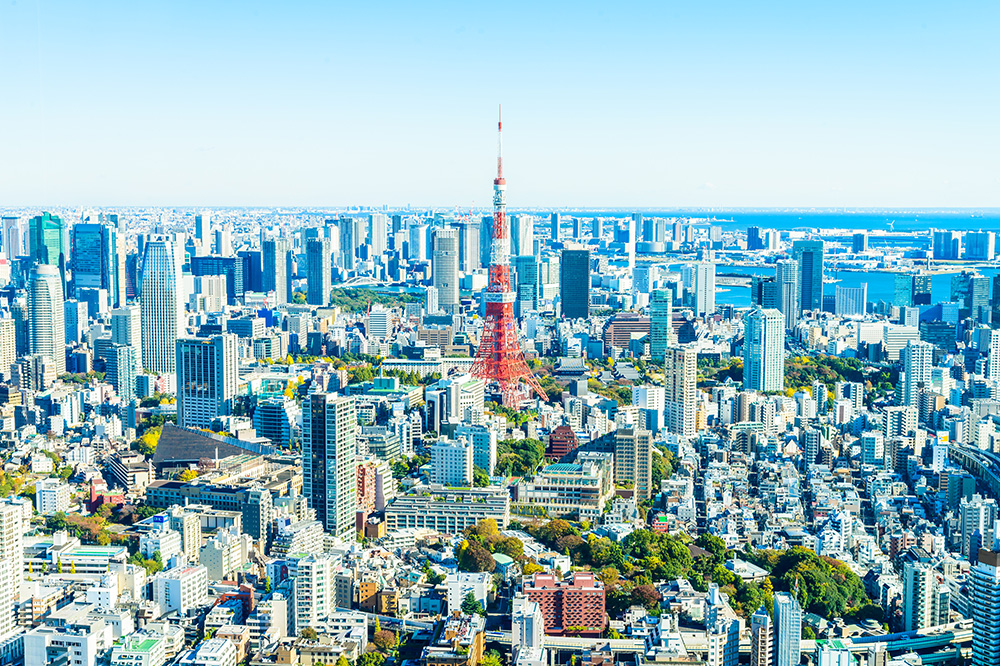
In Tokyo, you might see cutting-edge technology and global brands. In Kyoto, you will encounter Zen gardens and ancient shrines. In Nagasaki’s Dejima, you can explore the crossroads where these two worlds once met, under the watchful eye of the shogunate. It shows how Japan’s engagement with the wider world began not in the 20th century, but centuries earlier on a small artificial island.
Visiting Dejima can also deepen your appreciation of everyday details in modern Japan. When you notice a European-style building in a Japanese city, scientific exhibits framed in dual languages, or Western dishes that have been uniquely localized, you may think back to this island and the long, careful process of adaptation that began here.
Practical Travel Pointers
- Weather: Nagasaki’s climate is relatively mild, but summers can be hot and humid, and rainy days are common. As Dejima is largely outdoors between buildings, bring an umbrella or hat in wetter or sunnier seasons.
- Accessibility: Many areas are accessible, but some older-style buildings have stairs and raised thresholds that may be difficult for visitors with mobility challenges. Check the latest accessibility information before you go if this is a concern.
- Food and drink: There are cafes and restaurants in the surrounding district, and sometimes within or adjacent to the Dejima site. This is a good opportunity to try Nagasaki specialties after your visit, such as chanpon noodles or castella sponge cake, which themselves have roots in the city’s long history of foreign contact.
- Souvenirs: Dejima-themed gifts often focus on maps, models, and goods inspired by Dutch-Japanese exchange, such as blue-and-white ceramics or items featuring ships and globes.
Why Dejima Belongs on Your Japan Itinerary
Dejima is compact, walkable, and easy to understand even on a short visit, yet the story it tells is immense. In one small island compound, you can trace the outlines of Japan’s cautious diplomacy, its hunger for knowledge, and its early brushes with globalization.
For international travelers, especially those visiting Japan for the first time, Dejima offers a rare chance to see how your own part of the world once connected with this island nation, centuries before budget airlines and high-speed trains. By the time you step back out into modern Nagasaki, you may feel that your own journey has become part of a much longer story of people crossing seas in search of trade, ideas, and understanding.
Whether you are a history enthusiast, an architecture lover, or simply curious about how Japan became the country you see today, set aside time for Dejima. It is a quiet but powerful reminder that even the smallest places can shape the course of a nation’s destiny.
Access Map
Recommended spots in Nagasaki
Huis Ten Bosch
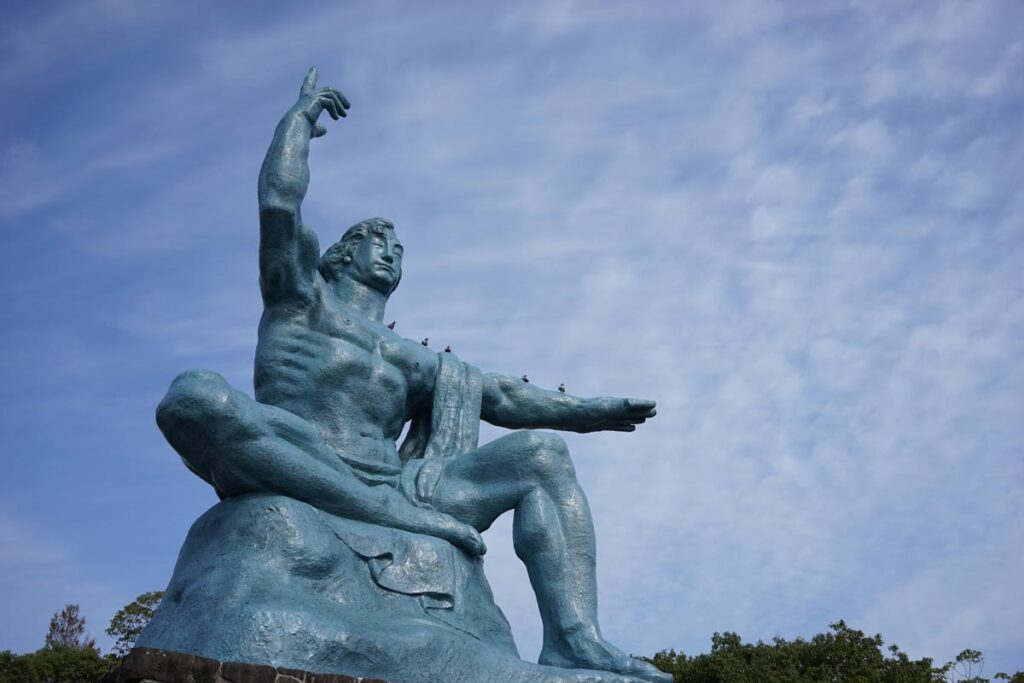
Peace Park
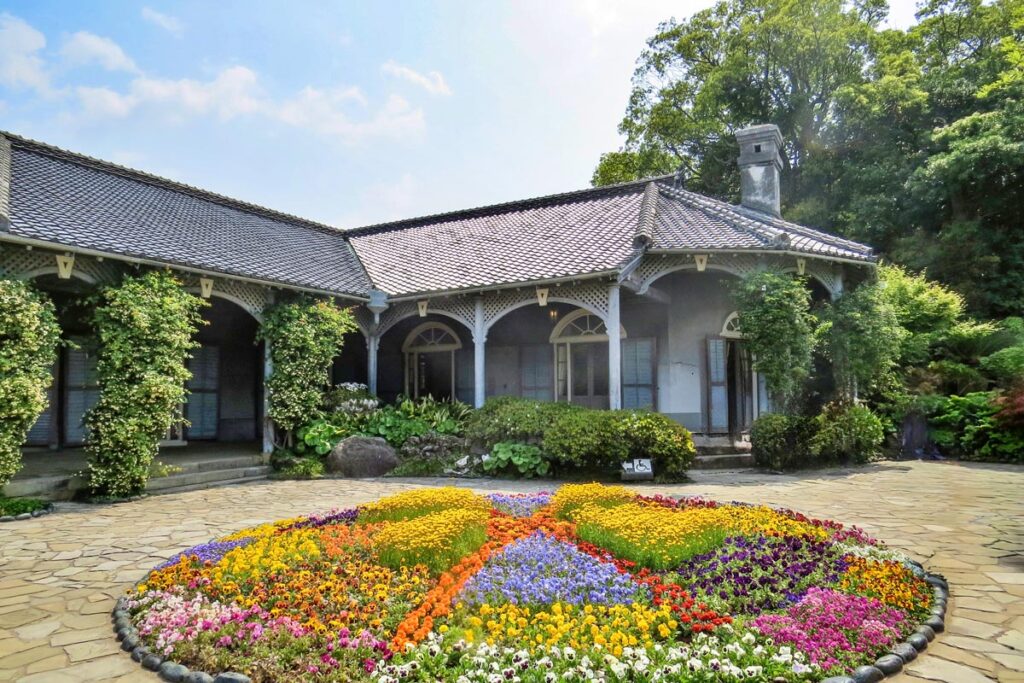
Glover Garden
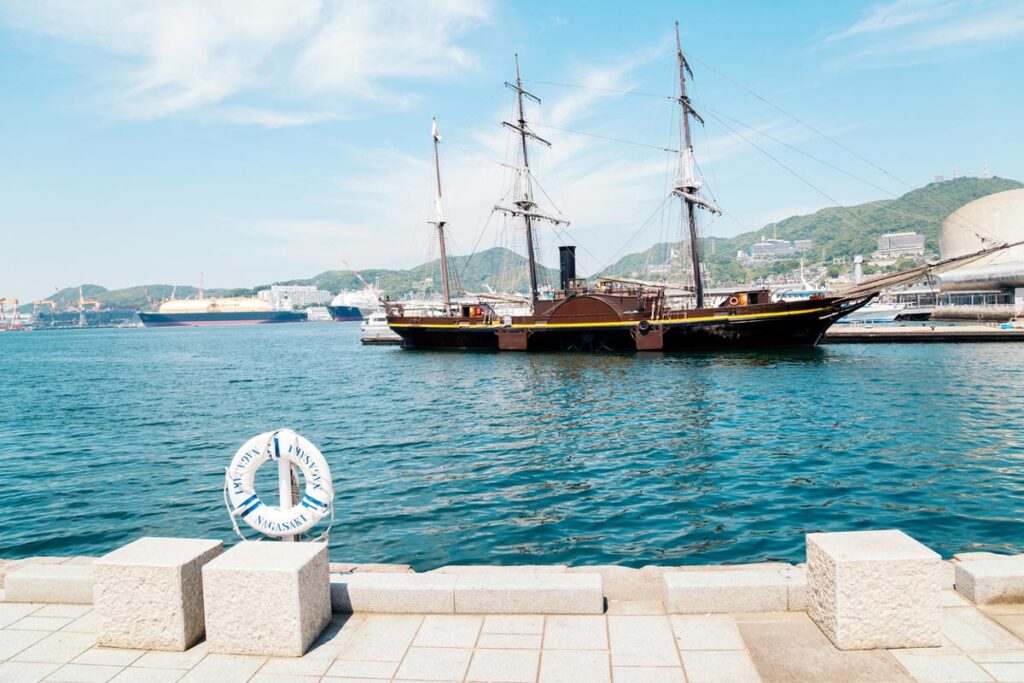
Dejima
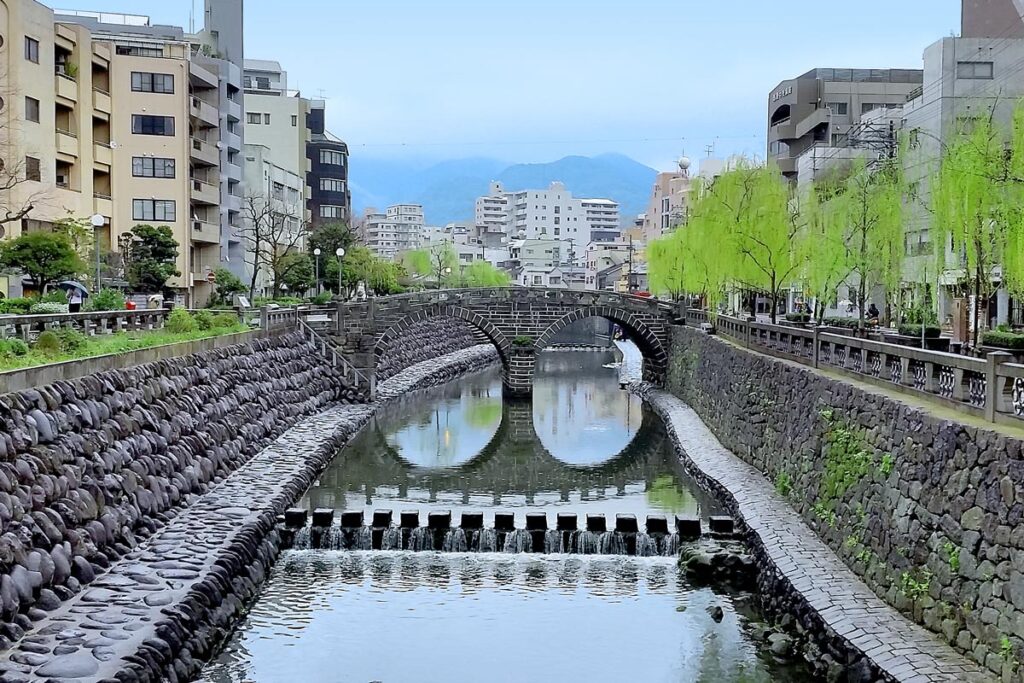
Megane Bridge
Top destinations in Kyushu/Okinawa
Okinawa
Fukuoka
Kumamoto