




Kyoto - Philosopher's Path
Kyoto’s Philosopher's Path: A First-Time Visitor’s Guide
Photos are for illustrative purposes only.
Kyoto’s Philosopher's Path (Tetsugaku no Michi) is one of Japan’s most peaceful and poetic walks. Following a narrow canal beneath hundreds of trees, this stone path links some of Kyoto’s most charming neighborhoods and temples. For first-time travelers to Japan, it offers a gentle introduction to the city’s slower rhythm, its seasonal beauty, and the quiet philosophy at the heart of Japanese life.
What Is the Philosopher's Path?
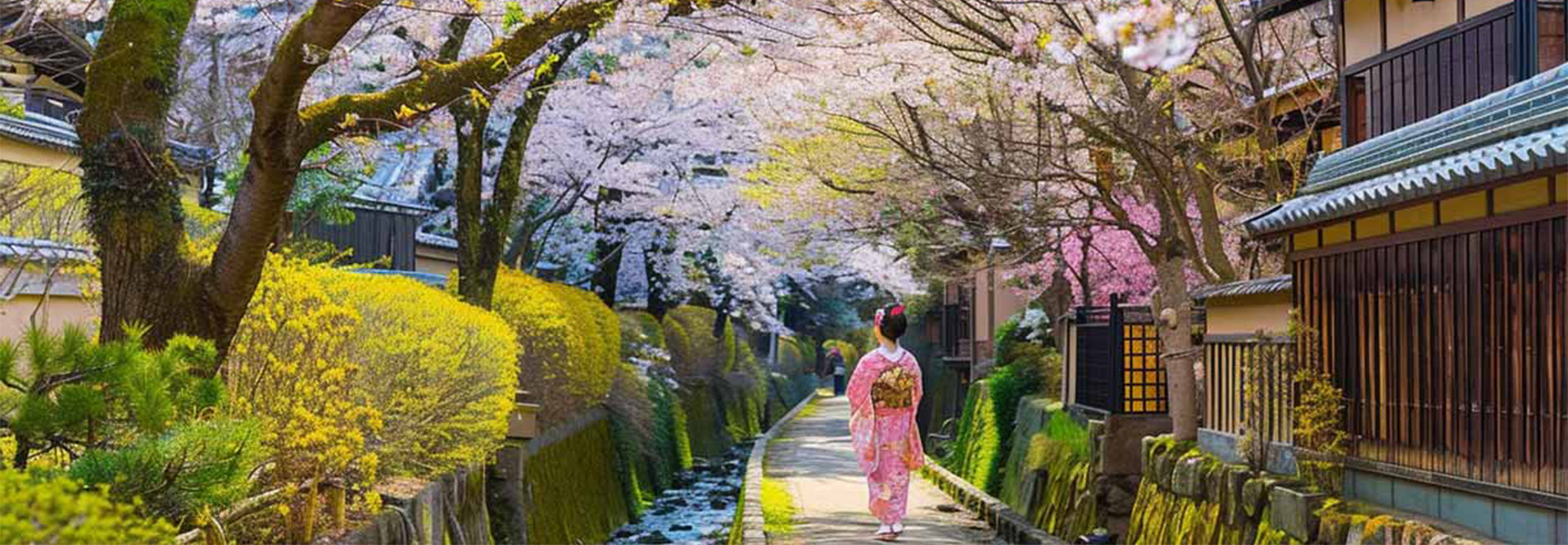
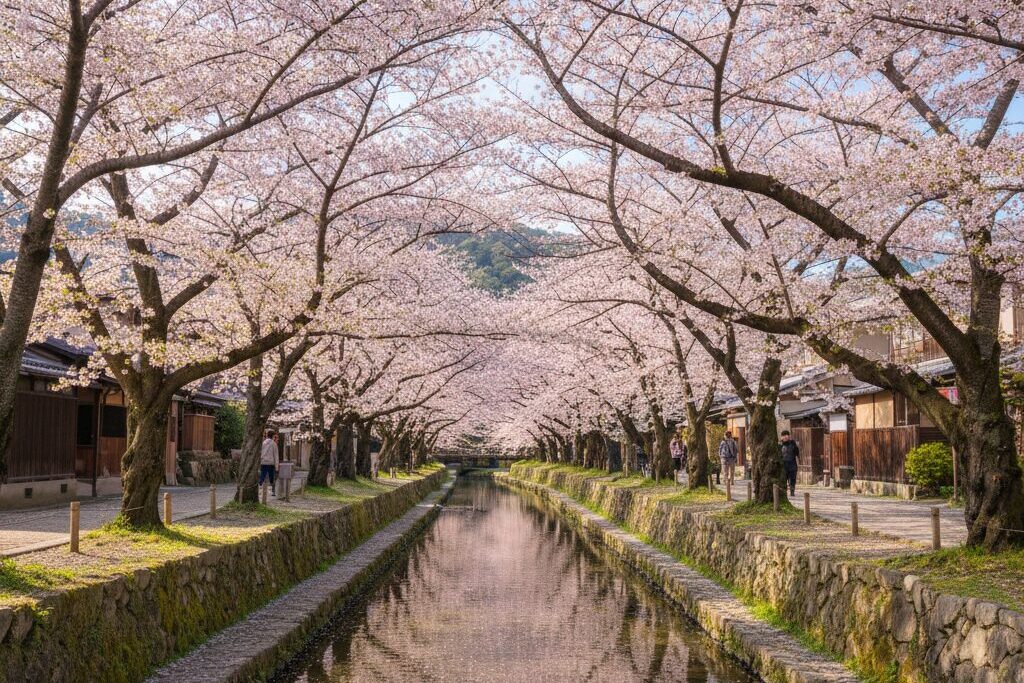
The Philosopher's Path is a roughly 2-kilometer pedestrian walkway in northeastern Kyoto, running between the area near Ginkaku-ji (the Silver Pavilion) in the north and the neighborhood of Nanzen-ji in the south. A shallow canal, fed by Lake Biwa, flows alongside the stone-paved path, shaded by cherry trees and flanked by small shrines, local homes, artisan shops, and intimate cafes.
The route takes its name from Nishida Kitaro, one of Japan’s most influential modern philosophers, who is said to have strolled here daily for meditation and reflection on his way to Kyoto University. Today, many visitors still use the path in the same spirit: not to rush from one sight to another, but to walk quietly, observe small details, and let the surroundings sink in at their own pace.
Why Visit as a First-Time Traveler?
In a country where neon-lit shopping streets and bullet trains dominate many first impressions, the Philosopher's Path shows another side of Japan. It is:
- Intimate and walkable: The path is easy to navigate, car-free, and ideal for those still getting used to Japan’s transport systems.
- Visually beautiful in every season: Famous for cherry blossoms in spring, but rewarding year-round with foliage, mossy stone, and quiet water.
- Full of cultural stops: It connects several temples, shrines, and small local spots that introduce you to Kyoto’s religious and artistic traditions.
- Relaxing between major sights: Close to big-name attractions like Ginkaku-ji and Nanzen-ji, yet far calmer than central Kyoto’s busiest districts.
For travelers experiencing Japan for the first time, walking the Philosopher's Path can help you slow down, adjust to local customs, and observe daily life in a traditional neighborhood.
Best Time of Year to Walk the Path
Cherry Blossom Season (Late March to Early April)
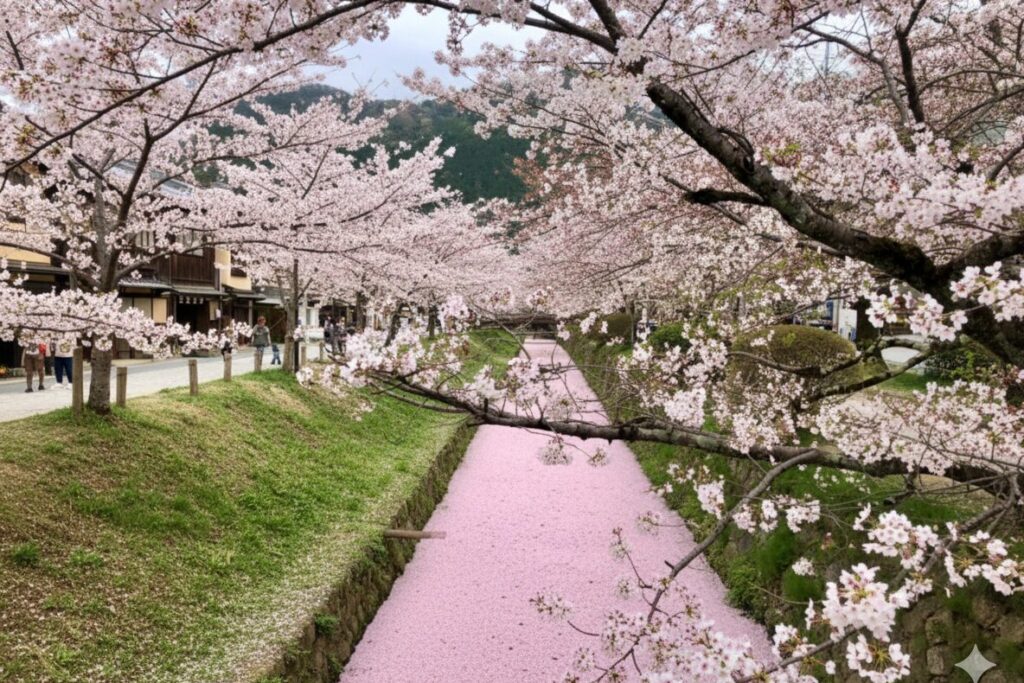
The Philosopher's Path is legendary for its cherry blossoms. Rows of sakura trees stretch along the canal, and when they bloom, the air fills with pale pink petals. During peak season:
- The path becomes one of Kyoto’s most popular hanami (flower-viewing) spots.
- Petals drift onto the water, creating the classic “flower carpet” effect.
- Expect crowds, especially from late morning to afternoon.
If you travel in spring and want a more peaceful atmosphere, try coming at sunrise or at dusk. The soft light and quieter surroundings match the meditative spirit that gave the path its name.
Autumn (Late October to Late November)
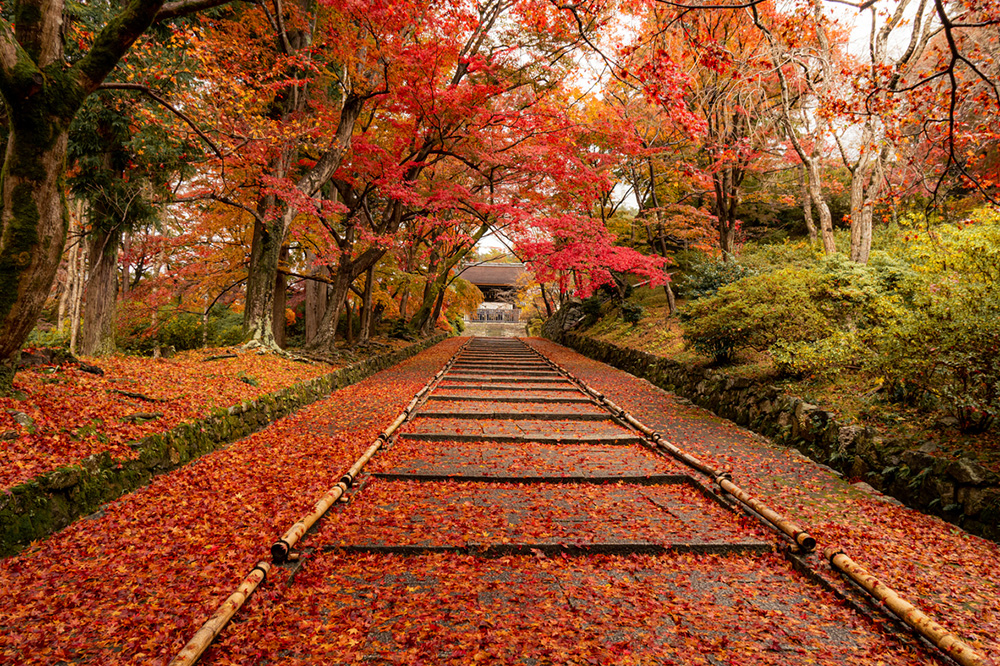
In autumn, the Philosopher's Path takes on a different character. Maple trees and surrounding hills turn red and gold, and temple gardens nearby glow with autumn foliage. It is less crowded than cherry blossom season but still very popular, especially on weekends. Clear skies and comfortable temperatures make this an excellent time to visit Kyoto overall.
Summer and Winter
Summer in Kyoto can be hot and humid, but the shade from the canal-side trees and the sound of moving water create a surprisingly refreshing atmosphere. It is a good time to stop in air-conditioned cafes along the route and enjoy seasonal treats such as matcha ice cream.
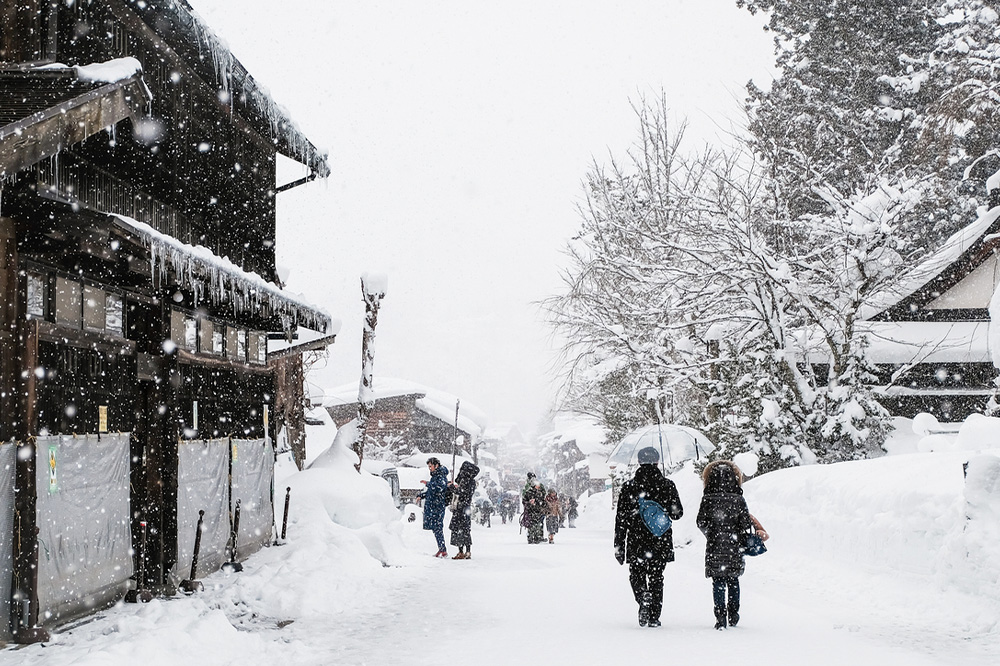
Winter brings a quieter, almost poetic starkness to the path. On rare snowy days, the stone path, rooftops, and branches are dusted in white, transforming the area into a minimalist ink-painting scene. Fewer tourists visit in winter, giving you more space and silence.
How to Get to the Philosopher's Path
The Philosopher's Path lies in northeast Kyoto, between Ginkaku-ji and Nanzen-ji. As a first-time visitor, public transport is the easiest way to access it.
From Kyoto Station
- By Bus to Ginkaku-ji (Northern Entrance):
Take a city bus bound for Ginkaku-ji or the nearby stop. From the bus stop, it is a short walk west to the entrance near the Silver Pavilion. This is a common starting point, especially if you plan to visit Ginkaku-ji first. - By Subway and Walk to Nanzen-ji (Southern Entrance):
Take the Karasuma Subway Line from Kyoto Station to Karasuma Oike, then transfer to the Tozai Line and get off at Keage Station. From Keage, walk toward Nanzen-ji. The southern entrance to the Philosopher's Path is not far from the temple area.
Both directions are good options; your choice may depend on which nearby temple or neighborhood you want to see first.
Walking the Route: What to Expect
The full walk usually takes about 30–45 minutes at a normal pace, but most visitors spend longer, stopping for photos, snacks, and temples along the way. The surface is mostly flat and stone-paved, though it can be uneven in some spots, so comfortable shoes are recommended.
The canal, lined with low stone walls, runs on one side of the path. Small wooden bridges cross from one bank to the other, often leading to quiet residential lanes. You will pass cats basking on steps, tiny gardens in front of traditional homes, and laundry fluttering in the sun—a glimpse of everyday Kyoto beneath the tourist surface.
Atmosphere and Etiquette
The Philosopher's Path is not just a tourist site; it is also a living neighborhood. Residents walk dogs, commute by bicycle, and greet each other along the way. To blend in respectfully:
- Keep your voice low and avoid playing music out loud.
- Do not step into private gardens without permission, even if they look picturesque.
- Dispose of any trash later; rubbish bins are scarce in Japan.
- If you photograph people or private homes, ask politely first whenever possible.
This gentle approach helps maintain the quiet ambiance that makes the path special.
Highlights and Nearby Temples
One of the pleasures of the Philosopher's Path is the range of small discoveries close by. Many first-time visitors focus on the big temples only, but take time for smaller places as well.
Ginkaku-ji (The Silver Pavilion)
At the northern end of the path stands Ginkaku-ji, a Zen temple famous for its refined simplicity. Despite the name, its main pavilion is not actually coated in silver; instead, the temple is admired for its moss garden, raked white sand, and quiet hillside views over Kyoto. It is an excellent introduction to Zen aesthetics—subtle, imperfect, and deeply tied to nature.
Many travelers choose to begin at Ginkaku-ji when the gates open, then step directly onto the Philosopher's Path afterward to continue south.
Nanzen-ji Temple
At the southern end, Nanzen-ji is one of Kyoto’s most important Zen temples. Its massive wooden Sanmon gate offers a panoramic view if you climb to the upper level. Within the temple grounds, you will find sub-temples, rock gardens, and an impressive red-brick aqueduct built during the Meiji era. This mix of old and “new” Japan in one temple complex is fascinating for first-timers.
Eikan-do Temple
Between the Philosopher's Path and Nanzen-ji lies Eikan-do, famous for its autumn foliage. In November, its maples glow in layers of red and orange, attracting both locals and international visitors. The temple’s elevated halls offer a beautiful view of the surrounding hills and city.
Smaller Shrines and Hidden Spots
As you walk, look for smaller shrines nestled close to the path:
- Guardian shrines with red torii gates and fox statues, associated with Inari worship.
- Local Jizo statues, small stone figures often dressed in red bibs, believed to protect children and travelers.
- Tiny neighborhood temples where you may hear the sound of a bell or a priest chanting sutras.
These humble places help explain how religion in Japan blends into everyday life, rather than being separated into grand, distant institutions.
Cafes, Shops, and Local Flavors
Along and near the Philosopher's Path, you will find small, independently run businesses that reflect Kyoto’s artistic and culinary traditions.
Traditional Snacks and Sweets
Look out for:
- Matcha and hojicha sweets: Green tea and roasted tea flavors appear in cakes, cookies, and soft-serve ice cream.
- Wagashi: Beautifully shaped Japanese sweets made from sweet bean paste and rice flour, often sold near temples.
- Yuba and tofu dishes: This area of Kyoto is known for delicate tofu cuisine, often served in set meals (teishoku) at small restaurants.
Artisan Shops
Many small galleries and shops display handmade ceramics, calligraphy, woodblock prints, and local crafts. These make thoughtful souvenirs, especially if you are looking for items connected to Kyoto’s long artistic history. Unlike big souvenir stores, many of these shops are run by the artists themselves, so you may be able to hear the story behind the work.
Practical Tips for First-Time Visitors
How Long to Allow
For a relaxed visit including one or two major temples and time to stop in cafes or shops, allow half a day. You could, for example, visit Ginkaku-ji in the morning, walk the Philosopher's Path, have lunch near Nanzen-ji, then explore that temple complex in the afternoon.
What to Wear and Bring
- Comfortable walking shoes: The stone path can be slippery when wet.
- Layered clothing: Kyoto’s temperatures change with the seasons and between sun and shade.
- Compact umbrella or rain jacket: Rain is common, and the path remains beautiful in light drizzle.
- Cash: Some small shops and shrines may not accept credit cards.
Accessibility
The path is mostly flat but narrow in places, with some uneven stones and low steps. Wheelchair users or travelers with mobility challenges may find certain sections difficult. Consider focusing on the more accessible areas near the entrances at Ginkaku-ji or Nanzen-ji, where nearby streets are broader and smoother.
Safety and Solo Travel
Kyoto is generally very safe, and the Philosopher's Path is a comfortable place for solo travelers, including solo female travelers. It is well-used during daylight hours. At night, the area becomes quiet and less lit, so most visitors prefer to walk it during the day or early evening.
Cultural Background: Philosophy and Everyday Mindfulness
The name “Philosopher's Path” invites you to think about how Japanese culture relates to reflection and nature. Walking here, you might notice details that feel “philosophical” without needing to read a single text: a fallen leaf on wet stone, the ripples where a koi fish rises to the surface, or the way moss softens sharp edges of stone walls.
This attitude echoes ideas from Zen Buddhism and traditional aesthetics such as wabi-sabi (appreciation of imperfection and transience) and mono no aware (sensitivity to the passing of things). The cherry blossoms, celebrated for only a short time each year, are perhaps the clearest symbol of this awareness of impermanence.
As a visitor, you do not need any special knowledge to experience this. Simply walking slowly, putting away your phone for parts of the route, and paying attention to small scenes around you is enough to understand why a famous philosopher once chose this path as his daily route.
Suggested Itinerary with the Philosopher's Path
If you are planning your first trip to Kyoto, consider fitting the Philosopher's Path into a broader day of exploration in the eastern part of the city:
- Morning at Ginkaku-ji: Arrive close to opening time to enjoy the quiet gardens.
- Walk the Philosopher's Path: Take your time, stop for snacks, photos, and small shrines.
- Lunch near Eikan-do or Nanzen-ji: Try a local restaurant specializing in tofu or seasonal Kyoto cuisine.
- Explore Nanzen-ji: Visit the main gate, aqueduct, and a few sub-temples if time allows.
- Head toward Southern Higashiyama: Continue on to areas like the canal near Keage or the preserved streets further south if you have energy.
This plan balances famous sights with quieter experiences and keeps walking distances manageable for first-time visitors.
Final Thoughts
Kyoto’s Philosopher's Path is more than a scenic walkway; it is an invitation to slow down and notice both the city and yourself. For international travelers experiencing Japan for the first time, it offers a chance to step away from crowded schedules and fast-paced sightseeing, and to understand why so many people fall in love with Kyoto’s calm, reflective side.
Whether you visit during the drama of cherry blossom season, the glowing colors of autumn, or the quiet of winter, walking the Philosopher's Path can become one of your most personal and memorable moments in Japan.

Access Map
Recommended spots for Cherry Blossoms
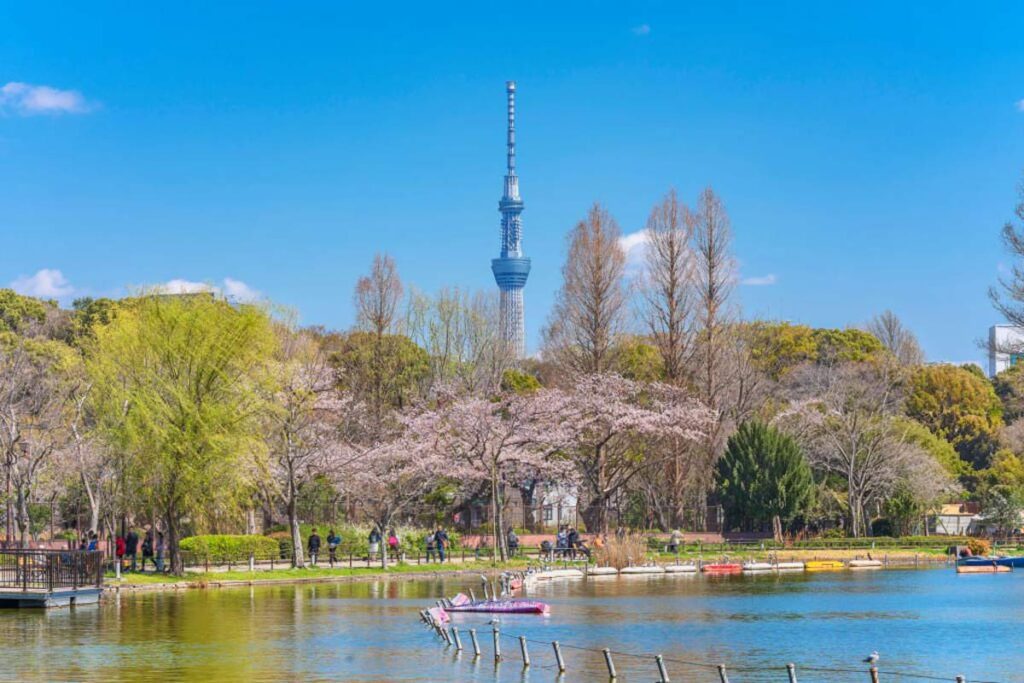
Tokyo
- Ueno Park
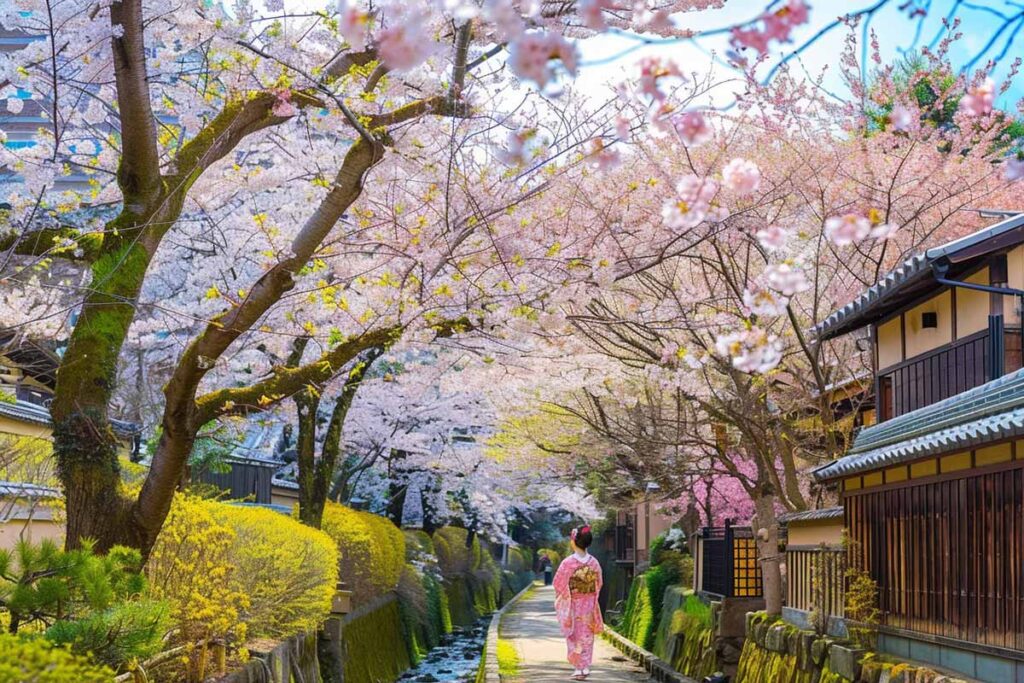
Kyoto
- Philosopher's Path
Osaka
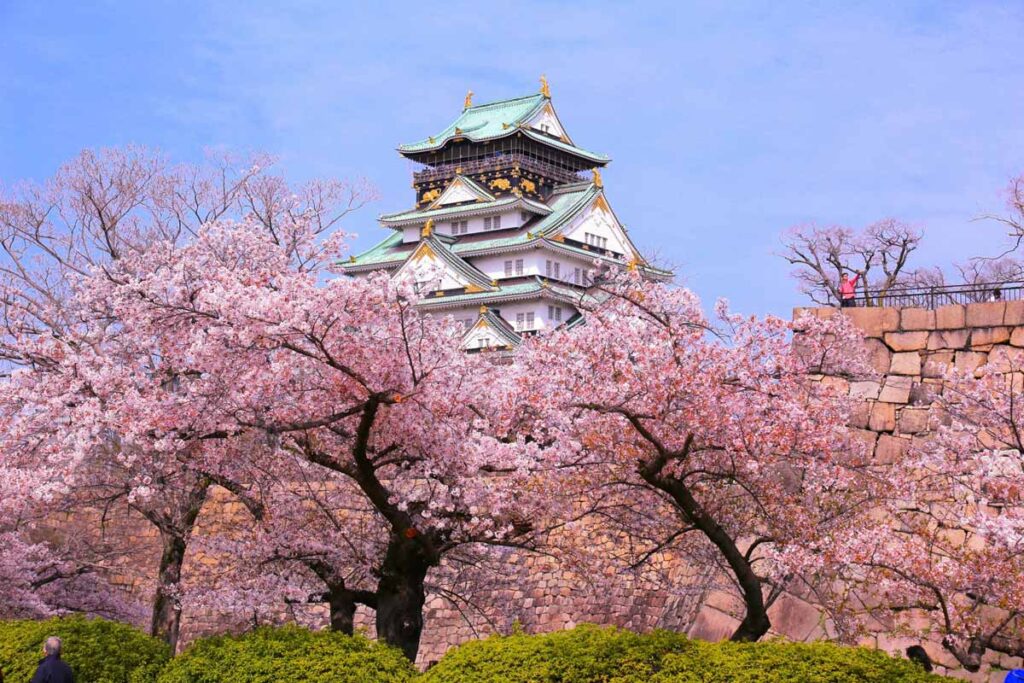
- Osaka Castle Park
Nara
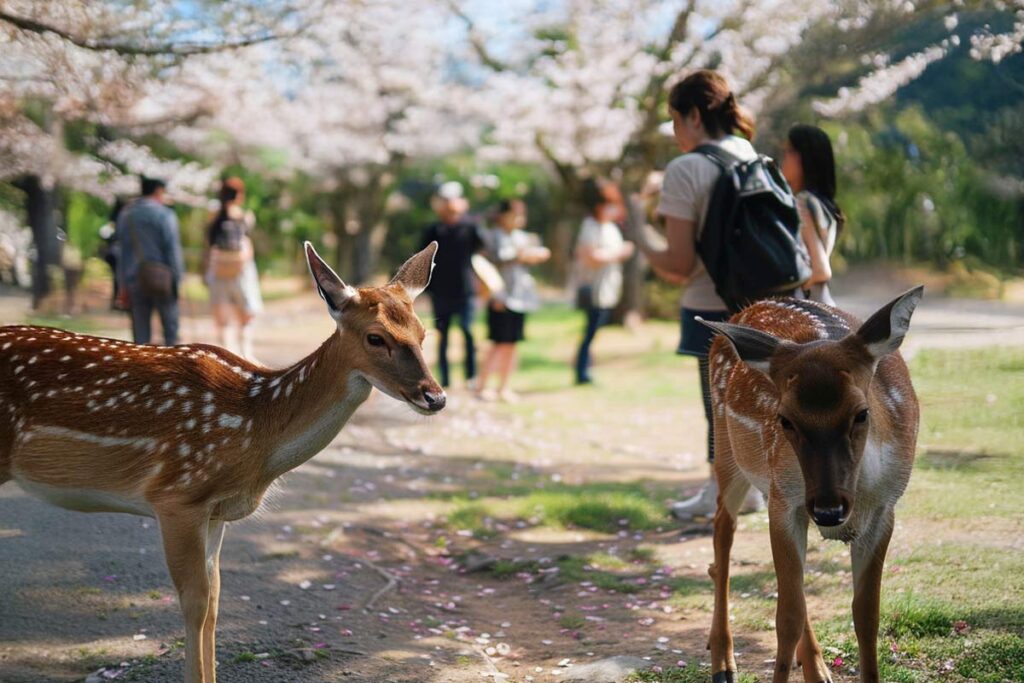
- Nara Park
Kanagawa
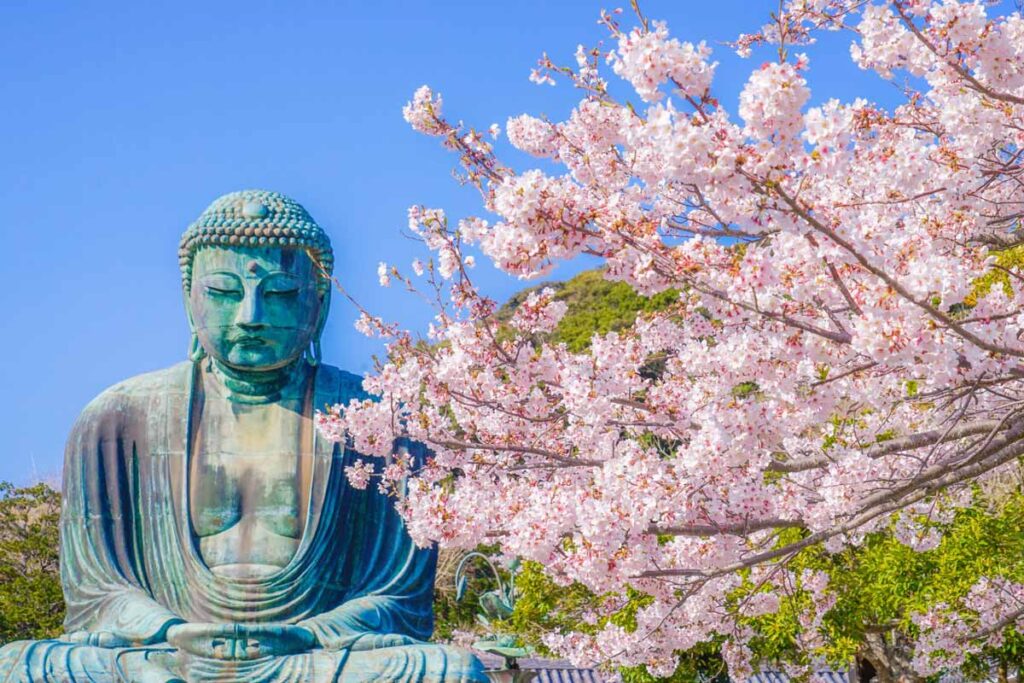
- Kamakura
Other Seasonal Spot

Summer Festivals
Autumn Leaves