
Aomori - Nebuta Festival
Aomori Nebuta Festival: A First-Timer’s Guide to Japan’s Fiery Summer Spectacle
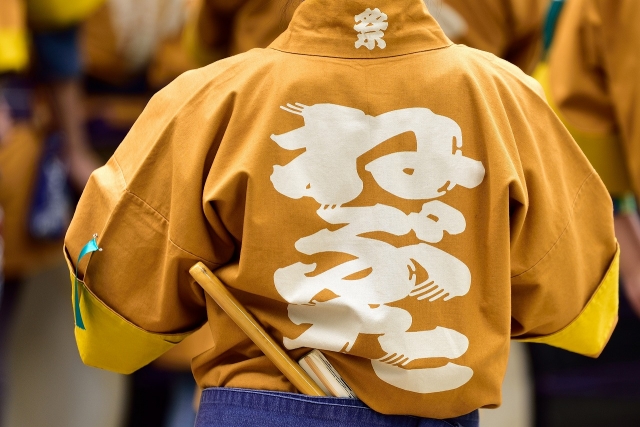
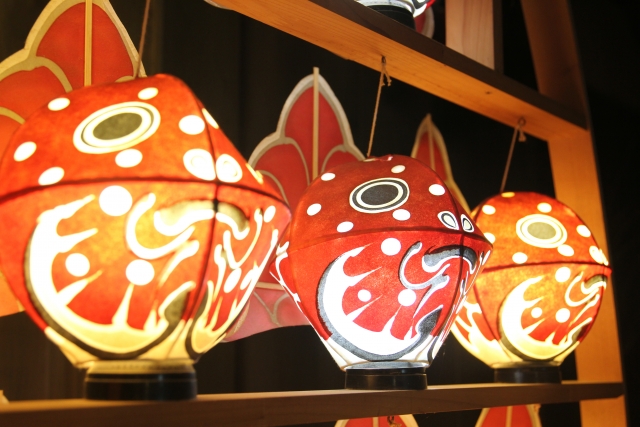
Photos are for illustrative purposes only.
Every August, the northern city of Aomori explodes into color, music, and light as the Nebuta Festival takes over its streets. For six unforgettable nights, enormous illuminated floats prowl through downtown, taiko drums echo through the warm air, and thousands of dancers chant “Rassera! Rassera!” in a hypnotic rhythm. For first-time visitors to Japan, the Aomori Nebuta Festival offers a powerful mix of traditional culture, local energy, and unforgettable photography opportunities.
What Is the Nebuta Festival?
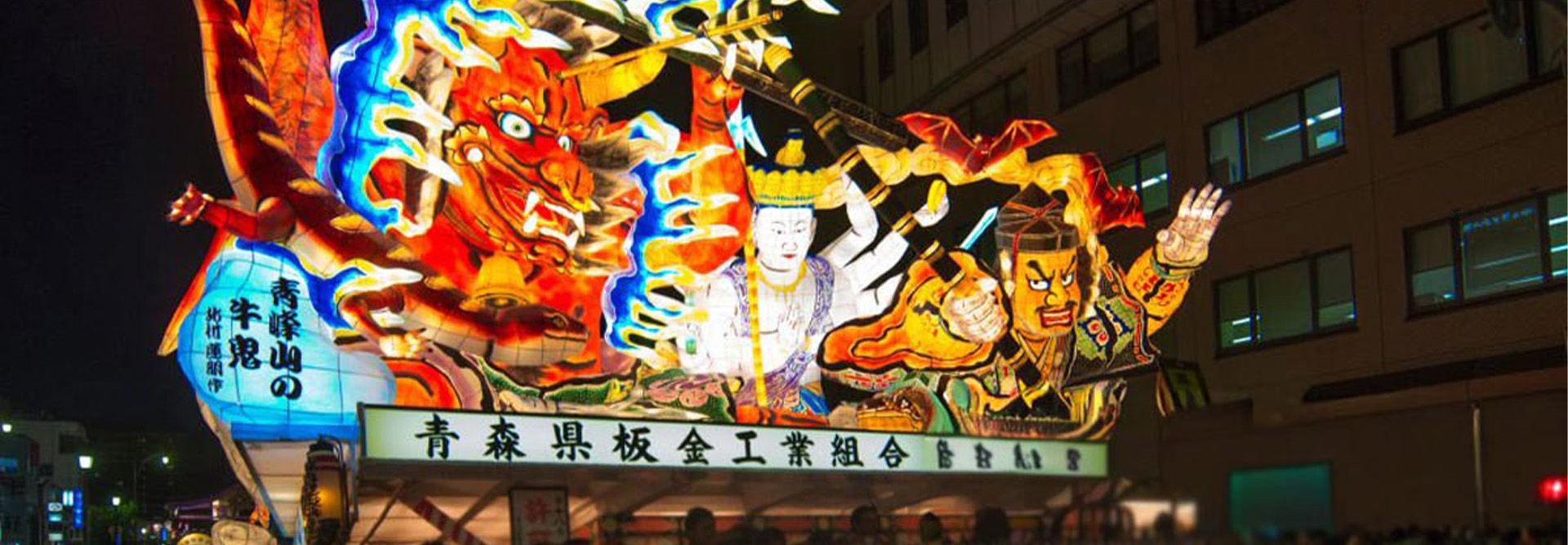
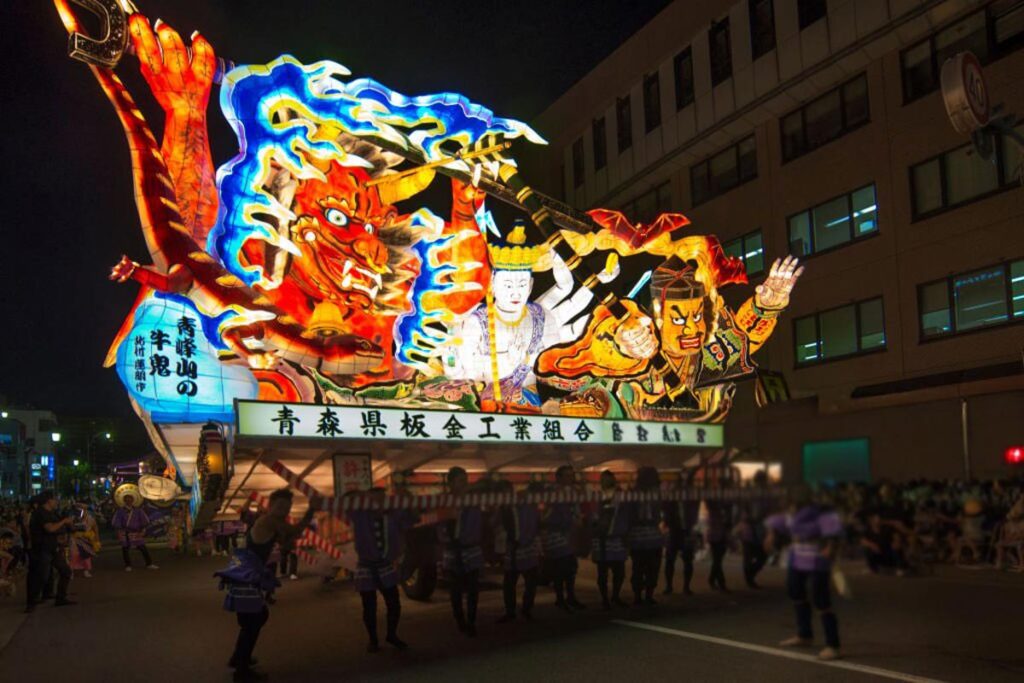
The Aomori Nebuta Festival is one of Japan’s most famous summer festivals (matsuri), held annually from August 2 to 7 in Aomori City, at the northern tip of Honshu. The word “Nebuta” refers to the massive paper lantern floats that are paraded through the streets at night. These floats can reach up to 9 meters wide, 5 meters tall, and weigh several tons.
Each float depicts dramatic scenes from Japanese mythology, kabuki theater, samurai legends, or local folklore. By day, they look like intricate sculptures; by night, they ignite from within, glowing in vivid reds, blues, and golds. The atmosphere is both festive and slightly otherworldly, as if the stories of Japan’s past have come to life in front of you.
The Spirit Behind the Festival
Nebuta is believed to have roots in ancient rituals to drive away drowsiness and evil spirits during the busy summer agricultural season. Lanterns, noise, and bright colors were used to “wake up” people and fields alike. Over time, this evolved into a grand citywide celebration and a proud symbol of Aomori’s identity.
Today, the festival embodies three key Japanese cultural themes:
- Community – Companies, neighborhoods, and local groups sponsor and build the floats together over months.
- Craftsmanship – Skilled artists create the intricate nebuta with hand-painted washi paper over wire and wooden frames.
- Celebration – The wild dancing, shouting, and drumming contrast with the quieter, more reserved side of Japanese daily life, revealing how passionately locals embrace matsuri culture.
When Does the Aomori Nebuta Festival Take Place?
The festival is held every year on the same dates:
- August 2–6: Evening parades of illuminated floats.
- August 7: Daytime parade (fewer floats) and a large fireworks display over Aomori Bay in the evening.
Parade times can vary slightly, but generally:
- August 2–3: Evening parade with fewer floats as the festival begins.
- August 4–6: Peak festival nights with the largest number of floats and highest energy.
- August 7: Daytime parade followed by a fireworks finale.
Because dates are fixed, plan your Japan itinerary around these six days if you want to experience Nebuta at its fullest. Accommodation and train reservations for early August should be booked several months in advance.
What You’ll See: Floats, Drums, and Dancers
Each parade night, the streets of central Aomori are closed to traffic and turned into a giant loop for the floats. The route is lined with spectators, food stalls, and camera tripods. Once the sun sets, the real spectacle begins.
The Nebuta Floats
The floats are the beating heart of the festival. They are built over many months by teams of nebuta-shi (master float artists), who design, sculpt, and paint each piece by hand. Layers of washi paper are carefully applied over wooden and wire frames, then colored with bold brush strokes to create exaggerated faces, swirling garments, and mythical creatures.
When you look closely, you’ll see tiny brush details, textured shading, and clever use of light and shadow. Some floats represent famous historical generals, others show fierce oni (demons), dragons, or scenes from classical Japanese literature. Part of the fun is walking the route before or after the parade to admire each float up close, noticing different details every time.
Taiko Drummers and Musicians
Each float is accompanied by a musical troupe, including taiko drummers, flutists, and cymbal players. The deep, steady rhythm of the taiko drives the parade forward, while high-pitched flutes add a shrill, festival-like melody. The repeating patterns put you into a kind of trance, matching the dancers’ steps and the float pullers’ movements.
The Haneto Dancers
Surrounding the floats are hundreds of haneto, the festival’s distinctive dancers. Dressed in bright costumes decorated with bells and flowers, they jump, spin, and shout in unison. Their signature chant, “Rassera! Rassera!” fills the streets, creating an infectious energy that pulls spectators into the celebration.
The haneto are not carefully choreographed like a stage performance; instead, they move freely and energetically, giving the festival a spontaneous, joyful feeling. One of the most appealing aspects of the Aomori Nebuta Festival is that anyone can become a haneto—including international visitors—if they follow the rules.
How to Join the Parade as a Haneto
Unlike many festivals in Japan, the Aomori Nebuta Festival encourages visitors to participate. Wearing the proper haneto costume is your ticket to join the dancers in the parade route.
Getting a Haneto Costume
You can obtain a haneto outfit in two ways:
- Purchase: Full costumes are sold at department stores and shops in Aomori City in the weeks leading up to the festival. Expect to pay the equivalent of several thousand yen.
- Rent: Some rental shops and tour operators offer haneto sets for a single evening. This is convenient for short-stay visitors.
A standard haneto costume includes:
- A brightly patterned yukata-style robe.
- A sash and decorative cords.
- Colorful headgear with flowers or ornaments.
- White socks and straw sandals or comfortable shoes.
- Bells or small accessories that jingle as you move.
Joining the Dancers
Once properly dressed, you can freely join the haneto dancers at any point along the route. Look for groups of dancers gathering near the start of the parade route before the floats begin to move. Follow their movements, mimic the steps, and join in the “Rassera” chant.
Basic haneto etiquette includes:
- Keeping pace with the group and avoiding sudden stops.
- Respecting the flow of the parade and avoiding the front of floats.
- Listening to staff and volunteers who manage the route.
Participating as haneto transforms you from a spectator into part of the living festival. It’s also an excellent way to interact with locals and immerse yourself in the communal spirit of Nebuta.
Best Places to Watch the Parade
The parade route forms a loop through central Aomori City, typically near the main train station. There are two main ways to watch:
Reserved Seating
Paid seats are available along parts of the route. These are recommended if:
- You want guaranteed space and clear views for photography.
- You’re traveling with children, older relatives, or large groups.
- You prefer a more relaxed experience without needing to arrive early.
Tickets are usually sold in advance via local travel agents, tourism offices, or online booking platforms (in Japanese and sometimes English). They may also be available at convenience stores in Japan during the weeks before the festival. Prices vary depending on the location and date, with peak nights costing more.
Free Viewing Spots
You can also watch the parade for free from any open section of the sidewalk along the route. To secure a good spot:
- Arrive at least 1–2 hours before the parade start time on peak nights.
- Bring a small towel or cushion to sit on the pavement.
- Be mindful of traffic and festival staff when the streets are still partially open.
Free spots put you close to the action; floats often pass just a few meters away. This is ideal for wide-angle photos and for feeling the vibration of the drums as they go by.
Fireworks Finale Over Aomori Bay
On August 7, the festival closes with a fireworks display over Aomori Bay, often combined with a final parade of nebuta floats on boats. The reflection of fireworks on the water and the illuminated floats create a spectacular final scene.
To enjoy the finale:
- Head towards the bay area or waterfront park well in advance, as it gets crowded.
- Consider bringing a light jacket: evenings near the water can be cool, even in August.
- Check local information on weather and start times on the same day.
How to Get to Aomori for the Nebuta Festival
Aomori City is in northern Tohoku, but it is well-connected to major cities in Japan.
From Tokyo
- Shinkansen (Bullet Train): Take the Tohoku Shinkansen from Tokyo Station or Ueno Station to Shin-Aomori. The journey takes around 3 to 3.5 hours. From Shin-Aomori, transfer to a local train to Aomori Station (about 5–10 minutes).
- Domestic Flight: Flights from Tokyo’s Haneda Airport to Aomori Airport take about 1 hour. From Aomori Airport, buses connect to central Aomori in roughly 35–40 minutes.
From Other Regions
- Sendai: The Tohoku Shinkansen from Sendai to Shin-Aomori takes about 2 hours.
- Osaka/Kyoto: Take the Tokaido or Hokuriku Shinkansen to Tokyo, then transfer to the Tohoku Shinkansen.
Japan Rail Pass holders can use JR trains, including most shinkansen services, making the trip to Aomori very convenient.
Where to Stay During the Festival
Accommodation in Aomori City fills up quickly around early August. To avoid disappointment:
- Book hotels or ryokan at least 3–6 months in advance if possible.
- Consider staying in nearby cities such as Hirosaki or Hachinohe and commuting by train, especially if central Aomori is fully booked.
- Look at business hotels, which are simple but comfortable and often located near train stations.
If you stay in Aomori City itself, choose a hotel within walking distance of Aomori Station or the parade route for easy access and a quick return at night.
What to Eat and Drink: Aomori Flavors
Between parades, take time to explore Aomori’s local cuisine. The prefecture is especially famous for:
- Apples: Aomori is Japan’s top apple-producing region. Try fresh apples, apple pies, juices, and ciders.
- Seafood: Being a coastal city, Aomori offers excellent sashimi, grilled fish, and seafood rice bowls.
- Local ramen and miso dishes: Each region in Japan has its own style; look for shops that highlight Aomori ingredients.
During Nebuta, food stalls (yatai) line the streets, selling festival favorites like yakisoba (fried noodles), karaage (fried chicken), takoyaki (octopus balls), grilled corn, and shaved ice. These stalls are a fun, casual way to sample Japanese street food while staying close to the action.
Festival Etiquette and Practical Tips
To enjoy the Aomori Nebuta Festival respectfully and comfortably, keep these points in mind:
Basic Etiquette
- Respect the floats: Do not touch the nebuta or climb on them. They are fragile works of art.
- Follow staff instructions: Festival volunteers manage crowd flow and safety; follow their guidance promptly.
- Photography: Photography is allowed and encouraged, but avoid obstructing the route or stepping into the path of floats and dancers.
- Noise and behavior: While the festival is loud and energetic, aggressive or drunk behavior is frowned upon.
Clothing and Weather
- Summer heat: Early August in Aomori can be warm and humid during the day, though often cooler than cities like Tokyo or Osaka. Wear light, breathable clothing.
- Evenings: Bring a light layer, especially if you plan to stay near the water or watch fireworks.
- Footwear: Choose comfortable shoes; you may stand or walk for several hours.
Money, Facilities, and Safety
- Cash: Many food stalls and smaller shops are cash-only. Convenient stores and some ATMs accept international cards, but it is wise to carry enough yen.
- Restrooms: Public toilets and facilities in department stores, stations, and parks may be crowded during parade times—plan ahead.
- Crowds: Keep an eye on personal belongings and consider a small crossbody bag instead of a backpack.
Combining Nebuta with Other Tohoku Highlights
If you have time, the Nebuta Festival can be the centerpiece of a broader Tohoku itinerary. Consider:
- Hirosaki: A castle town known for its cherry blossoms in spring and a smaller Nebuta-style summer festival.
- Hachinohe and the Sanriku Coast: Beautiful coastal scenery and morning markets with fresh seafood.
- Lakes and hot springs: Explore nearby onsen areas to relax after the excitement of the festival.
Traveling through Tohoku gives a different perspective on Japan compared to the more familiar Tokyo–Kyoto route. You’ll encounter fewer foreign tourists, more space, and a deep sense of local tradition.
Why the Aomori Nebuta Festival Belongs on Your Japan Itinerary
For first-time visitors, the Aomori Nebuta Festival offers an immersive introduction to Japanese matsuri culture on a grand scale. You’ll witness world-class craftsmanship in the floats, feel the power of taiko drums reverberate through your chest, and, if you choose, jump into the parade as a haneto and dance alongside locals under a sky filled with light.
Whether you come for a single night or plan your entire trip around this summer spectacle, the Nebuta Festival showcases a side of Japan that is raw, passionate, and unforgettable. If your travel dates allow, make room in your schedule for Aomori in early August—you’ll leave with images and memories that stay with you long after you’ve returned home.
Access Map
Recommended spots for Summer Festivals
Tokyo
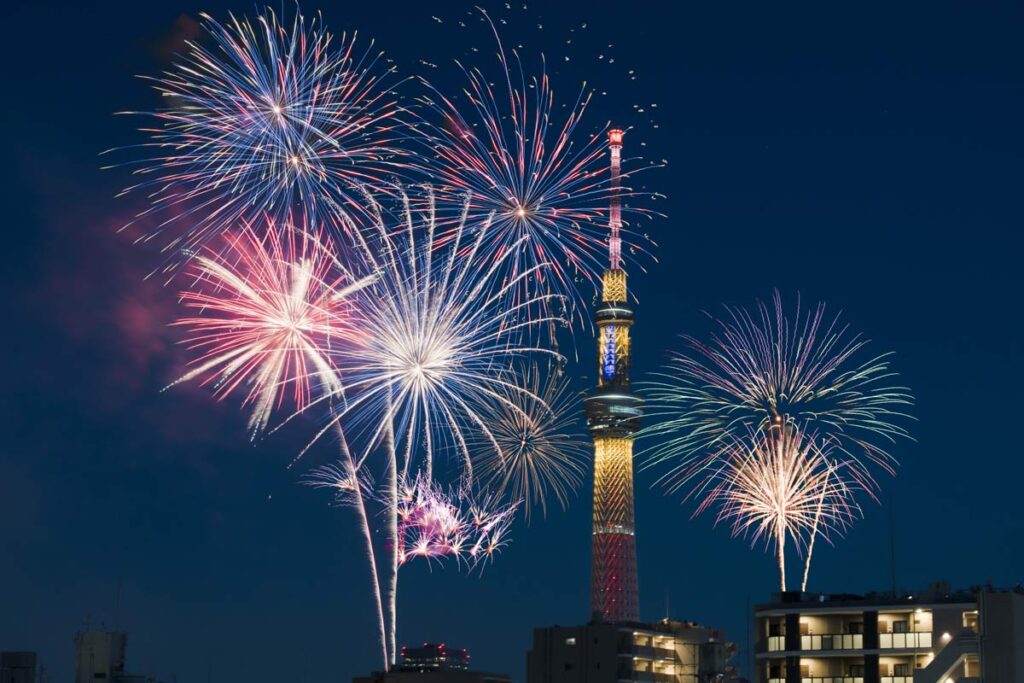
- Sumida River Fireworks
Osaka
- Tenjin Matsuri
Aomori
- Nebuta Festival
Sendai
- Tanabata Festival
Kyoto
- Gion Matsuri
Other Seasonal Spot
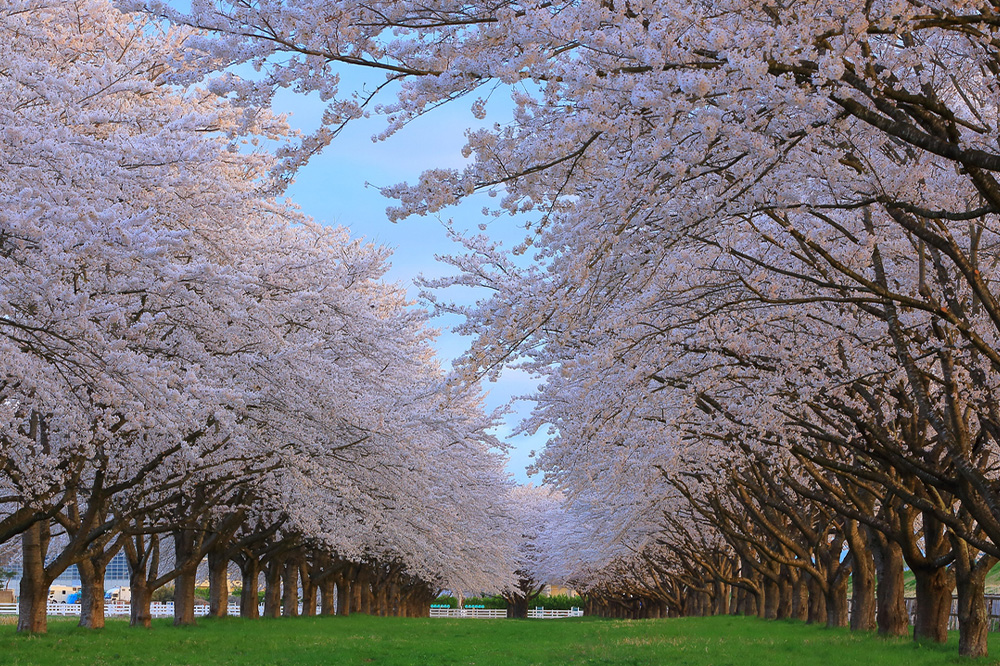
Cherry Blossoms
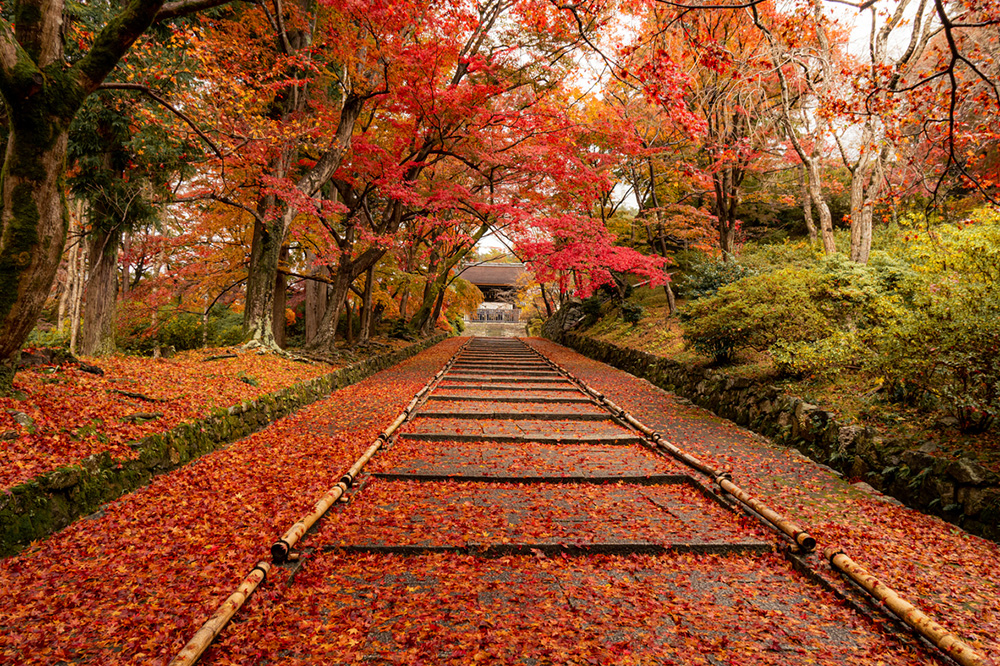
Autumn Leaves