
Sendai - Tanabata Festival
Sendai Tanabata Festival: A Colorful Summer Journey in Japan
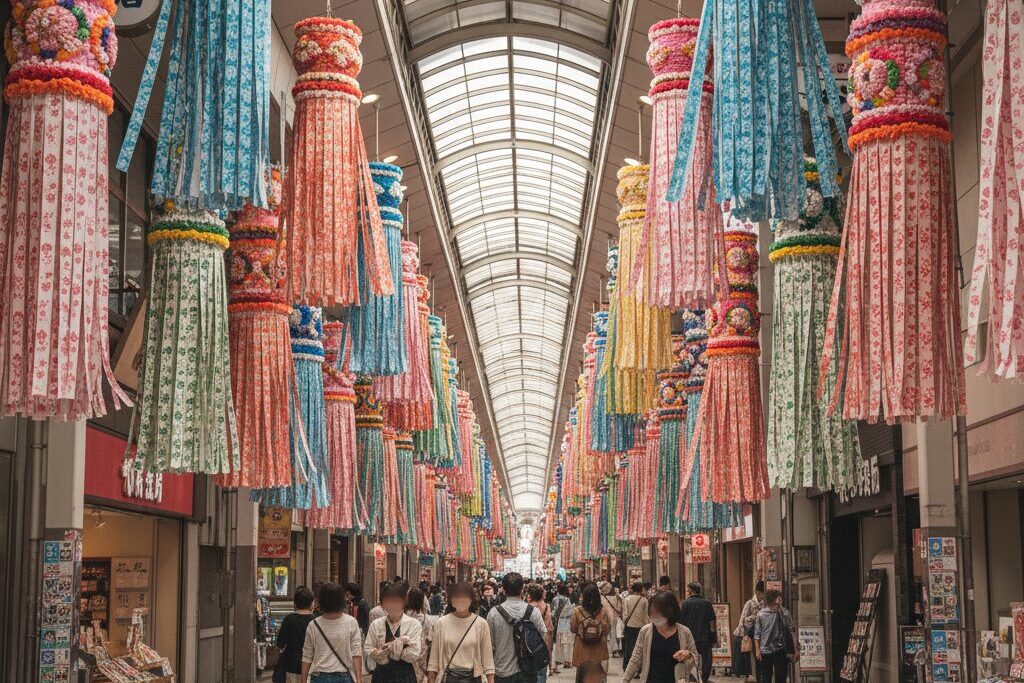
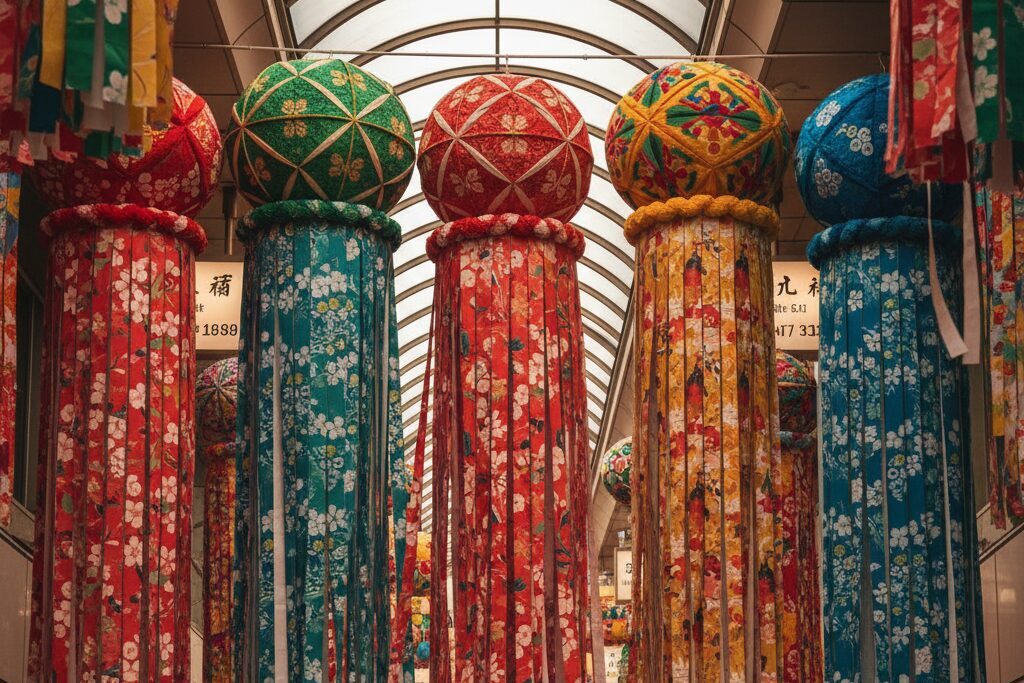
Photos are for illustrative purposes only.
Every August, the city of Sendai in northern Japan bursts into a sea of color as thousands of delicate paper decorations transform its streets. The Sendai Tanabata Festival is one of Japan’s most beloved summer events, drawing visitors with its vibrant atmosphere, romantic star legend, and uniquely local character. For first-time travelers to Japan, it offers a perfect blend of tradition, modern city comfort, and approachable “matsuri” (festival) culture.
What Is the Sendai Tanabata Festival?
The Tanabata Festival, often translated as the Star Festival, is based on an ancient Chinese legend of two lovers, the weaver princess Orihime (Vega) and the cowherd Hikoboshi (Altair). According to the story, they are separated by the Milky Way and allowed to meet just once a year on the seventh night of the seventh month. In Japan, this story evolved into Tanabata, when people write wishes on colorful strips of paper and hang them on bamboo branches, hoping their dreams will reach the stars.
While many regions in Japan celebrate Tanabata around July 7, Sendai follows the old lunar calendar tradition and holds its festival from August 6 to 8 each year. This timing brings milder evenings, a full summer festival atmosphere, and a chance to experience Tanabata at its most spectacular scale. Sendai’s version is considered the country’s most famous Tanabata celebration, with origins dating back to the early 17th century under the rule of feudal lord Date Masamune.
When to Visit and How Long to Stay
The Sendai Tanabata Festival officially runs every year from August 6 to August 8, regardless of the day of the week. Decorations usually go up early on the morning of August 6 and are removed after the final night. If you want to fully enjoy the event without rushing, plan for at least two nights in Sendai, ideally arriving on August 5 or early on the 6th.
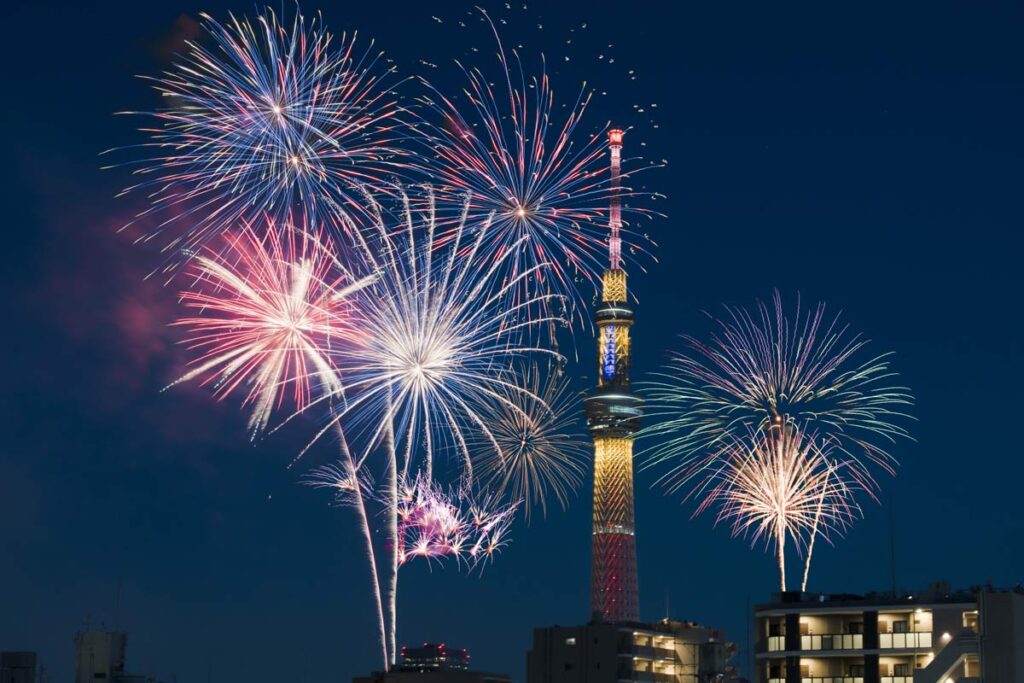
On August 5, the eve of Tanabata, a large fireworks display is held along the Hirose River. This marks the unofficial start of the festival and is a highlight in its own right. From August 6 to 8, you can wander beneath thousands of handmade streamers, sample street food, and enjoy live performances throughout the city center.
Where the Festival Takes Place
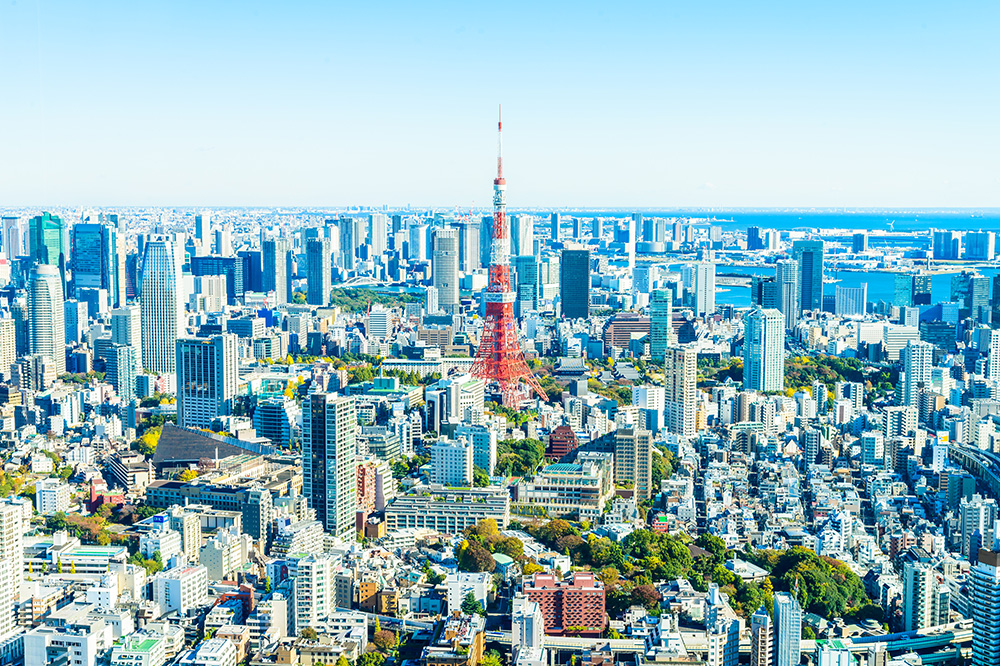
Sendai is the largest city in Japan’s Tohoku region, about 90 minutes north of Tokyo by shinkansen (bullet train). Tanabata decorations and events are concentrated in the central shopping arcades and around Sendai Station.
Main Festival Areas
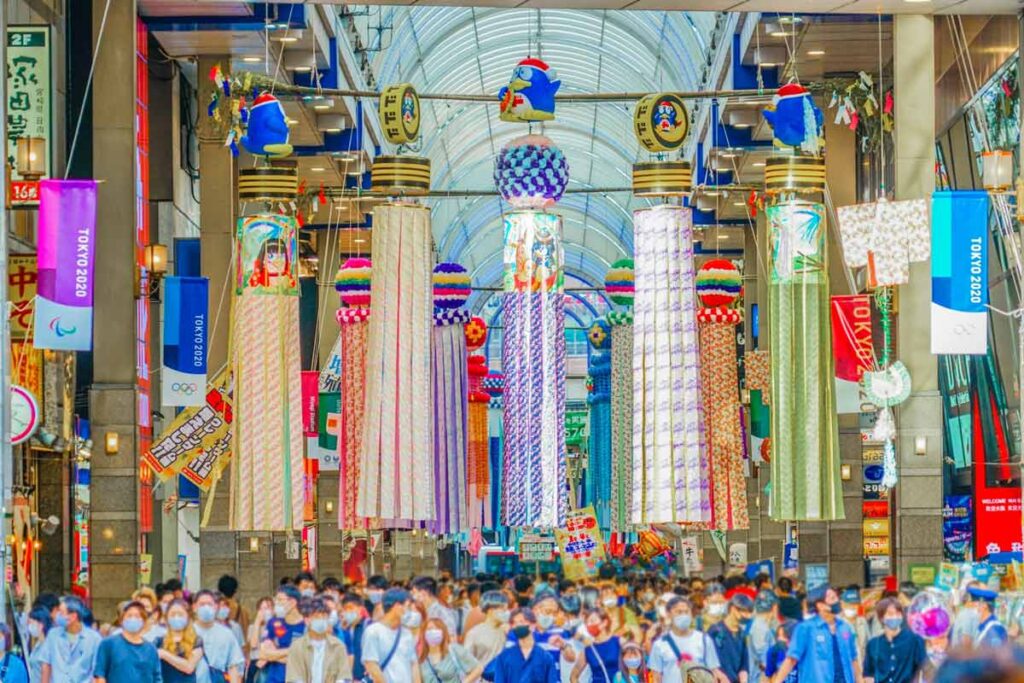
Shopping Arcades (Shotengai): The heart of the festival is the long network of covered shopping streets stretching from Sendai Station into the city center. Key arcades include Clis Road, Chūō-dōri, and Ichibancho. Here you’ll see the most elaborate Tanabata streamers, each created and sponsored by local shops, businesses, and community groups.
Sendai Station Area: The station itself is decorated, and the surrounding plazas often host small events, food stands, and information booths. This makes it an easy starting point for first-time visitors.
Hirose River: On the evening of August 5, the Hirose River is the setting for the large firework display. During the festival days, nearby parks and riverside areas sometimes host performances and smaller events in the evenings.
The Famous Sendai Tanabata Decorations
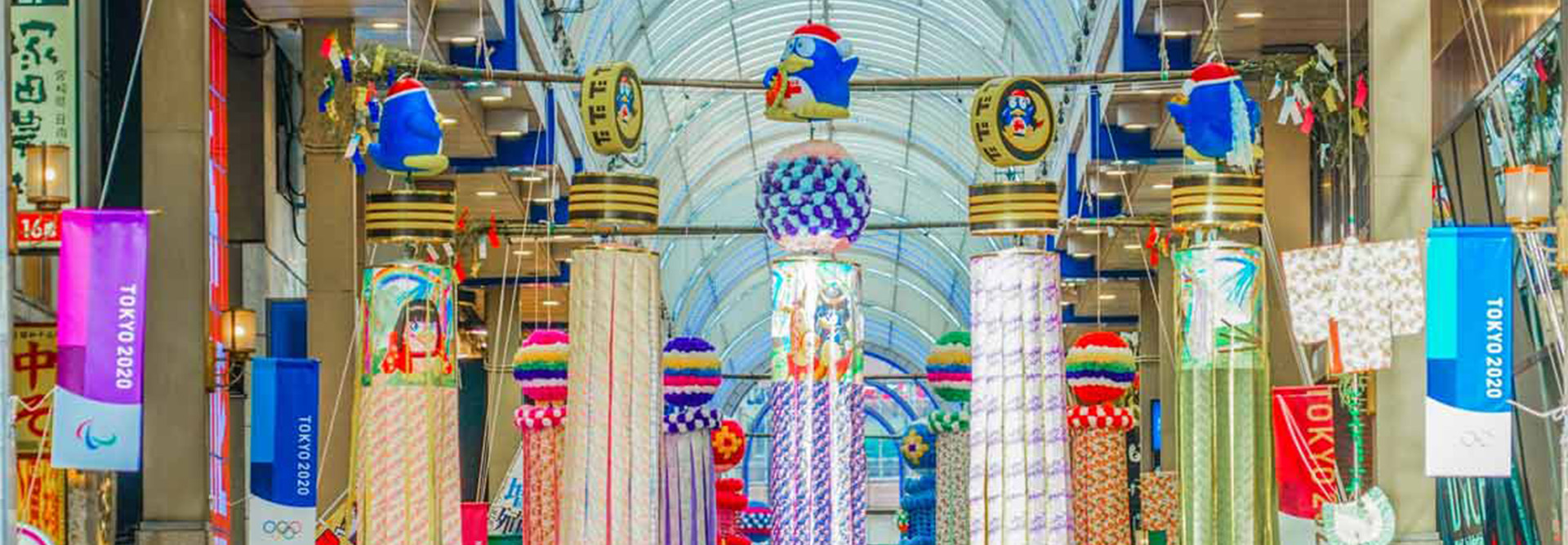
The most iconic image of Sendai Tanabata is the tunnel of giant paper streamers, known as fukinagashi, hanging from bamboo poles above the arcades. Each decoration consists of a round paper ball at the top and long paper strips flowing down, often reaching almost to the ground. Walking beneath them feels like immersing yourself in a moving forest of color.
Every year, local craftspeople and shop owners spend weeks hand-making these decorations using traditional washi paper. Designs range from elegant and simple to fantastically detailed, incorporating patterns, seasonal motifs, and sometimes even popular characters. Many shops treat it as a point of pride, competing quietly to create the most beautiful or creative display.
The Seven Types of Tanabata Ornaments
Beyond the large streamers, Tanabata is associated with seven smaller types of ornaments, each with its own meaning. As you explore, look for these items decorating the arcades and side streets:
Tanzaku (Wishes): Colorful paper strips on which people write their hopes and dreams, from exam success to good health or a happy relationship.
Kinchaku (Purse): Small paper purses symbolizing prosperity and good business.
Kinchaku Nets or Mini Baskets: Variations that express wishes for thrift and financial well-being.
Orizuru (Paper Cranes): Strings of folded cranes praying for health and long life.
Kami-kire or Kuzukago (Paper Rubbish Basket): A basket or net of paper scraps, wishing for cleanliness and freedom from misfortune.
Toami (Fishing Nets): Net-shaped decorations for abundance in harvests and fishing, broadly interpreted as a wish for plentiful food and luck.
Kami-kazari (General Paper Ornaments): Various shapes that add color and represent different good fortunes.
Not every display includes all seven, but noticing these details adds a deeper layer to your appreciation of the festival.
Festival Atmosphere and What to Expect
During Tanabata, Sendai’s normally relaxed streets feel like a living celebration. Yet compared with some of Japan’s more boisterous summer festivals, Sendai Tanabata has a gentle, family-friendly atmosphere that is comfortable for first-time visitors.
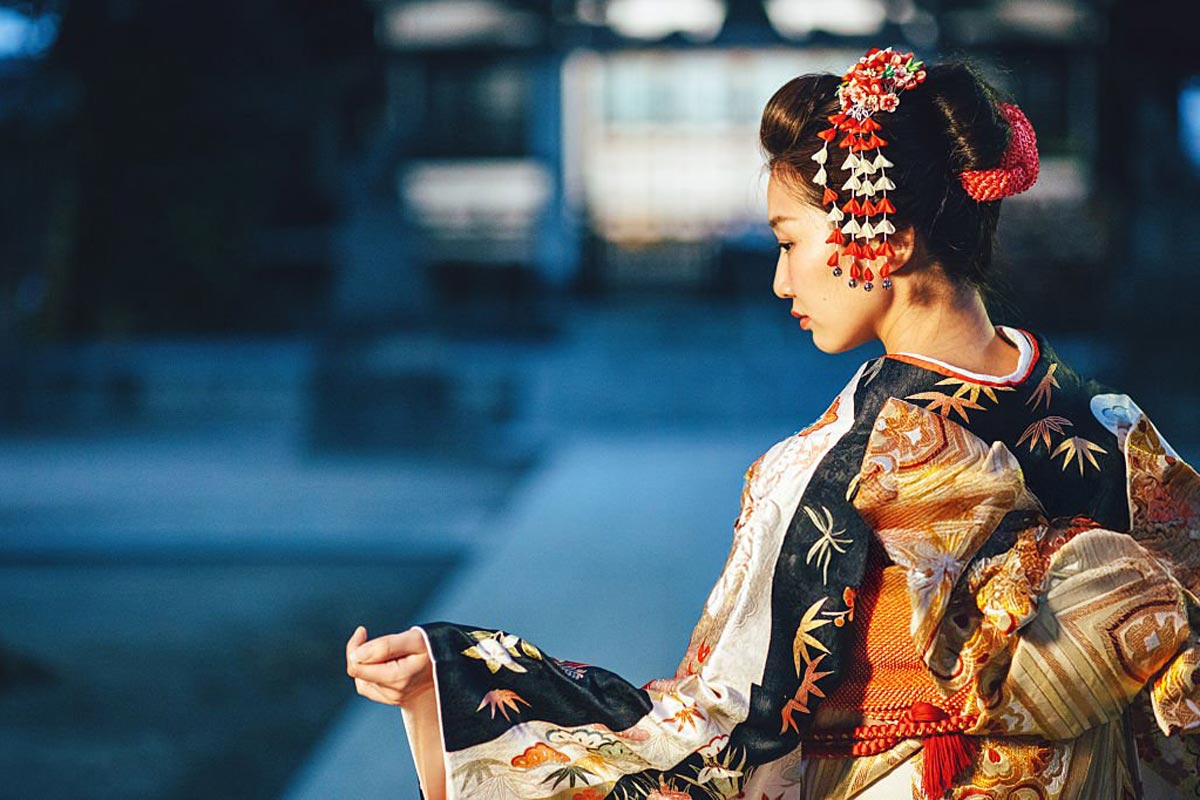
By day, families, office workers, and tourists slowly stroll beneath the decorations, taking photos and admiring the craftsmanship. Many people wear light summer yukata, adding to the festive mood, but there is no dress code–casual clothing is fine. In the evenings, the arcades glow with warm light, food stands open, and performances fill the air with traditional music and dance.
Events and Performances
Exact events change slightly each year, but you can expect:
Stage Performances: Folk dances, taiko drumming, and local music groups perform on temporary stages around the city center, especially near Sendai Station and in parks.
Parades and Processions: Some years feature parades with dancers, musicians, and costumed performers walking through the streets near the main arcades.
Hands-on Corners: Simple craft corners sometimes allow children and adults to write wishes or create small Tanabata ornaments to take home.
Schedules are usually posted in Japanese, but tourist information centers and hotel staff can help you find event times. Even without understanding everything, the visual and musical elements are easy to enjoy.
Food and Local Specialties to Try
No Japanese festival is complete without food, and Sendai is particularly famous for several regional dishes that pair perfectly with an evening stroll.
Street Food and Festival Snacks
Around the main festival areas, you’ll find classic Japanese yatai (food stalls) selling:
Yakitori: Grilled chicken skewers with salt or sweet soy sauce, a perfect quick bite.
Okonomiyaki and Takoyaki: Savory pancakes and octopus balls, easy to eat while walking.
Kakigori: Shaved ice with colorful syrups, ideal for cooling down in the summer heat.
Chocolate-coated bananas, cotton candy, and festival sweets that children and nostalgic adults both enjoy.
Sendai’s Local Dishes
Make time to try Sendai’s signature foods while you’re in town:
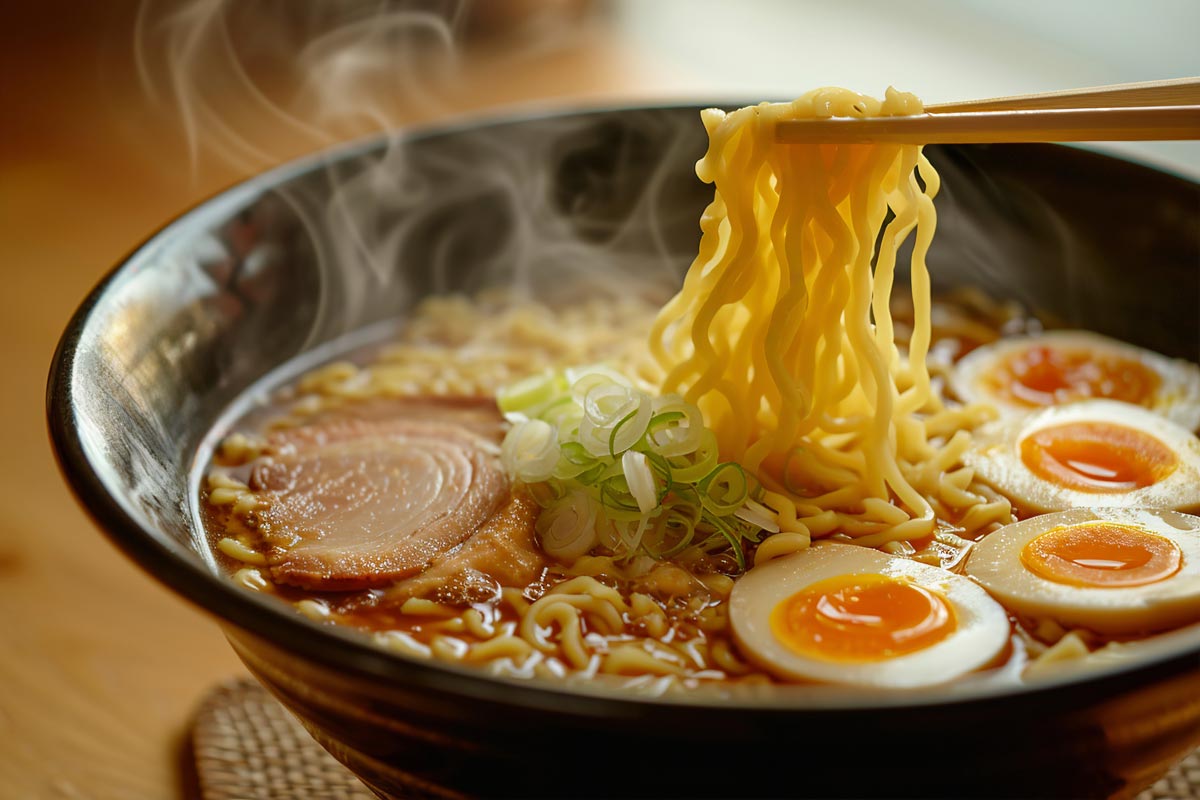
Gyutan (Grilled Beef Tongue): The city’s most famous specialty, usually served sliced and grilled over charcoal, with rice, soup, and pickles. Despite sounding unusual to some visitors, it’s tender and flavorful, and many restaurants near the station specialize in it.
Zunda Mochi: Soft rice cakes topped with a sweet, bright-green paste of mashed edamame (young soybeans). It’s lightly sweet, fresh, and uniquely Tohoku. You’ll also find zunda shakes, parfaits, and even zunda-filled sweets.
Fresh Seafood: Sendai’s coastal location means good sushi and sashimi are easy to find, especially near the station and in central dining districts.
How to Get to Sendai
Reaching the Sendai Tanabata Festival is straightforward, even for first-time visitors to Japan.
From Tokyo
By Shinkansen (Recommended): Take the Tohoku Shinkansen from Tokyo Station or Ueno Station to Sendai Station. The journey takes around 90 minutes on the fastest services. Trains are frequent, reserved seats are recommended during festival dates, and the route is covered by the Japan Rail Pass.
By Highway Bus: Long-distance buses run between Tokyo and Sendai in about 5–6 hours, often at lower cost than the shinkansen. This can be an option if you’re traveling on a tight budget and plan early.
From Other Regions
Sendai is a major transport hub for the Tohoku region, with rail connections from cities such as Aomori, Morioka, Akita, and Yamagata. Domestic flights link Sendai Airport to cities like Sapporo, Osaka, and Nagoya. From Sendai Airport, a rapid train brings you to Sendai Station in about 25 minutes.
Where to Stay During the Festival
During Tanabata, hotels in central Sendai fill up quickly, so book as early as possible once your dates are set. For first-time visitors, aim to stay within walking distance of Sendai Station or the main shopping arcades. This will put you in the heart of the action and make it easy to return to your room if you get tired from the crowds and summer heat.
Options range from business hotels and international chains to budget hostels and capsule hotels. If the central area is fully booked, look for accommodation one or two train stops away on the JR lines or subway; public transport is efficient and runs frequently during the festival.
Practical Tips for Enjoying Tanabata
A few simple preparations will help you make the most of your time at the Sendai Tanabata Festival.
Dealing with Crowds and Weather
Tanabata falls in the height of Japan’s summer. Expect warm, humid weather and occasional sudden showers.
Stay Hydrated: Carry water or buy drinks from the many vending machines. Convenience stores are everywhere and sell inexpensive drinks and snacks.
Dress for Heat: Lightweight, breathable clothing and comfortable walking shoes are important, as you’ll likely spend several hours on your feet.
Use Sun Protection: A hat and sunscreen help for daytime visits, even though the main arcades are covered.
Visit Early or Late: The decorations are up all day, but crowds peak in the afternoon and early evening. For photos without too many people, try visiting early in the morning on August 6 or 7.
Cultural Etiquette
Japanese festivals are lively but still guided by a sense of respect and order.
Move with the Flow: In busy areas, follow the walking direction of the crowd and avoid stopping suddenly under the streamers, especially to take photos. Step to the side if you want to linger.
Queuing Culture: Lines for food stalls and restrooms are common, and people queue patiently. Simply join the end of the line and wait your turn.
Handling Decorations: It’s fine if the long paper streamers brush against you, but avoid grabbing or pulling them. They are hand-made and easily damaged.
Trash and Recycling: Many stalls don’t have individual trash cans. Look for designated garbage stations and separate your waste if different bins are provided. If you can’t find one, it’s polite to carry your trash until you do.
Language and Signage
Most festival information is written in Japanese, but Sendai as a regional capital is relatively used to visitors. At Sendai Station, you’ll find an official tourist information center with English language support, maps, and brochures. Many hotels have English-speaking staff and can explain the basics of the festival, event times, and recommended walking routes.
Combining Tanabata with Nearby Sightseeing
Sendai makes an excellent base for exploring the wider Tohoku region, and even a short trip can easily combine festival fun with natural scenery and historical sites.
Aoba Castle Ruins and Zuihoden: Discover Sendai’s samurai history by visiting the remains of Aoba Castle overlooking the city, and the ornate mausoleum of Date Masamune, the city’s powerful feudal lord who is closely associated with the origins of Tanabata in the region.
Matsushima Bay: About 40 minutes from Sendai by local train, Matsushima is famous for its scenic bay dotted with pine-covered islands, considered one of Japan’s classic landscapes. A half-day trip here pairs well with an evening back in Sendai under the Tanabata streamers.
Onsen (Hot Springs): Nearby hot spring towns such as Akiu Onsen and Sakunami Onsen offer a relaxing escape from the summer bustle. Soaking in an outdoor bath after a day at the festival is a very Japanese way to unwind.
Why Sendai Tanabata Belongs in Your Japan Itinerary
For first-time visitors to Japan, the Sendai Tanabata Festival offers a memorable introduction to the country’s seasonal traditions. It is large enough to feel truly special, yet compact and organized enough for newcomers to navigate comfortably. You’ll experience the romance of the star legend, the craftsmanship of hand-made decorations, the warmth of local festival culture, and the flavors of Tohoku cuisine, all within a modern and accessible city.
Plan your trip for early August, secure your accommodation in advance, and give yourself time to simply wander beneath the colorful paper sky. As you write your own wish on a strip of paper and hang it with thousands of others, you’ll be taking part in a living tradition that has connected the people of Sendai to the summer stars for generations.
Access Map
Recommended spots for Summer Festivals
Tokyo
- Sumida River Fireworks
Osaka
- Tenjin Matsuri
Aomori
- Nebuta Festival
Sendai
- Tanabata Festival
Kyoto
- Gion Matsuri
Other Seasonal Spot
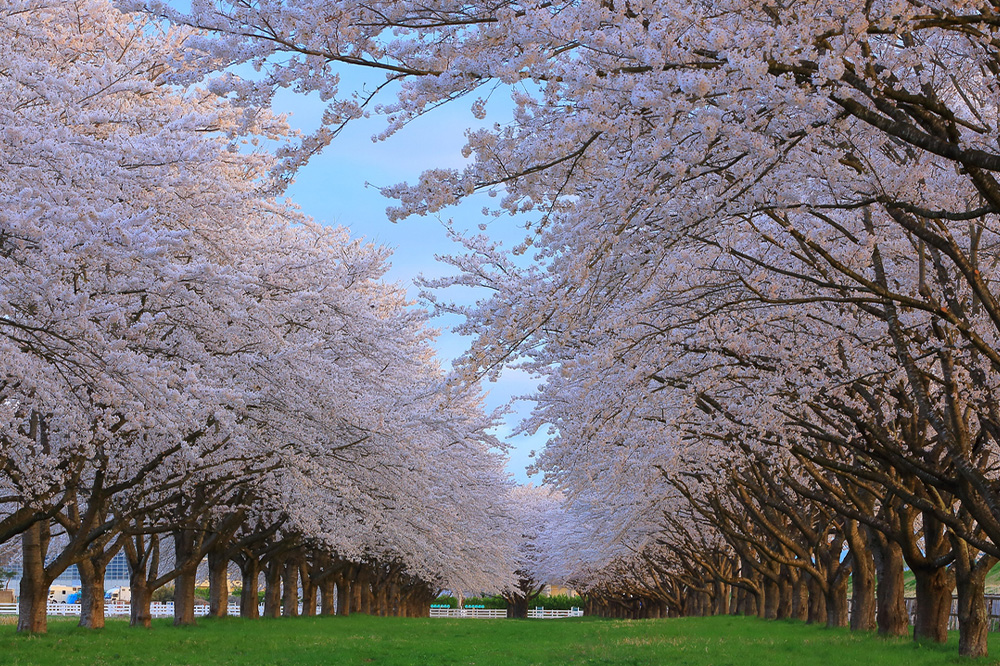
Cherry Blossoms
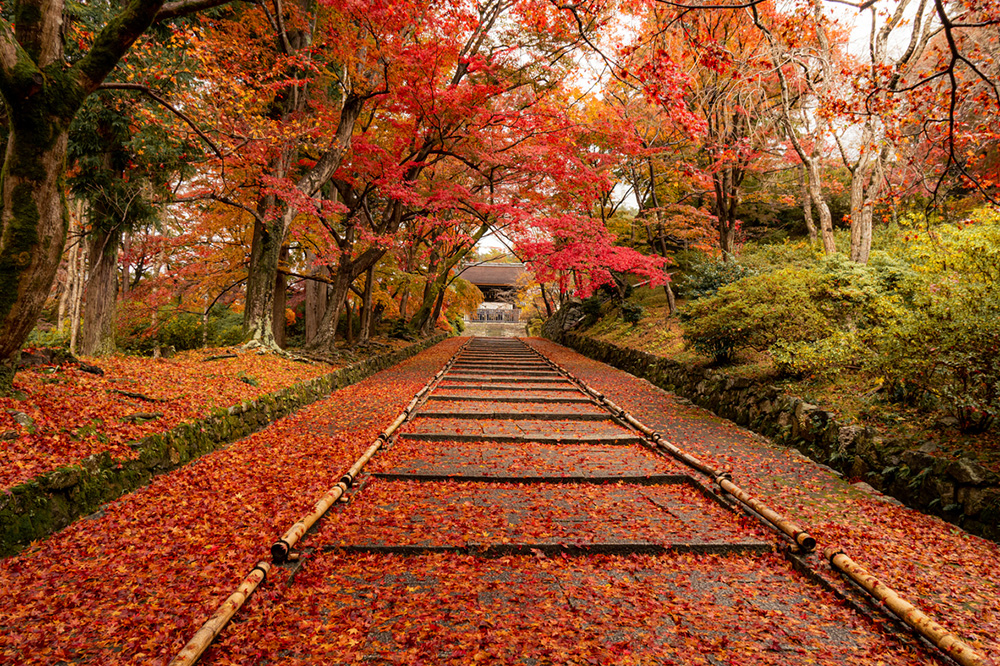
Autumn Leaves