


Kyoto - Kiyomizu-dera
First-Time Guide to Kiyomizu-dera in Kyoto, Japan
Photos are for illustrative purposes only.
Perched on a forested hillside in eastern Kyoto, Kiyomizu-dera is one of Japan’s most iconic temples and a must-see for first-time visitors. Famous for its grand wooden stage jutting out over the valley, sweeping city views, and atmospheric streets leading up to its gates, this UNESCO World Heritage site offers a classic introduction to Kyoto’s beauty, spirituality, and history.
Why Kiyomizu-dera Belongs on Your First Japan Itinerary
Kiyomizu-dera is more than just a beautiful temple; it is a place where centuries of Buddhist faith, local folklore, and traditional Kyoto life blend together.
The temple’s name means “Pure Water Temple,” derived from the clear spring that flows through its grounds. Founded in 780, Kiyomizu-dera has long been a popular pilgrimage spot, and walking its grounds today still feels like stepping into an older, slower Kyoto. From the approach streets lined with souvenir shops and sweet stalls to the dramatic wooden main hall, every corner offers a photogenic glimpse of traditional Japan.
Getting Oriented: Layout and Main Areas
Kiyomizu-dera sits on the slopes of Mt. Otowa in the Higashiyama district. The complex is a collection of halls, pagodas, and walkways spread across the hillside. Allow at least 90 minutes to two hours to explore at a relaxed pace.
The Approach: Ninenzaka and Sannenzaka
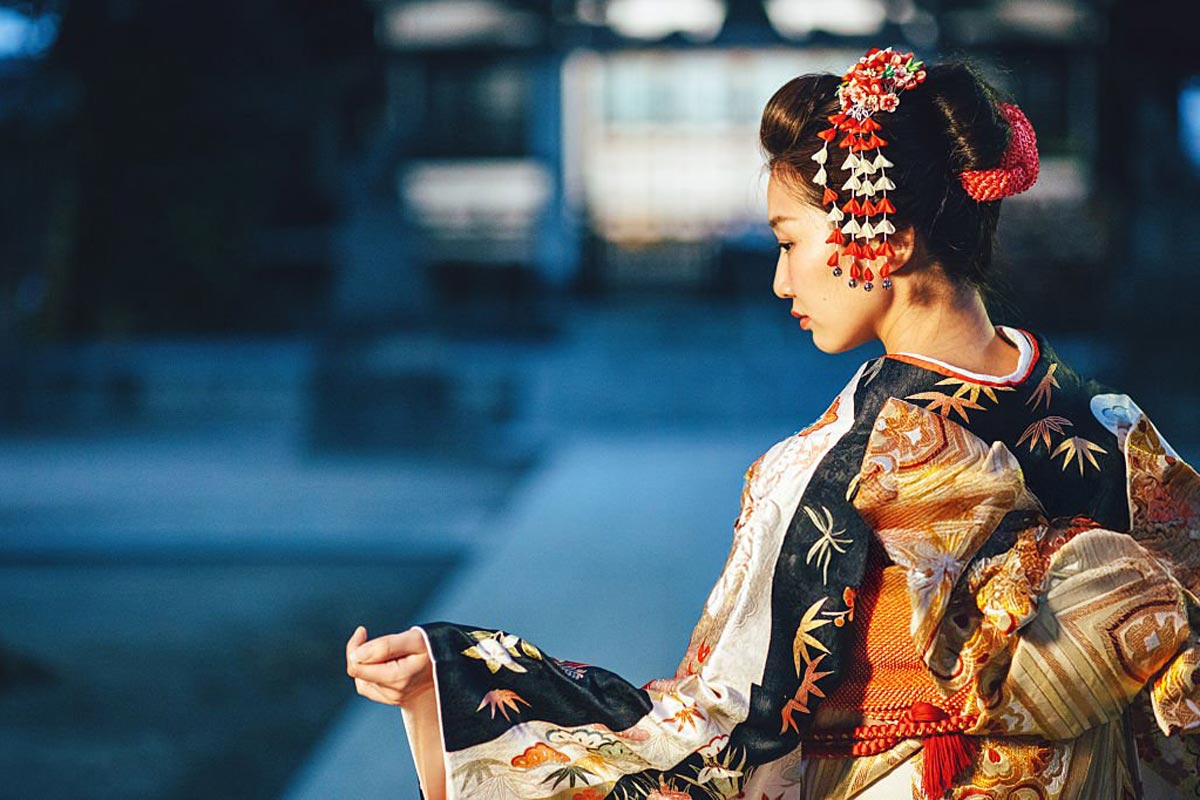
Most visitors reach Kiyomizu-dera by walking up the gentle, stone-paved lanes of Ninenzaka and Sannenzaka or the steeper Kiyomizu-zaka. These streets are atmospherically lined with wooden townhouses, teahouses, and shops selling pottery, local snacks, folding fans, and traditional crafts. Many people choose to rent kimono nearby, adding to the historic ambiance.
As you climb, the traffic noise drops away, replaced by the sound of shopkeepers greeting customers and the occasional temple bell. Take your time here; the approach is part of the experience.
Main Gate and Pagoda
The bright vermilion Niomon Gate marks the formal entrance to the temple grounds and is a popular photo spot, especially with Kyoto city visible behind it on clear days. Nearby you will see the three-story pagoda, another striking landmark that stands out in photos of Kiyomizu-dera.
The Main Hall and Famous Wooden Stage
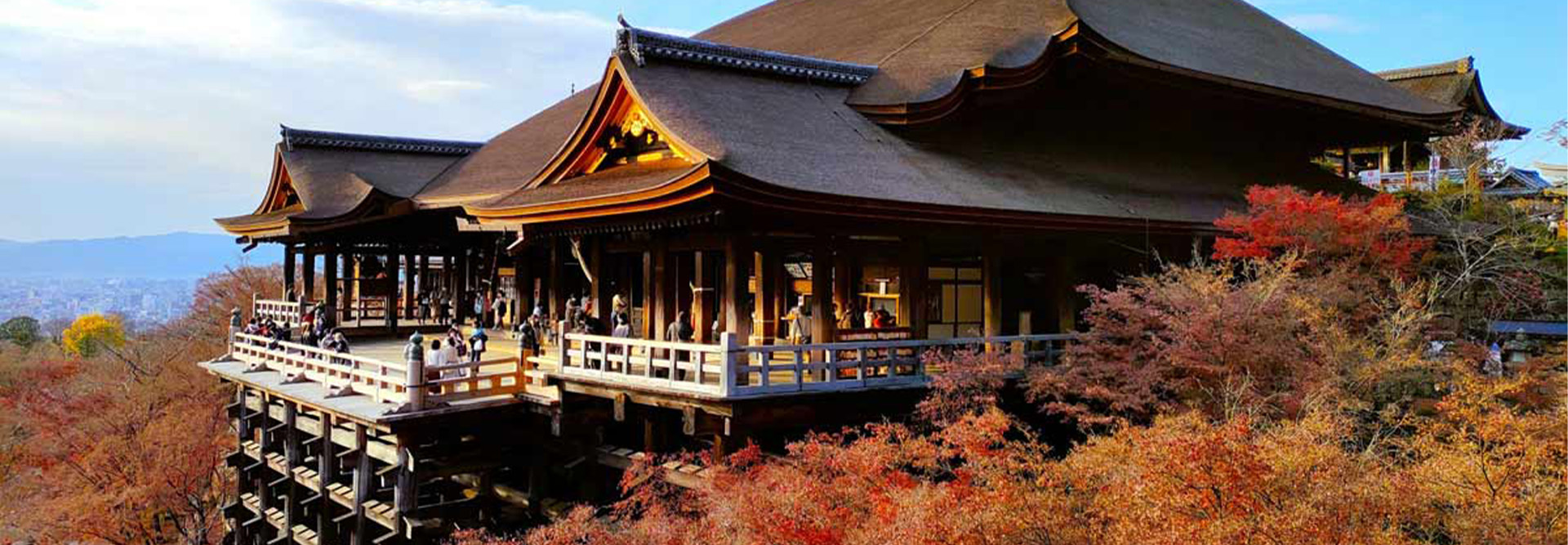
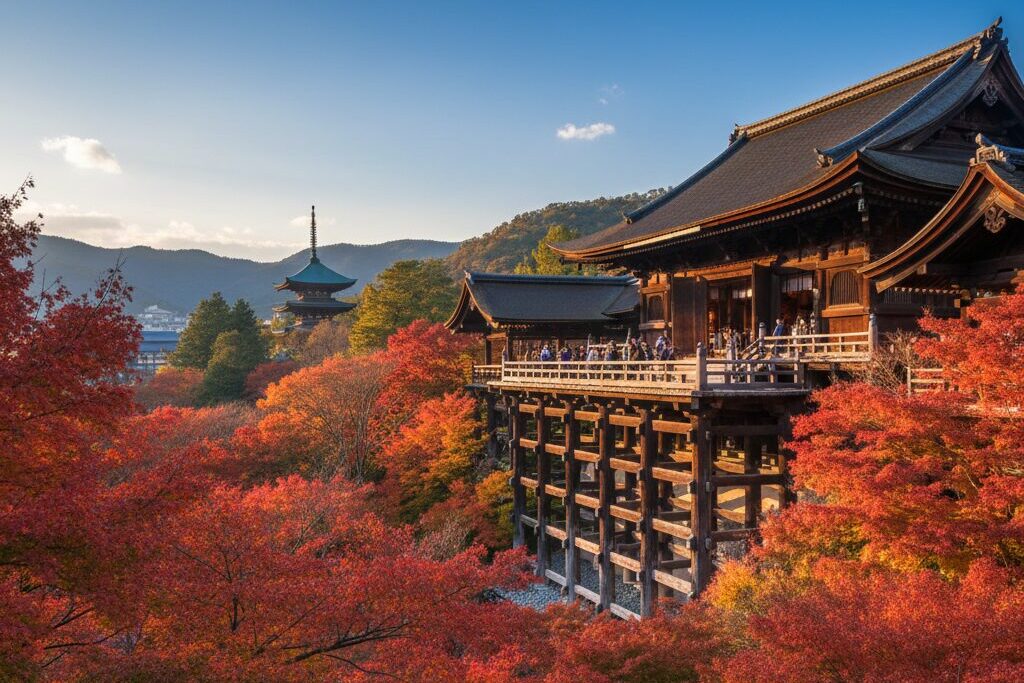
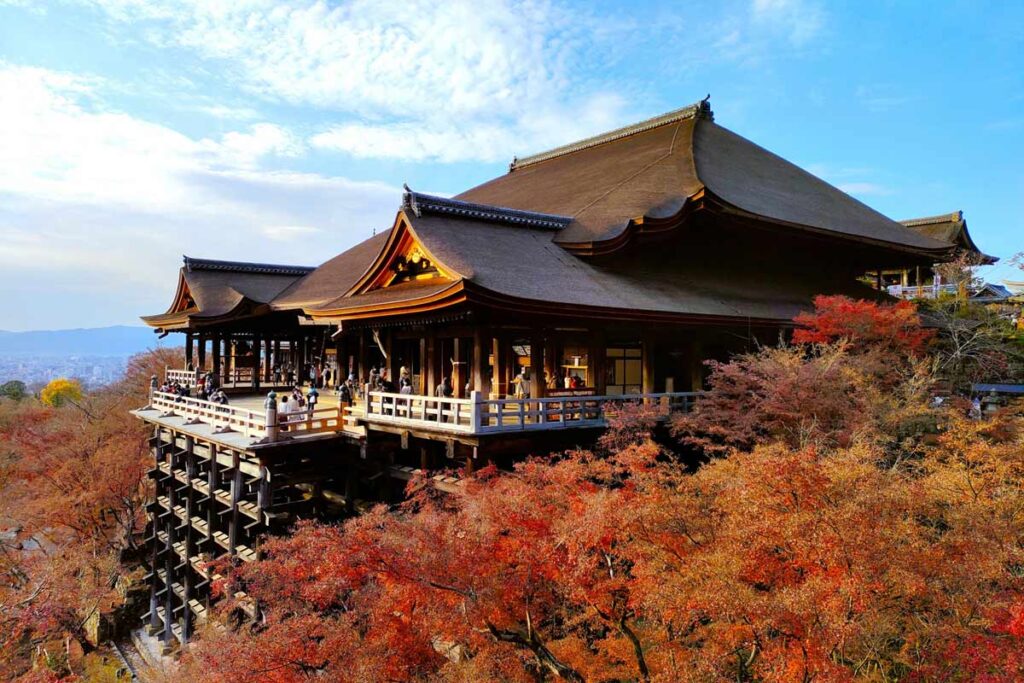
The centerpiece of Kiyomizu-dera is the main hall (Hondo), dedicated to Kannon, the Buddhist deity of mercy. The hall’s veranda, often simply called “the stage,” dramatically projects out over the hillside, supported by a lattice of hundreds of wooden pillars built without nails.
From this vantage point, you can enjoy panoramic views of Kyoto, the temple grounds, and the forest below. In spring, cherry blossoms frame the scene in delicate pink; in autumn, fiery red and orange leaves spread out beneath the stage like a living tapestry.
Otowa Waterfall
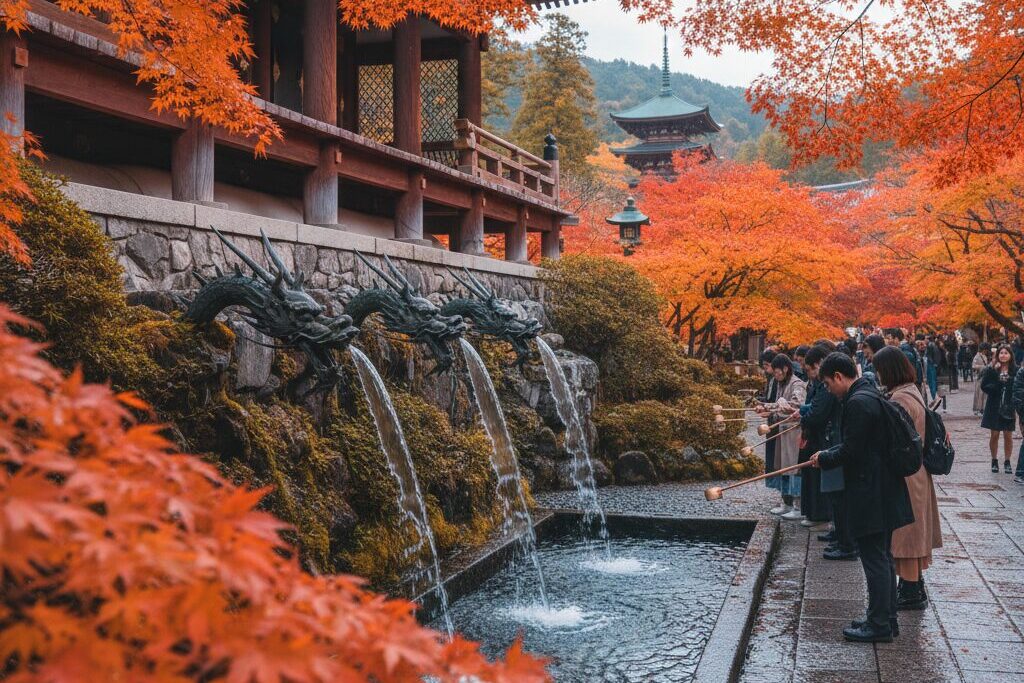
Below the main hall lies the Otowa Waterfall, the “pure water” that gives Kiyomizu-dera its name. Here, three streams of water fall into a stone basin. Visitors line up to drink from ladles provided, choosing from one of the three streams, each said to grant a different blessing such as longevity, success at school or work, or good fortune in love.
Local custom suggests you should choose only one stream rather than all three, out of modesty and respect. This small ritual offers a refreshing pause in your visit and a connection to centuries of belief in the power of the spring.
Jishu Shrine: For Love and Relationships
Just behind the main hall stands Jishu Shrine, a Shinto shrine dedicated to the deity of love and matchmaking. It is especially popular with young Japanese visitors praying for help in romance and marriage.
In front of the shrine are two stones set about 18 meters apart. Tradition says that if you can walk from one stone to the other with your eyes closed, your wish for true love will be granted. Many visitors attempt this with friends or partners guiding them by voice, and the light-hearted atmosphere around the stones is a charming contrast to the temple’s grander spaces.
Sub-Temples, Walkways, and Viewpoints
As you continue through the complex, follow the paths that circle the hillside. From various viewpoints, you can capture classic images of the main hall and its stage, often framed by maple trees or cherry blossoms, with Kyoto’s cityscape in the distance. The combination of natural scenery and precise temple architecture is particularly striking in early morning or late afternoon light.
Best Time to Visit Kiyomizu-dera
Kiyomizu-dera is open year-round, and each season offers a distinct atmosphere. For first-time travelers, your experience will be shaped significantly by when you go.
Spring: Cherry Blossom Season
From late March to early April, the slopes around Kiyomizu-dera are covered in cherry blossoms. The view from the wooden stage over a sea of pale pink is one of Japan’s classic hanami (cherry blossom viewing) scenes. This is also peak travel season, so expect large crowds and be patient when lining up for photos.
Summer: Lush Greenery
In early summer, the temple grounds are rich with fresh green foliage. While it can be hot and humid, especially in July and August, the forested hillside and occasional breeze help take the edge off. This is a quieter time compared to cherry blossom and autumn foliage seasons, making it easier to find moments of calm.
Autumn: Fiery Momiji Leaves
From mid-November to early December, the area bursts into intense shades of red, orange, and gold as the maples turn color. This season rivals spring in popularity. The contrast of the vermilion pagoda, dark temple roofs, and vivid leaves against the blue autumn sky creates unforgettable views.
Winter: Serene and Less Crowded
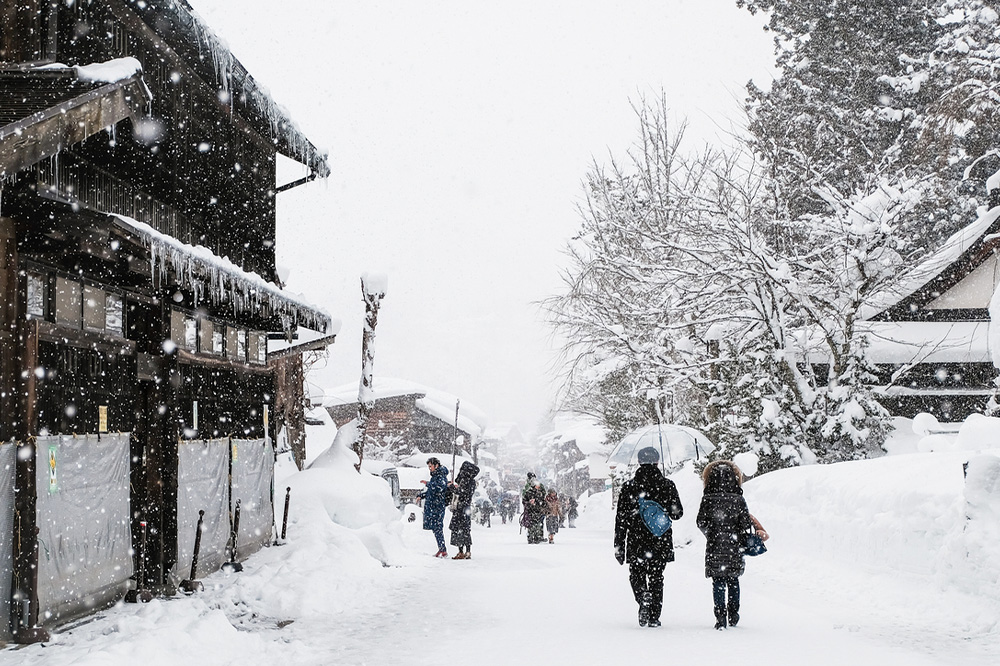
In winter, the air is crisp and the crowds thinner. On rare snowy days, Kiyomizu-dera takes on a magical, quiet beauty covered in white. Even without snow, the temple in winter has a more contemplative mood, and the clear air often brings sharper city views.
Time of Day: Morning vs. Evening
Arriving right at opening time in the morning generally offers the calmest experience. The approach streets are quieter, and you can enjoy the main hall and stage before tour groups arrive. Late afternoon is also pleasant, with soft light and fewer visitors as closing time approaches.
On selected evenings in spring, summer, and autumn, Kiyomizu-dera hosts special light-up events. During these periods, the temple grounds are illuminated after dark, creating an ethereal atmosphere. These illuminations are very popular and can be crowded but are unforgettable if your schedule allows.
How to Get to Kiyomizu-dera
Kiyomizu-dera is located in Kyoto’s Higashiyama district, east of the Kamo River. It is not directly on a train line, but it is straightforward to reach using buses, taxis, or a combination of train and walking.
From Kyoto Station
By bus: City buses run frequently from Kyoto Station to stops near Kiyomizu-dera. Look for buses heading toward the Higashiyama area; popular stops include Gojo-zaka and Kiyomizu-michi. From either stop, it is about a 10–15 minute uphill walk through the approach streets.
By taxi: Taxis from Kyoto Station take around 15–20 minutes depending on traffic. Ask the driver for “Kiyomizu-dera.” Taxis are useful if you are traveling in a group or carrying luggage, though note that vehicles can only go as far as the main road at the bottom of the hill; you still walk up to the temple.
From Gion and Central Kyoto
If you are staying near Gion or central Kyoto, you can enjoy a scenic walk through the preserved Higashiyama district to the temple. The walk from Yasaka Shrine through Ninenzaka and Sannenzaka to Kiyomizu-dera takes about 25–35 minutes at a leisurely pace.
Tickets, Hours, and Practical Information
Kiyomizu-dera is generally open from early morning until late afternoon or early evening, with extended hours during seasonal night illuminations. Opening and closing times can shift slightly by season, so confirm the latest hours before your visit.
There is a modest admission fee for the temple’s main area, including access to the stage. Children usually receive a discounted rate. Payment is typically made in cash at the ticket gate just beyond the main entrance.
Public restrooms are available inside the grounds, and vending machines are located in the surrounding area, but not in the most scenic central sections of the temple. Eating and drinking are restricted in sacred areas; plan to enjoy snacks before or after your visit along the approach streets.
Temple Etiquette and Cultural Tips
Kiyomizu-dera is both a major sightseeing destination and an active religious site. Following a few basic etiquette guidelines will help you show respect and feel more at ease.
- Move calmly: Walk rather than run, and keep your voice moderate. Many visitors come to pray or reflect.
- Photography: You may take photos in most outdoor areas, but flash or tripods may be prohibited, especially indoors. If signs indicate no photography in a particular hall, follow them closely.
- Praying: At halls and shrines, you may observe worshippers offering coins, bowing, clapping, and praying. You are welcome to participate quietly; just follow the lead of locals and do not block the way.
- Dress respectfully: There is no strict dress code, but modest clothing is appreciated in religious spaces. Comfortable walking shoes are essential due to slopes and stone steps.
- Keep to the paths: To preserve historical structures and gardens, stay on marked walkways and avoid leaning on wooden railings.
What to Wear and Bring
The temple complex involves slopes and a fair amount of walking, so comfort is key.
- Footwear: Wear sturdy shoes with good grip, especially in wet weather when stone paths can be slippery.
- Seasonal clothing: Bring a light jacket in spring and autumn, and layers in winter. In summer, breathable clothing, a hat, and sunscreen are important.
- Cash: While many shops in Kyoto now accept cards, small temples and older shops often prefer cash, including for admission fees and local snacks.
- Reusable water bottle: Staying hydrated is important, particularly in summer. Use public fountains or vending machines nearby to refill.
Nearby Highlights in the Higashiyama Area
Combining Kiyomizu-dera with nearby sights makes for a full and rewarding day in Kyoto’s eastern hills.
Higashiyama Preserved Streets
After visiting the temple, wander back down through Ninenzaka and Sannenzaka, some of Kyoto’s best-preserved traditional streets. Wooden townhouses, small cafes, and artisan shops give a sense of old Kyoto. These lanes are especially atmospheric in the late afternoon as lanterns begin to glow.
Yasaka Pagoda and Yasaka Shrine
A short walk away stands Yasaka Pagoda, another elegant five-story pagoda often featured in Kyoto photography. Continuing further, you reach Yasaka Shrine, a lively Shinto shrine known for its lantern-lined central courtyard and festivals. Together, they form a natural route between Kiyomizu-dera and the Gion district.
Gion District
From Kiyomizu-dera, you can easily walk to Gion, Kyoto’s traditional entertainment district. In the early evening, you may spot geiko and maiko (Geisha and apprentice Geisha) gliding between tea houses. Gion is a good place to end your day with a traditional meal or a quiet stroll along the Shirakawa canal.
Souvenirs and Local Flavors Around Kiyomizu-dera
The streets leading to the temple are ideal for picking up Kyoto specialties and small souvenirs.
- Local sweets: Try yatsuhashi, a popular Kyoto confection made from rice flour, sugar, and cinnamon, sometimes filled with sweet bean paste. Many shops offer free samples.
- Pottery and ceramics: The area is known for Kiyomizu-yaki, a traditional style of Kyoto pottery. Bowls, cups, and tea sets make meaningful, long-lasting souvenirs.
- Charms and amulets: At the temple and nearby shrines you can purchase omamori, small fabric amulets for protection, safe travel, or success in studies, often given as thoughtful gifts.
Making the Most of Your Visit
For first-time travelers to Japan, Kiyomizu-dera offers a concentrated experience of what makes Kyoto so special: a blend of natural beauty, historic architecture, spirituality, and everyday life. Plan to arrive early or late in the day, take your time on the approach streets, and allow moments to simply stand on the stage and absorb the view.
Whether you come in spring’s blossoms, autumn’s colors, or the quiet of winter, a visit to Kiyomizu-dera will likely become one of the most vivid memories of your journey through Japan.

Access Map
Recommended spots for Autumn Leaves
Kyoto
- Kiyomizu-dera
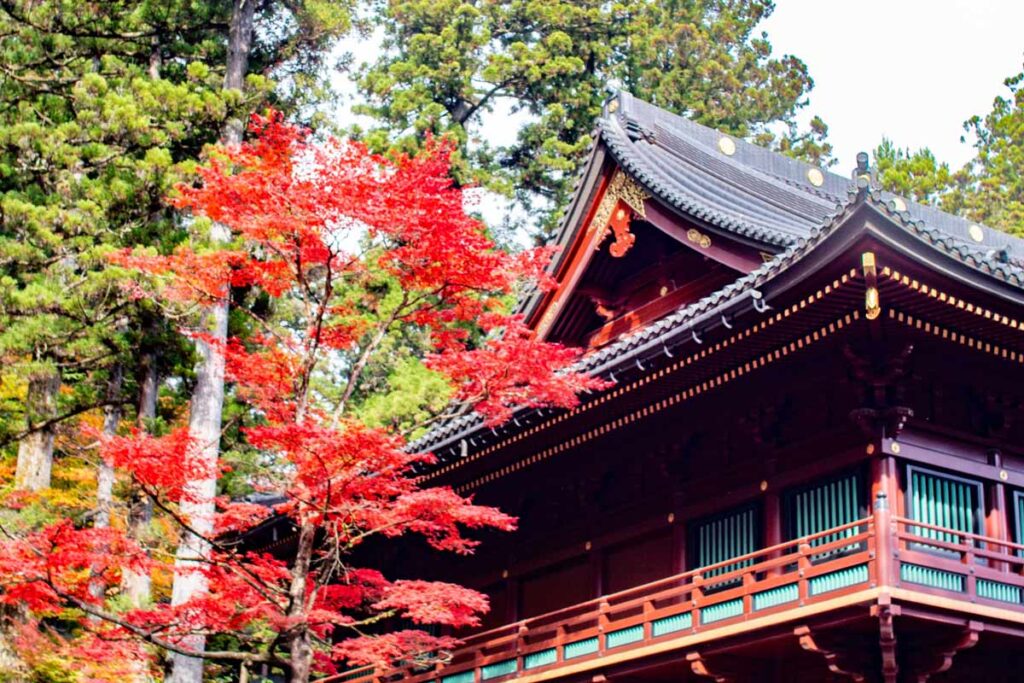
Nikko
- Toshogu Shrine
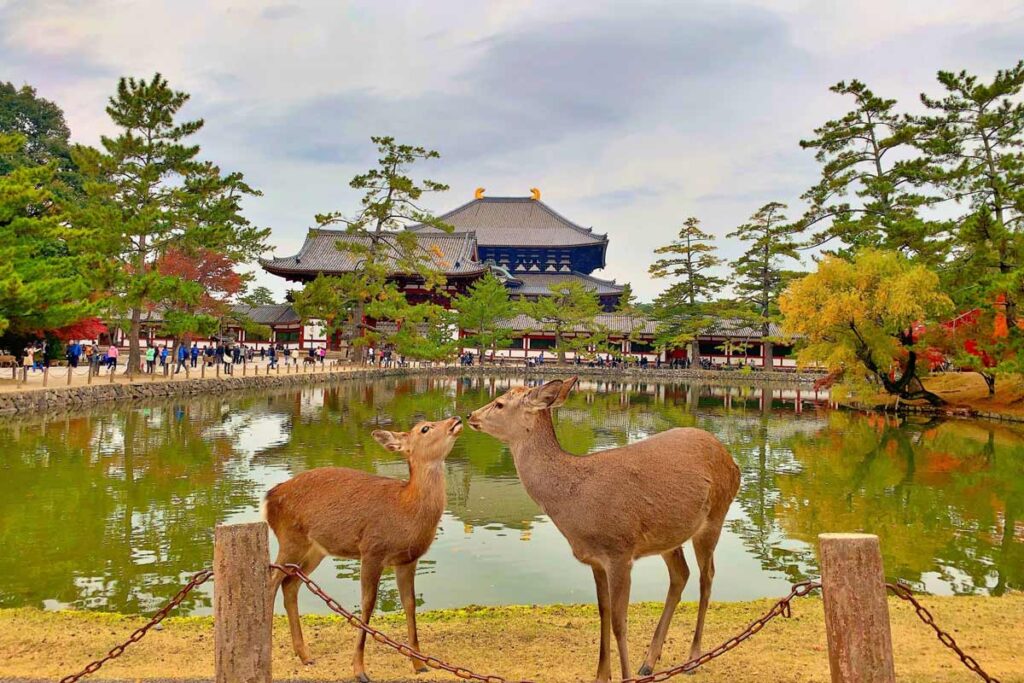
Nara
- Todaiji Temple
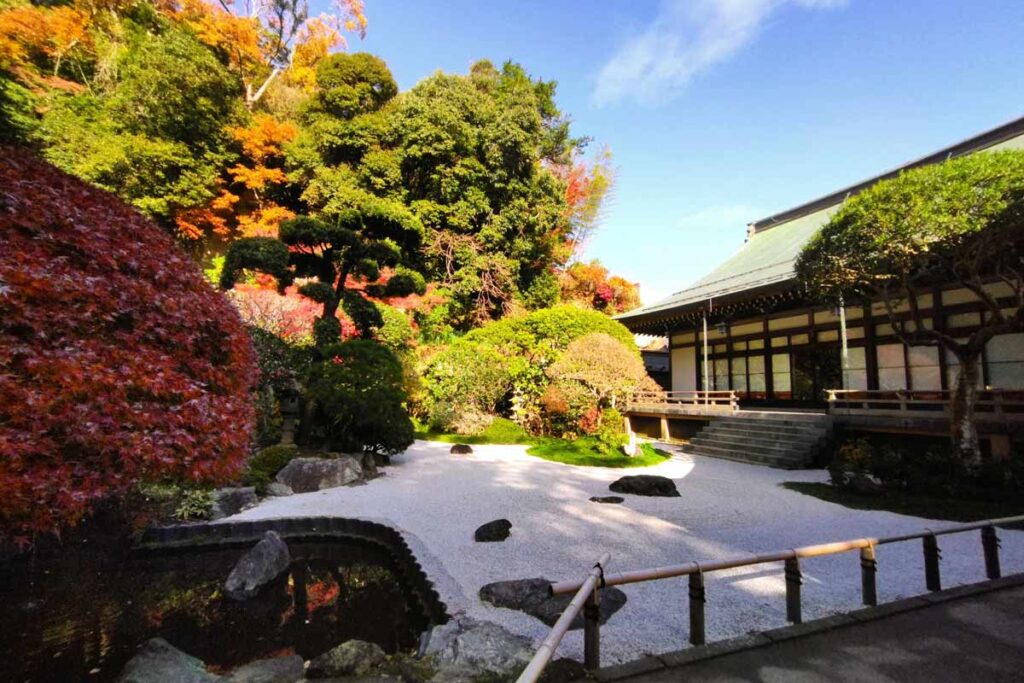
Kamakura
- Hokokuji Temple
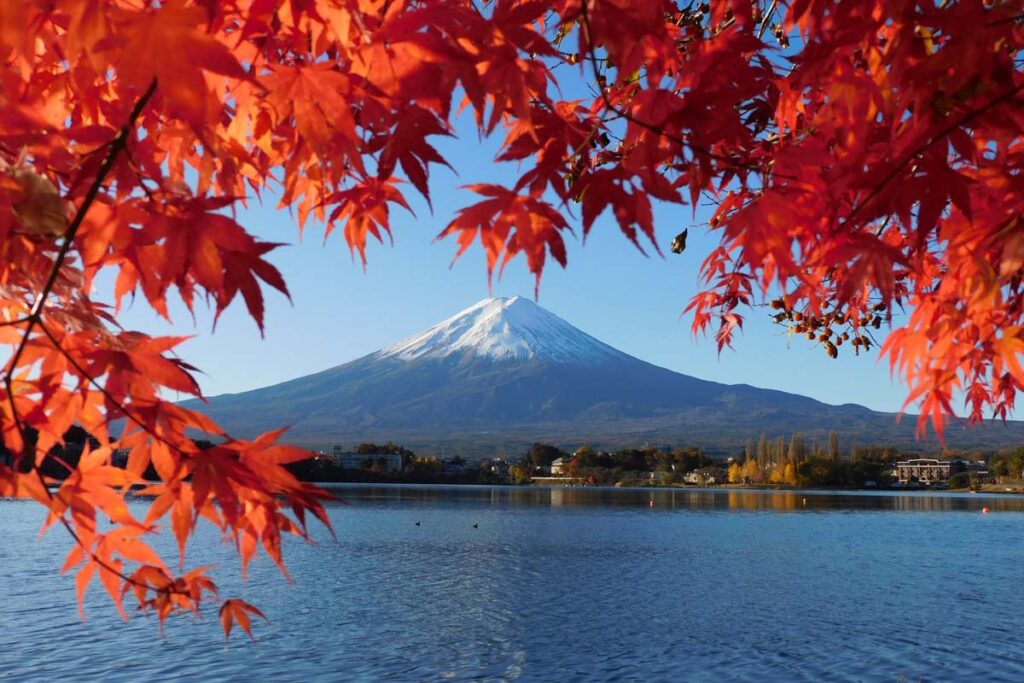
Mount Fuji
- Kawaguchi Lake
Other Seasonal Spot
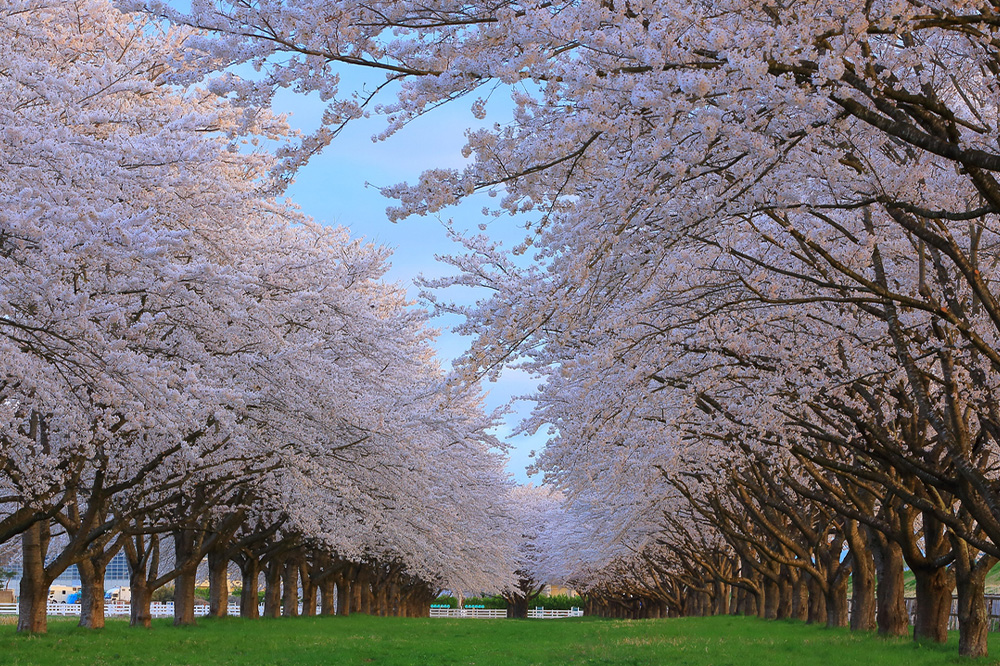
Cherry Blossoms

Summer Festivals