



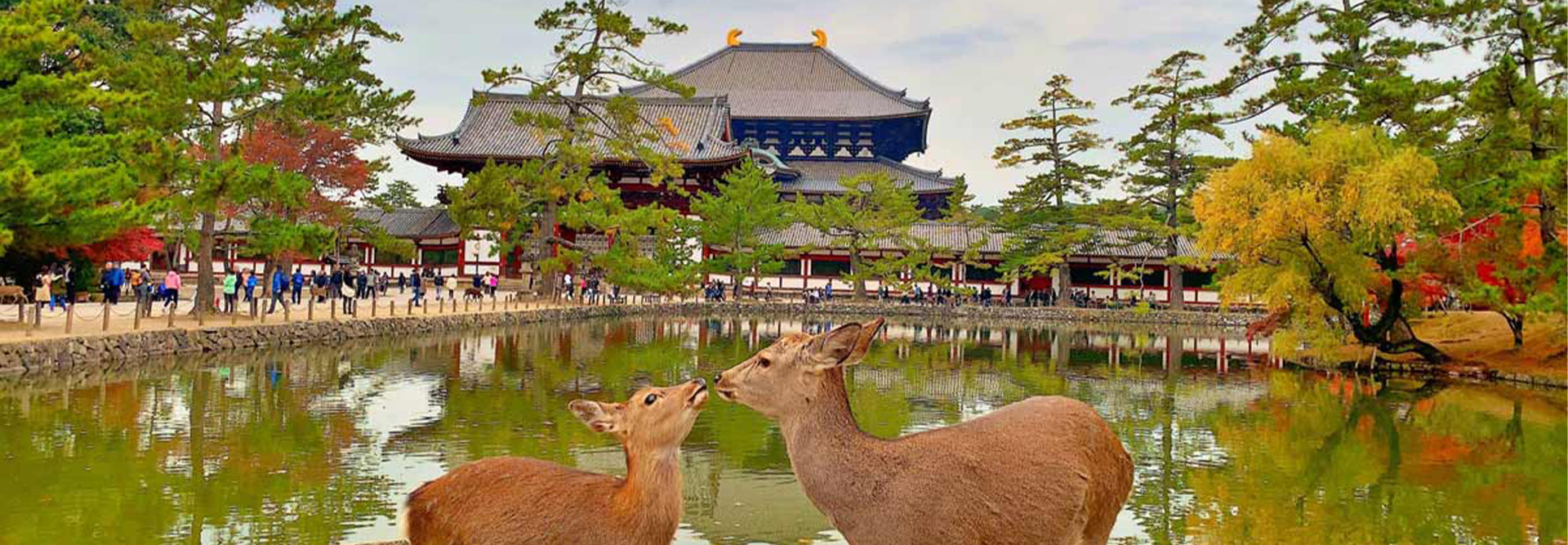
Nara - Todaiji Temple
Todaiji Temple Nara: A First-Time Visitor's Guide to Japan's Great Buddha
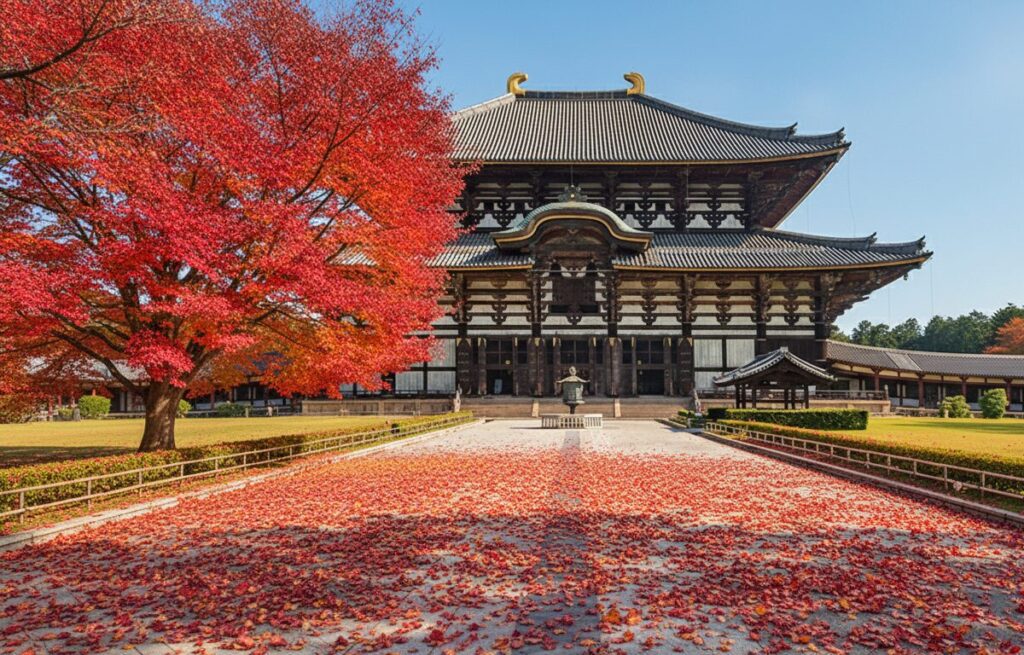
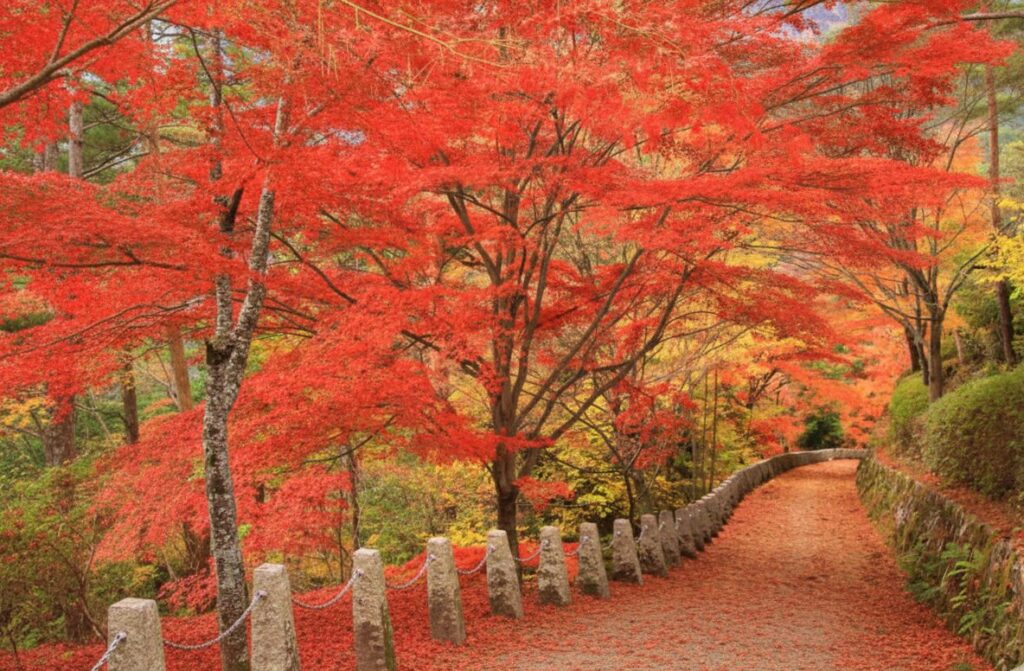
Photos are for illustrative purposes only.
For many first-time visitors to Japan, Tokyo and Kyoto are obvious highlights. Yet just under an hour from Kyoto lies Nara, an ancient capital where quiet parks, free-roaming deer, and monumental wooden temples create a completely different side of Japan. At the heart of it all stands Todaiji Temple, home to one of the world's largest bronze Buddha statues and a masterpiece of traditional Japanese architecture.
This guide introduces Todaiji Temple for international travelers: how to get there, what to see, cultural background, and practical tips to help you make the most of your visit.
Why Visit Todaiji Temple?
Todaiji is more than a beautiful temple; it is a symbol of Japan's early history, religious life, and artistic achievement. Founded in the 8th century when Nara was the capital of Japan, the temple played a central role in spreading Buddhism throughout the country.
Today, Todaiji is part of the UNESCO World Heritage–listed "Historic Monuments of Ancient Nara." The complex is famous for three things in particular:
- The Daibutsu, or Great Buddha of Nara
- The massive wooden Daibutsuden Hall
- The surrounding park, home to hundreds of semi-wild deer
Whether you are fascinated by history, photography, or simply want to experience a calmer side of Japan beyond the big cities, Todaiji makes a memorable day out.
Understanding Todaiji: A Brief Cultural Background
An 8th-Century Project of National Scale
Todaiji was commissioned in the mid-700s by Emperor Shomu, who hoped that Buddhism would help protect the nation from natural disasters and social unrest. At the time, raising a giant bronze Buddha statue and hall of this scale was an enormous undertaking, involving resources and craftsmanship from across Japan and even from the Asian continent.
The temple followed the Kegon Buddhist school, known for its complex philosophy of interconnection. Even if you do not know Buddhist doctrine, you can easily feel the sense of scale and ambition in the buildings and statues that remain.
The Great Buddha of Nara
The centerpiece of Todaiji is the Daibutsu, a serene bronze statue of Vairocana Buddha, considered a cosmic or universal Buddha in Mahayana Buddhism. The statue stands over 15 meters tall, and just its face is more than 5 meters in length. Over the centuries the statue has been damaged and repaired several times by fires and earthquakes, but its presence remains powerful.
For many visitors, the first sight of the Daibutsu inside the dim interior of the hall is unforgettable: incense in the air, soft voices, and the quiet gaze of the Buddha looking down from above.
Planning Your Visit
How to Get to Todaiji Temple
From Kyoto: Take the JR Nara Line rapid train from JR Kyoto Station to JR Nara Station (about 45–60 minutes, covered by the Japan Rail Pass). From the station, you can walk to Todaiji in around 30–40 minutes through Nara Park, or take a local bus (about 10 minutes) to the "Todaiji Daibutsuden" or "Daibutsuden Kasuga Taisha-mae" stop.
From Osaka: Two convenient routes:
- JR Yamatoji Line from JR Osaka Station to JR Nara Station (45–60 minutes)
- Kintetsu Nara Line from Osaka Namba to Kintetsu Nara Station (about 40 minutes)
Kintetsu Nara Station is slightly closer to Todaiji than JR Nara Station. From Kintetsu Nara, walk through the shopping arcades and into Nara Park; Todaiji is about 20 minutes on foot.
Opening Hours and Tickets
Exact times can change, but as a general guide:
- Opening hours: Typically around 7:30 or 8:00 to late afternoon (about 17:00), with slightly longer hours in peak seasons.
- Admission fee: There is a modest entry fee for the Daibutsuden (Great Buddha Hall). Combination tickets including neighboring halls or the museum are sometimes available.
Tickets are sold at the entrance gate to the Daibutsuden precinct. Carry some cash, as not all smaller temple ticket offices accept credit cards.
Best Time to Visit
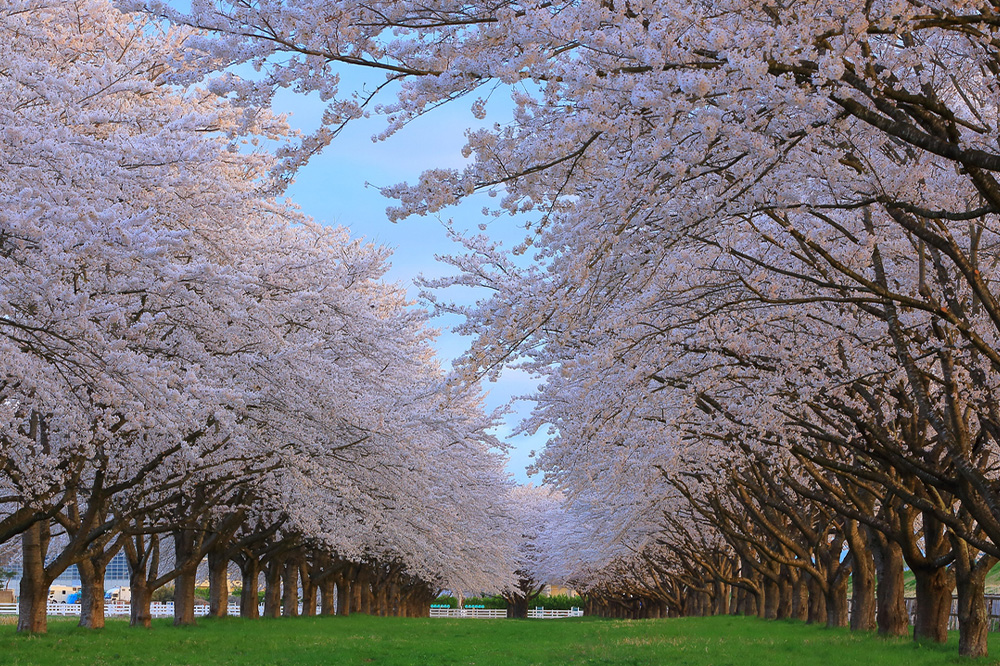
Season: Spring (late March to April) brings cherry blossoms to Nara Park, while autumn (late October to November) paints the surrounding hills in red and gold. These are also the busiest periods, with more crowds but especially atmospheric scenery. Summer is lush and green but can be very hot and humid; winter is quieter, and on rare snowy days Todaiji looks almost otherworldly.
Time of day: If you prefer quieter conditions, aim to arrive when the temple opens or later in the afternoon. Mid-morning and midday are the busiest, especially with large tour groups. Soft early or late light also makes it easier to photograph the buildings and deer.
Exploring the Temple Grounds
The approach to Todaiji is as much a part of the experience as the main hall. Even first-time visitors can navigate easily by following the steady flow of people from Nara Park.
Nandaimon Gate: Meeting the Guardians
As you walk toward the temple, you first pass through the imposing Nandaimon, or Great South Gate. This wooden gate is guarded by two enormous wooden statues of Nio, muscular guardian deities traditionally placed at temple entrances to ward off evil. These statues, carved in the 13th century, are masterpieces of Japanese sculpture. Many visitors pause here to look up at their fierce expressions and dynamic poses.
Beyond the gate, a broad gravel path leads to the main ticket area. On either side, you will likely see deer wandering freely or resting under the trees.
The Great Buddha Hall (Daibutsuden)
Once you enter the paid area, you stand before the Daibutsuden, or Great Buddha Hall. Even though the current structure is a reconstruction from the 18th century and about two-thirds the size of the original, it remains one of the largest wooden buildings in the world.
Inside, the vast interior is dominated by the Daibutsu. The statue sits on a lotus pedestal, flanked by large accompanying Bodhisattva figures. Around the hall are smaller altars, guardian statues, and plaques explaining the history and reconstruction of the temple.
Take your time to walk slowly around the central platform. The change in perspective as you circle the Buddha reveals different details: the folds in the robe, the intricate halo behind the head, and the massive wooden beams that support the roof above.
The Famous Pillar Hole
Toward the back of the hall, you may notice one of the wooden pillars has a rectangular hole cut through its base. According to local belief, the hole is the same size as the Great Buddha's nostril. People who squeeze through are said to receive good luck or enlightenment in their next life.
Children often crawl through easily, while taller adults may need to be more cautious. If you attempt it, be sure your clothing and belongings will not snag, and follow the staff's instructions. During busy periods there may be a queue.
Beyond the Main Hall: Other Highlights Nearby
Many visitors only see the Great Buddha Hall and leave, but the wider Todaiji complex and its surroundings reward a little extra time.
Nigatsudo and Higashimukudo Halls
From the Daibutsuden, a gently uphill path leads to Nigatsudo, one of Todaiji's sub-temples. The wooden terrace here offers one of the best free viewpoints over Nara city, especially at sunset. The hall is particularly famous for the Omizutori ceremony held every March, when monks carry large flaming torches along the balcony in a dramatic ritual to welcome spring and purify the city.
Nearby, small halls and stone lanterns line the paths, giving a more intimate feel compared with the grand scale of the main hall. If you enjoy quieter corners, this area is well worth the extra walk.
Todaiji Museum
Close to the main hall stands the Todaiji Museum, which showcases temple treasures, statues, and artifacts not normally visible in the temple buildings. Many exhibits have English descriptions, making it a good place to deepen your understanding of Buddhist art and the temple's history. If you are traveling in summer or winter, the museum also offers a comfortable break from heat or cold.
Nara Park and the Deer
Todaiji sits inside Nara Park, a large green space that stretches between several major temples and shrines. The park is famous for its deer, which are considered sacred messengers of the gods in the local Shinto tradition. Today they are a symbol of Nara itself.
Vendors around the park sell special deer crackers, called shika senbei. Many deer have learned to bow their heads in a polite gesture when they see you holding crackers. It is a charming and unique experience, but a few points of etiquette are important:
- Only feed official crackers made for deer; do not give bread, snacks, or plastic-wrapped food.
- Do not tease the deer by pretending to feed them; some will nudge or lightly nip if they feel ignored.
- Keep an eye on small children; although the deer are used to people, they are still animals with horns and hooves.
For many first-time visitors to Japan, this close but gentle interaction with animals in a religious-historical setting is a highlight of the trip.
Cultural Etiquette at Todaiji
Even as a popular tourist destination, Todaiji remains an active place of worship. A few simple customs will show respect and help you blend in with local visitors.
- At the purification basin: Near the entrance you may see a stone basin with ladles. If you wish, you can follow local practice by rinsing your left hand, right hand, and briefly your mouth (spit beside the basin, not into it). It is optional, but a meaningful way to participate.
- Inside halls: Remove your hat, speak quietly, and avoid blocking pathways. Photography is generally allowed in the Daibutsuden, but flash or tripods may be prohibited; always follow signs and staff instructions.
- At offering boxes: If you see locals tossing coins and bowing, you may join in if you wish. Typically you throw a coin, bow twice, bring your hands together to pray briefly, then bow once more.
Casual clothing is accepted, but very revealing outfits may feel out of place in sacred spaces. Comfortable walking shoes are essential, as you will cover a lot of ground around the park and temple.
Suggested Itinerary: Half-Day in Nara with Todaiji
If you are visiting Nara as a day trip from Kyoto or Osaka, you can easily combine Todaiji with other nearby sights.
- Morning arrival in Nara: Walk from the station through Nara Park, meeting deer along the way.
- Todaiji Daibutsuden: Spend 60–90 minutes exploring the main hall, gardens, and museum if you wish.
- Walk to Nigatsudo: Enjoy the paths, smaller halls, and view over the city.
- Lunch near the park: Try local specialties such as kakinoha-zushi (sushi wrapped in persimmon leaves) or simple noodle dishes.
- Afternoon options: Continue to nearby Kasuga Taisha Shrine with its stone lantern-lined paths, or visit Kofukuji Temple closer to the station.
If you prefer a slower pace, you could simply take more time around Todaiji and the park, enjoying the changing light and relaxed atmosphere.
Practical Tips for First-Time Travelers
- Language: Staff at the ticket counters may speak basic English, and simple English signs are common. A translation app is still useful for reading notices or asking questions.
- Payments: Major stations and larger shops in Nara accept credit cards, but smaller temple offices and snack stands often prefer cash.
- Luggage: If you are coming just for the day, use coin lockers at Nara stations to store large bags, so you can walk freely around the park.
- Weather preparation: In summer, carry water, sun protection, and consider a small towel or handkerchief like many locals do. In winter, gloves and a warm coat are recommended, as the temple interiors are not heated.
- Respectful photography: Avoid photographing people while they are praying unless you have clear permission. Step aside if someone wishes to make an offering where you are standing.
Experiencing the Spirit of Nara at Todaiji
Visiting Todaiji Temple is about more than seeing a famous statue. It brings together many elements that make Japan so compelling for first-time travelers: a sense of deep history, living religious traditions, careful craftsmanship, and harmony between nature and architecture.
From the quiet guardians at the Nandaimon Gate to the calm gaze of the Great Buddha and the gentle curiosity of Nara's deer, Todaiji offers a concentrated introduction to Japan's cultural heart. With a little planning and awareness, your trip to this ancient temple can become one of the most vivid memories of your time in Japan.

Access Map
Recommended spots for Autumn Leaves
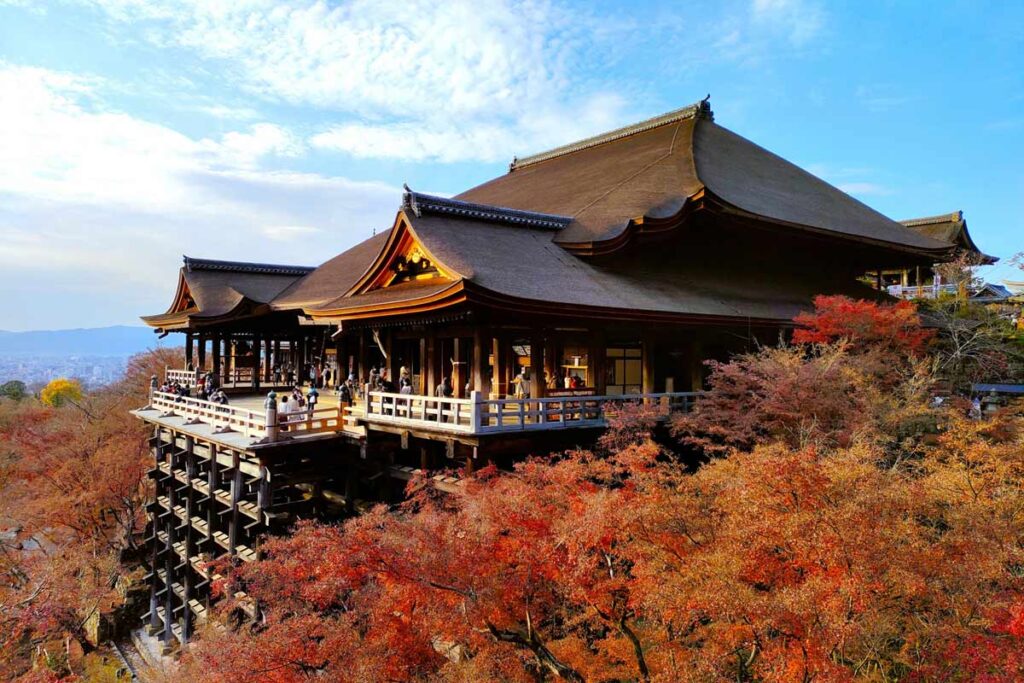
Kyoto
- Kiyomizu-dera
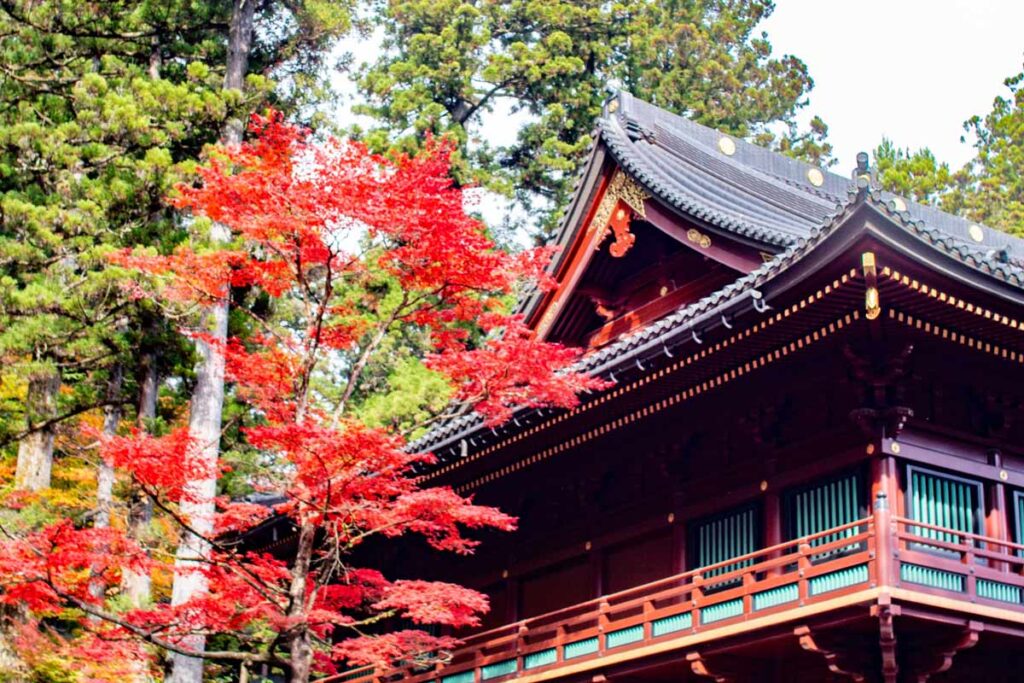
Nikko
- Toshogu Shrine
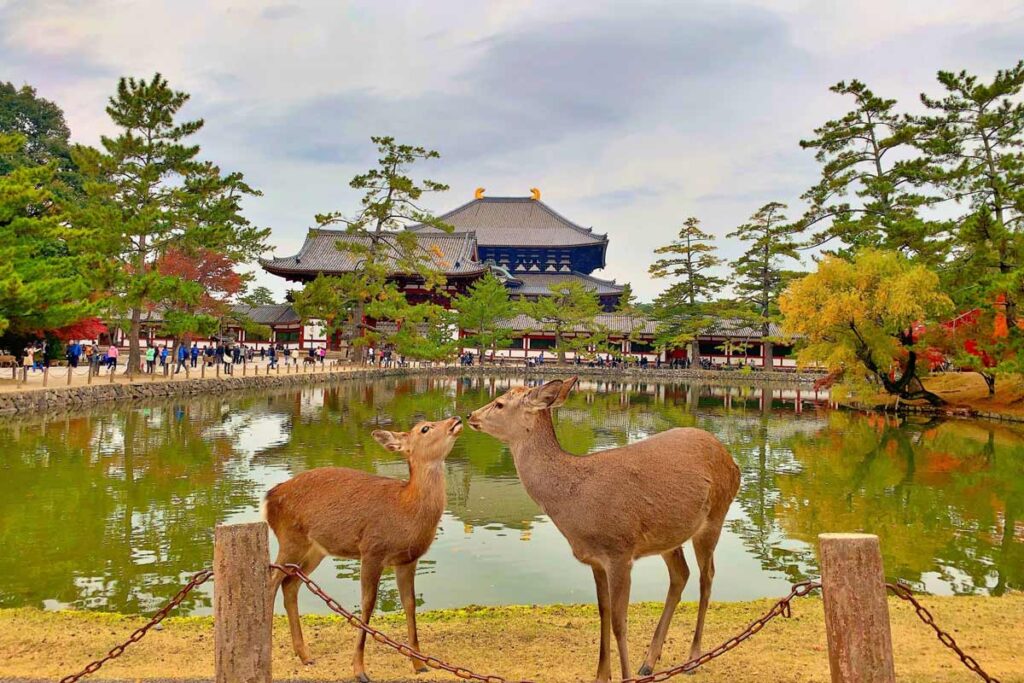
Nara
- Todaiji Temple
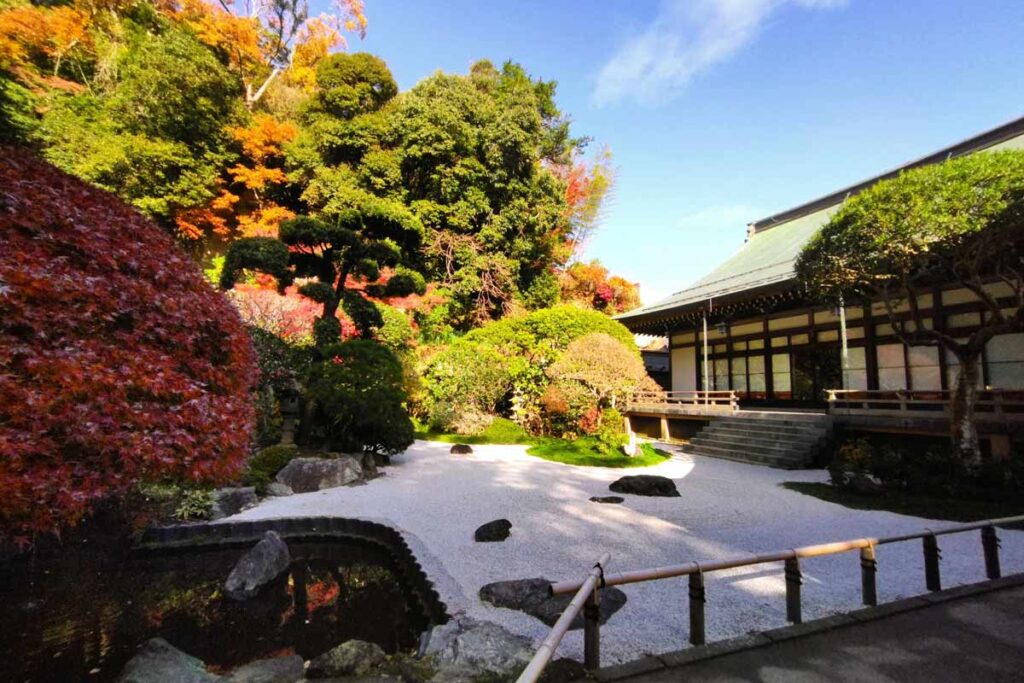
Kamakura
- Hokokuji Temple
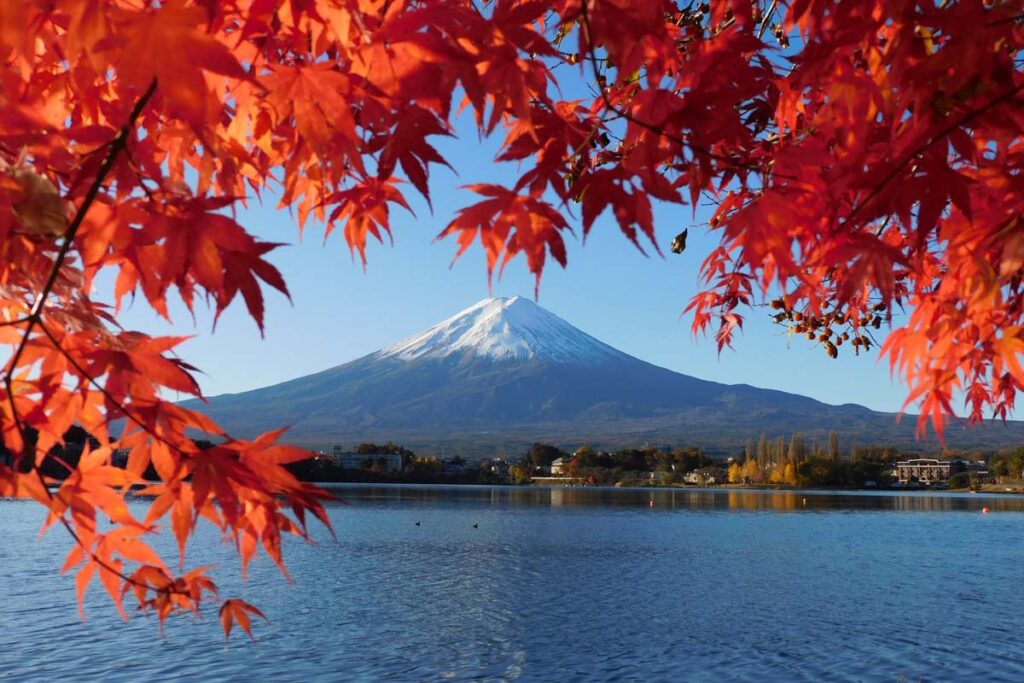
Mount Fuji
- Kawaguchi Lake
Other Seasonal Spot
Cherry Blossoms

Summer Festivals