
Kamakura - Hokokuji Temple
Hokokuji Temple, Kamakura: A Tranquil Bamboo Escape in Japan
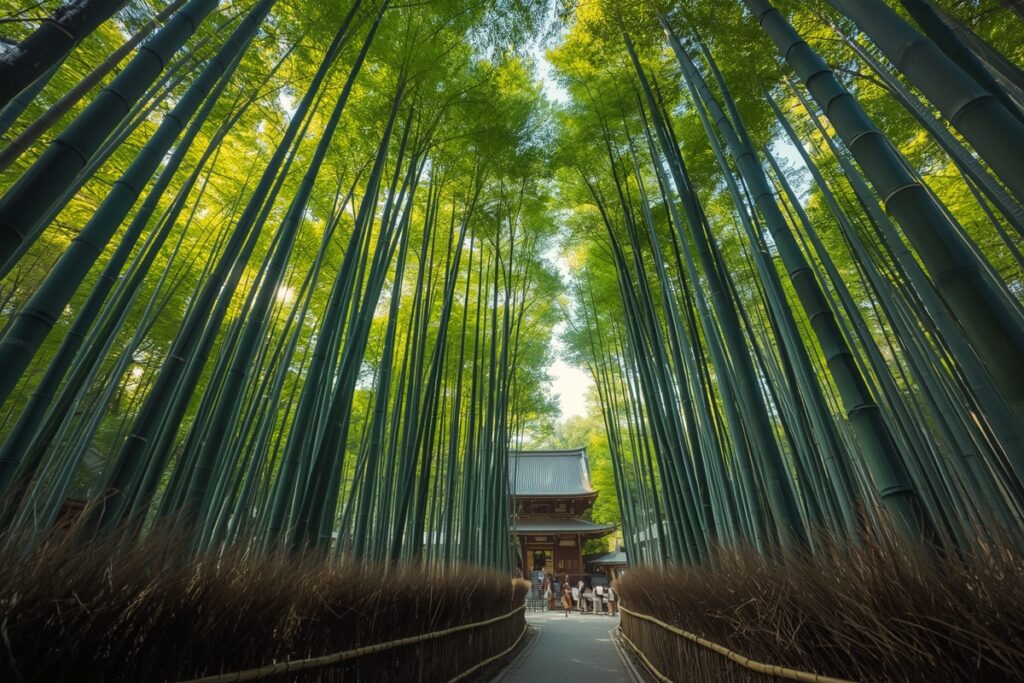
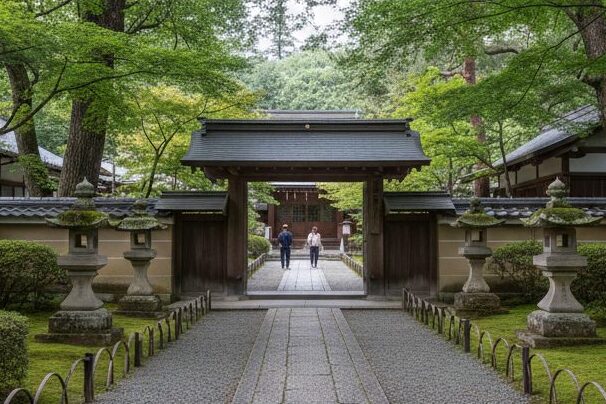
Photos are for illustrative purposes only.
In a country famous for neon skylines and bullet trains, Hokokuji Temple in Kamakura offers a very different Japan: soft light filtering through bamboo, the scent of matcha tea, and the quiet crunch of gravel underfoot. For first-time visitors to Japan, this small temple is one of the easiest places to feel the calm, contemplative side of Japanese culture.
What Is Hokokuji Temple?
Hokokuji Temple (報国寺) is a Zen Buddhist temple in Kamakura, a coastal city about an hour south of Tokyo. Often called the “bamboo temple,” it is best known for its beautiful bamboo grove that spreads behind the main hall. Unlike Kyoto's famous bamboo forests, Hokokuji is compact, intimate, and usually far less crowded.
Founded in the early 14th century, Hokokuji belongs to the Rinzai school of Zen Buddhism. It was originally the family temple of powerful samurai clans, but today it welcomes travelers from around the world who come to enjoy its peaceful atmosphere and traditional tea.
Why Hokokuji Belongs on a First-Time Japan Itinerary
For many visitors, Hokokuji becomes a highlight of their Kamakura day trip. It combines history, nature, and traditional tea culture in a format that is easy to understand and enjoy, even if this is your first time in Japan.
An Intimate Bamboo Forest
The heart of Hokokuji is its bamboo grove, where hundreds of tall stalks rise in narrow clusters. The grove is carefully maintained, with a winding path that leads you between the bamboo. The air feels cooler and quieter, the sunlight turns emerald, and the soundscape changes to birdsong and bamboo leaves brushing in the wind.
Compared with larger, more crowded bamboo sites, Hokokuji’s grove feels like a private garden. It is small enough that you can walk through in a few minutes, but many visitors choose to sit quietly on a bench or stand still and simply listen. It is an ideal place for photography, meditation, or a slow walk after a busy morning of sightseeing.
Zen Atmosphere and Tea Culture
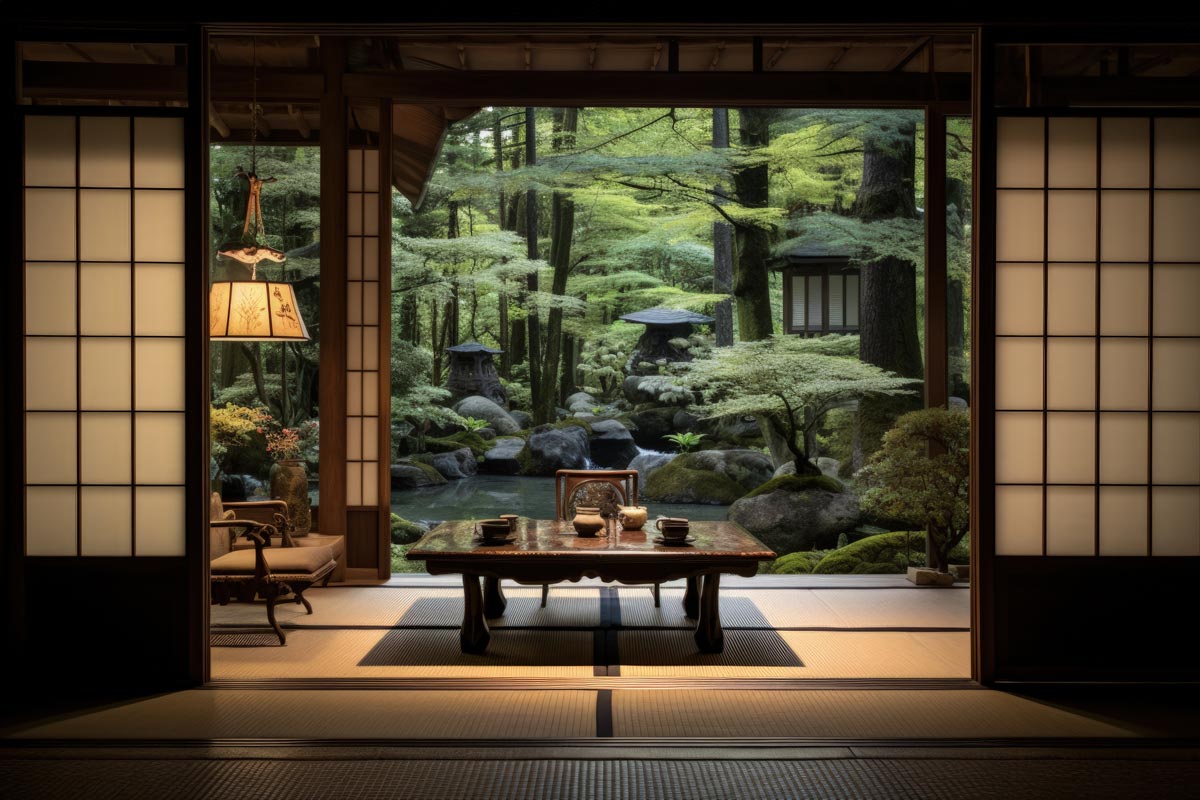
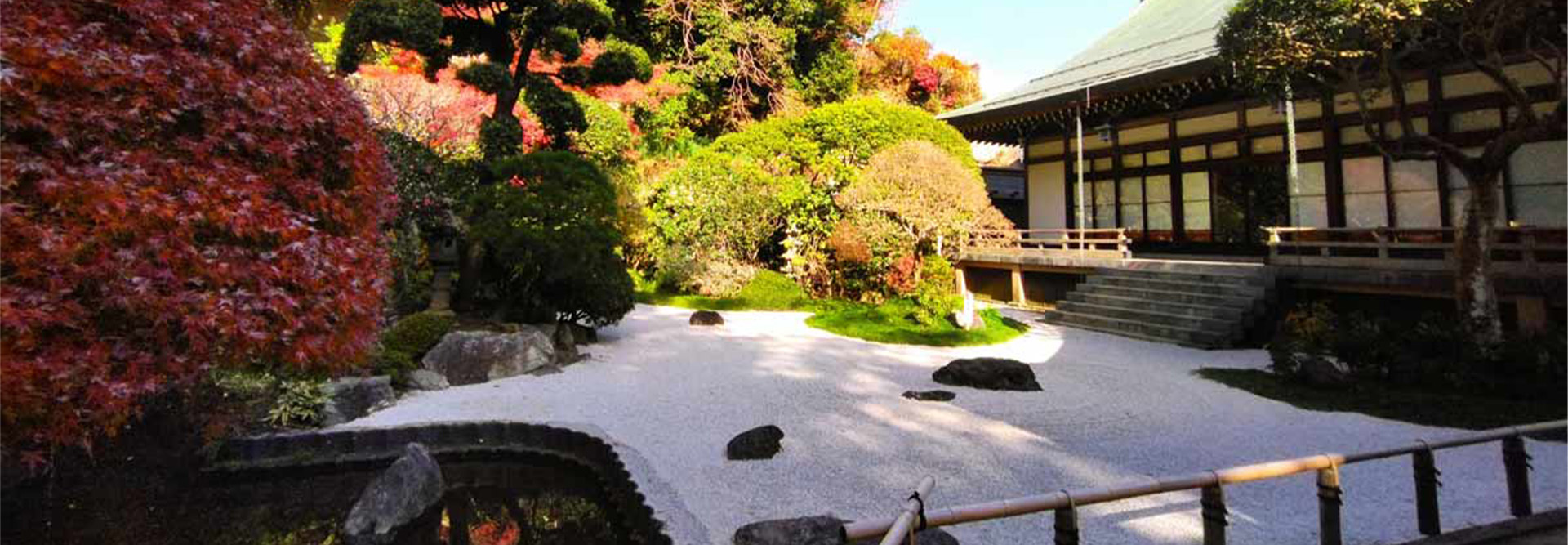
Zen Buddhism emphasizes simplicity, awareness of the present moment, and appreciation of ordinary beauty. You can feel this philosophy in the layout of Hokokuji: low wooden buildings, stone lanterns, moss-covered ground, and carefully placed trees and shrubs.
Near the bamboo grove is a small teahouse where visitors can drink matcha (powdered green tea) while looking out at the bamboo. This is one of the most memorable experiences in Kamakura: sitting in a quiet corner, watching the vertical lines of bamboo and listening to the bamboo leaves rustle as you slowly sip your tea. Even if you have never tried matcha before, this is a gentle and accessible introduction to Japanese tea culture.
A Soothing Contrast to Busy Tokyo
If you are based in Tokyo, Hokokuji makes an excellent half-day or full-day escape. The train ride to Kamakura is straightforward, and from there buses or taxis take you to the temple area. Within a short travel time, you move from crowded train platforms to a calm garden where your pace naturally slows down.
A Short History of Hokokuji
Hokokuji was founded in the early 1300s, during the Kamakura period, when the city served as the political center of Japan under the rule of the shogunate. This was a time when samurai warriors and Zen monks had close connections. Zen teachings about discipline, mindfulness, and facing death with clarity resonated with the warrior class.
The temple became associated with prominent samurai families, and their tombs and stone stupas can still be seen around the grounds. Over centuries, fires and earthquakes damaged some structures, but Hokokuji retained its character as a secluded place of practice. The bamboo grove, originally part of the temple’s back garden, gradually became its signature feature.
Today, Hokokuji functions both as an active religious site and a popular sightseeing spot. Monks live and practice here, maintaining the buildings, garden, and bamboo grove, and occasionally leading Zen activities such as meditation sessions for visitors.
Highlights of the Temple Grounds
Main Gate and Temple Approach
Your visit begins at a traditional wooden gate facing the street. After paying the entrance fee, you walk along a short path lined with trees, stone lanterns, and low hedges. This approach already begins to quiet the mind, separating you from the noise of traffic outside.
On your left and right you will notice small sub-temples or auxiliary halls, depending on current maintenance and access. The landscaping is subtle: moss, rocks, and seasonal flowers arranged to frame the architecture without overpowering it.
Main Hall (Hondo)
The main hall of Hokokuji is a modest wooden building, typical of Zen temples. Inside, there is usually an altar with a principal image of the Buddha, offerings of flowers and incense, and hanging scrolls. The hall may not always be open for casual visitors, but even from the outside you can sense the simplicity and focus that are important in Zen practice.
Remove your shoes if you are invited to step up onto any wooden platform or tatami area. This is a standard custom at Japanese temples and shrines.
The Bamboo Grove
Beyond the main hall, a small gate and stone path lead you into the famous bamboo grove. The transition is dramatic: one moment you are in a bright garden, and the next you are under a tall green canopy with dappled light. The bamboo stalks, some as thick as a wrist, are closely spaced and rise more than ten meters into the sky.
A narrow walking path loops through the grove. It is not long, but it encourages you to slow down and observe details: the patterns on the bamboo, the small shrines tucked between trees, and the way sunlight moves across the forest floor. At several points there are benches or small spaces where you can stop and take photos without blocking others.
Teahouse and Matcha Experience
At the back of the grove is a simple teahouse that opens toward the bamboo. For an additional fee, you can sit on the terrace or at low tables and enjoy a bowl of freshly whisked matcha served with a small traditional sweet. The tea is mildly bitter, and the sweet balances the flavor.
Drinking tea at Hokokuji is more about the setting than formal ceremony. You do not need any special knowledge of Japanese tea etiquette. Basic points to remember:
- Wait to be shown where to sit.
- Hold the bowl with both hands as you drink.
- Try to finish your tea in a few steady sips rather than tiny tastes.
Many visitors stay here for 15–30 minutes, simply observing the play of light and shadow in the bamboo while they drink. It is a calming pause in the middle of a sightseeing day.
Caves and Stone Monuments
Around the edges of the temple grounds you may notice shallow caves cut into the hillside. These are thought to have served as burial or memorial spaces for members of the samurai families connected to the temple. Stone stupas, carved tablets, and small statues mark these sacred spots.
These details remind visitors that Hokokuji is more than a scenic garden; it is part of a long, layered history of warrior culture, spirituality, and everyday life in Kamakura.
Practical Information for Visitors
Location and Access from Tokyo
Hokokuji is in the eastern part of Kamakura, in a quieter residential area slightly away from the main station and beach. From central Tokyo, the typical route is:
- Take a JR train (for example, the JR Yokosuka Line) from Tokyo or Shinagawa Station to Kamakura Station. The ride is about one hour.
- From Kamakura Station, walk to the bus stop in front of the east exit.
- Board a bus heading toward the Jomyoji or Kamakura-gu area. Get off at the Jomyoji bus stop; from there, Hokokuji is a short walk.
Taxis from Kamakura Station are another easy option, especially if you are traveling with luggage or a group.
Opening Hours and Tickets
Hokokuji typically opens in the morning and closes in the late afternoon, with last entry slightly before closing time. Hours and entrance fees can change, so check the latest information shortly before your visit.
The entrance fee covers access to the main grounds and bamboo grove. The matcha experience at the teahouse requires a separate small fee, which you usually pay when you enter the grounds or at the teahouse itself.
When to Visit
Hokokuji is attractive year-round:
- Spring: Fresh green leaves, mild temperatures, and some seasonal flowers make this a comfortable time to explore both the grove and the city.
- Summer: The bamboo canopy provides welcome shade and a cooler microclimate, though humidity can be high.
- Autumn: Clear air and autumn foliage in the surrounding garden create a beautiful contrast with the evergreen bamboo.
- Winter: The temple is quieter, and on rare snowy days the bamboo grove looks magical.
To avoid crowds, aim for weekday mornings. The bamboo grove is relatively small, so a few tour groups can quickly make it feel busy; arriving early helps preserve the tranquil atmosphere.
How Long to Spend
Most visitors spend 45–90 minutes at Hokokuji, depending on how long they stay in the teahouse. If you plan a full day in Kamakura, you can combine Hokokuji with nearby sites such as Tsurugaoka Hachimangu Shrine, Kamakura-gu, or the Great Buddha at Kotoku-in.
Etiquette and Tips for a Respectful Visit
Hokokuji is a working temple, not a theme park. A few simple guidelines will help you enjoy your visit and respect local customs:
- Keep voices low: The bamboo grove in particular is a place for quiet reflection.
- Follow the path: Do not step off the designated trail into the bamboo or onto mossy areas.
- Photography: Photos are generally allowed outdoors, but avoid flash, loud shutters, and intrusive posing. Respect any “no photography” signs.
- Food and drink: Do not eat while walking through the grounds. Enjoy snacks or drinks only in designated areas like the teahouse.
- Dress politely: There is no strict dress code, but modest clothing is appreciated in religious spaces.
Connecting Hokokuji with the Rest of Kamakura
Kamakura is compact enough that you can see several attractions in one day, but rich enough to reward slow exploration. Hokokuji fits naturally into an itinerary that balances famous landmarks with quieter corners.
Many travelers start at Tsurugaoka Hachimangu Shrine near Kamakura Station, then continue to Hokokuji and other temples in the eastern area. Another option is to begin your day at Hokokuji to enjoy the bamboo grove in its quietest hours, then move on to busier spots like the Great Buddha or the shopping street of Komachi-dori.
Wherever else you go in Kamakura, Hokokuji offers a gentle pause: a chance to sit, breathe, and experience the slower rhythms that are an essential part of Japan, but easy to miss in the rush of a short trip.
Is Hokokuji Temple Worth Visiting?
For first-time visitors to Japan, Hokokuji Temple is absolutely worth including in a Kamakura day trip. It is easy to reach from Tokyo, welcoming to international travelers, and offers an atmosphere that cannot be captured in photos alone. The combination of bamboo grove, tea with a view, and living Zen history makes Hokokuji a place where many travelers unexpectedly feel their trip to Japan “click” into focus.
When you step back through the gate and return to the busy streets, you carry a little of that calm with you—a quiet reminder of the Japan that exists beyond the city lights.

Access Map
Recommended spots for Autumn Leaves
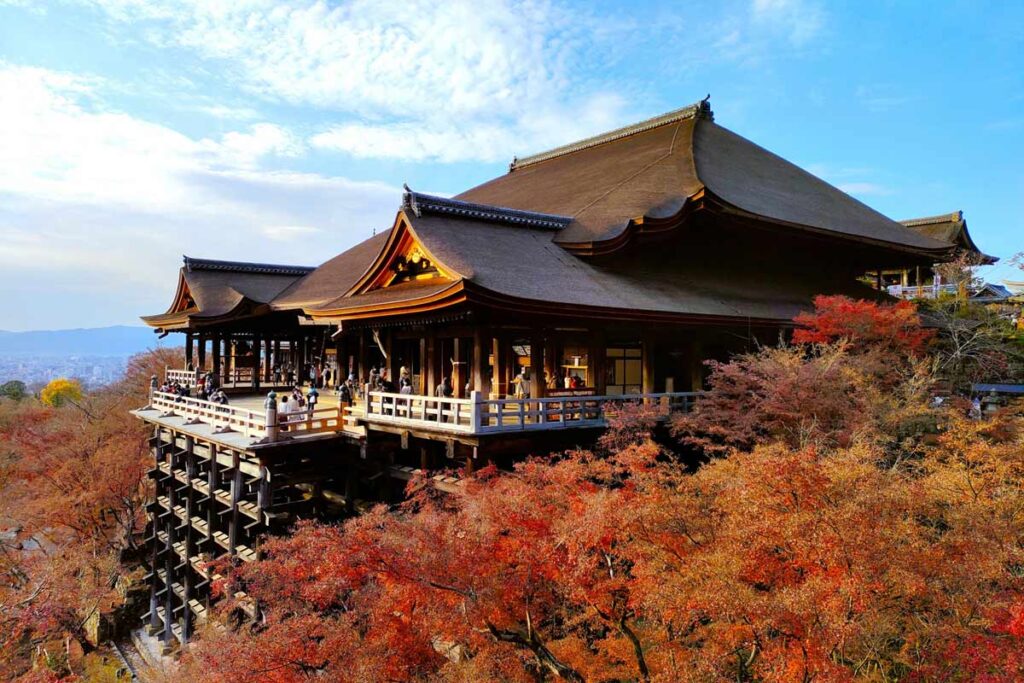
Kyoto
- Kiyomizu-dera
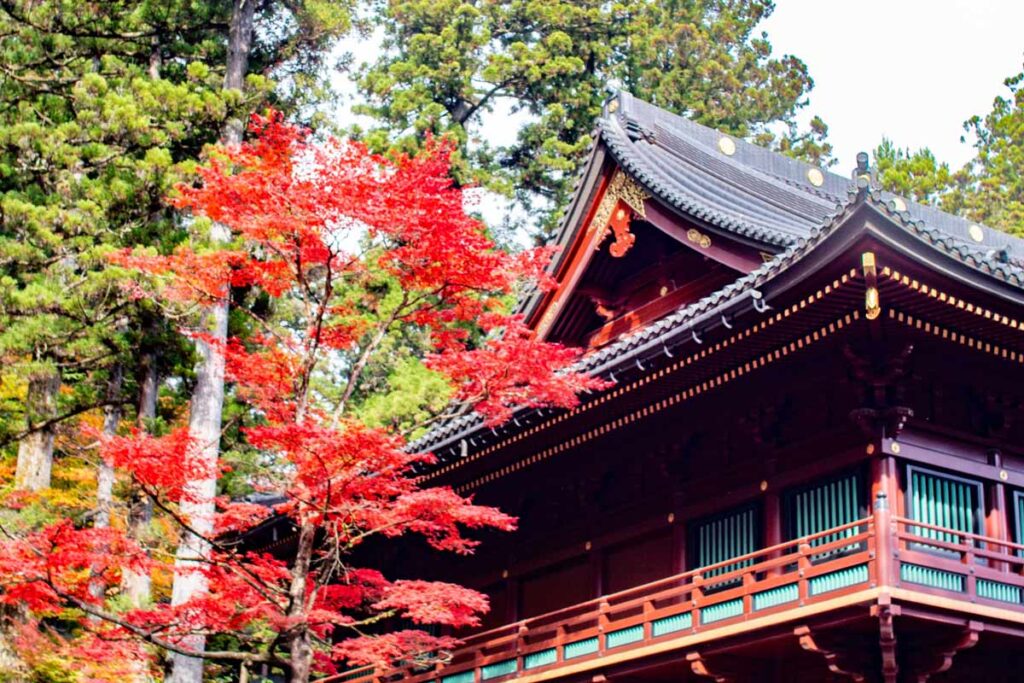
Nikko
- Toshogu Shrine
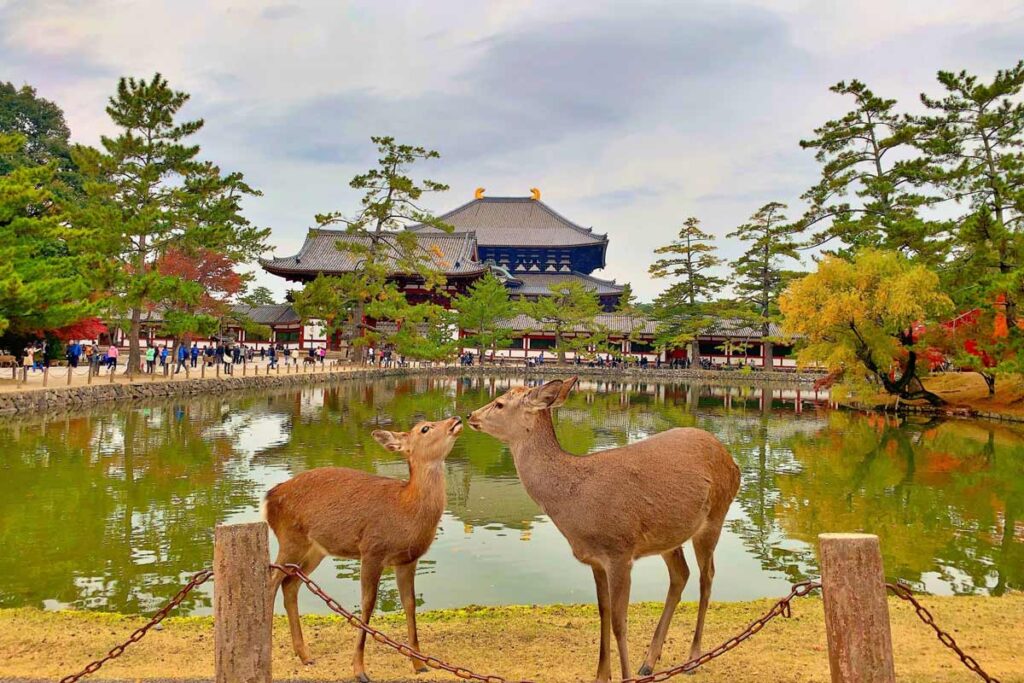
Nara
- Todaiji Temple
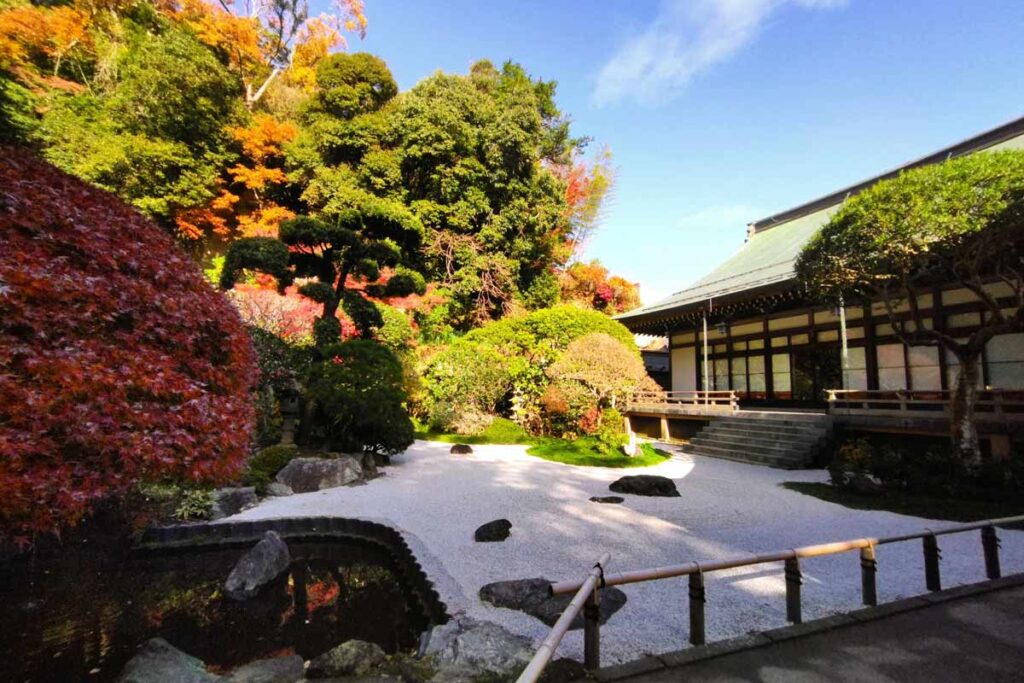
Kamakura
- Hokokuji Temple
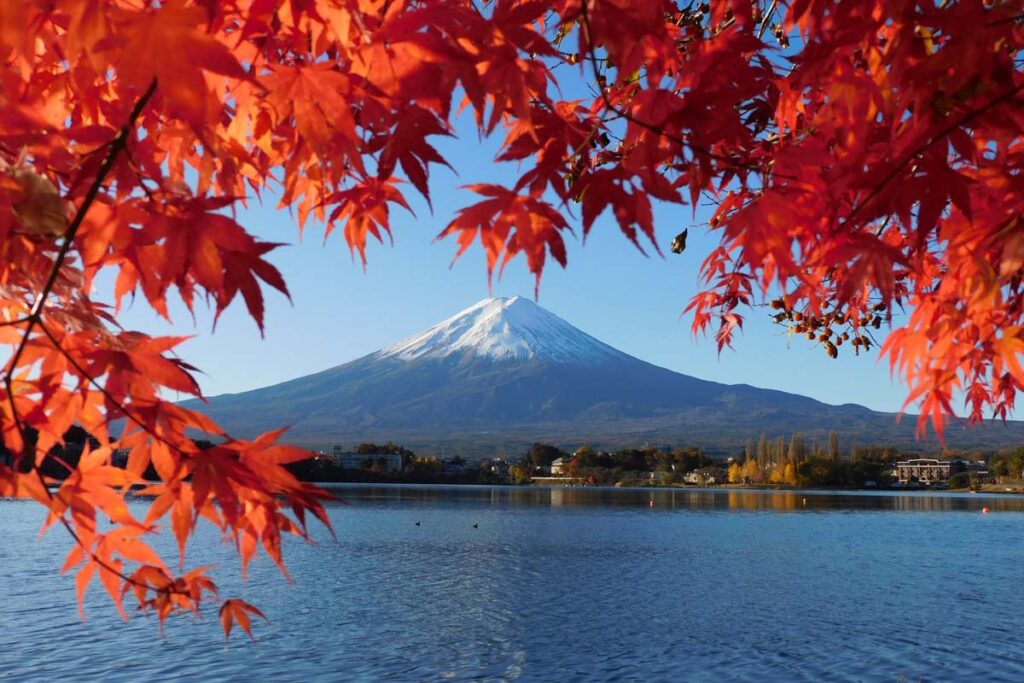
Mount Fuji
- Kawaguchi Lake
Other Seasonal Spot
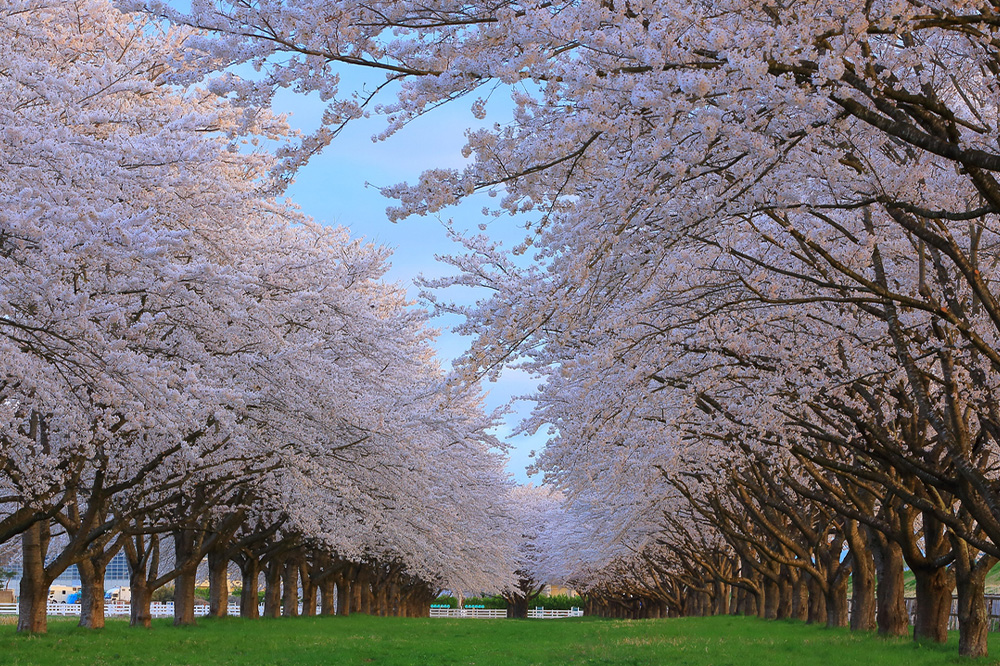
Cherry Blossoms

Summer Festivals